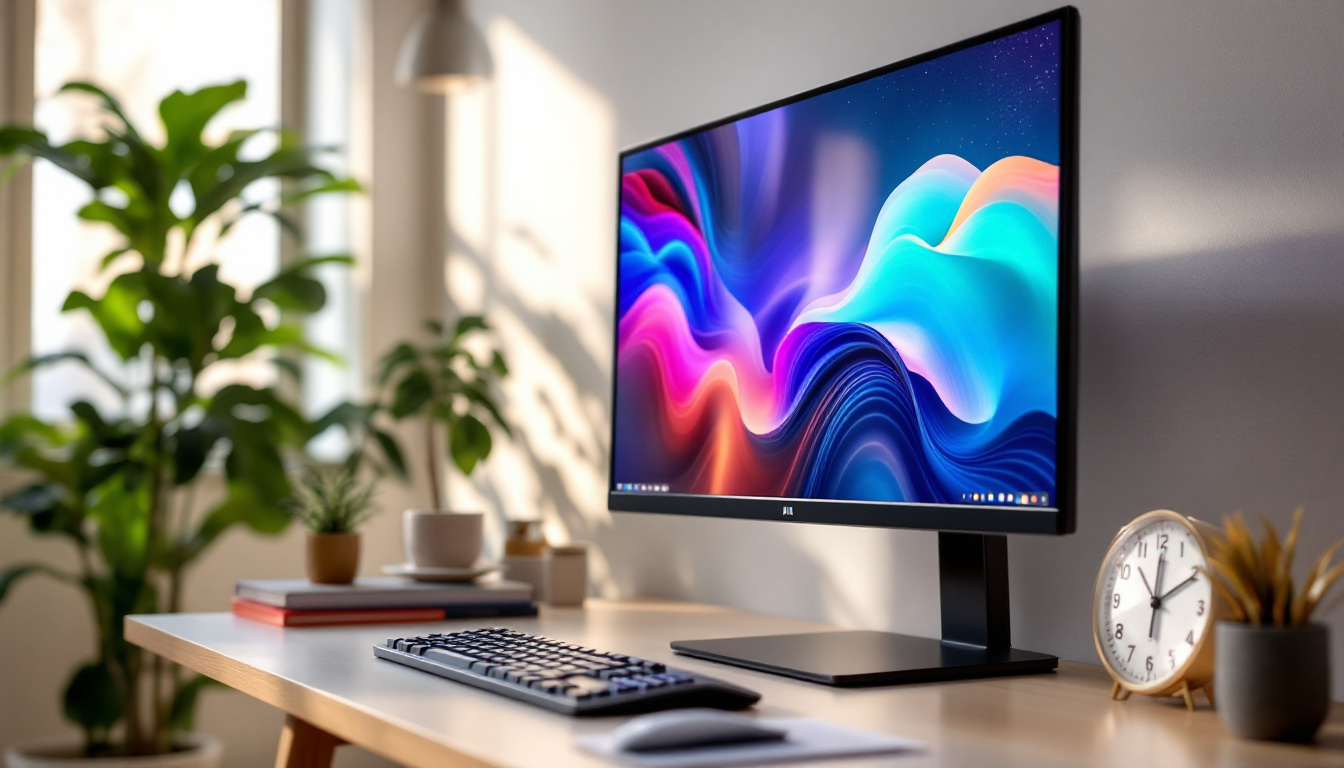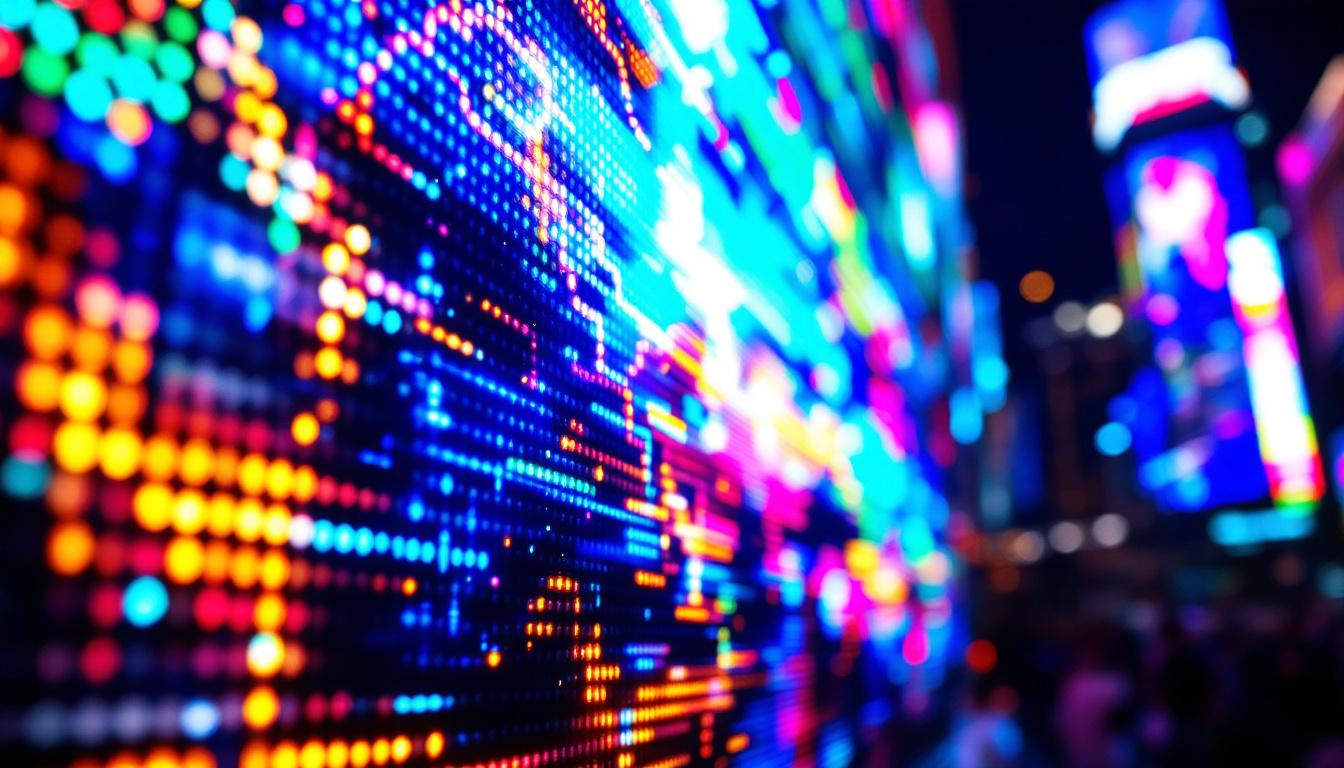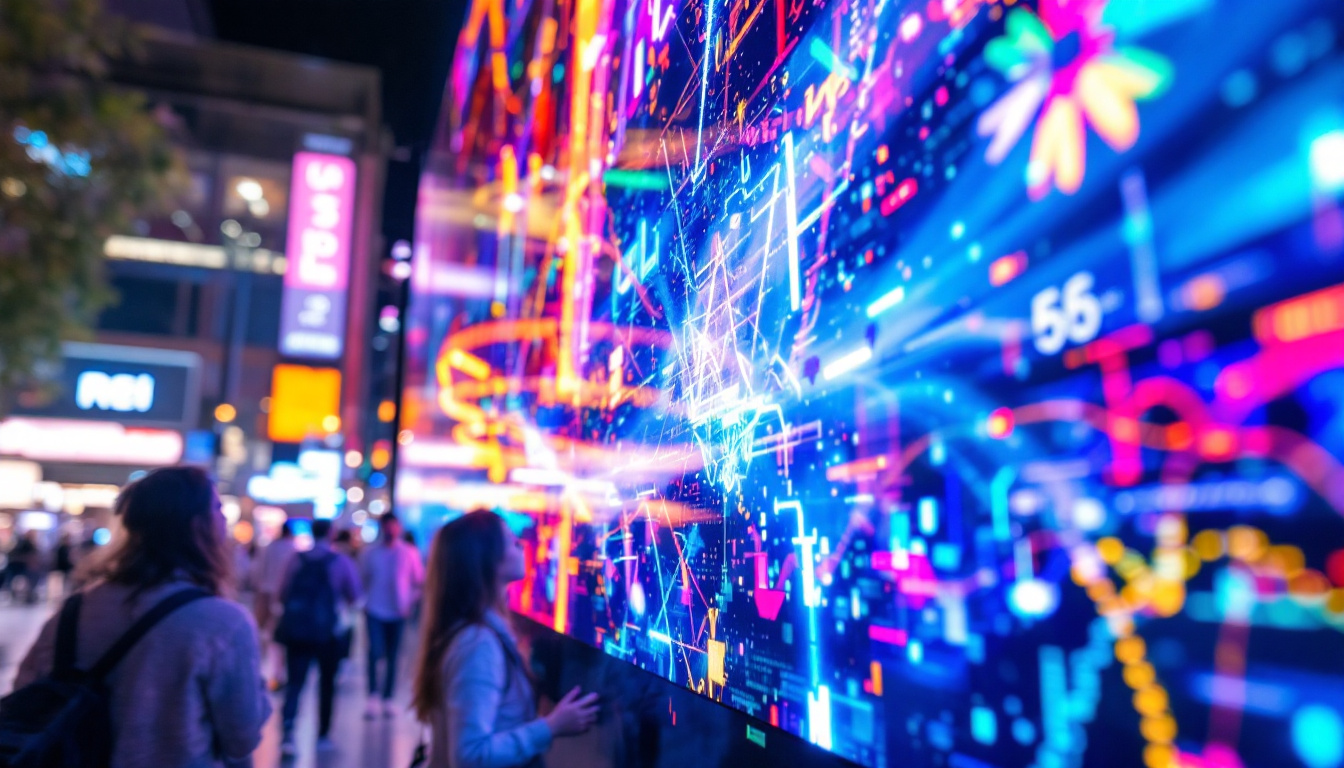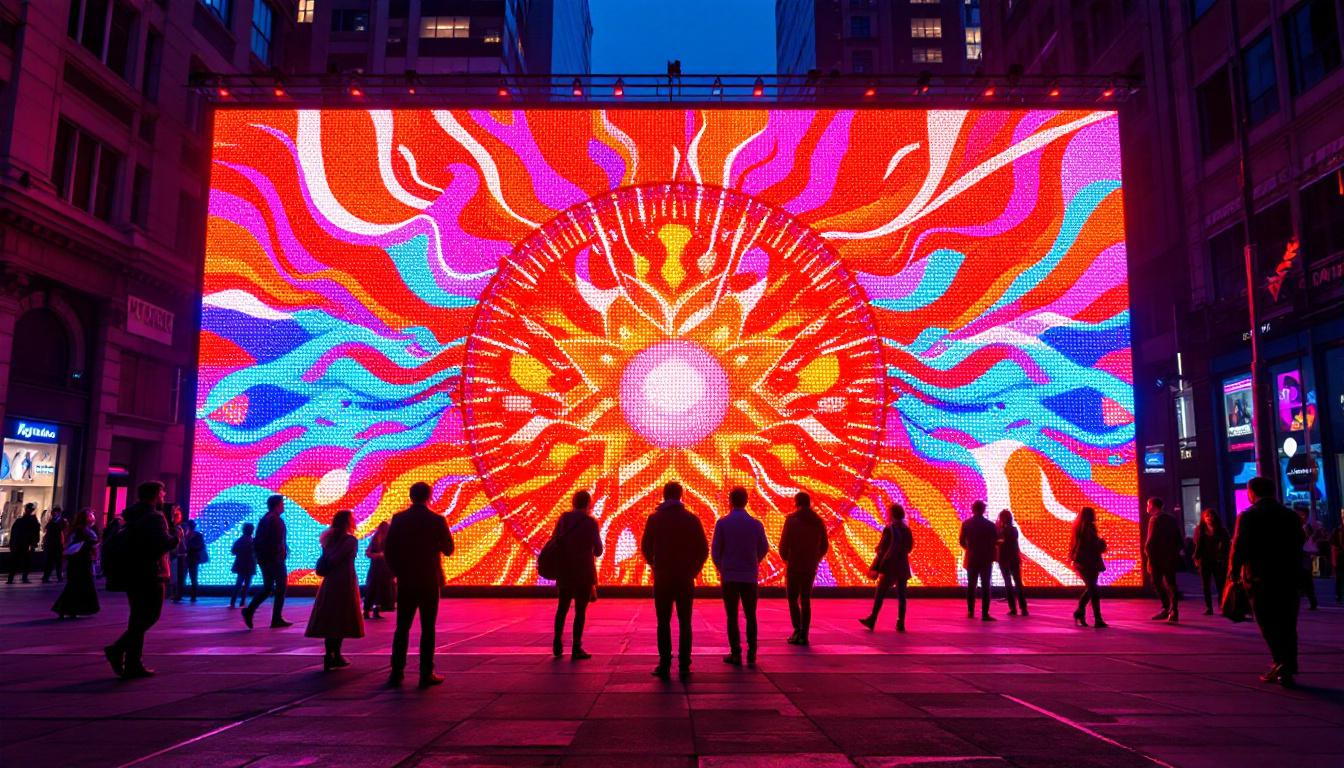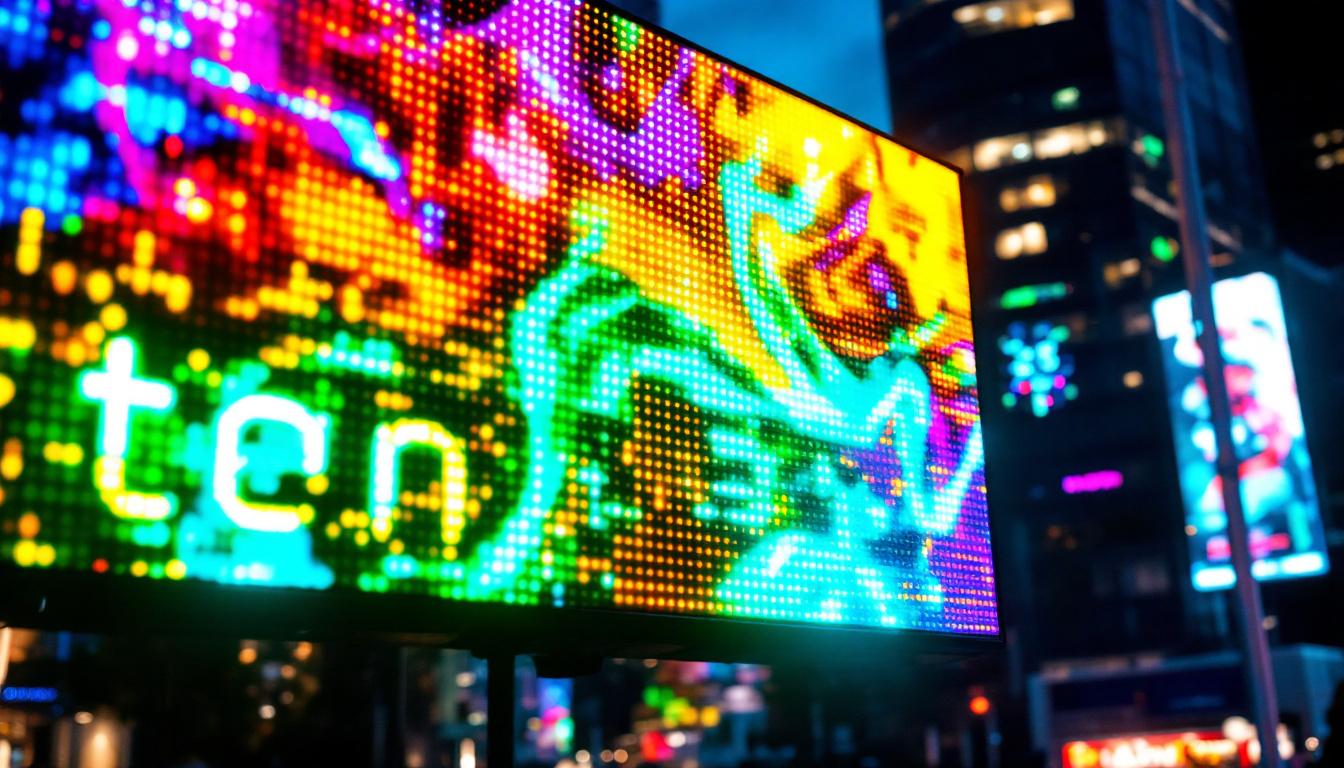
In today’s fast-paced digital world, LED displays have become an integral part of how information is presented and consumed. From vibrant billboards in bustling city centers to the sleek screens on personal devices, LED technology has revolutionized visual communication. This article explores the fundamentals of LED displays, their types, applications, and the technological advancements shaping their future. Whether you are a business owner considering digital signage or a technology enthusiast, understanding LED displays is essential to appreciating their impact on modern media.
What Is an LED Display?
LED stands for Light Emitting Diode, a semiconductor device that emits light when an electric current passes through it. An LED display is a flat panel display that uses an array of these tiny LEDs as pixels to create images, text, and videos. Unlike traditional LCD or plasma screens, LED displays are known for their brightness, energy efficiency, and longevity.
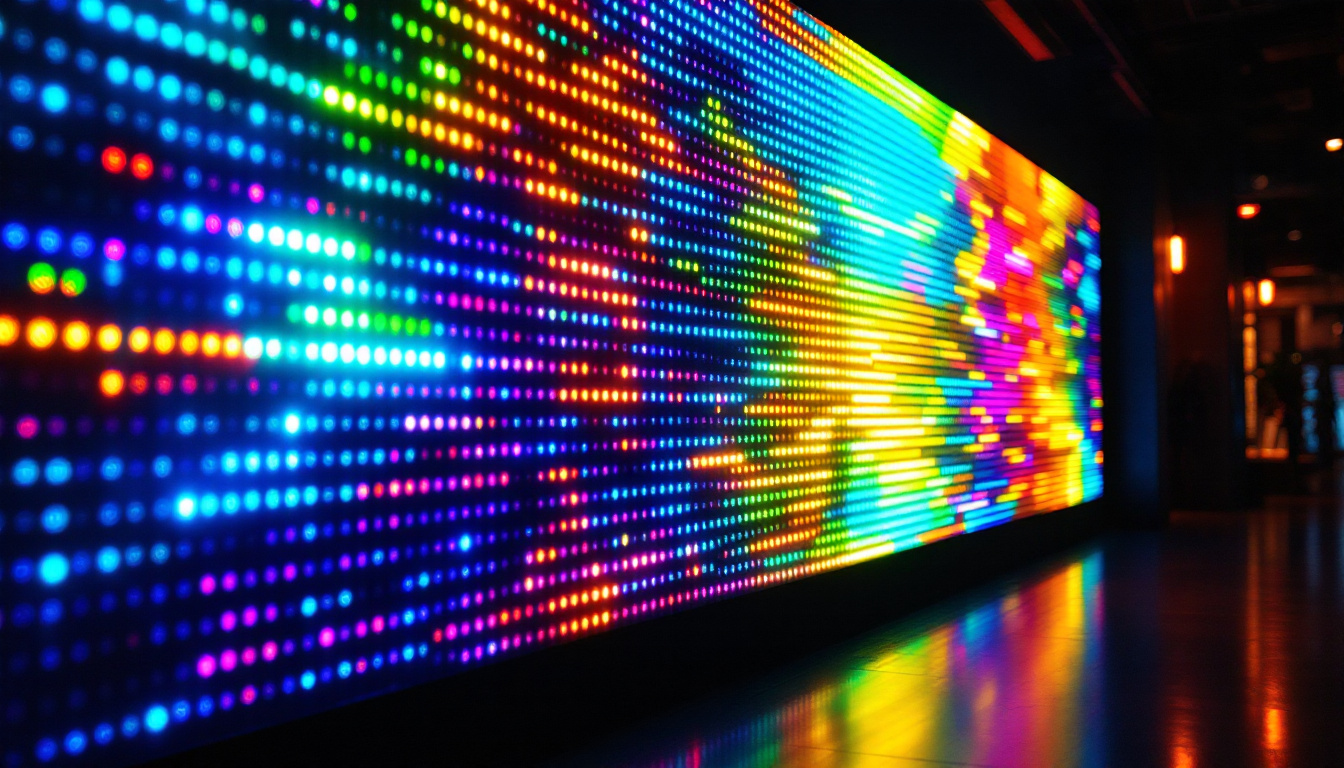
LED displays can be found in various sizes and configurations, from small indicator lights to massive outdoor screens spanning several meters. The core principle remains the same: LEDs emit light directly, which results in vivid colors and excellent contrast ratios, making them highly visible even in bright daylight. This versatility allows LED displays to be used in a myriad of applications, from advertising billboards to stadium scoreboards, and even in artistic installations that transform public spaces.
The Science Behind LED Technology
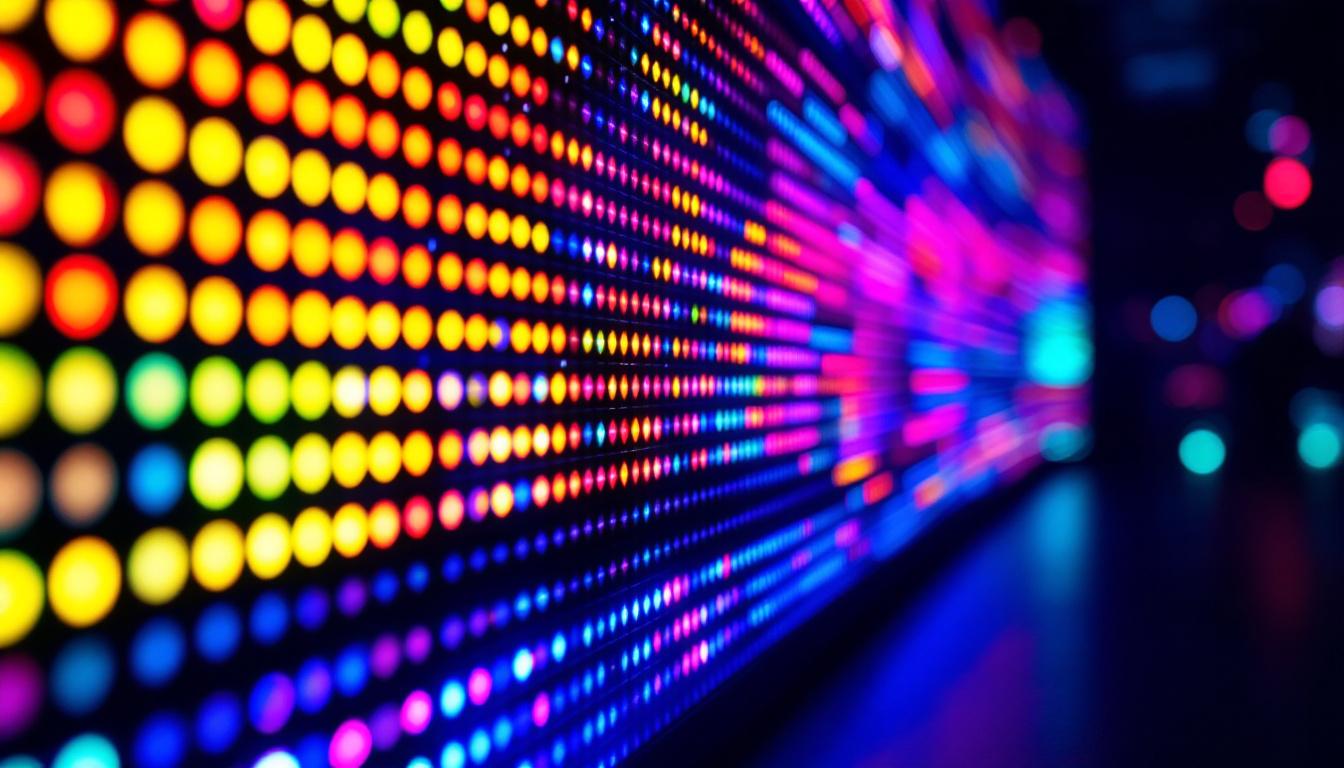
Each LED is made from semiconductor materials that release photons when energized, a process called electroluminescence. By combining red, green, and blue LEDs at the pixel level, LED displays can produce a full spectrum of colors through additive color mixing. This capability enables the creation of sharp, colorful images with high dynamic range. The precision in color reproduction is particularly beneficial in fields such as digital signage and photography, where accurate color representation is crucial.
Moreover, LEDs have a rapid response time, allowing for smooth video playback and reduced motion blur. This makes them ideal for applications requiring high refresh rates, such as sports broadcasts and interactive displays. Additionally, the modular nature of LED technology allows for easy scalability; screens can be expanded or customized to fit specific requirements, making them a popular choice for both temporary events and permanent installations. The ongoing advancements in LED technology, including organic LEDs (OLEDs) and microLEDs, promise even greater improvements in display quality and efficiency, paving the way for future innovations in visual technology.
“`html
Types of LED Displays
LED displays come in various forms, each tailored to specific uses and environments. Understanding these types helps in selecting the right display for a given application.
1. Indoor LED Displays
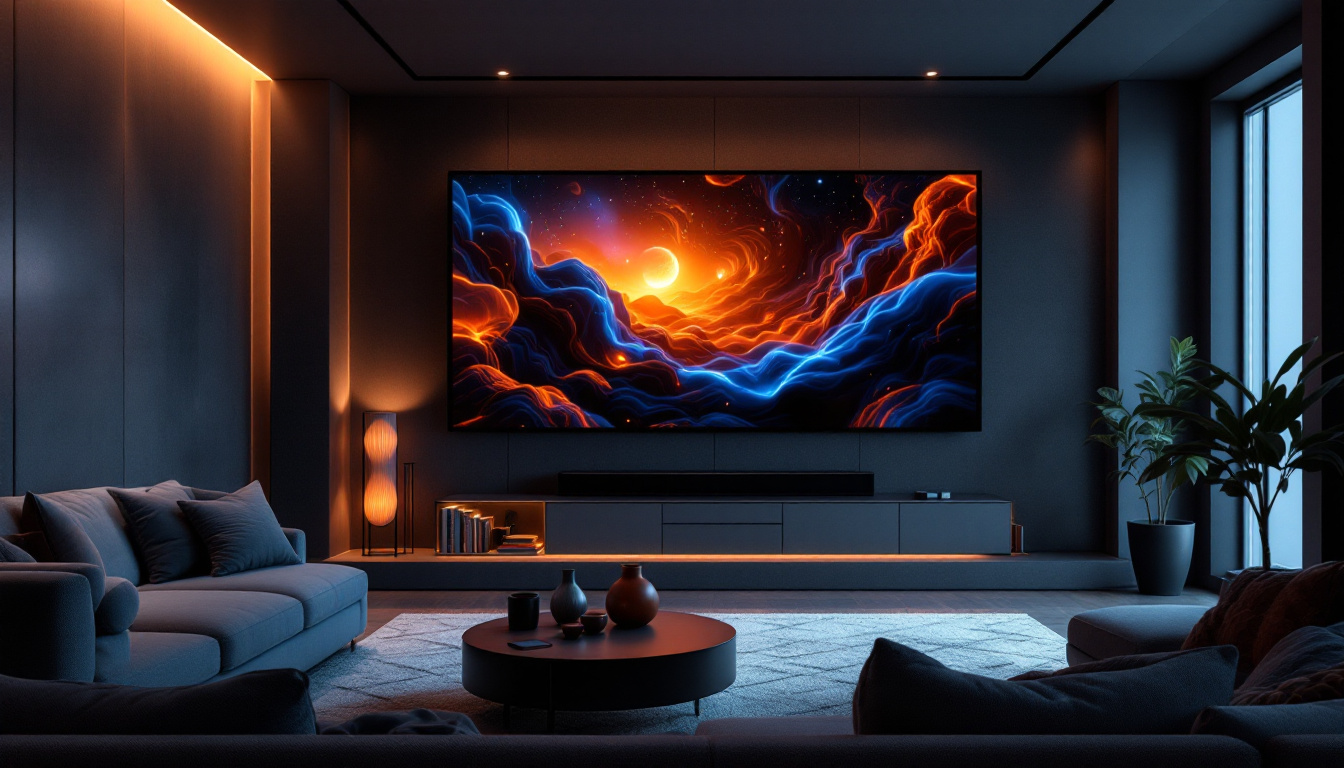
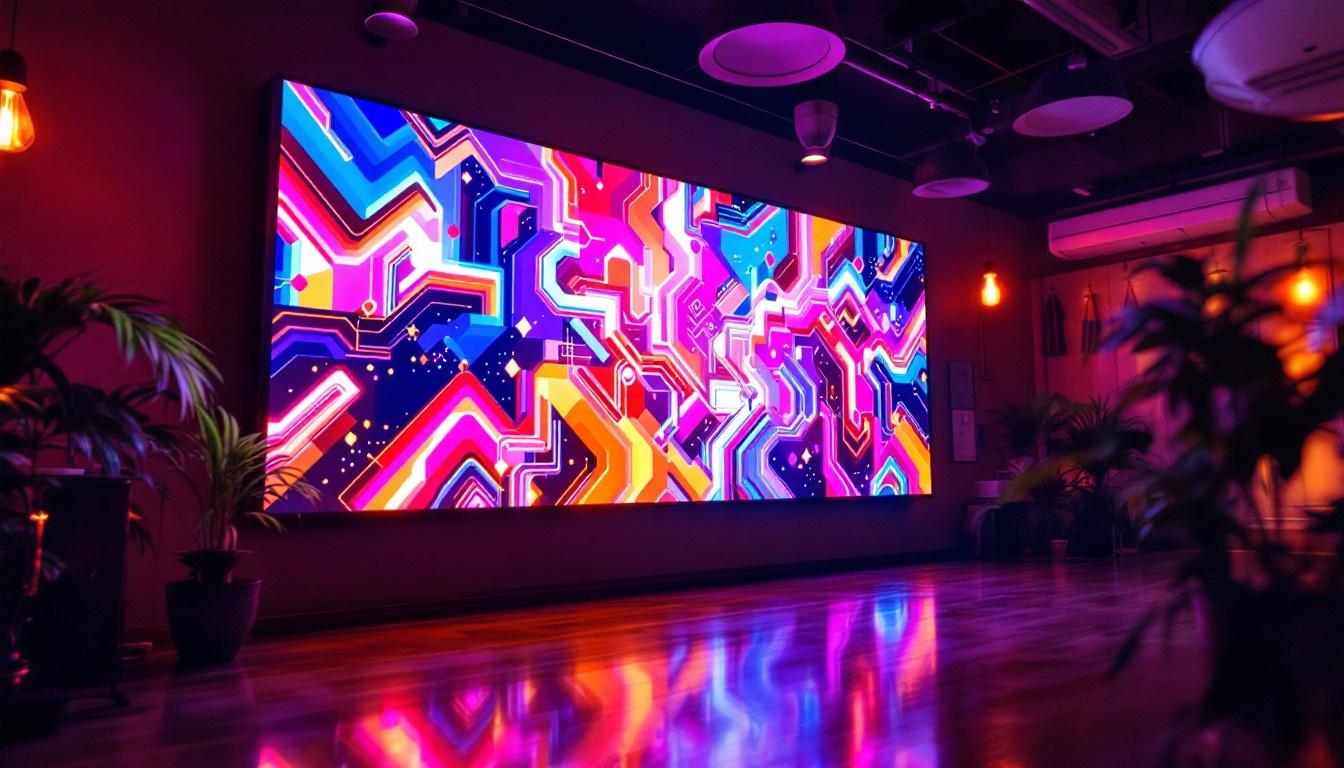
Indoor LED displays are designed for controlled environments like shopping malls, conference rooms, and airports. They typically have a higher pixel density, offering sharper images at close viewing distances. The brightness levels are lower compared to outdoor displays, as excessive brightness indoors can cause discomfort.
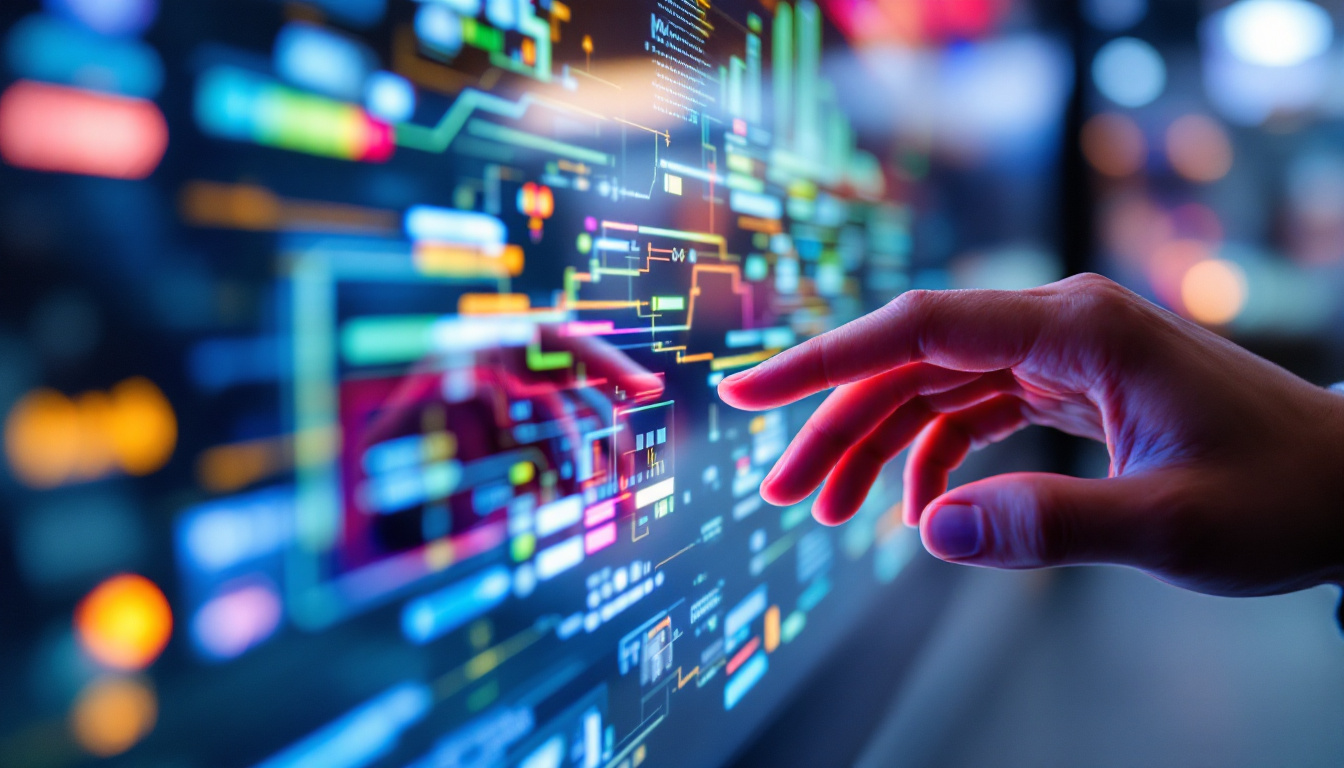
These displays are often used for digital signage, video walls, and informational kiosks. Their modular design allows for flexible sizing and shapes, accommodating diverse architectural needs. Additionally, many indoor LED displays now incorporate advanced features such as touch interactivity, enabling users to engage directly with the content. This interactivity can enhance customer experiences in retail settings, allowing for personalized promotions and information retrieval.
2. Outdoor LED Displays
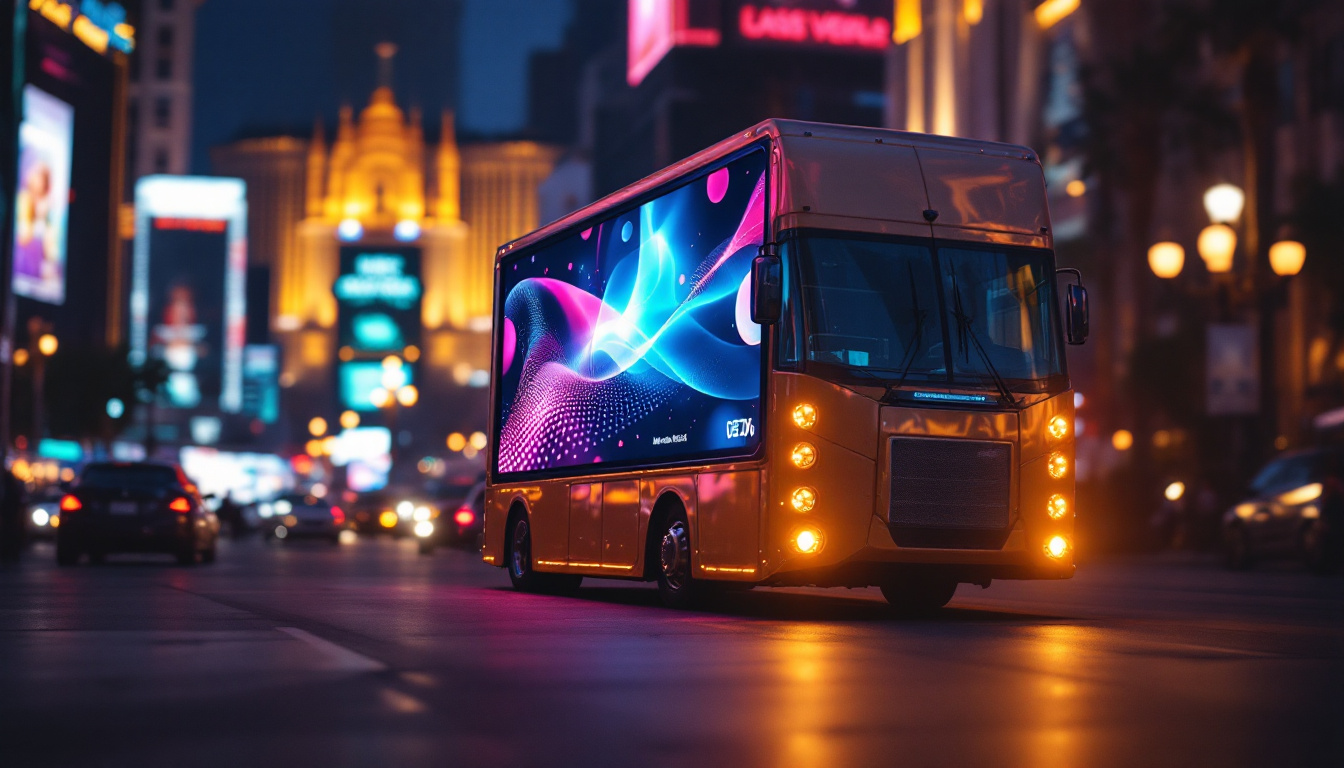
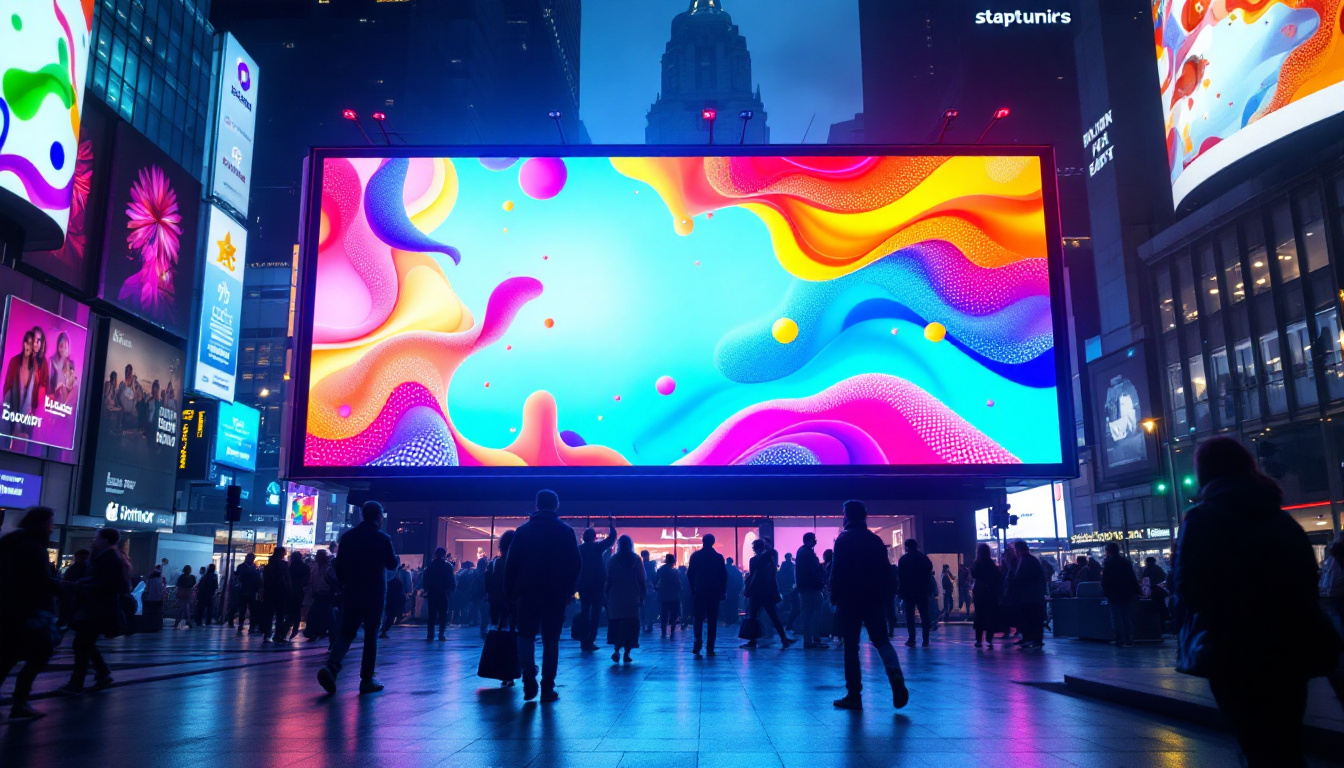
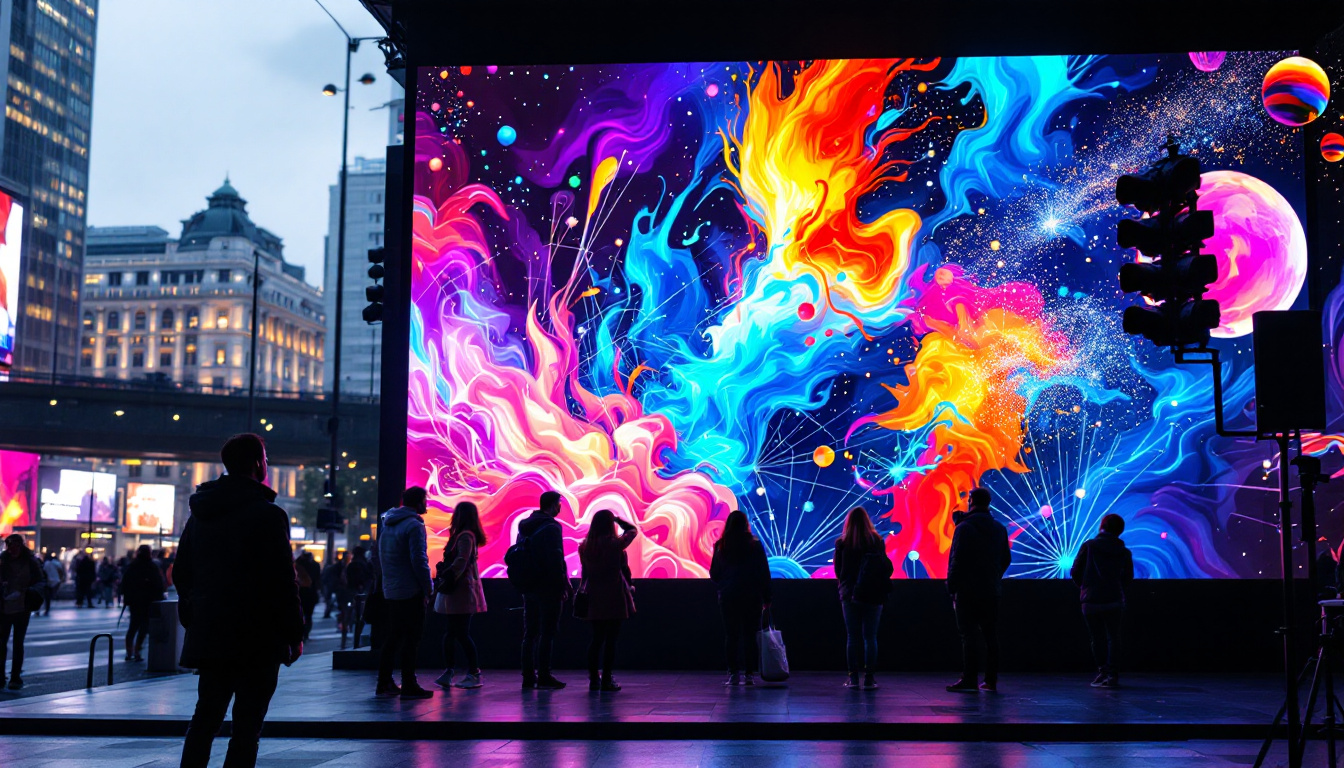
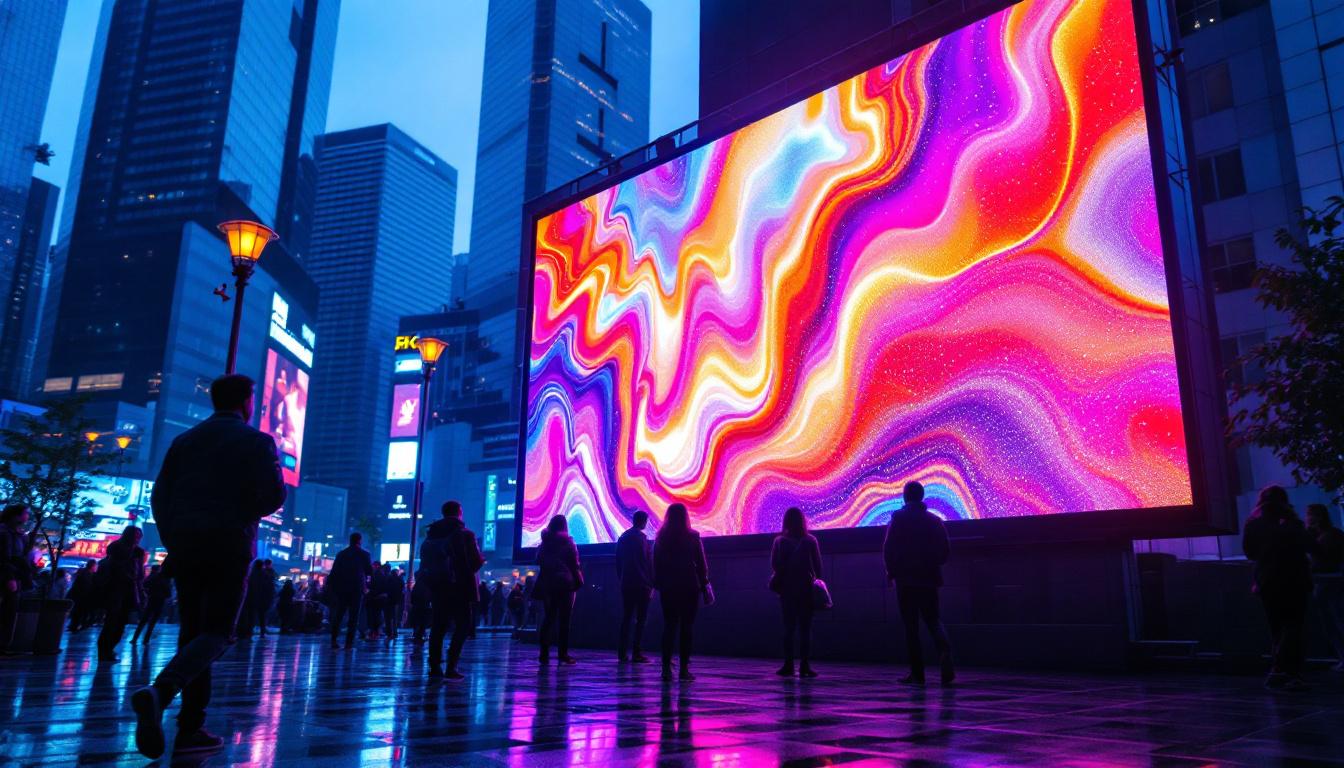
Outdoor LED displays are built to withstand harsh weather conditions and are much brighter to remain visible under direct sunlight. These are commonly seen as billboards, stadium screens, and public information boards. They feature robust protective coatings and cooling systems to ensure durability and consistent performance.
Due to their larger pixel pitch (distance between LEDs), outdoor displays are optimized for viewing from a distance rather than close-up clarity. Furthermore, many outdoor displays now come equipped with smart technology, allowing for real-time content updates and remote management. This capability is particularly beneficial for advertisers, as it enables them to adjust messaging based on time of day, weather conditions, or audience demographics, maximizing engagement and effectiveness.
3. Transparent LED Displays
Transparent LED displays are an innovative type that allows light to pass through the screen, making them ideal for storefront windows and glass walls. They combine advertising with architectural aesthetics, enabling businesses to display dynamic content without obstructing natural light or visibility.
This technology is gaining traction in retail and corporate environments where maintaining an open, airy feel is important. Moreover, transparent displays can serve dual purposes; they can function as both a display for advertisements and a window, allowing customers to see products inside while still being engaged with the digital content. This versatility is particularly appealing for high-end retail brands looking to create an immersive shopping experience that blends physical and digital elements seamlessly.
4. Flexible and Curved LED Displays
Advancements in LED technology have led to the development of flexible and curved displays. These can be wrapped around surfaces or installed in unconventional shapes, offering creative freedom for designers and advertisers. They are often used in exhibitions, stage setups, and immersive environments.
Flexible LED displays can also adapt to various surfaces, including walls, ceilings, and even furniture, allowing for unique installations that capture attention. This adaptability opens up new avenues for artistic expression and branding, enabling companies to create captivating environments that draw in audiences. Furthermore, as the technology continues to evolve, we can expect to see even more innovative applications, such as wearable displays and interactive installations that respond to viewer movements, further blurring the lines between digital and physical experiences.
“`
Applications of LED Displays
The versatility of LED displays has led to their widespread adoption across various industries. Their ability to deliver bright, dynamic, and engaging content makes them invaluable tools for communication and marketing.
Advertising and Marketing
One of the most prominent uses of LED displays is in advertising. Digital billboards and signage attract attention with moving images and bright colors, outperforming static posters. According to recent market research, the global digital signage market is expected to reach $31.71 billion by 2027, driven largely by LED technology.
LED displays enable targeted messaging, real-time updates, and interactive campaigns, enhancing customer engagement and brand visibility.
Entertainment and Sports Venues
Stadiums, concert halls, and theaters utilize large LED screens to enhance the spectator experience. These displays provide live video feeds, replays, and immersive visual effects. Their high brightness and fast refresh rates ensure clear visibility even in outdoor settings during daytime events.
Transportation and Public Information
Airports, train stations, and bus terminals rely on LED displays for real-time information such as schedules, alerts, and directions. Their reliability and visibility under various lighting conditions make them ideal for public communication.
Retail and Corporate Environments
Retailers use LED displays to showcase promotions, product information, and interactive content to attract customers. Corporations employ video walls in lobbies and conference rooms for branding and presentations, enhancing the professional atmosphere.
Advantages of LED Displays Over Other Technologies
LED displays offer several benefits compared to traditional display technologies like LCD, plasma, and projection systems.
Energy Efficiency
LEDs consume significantly less power than other light sources. This efficiency translates into lower operating costs and reduced environmental impact. For example, an LED billboard can use up to 50% less energy than a comparable LCD display.
Brightness and Visibility
LED displays can achieve brightness levels exceeding 5,000 nits, making them easily visible in direct sunlight. This is a crucial advantage for outdoor advertising and public information systems.
Longevity and Durability
LED modules typically have a lifespan of 50,000 to 100,000 hours, far surpassing that of LCD or plasma screens. Their solid-state construction also makes them more resistant to shock and vibration.
Color Accuracy and Contrast
Because LEDs emit light directly, they produce deeper blacks and more vibrant colors than backlit LCDs. This results in better contrast ratios and a more engaging viewing experience.
Flexibility and Scalability
LED displays can be customized in size and shape, from small panels to massive video walls. Their modular nature allows for easy maintenance and upgrades.
Technological Innovations in LED Displays
The LED display industry continues to evolve rapidly, with new technologies enhancing performance and expanding use cases.
MicroLED Displays
MicroLED technology involves microscopic LEDs that enable even higher pixel densities and superior image quality. These displays promise better brightness, color accuracy, and energy efficiency than OLED and traditional LED screens. Several major manufacturers are investing heavily in MicroLED research, anticipating widespread adoption within the next few years.
Mini-LED Backlighting
Mini-LEDs are smaller LEDs used as backlighting for LCD panels, improving contrast and brightness without the cost of full LED displays. This hybrid approach is popular in premium televisions and monitors.
Improved Control Systems
Modern LED displays integrate advanced control systems that allow for remote management, real-time content updates, and synchronization across multiple screens. These systems leverage cloud computing and AI to optimize content delivery and maintenance.
Environmental Sustainability
Manufacturers are increasingly focusing on eco-friendly materials and recycling programs for LED displays. Innovations in power management and heat dissipation also contribute to greener operation.
Choosing the Right LED Display
Selecting an LED display requires careful consideration of several factors to ensure it meets the intended purpose and budget.
Viewing Distance and Resolution
Pixel pitch, the distance between individual LEDs, determines the resolution and optimal viewing distance. Smaller pixel pitches provide higher resolution suitable for close-up viewing, while larger pitches are better for distant audiences.
Brightness Requirements
Consider the ambient lighting conditions where the display will be installed. Outdoor displays need higher brightness ratings to combat sunlight, whereas indoor displays can operate at lower levels.
Environmental Conditions
For outdoor installations, weather resistance, temperature tolerance, and protective coatings are critical. Indoor environments may require considerations for ventilation and mounting options.
Content Type and Interactivity
The type of content—static images, videos, live feeds—and the need for interactive features influence the choice of display technology and control systems.
Budget and Maintenance
Initial costs, installation expenses, and ongoing maintenance should be factored into the decision. Modular designs can reduce downtime and repair costs.
Conclusion
LED displays have transformed the landscape of digital communication, offering unmatched brightness, flexibility, and durability. Their applications span advertising, entertainment, transportation, and beyond, making them indispensable in modern society. With continuous technological advancements like MicroLED and improved control systems, LED displays will only become more efficient and versatile.
Understanding the types, benefits, and considerations involved in LED display technology empowers businesses and individuals to make informed decisions that maximize impact and return on investment. As the demand for dynamic visual content grows, LED displays will remain at the forefront of innovation and engagement.
“`html
Illuminate Your Space with LumenMatrix
Ready to elevate your visual communication with unparalleled brightness, flexibility, and durability? LumenMatrix is at the forefront of LED display innovation, offering a diverse range of solutions tailored to your needs. From Indoor LED Wall Displays to captivating LED Transparent Displays, our mission is to revolutionize your brand’s presence and audience engagement. Don’t miss the opportunity to transform your space. Check out LumenMatrix LED Display Solutions today and share your message with the world like never before.
“`