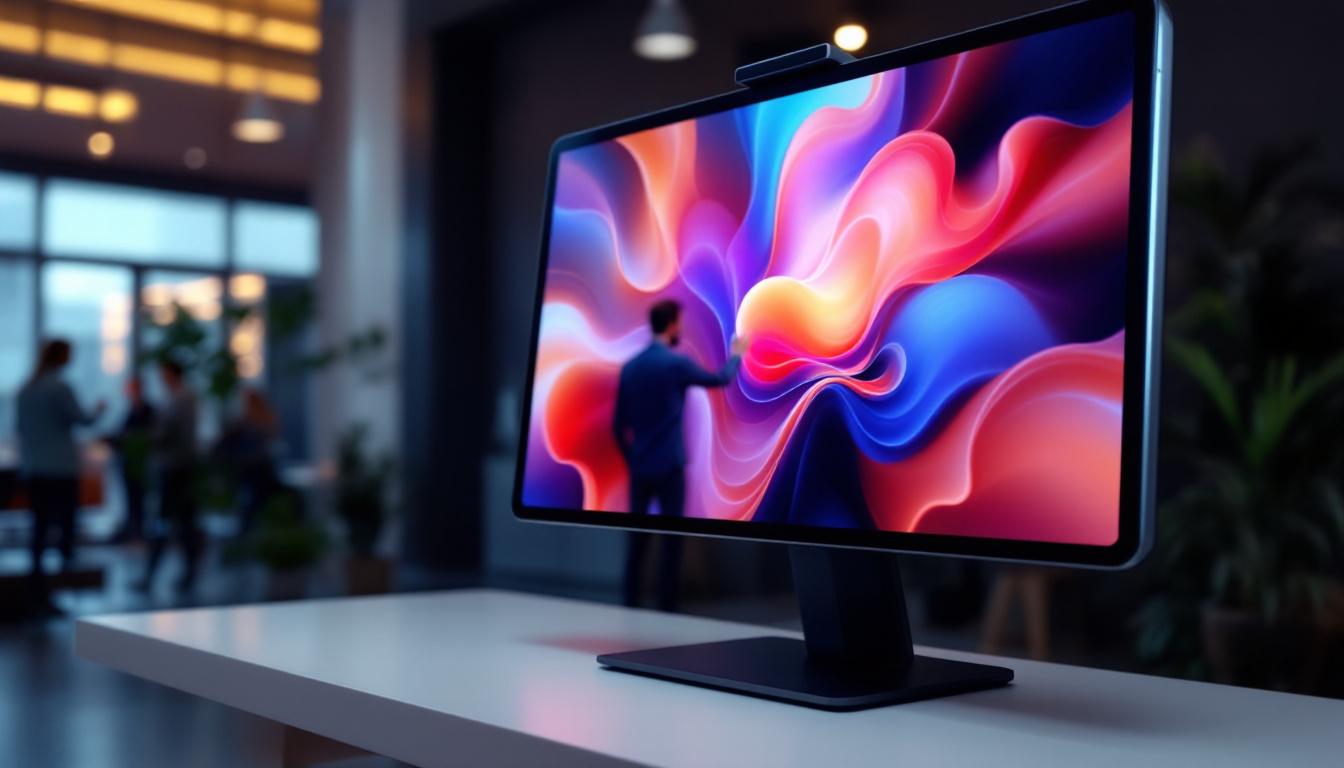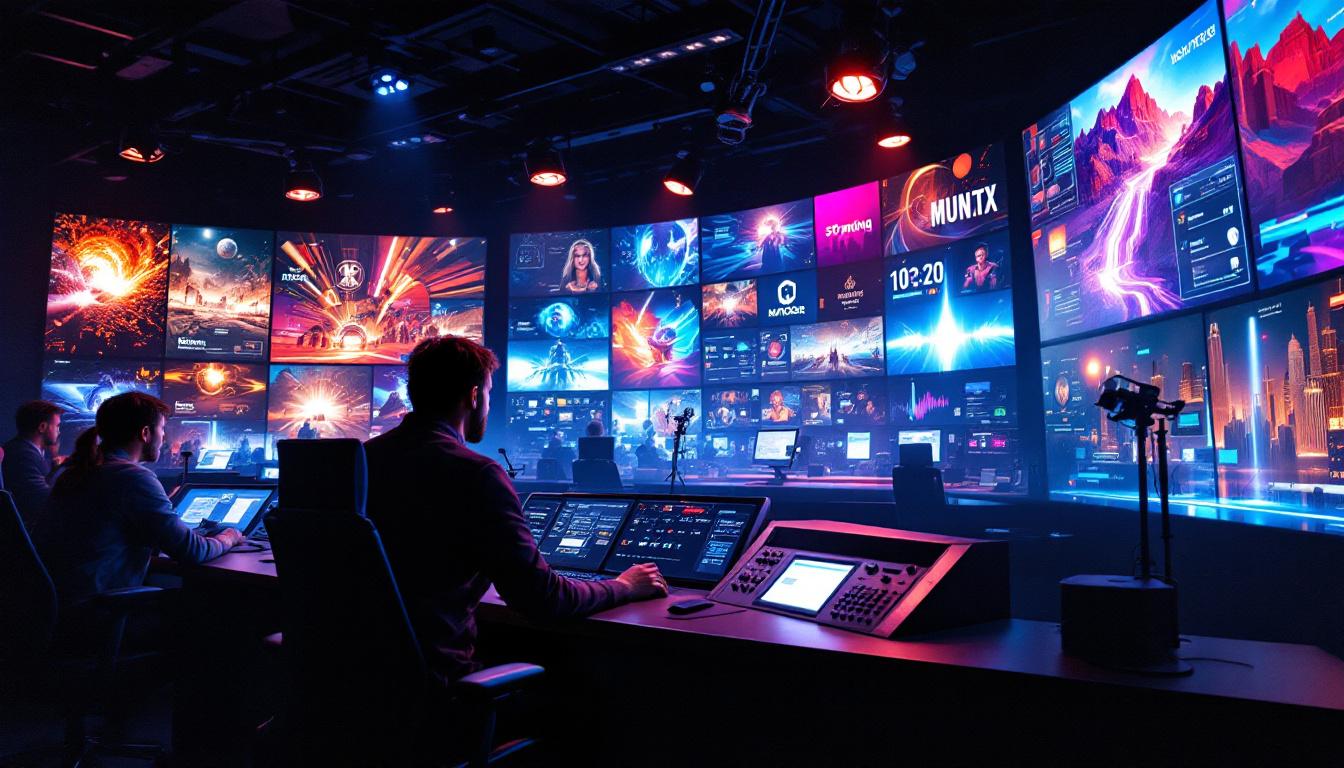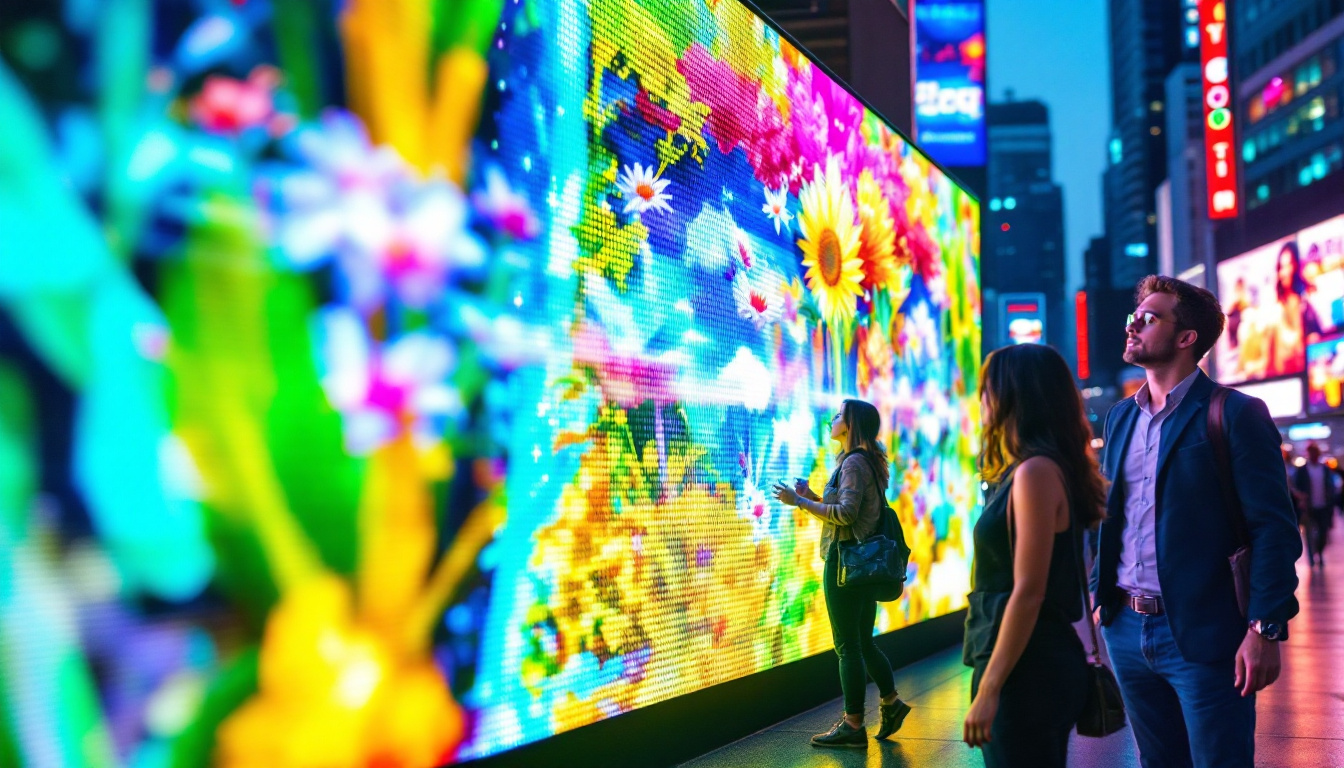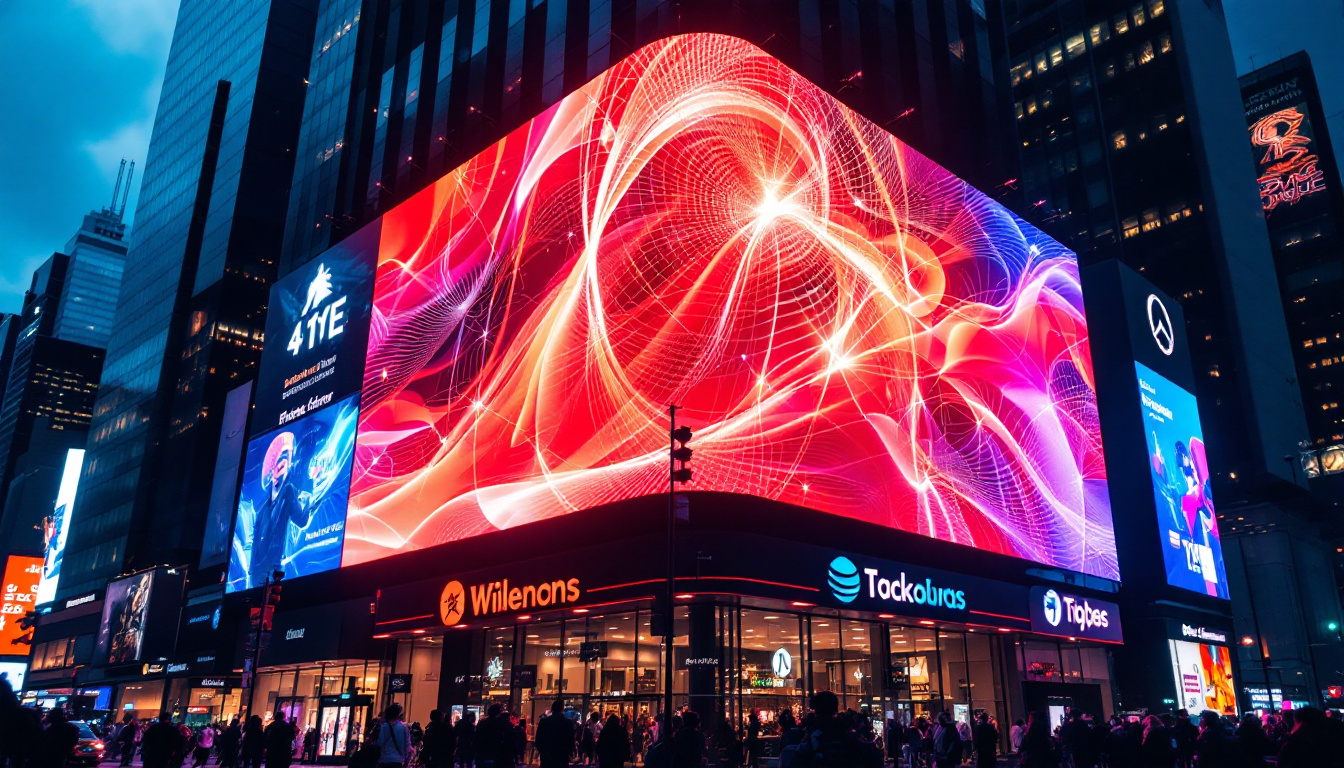
In recent years, LED display technology has transformed the way businesses, advertisers, and event organizers communicate visually. From vibrant billboards in Times Square to dynamic information boards in airports, LED displays have become an indispensable part of modern visual communication. Among the various types of LED displays, custom LED panels stand out for their versatility, adaptability, and high-impact visual performance. This article delves into the essentials of custom LED panels, explaining what they are, how they work, their applications, and why they have become a preferred choice for many industries.
Understanding LED Display Technology
What is an LED Display?
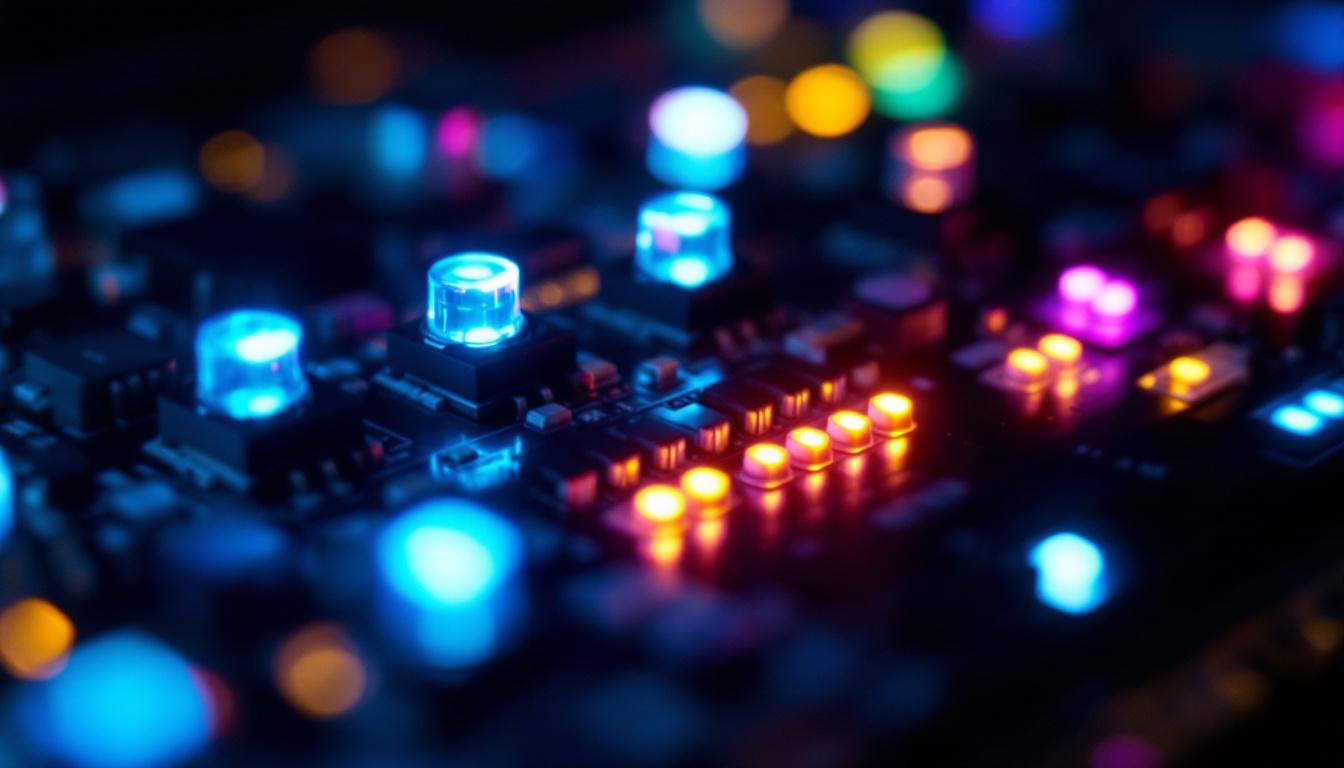
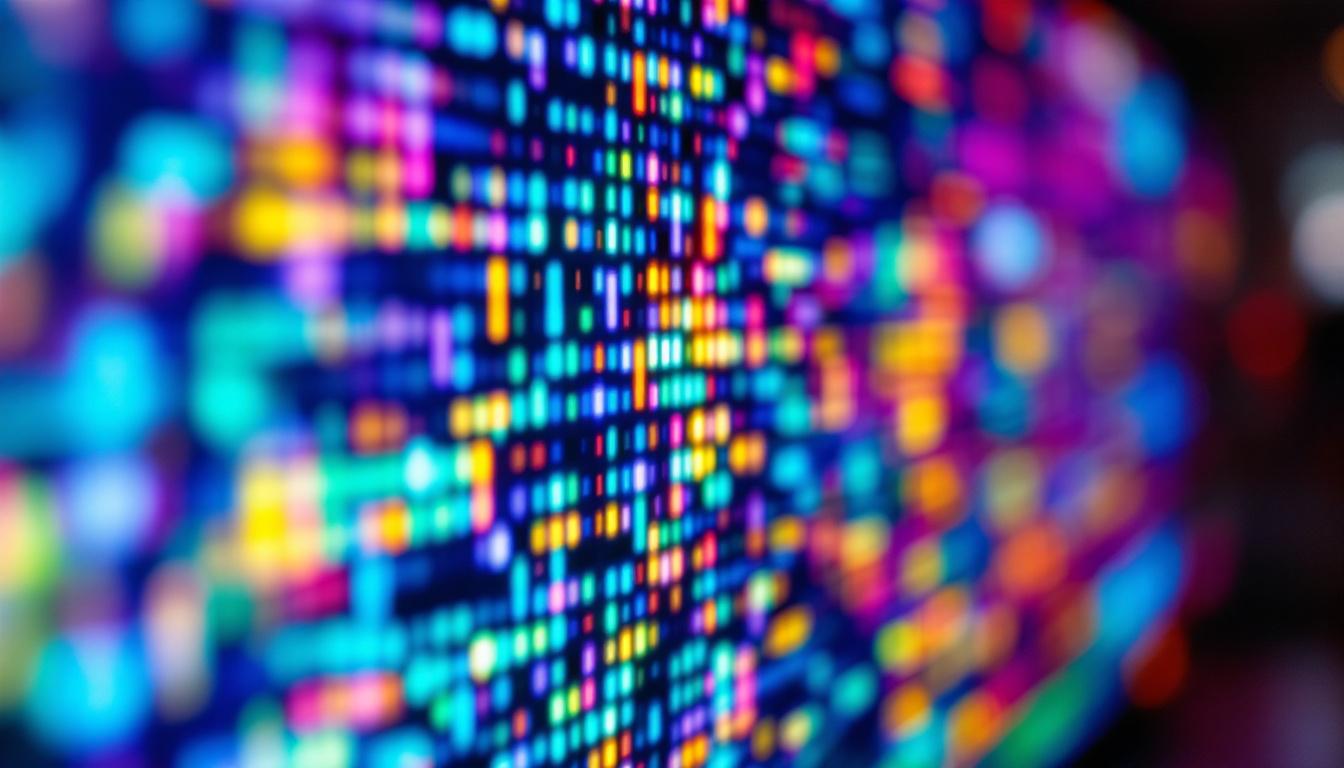
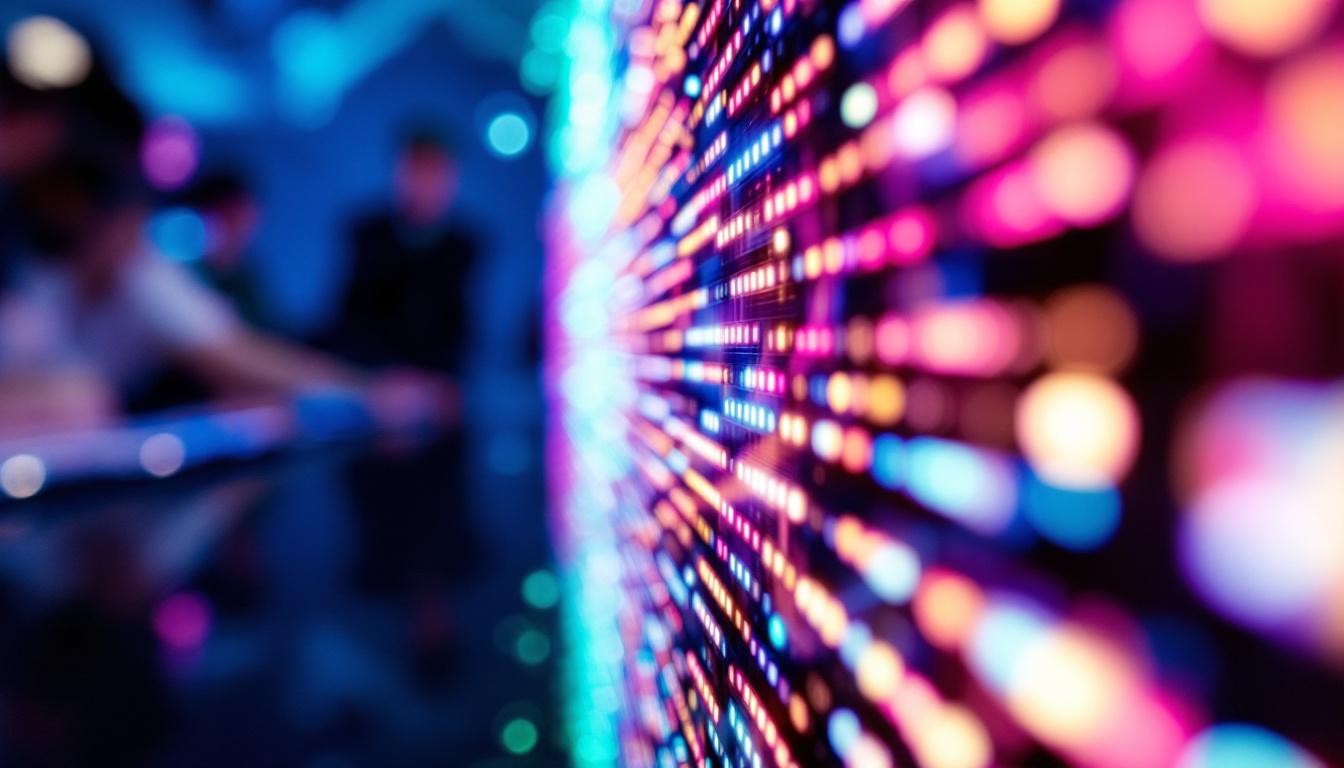
LED stands for Light Emitting Diode, a semiconductor device that emits light when an electric current passes through it. An LED display is essentially a matrix of these tiny diodes arranged to form images, videos, or text. The brightness, color, and resolution of the display depend on the density and quality of these LEDs.
Unlike traditional LCD or projection displays, LED displays produce their own light, resulting in superior brightness and contrast. This makes them highly visible even in direct sunlight, which is why they are widely used for outdoor advertising and public information systems.
Components of a Custom LED Panel
A custom LED panel typically consists of several key components:
- LED Modules: These are the building blocks of the display, containing clusters of LEDs arranged in a specific pixel pitch.
- Driver ICs: Integrated circuits control the lighting and color of each LED, ensuring accurate image reproduction.
- Control System: This includes hardware and software that manage the input signals, image processing, and synchronization across panels.
- Cabinet or Frame: The physical structure that houses the LED modules, providing protection and structural integrity.
Custom LED panels are designed by configuring these components to meet specific size, resolution, and performance requirements.
Why Choose Custom LED Panels?
Tailored to Your Needs
One of the primary advantages of custom LED panels is their adaptability. Unlike off-the-shelf displays, custom panels can be designed to fit unique spaces, shapes, and resolutions. Whether it’s a curved display wrapping around a building, a seamless video wall inside a corporate lobby, or a compact digital signage solution for retail, custom panels offer the flexibility to meet precise specifications.
For example, a sports stadium might require a massive LED screen with ultra-high brightness and weatherproofing, while a museum exhibit might prioritize color accuracy and pixel density. Customization allows manufacturers to optimize the display for its intended environment and use case.
Enhanced Visual Impact
Custom LED panels can be engineered to maximize visual impact. By selecting the appropriate pixel pitch—the distance between individual LEDs—designers can control the resolution and viewing distance of the display. Smaller pixel pitches produce sharper images suitable for close-up viewing, while larger pitches are ideal for large-scale outdoor displays viewed from afar.
Additionally, custom panels can incorporate advanced features such as high refresh rates, HDR support, and wide color gamuts, resulting in vibrant, smooth, and eye-catching visuals.
Durability and Reliability
Custom LED panels are often built with specific environmental conditions in mind. Outdoor displays, for instance, require robust weatherproofing, temperature control, and protection against dust and moisture. Indoor panels may focus on slim profiles and ease of maintenance.
By customizing the design, manufacturers can ensure that the panels meet industry standards for durability and reliability, reducing downtime and maintenance costs over the display’s lifespan.
Applications of Custom LED Panels
Advertising and Marketing
Advertising is one of the largest sectors benefiting from custom LED panels. Digital billboards and signage allow brands to deliver dynamic, engaging content that can be updated in real-time. According to a 2023 report by Grand View Research, the global digital signage market is expected to reach $31.71 billion by 2028, driven largely by LED technology innovations.
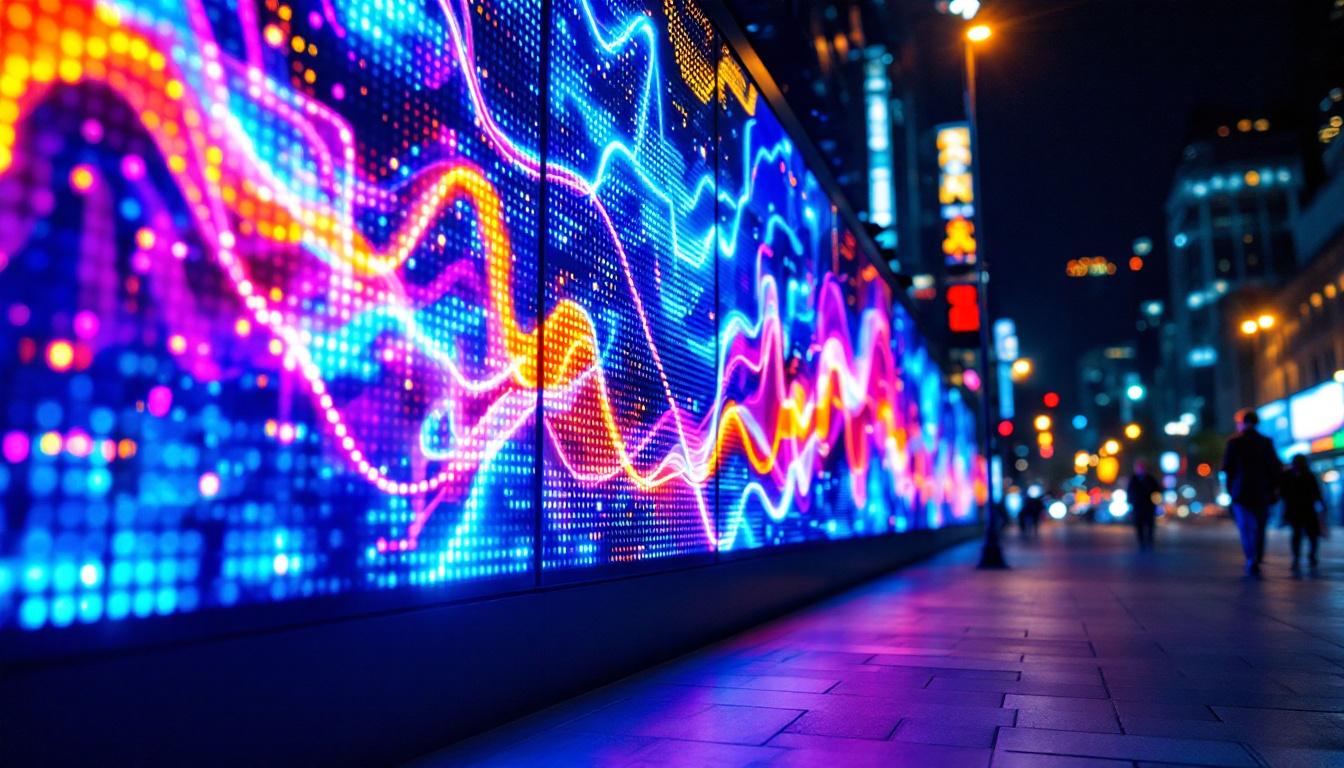
Custom LED panels enable advertisers to create uniquely shaped and sized displays that stand out in crowded urban environments. For example, curved LED displays on building facades or interactive panels in shopping malls can captivate audiences and enhance brand visibility.
Events and Entertainment
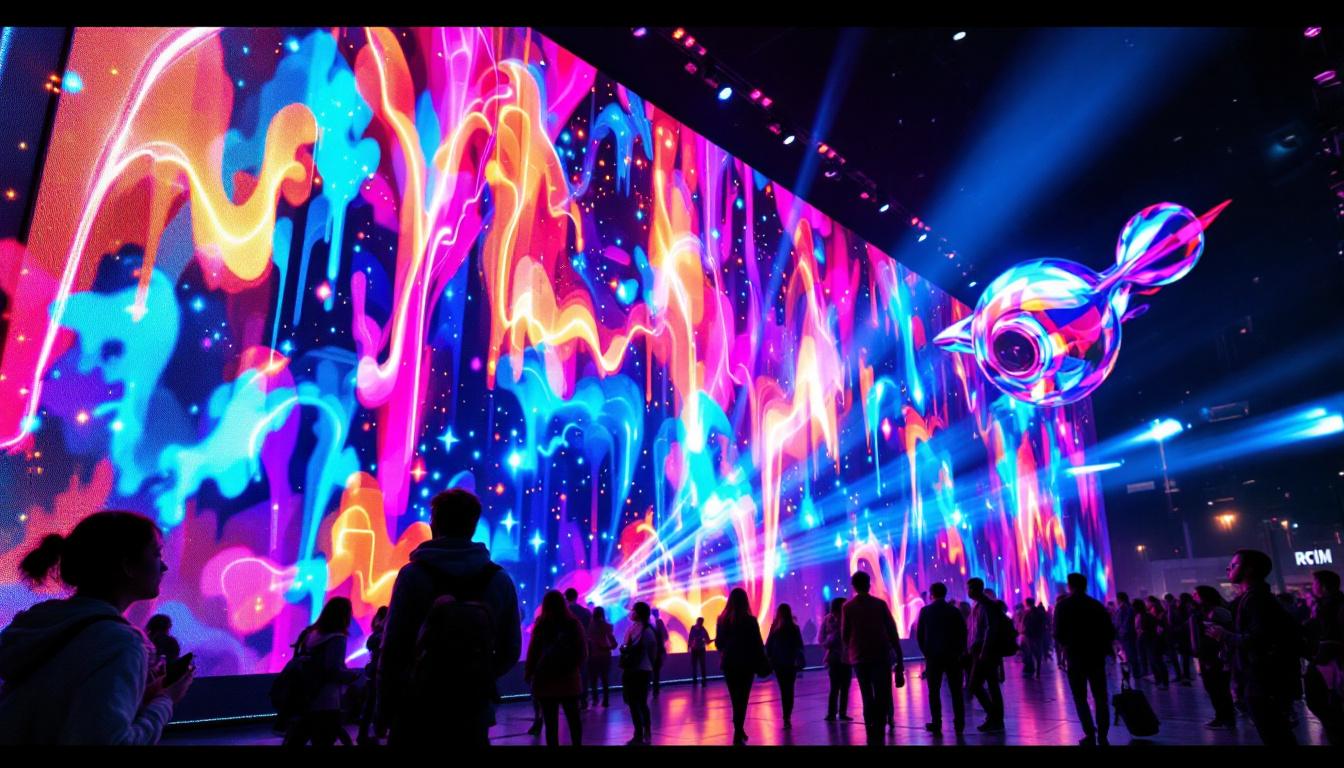
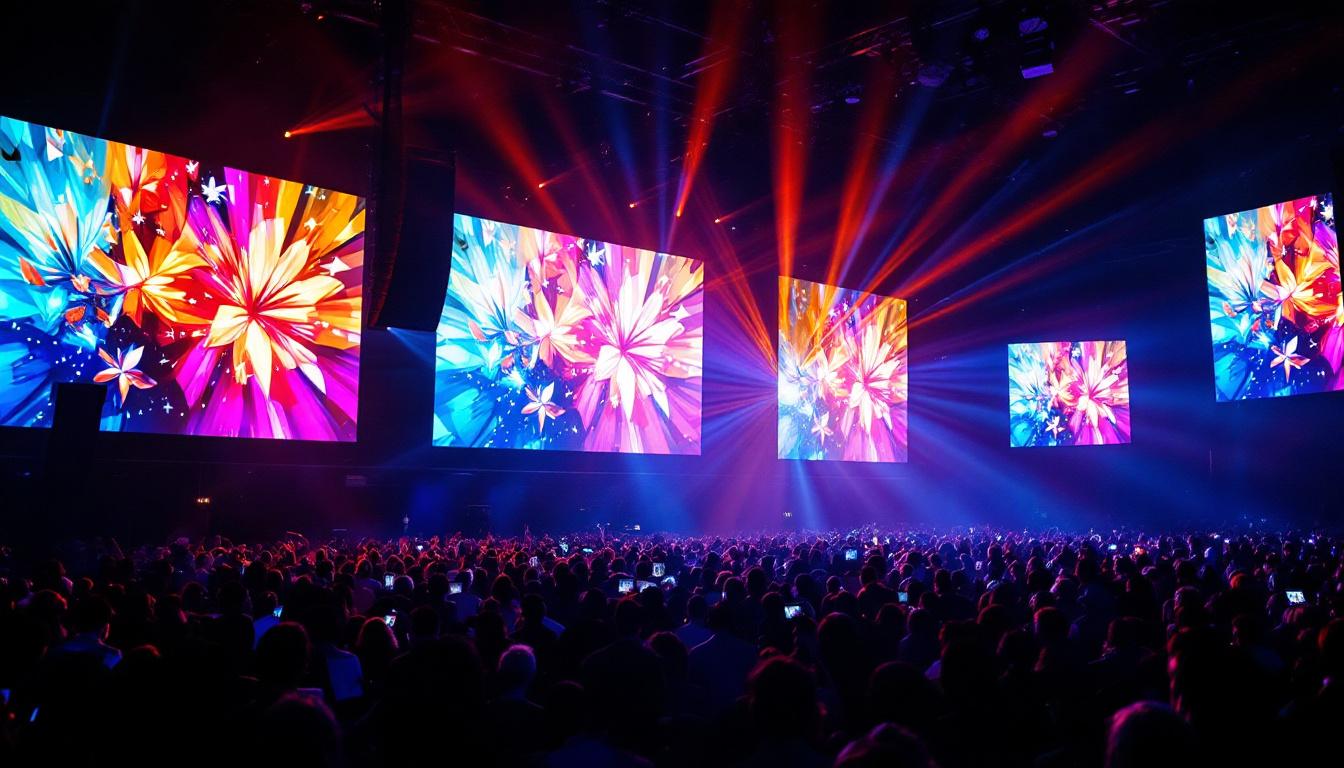
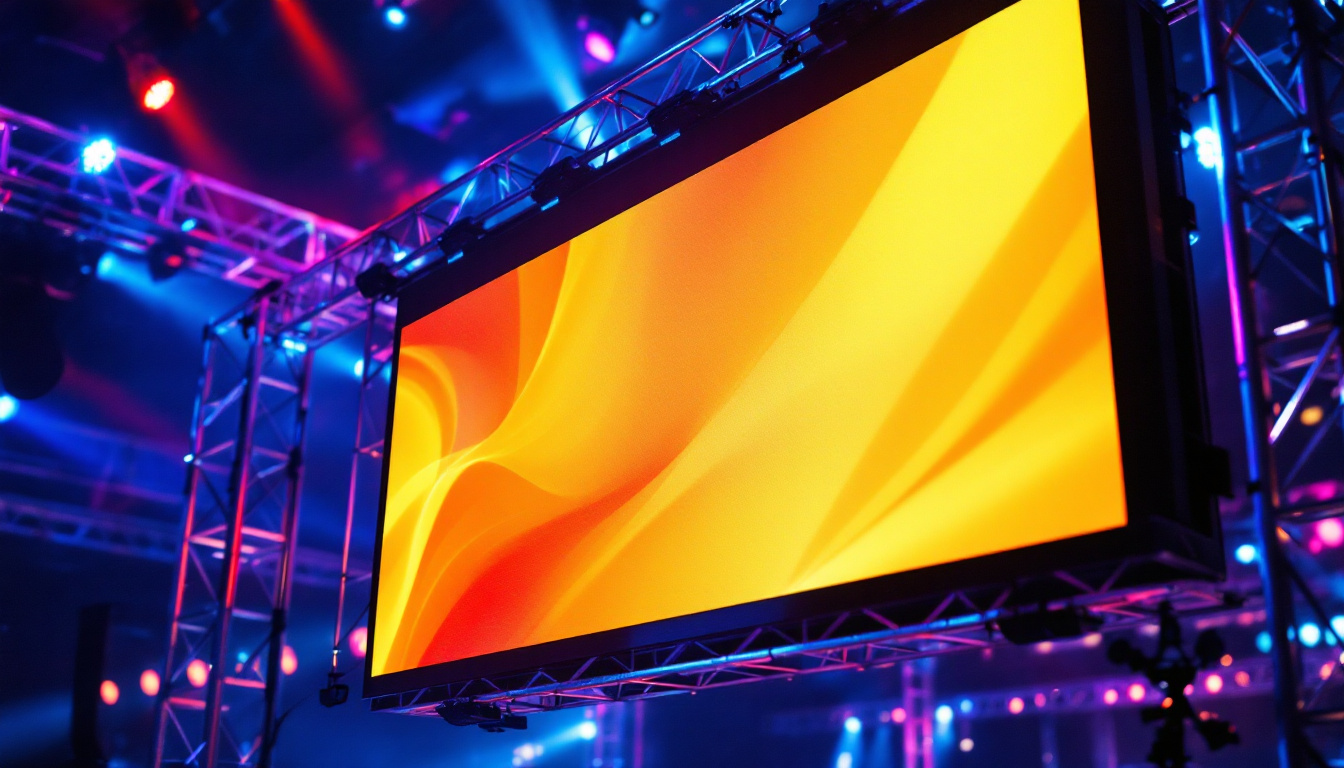
Concerts, sports events, and exhibitions rely heavily on LED displays for immersive experiences. Custom LED panels can be configured to create massive video walls, stage backdrops, or floor displays that synchronize with live performances.
The ability to customize size and shape allows event organizers to design displays that fit specific venues and artistic visions. High refresh rates and color accuracy are critical here to ensure smooth video playback and vibrant imagery, enhancing audience engagement.
Corporate and Retail Environments
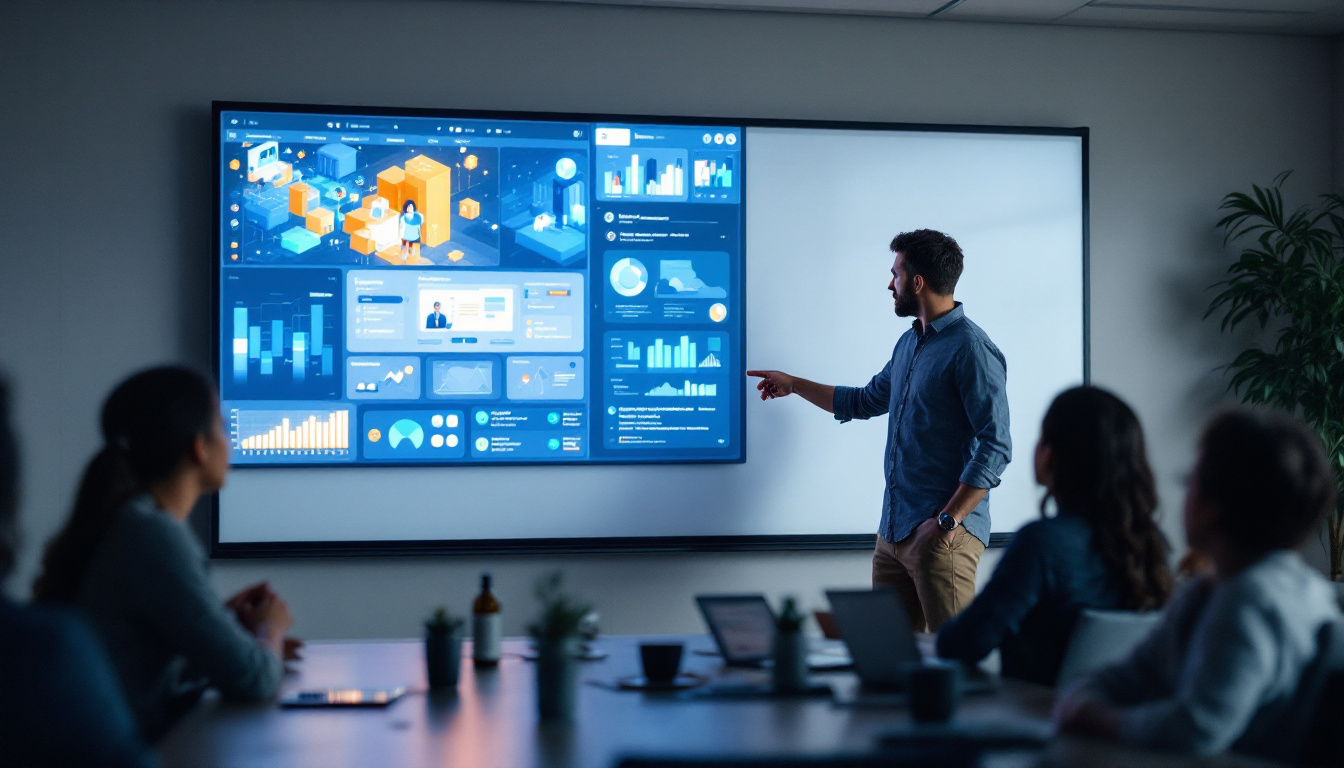
In corporate settings, custom LED panels serve as digital signage for information dissemination, branding, and interactive kiosks. Retailers use them to showcase promotions, product information, and immersive brand experiences.
Custom panels can be integrated seamlessly into architectural elements, creating sleek, modern installations that complement the interior design. Their flexibility allows for multi-screen configurations and interactive touch capabilities, enhancing user engagement and communication efficiency.
Transportation and Public Spaces
Airports, train stations, and bus terminals utilize custom LED panels for real-time information displays, wayfinding, and advertising. These environments require displays that are highly visible, reliable, and capable of operating continuously in varying lighting conditions.
Custom LED panels can be designed with anti-glare coatings, high brightness, and robust construction to meet these demands. Their modular nature also facilitates easy maintenance and scalability as infrastructure evolves.
Technical Considerations When Choosing Custom LED Panels
Pixel Pitch and Resolution
Pixel pitch is a critical factor in determining the clarity and viewing distance of an LED display. It is measured in millimeters and represents the distance between the centers of two adjacent pixels. A smaller pixel pitch means higher resolution and sharper images, suitable for close-range viewing.
For instance, a pixel pitch of 1.5mm is ideal for indoor displays viewed from a few feet away, while a pitch of 10mm or more is common for large outdoor billboards viewed from hundreds of feet.
Brightness and Contrast
Brightness, measured in nits, affects the visibility of the display in different lighting conditions. Outdoor displays require high brightness levels, often exceeding 5,000 nits, to remain visible in direct sunlight. Indoor displays typically operate at lower brightness levels, around 800 to 1,500 nits, to avoid eye strain.
Contrast ratio, the difference between the darkest black and brightest white, is equally important for image quality. LED displays generally offer excellent contrast due to their self-emissive nature.
Refresh Rate and Color Accuracy
Refresh rate, measured in Hertz (Hz), indicates how many times per second the display updates its image. Higher refresh rates reduce flicker and motion blur, essential for video playback and live broadcasts. A refresh rate of at least 1920Hz is recommended for professional LED displays.
Color accuracy ensures that the displayed content matches the intended hues and tones. Custom LED panels can be calibrated to achieve wide color gamuts and support standards such as Rec. 709 or DCI-P3, important for branding and media applications.
Viewing Angle
The viewing angle determines how far off-center the display can be viewed without significant color or brightness degradation. Wider viewing angles, typically 140° or more horizontally and vertically, are desirable for public displays where audiences view from multiple directions.
Power Consumption and Heat Management
Energy efficiency is a growing concern, especially for large-scale installations. Custom LED panels can be designed with low-power components and intelligent heat dissipation systems to reduce operational costs and extend lifespan.
Installation and Maintenance of Custom LED Panels
Modular Design for Easy Installation
Custom LED panels are often built with a modular approach, allowing for easier transportation, installation, and scalability. Modules can be assembled on-site to create large video walls or complex shapes, reducing logistical challenges.
Professional installation teams ensure proper alignment, calibration, and integration with control systems, which is critical for achieving seamless visuals and reliable performance.
Maintenance and Longevity
Regular maintenance is essential to keep LED panels functioning optimally. This includes cleaning, firmware updates, and replacing faulty modules or LEDs. Custom panels are designed with accessibility in mind, often featuring front or rear serviceability to minimize downtime.
With proper care, LED panels can last over 100,000 hours, translating to more than a decade of continuous operation.
Future Trends in Custom LED Display Technology
MicroLED and MiniLED Innovations
Emerging technologies like MicroLED and MiniLED promise even higher resolution, brightness, and energy efficiency. MicroLED, in particular, offers pixel-level control with individual LEDs smaller than 100 microns, enabling ultra-high-definition displays with exceptional color accuracy.
Flexible and Transparent LED Panels
Advancements in materials and manufacturing have led to flexible and transparent LED panels. These can be integrated into unconventional surfaces such as glass facades, curved walls, or wearable devices, opening new creative possibilities for designers and advertisers.
AI and Interactive Capabilities
Integration of artificial intelligence and interactive technologies is enhancing the functionality of LED displays. Custom panels can now incorporate sensors, cameras, and AI algorithms to deliver personalized content, gesture control, and real-time analytics, making them smarter and more engaging.
Conclusion
Custom LED panels represent a powerful and versatile solution for a wide range of visual communication needs. Their ability to be tailored to specific environments, combined with superior brightness, color accuracy, and durability, makes them ideal for advertising, events, corporate use, and public information systems.
As LED technology continues to evolve, embracing innovations like MicroLED, flexible designs, and AI integration, the potential applications and impact of custom LED panels will only grow. For businesses and organizations looking to make a lasting visual impression, investing in custom LED display solutions offers a compelling path forward.
Discover Cutting-Edge LED Display Solutions
Ready to elevate your visual communication with custom LED panels? LumenMatrix is at the forefront of LED display innovation, offering a diverse range of solutions tailored to your unique needs. From Indoor and Outdoor LED Wall Displays to specialized options like Vehicle, Sports, and Floor LED Displays, our products are designed to captivate and engage your audience. Experience the transformative power of LED technology with our Custom, All-in-One, and Transparent LED Displays. Join the visual revolution and check out LumenMatrix LED Display Solutions today to share your message with unparalleled impact and clarity.