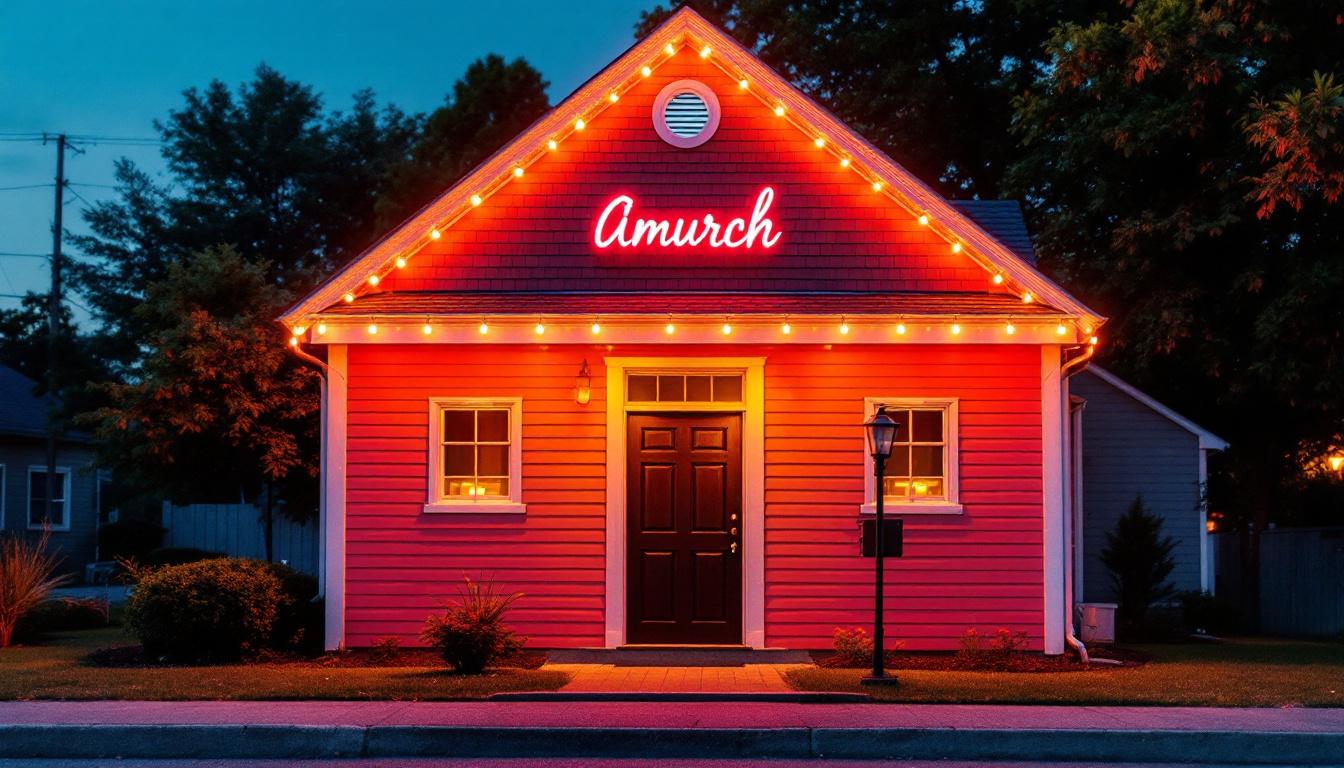
In the vast landscape of American religious architecture, the smallest church in America stands out not only for its diminutive size but also for the innovative ways it engages visitors. One of the most captivating features of this tiny sanctuary is its use of an LED display, which brings a modern touch to a historic and quaint setting. This article explores the story behind the smallest church, showcases photos that highlight its unique charm, and explains how the LED display functions to enhance the visitor experience.
The Smallest Church in America: A Historical Overview
Located in the heart of the United States, the smallest church in America has become a symbol of faith, perseverance, and community spirit. Measuring just a few feet in length and width, this tiny chapel has attracted attention from tourists, historians, and religious enthusiasts alike. Its origins date back to the early 20th century, when a small group of settlers sought to establish a place of worship that reflected their humble beginnings. The church was built using locally sourced materials, which not only made it economically feasible for the settlers but also tied it closely to the land and the community. Over the decades, it has weathered storms and seasons, standing as a testament to the resilience of those who built it and the faith that continues to thrive within its walls.
Despite its size, the church has played a significant role in its community. It has hosted countless weddings, baptisms, and prayer meetings, serving as a spiritual anchor for generations. The church’s architecture is simple yet charming, featuring traditional wooden beams, stained glass windows, and a steeple that, while modest, points skyward in hopeful reverence. Inside, the warm glow of candlelight complements the natural wood tones, creating an inviting atmosphere that encourages reflection and connection. The walls are often adorned with photographs and memorabilia that tell the stories of those who have come together in this sacred space, further enriching its historical significance.
Why Size Matters
The church’s small size is more than a novelty; it represents the intimate nature of faith and community. In an era where megachurches with thousands of members dominate the religious landscape, this tiny chapel reminds visitors of the power of close-knit fellowship and personal connection. Its compact design encourages visitors to slow down, reflect, and appreciate the sacred space in a way that larger venues might not facilitate. The church has become a gathering place not just for worship, but for community events, potlucks, and seasonal celebrations, reinforcing the bonds among its members and fostering a sense of belonging that transcends its physical dimensions.
Photographic Appeal
Photographers and tourists are drawn to the smallest church for its picturesque qualities. The contrast between its tiny frame and the expansive natural surroundings creates compelling imagery. Photos often capture the intricate details of the church’s construction, the play of light through its stained glass, and the quaint signage that welcomes visitors. These images help preserve the church’s legacy and share its story with a wider audience. Additionally, the changing seasons provide a stunning backdrop for photography; in spring, blooming flowers frame the entrance, while autumn leaves create a vibrant tapestry around the building. Each season offers a unique perspective, inviting artists and visitors alike to return and witness the church’s beauty in different lights and moods, ensuring that its story continues to be told through the lens of creativity and inspiration.
Introducing the LED Display: Bridging Tradition and Technology
One of the most intriguing aspects of the smallest church is its use of an LED display. At first glance, the idea of a modern digital screen in such a historic and traditional setting may seem incongruous. However, the LED display is thoughtfully integrated to complement the church’s mission and enhance visitor engagement.
The LED display serves multiple purposes: it provides information about the church’s history, announces upcoming events, and shares inspirational messages. This blend of old and new creates a dynamic experience that appeals to both longtime parishioners and curious tourists. The church has embraced this technology not as a replacement for its rich heritage, but as a tool to amplify its voice in a rapidly changing world, ensuring that its messages resonate with a diverse audience.
Technical Specifications of the LED Display
The LED display installed at the smallest church is a compact, high-resolution unit designed to withstand outdoor conditions. Measuring approximately 24 inches by 36 inches, the screen is bright enough to be visible in daylight yet subtle enough not to overpower the church’s aesthetic. Its sleek design harmonizes with the church’s architecture, ensuring that it remains a respectful addition to the historic site.
Its energy-efficient LED technology ensures minimal power consumption, aligning with the church’s commitment to sustainability. The display is programmable, allowing church staff to update content remotely and frequently, ensuring that visitors always receive current and relevant information. This capability not only reduces the need for printed materials, thereby decreasing waste, but also allows for timely updates during special occasions, such as holiday services or community outreach programs.
Content Strategy and Visitor Engagement
The content displayed on the LED screen is carefully curated to balance informative and inspirational elements. Historical facts about the church’s founding, notable events, and architectural details are presented alongside daily scripture verses and community announcements. This thoughtful curation ensures that every visitor, regardless of their background, can find something meaningful to connect with.
This approach transforms the LED display into a storytelling tool, inviting visitors to learn more about the church’s significance while feeling welcomed and inspired. Additionally, the display helps manage visitor flow by providing clear information about service times and special events, enhancing overall visitor experience. By incorporating interactive elements, such as QR codes that link to detailed articles or videos about the church’s history, the display encourages deeper engagement, allowing visitors to explore the rich tapestry of stories that make this small church a cherished landmark in the community.
Photographing the Smallest Church and Its LED Display
Capturing the essence of the smallest church through photography involves more than just snapping pictures. Photographers must consider lighting, angles, and context to convey the church’s unique character and the role of the LED display.
Best Practices for Photographing the Church
Early morning or late afternoon light provides the soft, warm tones that highlight the church’s wooden textures and stained glass. Wide-angle shots can emphasize the church’s small size in contrast to the surrounding landscape, while close-ups capture intricate details like the hand-carved door or the LED display itself.
Photographers are encouraged to include the LED display in their compositions to illustrate the blend of tradition and technology. Shots that show the display’s content illuminated against the church’s facade during dusk create a striking visual narrative.
Examples of Iconic Photos
One popular photo features the church framed by a backdrop of autumn foliage, with the LED display glowing softly in the twilight. Another captures a wedding party gathered outside the chapel, with the LED screen announcing the ceremony’s start time. These images not only document the church’s physical attributes but also tell stories of the community’s ongoing life and faith.
In addition to these iconic shots, photographers can explore various angles that highlight the church’s relationship with its environment. For instance, capturing the church from a distance with a winding path leading up to it can evoke a sense of journey and anticipation. This perspective not only showcases the church’s quaint charm but also emphasizes its role as a beacon of hope and gathering in the community. Furthermore, experimenting with different times of day can yield stunning results; the golden hour just before sunset can cast long shadows and create a magical atmosphere, while a rainy day might offer reflections on the wet ground, adding depth and mood to the photographs.
Moreover, incorporating elements of the surrounding community can enrich the storytelling aspect of the photographs. Including local flora, fauna, or even community members interacting with the church can provide context and a sense of place. For example, a shot of children playing nearby or a couple walking hand-in-hand towards the church can evoke feelings of warmth and belonging. These moments, when captured thoughtfully, can transform a simple photograph into a powerful narrative that resonates with viewers, inviting them to share in the church’s story and its significance to the local community.
The Broader Significance: Why This Blend of History and Technology Matters
The smallest church in America, with its LED display, exemplifies a broader trend in preserving heritage while embracing modern tools. This fusion is particularly relevant in today’s digital age, where historical sites must find innovative ways to remain relevant and accessible.
Preservation Through Innovation
Integrating technology like LED displays helps small historical sites communicate effectively with contemporary audiences. It offers a platform for education and engagement that traditional signage cannot match. For the smallest church, this means its story can be told dynamically, attracting visitors who might otherwise overlook such a modest structure.
Community Impact
The LED display also strengthens community ties by providing a centralized communication hub. Local events, volunteer opportunities, and service times are broadcast clearly, fostering participation and connection. This is particularly important for small communities where word-of-mouth and physical bulletin boards may be insufficient.
Inspiring Other Historic Sites
The success of the smallest church’s LED display serves as a model for other historic and religious sites seeking to modernize without compromising their integrity. It demonstrates that technology, when thoughtfully applied, can enhance the visitor experience and support preservation efforts.
Conclusion: A Tiny Church with a Big Story
The smallest church in America is more than just a quaint curiosity; it is a living testament to faith, community, and the power of innovation. Through its charming architecture and the strategic use of an LED display, the church bridges the gap between past and present, inviting visitors to engage with history in a meaningful way.
Photos of the church capture its unique spirit, showcasing how tradition and technology can coexist beautifully. For those interested in American religious history, architecture, or digital innovation in heritage preservation, the smallest church offers a compelling case study worth exploring.
Whether viewed through a camera lens or experienced in person, this tiny chapel and its glowing LED display remind us that even the smallest spaces can hold profound significance.
Illuminate Your Space with LumenMatrix
As you’ve seen with the smallest church in America, the right LED display can transform any space into a beacon of history, community, and innovation. LumenMatrix is at the forefront of this transformation, offering a wide range of LED display solutions that cater to various needs, from indoor and outdoor settings to custom and transparent displays. Embrace the future of visual communication and create your own captivating visual experience. Check out LumenMatrix LED Display Solutions today and let your message shine with clarity and impact.