In the rapidly evolving world of audiovisual technology, LED displays have emerged as a cornerstone for delivering vivid, dynamic, and immersive visual experiences. From concert stages and sports arenas to corporate events and digital advertising, LED displays are transforming how audiences engage with content. This article delves into the fundamentals of LED display technology, explores its applications, and highlights why it has become indispensable in modern audio-visual setups.
Understanding LED Display Technology
At its core, an LED (Light Emitting Diode) display is a flat panel that uses an array of tiny light-emitting diodes to produce images. Unlike traditional LCD or projection systems, LED displays generate their own light, which results in brighter images, better contrast, and wider viewing angles. This self-illumination characteristic is a key reason why LED technology has gained widespread adoption in various industries. The versatility of LED displays makes them ideal for everything from advertising and entertainment to information dissemination in public spaces, where clarity and visibility are paramount.
How LED Displays Work
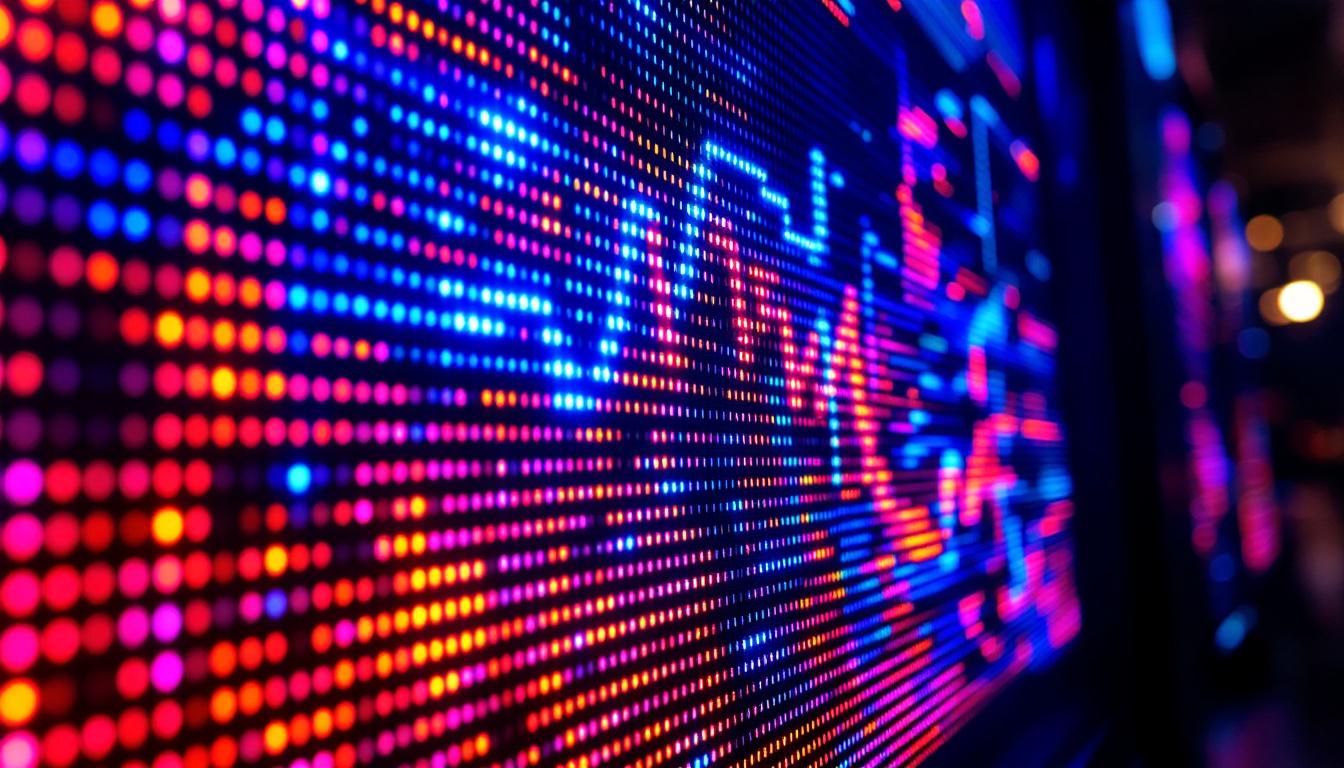
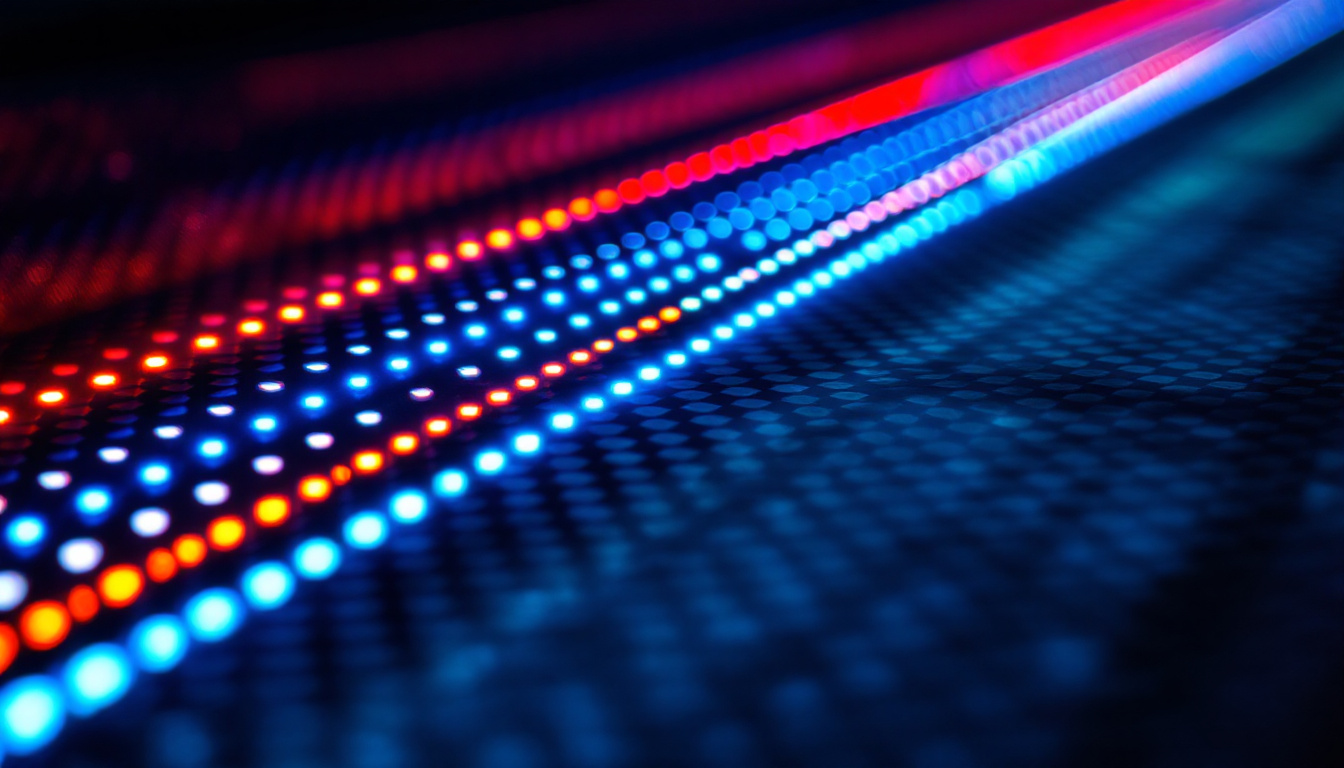
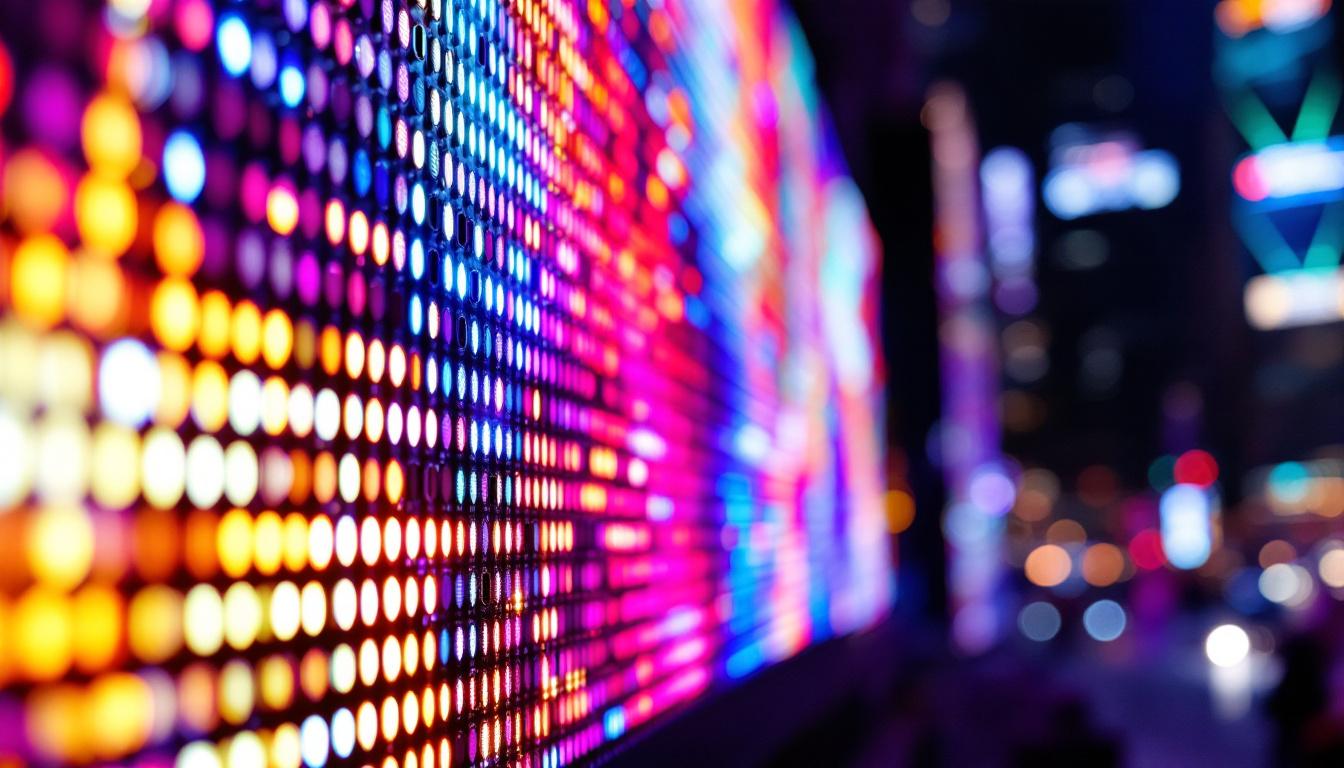
LED displays consist of numerous individual diodes arranged in a grid. Each diode acts as a pixel or part of a pixel, emitting light in red, green, or blue wavelengths. By adjusting the intensity of these colors, the display can produce a full spectrum of colors, allowing for detailed and vibrant images. The diodes are controlled by sophisticated electronics that manage the timing and brightness to create seamless video or static content. This precise control enables dynamic content to be displayed, such as animations or real-time data feeds, enhancing viewer engagement.
Modern LED displays often use surface-mounted device (SMD) technology, where the diodes are mounted directly onto the circuit board. This approach enables higher pixel density and improved image resolution, making it suitable for both indoor and outdoor applications. Furthermore, advancements in thermal management and energy efficiency have led to longer lifespans for these displays, reducing the need for frequent replacements and contributing to lower operational costs.
Types of LED Displays
LED displays come in various forms, each tailored to specific use cases:
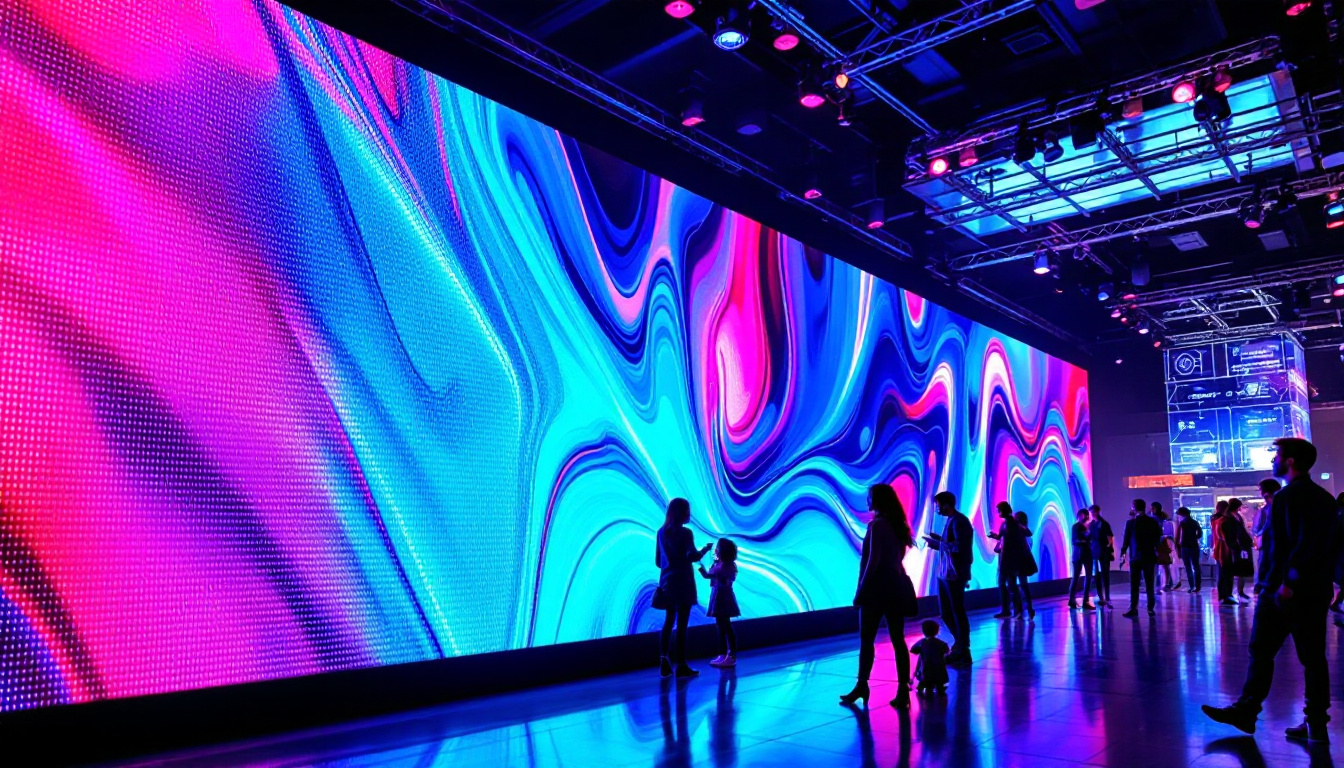
- Indoor LED Displays: Designed for environments with controlled lighting, these displays offer high resolution and brightness levels typically ranging from 800 to 1,200 nits. They are commonly used in conference rooms, retail spaces, and broadcast studios. The ability to display high-definition content makes them particularly effective for presentations and advertisements, capturing the attention of viewers with stunning visuals.
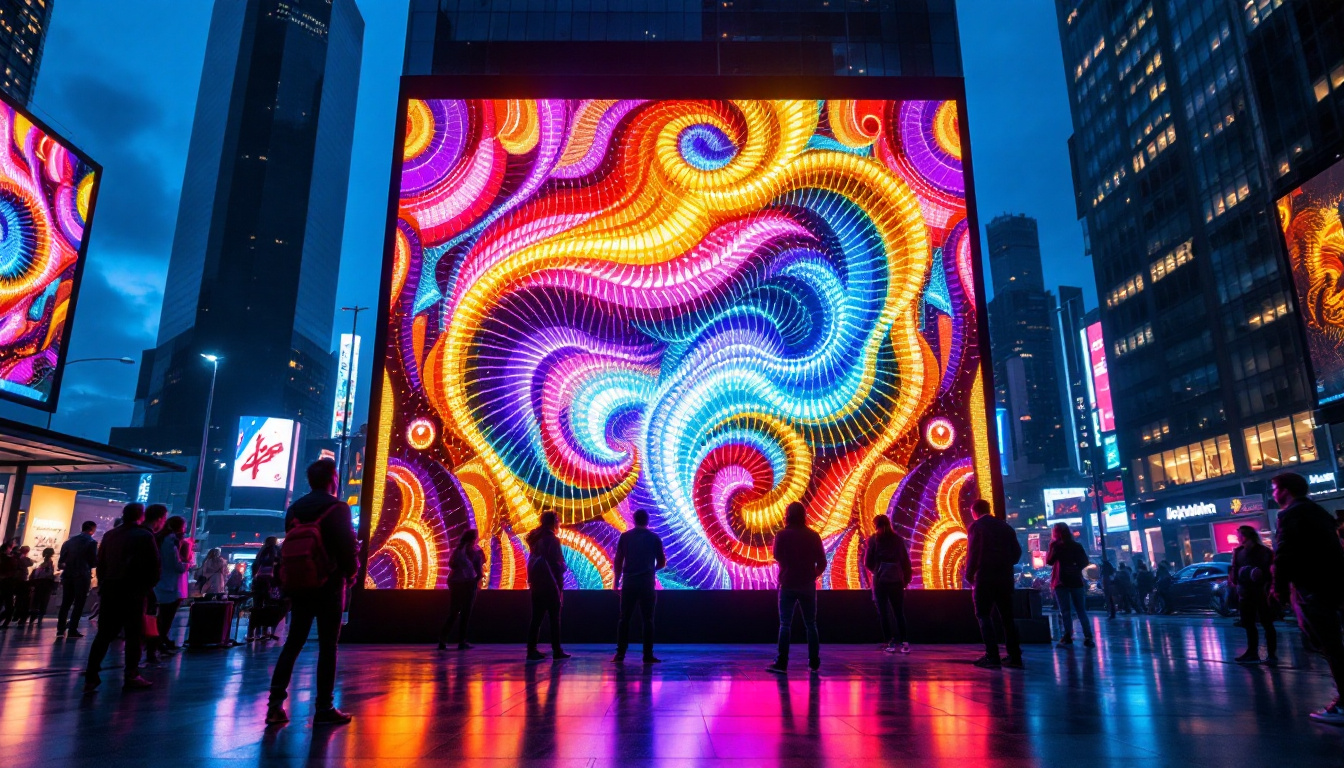
- Outdoor LED Displays: Built to withstand harsh weather conditions and intense sunlight, outdoor LED screens boast brightness levels exceeding 5,000 nits. Their robust construction ensures durability and visibility in open-air settings such as stadiums, billboards, and public squares. These displays are often equipped with advanced features like automatic brightness adjustment, which optimizes visibility based on ambient light conditions, ensuring that the content remains clear and impactful at all times.
- Flexible and Transparent LED Displays: These innovative types allow for creative installations, such as curved surfaces or glass facades, enabling architects and designers to integrate digital content seamlessly into physical spaces. This flexibility opens up new avenues for artistic expression and branding, allowing businesses to create immersive environments that captivate audiences and enhance the overall experience.
Applications of LED Displays in Audio-Visual Environments
LED displays have revolutionized the way audio-visual content is presented across multiple sectors. Their versatility and performance have made them the preferred choice for both temporary events and permanent installations.
Live Events and Concerts
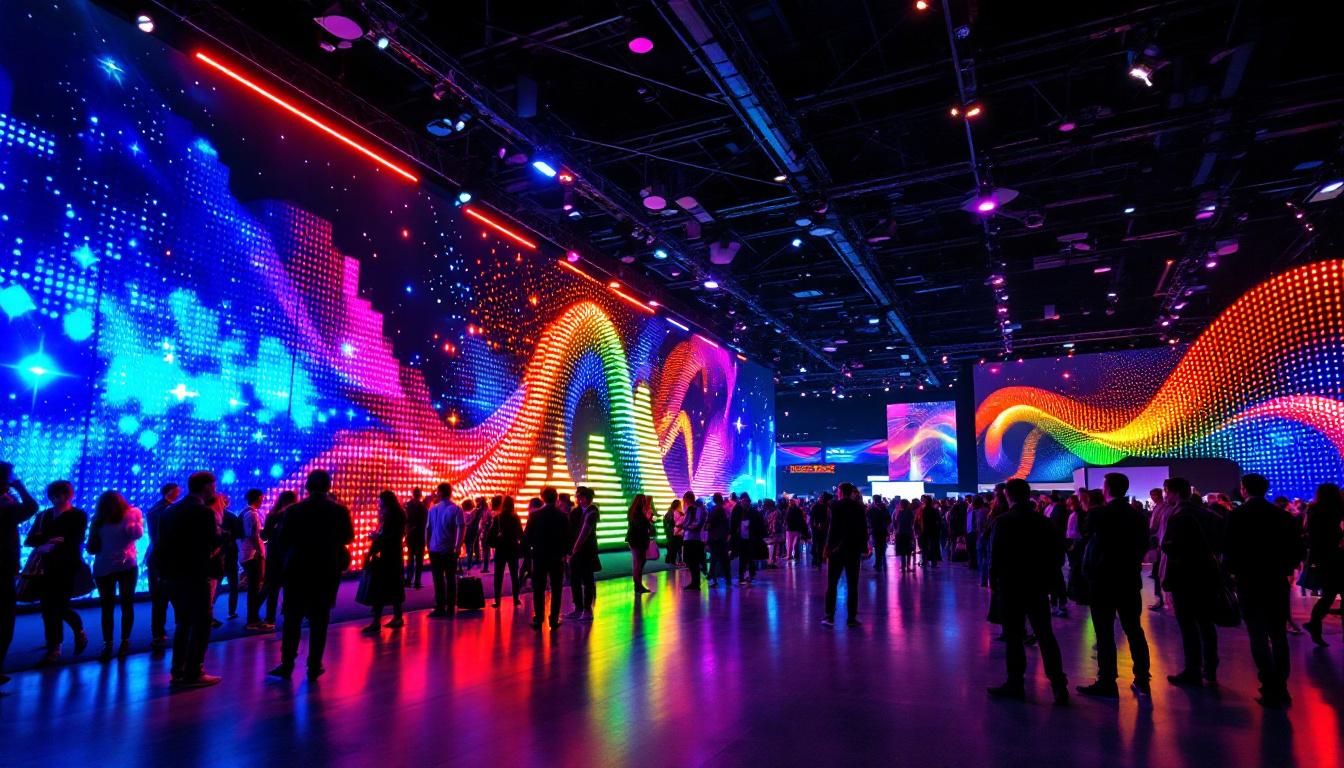
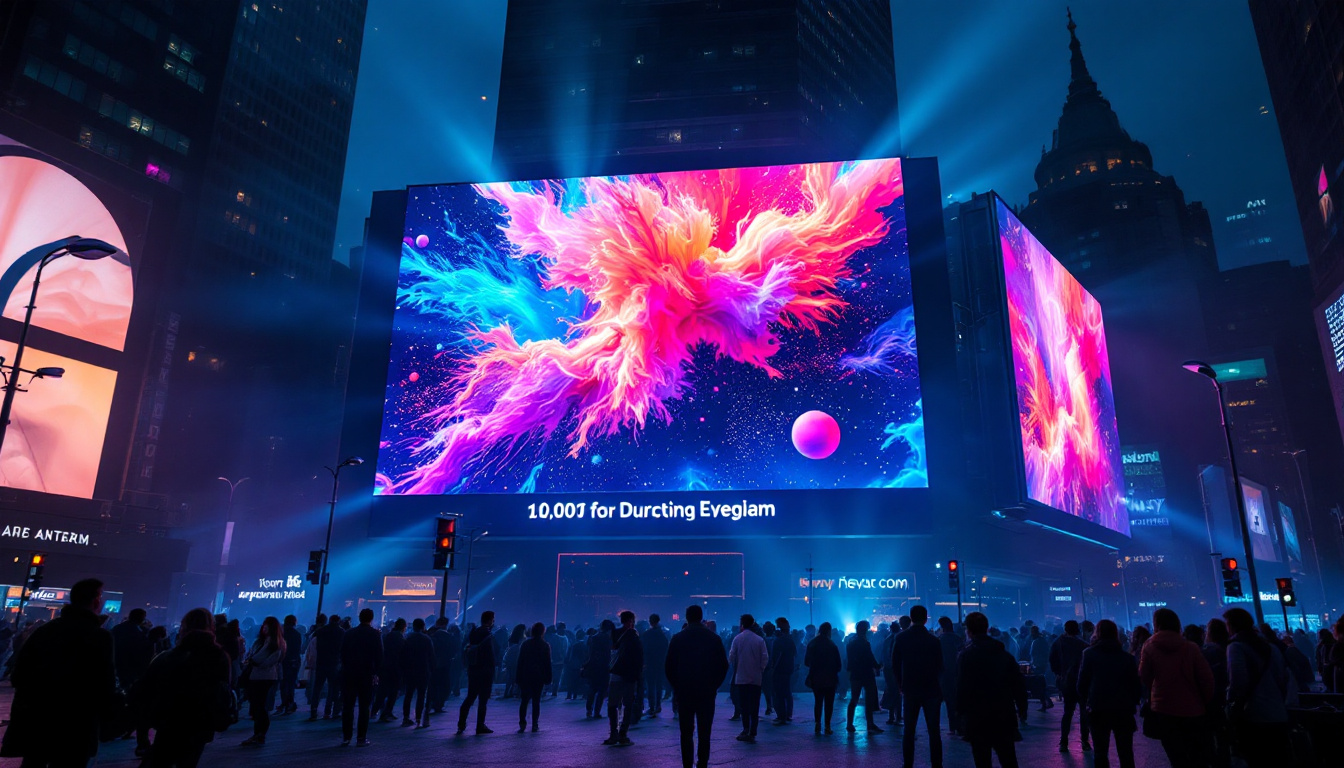
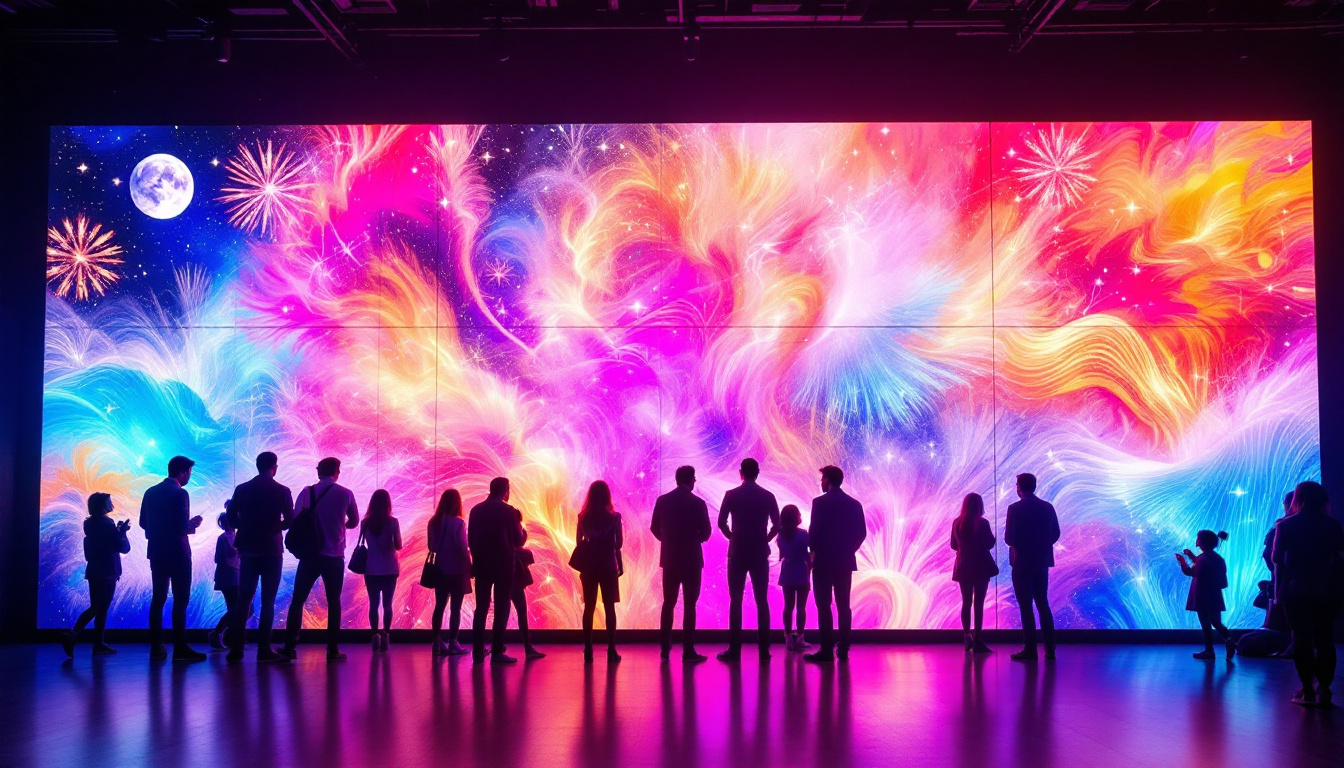
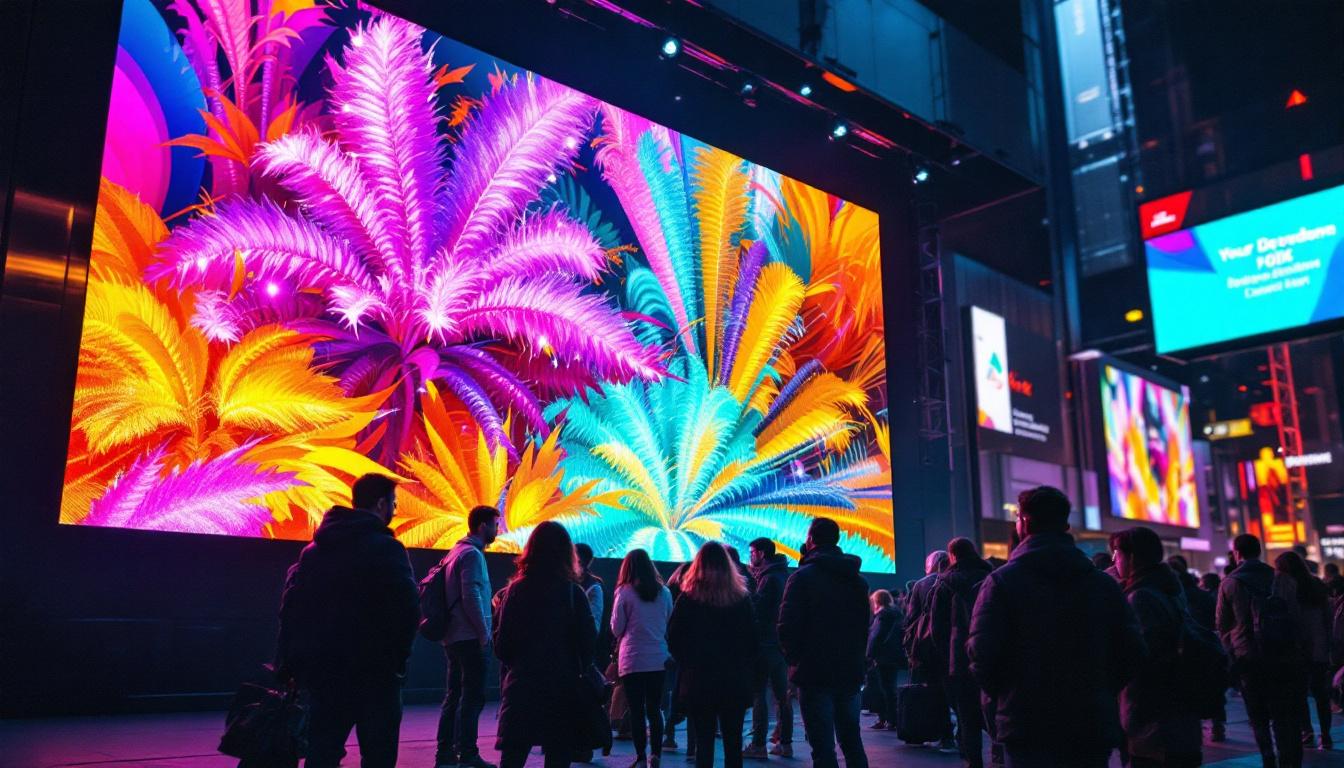
In live entertainment, LED displays serve as dynamic backdrops that enhance the audience’s experience. High-resolution screens enable performers to project visuals, animations, and real-time video feeds that synchronize with music and lighting effects. For example, major music festivals utilize massive LED walls to ensure visibility for tens of thousands of attendees, even in sprawling outdoor venues.
According to industry reports, the global market for LED displays in live events is expected to grow at a compound annual growth rate (CAGR) of over 10% through 2027, driven by increasing demand for immersive experiences and technological advancements.
Moreover, the adaptability of LED technology allows for innovative stage designs that can transform a simple performance into a multi-sensory spectacle. Creative directors often collaborate with visual artists to craft stunning visual narratives that complement the music, using LED displays to create seamless transitions and captivating effects that captivate audiences. This synergy between sound and sight not only enhances the performance but also leaves a lasting impression on attendees, making them more likely to share their experiences on social media platforms.
Sports Arenas and Stadiums
Sports venues rely heavily on LED displays to engage fans and provide critical information. Scoreboards, advertising panels, and giant video walls deliver instant replays, statistics, and promotional content with exceptional clarity. The ability to display bright, high-contrast images ensures visibility from any seat, regardless of lighting conditions.
For instance, the integration of LED technology in stadiums has transformed fan engagement, enabling interactive content and real-time social media feeds that elevate the overall atmosphere.
Additionally, many stadiums are now incorporating augmented reality (AR) features into their LED displays, allowing fans to interact with the content in real-time. This technology can enhance the viewing experience by providing fans with personalized statistics or player information simply by pointing their smartphones at the screen. This level of interactivity not only keeps fans engaged during the game but also fosters a deeper connection to the teams and players they support, making each event more memorable.
Corporate and Retail Spaces
In corporate environments, LED displays facilitate impactful presentations and digital signage. Their scalability allows for customized configurations, from small meeting room screens to expansive lobby installations. Retailers leverage LED screens to attract customers with vibrant advertisements, product showcases, and interactive displays that adapt to consumer behavior.
Recent studies indicate that digital signage using LED displays can increase customer engagement by up to 30%, highlighting their effectiveness in driving sales and brand awareness.
Furthermore, the use of LED displays in retail settings has evolved beyond mere advertising; they now serve as interactive platforms that can collect data on customer preferences and behaviors. By integrating smart technology, retailers can analyze foot traffic and engagement metrics, allowing them to tailor their marketing strategies in real-time. This data-driven approach not only enhances the shopping experience but also maximizes the potential for conversion, making LED displays an essential tool in modern retail environments.
Key Advantages of LED Displays Over Traditional Technologies
LED displays offer several compelling benefits that set them apart from older display technologies such as LCDs, projectors, and plasma screens.
Superior Brightness and Contrast
One of the most significant advantages of LED displays is their ability to produce intense brightness levels while maintaining deep blacks and high contrast ratios. This capability ensures that images remain clear and vibrant even in brightly lit environments, a challenge for many other display types.
Energy Efficiency and Longevity
LED technology is inherently energy-efficient because it requires less power to produce bright images compared to traditional lighting methods. This efficiency translates to lower operational costs and reduced environmental impact. Additionally, LEDs have a longer lifespan, often exceeding 100,000 hours of use, which minimizes maintenance and replacement expenses.
Flexibility and Customization
LED displays can be manufactured in various sizes, shapes, and resolutions, offering unparalleled flexibility for designers and engineers. Whether creating a massive outdoor billboard or a curved indoor installation, LED technology adapts to diverse requirements without compromising image quality.
Fast Refresh Rates and Reduced Motion Blur
For applications involving fast-moving content, such as sports broadcasts or gaming events, LED displays excel due to their high refresh rates and quick response times. This reduces motion blur and flickering, providing a smoother and more enjoyable viewing experience.
Considerations When Choosing an LED Display
Despite their many benefits, selecting the right LED display requires careful consideration of several factors to ensure optimal performance and return on investment.
Pixel Pitch and Resolution
Pixel pitch refers to the distance between individual LED pixels and directly impacts the display’s resolution and viewing distance. Smaller pixel pitches yield higher resolution and are ideal for close-up viewing, such as indoor conference rooms or retail displays. Larger pixel pitches are suitable for outdoor or large-venue applications where viewers are farther away.
Brightness and Environmental Conditions
Understanding the ambient lighting conditions is crucial. Outdoor displays must have higher brightness ratings to combat sunlight glare, while indoor screens can operate effectively at lower brightness levels, conserving energy and reducing eye strain.
Durability and Weather Resistance
For outdoor installations, the display’s ability to withstand rain, dust, temperature fluctuations, and UV exposure is essential. Look for displays with appropriate Ingress Protection (IP) ratings to ensure longevity and reliability.
Installation and Maintenance
The complexity of installation and ease of maintenance can significantly affect the total cost of ownership. Modular LED panels that allow for quick replacement and servicing are advantageous, especially for large-scale or high-use environments.
The Future of LED Display Technology
As technology continues to advance, LED displays are poised to become even more integral to audio-visual experiences. Innovations such as microLED and miniLED are pushing the boundaries of brightness, color accuracy, and energy efficiency.
MicroLED and MiniLED Innovations
MicroLED technology features microscopic LEDs that enable ultra-high resolution and brightness with exceptional color fidelity. This technology promises to rival and potentially surpass OLED displays in performance, offering longer lifespans and better energy efficiency. MiniLED, a slightly larger variant, improves backlighting for LCDs, enhancing contrast and brightness without the high cost of microLED.
Integration with Augmented Reality (AR) and Virtual Reality (VR)
LED displays are increasingly integrated with AR and VR systems to create hybrid environments that blend digital content with the physical world. This convergence opens new possibilities for immersive storytelling, training simulations, and interactive marketing.
Sustainability and Eco-Friendly Designs
Manufacturers are focusing on reducing the environmental impact of LED displays through recyclable materials, lower power consumption, and longer product lifecycles. These efforts align with global sustainability goals and appeal to environmentally conscious consumers and businesses.
Conclusion
LED displays have fundamentally transformed the landscape of audio-visual technology by delivering unparalleled brightness, flexibility, and visual quality. Their applications span from live entertainment and sports venues to corporate and retail environments, making them a versatile solution for engaging audiences worldwide.
Understanding the technical aspects, advantages, and practical considerations of LED displays is essential for professionals seeking to harness their full potential. As innovations continue to emerge, LED technology will remain at the forefront of creating captivating and immersive audio-visual experiences for years to come.
Illuminate Your Space with LumenMatrix
Ready to elevate your audio-visual experience with the brilliance of LED technology? LumenMatrix is at the forefront of LED innovation, offering a wide array of solutions tailored to meet your needs. Whether you’re looking to captivate a crowd with an Indoor LED Wall Display, make a statement in the open air with an Outdoor LED Wall Display, or drive engagement with a Custom LED Display, LumenMatrix has the expertise to bring your vision to life. Discover how our LED display modules can transform your space and create unforgettable visual experiences. Check out LumenMatrix LED Display Solutions today and start sharing your message with unparalleled impact and clarity.