In the evolving landscape of digital visualization and architectural design, the integration of advanced display technologies is transforming how professionals and clients interact with projects. Autodesk Portland, a hub for innovation in design software and visualization tools, has increasingly highlighted the role of LED display technology in enhancing project presentations and collaborative workflows. This article delves into the fundamentals of LED displays, their application within Autodesk Portland’s ecosystem, and why they are becoming indispensable in modern design and architecture practices.
Understanding LED Display Technology
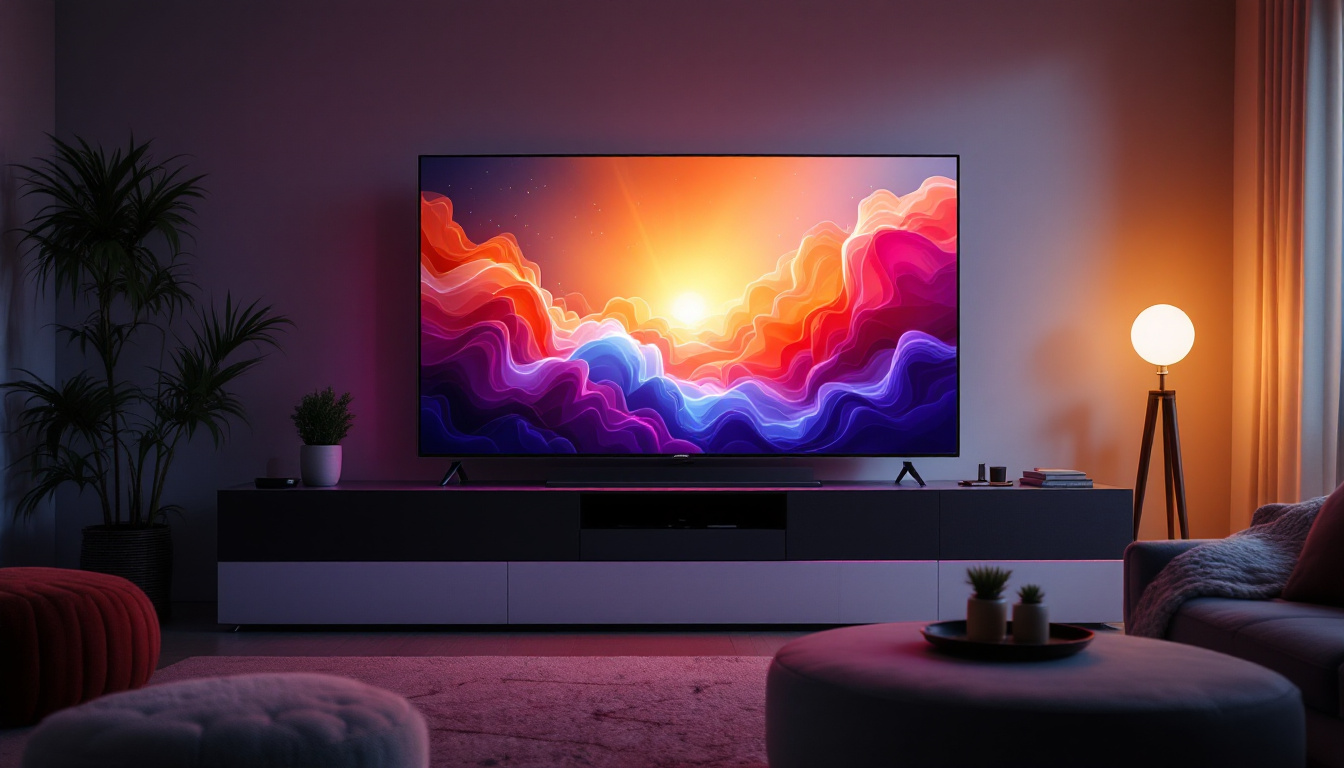
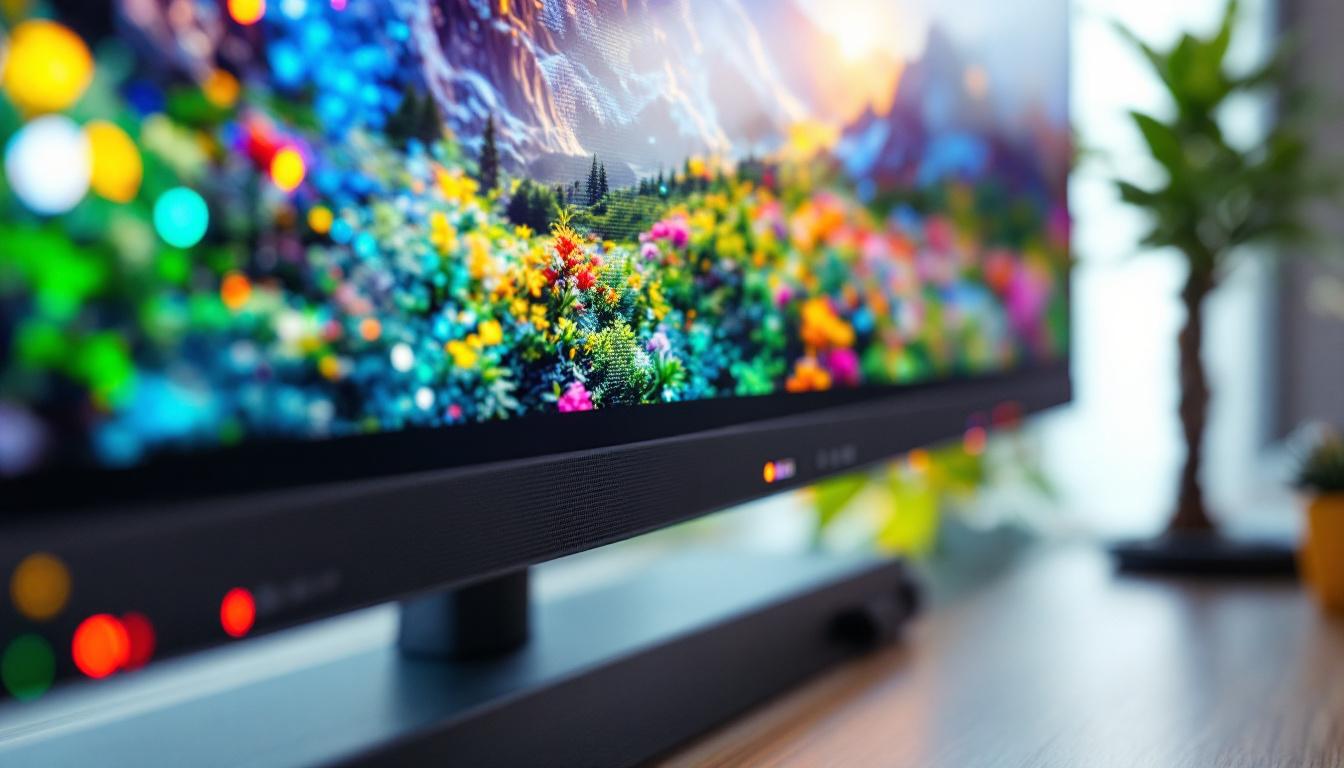
LED, or Light Emitting Diode, displays have revolutionized the way visual content is presented across numerous industries. Unlike traditional LCD or projection systems, LED displays utilize an array of tiny diodes that emit light directly, resulting in brighter, more vibrant images with superior contrast and color accuracy. This technology has not only enhanced the quality of visual presentations but has also made them more energy-efficient, reducing the overall carbon footprint of digital signage and display solutions.
The core advantage of LED technology lies in its self-illuminating pixels, which allow for exceptional image clarity even in well-lit environments. This makes LED displays particularly suitable for architectural firms and design studios that require precise color representation and detailed visuals during client presentations or collaborative sessions. Furthermore, the longevity of LED displays, often exceeding 50,000 hours of usage, ensures that investments in this technology yield long-term benefits, minimizing the need for frequent replacements.
Types of LED Displays Commonly Used in Design Environments
There are several types of LED displays, each catering to different needs:
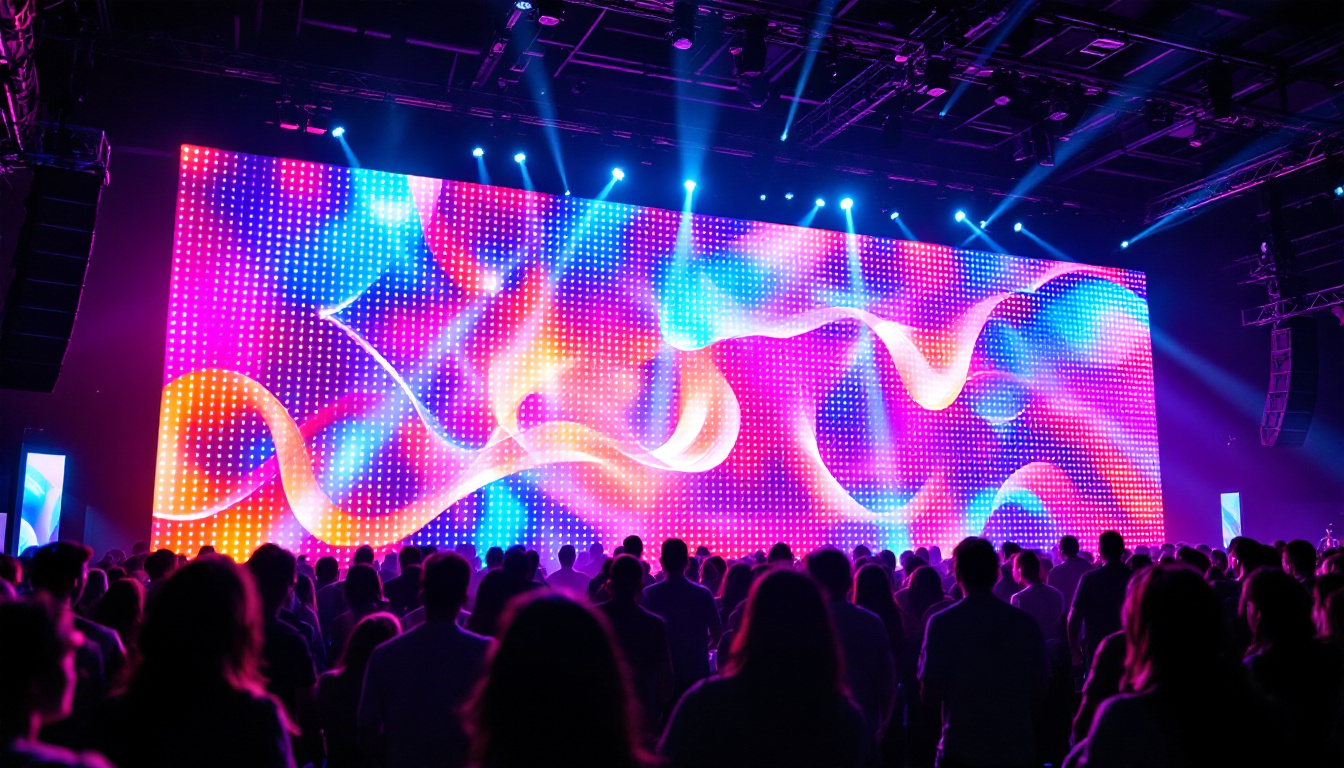
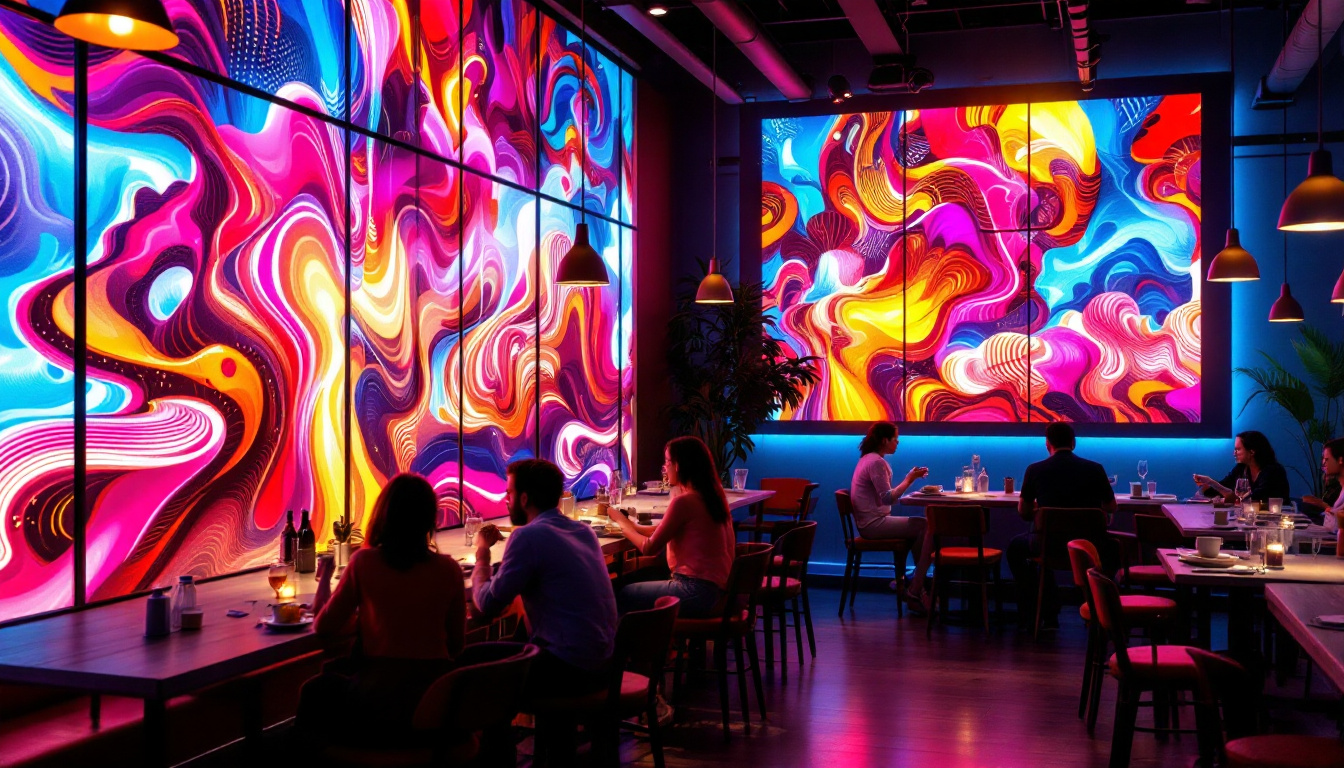
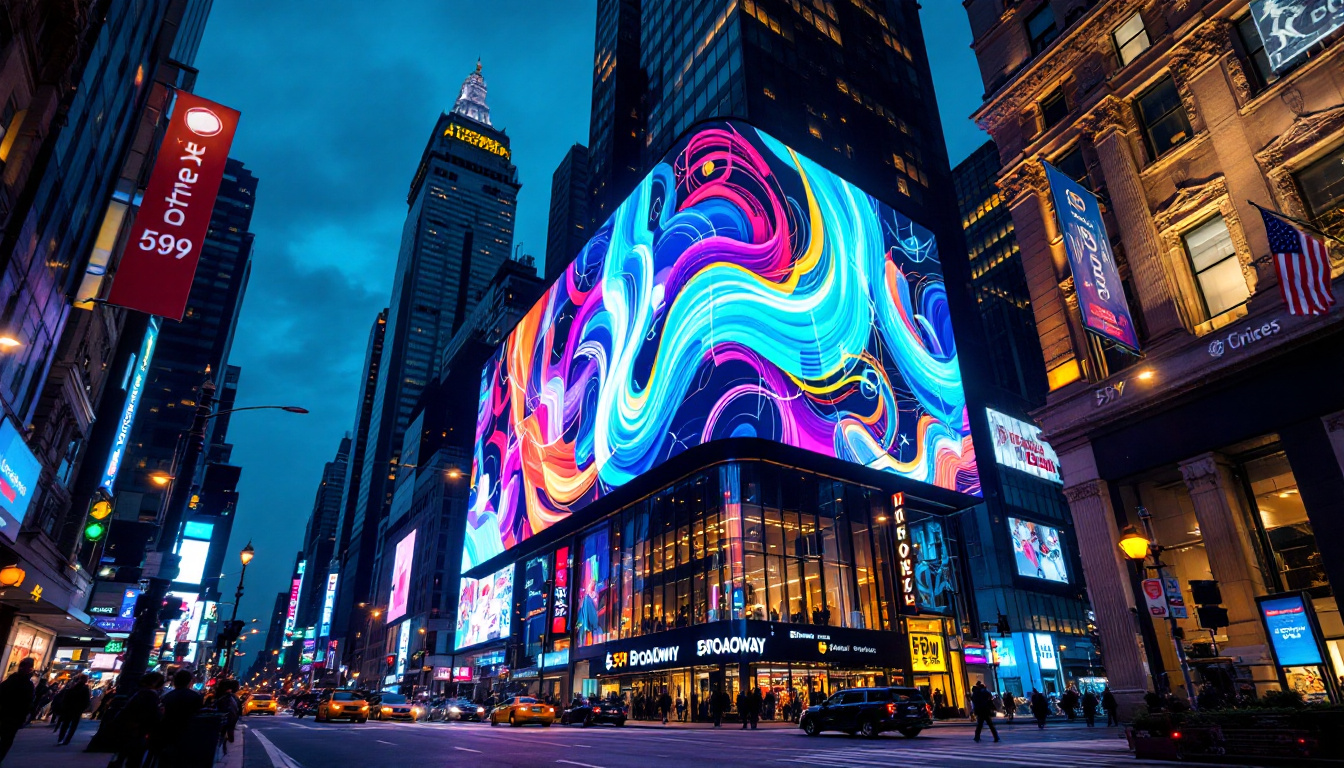
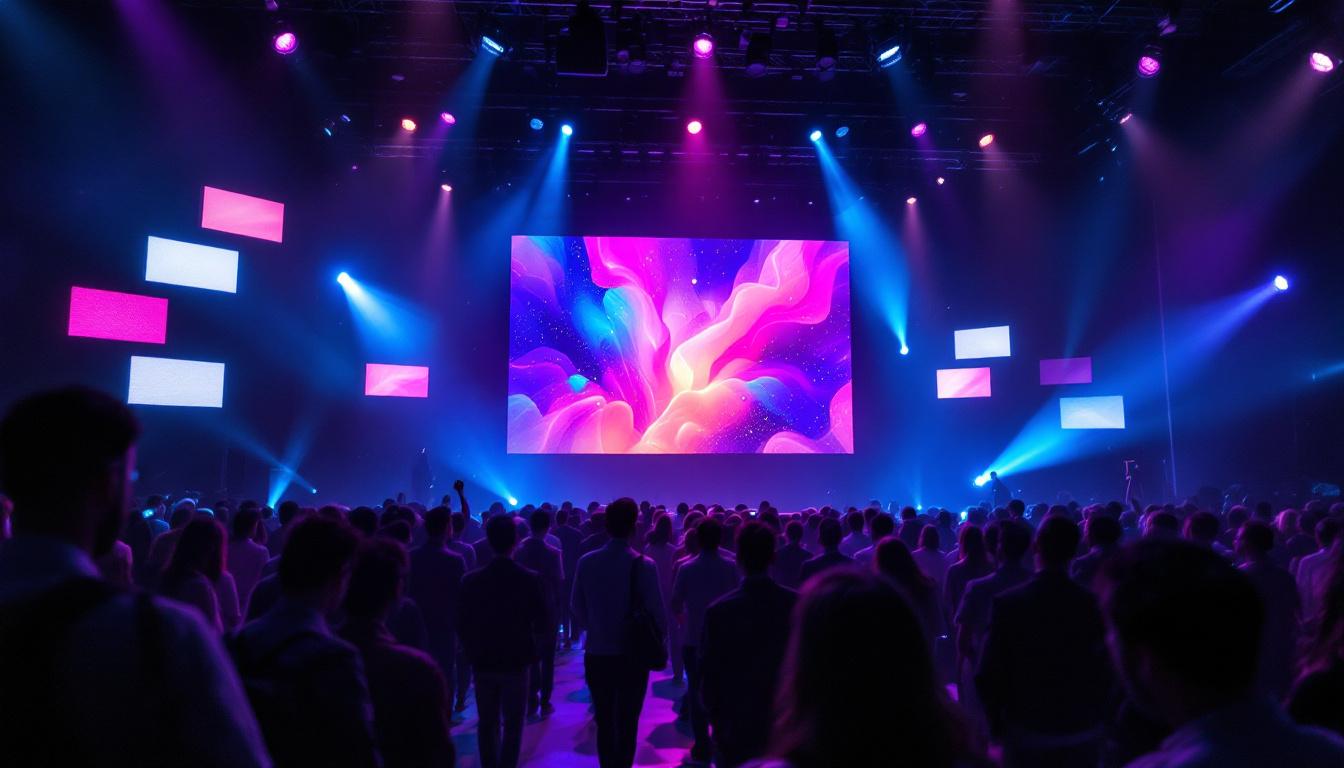
- Direct View LED (DVLED): These displays consist of individual LEDs arranged in a grid, offering high brightness and excellent viewing angles. They are ideal for large-scale installations such as video walls in design studios or conference rooms. Their modular nature allows for customization in size and shape, making them versatile for various applications, from immersive art installations to dynamic advertising displays.
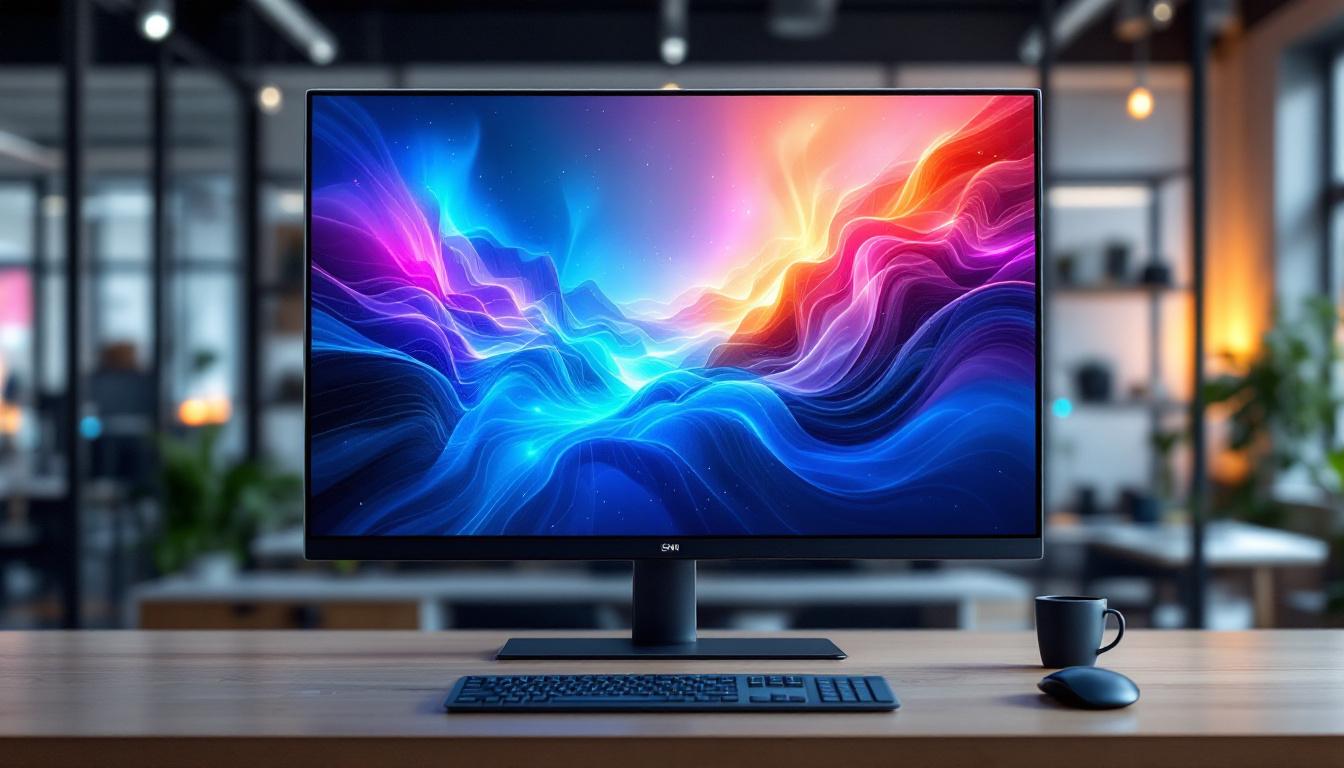
- LED-backlit LCD: While technically an LCD screen, these displays use LEDs for backlighting, improving brightness and energy efficiency compared to older CCFL backlit models. This hybrid technology is often favored in environments where cost-effectiveness is essential, yet high-quality visuals are still a priority, such as in retail settings or educational institutions.
- MicroLED: An emerging technology that promises even higher resolution and energy efficiency by using microscopic LEDs as individual pixels. Though still in development, MicroLED is poised to impact future Autodesk visualization tools. Its potential for seamless integration into curved or flexible surfaces opens up new avenues for creative expression in design, allowing for innovative installations that were previously unimaginable.
In addition to these types, the integration of LED technology with advanced software solutions has further enhanced its utility in design environments. For instance, real-time rendering capabilities allow designers to visualize their concepts instantly on large LED screens, facilitating immediate feedback and iterative design processes. This synergy between hardware and software not only streamlines workflows but also fosters a collaborative atmosphere where creativity can flourish, ultimately leading to more refined and impactful design outcomes.
“`html
The Role of LED Displays in Autodesk Portland’s Design Workflow
Autodesk Portland is renowned for its cutting-edge software solutions like AutoCAD, Revit, and 3ds Max, which empower architects, engineers, and designers to create detailed digital models and simulations. Integrating LED display technology into this workflow enhances the visualization and communication of complex designs.
Enhanced Visualization for Design Reviews
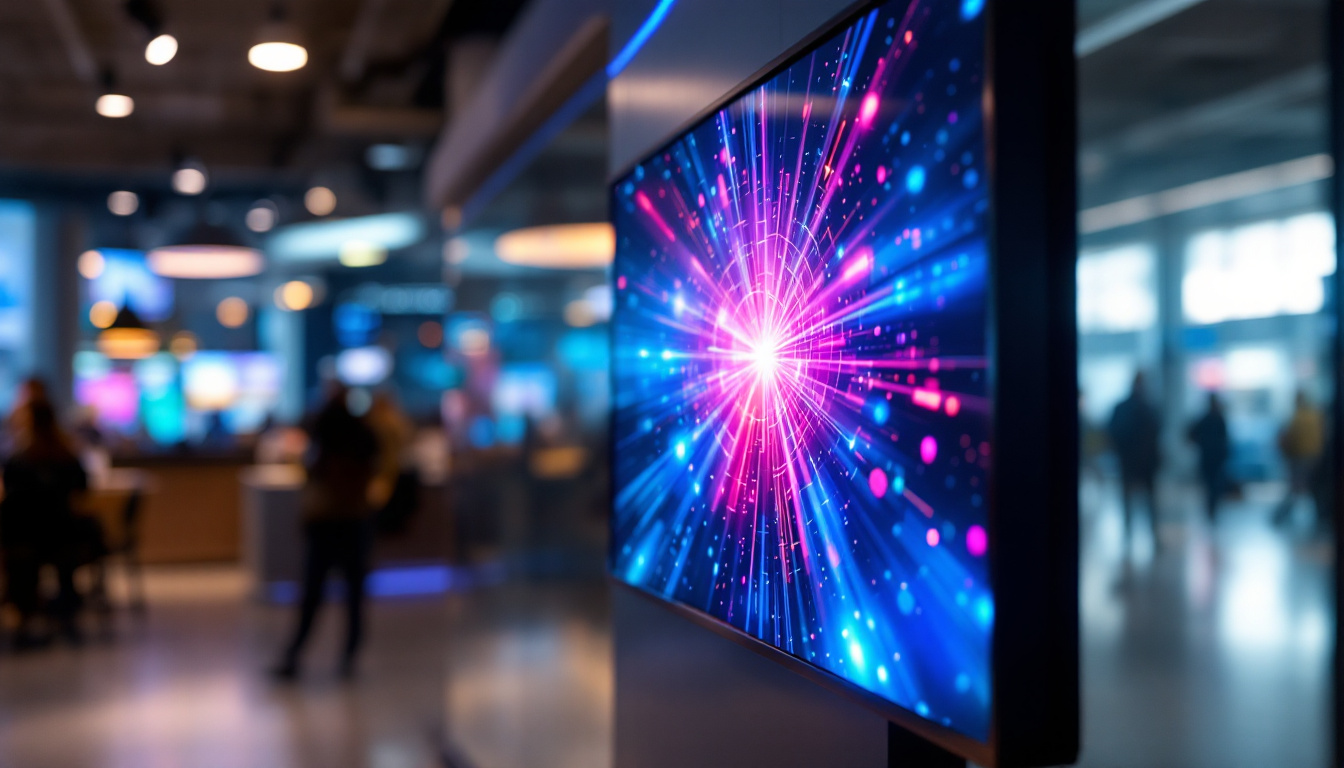
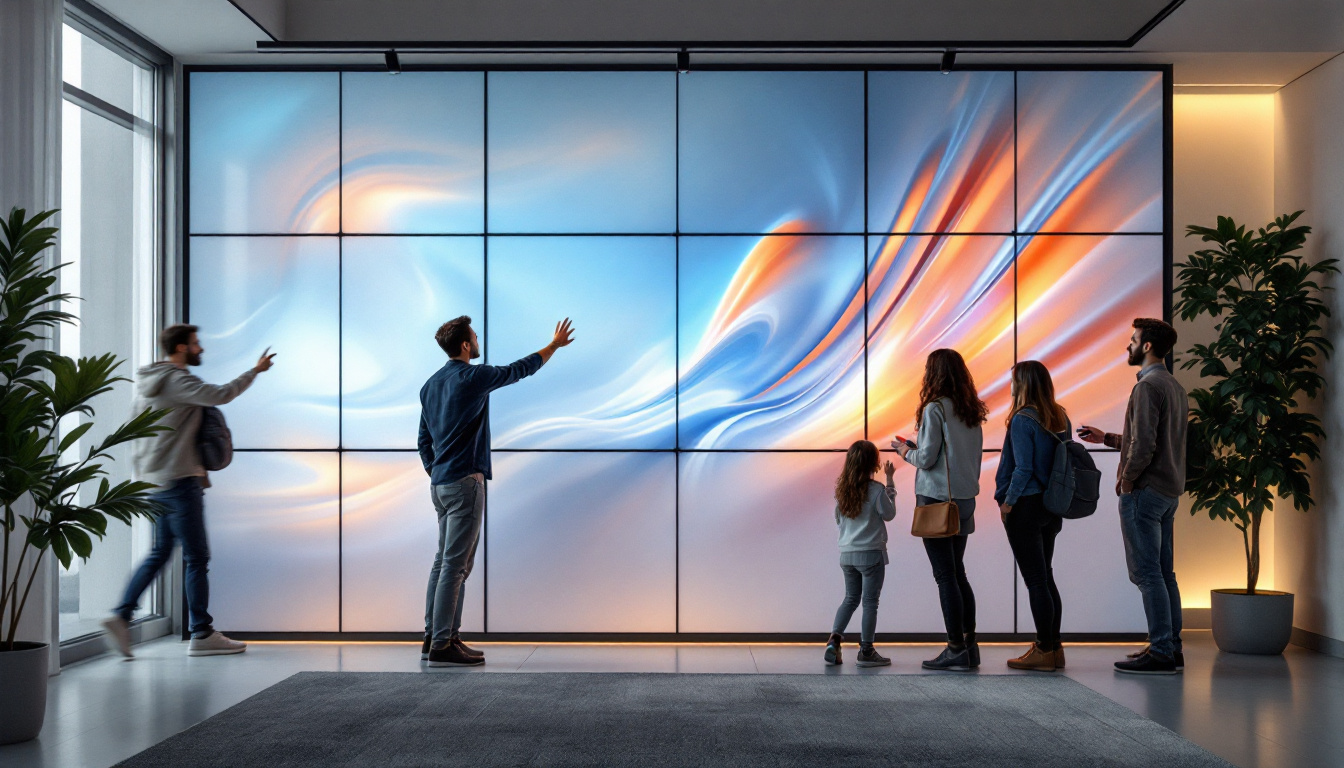
One of the primary benefits of using LED displays in Autodesk Portland’s environment is the ability to conduct immersive and interactive design reviews. Large-format LED walls enable teams to view 3D models and renderings at scale, facilitating better spatial understanding and identifying design issues early in the process.
For instance, a 100-inch LED video wall can display high-resolution renderings from Revit or 3ds Max, allowing stakeholders to explore architectural details and material textures with unprecedented clarity. This level of detail supports more informed decision-making, reducing costly revisions during construction.
Moreover, the dynamic capabilities of LED displays allow for real-time adjustments during presentations. As designers make modifications based on feedback, these changes can be instantly reflected on the screen, providing immediate visual context. This responsiveness not only keeps the momentum of discussions flowing but also helps in capturing the collective insights of the team, ensuring that every voice is heard and considered in the design process.
Collaborative Project Development
LED displays also foster collaboration by providing a shared visual platform where multiple team members can interact with design data simultaneously. Autodesk Portland’s collaborative tools, such as BIM 360, integrate seamlessly with LED display setups to allow real-time annotation, markups, and version comparisons.
This capability is particularly valuable in multidisciplinary projects where architects, structural engineers, and contractors need to coordinate closely. The ability to visualize changes instantly on a large LED screen accelerates problem-solving and ensures alignment across teams.
In addition, the use of LED technology can enhance remote collaboration. With the rise of hybrid work environments, teams spread across different locations can connect to the LED display through cloud-based platforms. This enables remote participants to engage in discussions and view the same high-quality visuals as those in the office, bridging the gap between on-site and off-site team members. Such inclusivity not only enriches the collaborative experience but also helps maintain project continuity, regardless of physical location.
“`
Technical Considerations for Implementing LED Displays in Autodesk Environments
Choosing and deploying the right LED display requires careful consideration of several technical factors to maximize performance and usability within Autodesk Portland’s design ecosystem.
Resolution and Pixel Pitch
Resolution is critical for displaying detailed architectural models accurately. Pixel pitch, the distance between individual LEDs, directly affects resolution and viewing distance. For close-up design work, a pixel pitch of 1.2mm to 2.5mm is recommended to ensure crisp images without visible pixelation.
In contrast, larger pixel pitches may suffice for displays intended for viewing from several meters away, such as lobby video walls or public exhibition spaces showcasing Autodesk projects. It’s important to note that as the pixel pitch increases, the density of the LEDs decreases, which can lead to a less detailed image. Therefore, careful consideration of the intended viewing distance is essential to ensure that the display meets the needs of both designers and clients alike.
Color Accuracy and Calibration
Accurate color reproduction is essential, especially when evaluating materials and finishes in architectural renderings. High-quality LED displays offer wide color gamuts and support industry-standard color profiles such as sRGB and Adobe RGB.
Regular calibration using professional tools ensures that the display maintains consistent color fidelity over time, which is vital for maintaining trust in visual presentations and client approvals. Furthermore, understanding the ambient lighting conditions of the workspace can influence color perception; thus, displays with adaptive brightness features can enhance the viewing experience by adjusting to changing light conditions throughout the day.
Integration with Autodesk Software
Seamless integration with Autodesk software is another key consideration. Many LED display manufacturers provide drivers and software plugins that optimize output settings for Autodesk applications, ensuring that models and animations render correctly on large-format screens.
Additionally, compatibility with common input sources like HDMI, DisplayPort, and network streaming protocols facilitates flexible deployment in various design studio configurations. This adaptability not only enhances workflow efficiency but also allows for collaborative presentations, where multiple team members can share their screens simultaneously, fostering a more interactive and engaging design process. Moreover, the ability to connect to cloud-based services can enable real-time updates and modifications, ensuring that all stakeholders are viewing the most current iterations of a project during discussions or reviews.
Case Studies: Autodesk Portland and LED Display Success Stories
Several firms and institutions in the Portland area have successfully incorporated LED display technology into their Autodesk-driven workflows, demonstrating tangible benefits in project delivery and client engagement.
Urban Design Firm Uses LED Video Wall for Community Planning
A leading urban design firm in Portland installed a 4K LED video wall in their main conference room to showcase large-scale city planning models created with Autodesk InfraWorks and Civil 3D. The immersive display allowed city officials and community members to better understand proposed developments, leading to more productive public consultations and quicker approvals.
Architectural Studio Enhances Client Presentations
An architectural studio specializing in sustainable building design integrated a curved LED display into their presentation suite. Using Autodesk Revit and 3ds Max, they delivered interactive walkthroughs of green building projects, highlighting energy-efficient features with vivid visuals. This approach improved client satisfaction and helped secure funding for multiple projects.
Future Trends: The Intersection of LED Displays and Autodesk Technologies
The future of design visualization is poised to benefit from ongoing advancements in both LED display technology and Autodesk software capabilities. Emerging trends suggest even more immersive and interactive experiences on the horizon.
Augmented Reality and LED Displays
Augmented reality (AR) is becoming increasingly integrated with LED displays to create hybrid environments where physical and digital models coexist. Autodesk’s investment in AR tools, combined with high-resolution LED walls, enables designers to overlay virtual elements onto real-world settings, enhancing spatial comprehension and design validation.
AI-Driven Visualization Enhancements
Artificial intelligence (AI) is also playing a role in optimizing rendering processes and content delivery on LED displays. Autodesk’s AI-powered tools can automatically adjust lighting, materials, and perspectives in real-time, ensuring that LED presentations are always visually optimized for the audience.
Conclusion
LED display technology is transforming the way Autodesk Portland’s design community visualizes, collaborates, and communicates complex projects. From high-resolution video walls that bring architectural models to life, to interactive platforms that foster teamwork, LEDs are becoming an essential component of modern design workflows.
As the technology continues to evolve, integrating LED displays with Autodesk’s powerful software suite will unlock new possibilities for innovation, efficiency, and client engagement. For architects, engineers, and designers looking to stay at the forefront of their fields, understanding and leveraging LED display technology is no longer optional—it is a strategic imperative.
“`html
Discover LumenMatrix’s Innovative LED Solutions
Ready to elevate your design presentations and collaborative efforts with cutting-edge LED technology? Explore LumenMatrix’s comprehensive range of LED display solutions, from immersive Indoor and Outdoor LED Wall Displays to dynamic Vehicle and Sports LED Displays. With a mission to revolutionize visual communication, LumenMatrix offers Custom LED Displays, All-in-One solutions, and even LED Transparent Displays to meet the diverse needs of your projects. Experience how our state-of-the-art LED modules can transform your visual storytelling and engage your audience like never before. Check out LumenMatrix LED Display Solutions today and step into the future of design visualization.
“`