In the realm of audiovisual technology, the evolution of display systems has been rapid and transformative. Among the various display technologies, LED displays have emerged as a powerful alternative to traditional projection methods, including conventional AV projectors. This article aims to provide an in-depth explanation of LED displays in the context of AV projection, exploring their technology, advantages, applications, and future trends.
Understanding LED Display Technology
What is an LED Display?
LED, or Light Emitting Diode, displays are screens composed of numerous tiny light-emitting diodes that produce images by illuminating in different colors and intensities. Unlike traditional projectors that rely on projecting light onto a separate screen, LED displays are self-illuminating panels, meaning each pixel emits its own light. This fundamental difference results in distinct performance characteristics. The self-emissive nature of LED technology allows for deeper blacks and a wider contrast ratio, making images appear more vibrant and lifelike.
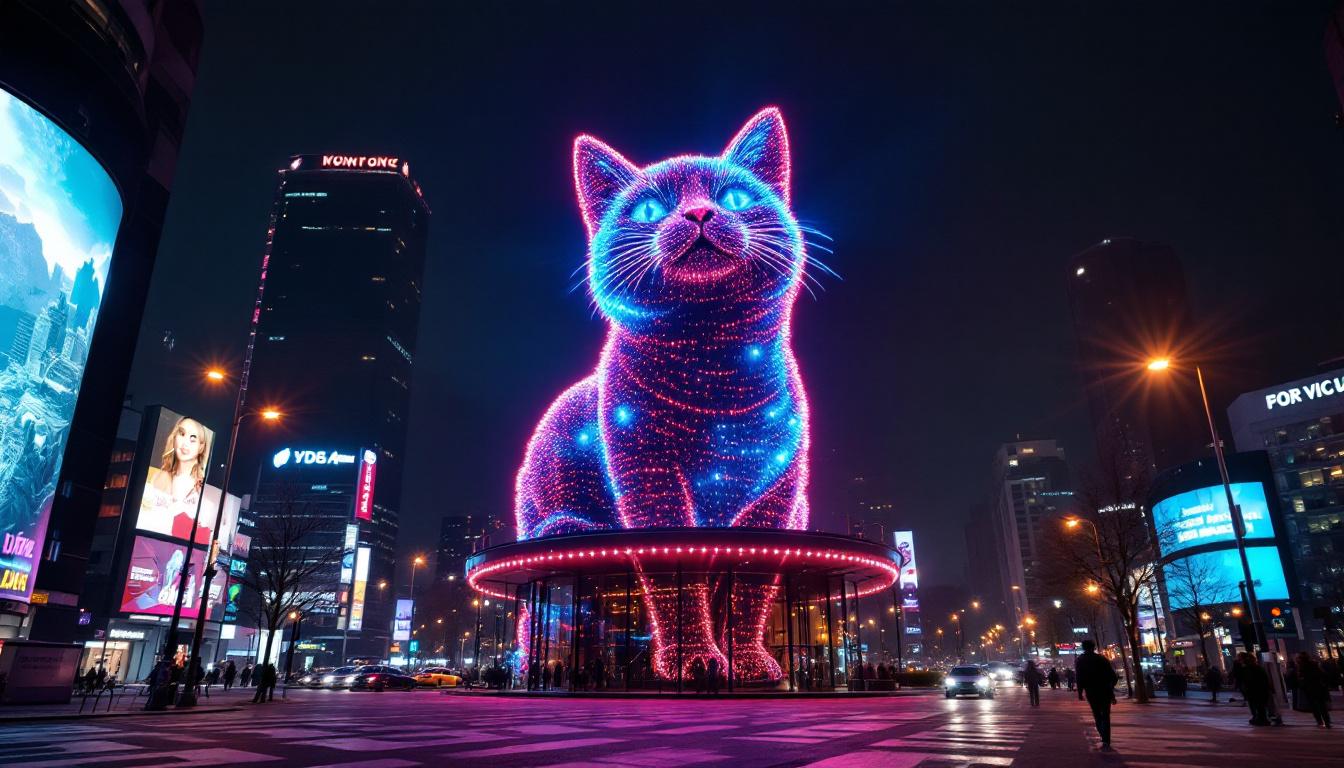
LED displays can vary in size from small panels used in smartphones and televisions to massive video walls used in stadiums and outdoor advertising. In AV projection, LED displays are increasingly favored for their brightness, color accuracy, and durability. The versatility of LED technology also extends to its applications, ranging from indoor environments like shopping malls and conference rooms to outdoor settings where they can withstand harsh weather conditions. This adaptability has made LED displays a popular choice for a variety of industries, including entertainment, retail, and transportation.
How LED Displays Work
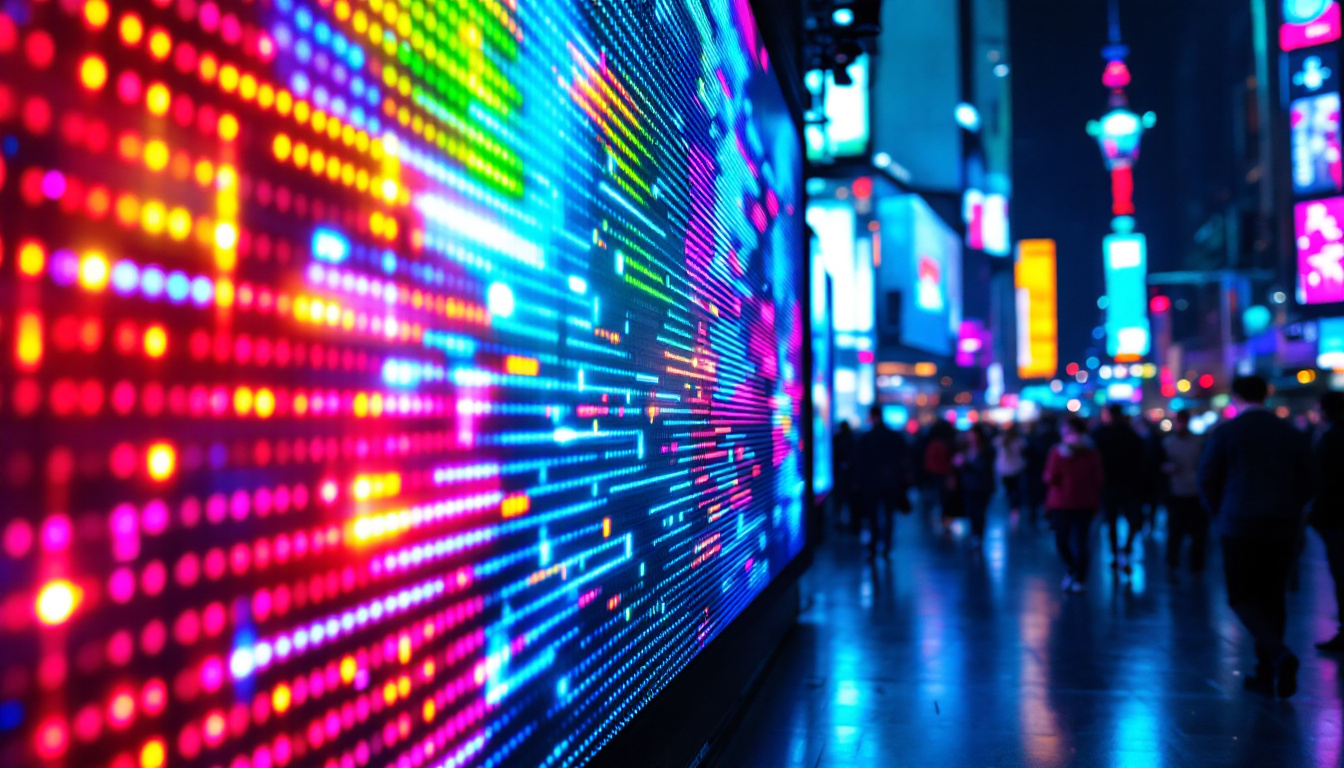
Each pixel in an LED display consists of red, green, and blue diodes that combine to produce a full spectrum of colors through additive color mixing. The intensity of each diode is precisely controlled to create the desired color and brightness for each pixel. These LEDs are arranged in a grid, forming the entire display. The ability to control each pixel independently allows for dynamic content, such as animations and videos, to be displayed with remarkable clarity and fluidity.
Modern LED displays use surface-mounted device (SMD) technology, where LEDs are mounted directly onto the circuit board. This allows for higher pixel density, resulting in sharper images and finer detail. Additionally, advancements in micro-LED technology promise even greater resolution and efficiency by shrinking the size of individual LEDs. This miniaturization not only enhances the display quality but also enables the creation of flexible and curved screens, pushing the boundaries of design and functionality. Furthermore, the energy efficiency of LED displays contributes to lower operational costs, making them an environmentally friendly choice for consumers and businesses alike.
Comparing LED Displays and Traditional AV Projectors
Brightness and Image Quality
One of the most significant advantages of LED displays over traditional projectors is brightness. LED displays can achieve brightness levels exceeding 1,000 nits, making them highly visible even in well-lit environments. In contrast, many AV projectors struggle to maintain image clarity in bright rooms due to limited lumen output.
Moreover, LED displays offer superior contrast ratios because the diodes can be turned off completely to produce true blacks. This capability enhances image depth and color vibrancy, which is particularly important for high-definition video content and presentations requiring precise color reproduction. The result is a viewing experience that captivates audiences, drawing them into the content being presented. For instance, in environments where visual storytelling is paramount, such as art galleries or immersive exhibitions, the ability of LED displays to render deep colors and sharp details can significantly elevate the overall impact of the presentation.
Installation and Maintenance
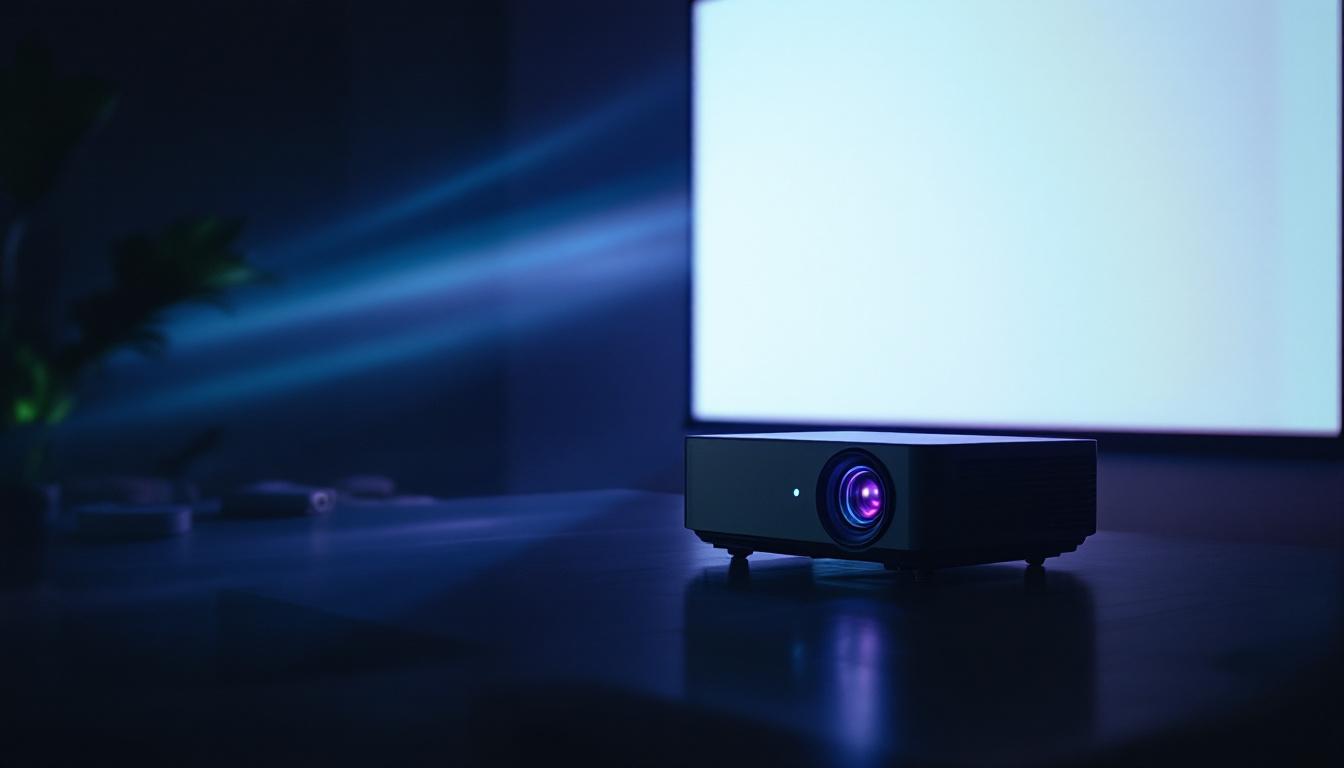
Traditional projectors require careful alignment, a suitable projection surface, and often a darkened room to optimize image quality. They also involve bulb replacements and periodic maintenance. LED displays, being self-illuminating panels, eliminate the need for external light sources and projection surfaces.
Additionally, LED displays have longer lifespans, often exceeding 50,000 hours of operation without significant degradation, compared to projector bulbs that may need replacement after 2,000 to 5,000 hours. This longevity translates into lower maintenance costs and less downtime. Furthermore, the reduced need for maintenance means that organizations can allocate their resources more efficiently, focusing on content creation and audience engagement rather than technical troubleshooting. This reliability is particularly beneficial in environments where consistent performance is critical, such as live events or corporate functions where every minute counts.
Portability and Size Considerations
While traditional projectors are generally portable and compact, LED displays tend to be larger and heavier, especially for high-resolution and large-format applications. However, recent innovations have introduced modular LED panels that can be assembled and disassembled relatively easily, offering flexibility in size and portability for certain use cases.
For fixed installations, such as conference rooms, auditoriums, and digital signage, LED displays provide a robust and visually impressive solution. For mobile presentations or temporary setups, projectors may still hold an advantage due to their compactness. Additionally, the advancements in wireless technology have made it easier to connect projectors to various devices, allowing for quick setup and takedown. This flexibility can be crucial for educators and presenters who frequently move between different venues. As a result, the choice between LED displays and projectors often comes down to the specific needs of the event or installation, weighing factors such as audience size, venue lighting, and the nature of the content being presented.
Applications of LED Displays in AV Projection
Corporate and Educational Environments
In corporate boardrooms and educational institutions, clear and vibrant visual communication is essential. LED displays are increasingly deployed in these settings to deliver presentations, video conferencing, and interactive content with high clarity and brightness.
The ability of LED displays to maintain image quality under ambient lighting conditions reduces the need for darkened rooms, facilitating more natural and productive environments. Interactive LED walls also support collaboration and engagement, enhancing learning and decision-making processes. Furthermore, the integration of touch technology allows for real-time interaction with the displayed content, enabling educators and corporate trainers to create a more dynamic learning atmosphere. This interactivity not only captivates the audience’s attention but also encourages participation, making the sessions more effective and memorable.
Entertainment and Events
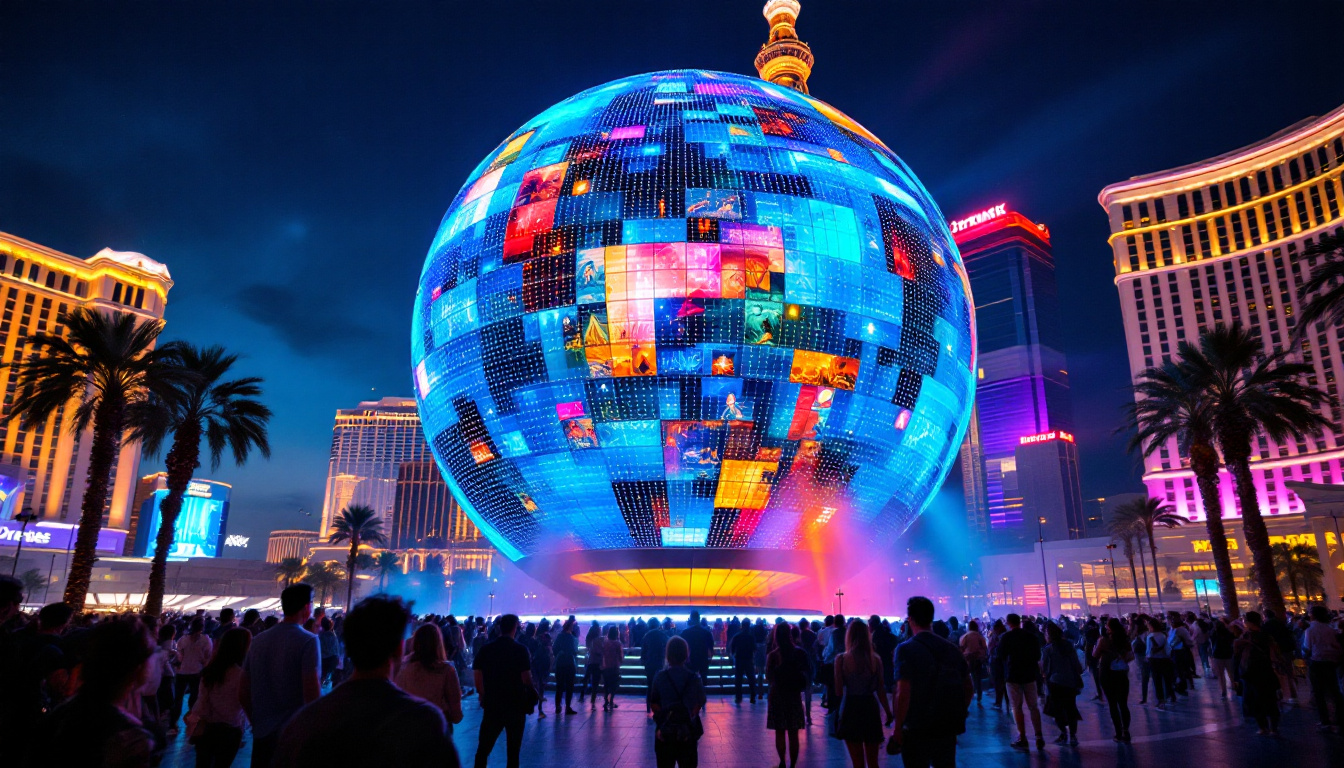
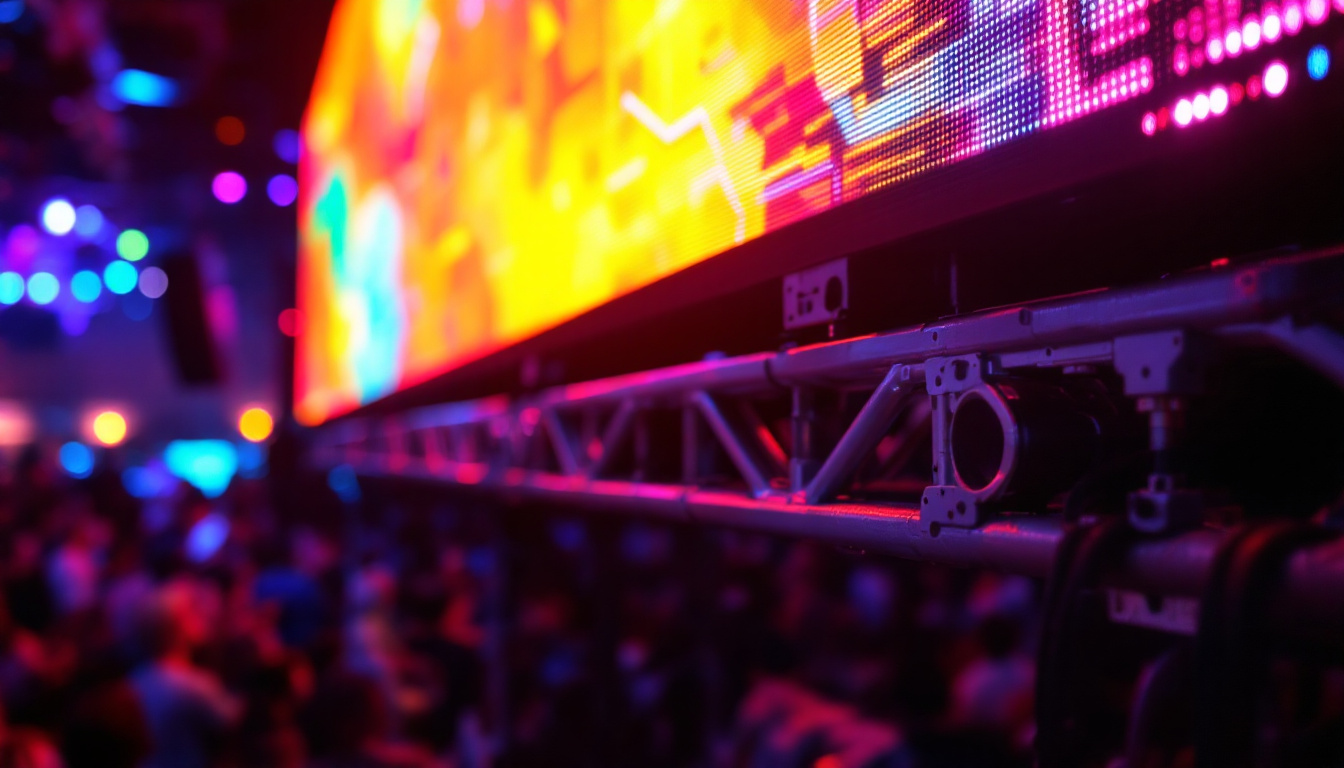
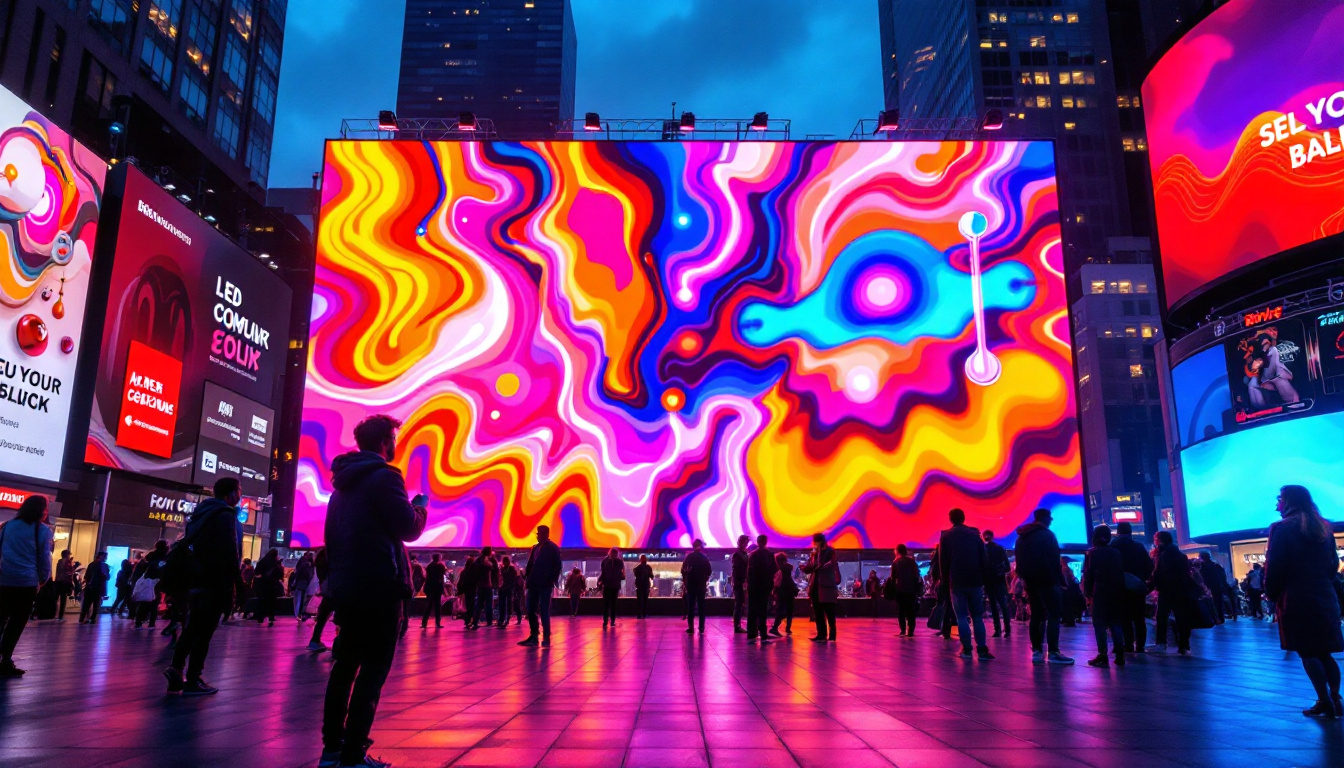
Large-scale LED video walls have revolutionized live events, concerts, and sports arenas. Their brightness and ability to display dynamic content make them ideal for engaging audiences in diverse lighting conditions, including outdoor venues.
LED displays also enable creative stage designs and immersive experiences through synchronized visuals and lighting effects. The modular nature of LED panels allows event organizers to customize screen sizes and shapes to suit specific production needs. Additionally, advancements in LED technology have led to higher resolutions and refresh rates, ensuring that fast-moving visuals remain sharp and fluid. This capability is particularly crucial in high-energy environments, such as sporting events or music festivals, where every detail matters in creating an unforgettable experience for attendees.
Retail and Advertising
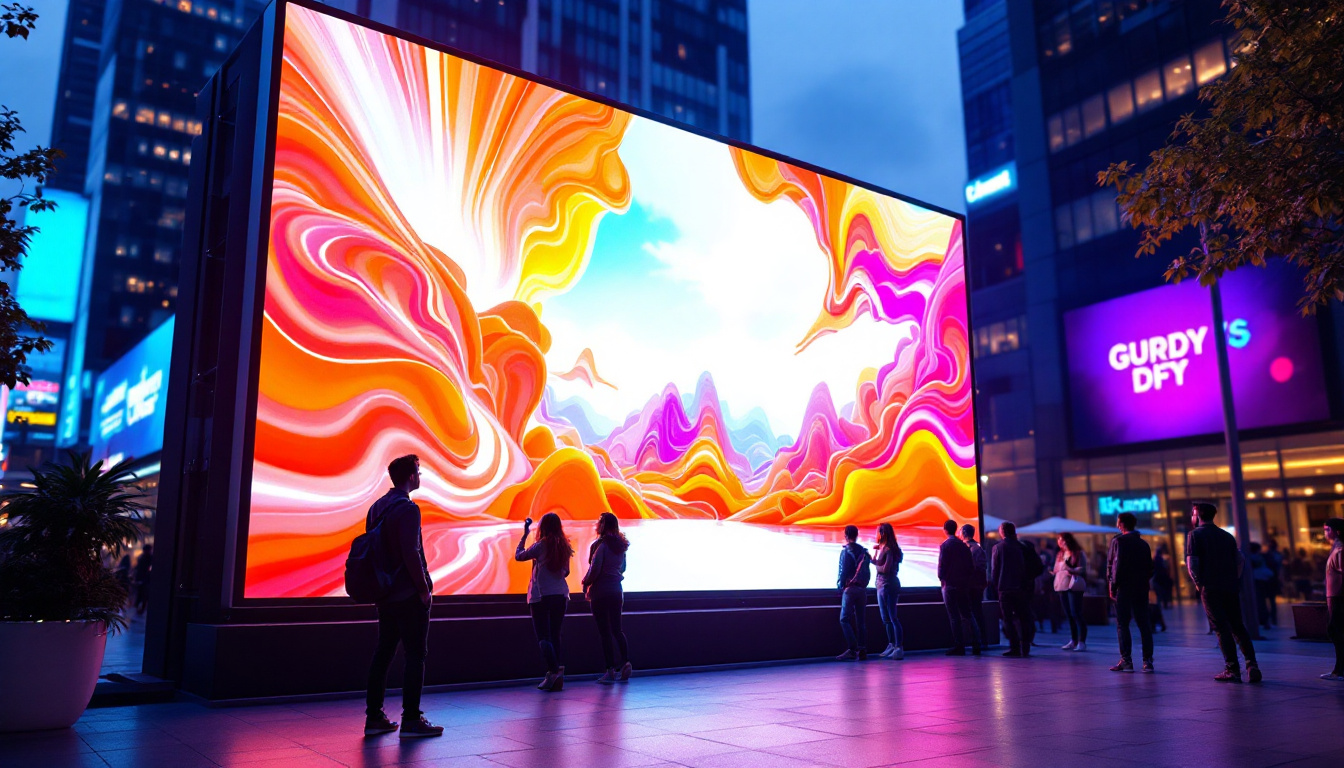
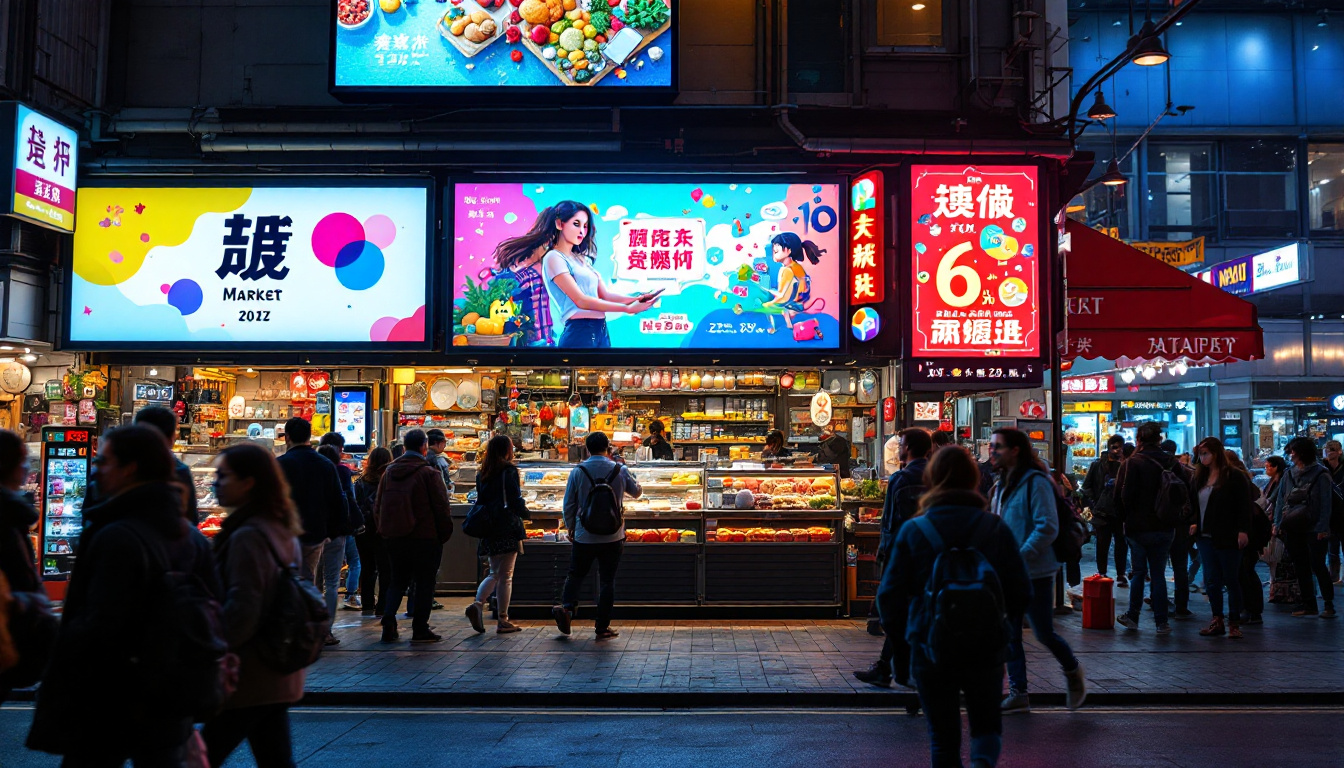
Retailers and advertisers leverage LED displays for digital signage due to their eye-catching brightness and color accuracy. LED video walls placed in storefronts, shopping malls, and urban centers attract consumer attention and enable real-time content updates.
Compared to printed signage, LED displays offer flexibility and cost-effectiveness over time, allowing businesses to adapt marketing messages quickly and efficiently. Moreover, the ability to display high-definition video content and animations enhances storytelling, allowing brands to convey their message in a more engaging manner. This dynamic approach not only boosts foot traffic but also increases dwell time, as customers are drawn in by the vibrant displays. As technology continues to evolve, the integration of artificial intelligence and data analytics into LED advertising systems will further personalize the consumer experience, tailoring content to specific demographics and preferences in real-time.
Key Considerations When Choosing Between LED Displays and AV Projectors
Budget and Total Cost of Ownership
Initial costs for LED displays can be higher than traditional projectors, especially for large or high-resolution panels. However, the total cost of ownership often favors LED displays due to lower maintenance, longer lifespan, and energy efficiency.
Projectors may have lower upfront costs but incur ongoing expenses for bulb replacements, maintenance, and potential screen upgrades. Decision-makers should evaluate both initial investment and long-term operational costs when selecting a display solution.
Environment and Usage Conditions
The ambient lighting environment plays a crucial role in determining the appropriate technology. LED displays excel in bright or outdoor settings, while projectors may perform adequately in controlled, darkened rooms.
Additionally, the physical space and installation constraints, such as ceiling height and available wall area, influence the choice. LED displays require sturdy mounting surfaces and power supply considerations, whereas projectors need unobstructed projection paths.
Resolution and Image Size Requirements
For applications demanding extremely large image sizes with high resolution, LED displays offer scalable solutions through modular panels. Projectors can also achieve large images but may sacrifice sharpness and brightness as size increases.
Understanding the intended content—whether detailed graphics, video, or text—and the viewing distance helps determine the optimal resolution and display size.
Future Trends in LED Display and AV Projection Technologies
Micro-LED and Mini-LED Innovations
Emerging micro-LED and mini-LED technologies promise to enhance LED display performance further by increasing pixel density, improving color accuracy, and reducing power consumption. These advances will enable thinner, lighter, and more energy-efficient displays suitable for a broader range of AV applications.
Integration with Smart and Interactive Technologies
LED displays are increasingly integrated with interactive touch capabilities, augmented reality (AR), and artificial intelligence (AI) to create immersive and engaging user experiences. These innovations expand the potential uses of LED displays beyond passive viewing to active collaboration and data visualization.
Hybrid Systems and Projection Mapping
Hybrid AV systems that combine LED displays with projection mapping techniques are gaining popularity for creative installations and events. Projection mapping uses projectors to cast images onto irregular surfaces, while LED panels provide vibrant backdrops, resulting in captivating visual storytelling.
Conclusion
LED displays represent a significant advancement in AV projection technology, offering superior brightness, color fidelity, and durability compared to traditional projectors. Their versatility across corporate, educational, entertainment, and advertising applications underscores their growing prominence in the audiovisual industry.
While projectors remain relevant for certain use cases due to portability and cost considerations, the ongoing innovations in LED technology suggest a future where LED displays become the standard for high-quality visual communication. Understanding the strengths and limitations of each technology enables informed decisions tailored to specific needs and environments.
Discover LumenMatrix’s Innovative LED Display Solutions
Ready to elevate your visual communication with the latest in LED display technology? Look no further than LumenMatrix, a pioneer in crafting immersive LED display modules that bring your brand to life. Whether you’re looking to captivate audiences with an Indoor LED Wall Display, make a statement in the open air with an Outdoor LED Wall Display, or innovate on the go with a Vehicle LED Display, LumenMatrix has a solution tailored to your needs. Our extensive range includes LED Poster Displays, LED Sports Displays, Floor LED Displays, Custom LED Displays, All-in-One LED Displays, and even LED Transparent Displays. Embrace the future of visual storytelling and check out LumenMatrix LED Display Solutions today to create unforgettable experiences and share your message with unparalleled impact and clarity.