In the evolving landscape of outdoor advertising, back windscreen LED displays have emerged as a dynamic and innovative solution. These digital advertising tools transform the rear windows of vehicles into vibrant, eye-catching billboards that captivate audiences on the move. As urban environments become increasingly saturated with traditional ads, LED back windscreen advertising offers a fresh, flexible, and highly visible alternative that leverages modern technology to maximize brand exposure.
This article delves into the mechanics, benefits, and practical considerations of back windscreen LED displays. It explores why this form of advertising is gaining traction among marketers and fleet operators alike, supported by current trends and real-world examples. Whether you are a business owner looking to expand your advertising reach or a fleet manager considering new revenue streams, understanding the nuances of LED back windscreen advertising is essential.
What is Back Windscreen LED Advertising?
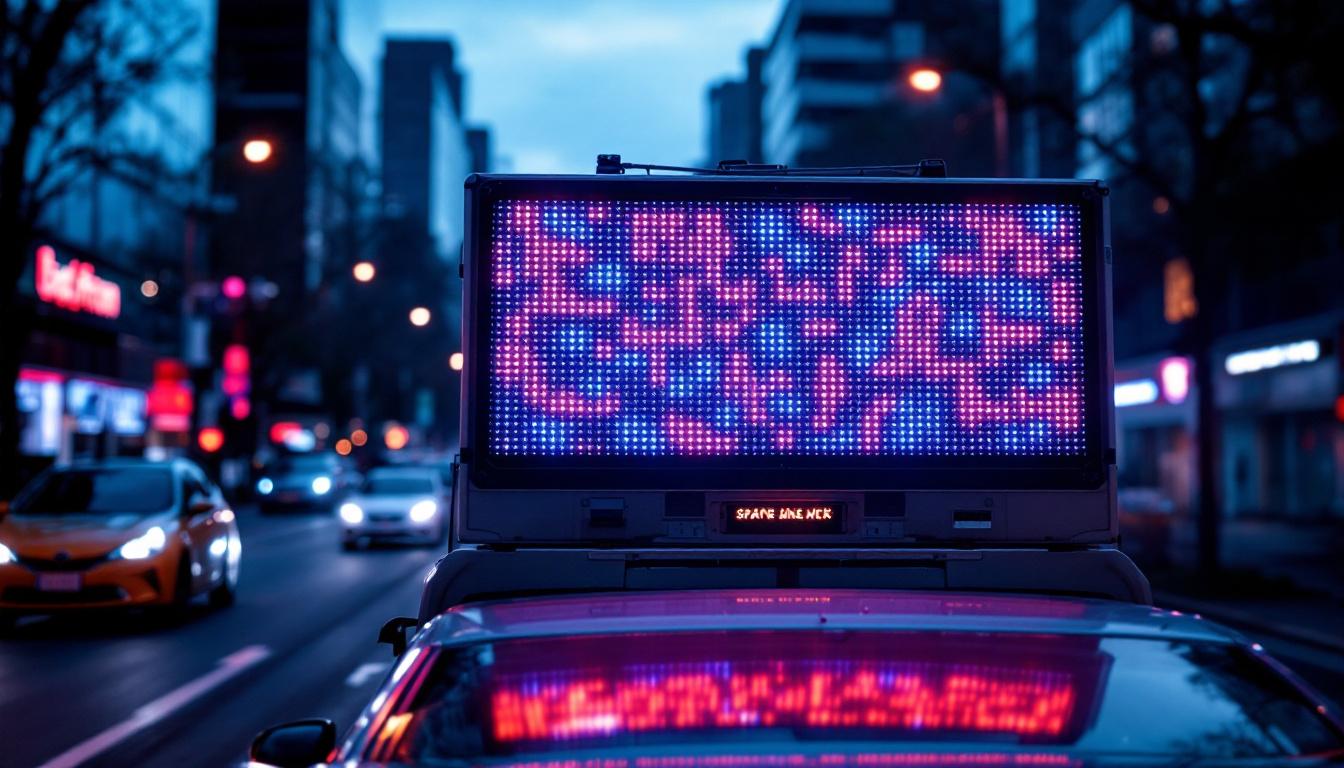
Back windscreen LED advertising refers to the installation of LED display panels on the rear windows of vehicles, typically cars, taxis, buses, or trucks. These LED panels are designed to be transparent or semi-transparent, allowing drivers to maintain visibility while displaying digital advertisements to the traffic behind them.
The technology integrates high-resolution LED modules that can showcase a variety of content, including static images, animations, videos, and real-time updates. The displays are controlled remotely via software platforms, enabling advertisers to change campaigns quickly and target specific locations or times of day for maximum impact. This dynamic approach to advertising not only enhances visibility but also engages potential customers in a way that static advertisements simply cannot.
How Does It Work?
The LED panels are custom-fitted to the dimensions of the vehicle’s rear window. Using advanced transparent LED technology, the panels emit bright, vivid images without obstructing the driver’s rear view. The displays connect to a control unit inside the vehicle, which is powered either by the vehicle’s battery or an independent power source. This integration allows for seamless operation, ensuring that the advertisements are always up-to-date and relevant to the audience.
Content management systems (CMS) allow advertisers to upload and schedule advertisements remotely. This flexibility means campaigns can be tailored to different audiences and updated frequently without the need for physical replacements, unlike traditional static decals or posters. Furthermore, advertisers can analyze the effectiveness of their campaigns in real-time, adjusting content based on viewer engagement and location metrics, thereby optimizing their advertising strategies on the fly.
Technology Behind Transparent LED Displays
Transparent LED technology uses a grid of LED lights embedded within a glass or acrylic panel. The spacing between the LEDs allows light to pass through, maintaining transparency. This innovation ensures that the driver’s visibility is not compromised while providing a bright and clear display for viewers behind the vehicle. The result is a unique advertising medium that captures attention without detracting from the safety of the driver.
Modern transparent LED displays offer high brightness levels—often exceeding 3,000 nits—making them easily visible even in direct sunlight. Additionally, these displays are designed to be weatherproof and durable, ensuring consistent performance in various environmental conditions. The longevity of these panels is further enhanced by their energy-efficient designs, which not only reduce operational costs but also contribute to a more sustainable advertising practice. As cities continue to evolve and embrace digital solutions, back windscreen LED advertising stands out as a forward-thinking approach that combines technology with creativity, paving the way for a new era of mobile advertising.
Advantages of Back Windscreen LED Advertising
Back windscreen LED advertising offers several compelling benefits over traditional vehicle advertising methods. These advantages make it an attractive option for brands and fleet operators seeking innovative ways to capture attention in crowded urban spaces.
High Visibility and Engagement
One of the most significant advantages is the high visibility of LED displays. Unlike static posters or vinyl wraps, LED screens emit light, making advertisements stand out day and night. This illumination enhances engagement, especially during evening hours or in low-light conditions.
Studies have shown that digital vehicle advertising can increase brand recall by up to 47% compared to static ads. The dynamic nature of LED content—such as animations and videos—also helps to capture and retain the attention of viewers, increasing the likelihood of message retention.
Flexibility and Real-Time Updates
Traditional vehicle advertising requires physical changes to update campaigns, which can be costly and time-consuming. In contrast, LED back windscreen displays allow for instant content updates via remote management systems. This flexibility enables advertisers to run multiple campaigns, tailor messages to specific locations, or promote time-sensitive offers efficiently.
For example, a restaurant chain could advertise breakfast specials during morning rush hours and switch to lunch promotions later in the day without any physical intervention.
Cost-Effectiveness Over Time
While the initial investment in LED back windscreen displays may be higher than traditional wraps or decals, the long-term cost benefits are significant. The ability to update content remotely eliminates recurring printing and installation costs. Additionally, the durability of LED panels reduces the frequency of replacements.
Furthermore, vehicle owners can monetize their fleets by partnering with advertisers, generating additional revenue streams without impacting vehicle operation or aesthetics.
Eco-Friendly Advertising Solution
With growing environmental concerns, digital advertising solutions that reduce waste are increasingly valued. LED back windscreen displays minimize the need for printed materials, which often end up as waste after short campaign durations. By reducing print cycles and physical materials, this technology supports more sustainable advertising practices.
Applications and Use Cases
Back windscreen LED advertising is versatile and can be adapted to various industries and vehicle types. Its mobility and visibility make it particularly effective in urban and high-traffic environments.
Taxi and Ride-Sharing Fleets
Taxis and ride-sharing vehicles are among the most popular platforms for back windscreen LED advertising. These vehicles spend significant time on the road in densely populated areas, providing advertisers with a moving billboard that reaches diverse audiences throughout the day.
For instance, major cities like London, New York, and Tokyo have seen widespread adoption of LED advertising on taxi fleets, with campaigns ranging from movie promotions to local business advertisements.
Public Transport and Buses
Buses equipped with LED back windscreen displays can reach large audiences on fixed routes. Public transport advertising benefits from the extended exposure time as buses stop at traffic lights and stations, increasing the chances of message absorption.
Transit authorities and advertisers often collaborate to create dynamic campaigns that can be updated based on events, seasons, or public service announcements.
Corporate and Delivery Fleets
Companies operating delivery vans or corporate fleets can leverage back windscreen LED displays to promote their brand or advertise partner products. This approach turns everyday vehicles into mobile marketing tools, enhancing brand visibility without additional marketing spend.
For example, logistics companies have used LED advertising to promote their services while on delivery routes, effectively reaching local customers and businesses.
Challenges and Considerations
Despite its advantages, back windscreen LED advertising involves certain challenges that advertisers and vehicle owners should consider before implementation.
Driver Visibility and Safety Regulations
Ensuring that LED displays do not obstruct the driver’s rear view is paramount. Transparent LED technology addresses this concern, but regulatory compliance varies by region. Some jurisdictions have strict rules about vehicle modifications and advertising displays, including brightness limits and content restrictions.
Before installation, it is crucial to verify local laws and obtain any necessary permits to avoid legal issues and ensure road safety.
Initial Investment and Maintenance Costs
While cost-effective over time, the upfront expense of purchasing and installing LED back windscreen displays can be significant. Additionally, maintenance such as cleaning, software updates, and occasional repairs require ongoing attention.
Businesses should weigh these costs against potential advertising revenue and brand exposure benefits to determine overall return on investment.
Content Management and Technical Expertise
Effective use of LED back windscreen advertising depends on high-quality content and efficient management. Advertisers need access to user-friendly content management systems and may require technical support to optimize display settings and troubleshoot issues.
Partnering with experienced vendors or agencies can facilitate smooth campaign execution and maximize impact.
Future Trends in Back Windscreen LED Advertising
The future of back windscreen LED advertising looks promising, driven by technological advancements and evolving marketing strategies.
Integration with Smart Technologies
Emerging trends include integrating LED displays with GPS and data analytics to deliver hyper-targeted advertising. Vehicles can display ads tailored to their location, time of day, or audience demographics, enhancing relevance and effectiveness.
Moreover, interactive capabilities such as QR codes or NFC tags embedded in the display can encourage immediate engagement, bridging the gap between physical advertising and digital interaction.
Advancements in Display Technology
Ongoing improvements in LED technology promise even higher transparency, brightness, and energy efficiency. Flexible and curved LED panels are becoming more accessible, allowing for seamless integration with various vehicle designs.
These innovations will expand the range of vehicles suitable for back windscreen advertising and improve overall display quality.
Growth of Programmatic Advertising
Programmatic advertising, which automates the buying and selling of ad space using data-driven algorithms, is making its way into mobile vehicle advertising. This approach allows advertisers to optimize campaigns in real-time based on performance metrics, maximizing return on investment.
As programmatic platforms evolve, back windscreen LED displays will become part of broader digital advertising ecosystems, offering unprecedented targeting and measurement capabilities.
Conclusion
Back windscreen LED advertising represents a cutting-edge fusion of technology and marketing, offering a powerful tool for brands seeking to stand out in crowded urban environments. Its combination of high visibility, flexibility, and cost-effectiveness makes it a compelling choice for businesses and fleet operators alike.
However, successful implementation requires careful consideration of safety regulations, investment costs, and content management strategies. By staying informed about technological advancements and regulatory frameworks, advertisers can harness the full potential of back windscreen LED displays to drive engagement and elevate brand presence.
As cities become smarter and advertising more digital, back windscreen LED advertising is poised to become a mainstream channel in the mobile marketing landscape, delivering vibrant messages directly to consumers on the move.
Illuminate Your Brand with LumenMatrix
Ready to take your advertising to the next level and illuminate the streets with your brand’s message? LumenMatrix is at the forefront of LED display innovation, offering a wide array of solutions from Indoor and Outdoor LED Wall Displays to the cutting-edge Vehicle LED Displays discussed in this article. Embrace the future of visual communication with our Transparent LED Displays and captivate your audience with clear, impactful visuals. Don’t let your brand fade into the background—check out LumenMatrix LED Display Solutions today and drive your message home with brilliance and clarity.