In today’s fast-paced digital world, touch screen displays have become an integral part of how we interact with technology. From smartphones and tablets to interactive kiosks and advanced industrial systems, touch screens offer intuitive user experiences that are both efficient and engaging. Among the various display technologies available, LED displays stand out for their vibrant visuals, energy efficiency, and versatility. This article delves into the world of LED touch screen displays, exploring their technology, benefits, applications, and what makes them the best choice for many users and industries.
Understanding LED Display Technology
What is an LED Display?
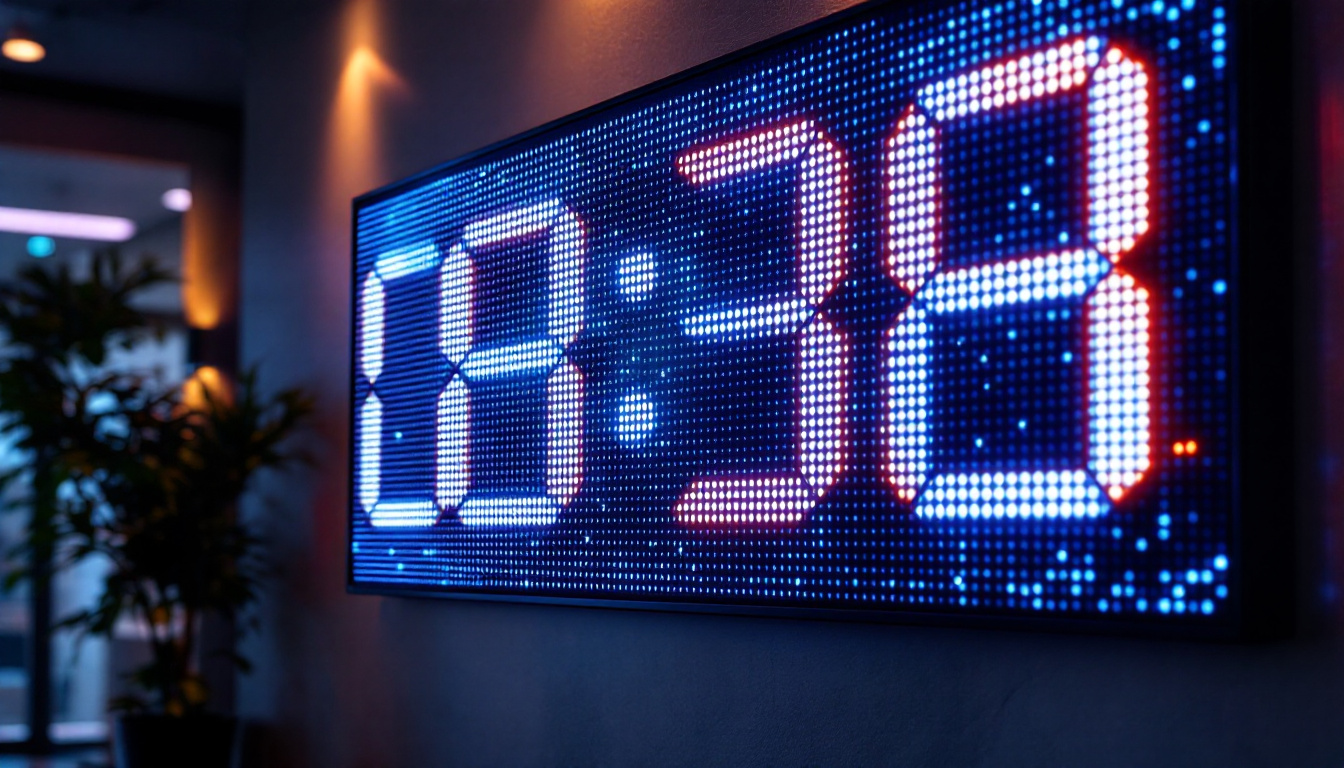
LED stands for Light Emitting Diode, a semiconductor device that emits light when an electric current passes through it. An LED display is a flat panel display that uses these diodes as pixels to create images. Unlike traditional LCDs that rely on backlighting, LED displays use individual light-emitting diodes, which can be controlled independently to produce brighter and more vivid images.
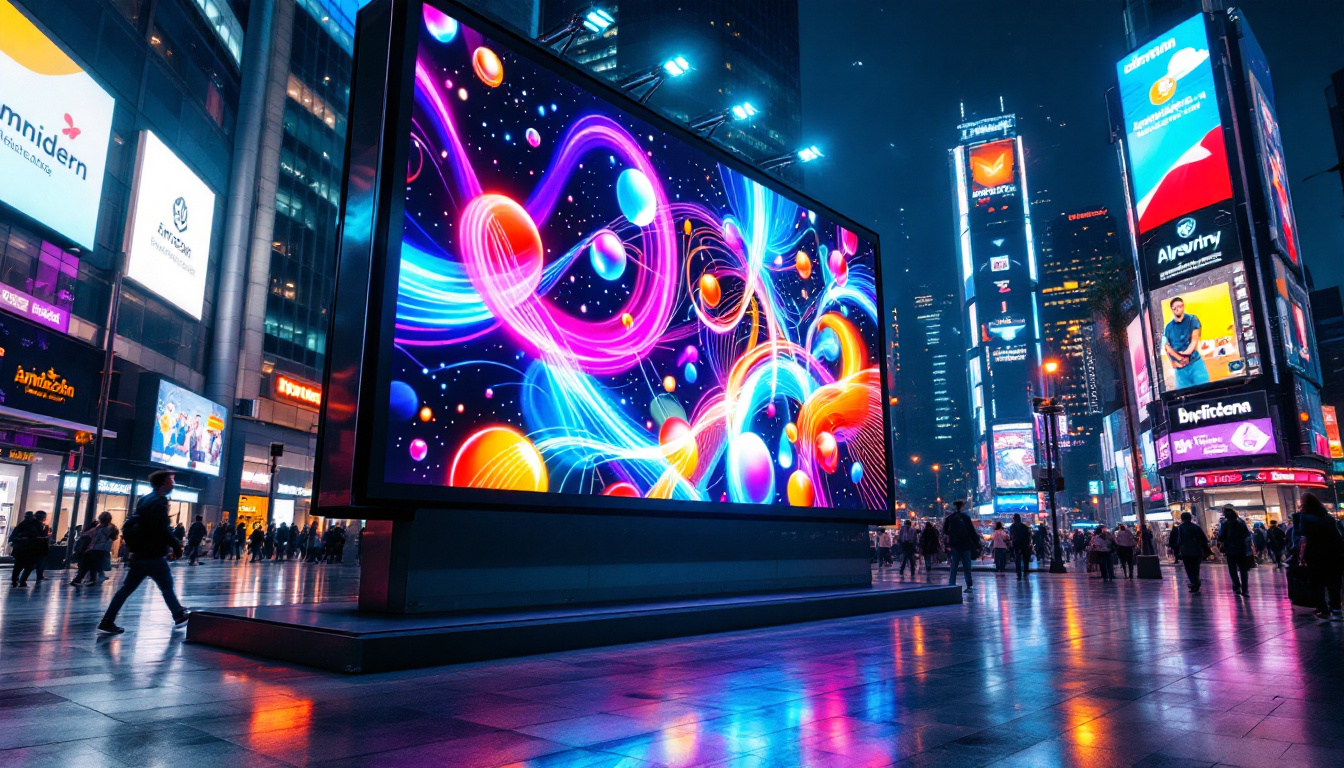
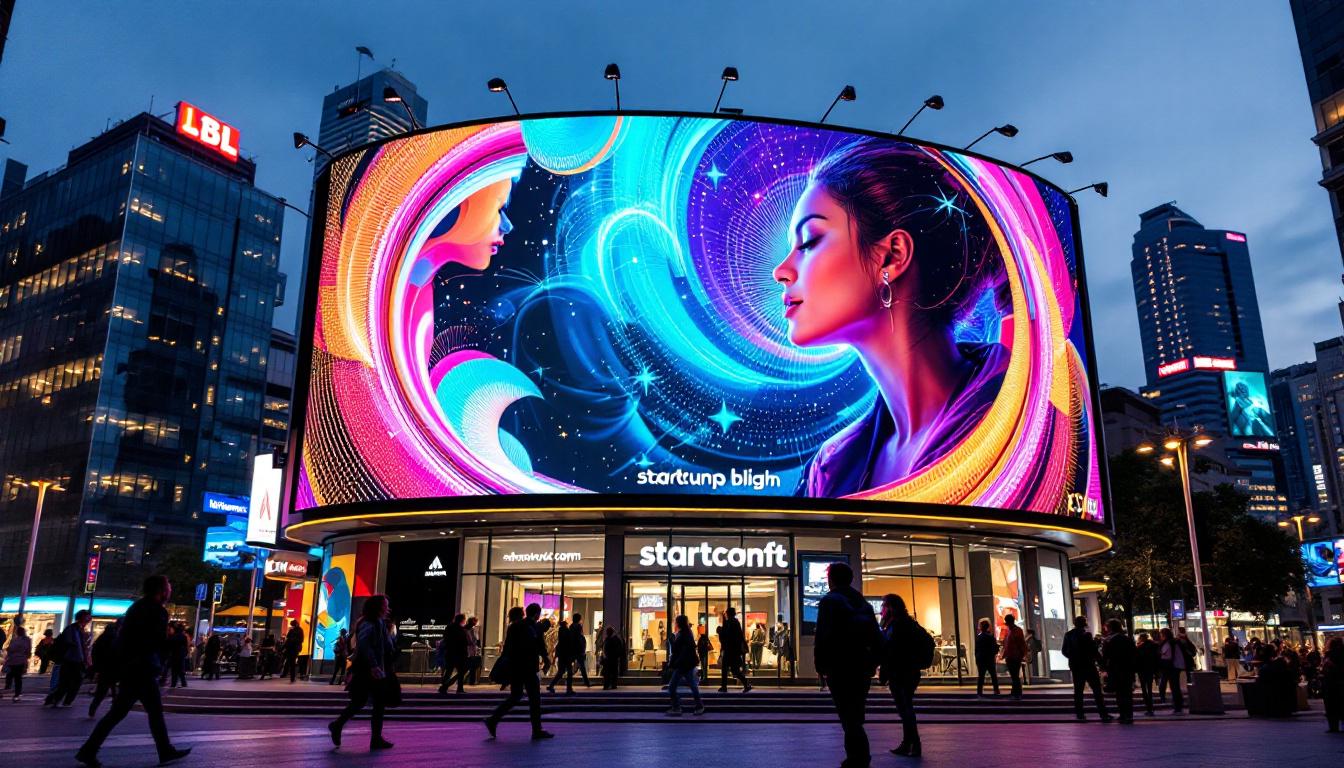
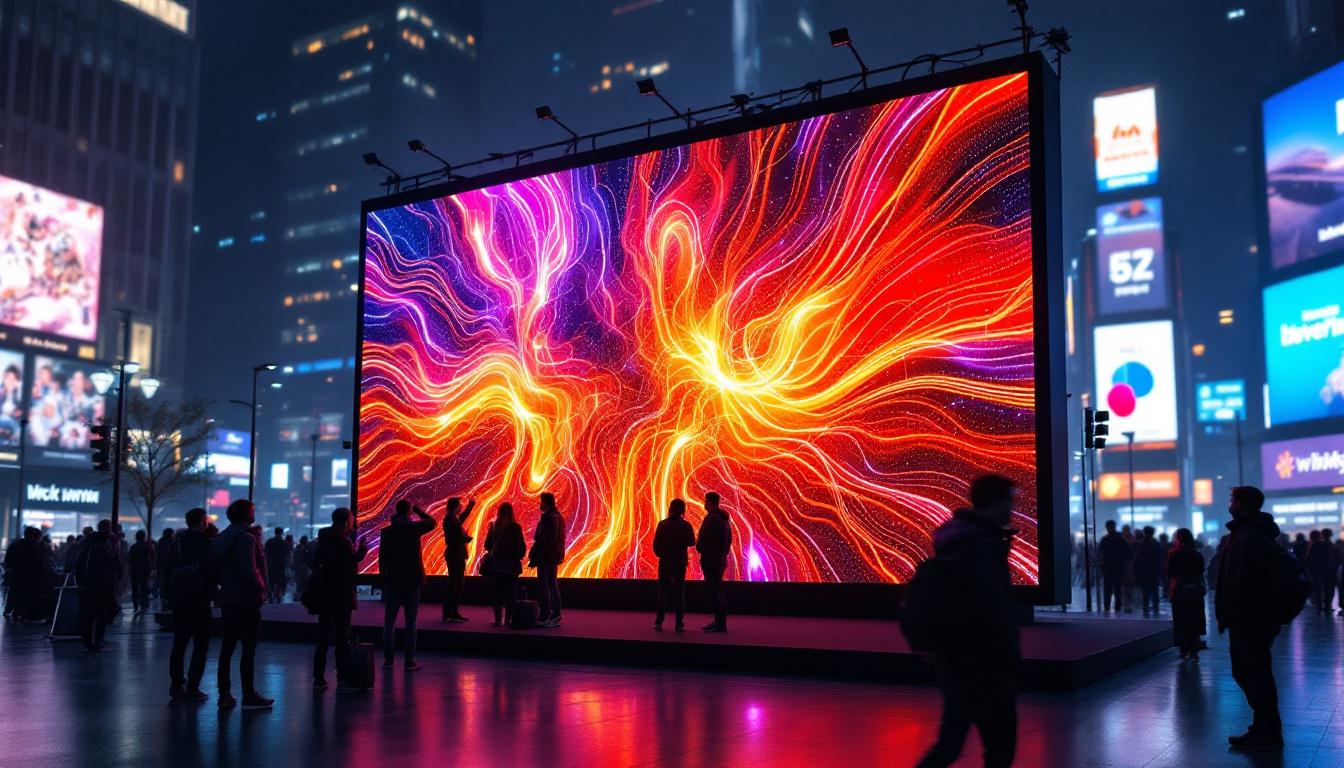
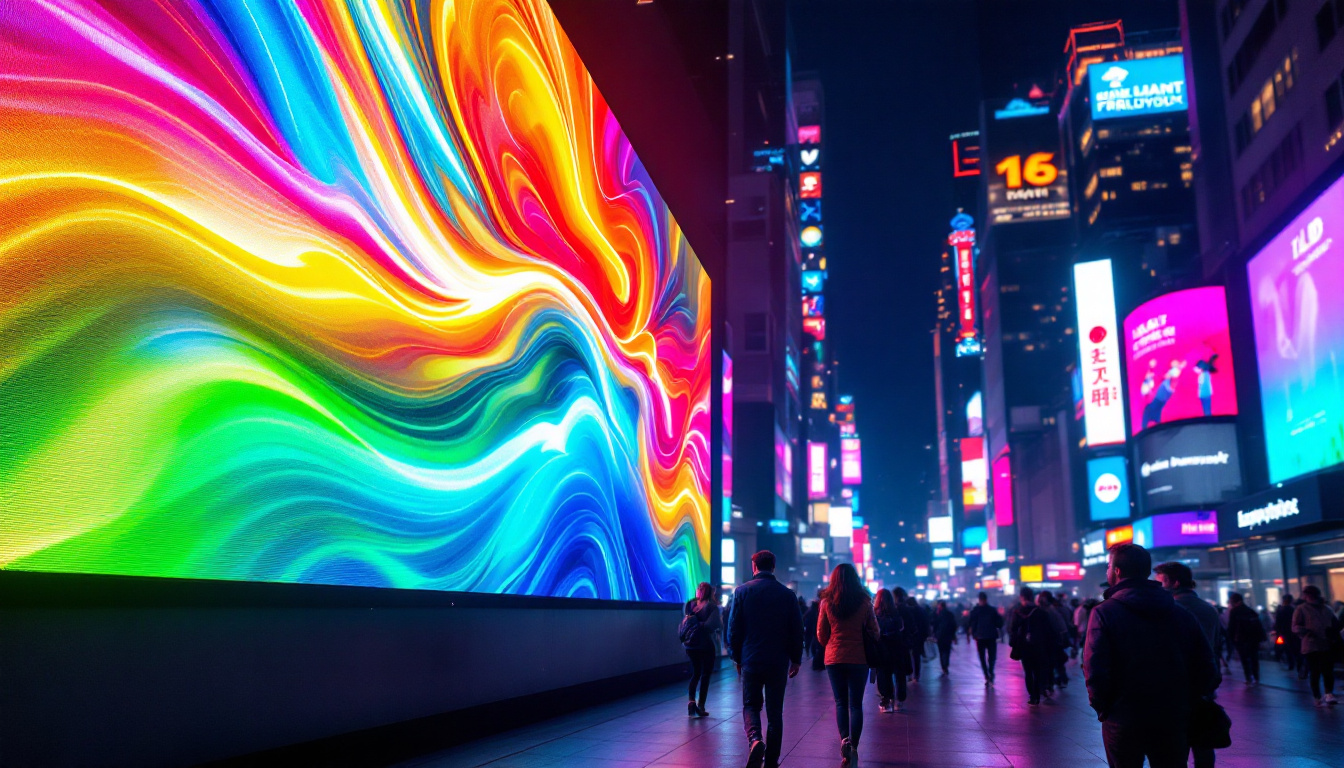
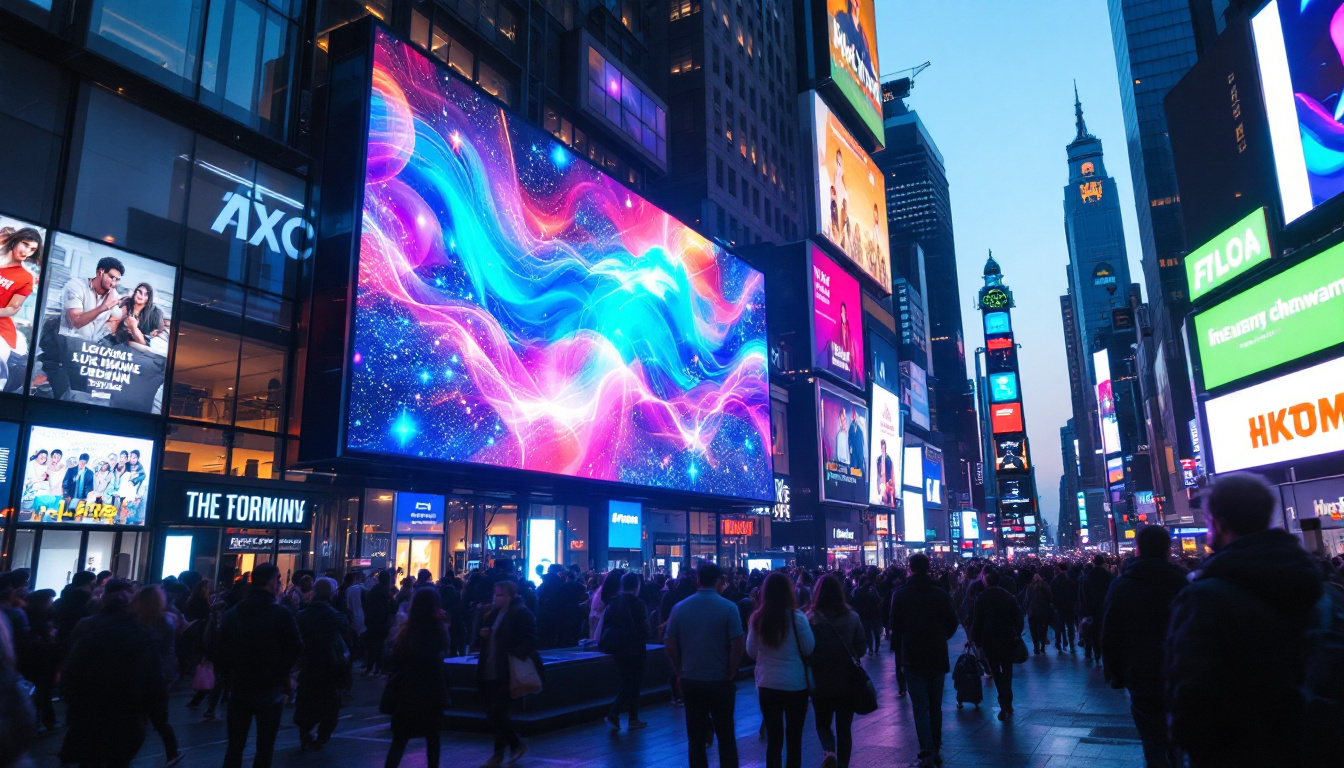
There are two main types of LED displays: direct-view LED and LED-backlit LCD. Direct-view LED displays consist of an array of LEDs that form the image directly, commonly used in large outdoor screens and digital billboards. LED-backlit LCDs, on the other hand, use LEDs as a backlight source behind an LCD panel, which is typical in consumer electronics like laptops and smartphones. The flexibility of LED technology allows for a wide range of applications, from small screens on wearable devices to massive video walls in stadiums, making it a versatile choice for various industries.
Moreover, the energy efficiency of LED displays is a significant advantage. They consume less power compared to traditional display technologies, which not only reduces operational costs but also contributes to environmental sustainability. As energy consumption becomes a growing concern, manufacturers are increasingly focusing on LED technology to meet the demands of eco-conscious consumers and businesses alike. Furthermore, advancements in LED technology, such as organic LEDs (OLEDs), are pushing the boundaries of display quality, offering deeper blacks and a wider color gamut.
How Touch Screens Integrate with LED Displays
Touch screen technology overlays a touch-sensitive layer on top of the display panel, allowing users to interact directly with what is shown on the screen. This touch layer can be based on various technologies such as capacitive, resistive, infrared, or surface acoustic wave. Capacitive touchscreens, which are the most common in modern devices, work by detecting changes in electrical charge when a finger or conductive stylus touches the screen.
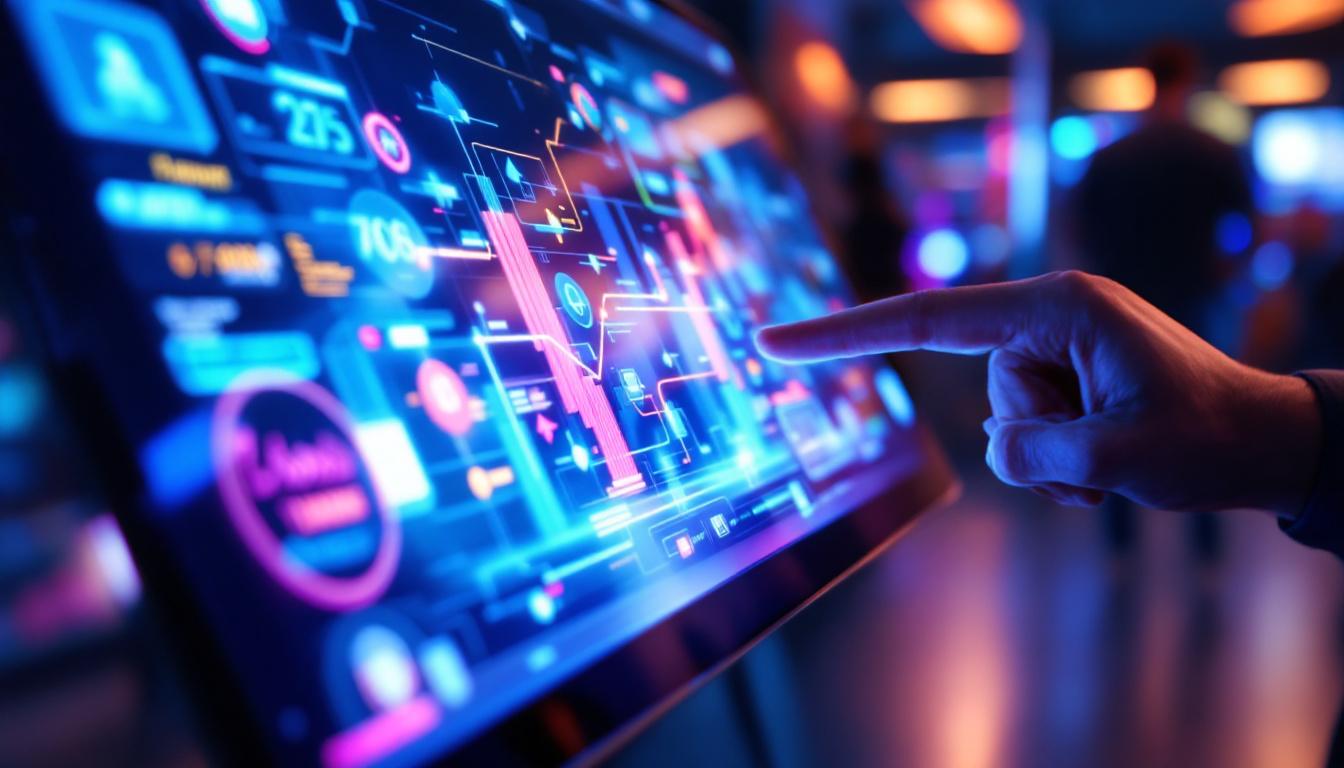
When combined with LED displays, the result is a screen that not only delivers bright, high-contrast visuals but also supports responsive and accurate touch input. This combination is ideal for devices that require both visual clarity and user interactivity, such as smartphones, tablets, point-of-sale systems, and interactive digital signage. The integration of touch technology with LED displays has revolutionized user experiences, allowing for intuitive navigation and interaction that enhances engagement in various applications, from gaming to education.
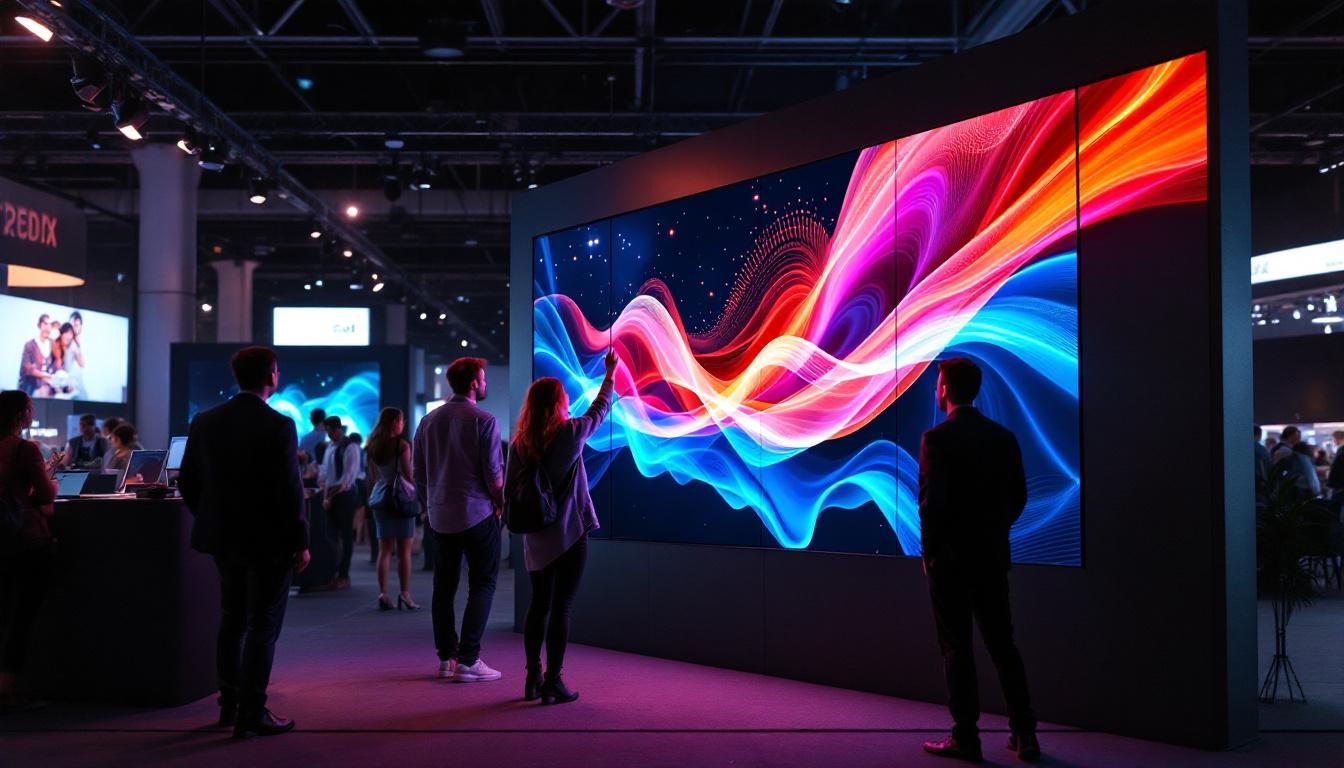
Additionally, the rise of multi-touch capabilities has further transformed how users interact with LED displays. Multi-touch screens allow multiple points of contact, enabling gestures such as pinch-to-zoom and swipe, which are essential for modern applications. This technology has opened up new possibilities in fields like graphic design, where precision and control are paramount, and in collaborative environments, where multiple users can interact with the same display simultaneously. As touch technology continues to evolve, the synergy between LED displays and touch interfaces is likely to lead to even more innovative applications in the future.
Advantages of LED Touch Screen Displays
Superior Image Quality and Brightness
One of the most significant advantages of LED displays is their superior image quality. LEDs provide higher brightness levels compared to traditional LCDs, making them easier to view in various lighting conditions, including direct sunlight. This brightness advantage is critical for outdoor digital signage, kiosks, and automotive displays where ambient light can be intense.
Additionally, LED displays offer better color accuracy and contrast ratios. Because each pixel can be individually controlled, LED screens can produce deeper blacks and more vibrant colors, enhancing the overall visual experience. This makes them particularly valuable in applications where image quality is paramount, such as graphic design, medical imaging, and entertainment. Furthermore, the ability to achieve high dynamic range (HDR) with LED technology allows for a more immersive viewing experience, as it can display a wider range of colors and brightness levels, making images appear more lifelike.
Energy Efficiency and Longevity
LED technology is known for its energy efficiency. LEDs consume less power than traditional fluorescent backlights used in older LCDs, which translates into longer battery life for portable devices and reduced electricity costs for large-scale installations. This efficiency is increasingly important as sustainability becomes a priority for both consumers and businesses.
Moreover, LEDs have a longer lifespan, often exceeding 50,000 hours of use, which reduces the need for frequent replacements and maintenance. This durability makes LED touch screen displays a cost-effective investment over time, especially in commercial and industrial environments. The lower thermal output of LEDs also contributes to their longevity, as excessive heat can degrade display components over time, ensuring that users can rely on their displays for extended periods without performance degradation.
Thin and Lightweight Design
LED displays are typically thinner and lighter than other display technologies. This slim profile allows manufacturers to design sleek, modern devices that are easy to handle and aesthetically pleasing. For touch screen devices, a thinner display means a more responsive touch experience because the touch sensor can be placed closer to the display surface, reducing input lag and improving accuracy.
In addition to their lightweight nature, the compact design of LED displays facilitates innovative applications in various fields. For instance, in retail environments, these displays can be seamlessly integrated into store fixtures, allowing for dynamic advertising that captures customer attention without overwhelming the physical space. Similarly, in the realm of smart homes, the sleek design of LED touch screens complements modern interior aesthetics, making them not just functional but also a stylish addition to living spaces. As technology continues to evolve, the versatility of LED displays will likely lead to even more creative implementations across different industries.
Applications of LED Touch Screen Displays
Consumer Electronics
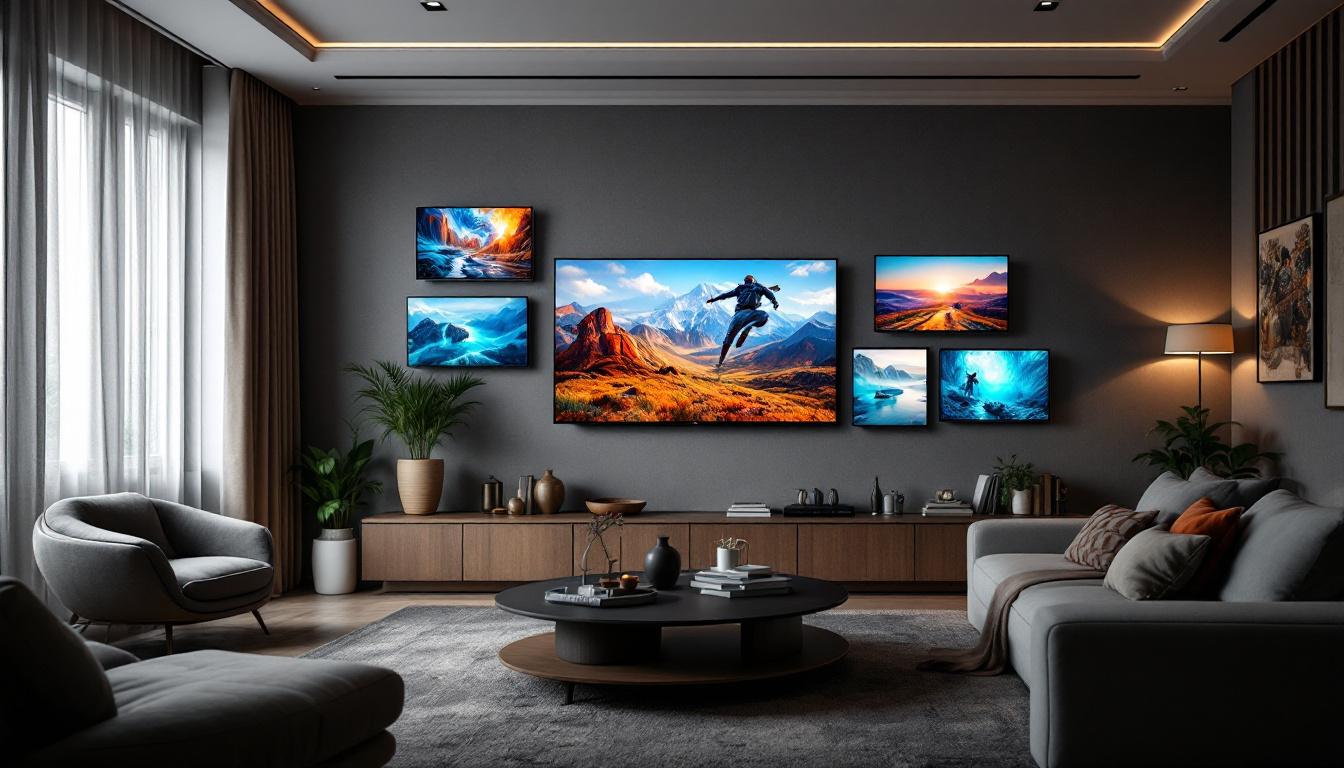
In the consumer market, LED touch screen displays dominate smartphones, tablets, laptops, and smartwatches. The combination of vivid colors, high brightness, and responsive touch capabilities enhances user experience, making devices more enjoyable and easier to use. For example, OLED (Organic LED) technology, a variant of LED, is widely used in flagship smartphones due to its excellent color reproduction and contrast.
Retail and Digital Signage
Retail environments leverage LED touch screen displays for interactive kiosks, digital price tags, and advertising screens. The brightness and clarity of LED screens attract customer attention, while touch interactivity allows users to browse products, access information, or complete transactions seamlessly. Large-format LED displays also enable dynamic and eye-catching advertising in shopping malls and storefronts.
Industrial and Medical Use
In industrial settings, LED touch screens are used in control panels, machinery interfaces, and monitoring systems. Their durability, brightness, and responsiveness are essential for environments that demand precision and reliability. Similarly, in healthcare, LED displays are employed in diagnostic equipment and patient monitoring systems where accurate visualization and touch input are critical for effective operation.
Automotive and Transportation
Modern vehicles increasingly incorporate LED touch screen displays in dashboards, infotainment systems, and navigation units. The high brightness and anti-glare properties of LED displays improve visibility under varying lighting conditions, enhancing driver safety and convenience. Public transportation systems also use LED touch screens for ticketing and passenger information.
Choosing the Best LED Touch Screen Display
Key Factors to Consider
Selecting the best LED touch screen display depends on several factors tailored to the intended use and environment. Resolution and pixel density determine the sharpness of the image, which is crucial for detailed graphics and text. The size of the display should match the application, whether it’s a handheld device or a large public kiosk.
Touch technology type is another critical consideration. Capacitive touchscreens offer multi-touch support and high sensitivity, ideal for consumer devices, while resistive screens may be preferred in industrial environments where gloves are worn. Additionally, factors like viewing angle, refresh rate, and durability ratings (e.g., IP ratings for water and dust resistance) should be evaluated.
Emerging Trends and Innovations
The LED touch screen display market continues to evolve with innovations such as flexible and foldable screens, microLED technology, and enhanced haptic feedback. MicroLED displays, for instance, promise even higher brightness and energy efficiency with improved lifespan, potentially revolutionizing future devices.
Advancements in touch technology, including in-cell and on-cell touch integration, reduce screen thickness further and improve touch responsiveness. These innovations are pushing the boundaries of what LED touch screen displays can achieve, opening new possibilities across industries.
Conclusion
LED touch screen displays represent a perfect blend of visual excellence and interactive functionality. Their superior brightness, energy efficiency, and versatility make them the best choice for a wide range of applications—from consumer electronics to industrial systems and digital signage. As technology advances, LED displays are set to become even more integral to how users engage with digital content.
Understanding the nuances of LED display technology and the factors influencing touch screen performance empowers consumers and businesses to make informed decisions. Whether upgrading a device or deploying a large-scale interactive system, choosing the right LED touch screen display ensures a seamless, vibrant, and responsive user experience.
Discover the Future of LED Displays with LumenMatrix
Ready to experience the pinnacle of touch screen display technology? LumenMatrix is at the forefront of innovation, offering a comprehensive range of LED display solutions tailored to your needs. Whether you’re looking to enhance your brand’s visibility, captivate your audience with an Indoor LED Wall Display, or make a bold statement with a Custom LED Display, LumenMatrix has the cutting-edge technology to bring your vision to life. Don’t miss out on the opportunity to transform your visual communication. Check out LumenMatrix LED Display Solutions today and see the difference for yourself.