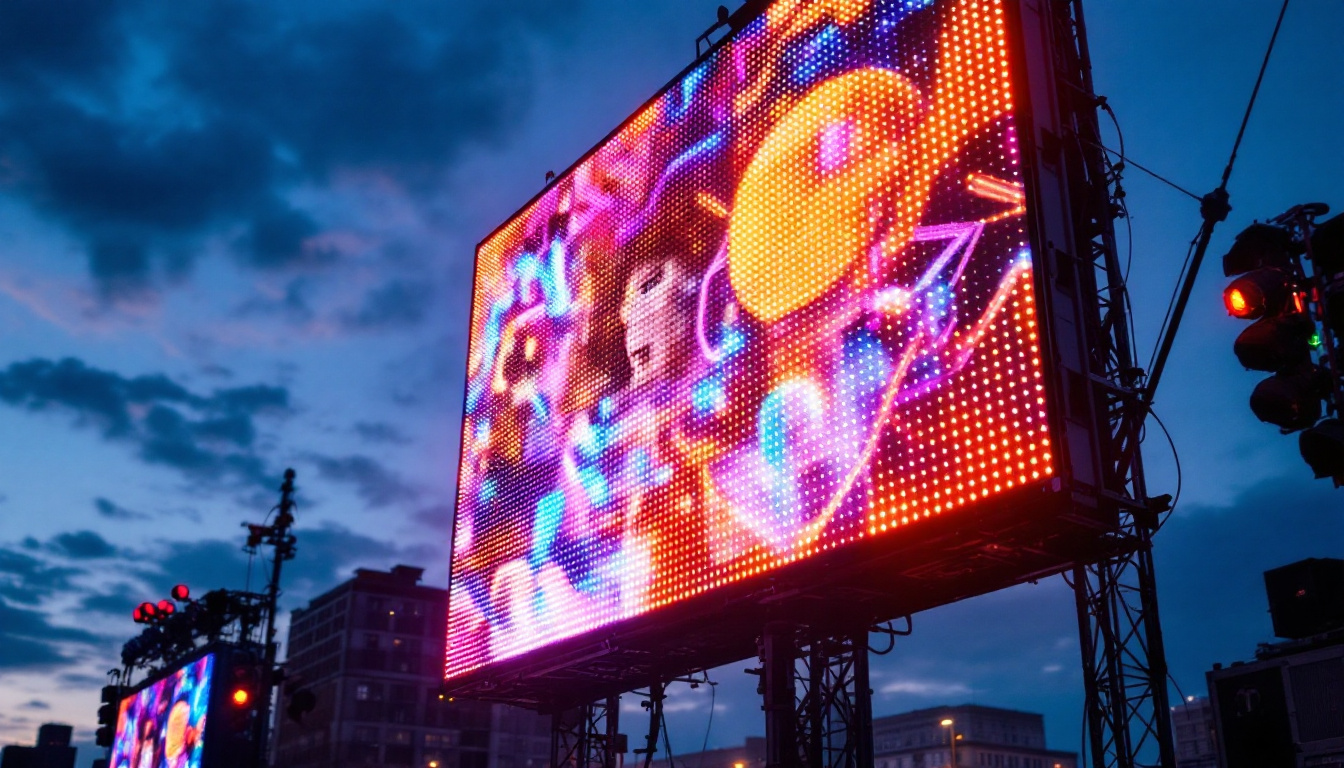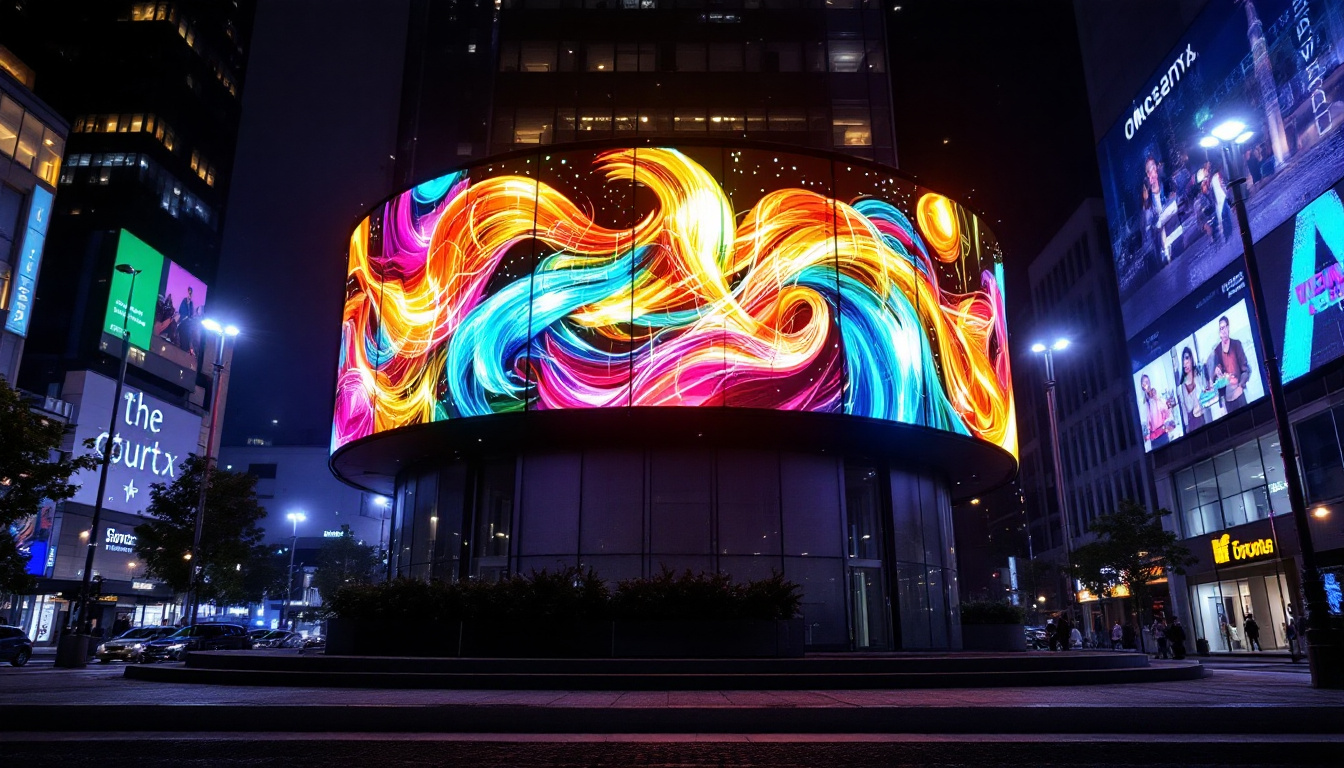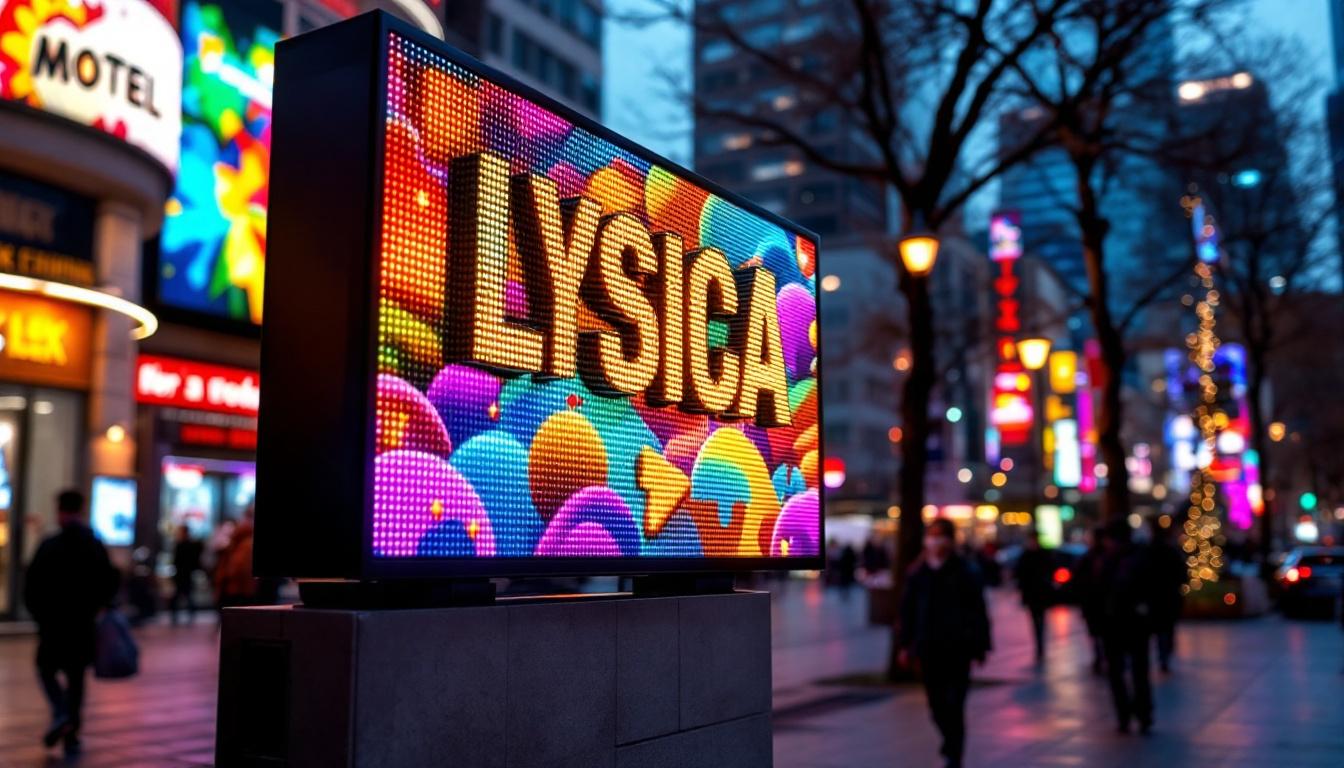
In today’s fast-paced world, capturing attention quickly and effectively is crucial for businesses, public institutions, and event organizers. Outdoor programmable LED signs have emerged as one of the most dynamic and versatile tools for communication and advertising. These vibrant, customizable displays are transforming how messages are broadcast in public spaces, offering unparalleled visibility and engagement. This article delves into the technology behind outdoor programmable LED signs, their benefits, and practical considerations for their use.
Understanding LED Display Technology
What Are LED Displays?
LED stands for Light Emitting Diode, a semiconductor device that emits light when an electric current passes through it. LED displays are made up of thousands of these tiny diodes arranged in a matrix to form images, text, or video. Unlike traditional neon or incandescent lighting, LEDs are highly energy-efficient, long-lasting, and capable of producing bright, vivid colors that remain visible even in direct sunlight.
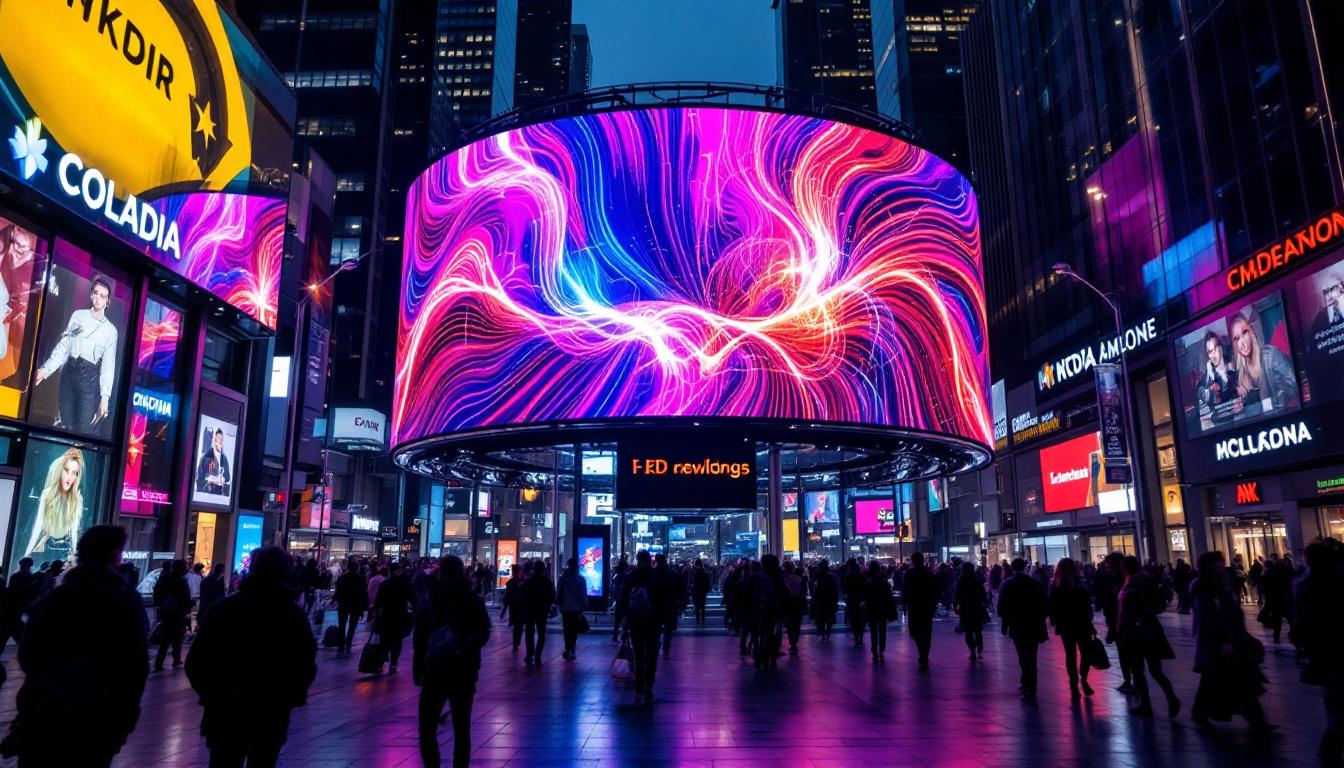
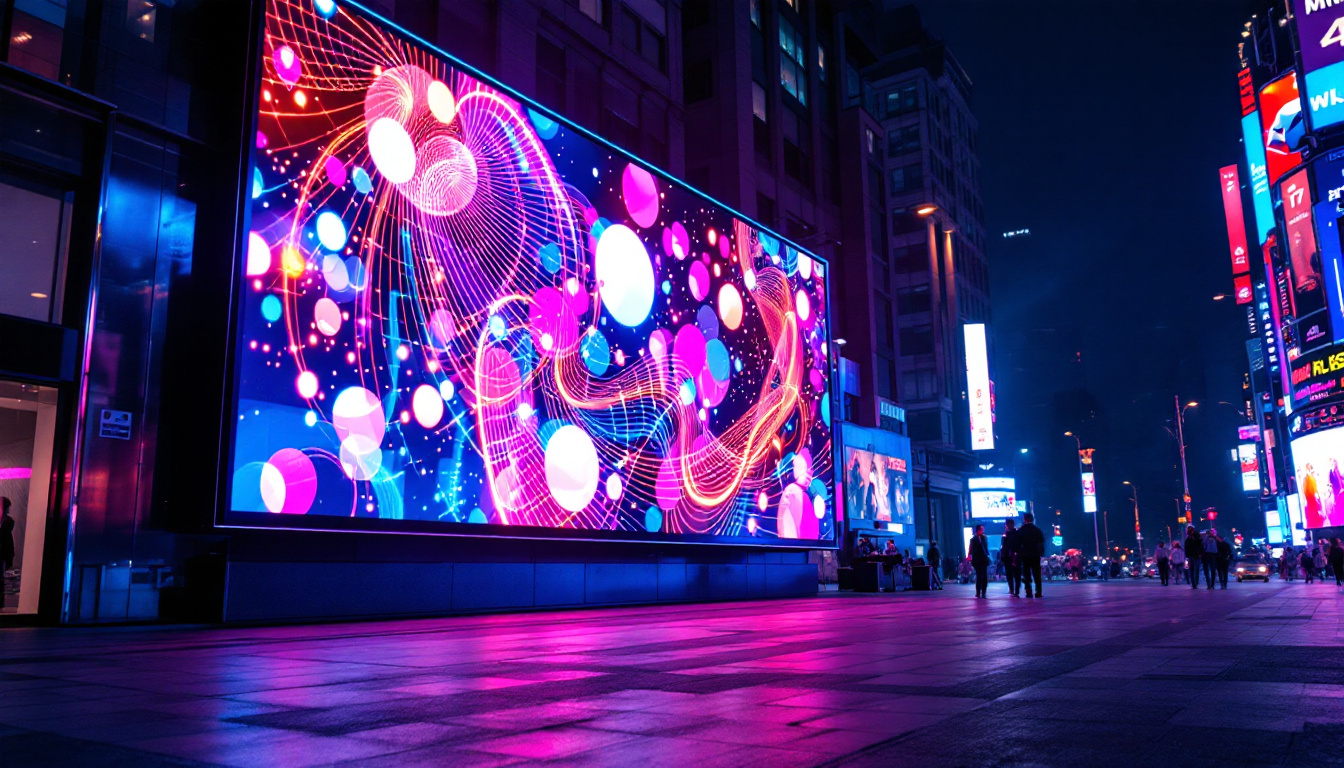
Outdoor LED displays are specifically engineered to withstand harsh weather conditions, including rain, snow, and extreme temperatures. They are typically encased in weatherproof housings and use high-brightness LEDs to ensure clarity and legibility from long distances. This durability and brightness make them ideal for outdoor advertising, traffic signs, and public information boards. Additionally, many outdoor LED displays come equipped with advanced features such as automatic brightness adjustment, which optimizes visibility based on ambient light conditions, ensuring that the content is always easy to read, day or night.
Moreover, the versatility of LED displays extends beyond mere advertising. They are increasingly being used in sports arenas, concert venues, and public events to create immersive experiences. The ability to display real-time statistics, scores, and engaging visuals enhances audience engagement and interaction, making events more dynamic and enjoyable. As technology advances, the integration of interactive elements, such as touch capabilities and audience participation through mobile devices, is becoming more common, further expanding the potential applications of LED displays.
How Programmable LED Signs Work
Programmable LED signs are controlled by software that allows users to customize the content displayed. This content can range from static text and images to dynamic animations and full-motion video. The software interfaces with the LED hardware to control the timing, brightness, color, and sequence of the display.
Modern programmable LED signs often connect via Wi-Fi, cellular networks, or Ethernet, enabling remote updates and scheduling. This flexibility means businesses can tailor their messaging based on the time of day, audience demographics, or special events, enhancing the relevance and impact of their communications. For instance, a restaurant could display breakfast specials in the morning and transition to dinner promotions in the evening, maximizing customer engagement and driving sales throughout the day.
Furthermore, the software used for these programmable signs often includes analytics features that track viewer engagement and interaction. By analyzing data such as foot traffic and viewer response, businesses can refine their messaging strategies to better capture the attention of their target audience. This data-driven approach not only boosts the effectiveness of advertising campaigns but also allows for more strategic planning in future marketing efforts, making programmable LED signs a powerful tool in the digital advertising landscape.
Key Benefits of Outdoor Programmable LED Signs
Enhanced Visibility and Engagement
One of the primary advantages of LED signs is their exceptional visibility. High-brightness LEDs ensure that messages are clear and readable even in bright daylight or adverse weather conditions. Research shows that digital signs can increase customer engagement by up to 400% compared to static signage, making them a powerful tool for attracting attention in crowded or competitive environments.
The ability to display dynamic content—such as animations, countdowns, or real-time updates—also helps capture and retain viewer interest. For example, a retail store can promote flash sales or new arrivals instantly, while a transportation hub can provide up-to-the-minute schedule changes.
Cost-Effectiveness Over Time
While the initial investment in an outdoor programmable LED sign can be higher than traditional signage, the long-term savings are significant. LEDs consume far less electricity than conventional lighting, reducing operational costs. Additionally, programmable signs eliminate the need for frequent printing and manual replacement of physical signs, saving on materials and labor.
Durability is another factor contributing to cost-effectiveness. Outdoor LED signs typically have lifespans of 50,000 to 100,000 hours, translating to years of reliable use with minimal maintenance. This longevity makes them a smart investment for businesses looking for sustainable advertising solutions.
Flexibility and Real-Time Updates
The programmability of LED signs allows for unparalleled flexibility in messaging. Businesses and organizations can quickly adapt their content to reflect changing circumstances, such as weather alerts, emergency notifications, or promotional campaigns. This real-time capability is especially valuable in sectors like transportation, healthcare, and retail, where timely communication is critical.
Furthermore, many LED sign systems support integration with data sources and sensors, enabling automated content changes. For instance, a digital billboard can display different advertisements based on the time of day or traffic patterns, optimizing the effectiveness of each message.
Applications of Outdoor Programmable LED Signs
Retail and Advertising
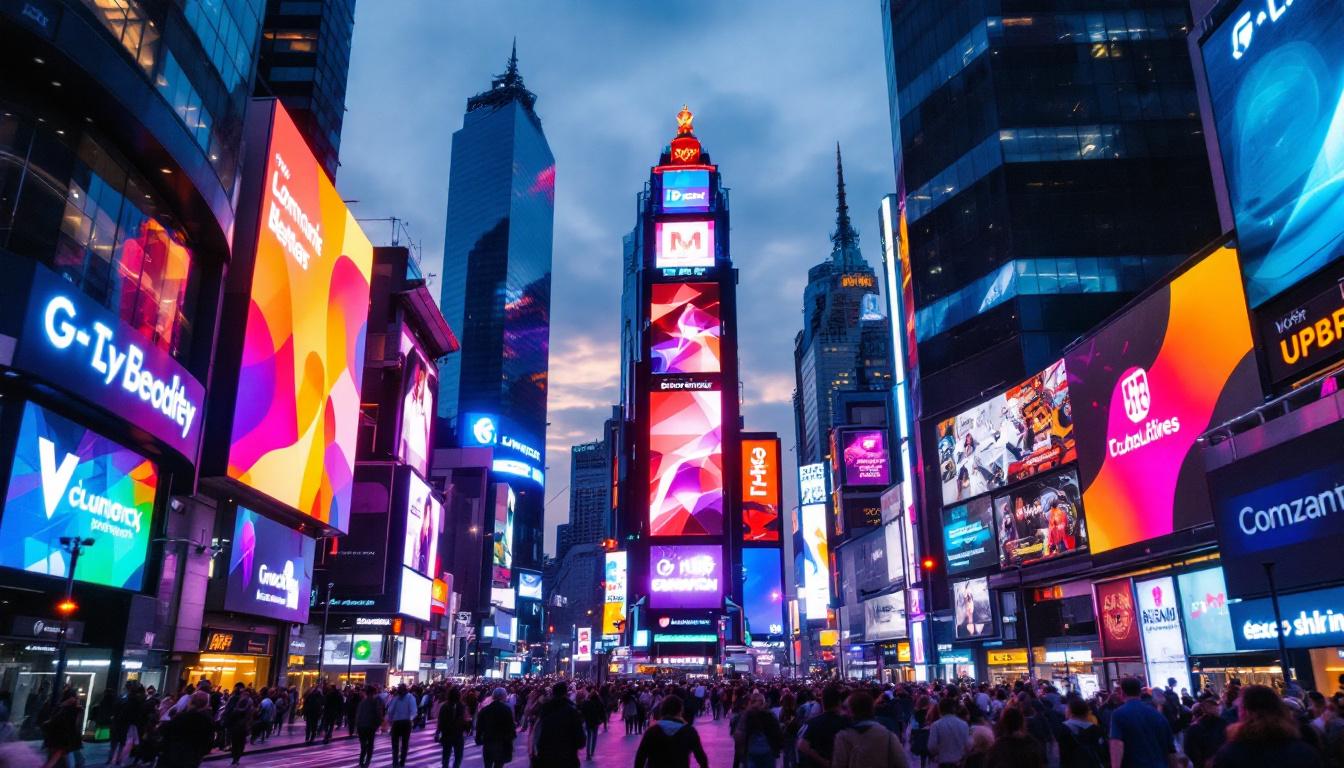
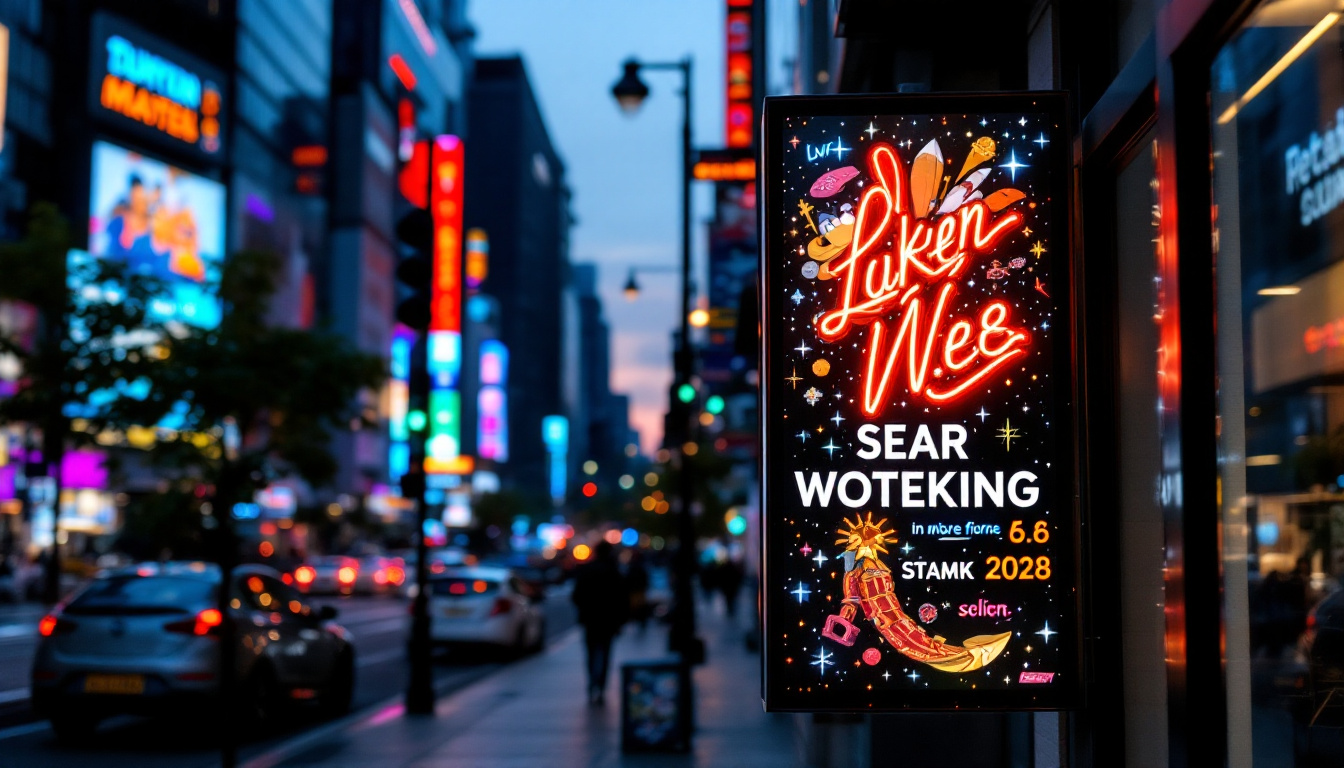
Retailers use programmable LED signs to boost foot traffic and sales by showcasing promotions, special offers, and brand messages. The dynamic nature of LED displays allows stores to highlight different products throughout the day or during seasonal campaigns, keeping the storefront fresh and engaging.
According to industry reports, digital signage in retail environments can increase sales by up to 30%, demonstrating the tangible impact of this technology on consumer behavior. Additionally, LED signs help build brand awareness by creating memorable visual experiences that differentiate businesses from their competitors.
Transportation and Public Safety
Transportation agencies rely heavily on outdoor programmable LED signs to provide real-time information to commuters. These signs display traffic updates, route changes, weather warnings, and emergency alerts, helping to improve safety and efficiency on roads and transit systems.
For example, variable message signs (VMS) on highways use LED technology to warn drivers about accidents, construction zones, or hazardous conditions. This immediate communication can reduce accidents and traffic congestion, underscoring the critical role of LED signs in public safety.
Events and Entertainment
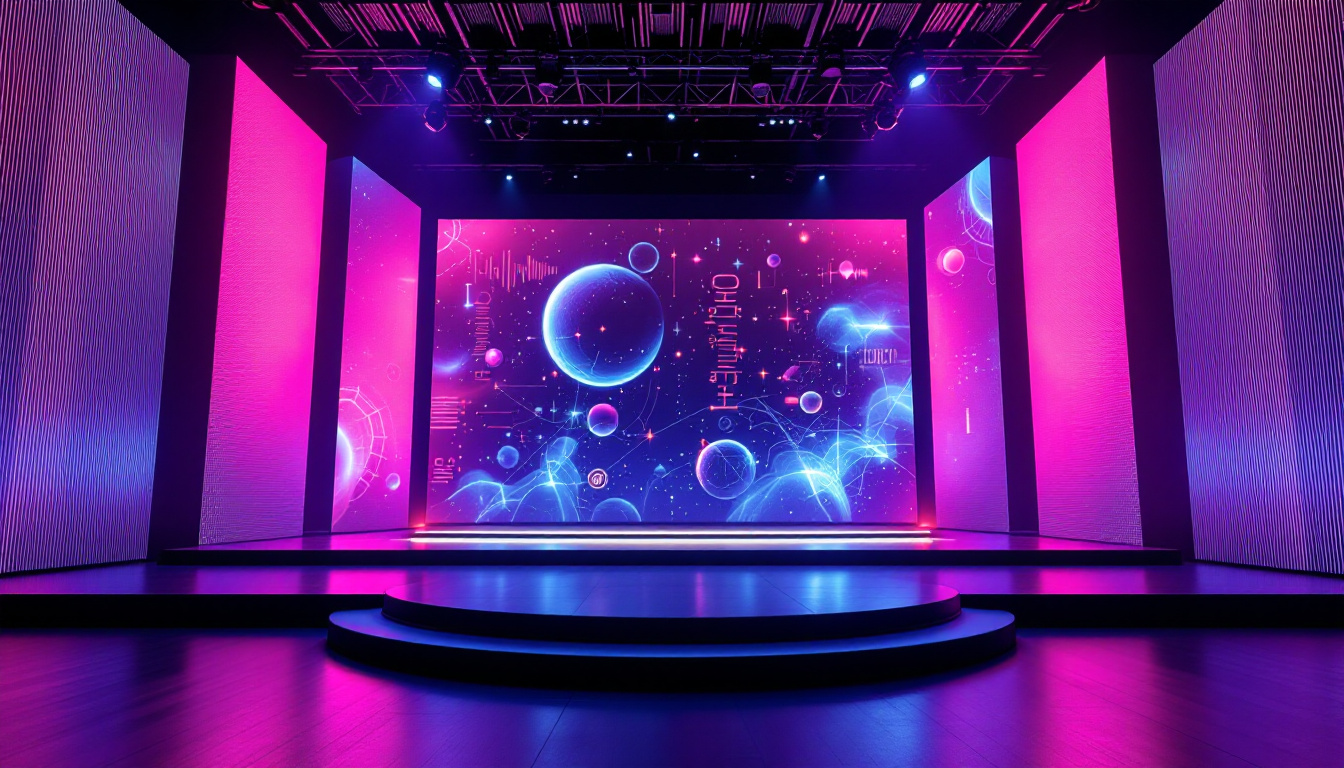
Outdoor events such as concerts, festivals, and sports games benefit from LED displays by enhancing the audience experience. Programmable signs can show schedules, performer information, sponsor messages, and live social media feeds, creating an interactive environment.
The scalability of LED signs means they can range from small message boards to massive video walls, accommodating venues of all sizes. Their brightness and clarity ensure visibility even in large, open spaces or during nighttime events.
Choosing the Right Outdoor Programmable LED Sign
Considerations for Brightness and Resolution
When selecting an outdoor LED sign, brightness is a critical factor. Measured in nits, brightness levels for outdoor displays typically range from 5,000 to over 10,000 nits to ensure visibility in direct sunlight. Choosing the appropriate brightness depends on the sign’s location and ambient light conditions.
Resolution, determined by the pixel pitch (the distance between individual LEDs), affects the clarity and detail of the displayed content. Signs with smaller pixel pitches offer higher resolution, suitable for close viewing distances, while larger pitches are acceptable for signs viewed from afar.
Durability and Weatherproofing
Outdoor LED signs must be robust enough to withstand environmental challenges. Look for signs with an IP65 or higher rating, indicating protection against dust and water ingress. Materials used in the construction should resist corrosion, UV damage, and temperature extremes to ensure longevity.
Additionally, consider the mounting and installation options to ensure the sign remains secure and stable under wind loads and other physical stresses.
Software and Connectivity Features
The ease of programming and updating content is essential for maximizing the utility of an LED sign. Choose systems with user-friendly software interfaces that support multiple content formats and scheduling options. Cloud-based platforms offer the advantage of remote management, allowing users to update displays from anywhere.
Connectivity options such as Wi-Fi, 4G/5G, or Ethernet enable seamless integration with existing networks and data sources. For advanced applications, look for compatibility with APIs and automation tools to enable dynamic content based on external triggers.
Future Trends in Outdoor LED Signage
Integration with Smart City Infrastructure
As urban areas become smarter, outdoor LED signs are increasingly integrated into broader city management systems. These signs can interact with traffic sensors, environmental monitors, and emergency services to provide context-aware messaging that enhances public safety and convenience.
For example, LED signs might display pollution alerts, direct pedestrians during emergencies, or provide real-time parking availability, contributing to more efficient and responsive urban environments.
Advancements in LED Technology
Ongoing innovations in LED technology are driving improvements in energy efficiency, color accuracy, and display flexibility. MicroLED and mini-LED technologies promise higher resolution and brightness with lower power consumption, expanding the possibilities for outdoor signage.
Flexible and transparent LED displays are also emerging, enabling new form factors and creative installations that blend seamlessly with architectural elements or natural landscapes.
Enhanced Interactivity and Personalization
Future outdoor programmable LED signs will likely incorporate more interactive features, such as touch sensitivity, gesture recognition, and integration with mobile devices. This interactivity can create personalized experiences, such as targeted advertising or wayfinding assistance tailored to individual users.
Artificial intelligence and machine learning will play a role in optimizing content delivery based on audience behavior and environmental factors, making LED signage smarter and more effective.
Conclusion
Outdoor programmable LED signs represent a powerful convergence of technology, design, and communication. Their ability to deliver bright, dynamic, and customizable content makes them indispensable tools for businesses, governments, and event organizers seeking to engage audiences effectively. By understanding the underlying technology, benefits, and practical considerations, stakeholders can make informed decisions that maximize the impact and return on investment of their LED signage solutions.
As LED technology continues to evolve, these signs will become even more integrated, interactive, and intelligent, shaping the future of outdoor communication in exciting and innovative ways.
Discover LumenMatrix LED Display Solutions
Ready to elevate your outdoor communication and captivate your audience with unparalleled clarity and vibrancy? LumenMatrix is at the forefront of LED display technology, offering a diverse range of solutions tailored to your unique needs. From mesmerizing Indoor LED Walls to expansive Outdoor LED Displays, and from mobile Vehicle LED Displays to interactive Floor LED options, our mission is to transform your visual storytelling. Experience the future of digital signage with LumenMatrix and let our cutting-edge LED displays amplify your message. Check out LumenMatrix LED Display Solutions today and see how we can help you create unforgettable visual experiences.