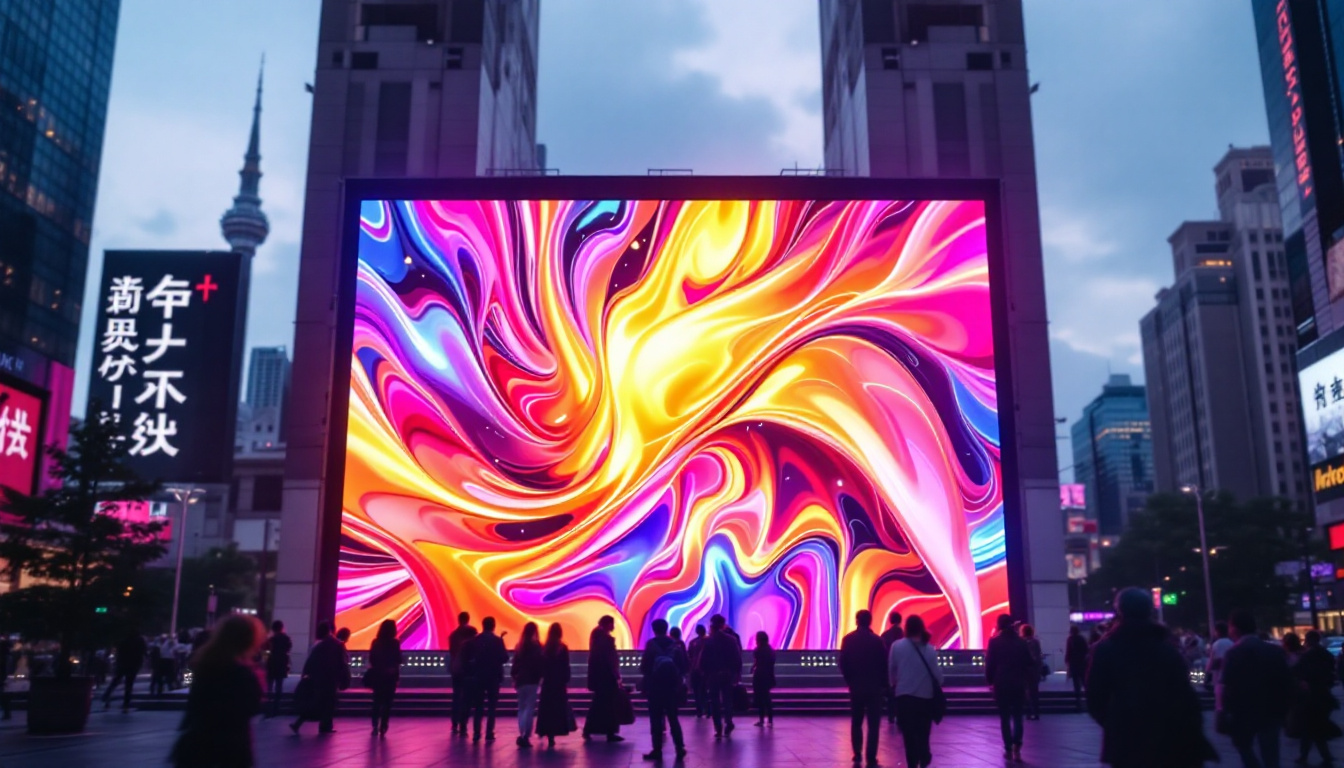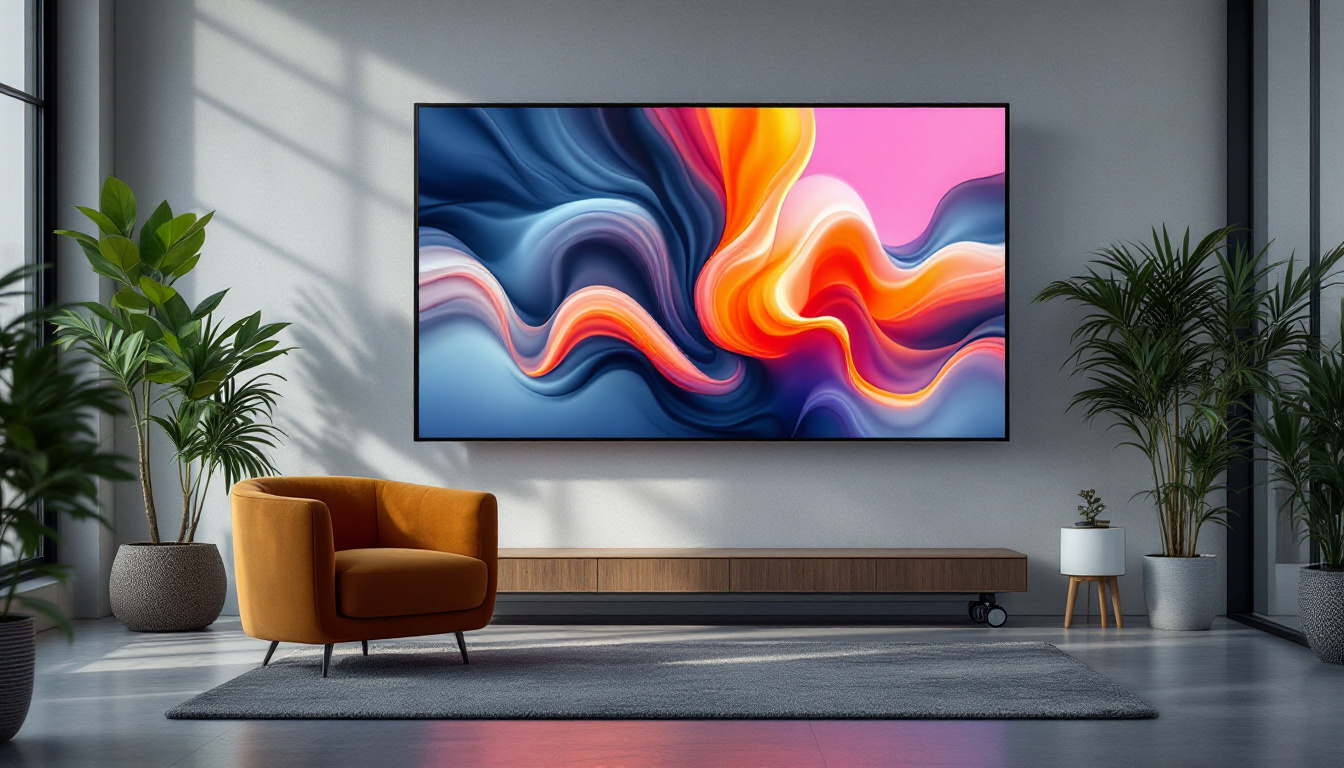
In today’s fast-paced world, visual communication plays a pivotal role in engaging audiences, whether at corporate events, concerts, sports arenas, or public gatherings. One of the most effective ways to captivate a crowd is through the use of large LED displays. These vibrant, high-resolution screens have revolutionized the way information and entertainment are delivered in large venues. If you’re considering hiring a big screen for your next event, understanding LED display technology is essential to making the right choice.
What Is an LED Display?
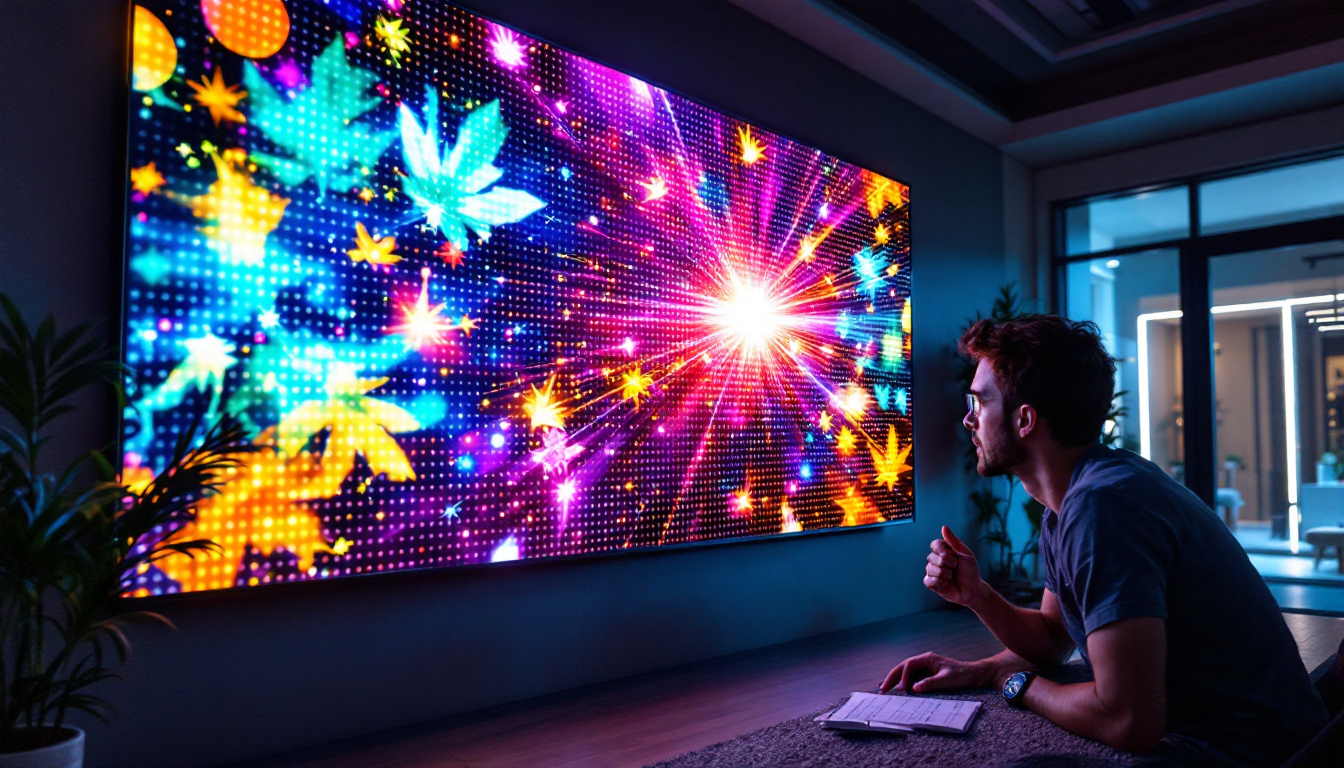
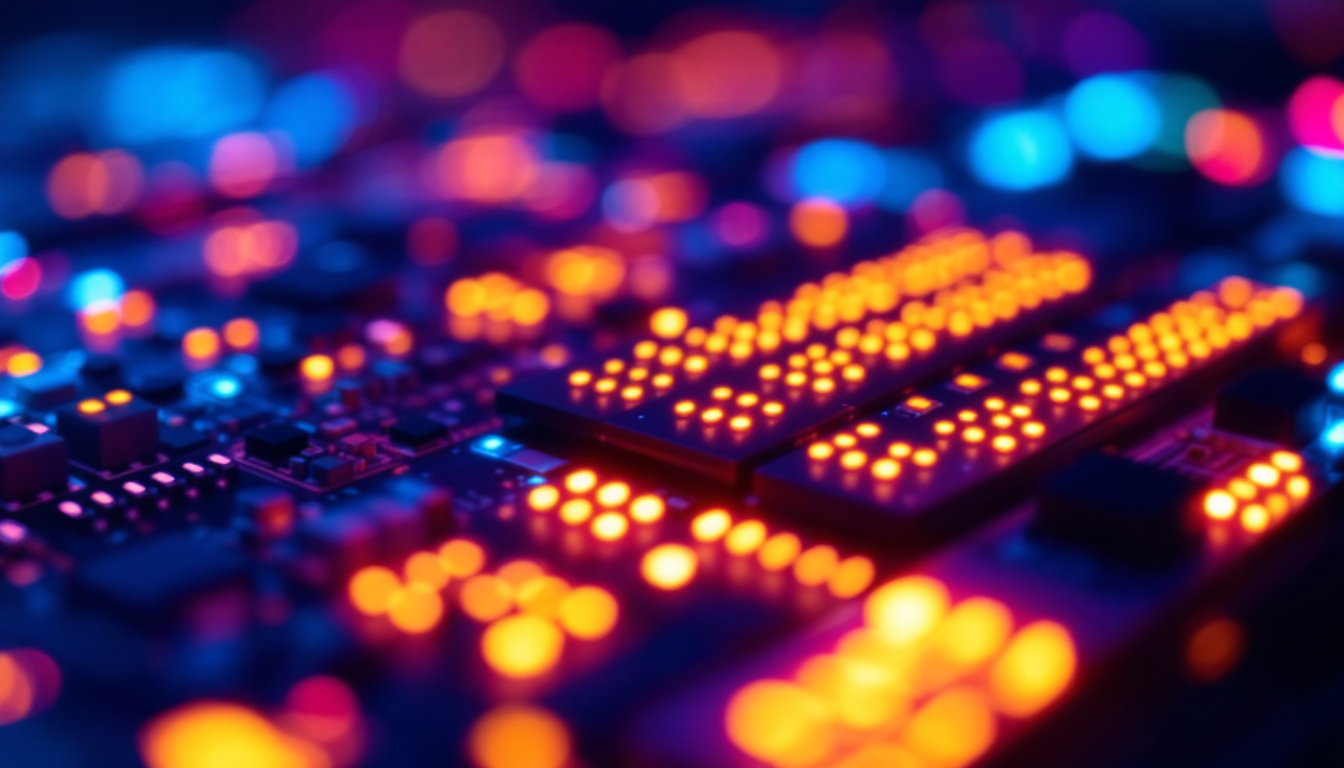
LED stands for Light Emitting Diode, a semiconductor device that emits light when an electric current passes through it. An LED display is composed of thousands of these tiny diodes arranged in a grid to form pixels, which together create images and videos. Unlike traditional LCD or projection screens, LED displays produce their own light, resulting in brighter and more vivid visuals. This intrinsic ability to generate light allows LED displays to maintain clarity and color accuracy even in brightly lit environments, making them a popular choice for outdoor advertising and large-scale events.
Modern LED displays are modular, meaning they are made up of multiple panels that can be assembled to create screens of various sizes and shapes. This flexibility makes them ideal for big screen hire, as they can be customized to fit the specific requirements of any event or venue. From concerts and sporting events to corporate presentations and trade shows, the adaptability of LED displays ensures that they can meet the diverse needs of any audience, enhancing the overall experience with stunning visual presentations.
The Evolution of LED Technology
LED technology has evolved significantly over the past two decades. Early LED screens were limited by low resolution and poor color accuracy, but advances in manufacturing and materials have led to displays capable of showing ultra-high-definition content with vibrant colors and deep contrasts. Today’s LED displays also offer improved energy efficiency and durability, making them a cost-effective option for both short-term hires and permanent installations. Furthermore, innovations like pixel pitch technology have allowed for closer viewing distances without sacrificing image quality, making LED displays suitable for a wider range of applications, from intimate settings to expansive arenas.
In addition to their visual capabilities, modern LED displays are increasingly integrated with smart technology. Many are now equipped with features such as remote monitoring and control, allowing operators to manage content and settings from anywhere in the world. This connectivity not only enhances user convenience but also facilitates real-time updates and dynamic content changes, ensuring that the display remains relevant and engaging. As the demand for immersive experiences continues to grow, the role of LED displays in various industries—ranging from entertainment to retail—will undoubtedly expand, paving the way for even more innovative applications in the future.
Why Choose LED Displays for Big Screen Hire?
When it comes to big screen hire, LED displays offer several advantages over alternative technologies such as LCD panels or projection systems. These benefits make LED screens the preferred choice for event organizers, advertisers, and venue managers.
Superior Brightness and Visibility
One of the standout features of LED displays is their exceptional brightness. Unlike projection screens, which rely on external light sources, LED screens emit their own light, allowing them to be clearly visible even in direct sunlight. This makes them perfect for outdoor events, festivals, and sports matches where ambient light conditions can vary greatly.
According to industry data, modern outdoor LED screens can reach brightness levels of up to 7,000 nits, compared to roughly 1,500 nits for high-end LCD displays. This ensures that content remains sharp and readable from long distances, enhancing audience engagement.
High Resolution and Image Quality
LED displays are capable of delivering stunning image quality, with resolutions ranging from standard HD (1920×1080 pixels) to 4K and beyond. The pixel pitch—the distance between individual LEDs—determines the resolution and viewing distance. Smaller pixel pitches (e.g., 1.5mm to 3mm) are used for indoor screens where viewers are close, while larger pitches (e.g., 6mm to 10mm) suit outdoor setups viewed from afar.
Thanks to their high refresh rates and color accuracy, LED screens provide smooth video playback and vibrant visuals, which are crucial for live broadcasts, advertisements, and dynamic content displays.
Durability and Weather Resistance
For outdoor events, durability is a key consideration. LED displays designed for outdoor use are built to withstand harsh weather conditions, including rain, wind, dust, and extreme temperatures. They typically have an IP65 or higher rating, meaning they are dust-tight and protected against water jets.
This robustness reduces the risk of technical failures during events and minimizes maintenance costs, ensuring a reliable viewing experience for attendees.
Flexibility and Customization
LED screens offer unparalleled flexibility. Their modular design allows for screens of virtually any size and shape, from massive rectangular billboards to curved or irregular configurations. This adaptability enables event planners to create visually striking setups tailored to their venue and audience.
Additionally, LED displays support a wide range of content formats and can be integrated with live video feeds, social media streams, and interactive applications. This versatility opens up creative possibilities for event producers and marketers alike.
Key Considerations When Hiring an LED Display
Before committing to an LED screen hire, it’s important to evaluate several factors to ensure the display meets your event’s needs and budget.
Screen Size and Viewing Distance
The size of the LED screen should be proportional to the venue and audience size. A general rule of thumb is that the viewing distance (the distance between the screen and the farthest viewer) should be at least 10 times the pixel pitch. For example, a screen with a 5mm pixel pitch is best viewed from 50 meters or more.
Choosing the right screen size and resolution ensures that content remains clear and legible, preventing pixelation or blurriness. Many hire companies offer expert consultation to help determine the optimal screen dimensions based on your venue layout.
Indoor vs. Outdoor Use
LED displays are designed differently depending on their intended environment. Indoor screens typically have a smaller pixel pitch and lower brightness levels since they don’t need to compete with sunlight. Outdoor screens, on the other hand, require higher brightness and weatherproofing features.
It’s crucial to specify the installation environment when hiring to ensure the screen’s specifications align with your event’s conditions.
Content Management and Connectivity
Modern LED displays come with advanced content management systems (CMS) that allow real-time control and scheduling of the displayed content. When hiring a screen, inquire about the ease of uploading and managing content, compatibility with your media formats, and options for live streaming or interactive features.
Connectivity options such as HDMI, SDI, and wireless control can also impact the setup and operation of the display, so these should be discussed with the hire provider.
Power Requirements and Installation
Large LED screens consume significant power, especially outdoor models with high brightness. Ensure that the venue can supply adequate electrical capacity and that the hire company provides professional installation and safety measures.
Installation time and logistics are also important considerations, particularly for multi-day events or those with tight schedules.
Applications of LED Displays in Events
LED displays are incredibly versatile and have become a staple in various event types due to their visual impact and reliability.
Concerts and Festivals
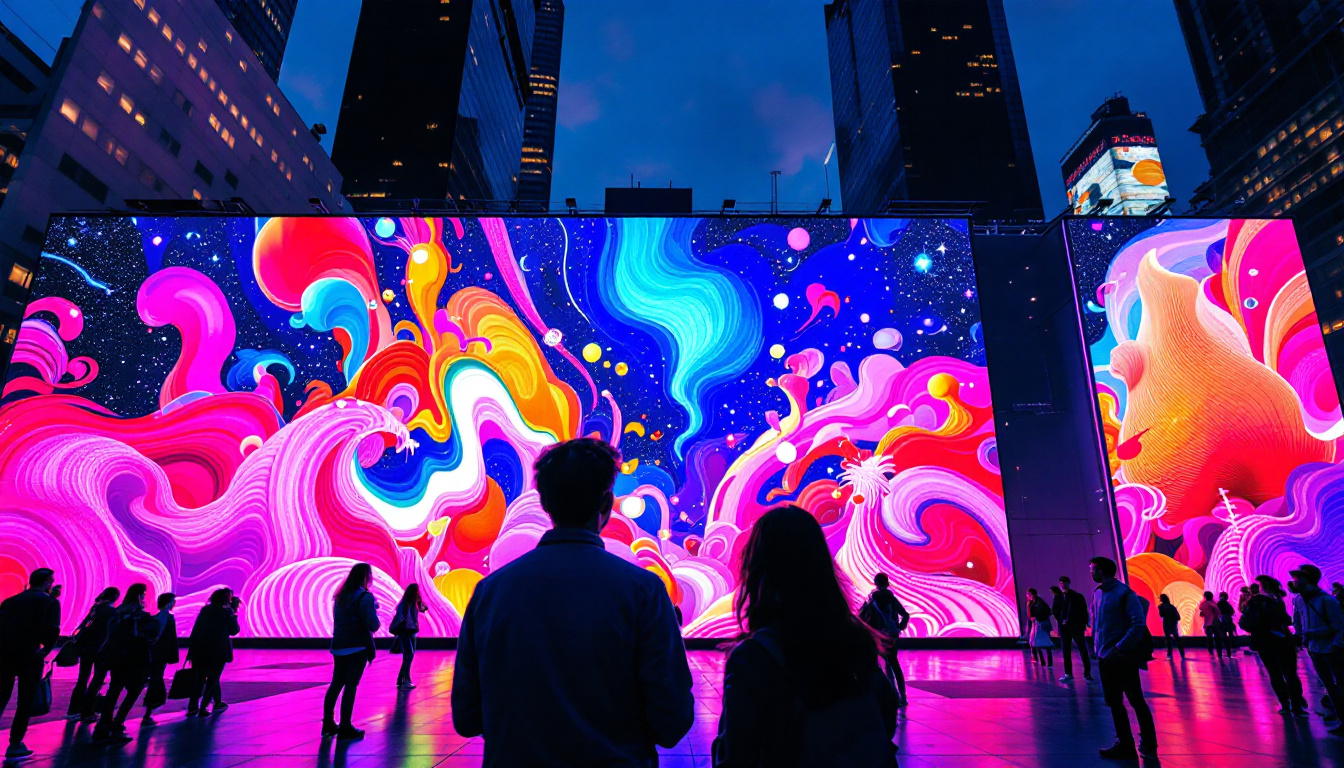
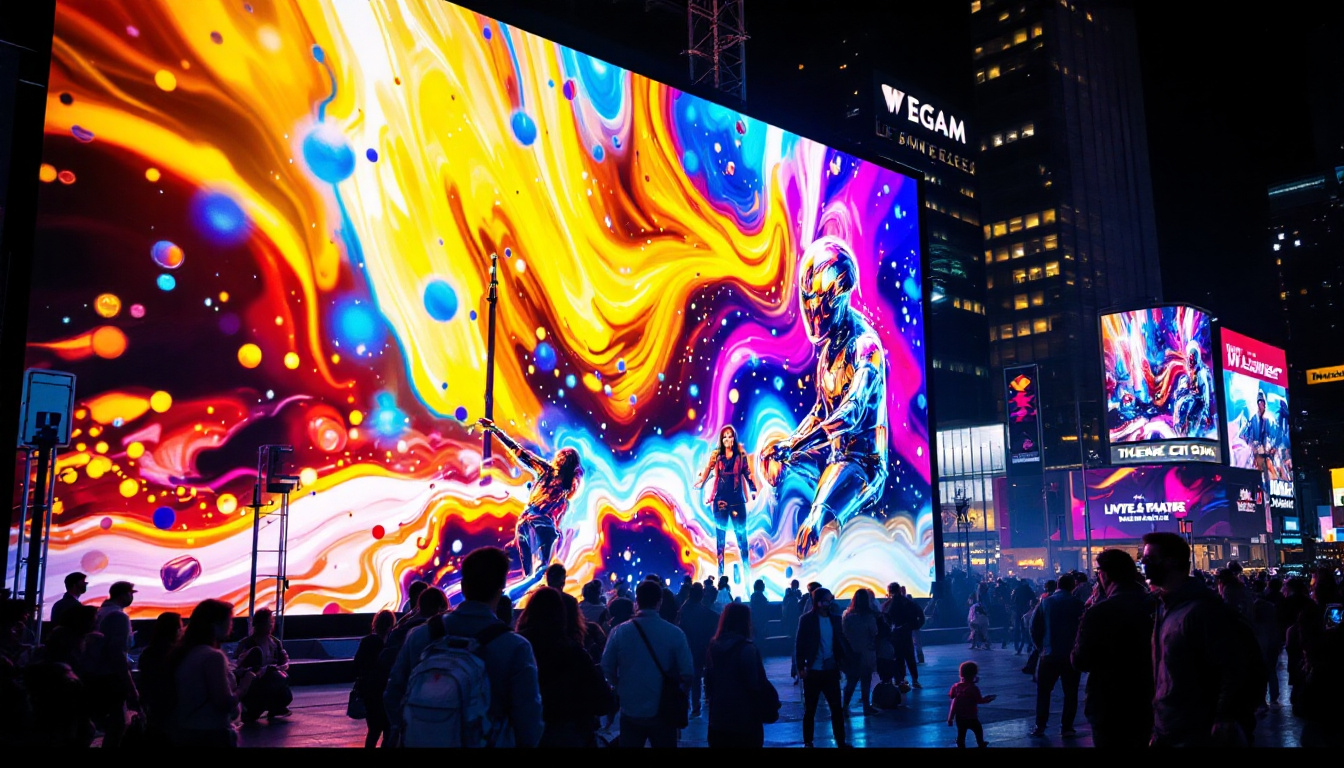
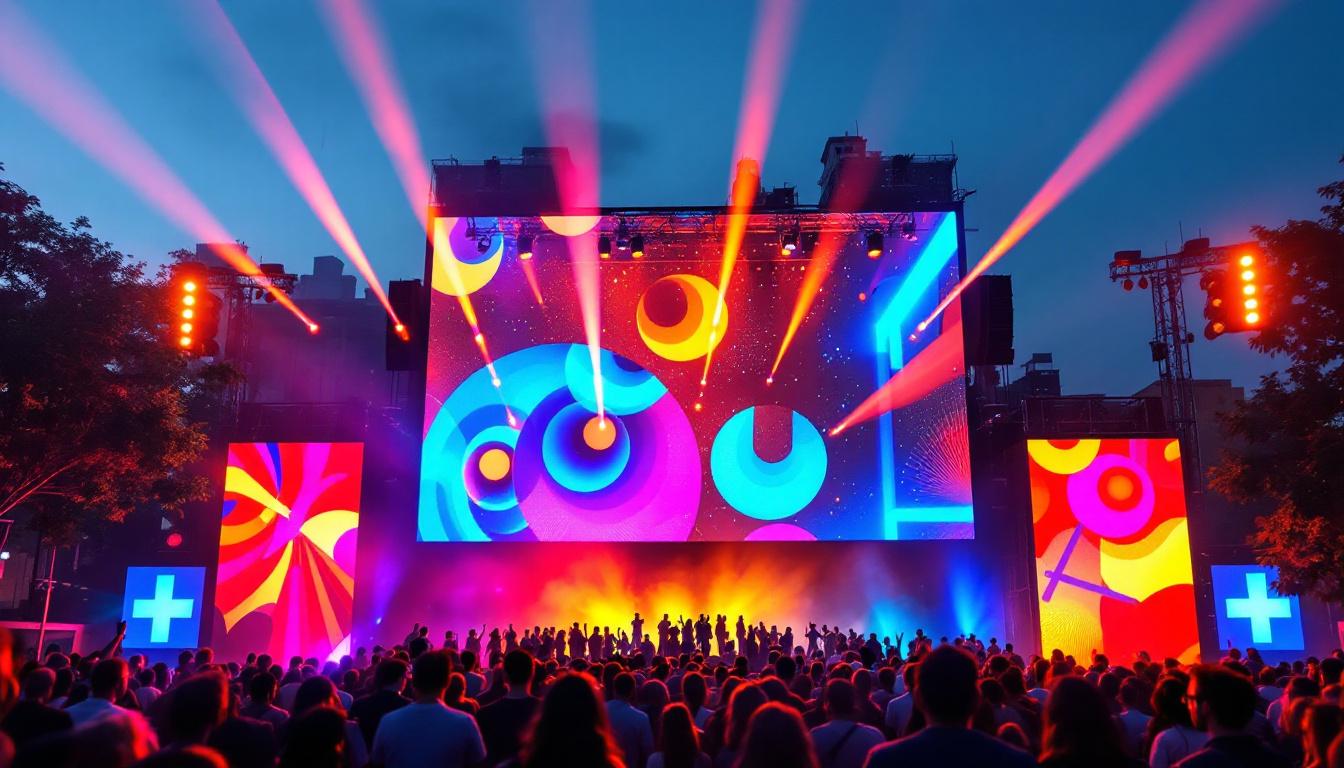
At music concerts and festivals, LED screens serve multiple purposes: displaying live footage of performers, enhancing stage design with dynamic visuals, and providing information such as schedules or safety announcements. Their brightness and size ensure that even attendees far from the stage can enjoy an immersive experience.
Sporting Events
Sports arenas use LED displays for scoreboards, instant replays, advertisements, and fan engagement. The ability to display crisp, real-time video and graphics enhances the spectator experience and creates additional revenue streams through advertising.
Corporate Events and Trade Shows
In the corporate world, LED screens are used for presentations, product launches, and branding. Their professional appearance and flexibility allow companies to tailor messaging and visuals to their audience, making events more memorable and impactful.
Public Information and Advertising
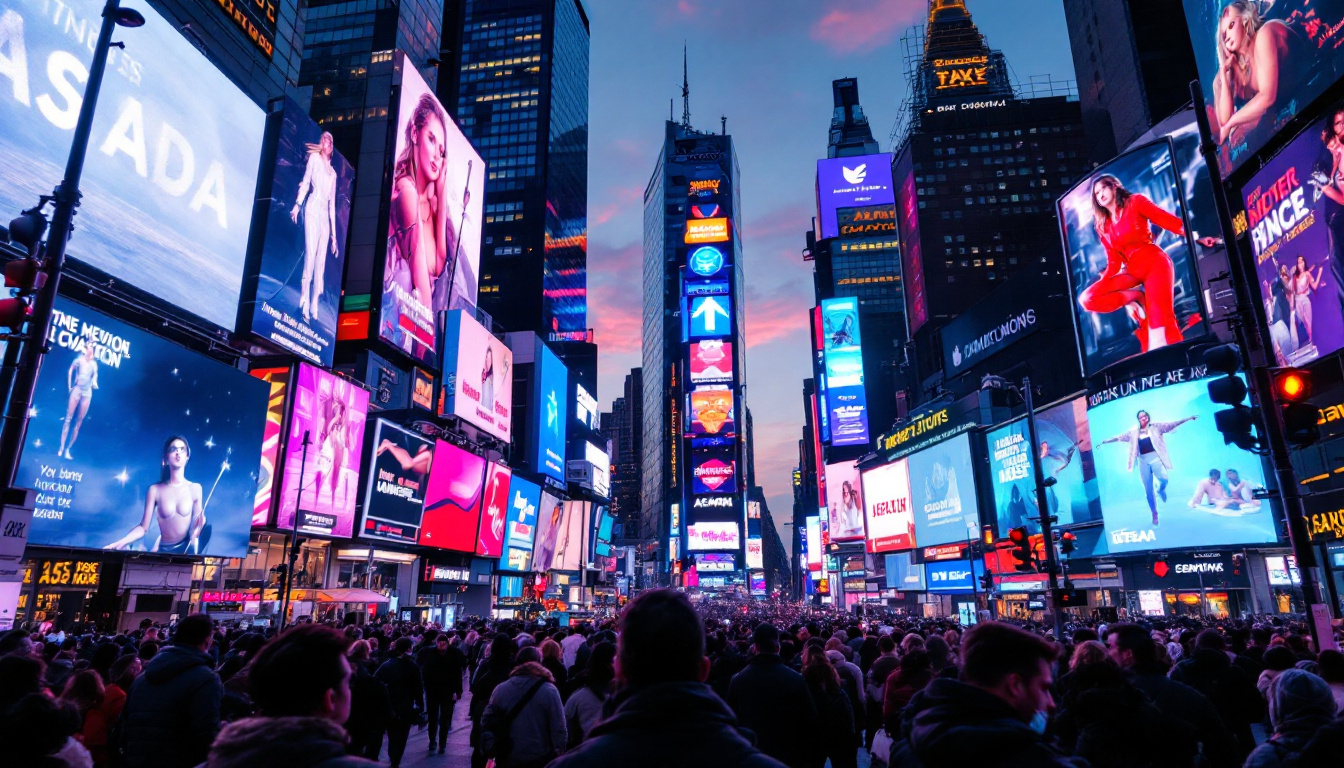
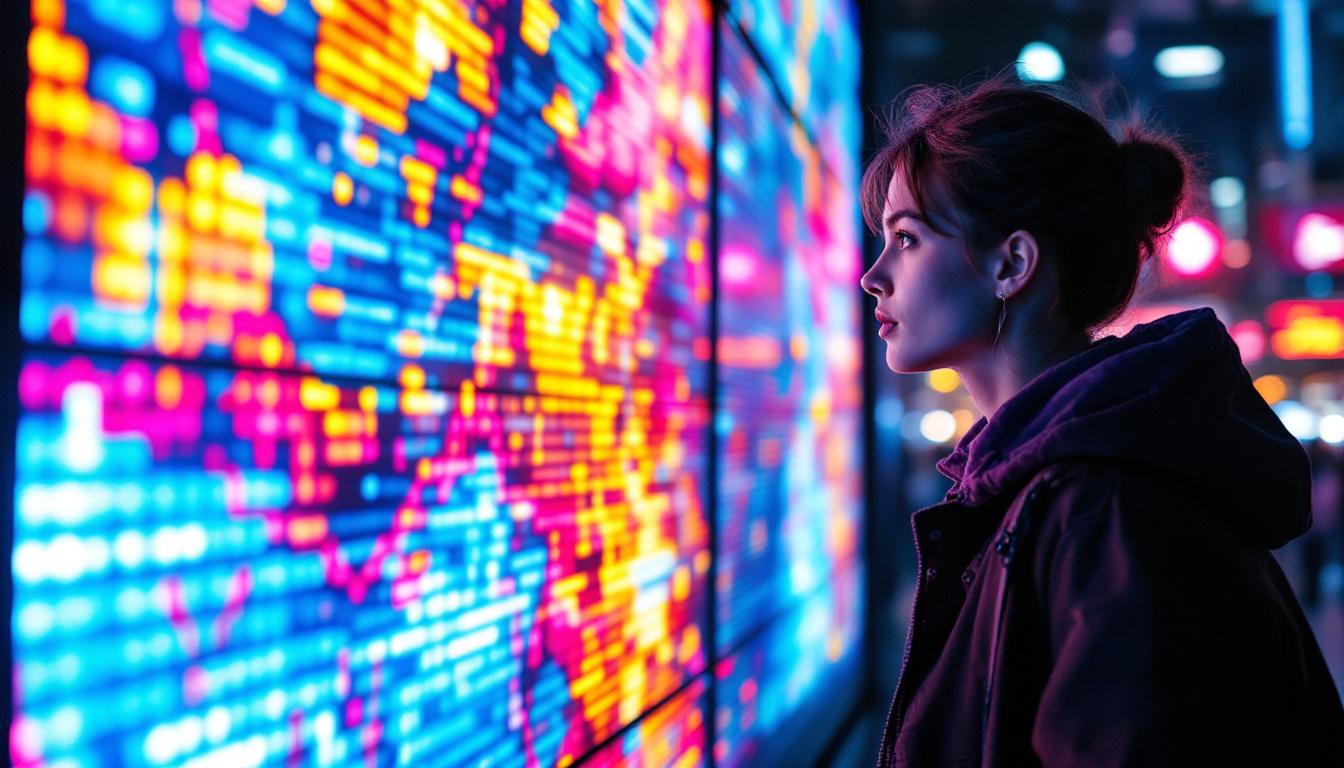
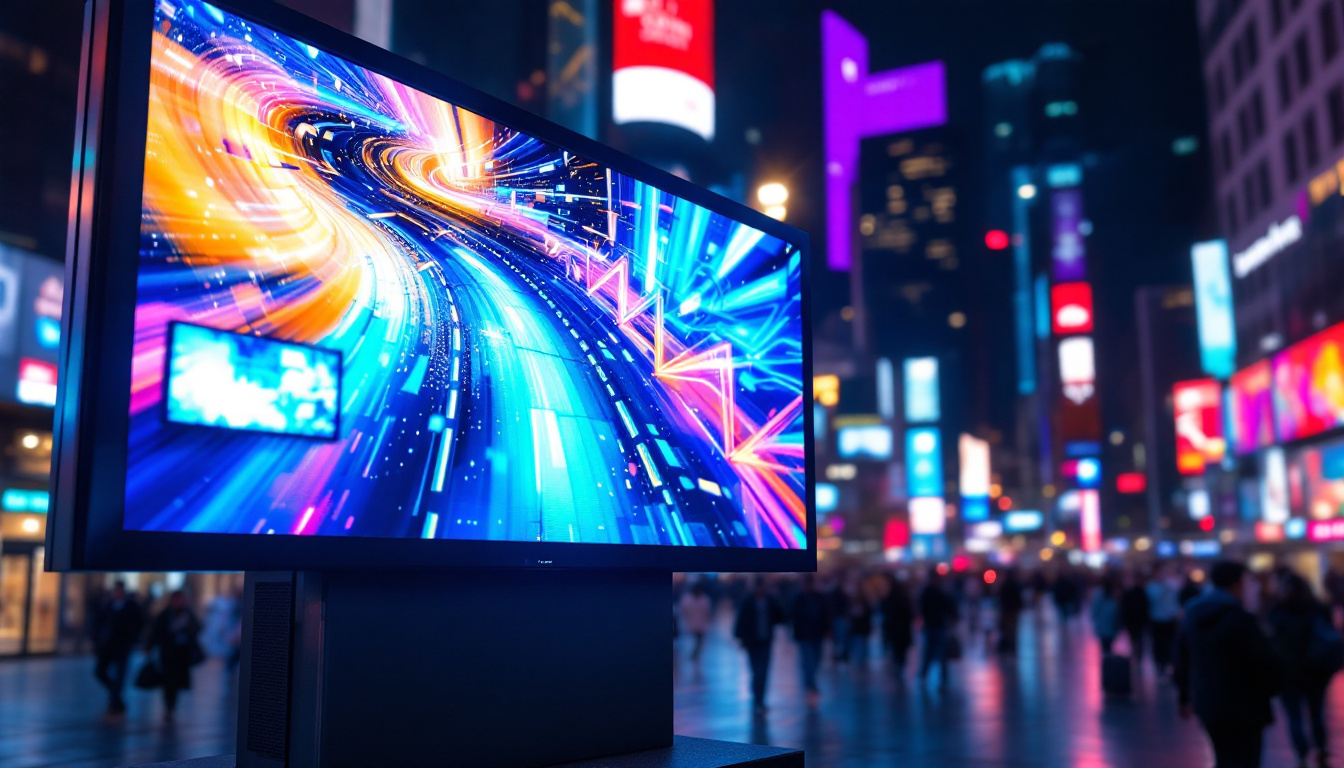
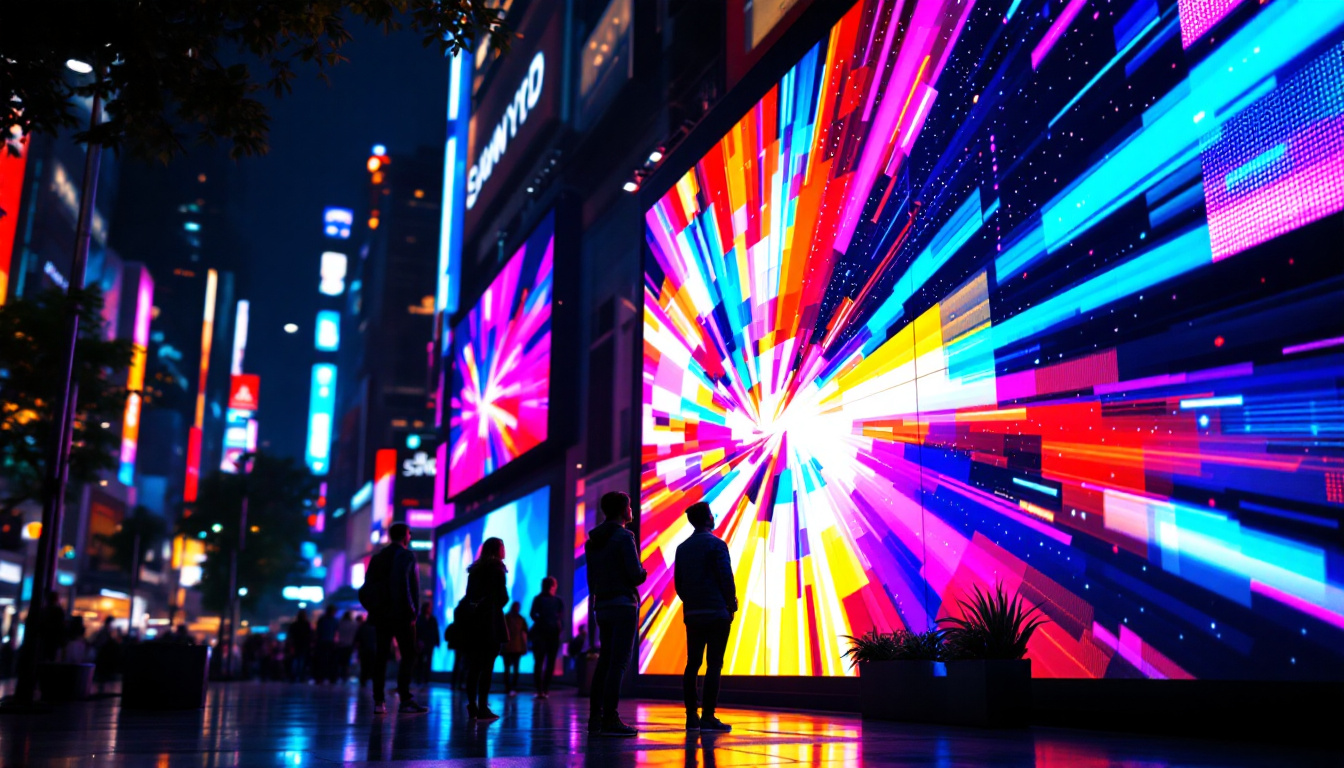
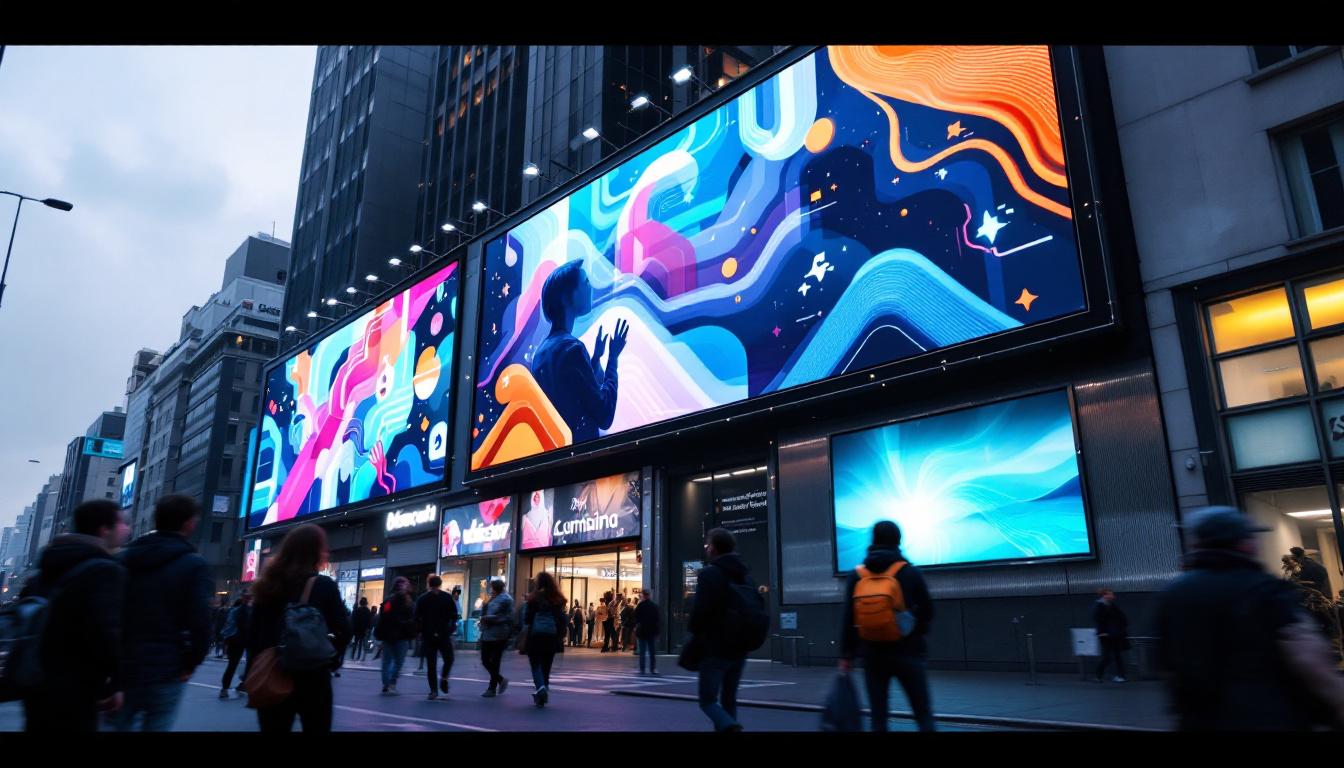
LED displays are also widely used in public spaces for digital signage, wayfinding, and advertising campaigns. Their eye-catching visuals and ability to update content remotely make them an efficient tool for communication in busy urban environments.
Cost Factors and Budgeting for LED Screen Hire
The cost of hiring an LED display varies widely based on factors such as screen size, resolution, location, rental duration, and additional services like installation and content management.
On average, small to medium-sized LED screens (around 10 to 20 square meters) can cost between £1,000 to £5,000 per day for hire. Larger screens exceeding 50 square meters may range from £10,000 to £30,000 or more per event, depending on complexity.
It’s important to obtain detailed quotes and clarify what is included, such as transport, setup, technical support, and insurance. Investing in a reputable hire company with experienced technicians can prevent costly issues and ensure a smooth event.
Future Trends in LED Display Technology
As technology advances, LED displays continue to improve in quality, efficiency, and functionality. Emerging trends include:
- MicroLED Technology: Offering even higher brightness and contrast with lower power consumption, MicroLEDs promise next-generation display performance.
- Flexible and Transparent LEDs: These innovations allow for creative installations on curved surfaces or windows, expanding design possibilities.
- Integration with Augmented Reality (AR): Combining LED displays with AR can create immersive, interactive experiences for audiences.
- AI-Driven Content Management: Artificial intelligence can optimize content delivery based on audience behavior and environmental factors.
Staying informed about these developments can help event organizers leverage cutting-edge technology to enhance engagement and create unforgettable experiences.
Conclusion
Hiring a big LED screen is a powerful way to elevate any event, providing vibrant visuals, flexibility, and reliability that few other display technologies can match. Understanding the fundamentals of LED displays—from brightness and resolution to environmental suitability and cost—enables informed decisions that maximize impact and value.
Whether organizing a large-scale concert, a corporate conference, or a public festival, partnering with experienced LED screen hire providers ensures access to the right technology and expertise. As LED technology continues to evolve, its role in transforming live events and public communication will only grow more significant.
Investing time in learning about LED displays today lays the foundation for creating visually stunning and engaging events tomorrow.
Discover LumenMatrix’s Innovative LED Solutions
Ready to take your event to the next level with vibrant and flexible LED display technology? Explore LumenMatrix’s comprehensive range of LED display solutions, from Indoor and Outdoor LED Walls to specialized options like Vehicle Displays and Transparent LEDs. Each product is crafted with the mission to revolutionize visual communication, ensuring your message is not just seen, but truly experienced. Don’t miss the opportunity to captivate your audience with unparalleled clarity and impact. Check out LumenMatrix LED Display Solutions today and see your vision come to life in brilliant color.