In the ever-evolving world of smartphones, screen size and display technology remain two of the most significant factors influencing consumer choice. As manufacturers push the boundaries of design and functionality, the quest for the biggest cellphone screen with the best display quality intensifies. Among various display technologies, LED displays have become a cornerstone, offering vibrant colors, deep contrasts, and energy efficiency. This article delves into the intricacies of LED displays, explores the trend towards larger cellphone screens, and explains what this means for users today and in the future.
The Evolution of Cellphone Screens: From Small to Massive
When mobile phones first hit the market, screens were tiny, often less than 2 inches diagonally, primarily designed for basic functions like calling and texting. Over the past decade, the demand for multimedia consumption, gaming, and productivity on mobile devices has driven manufacturers to increase screen sizes dramatically.
Today, flagship smartphones commonly feature displays ranging from 6.5 to 7 inches. For example, the Samsung Galaxy S23 Ultra sports a 6.8-inch Dynamic AMOLED 2X display, while the recent Xiaomi Mi Max series pushed the envelope with screens exceeding 7 inches. The trend towards larger screens is not just about size but also about maximizing the usable display area, often achieved by minimizing bezels and incorporating punch-hole or under-display cameras.
Large screens offer several advantages, including enhanced video viewing experiences, improved multitasking capabilities, and better gaming immersion. However, they also pose challenges such as increased device weight, battery consumption, and ergonomics. This balance between size and usability continues to shape smartphone design.
As screens have evolved, so too have the technologies behind them. The transition from LCD to OLED displays has revolutionized the way we experience color and contrast on our devices. OLED screens provide deeper blacks and more vibrant colors, making them ideal for watching movies or playing games. Additionally, advancements in refresh rate technology have led to smoother scrolling and improved responsiveness, particularly beneficial for gamers who require precision in fast-paced scenarios. With some devices now boasting refresh rates of up to 120Hz, the visual experience has become significantly more engaging.
Moreover, the rise of foldable smartphones has introduced an entirely new dimension to screen evolution. Devices like the Samsung Galaxy Z Fold series and the Huawei Mate X have showcased how flexible displays can create a tablet-like experience in a pocket-sized form factor. This innovation not only enhances the size of the display when opened but also challenges traditional notions of smartphone design, prompting manufacturers to rethink how users interact with their devices. As technology continues to advance, the possibilities for future screen designs seem limitless, paving the way for even more immersive and versatile mobile experiences.
Understanding LED Display Technology
What is an LED Display?
LED stands for Light Emitting Diode, a semiconductor device that emits light when an electric current passes through it. In the context of cellphone screens, LED technology is used in two primary ways: as backlighting in LCD (Liquid Crystal Display) panels and as the fundamental technology behind OLED (Organic Light Emitting Diode) and newer MicroLED displays.
Traditional LCD screens rely on LED backlights to illuminate pixels, which themselves do not emit light. This means that the screen’s brightness and contrast depend heavily on the quality and control of the LED backlighting. In contrast, OLED and MicroLED displays use tiny LEDs that emit their own light, allowing for more precise control of brightness and color at the pixel level.
Types of LED Displays in Smartphones
1. LED-Lit LCD: This is the most common display type in budget and mid-range smartphones. It uses an LCD panel illuminated from behind by LEDs. While cost-effective and capable of producing bright images, these displays often suffer from limited contrast ratios and less vibrant colors compared to OLED.
2. OLED Displays: OLED technology uses organic compounds that emit light when electrically stimulated. Each pixel emits its own light, enabling true blacks by turning off pixels entirely. This results in higher contrast ratios, better color accuracy, and thinner panels. Samsung’s AMOLED (Active Matrix OLED) is a popular variant widely used in premium smartphones.
3. MicroLED Displays: A newer technology, MicroLED uses microscopic LEDs to create each pixel. It combines the self-emissive benefits of OLED with improved brightness, longevity, and energy efficiency. While still emerging in smartphones, MicroLED holds promise for future devices with large, bright, and durable screens.
Why Bigger Screens Matter: Benefits and Trade-offs
Enhanced User Experience
Bigger screens naturally provide more real estate for content, making activities like watching videos, browsing the web, reading eBooks, and gaming more enjoyable. High-resolution LED displays enhance this experience by delivering sharp images, vivid colors, and deep contrasts. For professionals, larger screens facilitate multitasking and productivity, especially with features like split-screen apps and stylus support.
Battery Life Considerations
One common concern with larger screens is their impact on battery life. LED displays, particularly OLED and MicroLED, are generally more energy-efficient than traditional LCDs because they can turn off individual pixels. However, a bigger screen still requires more power to illuminate, especially at higher brightness levels. Manufacturers often compensate by increasing battery capacity or optimizing software to balance power consumption.
Ergonomics and Portability
While bigger screens offer numerous advantages, they can make devices bulkier and harder to handle with one hand. This has led to innovations like foldable smartphones, which provide large displays that can be folded into more compact forms. Devices like the Samsung Galaxy Z Fold series and Huawei Mate X series exemplify this trend, combining the benefits of large LED displays with portability.
Current Leaders in Biggest Cellphone Screens with LED Technology
Several smartphones stand out for their large LED-based displays, combining size with cutting-edge technology. Here are some notable examples:
Samsung Galaxy Z Fold 5
The Galaxy Z Fold 5 features a 7.6-inch Dynamic AMOLED 2X main display, making it one of the largest and most advanced foldable screens on the market. Its LED-based OLED technology delivers exceptional brightness, color accuracy, and smooth 120Hz refresh rates. When folded, it offers a 6.2-inch cover display, providing flexibility for different use cases.
Honor Magic Vs
Honor’s Magic Vs is another foldable smartphone boasting a 7.9-inch OLED display when unfolded. Its large screen size, combined with OLED’s self-emissive LEDs, provides stunning visuals and deep blacks. The device is designed to appeal to users who want a tablet-like experience in a pocketable form factor.
Xiaomi Mi Mix Fold 2
The Mi Mix Fold 2 offers a 8.02-inch OLED display, one of the largest on the market. Xiaomi has optimized the display for brightness and color accuracy, making it suitable for media consumption and productivity. The foldable design balances screen size with portability, leveraging advanced LED display technology.
LED Display Innovations Shaping the Future of Smartphones
MicroLED: The Next Frontier
MicroLED technology is poised to revolutionize smartphone displays by offering higher brightness levels, better energy efficiency, and longer lifespans compared to OLED. Unlike OLED, MicroLEDs do not suffer from burn-in issues, making them ideal for devices with static interface elements. Although still in early adoption phases, companies like Samsung and Apple are investing heavily in MicroLED research for future flagship devices.
Higher Refresh Rates and HDR Support
Modern LED displays in smartphones increasingly support refresh rates of 120Hz and beyond, providing smoother animations and improved responsiveness, especially for gaming. High Dynamic Range (HDR) support enhances color depth and contrast, making video content more lifelike. These features rely on advanced LED control to deliver optimal performance.
Flexible and Transparent Displays
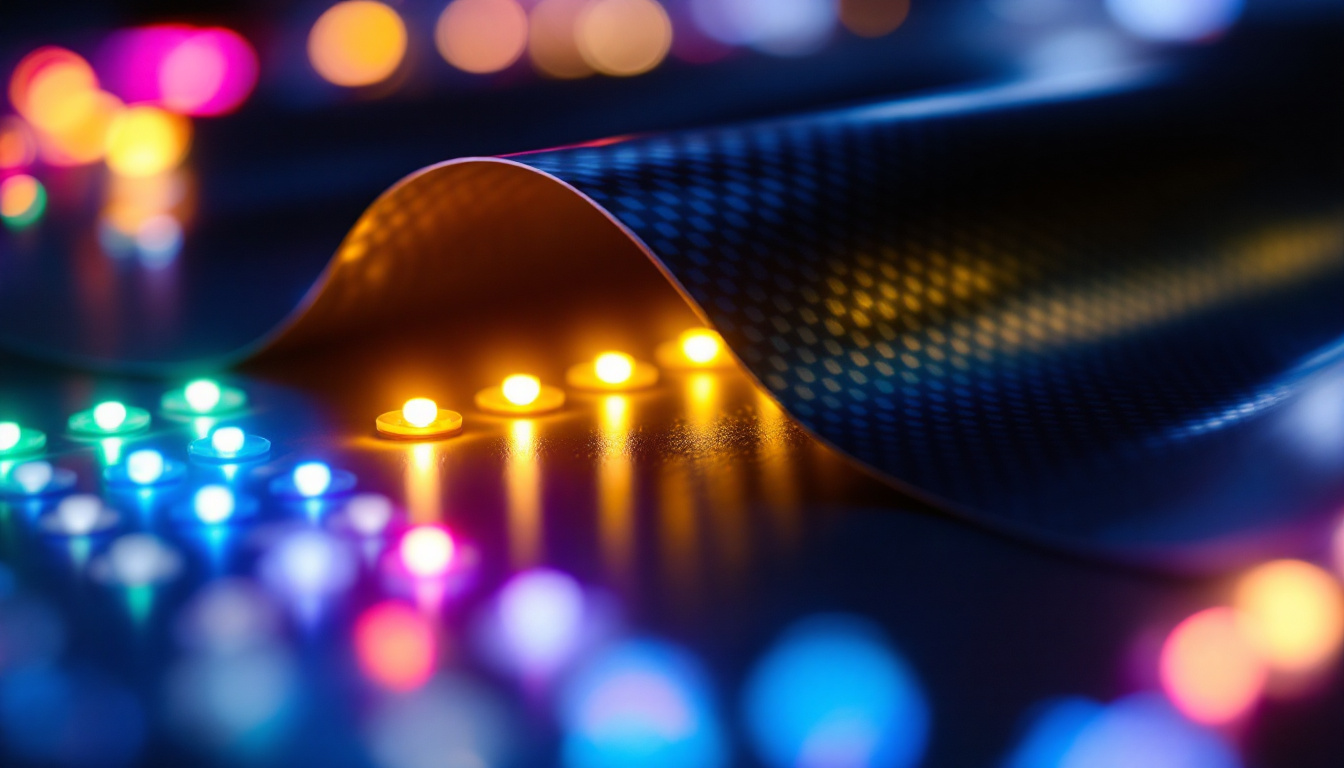
Advancements in LED technology have enabled the creation of flexible and even transparent displays. Foldable phones with large LED screens are becoming more mainstream, offering users the best of both worlds: large displays that can fold into compact sizes. Transparent LED displays, while still experimental, hint at future possibilities for augmented reality and innovative user interfaces.
Choosing the Right Big Screen Smartphone with LED Display
When selecting a smartphone with a large LED display, several factors should be considered to ensure the best fit for individual needs:
- Display Quality: Look for OLED or MicroLED screens for superior color accuracy, contrast, and energy efficiency.
- Screen Size vs. Portability: Consider how comfortable the device feels in hand and pocket, especially if you frequently use one-handed operation.
- Battery Life: Larger screens consume more power; check battery capacity and software optimizations.
- Durability: Foldable screens are innovative but may require more careful handling.
- Price: Advanced LED display technologies often come at a premium.
Ultimately, the biggest cellphone screen with the best LED display technology should align with the user’s lifestyle, whether that’s immersive media consumption, productivity, or gaming.
Conclusion
The race for the biggest cellphone screen is closely intertwined with advances in LED display technology. From traditional LED-lit LCDs to cutting-edge OLED and emerging MicroLED displays, the quality and size of smartphone screens continue to improve dramatically. Larger screens enhance user experience by providing more immersive visuals and greater productivity, though they come with considerations around battery life and ergonomics.
As technology progresses, foldable smartphones and new LED innovations promise to deliver even bigger, brighter, and more versatile displays without compromising portability. For consumers, understanding the nuances of LED display technology is essential to making informed choices in a market flooded with options. Whether prioritizing screen size, display quality, or device form factor, the future of smartphone screens is bright—literally and figuratively.
Discover the Future of Visual Experience with LumenMatrix
As you consider the vast possibilities of LED display technology in smartphones, imagine the impact of such innovation in your daily life. LumenMatrix stands at the forefront of this revolution, offering an array of LED display modules designed to transform visual communication. From the immersive Indoor LED Wall Display to the dynamic Outdoor LED Wall Display, and from the versatile Vehicle LED Display to the sleek LED Poster Display, our solutions are crafted to captivate and engage. Experience the pinnacle of LED technology with our LED Sports Display, Floor LED Display, Custom LED Display, All-in-One LED Display, and LED Transparent Display. Elevate your brand’s visibility and create unforgettable visual experiences with LumenMatrix. Check out LumenMatrix LED Display Solutions and join the visual revolution.