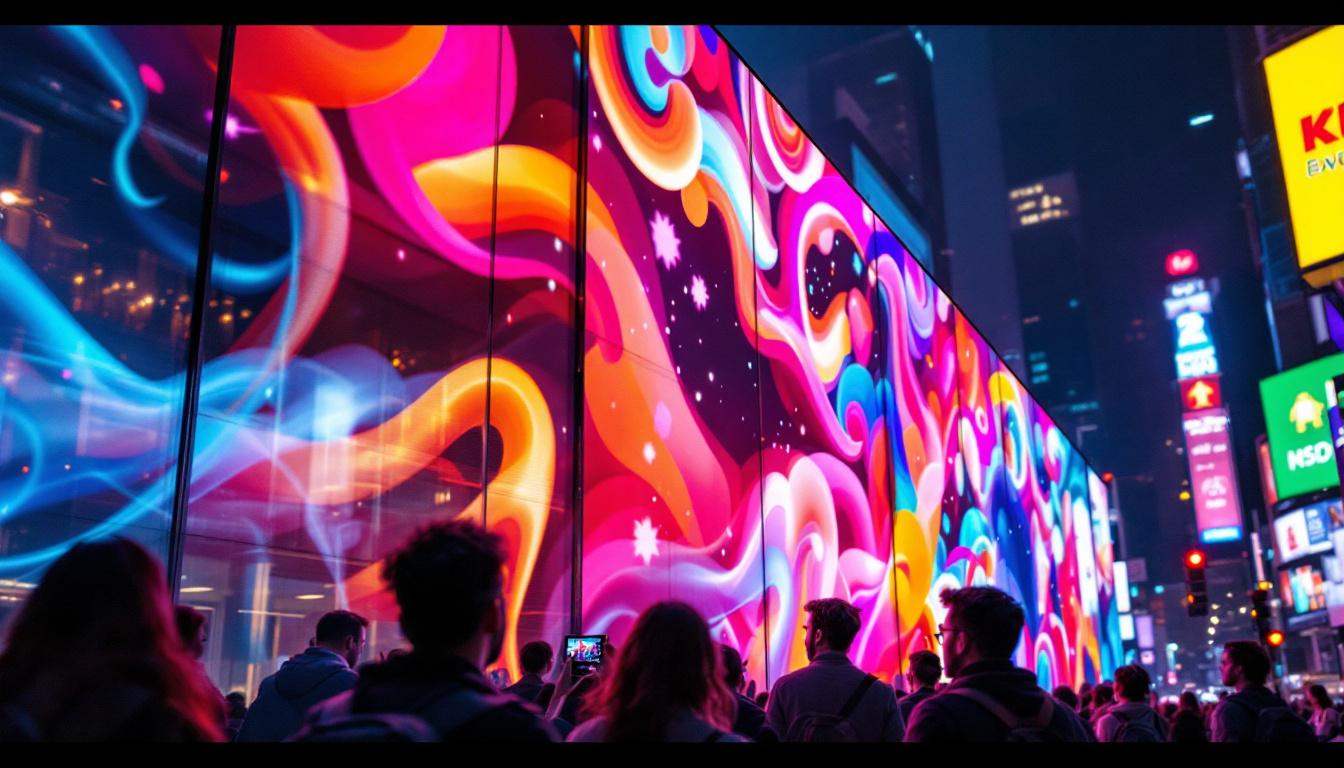
In today’s technology-driven world, touch screen devices have become ubiquitous, transforming the way humans interact with digital content. From smartphones and tablets to interactive kiosks and advanced industrial panels, touch screen technology paired with LED displays offers a versatile, intuitive interface. This article delves into the concept of “Touch Screen Multi” LED displays, exploring their technology, applications, advantages, and future trends.
Understanding Touch Screen Multi LED Displays
At its core, a touch screen multi LED display combines two essential technologies: the LED (Light Emitting Diode) display and a multi-touch interface. The LED display serves as the visual output, while the multi-touch capability allows users to interact with the screen using multiple fingers simultaneously.
LED displays are known for their brightness, energy efficiency, and long lifespan. They utilize an array of light-emitting diodes to create images, offering superior contrast ratios and vibrant colors compared to traditional LCDs. When integrated with multi-touch technology, these displays enable complex gestures such as pinch-to-zoom, rotation, and multi-finger swipes, enhancing user experience. This combination has revolutionized the way we interact with technology, making it more intuitive and engaging. As a result, touch screen multi LED displays have found their way into various sectors, including retail, education, and entertainment, where interactive experiences are becoming increasingly essential.
What Does “Multi-Touch” Mean?
Multi-touch technology refers to the ability of a touch screen to recognize more than one point of contact simultaneously. Unlike single-touch screens, which can only detect one touch at a time, multi-touch screens can interpret multiple inputs, enabling gestures and commands that are more natural and efficient.
This capability is essential for modern applications, from navigating maps on smartphones to collaborative work on large interactive displays. The technology behind multi-touch can vary, including capacitive, resistive, infrared, and optical sensing methods, each with its own strengths and limitations. Capacitive touch screens, for instance, are widely favored for their responsiveness and clarity, making them ideal for smartphones and tablets. In contrast, resistive screens, while less sensitive, can be used with styluses or gloves, making them suitable for specialized environments like industrial settings or outdoor kiosks.
How LED Displays Work
LED displays consist of tiny light-emitting diodes arranged in a grid. Each diode emits light when an electrical current passes through it, and by controlling the intensity of each diode, the display can produce a wide range of colors and images. There are two main types of LED displays used in touch screens:
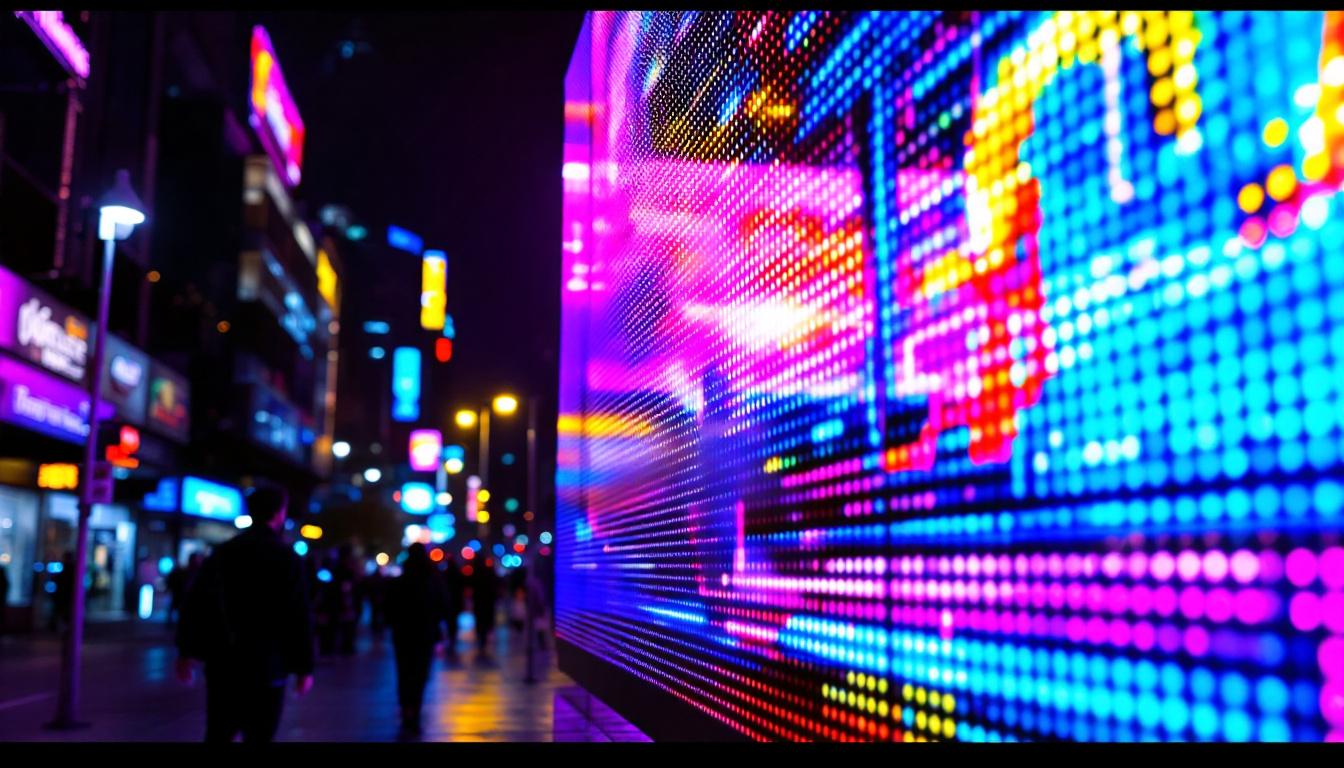
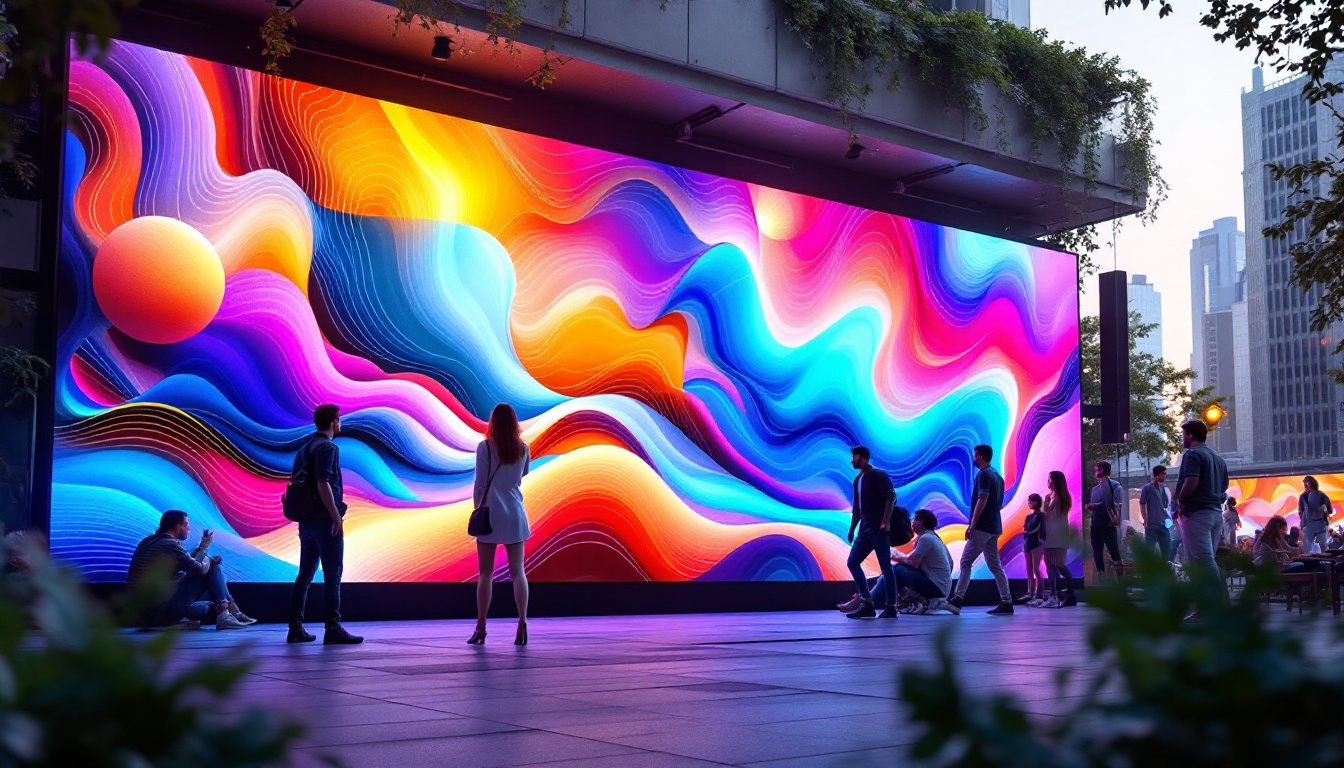
- Direct-View LED Displays: These use LEDs as individual pixels, commonly found in large outdoor screens and digital billboards.
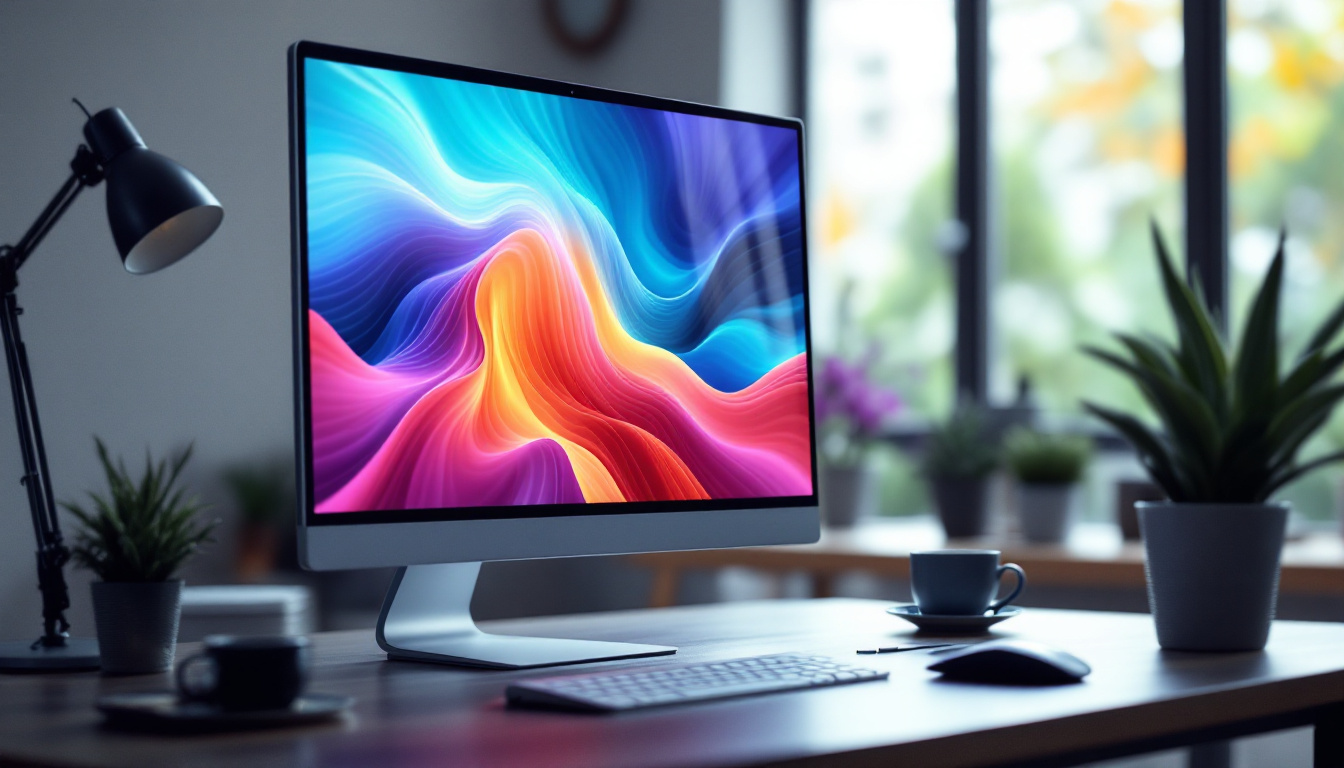
- LED-Backlit LCD Displays: These combine an LCD panel with an LED backlight, which is typical in smartphones, tablets, and monitors.
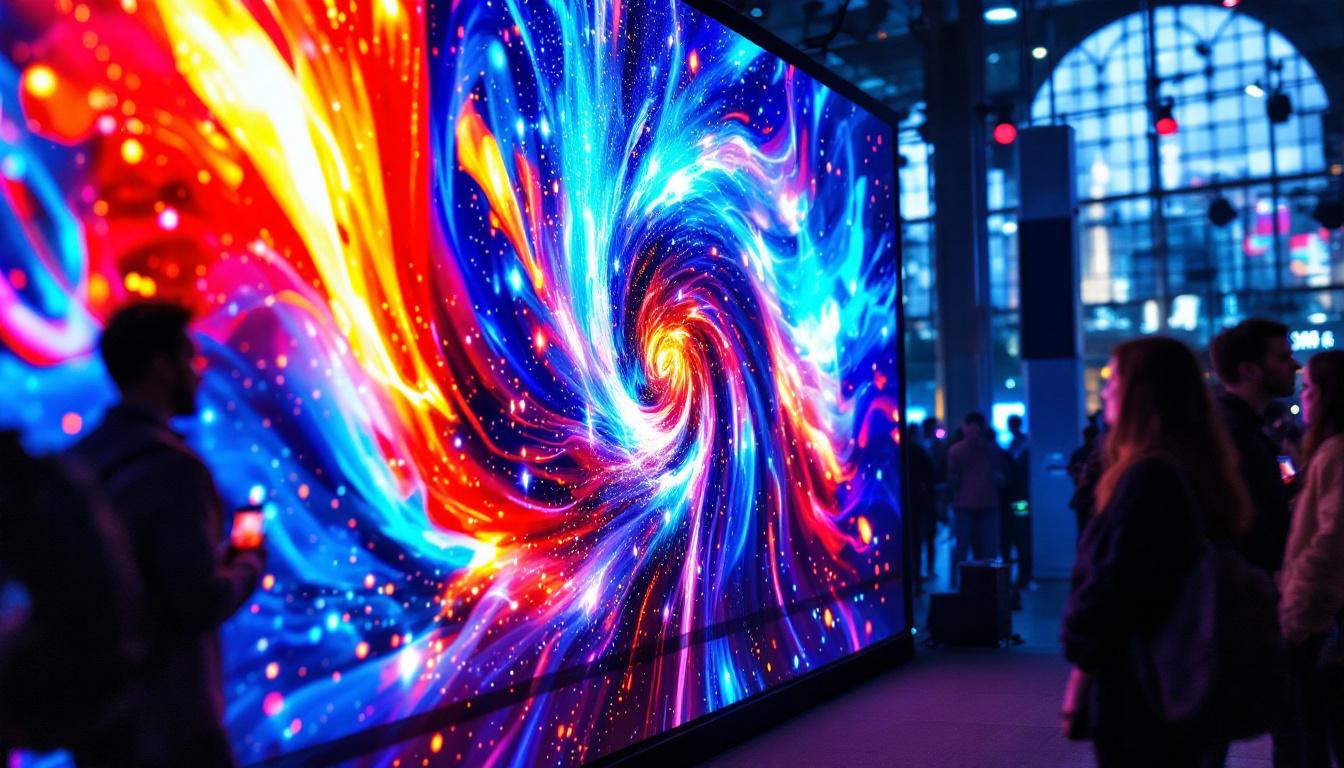
In touch screen devices, LED-backlit LCDs are prevalent due to their slim profile and excellent image quality, while direct-view LEDs are more common in large-format interactive displays. The choice between these technologies often depends on the intended use; for instance, direct-view LED displays are preferred for environments requiring high brightness and visibility, such as stadiums or concert venues. Additionally, advancements in LED technology, such as MicroLED and MiniLED, are pushing the boundaries of display performance, offering even finer pixel pitch and better color accuracy, which could further enhance the capabilities of touch screen interfaces in the near future.
Types of Multi-Touch Technologies in LED Displays
The effectiveness of a touch screen multi LED display largely depends on the underlying touch technology. Here are the most common types:
Capacitive Touch Technology
Capacitive touchscreens detect touch through the electrical properties of the human body. When a finger touches the screen, it changes the local electrostatic field, which the device senses and translates into input.
This technology supports multi-touch naturally and offers high sensitivity and accuracy. It is widely used in smartphones, tablets, and interactive kiosks. However, capacitive screens generally require conductive input, meaning they may not respond to gloved hands or styluses unless specially designed.
Resistive Touch Technology
Resistive touchscreens consist of two flexible layers separated by a small gap. When pressure is applied, the layers touch, registering the input. While resistive screens can detect any input type (finger, stylus, gloved hand), they typically support only single-touch or limited multi-touch functionality.
Resistive technology is often found in industrial settings where durability and input versatility are critical, but it is less common in consumer-grade multi-touch LED displays.
Infrared and Optical Touch Technologies
Infrared (IR) and optical touch systems use an array of sensors or cameras around the display’s edges to detect interruptions in light beams caused by touch. These technologies support multi-touch and can detect any input type without requiring screen contact.
They are favored in large-format interactive LED displays, such as digital whiteboards and public information terminals, due to their scalability and durability.
Applications of Touch Screen Multi LED Displays
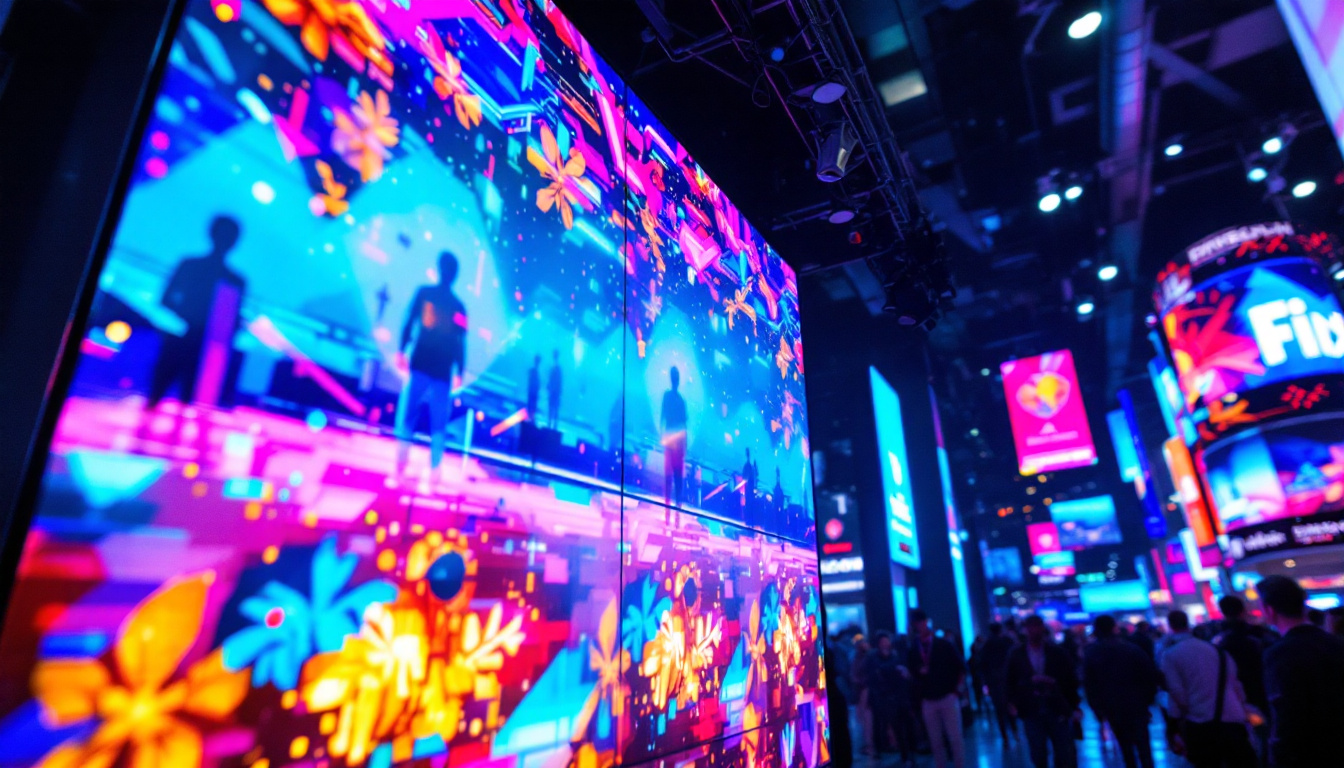
The versatility of touch screen multi LED displays has driven their adoption across numerous industries and use cases. Their ability to deliver rich visuals combined with intuitive interaction makes them ideal for both consumer and professional environments.
Consumer Electronics
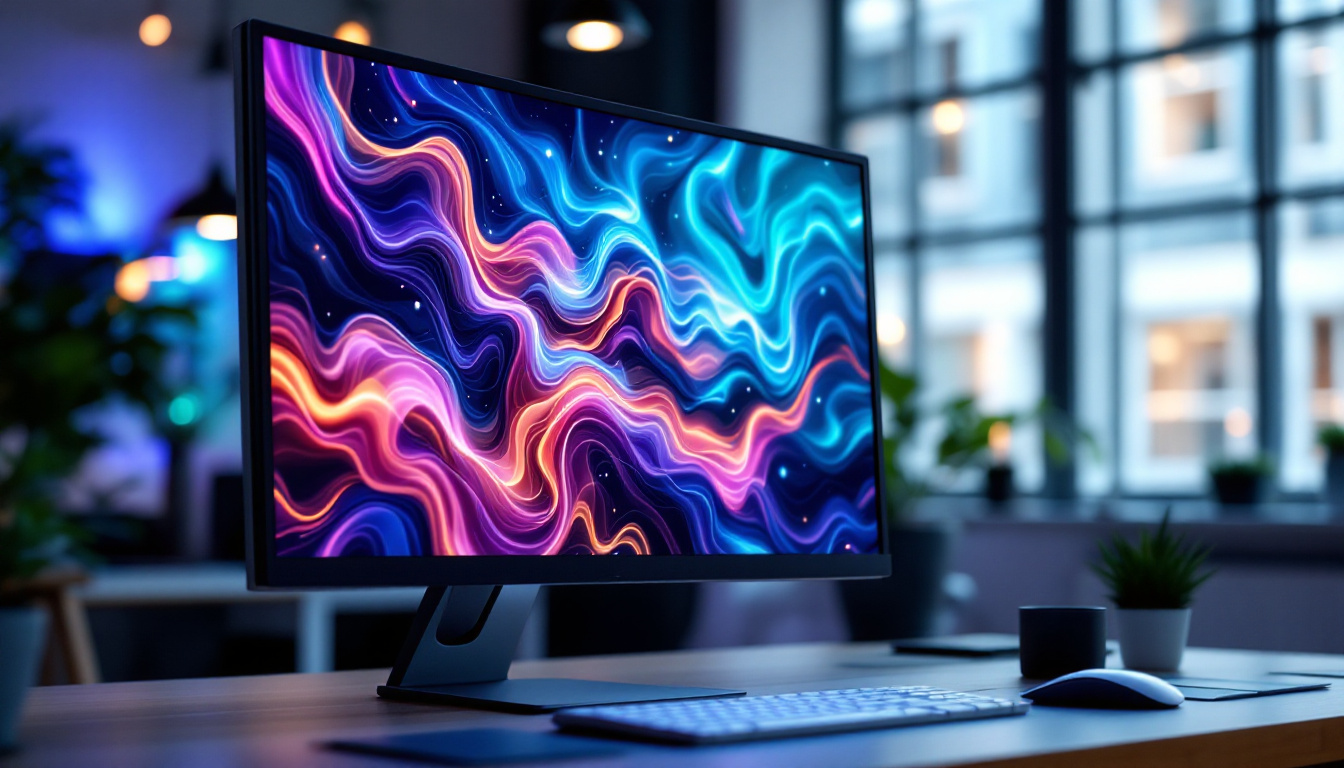
Smartphones, tablets, smartwatches, and laptops extensively use capacitive multi-touch LED displays. The demand for higher resolution, better color accuracy, and responsive touch has pushed manufacturers to innovate rapidly. For instance, OLED (Organic LED) displays, a variant of LED technology, are becoming popular for their superior contrast and flexibility.
Retail and Advertising
Interactive digital signage and kiosks equipped with multi-touch LED displays enhance customer engagement. Shoppers can browse product catalogs, customize orders, or access information seamlessly. According to recent market research, the global digital signage market is expected to reach $31.7 billion by 2027, with interactive touch screens playing a significant role in this growth.
Education and Collaboration
In classrooms and conference rooms, large multi-touch LED displays facilitate collaborative learning and presentations. Users can write, draw, and manipulate content in real-time, improving interactivity and participation. These displays often integrate with software platforms for seamless content sharing and remote collaboration.
Healthcare
Medical professionals use multi-touch LED displays for diagnostic imaging, patient monitoring, and interactive control panels. The clarity of LED visuals combined with precise touch input enhances workflow efficiency and accuracy in critical environments.
Industrial and Automotive
In manufacturing and automotive sectors, rugged multi-touch LED displays serve as control interfaces for machinery, navigation systems, and infotainment units. Their durability and responsiveness under various environmental conditions are crucial for operational reliability.
Advantages of Touch Screen Multi LED Displays
Integrating multi-touch technology with LED displays offers several compelling benefits that drive their widespread adoption.
Enhanced User Experience
Multi-touch capability allows for natural gestures, making device interaction more intuitive and efficient. Users can zoom, rotate, and manipulate objects with simple finger movements, reducing the learning curve and improving accessibility.
Superior Visual Quality
LED displays provide bright, vibrant images with excellent contrast ratios, even in brightly lit environments. This ensures content remains clear and engaging, which is especially important for outdoor or public installations.
Energy Efficiency and Longevity
Compared to traditional display technologies, LEDs consume less power and have longer lifespans. This translates to lower operational costs and reduced environmental impact, important factors for businesses deploying large-scale display networks.
Durability and Versatility
Touch screen multi LED displays can be designed to withstand harsh conditions, including moisture, dust, and physical impact. This versatility makes them suitable for a wide range of applications, from consumer gadgets to industrial controls.
Challenges and Considerations
Despite their advantages, touch screen multi LED displays face several challenges that manufacturers and users must consider.
Cost
High-quality multi-touch LED displays, especially large-format or specialized panels, can be expensive to produce and install. The cost factor may limit adoption in budget-sensitive applications.
Calibration and Accuracy
Maintaining touch accuracy requires precise calibration, especially for large displays or those exposed to environmental factors. Misalignment can lead to user frustration and reduced productivity.
Input Limitations
Some touch technologies, like capacitive screens, may not respond well to certain input types, such as gloves or styluses, without additional adaptations. This can be a limitation in specific use cases.
Screen Damage and Maintenance
Touch screens are susceptible to scratches, cracks, and wear over time. Protective coatings and tempered glass can mitigate damage but add to the overall cost.
Future Trends in Touch Screen Multi LED Displays
The evolution of touch screen multi LED displays continues at a rapid pace, driven by advancements in materials science, sensor technology, and user interface design.
Flexible and Foldable Displays
Emerging flexible LED technologies enable screens that can bend or fold without compromising touch functionality. This innovation promises new form factors for devices, such as foldable smartphones and rollable displays, enhancing portability and user experience.
Haptic Feedback Integration
Future multi-touch LED displays are expected to incorporate advanced haptic feedback systems, providing tactile sensations that simulate physical buttons or textures. This development will further enrich user interaction, especially in virtual and augmented reality environments.
AI and Gesture Recognition
Artificial intelligence is being integrated with touch technologies to recognize complex gestures and predict user intent. This will enable more adaptive interfaces that respond intelligently to user behavior, making devices smarter and more responsive.
Improved Energy Efficiency
Ongoing research aims to reduce power consumption further while enhancing brightness and color accuracy. Innovations like microLED technology promise displays that are both brighter and more energy-efficient than current standards.
Conclusion
Touch screen multi LED displays represent a fusion of cutting-edge visual and interactive technologies that have transformed digital interfaces across industries. Their ability to deliver vibrant visuals combined with intuitive multi-touch input makes them indispensable in consumer electronics, retail, education, healthcare, and industrial applications.
While challenges such as cost and durability remain, continuous innovation is addressing these issues, paving the way for more versatile, efficient, and immersive touch screen experiences. As technology advances, the future of touch screen multi LED displays looks bright, promising new possibilities for how humans interact with digital content.
Discover LumenMatrix’s Innovative LED Display Solutions
Ready to elevate your visual experience with the latest in touch screen multi LED display technology? Look no further than LumenMatrix, a pioneer in creating immersive and dynamic LED displays for a multitude of applications. From enhancing your retail space with an eye-catching Indoor LED Wall Display to capturing the excitement of sports events with a vibrant LED Sports Display, LumenMatrix offers a comprehensive range of solutions tailored to your needs. Embrace the future of digital interaction and make a lasting impression with LumenMatrix’s custom and all-in-one LED display solutions. Check out LumenMatrix LED Display Solutions today and transform the way you communicate visually.