The cinematic experience has evolved dramatically over the past century, from grainy black-and-white films projected onto modest screens to ultra-high-definition visuals displayed on massive LED walls. Among the most impressive advancements is the emergence of the world’s biggest theatre screens, which are now powered by cutting-edge LED display technology. This article explores the largest theatre screens globally, delves into the technology behind LED displays, and explains why these innovations are reshaping the future of cinema.
The Rise of the Largest Theatre Screens
Movie theatres have always sought to enhance the viewing experience by increasing screen size and improving image quality. Historically, this was achieved through film projectors and later digital projectors, but these technologies have inherent limitations in brightness, contrast, and resolution when scaled up. The quest for bigger, brighter, and more immersive screens has led to the adoption of LED technology, which offers unparalleled performance on a grand scale.
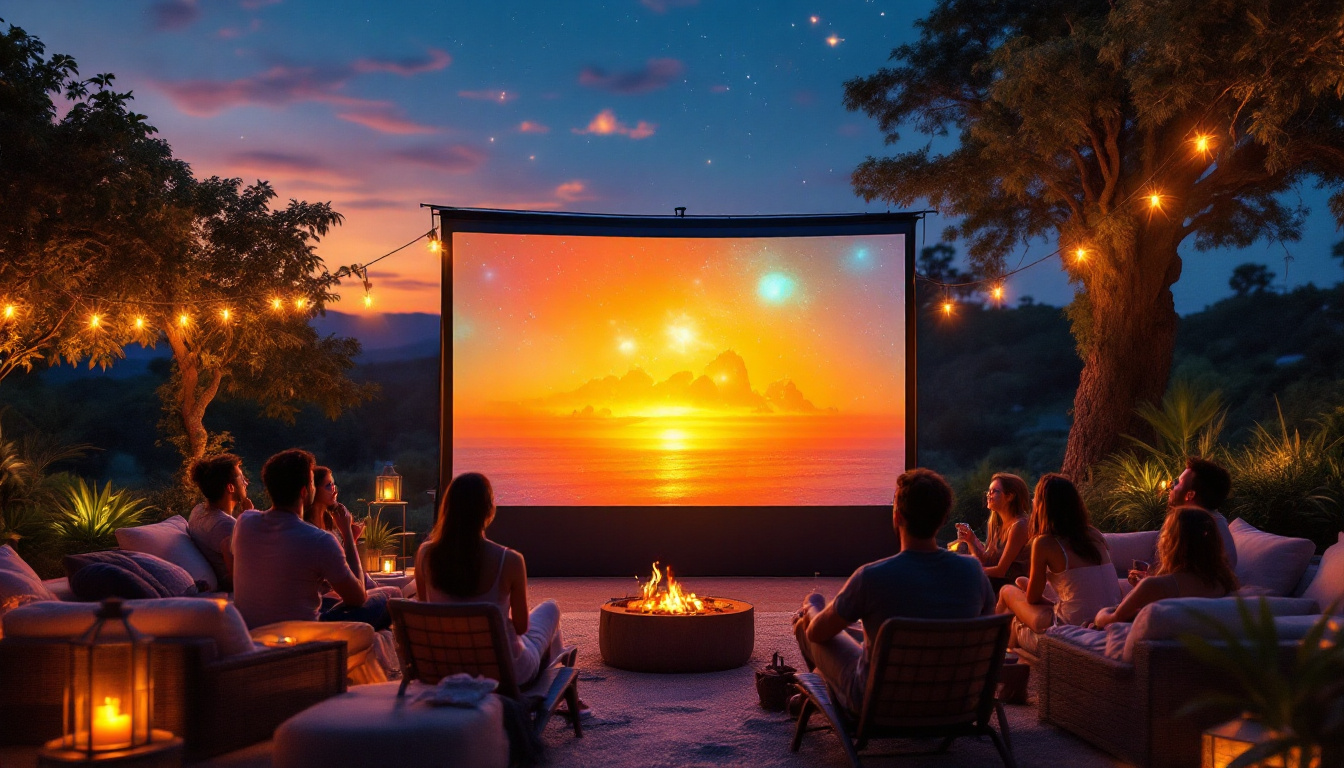
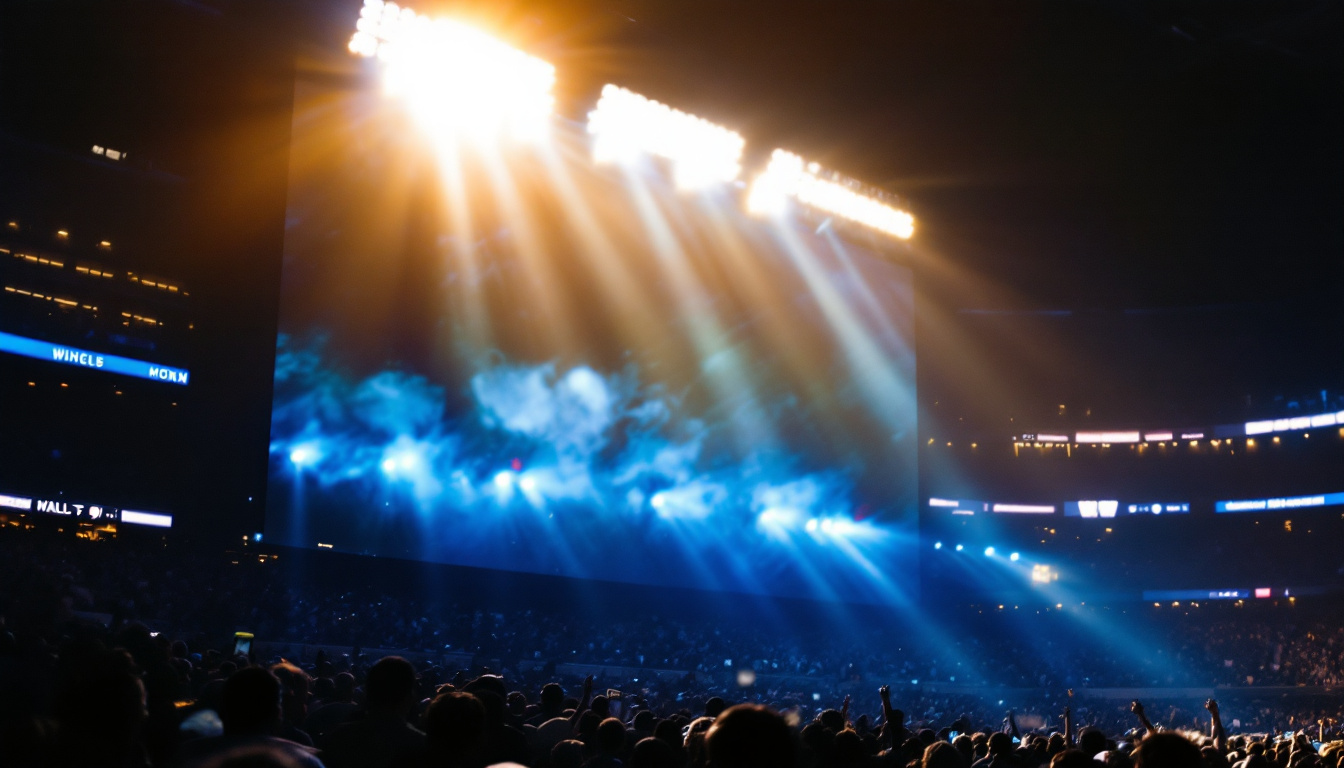
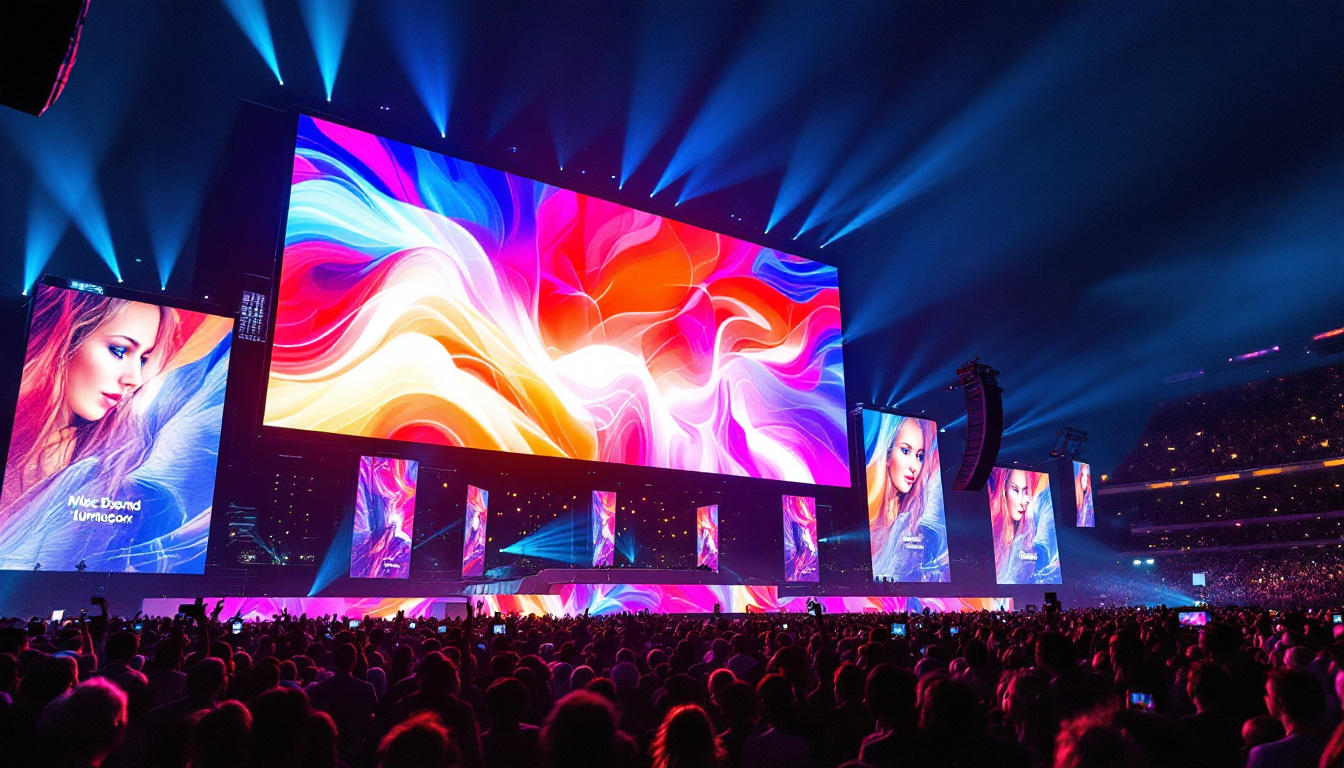
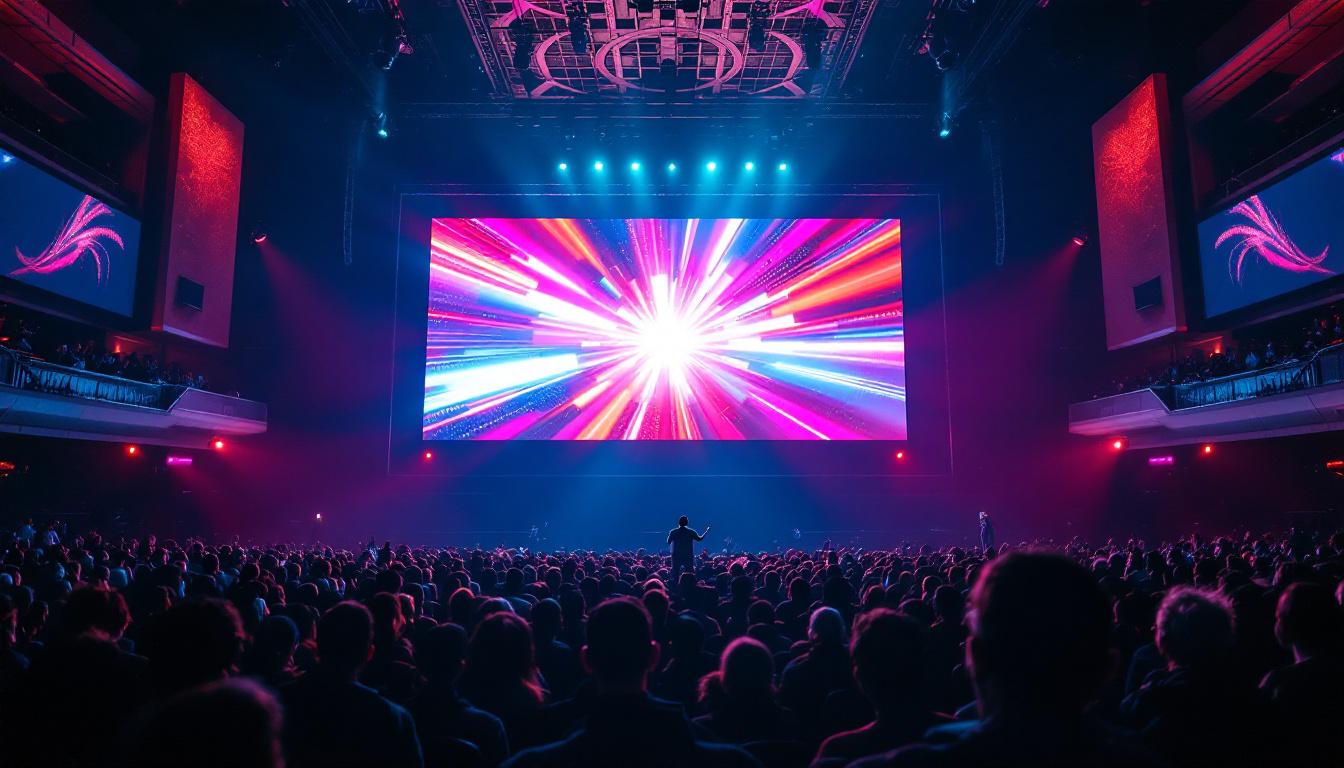
One of the most notable examples of this trend is the introduction of the world’s largest theatre screen, which measures an astonishing 10,000 square feet. This colossal display, installed in a premium cinema venue, dwarfs traditional screens and provides a viewing experience that is both immersive and visually stunning. The sheer size of such screens allows for greater detail and a sense of presence that makes audiences feel as if they are part of the movie. This transformation in cinema technology is not just about size; it also encompasses advancements in sound systems and seating arrangements, creating a holistic environment that elevates the art of storytelling.
Key Examples of the Biggest Theatre Screens
Several theatres around the world have embraced giant LED screens, pushing the boundaries of size and quality:
- IMAX’s LED Screen in Los Angeles: Measuring approximately 10,000 square feet, this screen is among the largest and brightest in the world. It features 4K resolution and boasts a peak brightness of 14 foot-lamberts, far exceeding traditional projector capabilities.
- Samsung’s Onyx Cinema LED Screens: Samsung has pioneered cinema LED technology with its Onyx series, which includes screens up to 5,000 square feet installed in select theatres globally. These screens offer high dynamic range (HDR) and deep contrast ratios.
- LG’s Cinema LED Screens: LG has also developed large-scale LED cinema screens that rival traditional projection in size and image quality, with installations in Asia and Europe.
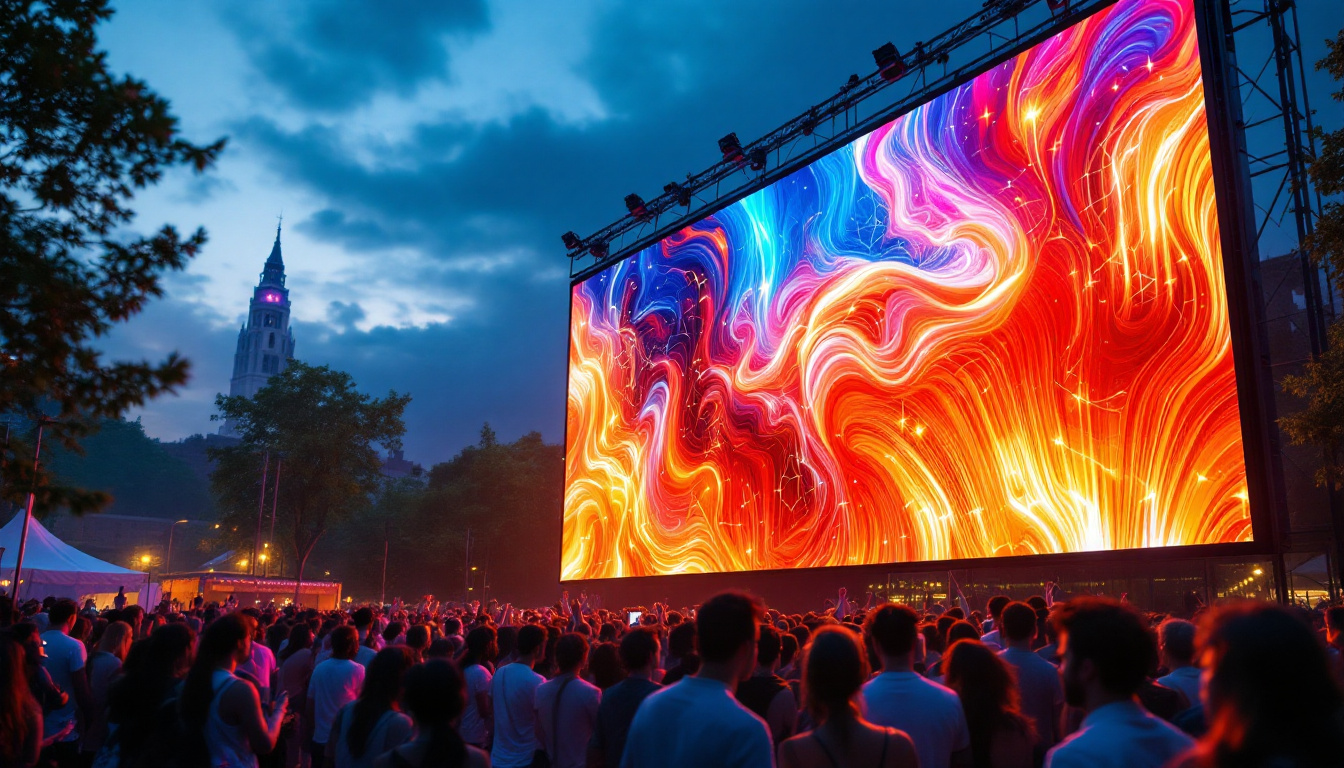
These examples illustrate how LED technology is becoming the new standard for giant cinema screens, enabling unprecedented scale and picture quality. The impact of these advancements extends beyond mere size; they also offer a more consistent viewing experience across various lighting conditions. Unlike traditional projection systems, which can suffer from color fading and uneven brightness, LED screens maintain their vibrancy and clarity, ensuring that every seat in the house provides an optimal view. Furthermore, the flexibility of LED technology allows for innovative designs and configurations, enabling theatres to create unique environments tailored to specific films or events.
As the industry continues to evolve, we can expect to see even more groundbreaking innovations in cinema technology. The integration of augmented reality (AR) and virtual reality (VR) elements into these large screens could redefine how stories are told on the big screen, making the experience even more interactive and engaging. Additionally, as audiences become more accustomed to high-quality visuals and immersive experiences, the demand for such advanced screens will likely drive further investment and research into new technologies, ensuring that the future of cinema remains bright and captivating.
Understanding LED Display Technology
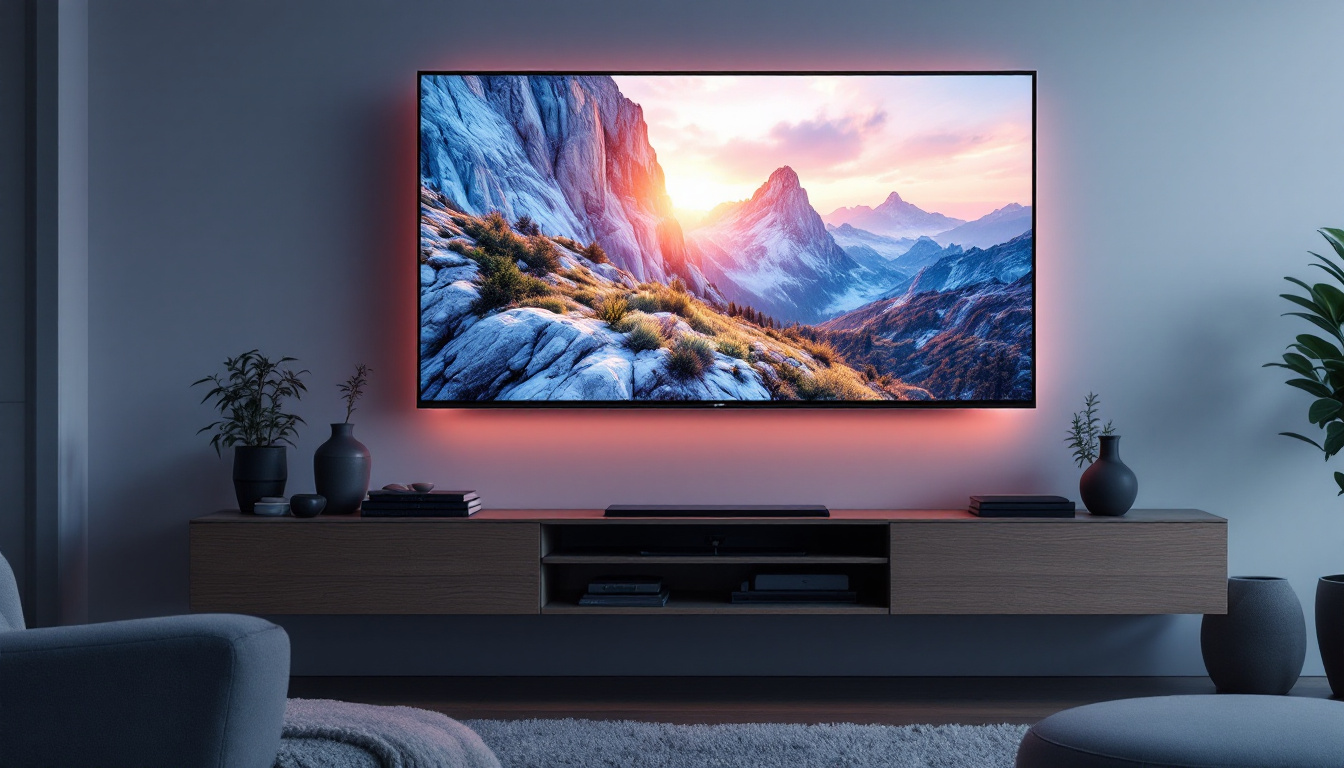
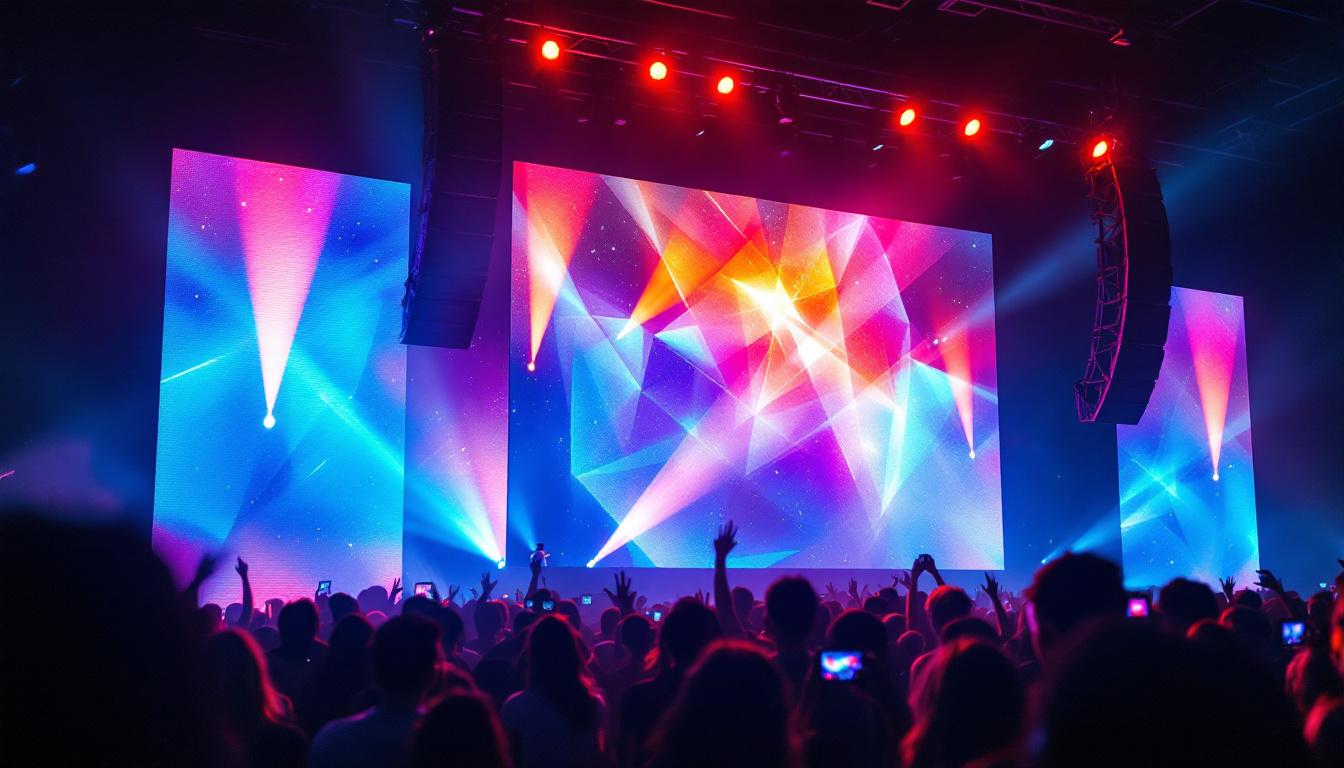
LED, or Light Emitting Diode, technology differs fundamentally from traditional projection systems. Instead of projecting light onto a screen, LED displays consist of millions of tiny diodes that emit their own light. This self-emissive property allows LED screens to deliver superior brightness, contrast, and color accuracy. The result is a viewing experience that captivates audiences, making it a preferred choice for cinemas, concerts, and large-scale events.
How LED Screens Work
At the core of an LED display are individual pixels made up of red, green, and blue diodes. By varying the intensity of each diode, the screen can produce a full spectrum of colors with remarkable precision. Because each pixel emits light independently, LED screens achieve true blacks by turning off pixels entirely, resulting in infinite contrast ratios. This technology not only enhances the visual experience but also allows for dynamic content display, where colors can shift and change fluidly, adding depth to presentations and performances.
In large theatre screens, these pixels are arranged in modular panels that can be seamlessly connected to form massive displays. The modular design also facilitates maintenance and scalability, allowing theatres to customize screen size and resolution according to their needs. This flexibility means that venues can adapt their screens for different types of events, whether it’s a blockbuster movie premiere or a live concert, ensuring that the visual impact is always at its peak.
Advantages of LED Over Traditional Projection
LED displays offer several advantages that make them ideal for the biggest theatre screens:
- Brightness: LED screens can achieve brightness levels several times higher than projectors, ensuring clear images even in well-lit environments.
- Contrast and Color Accuracy: The ability to turn off individual pixels results in deep blacks and vibrant colors, enhancing image realism.
- Uniformity: LED screens maintain consistent brightness and color across the entire surface, unlike projectors which may suffer from hotspots or dim corners.
- Durability and Longevity: LEDs have a longer lifespan and require less frequent maintenance compared to projector lamps.
- Viewing Angles: LED displays provide wide viewing angles without color distortion, allowing audiences to enjoy the same quality from different seats.
Moreover, LED technology is highly energy-efficient, consuming significantly less power than traditional projection systems. This efficiency not only reduces operational costs for theatres but also aligns with growing environmental sustainability efforts. As venues strive to minimize their carbon footprints, the shift towards LED displays represents a forward-thinking approach that benefits both the business and the planet. Additionally, the compact nature of LED technology allows for innovative designs and installations, enabling creative configurations that can enhance the overall aesthetic of a venue.
The Impact of LED Screens on the Cinema Experience
The introduction of giant LED screens in theatres has transformed the way movies are experienced. The enhanced visual quality and immersive scale contribute to a more engaging and memorable viewing session.
Immersive Visuals and Enhanced Storytelling
The massive size of LED screens envelops the viewer’s field of vision, creating a sense of immersion that traditional screens struggle to match. This immersion heightens emotional engagement and allows filmmakers to tell stories with greater visual impact. For example, action sequences, expansive landscapes, and intricate details are rendered with stunning clarity and depth.
Moreover, the high dynamic range (HDR) capabilities of LED screens enable a broader range of luminance, bringing out subtle shadows and highlights that add realism to scenes. This level of detail enriches the cinematic narrative and enhances the overall atmosphere.
Improved Accessibility and Comfort
LED screens also contribute to a more comfortable viewing environment. Their brightness ensures that images remain clear even in larger auditoriums with ambient lighting. Additionally, the wide viewing angles mean that audiences seated off-center still receive excellent picture quality, reducing the need to crowd the best seats.
For viewers with visual impairments, the enhanced contrast and color accuracy can make a significant difference, improving the accessibility of cinema for a broader audience.
Challenges and Considerations in Deploying Giant LED Screens
Despite their many advantages, installing and operating the world’s biggest LED theatre screens involves several challenges.
Cost and Infrastructure Requirements
Large-scale LED screens require substantial investment. The cost of LED panels, supporting electronics, and installation can run into millions of dollars. Additionally, these screens demand robust infrastructure, including reinforced walls, advanced cooling systems, and specialized power supplies to handle the high energy consumption.
Theatres must carefully assess the return on investment, balancing the enhanced audience experience against operational expenses and ticket pricing strategies.
Content Production and Compatibility
Delivering content optimized for giant LED screens requires collaboration between filmmakers, studios, and theatre operators. Movies must be mastered in formats that support ultra-high resolutions and HDR to fully exploit the capabilities of LED displays.
Moreover, traditional film distribution pipelines may need adjustment to accommodate the new technology, including updated playback systems and content delivery networks.
Maintenance and Technical Expertise
Maintaining a massive LED screen involves regular cleaning, calibration, and occasional panel replacement. The complexity of these systems necessitates a team of skilled technicians who can monitor performance and troubleshoot issues promptly to minimize downtime.
The Future of Theatre Screens: Trends and Innovations
The rapid advancement of LED technology suggests that the future of theatre screens will continue to push boundaries in size, quality, and interactivity.
Increasing Resolution and Pixel Density
As LED manufacturing improves, screens are becoming capable of higher pixel densities, allowing for even sharper images on enormous surfaces. Future theatre screens may approach 8K resolution or beyond, offering unprecedented detail and clarity.
Integration with Immersive Technologies
Combining giant LED screens with immersive audio systems, augmented reality (AR), and virtual reality (VR) could redefine cinematic storytelling. Interactive and multi-sensory experiences will likely become more common, engaging audiences in novel ways.
Sustainability and Energy Efficiency
With increasing attention to environmental impact, manufacturers are developing more energy-efficient LED panels and sustainable materials. Theatres adopting these technologies can reduce their carbon footprint while delivering superior experiences.
Conclusion
The world’s biggest theatre screens, powered by advanced LED display technology, represent a significant leap forward in cinematic presentation. Their enormous size, unmatched brightness, and exceptional image quality create an immersive and captivating movie experience that sets new standards for theatres worldwide.
While challenges such as cost and technical complexity remain, the benefits of LED screens in enhancing storytelling, audience comfort, and accessibility are undeniable. As technology continues to evolve, the future promises even more spectacular and immersive cinema experiences, making the giant LED screen a cornerstone of modern theatres.
For movie enthusiasts and industry professionals alike, understanding the technology and impact of these massive LED displays is essential to appreciating the next generation of cinema.
Discover the Future of Visual Experience with LumenMatrix
Ready to elevate your venue’s visual experience to new heights? LumenMatrix is at the forefront of LED display innovation, offering a diverse range of solutions that transform any space into a dynamic visual spectacle. From immersive Indoor and Outdoor LED Wall Displays to versatile Vehicle and Sports LED Displays, our technology is designed to captivate and engage. Explore our cutting-edge LED Poster Displays, Floor LED Displays, and revolutionary Transparent Displays to see how we can revolutionize your visual communication. Don’t just watch the future unfold—be a part of it. Check out LumenMatrix LED Display Solutions today and step into a world where every visual narrative is told with unparalleled clarity and impact.