In the dynamic world of outdoor advertising, LED billboards have emerged as a game-changer, offering vibrant visuals, flexibility, and unmatched visibility. As businesses and advertisers look to maximize their reach, understanding the technology behind LED billboards is crucial before making a purchase. This article delves into the fundamentals of LED displays, their advantages, types, and key considerations when buying a billboard for sale.
What Is an LED Billboard?
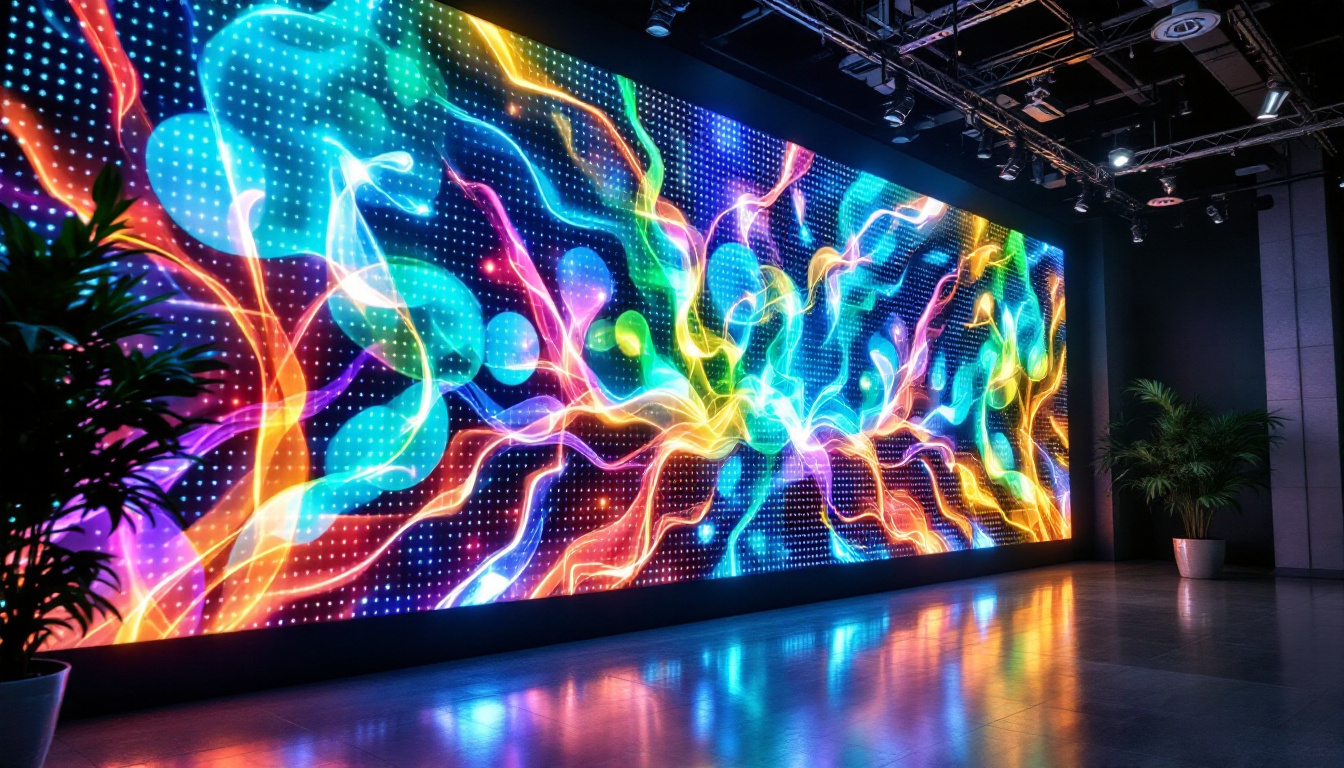
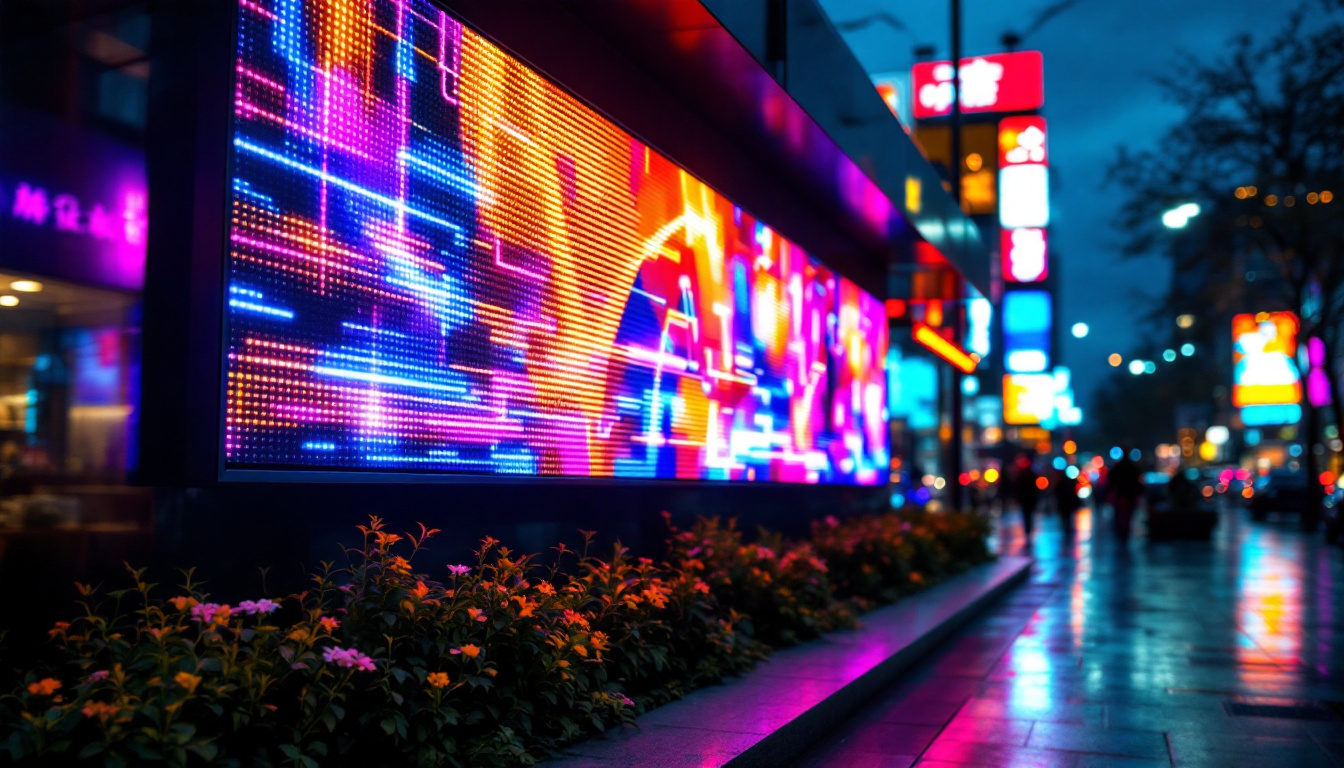
LED (Light Emitting Diode) billboards are large-scale digital displays that use millions of tiny LEDs to create bright, colorful images and videos. Unlike traditional static billboards that rely on printed vinyl or paper, LED billboards can dynamically change content, allowing advertisers to showcase multiple messages throughout the day.
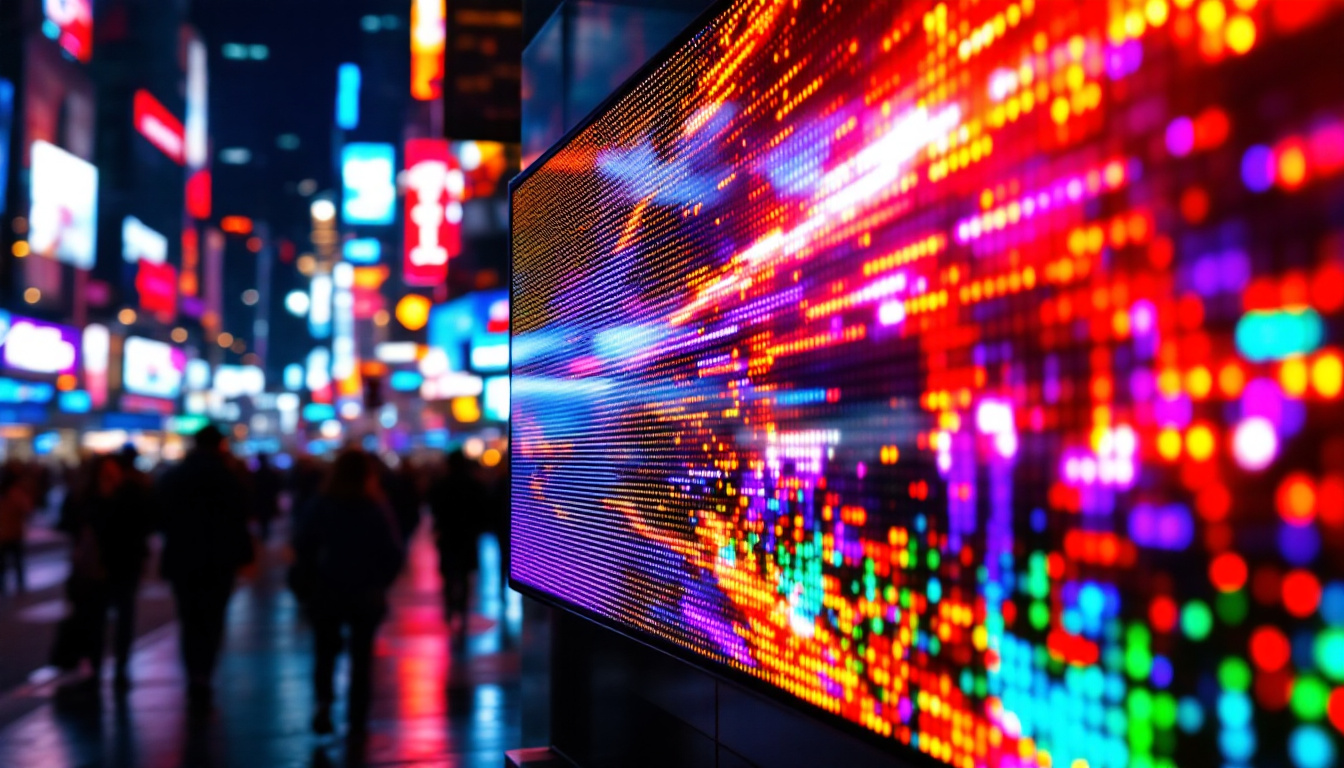
The technology behind LED billboards involves a matrix of LEDs arranged in panels. Each LED acts as a pixel, and by varying the intensity and color of each pixel, the display produces high-resolution images visible even in direct sunlight. This makes LED billboards highly effective for outdoor advertising, especially in high-traffic urban areas. Moreover, the energy efficiency of LEDs means that these billboards consume less power compared to traditional lighting systems, making them not only cost-effective but also environmentally friendly.
In addition to their vibrant displays, LED billboards can be programmed to change content based on various factors such as time of day, weather conditions, or even the demographics of the audience. For instance, a billboard might display a refreshing beverage advertisement during the hot summer months while promoting warm beverages in the winter. This level of adaptability allows advertisers to tailor their messages for maximum relevance, enhancing consumer engagement and driving higher conversion rates.
Evolution of Billboard Advertising
Billboard advertising has evolved significantly over the past century. From painted signs and printed posters to backlit panels, the industry’s shift to digital displays reflects broader trends in technology and consumer engagement. LED billboards represent the latest innovation, combining technology with marketing to deliver impactful messages that capture attention instantly. The transition to digital formats has also enabled the integration of interactive elements, such as QR codes or augmented reality features, which can further enhance viewer interaction and engagement.
As the landscape of advertising continues to shift, the role of LED billboards has become increasingly prominent. They not only serve as a canvas for brands but also as a platform for public service announcements and community messages. Cities have begun to utilize these displays to share important information, such as emergency alerts or public health campaigns, thereby enhancing their utility beyond traditional advertising. This dual functionality underscores the versatility of LED billboards, making them a vital component of modern urban infrastructure and communication strategies.
Advantages of LED Billboards Over Traditional Billboards
When considering a billboard for sale, understanding the benefits of LED technology is essential. Here are some key advantages that make LED billboards a preferred choice for advertisers worldwide:
1. Dynamic Content and Flexibility
One of the most significant benefits of LED billboards is their ability to display multiple advertisements or messages in rotation. This dynamic content capability allows businesses to tailor advertising based on time of day, target demographics, or special promotions without incurring additional printing costs.
For example, a restaurant can display breakfast deals in the morning and switch to dinner specials in the evening, maximizing the relevance and impact of their advertising.
2. Superior Visibility and Brightness
LED billboards offer exceptional brightness, often reaching up to 5,000 nits or more, which ensures visibility even in direct sunlight. This high luminance level makes the advertisements stand out clearly, day or night, enhancing brand recognition and recall.
In contrast, traditional billboards can become washed out or difficult to see in bright conditions, limiting their effectiveness.
3. Energy Efficiency and Longevity
Modern LED technology is designed to be energy-efficient, consuming significantly less power than older lighting methods such as neon or incandescent bulbs. Additionally, LEDs have a longer lifespan—often exceeding 100,000 hours—reducing maintenance and replacement costs over time.
4. Real-Time Updates and Interactivity
LED billboards can be updated remotely and in real-time, enabling advertisers to respond quickly to market changes or events. Some advanced LED displays also support interactive features, such as QR codes or social media integration, fostering greater consumer engagement.
Types of LED Billboards
Not all LED billboards are created equal. Their design and specifications vary based on intended use, location, and budget. Understanding the different types can help buyers make informed decisions.
1. Outdoor LED Billboards
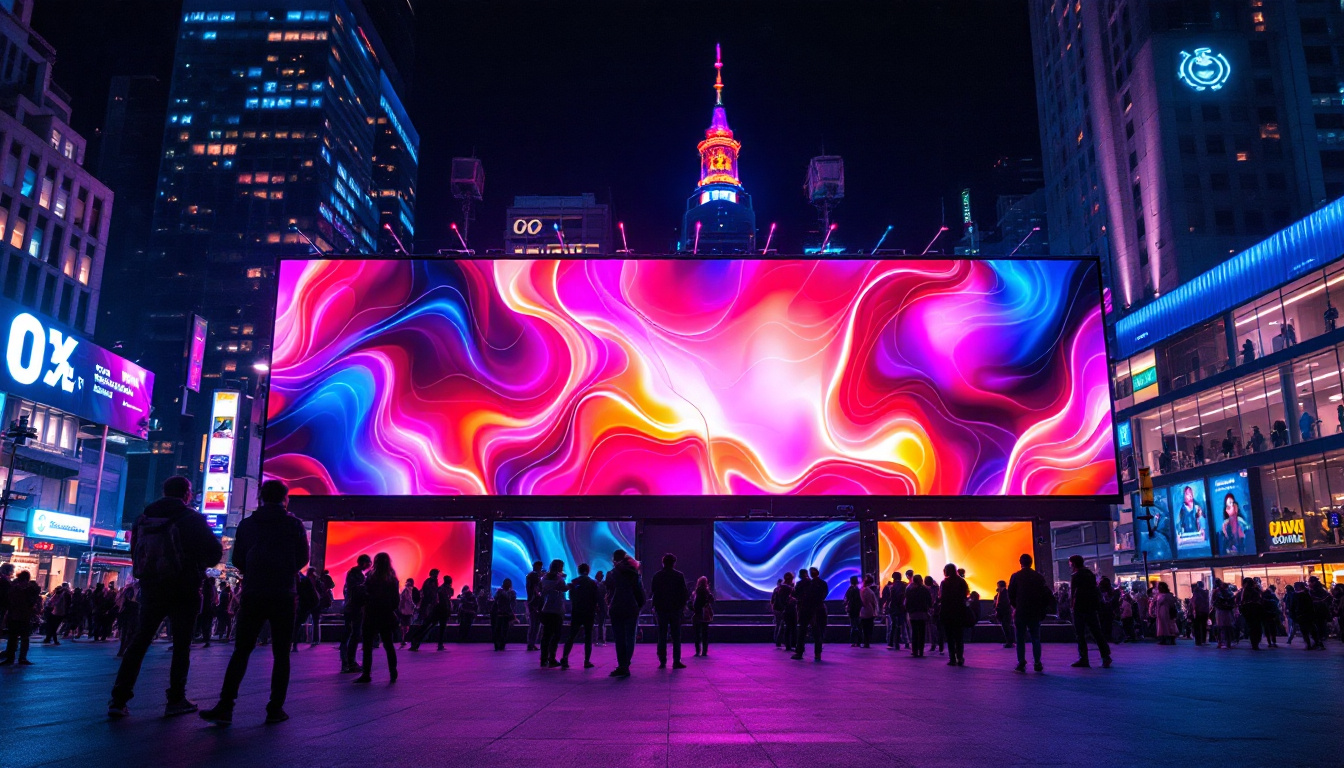
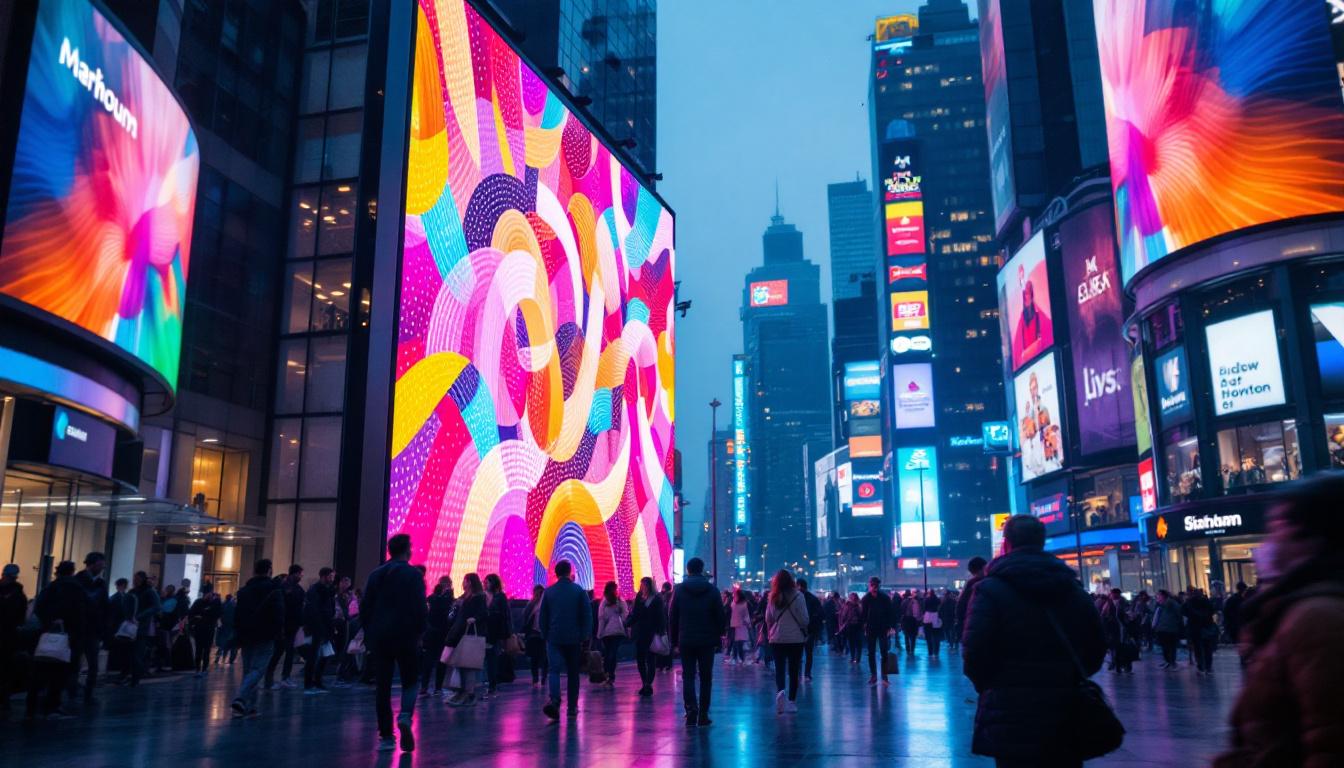
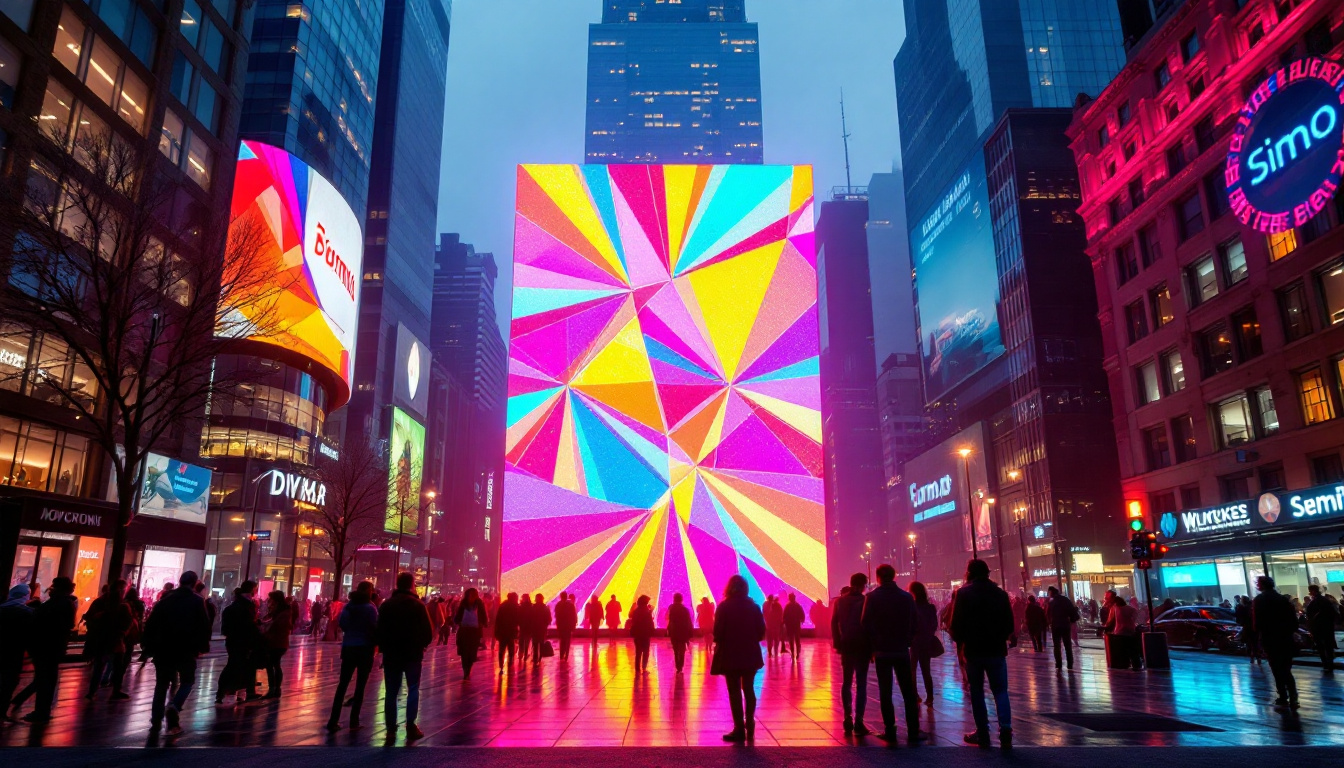
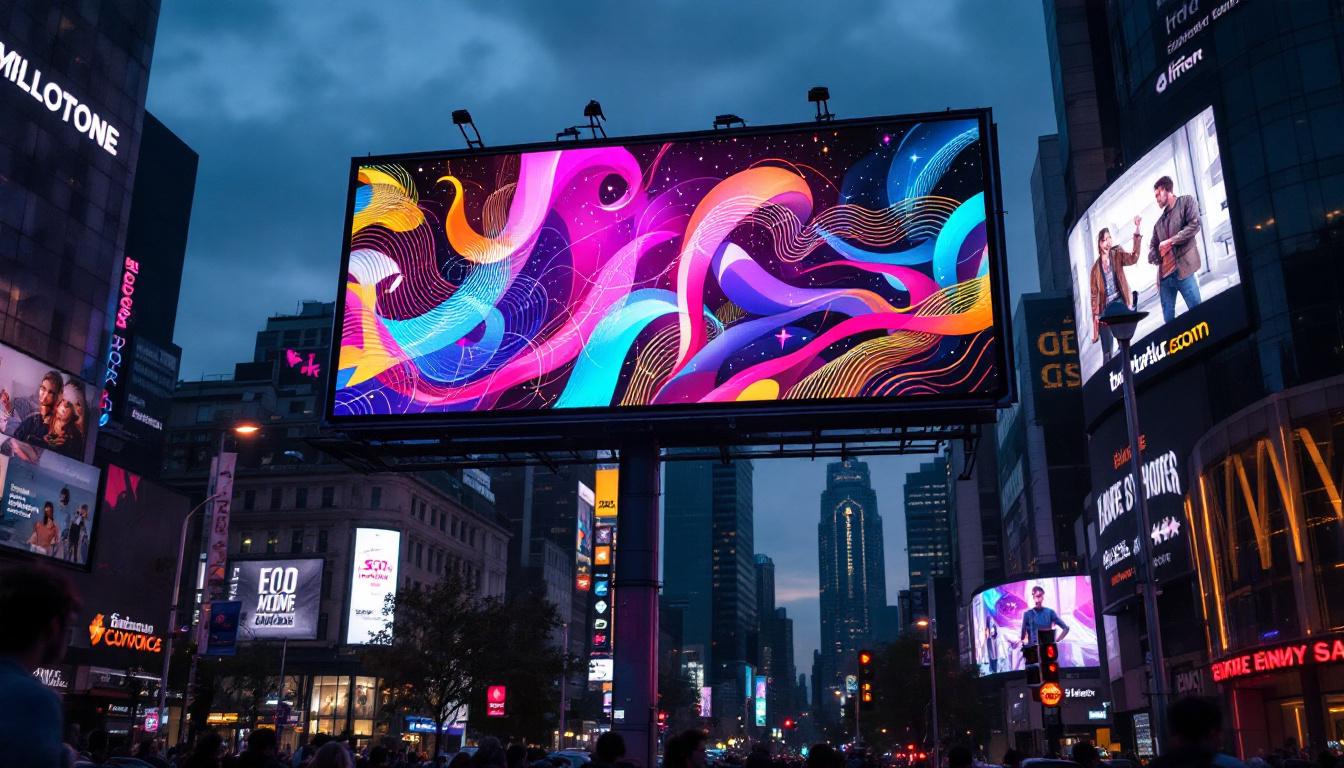
These are the most common type, designed to withstand harsh weather conditions such as rain, wind, and extreme temperatures. Outdoor LED billboards typically feature high brightness levels and robust enclosures to ensure durability and visibility in all environments.
They are usually installed along highways, city streets, and public transit hubs, where they can capture the attention of large audiences.
2. Indoor LED Displays
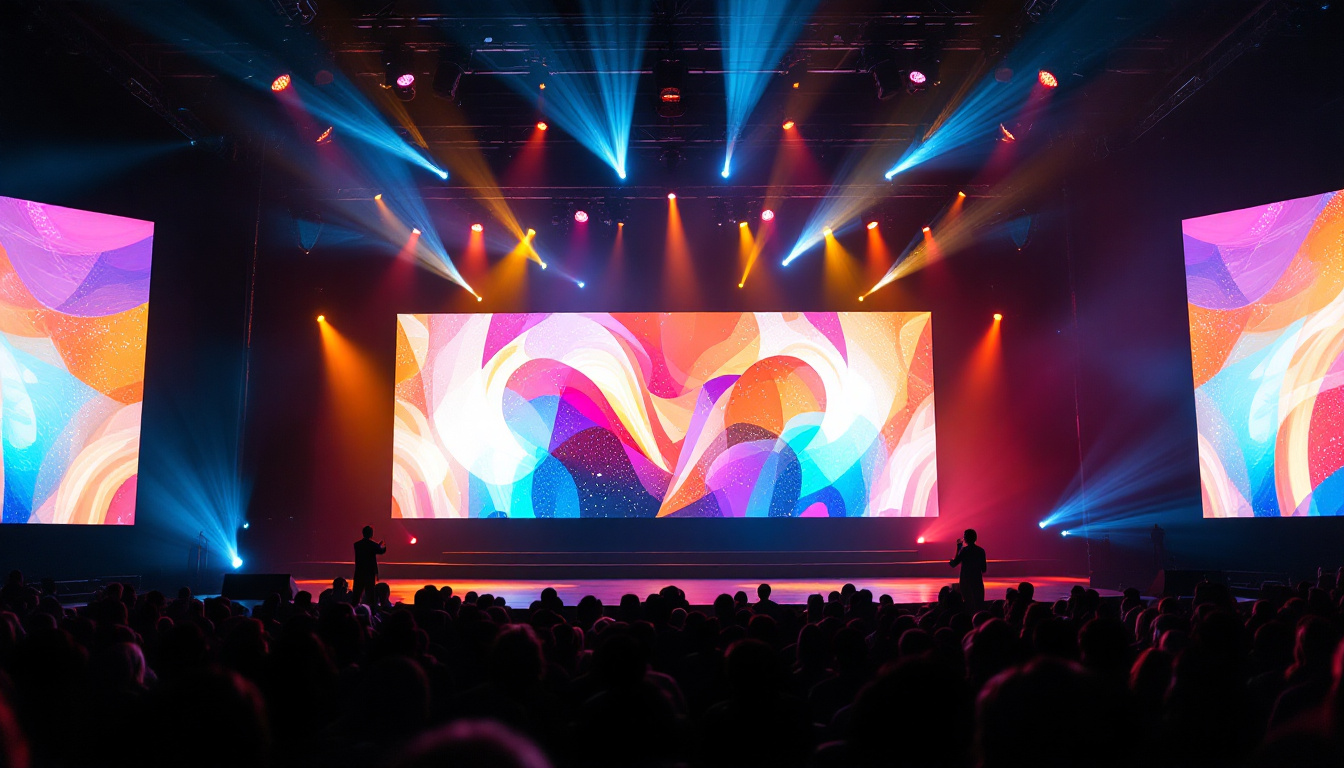
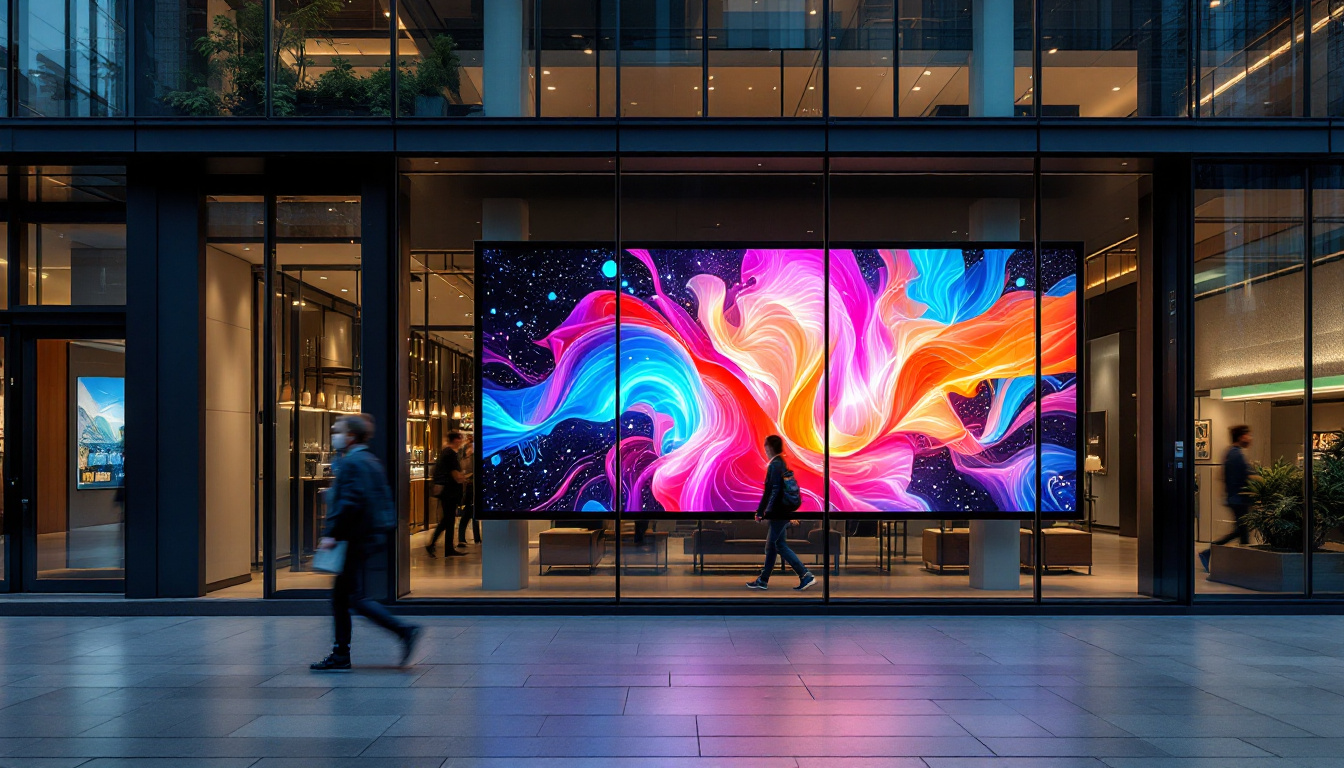
Indoor LED billboards are used in shopping malls, airports, stadiums, and conference centers. They generally have lower brightness requirements but offer higher resolution and pixel density for close viewing distances.
These displays are ideal for detailed graphics, videos, and interactive content, enhancing customer experience in enclosed spaces.
3. Mobile LED Billboards
Mobile LED billboards are mounted on trucks or trailers, allowing advertisers to take their message on the road. This flexibility is perfect for event promotions, parades, or targeted campaigns in different neighborhoods.
Though smaller in size compared to fixed billboards, mobile LED displays still provide vivid visuals and dynamic content capabilities.
Key Technical Specifications to Consider
When purchasing an LED billboard, several technical factors impact performance, cost, and suitability for specific advertising goals. Understanding these specifications ensures the investment aligns with business needs.
Pixel Pitch
Pixel pitch refers to the distance between the centers of two adjacent LEDs, measured in millimeters. It directly affects the display’s resolution and viewing distance. A smaller pixel pitch means higher resolution and clearer images, especially at close range.
For outdoor billboards viewed from a distance of 50 feet or more, pixel pitches between 10mm and 20mm are common. Indoor displays, where viewers are closer, often use pixel pitches as low as 1.5mm to 4mm for sharper visuals.
Brightness
Brightness is measured in nits (candelas per square meter). Outdoor LED billboards typically require brightness levels of 5,000 nits or higher to remain visible under direct sunlight. Indoor displays usually operate at 800 to 1,200 nits, sufficient for controlled lighting environments.
Refresh Rate
The refresh rate, measured in Hertz (Hz), indicates how often the display updates its image per second. Higher refresh rates reduce flicker and improve video smoothness, which is critical for capturing attention and ensuring comfortable viewing.
For outdoor LED billboards, a refresh rate of at least 1,000 Hz is recommended to avoid flickering when viewed through cameras or smartphones.
Viewing Angle
The viewing angle defines the maximum angle from which the display can be seen clearly. Wider viewing angles ensure the advertisement is visible from various perspectives, increasing its effectiveness in busy public spaces.
Cost Factors and Budgeting
Investing in an LED billboard involves several cost components beyond the initial purchase price. Understanding these factors helps businesses budget accurately and avoid unexpected expenses.
Initial Purchase Price
The cost of an LED billboard depends on size, resolution, brightness, and additional features. On average, outdoor LED billboards can range from $10,000 for small units to over $100,000 for large, high-resolution displays.
Installation and Site Preparation
Installation costs vary based on location, mounting requirements, and electrical infrastructure. Site preparation may include permits, structural supports, and electrical hookups, which can add thousands to the overall expense.
Maintenance and Operating Costs
While LEDs are energy-efficient, running a large billboard 24/7 can still lead to significant electricity bills. Maintenance costs include cleaning, repairs, and software updates. Many providers offer service contracts to manage upkeep efficiently.
Content Management
Creating and scheduling content requires software and sometimes professional services. Some LED billboard providers include content management systems (CMS) in their packages, while others charge separately.
Legal and Regulatory Considerations
Before purchasing and installing an LED billboard, it is essential to understand local laws and regulations that govern outdoor advertising. Compliance ensures smooth operation and avoids fines or forced removal.
Zoning and Permits
Most municipalities regulate billboard placement through zoning laws. These laws specify where billboards can be installed, their size, and lighting restrictions. Obtaining the necessary permits often involves submitting detailed plans and paying fees.
Brightness and Light Pollution Regulations
To minimize light pollution and driver distraction, some jurisdictions impose limits on billboard brightness and operational hours. Ensuring the LED display meets these standards is critical for legal compliance.
Content Restrictions
Certain types of content, such as tobacco or alcohol advertising, may be restricted or prohibited in some areas. Advertisers should verify content guidelines to avoid violations.
Choosing the Right LED Billboard for Your Business
With so many factors to consider, selecting the ideal LED billboard requires a strategic approach tailored to specific marketing objectives and budget constraints.
Assess Your Advertising Goals
Define what you want to achieve with your billboard—brand awareness, product promotion, event advertising, or a combination. This clarity will guide decisions about size, location, and content strategy.
Evaluate Location and Audience
High-traffic areas with good visibility yield the best return on investment. Consider demographics, traffic patterns, and competitor presence when choosing a site.
Consult with Experienced Providers
Partnering with reputable LED billboard manufacturers and installation companies ensures access to quality products, professional support, and ongoing maintenance services.
Plan for Content Creation and Management
Effective content is key to maximizing the impact of your LED billboard. Invest in creative design and reliable content management tools to keep your messaging fresh and engaging.
Future Trends in LED Billboard Technology
The LED billboard industry continues to innovate, integrating new technologies that enhance functionality and user engagement.
Integration with AI and Data Analytics
Advanced LED billboards are beginning to incorporate AI-driven content optimization, adjusting advertisements based on real-time data such as weather, traffic conditions, and audience demographics.
Interactive and Augmented Reality Features
Emerging displays offer interactive capabilities, allowing passersby to engage with advertisements via smartphones or gestures, creating immersive brand experiences.
Energy Harvesting and Sustainability
Future LED billboards may incorporate solar panels and energy storage solutions to reduce environmental impact and operational costs.
Conclusion
LED billboards represent a powerful tool in the modern advertising arsenal, combining technological sophistication with marketing flexibility. Understanding the technology, benefits, types, technical specifications, and legal considerations is essential for businesses looking to invest in a billboard for sale.
By carefully evaluating needs, budget, and location, and partnering with experienced providers, advertisers can leverage LED displays to create compelling, dynamic campaigns that capture attention and drive results in today’s competitive marketplace.
Illuminate Your Brand with LumenMatrix
Ready to elevate your advertising strategy with the brilliance of LED technology? Discover LumenMatrix’s comprehensive range of LED display solutions, from vibrant Indoor and Outdoor LED Wall Displays to dynamic Vehicle and Sports LED Displays. With our innovative LED Poster, Floor, Custom, and All-in-One LED Displays, including the captivating LED Transparent Display, your brand can shine brighter than ever. Embrace the future of visual communication with LumenMatrix and create unforgettable visual experiences that resonate with your audience. Check out LumenMatrix LED Display Solutions today and transform your message into a visual spectacle!