The outdoor advertising industry has undergone a remarkable transformation over the past decade, driven largely by advancements in digital technology. Among the most significant innovations is the rise of LED display billboards, which have revolutionized how brands communicate with their audiences in public spaces. For entrepreneurs and investors considering entering the billboard advertising business, understanding LED display technology is crucial to making informed decisions, especially when evaluating opportunities to purchase an existing billboard advertising business.
This article delves into the essentials of LED billboard advertising, explores the business model, highlights the benefits and challenges, and provides insights into what to consider when buying a billboard advertising business featuring LED displays.
Understanding LED Billboard Displays
What Are LED Billboards?
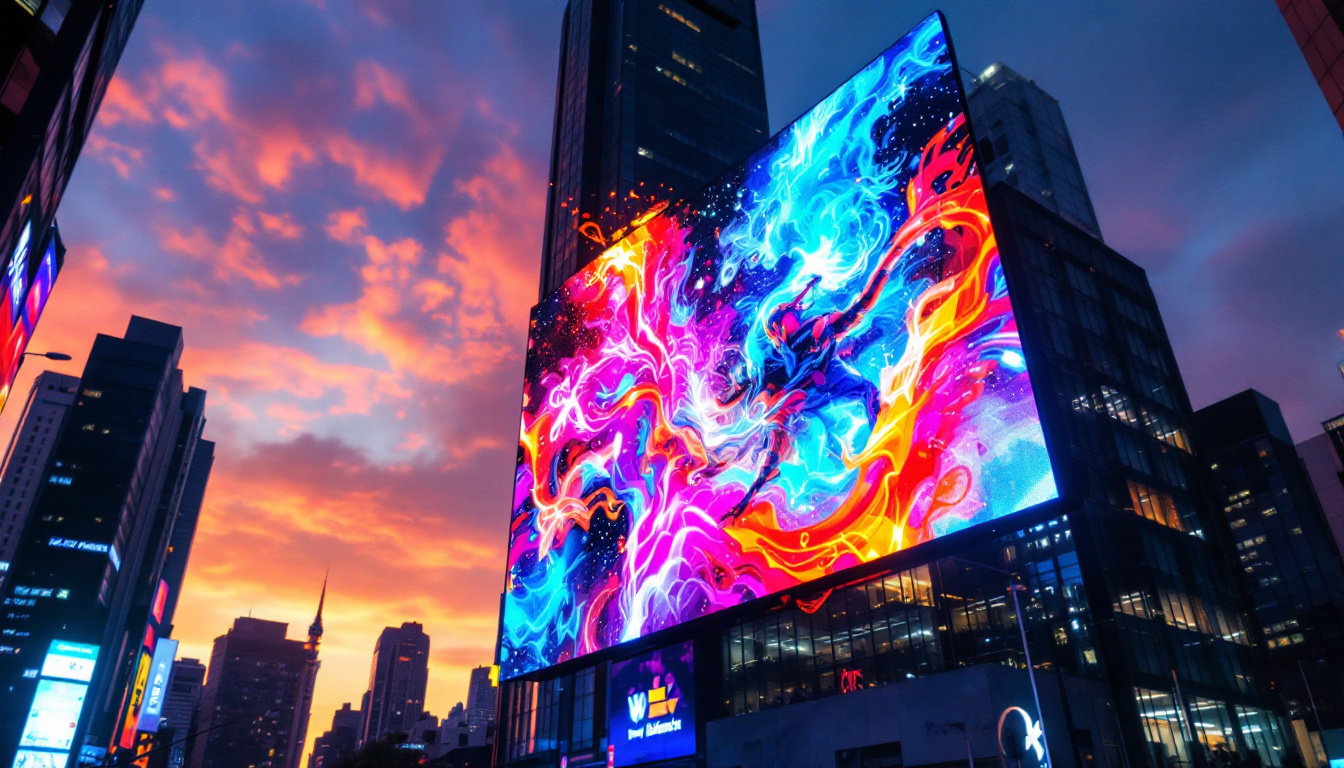
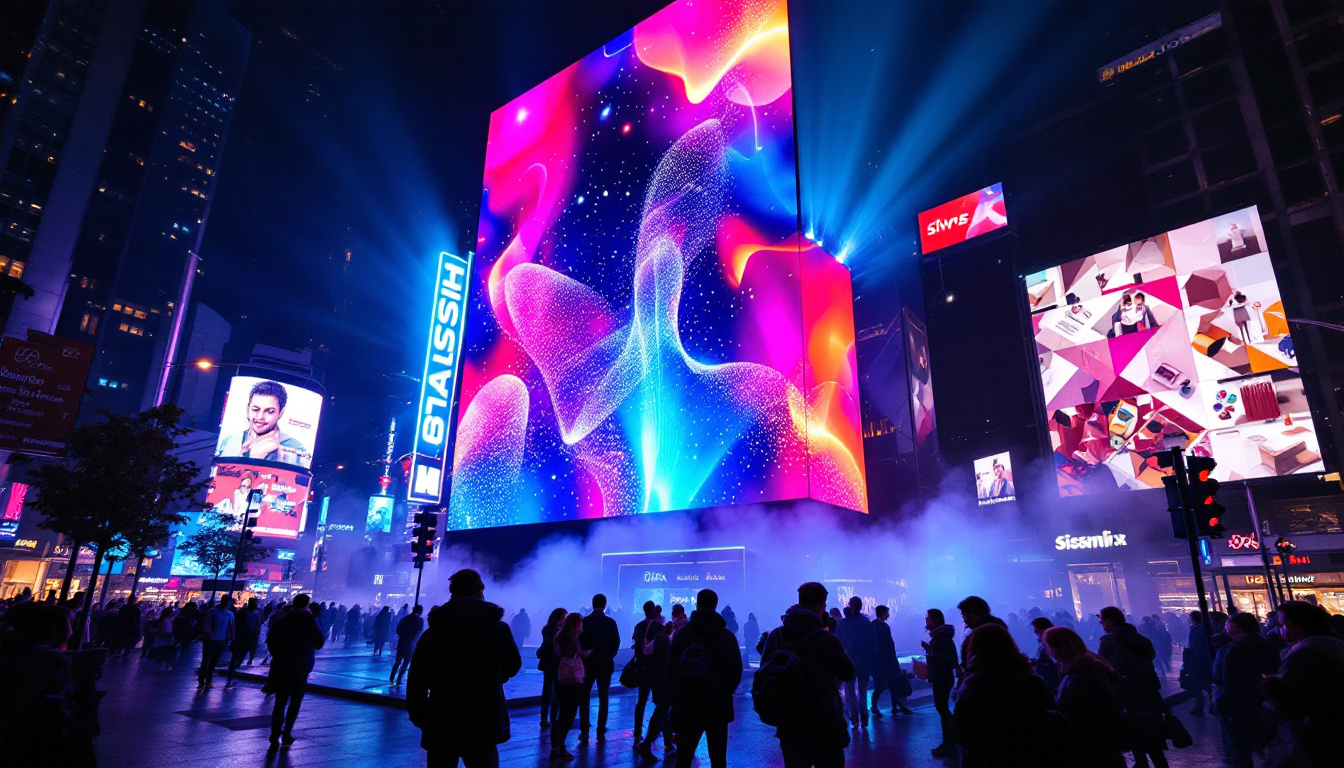
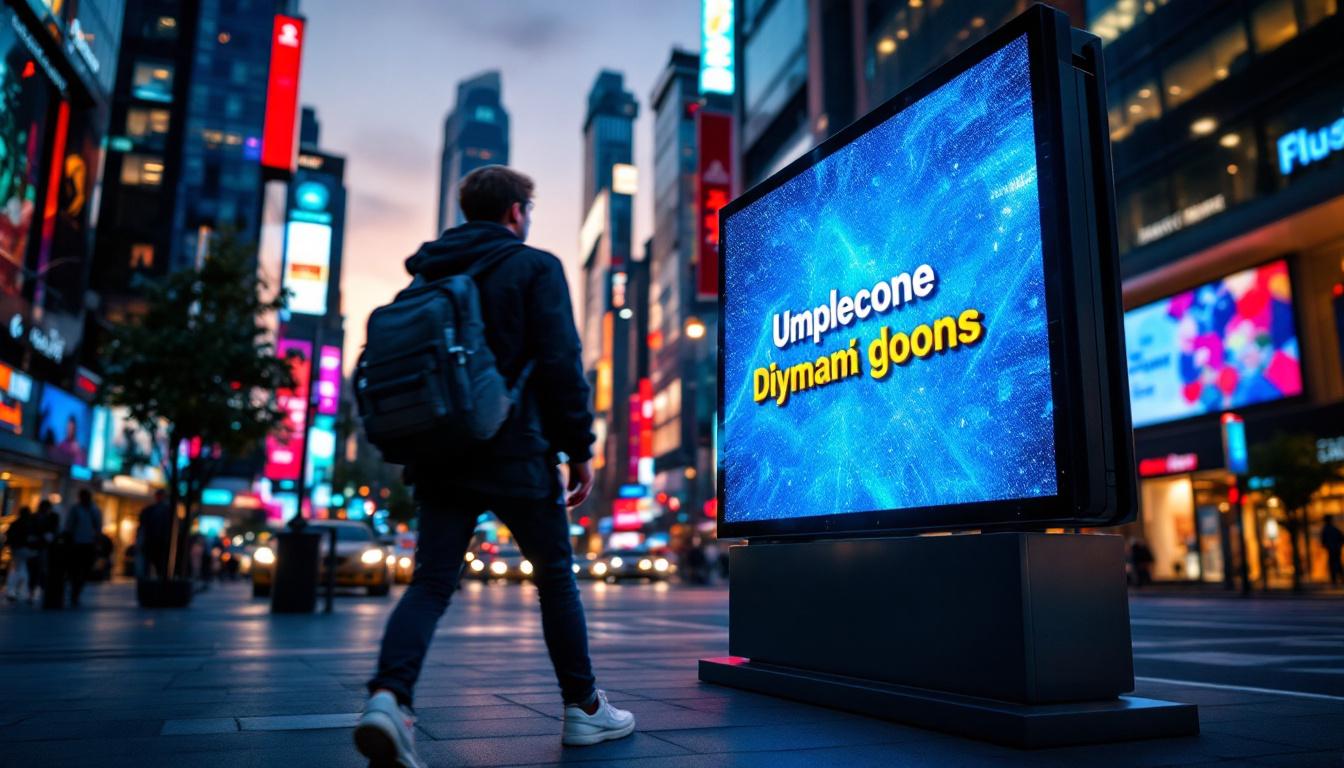
LED (Light Emitting Diode) billboards are large-scale digital advertising displays that use thousands of tiny LED lights to create bright, dynamic images and videos. Unlike traditional static billboards that rely on printed vinyl or paper posters, LED billboards can change their content remotely and instantaneously, offering advertisers the flexibility to showcase multiple ads throughout the day. This adaptability not only maximizes advertising potential but also allows for real-time updates, making it possible to respond to current events, promotions, or even weather conditions, thereby enhancing the relevance of the advertisements shown.
LED technology allows for vivid colors, high brightness, and excellent visibility in various lighting conditions, including direct sunlight. This makes LED billboards an effective medium for capturing the attention of drivers, pedestrians, and commuters. Additionally, the ability to display high-definition video content means that advertisers can engage audiences with storytelling and immersive experiences, which can lead to higher retention rates and increased consumer interest. With the rise of digital marketing, LED billboards have become an essential tool for brands looking to stand out in a crowded marketplace.
Technical Components of LED Displays
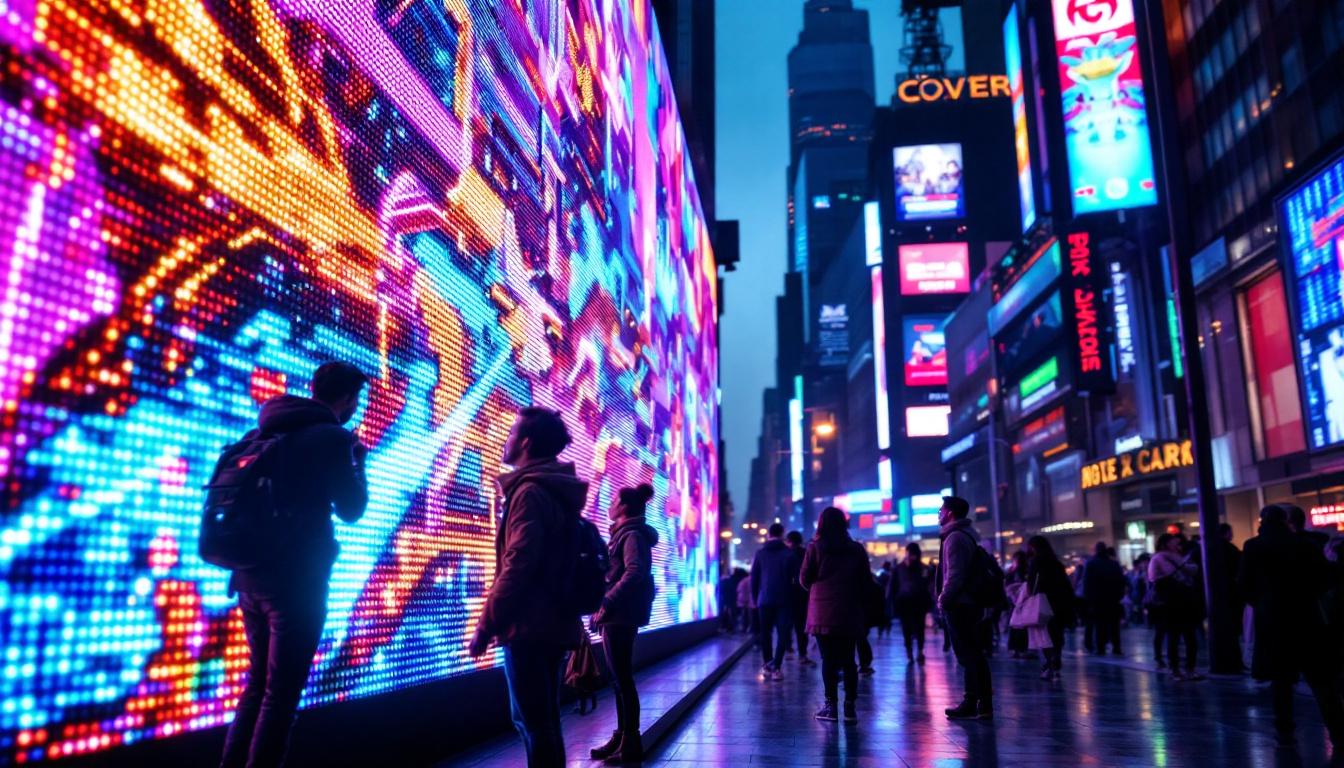
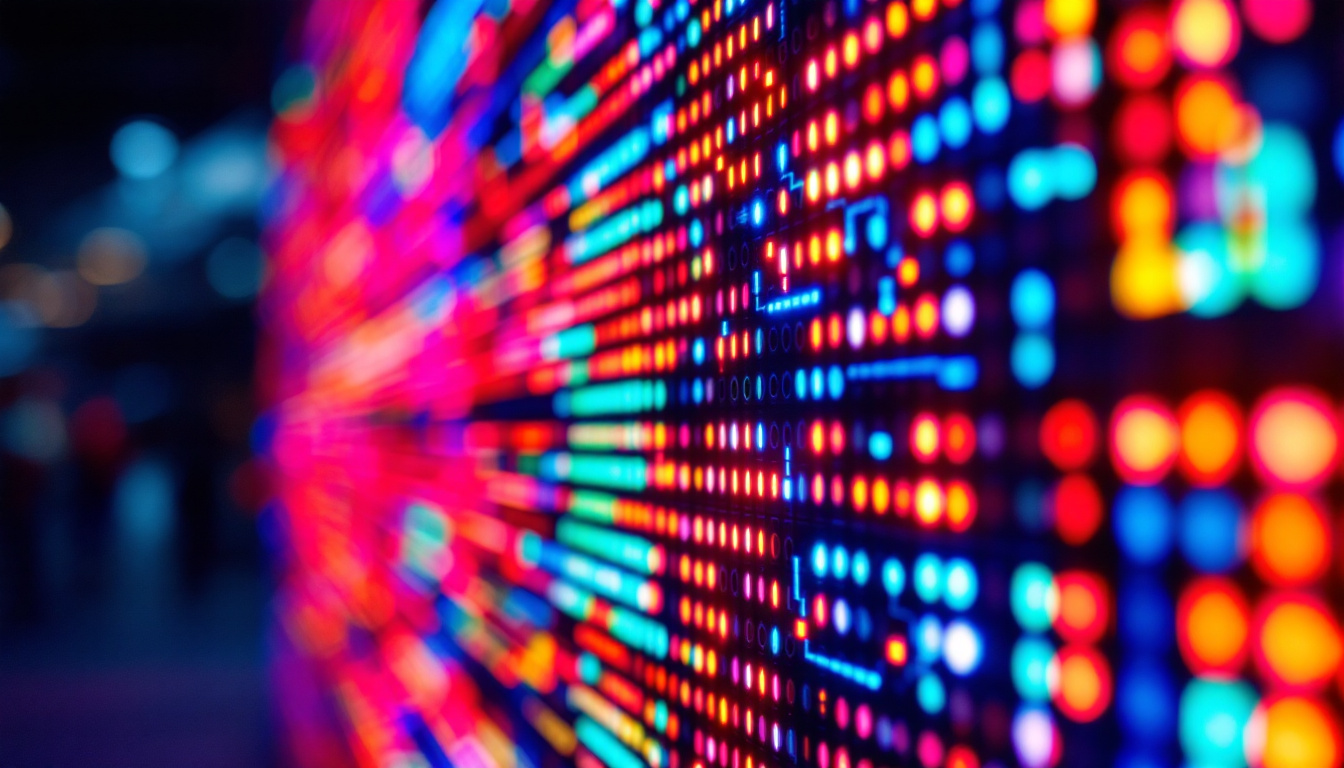
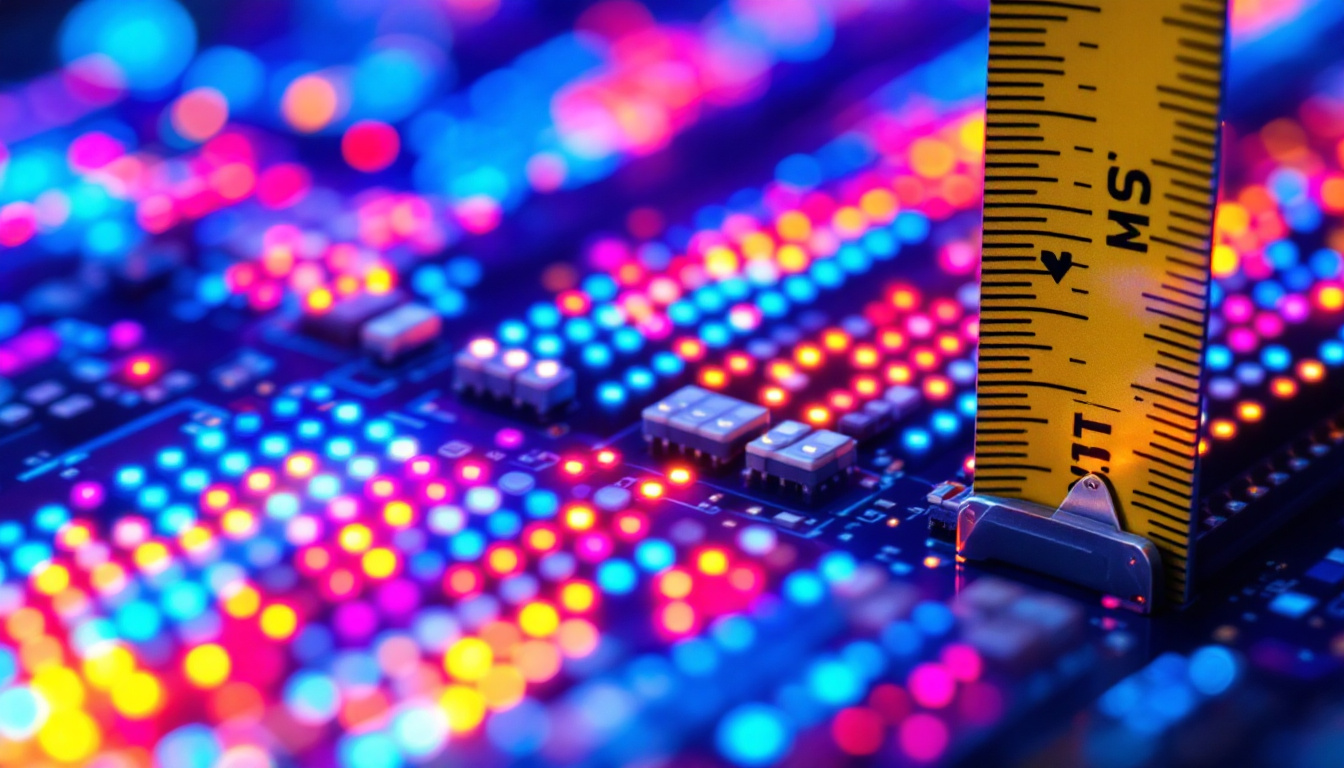
At the core of an LED billboard is the LED module, which consists of clusters of red, green, and blue diodes. These diodes combine to produce millions of colors, enabling the display of full-motion video, animations, and high-resolution images. The pixel pitch, which refers to the distance between the centers of adjacent LEDs, determines the display’s resolution and viewing distance suitability. Smaller pixel pitches offer higher resolution but come at a higher cost, making them ideal for close-range viewing areas. For instance, urban environments where viewers are often closer to the display can benefit from a finer pixel pitch, while larger billboards on highways might utilize a coarser pitch to maintain visibility from greater distances.
Other critical components include the control system, which manages content scheduling and playback; power supply units; and weatherproof enclosures to protect the electronics from environmental damage. Modern LED billboards often incorporate remote monitoring capabilities, allowing operators to detect and resolve issues quickly. Furthermore, advancements in technology have led to the integration of smart features, such as sensors that adjust brightness based on ambient light conditions, ensuring optimal visibility at all times. This not only enhances the viewing experience but also contributes to energy efficiency, making LED billboards a more sustainable advertising option. As the technology continues to evolve, we can expect even more innovative features that will further enhance the functionality and effectiveness of LED displays in the advertising landscape.
The Billboard Advertising Business Model
Revenue Streams and Pricing Strategies
Billboard advertising businesses generate revenue primarily by leasing advertising space to brands, agencies, and local businesses. LED billboards offer premium pricing opportunities because of their dynamic content capabilities and higher engagement levels. Advertisers are often willing to pay more for the ability to run multiple ads, time-specific campaigns, or interactive content.
Pricing models vary but typically include:
- Monthly or quarterly rental fees: Advertisers pay a fixed fee to display their ads for a set period.
- Time-of-day pricing: Higher rates during peak traffic hours or special events.
- Programmatic advertising: Some LED billboards integrate with digital ad networks, allowing real-time bidding for ad slots.
Understanding local market demand, traffic patterns, and competitor pricing is essential for setting competitive rates that maximize occupancy and revenue.
Operational Considerations
Running a billboard advertising business requires managing several operational aspects, including site acquisition and leasing, maintenance, content management, and compliance with local regulations. LED billboards demand regular technical maintenance to ensure optimal performance and longevity. This includes cleaning, software updates, and hardware repairs.
Additionally, content management involves scheduling advertisements, ensuring compliance with advertising standards, and sometimes creating or approving ad content. Many billboard companies partner with advertising agencies or use specialized software platforms to streamline these processes.
Advantages of LED Billboard Advertising
Enhanced Visibility and Engagement
LED billboards are significantly more eye-catching than traditional static billboards. Their brightness and ability to display moving images naturally draw more attention, increasing the likelihood that viewers will notice and remember the advertised message. According to the Outdoor Advertising Association of America (OAAA), digital billboards can increase brand recall by up to 47% compared to static billboards.
Furthermore, the ability to display multiple ads on the same billboard throughout the day allows advertisers to tailor messages based on time, audience demographics, or special promotions.
Flexibility and Real-Time Updates
One of the most compelling benefits of LED billboards is their flexibility. Advertisers can update their campaigns instantly, enabling real-time marketing responses to events, weather changes, or trending topics. For example, a restaurant can promote breakfast specials in the morning and dinner deals in the evening without additional printing or installation costs.
This dynamic capability also supports emergency alerts and public service announcements, adding community value and sometimes generating goodwill for billboard operators.
Higher Return on Investment (ROI)
While LED billboards require a higher initial investment compared to traditional billboards, their potential for higher revenue and lower ongoing costs (such as printing and installation) often results in a better ROI. Additionally, LED technology is becoming more energy-efficient, reducing electricity expenses over time.
Challenges and Considerations When Buying an LED Billboard Business
Capital Investment and Financing
Purchasing an LED billboard advertising business involves significant upfront capital. The cost of LED displays varies widely depending on size, resolution, and location, with prices ranging from $50,000 to over $500,000 per display. Beyond the hardware, expenses include site leasing or acquisition, permits, installation, and operational setup.
Prospective buyers should carefully evaluate the financial health of the business, including current contracts, occupancy rates, and potential for growth. Securing financing may require detailed business plans and projections demonstrating profitability and cash flow stability.
Regulatory and Zoning Compliance
Billboard advertising is heavily regulated at the local and state levels. Regulations often govern billboard size, brightness, content restrictions, and placement to minimize visual pollution and ensure road safety. LED billboards, with their brightness and dynamic content, may face stricter scrutiny.
When purchasing an existing billboard business, it is critical to verify that all permits and licenses are current and transferable. Understanding local ordinances and potential changes in regulations is essential to avoid costly compliance issues or forced removal of displays.
Technological Obsolescence and Maintenance
LED technology continues to evolve rapidly. While current LED displays offer excellent performance, newer models may provide better resolution, energy efficiency, or connectivity features. Buyers should assess the condition and age of existing equipment and consider future upgrade costs.
Maintenance is another critical factor. LED billboards require periodic servicing to replace faulty modules, update software, and maintain brightness levels. Establishing relationships with reliable service providers and budgeting for ongoing maintenance is vital for sustained operation.
Evaluating an LED Billboard Business for Sale
Assessing Location and Traffic Data
Location remains the single most important factor influencing billboard revenue. High-traffic areas with good visibility to commuters and pedestrians command premium advertising rates. Buyers should analyze traffic counts, demographic data, and visibility factors such as sightlines and obstructions.
Utilizing tools like traffic studies, GPS data, and local planning documents can provide insight into current and future audience reach. Additionally, understanding the competitive landscape—how many billboards exist nearby and their occupancy rates—helps gauge market saturation and pricing potential.
Reviewing Existing Contracts and Client Relationships
Existing advertising contracts represent immediate revenue streams and business stability. Buyers should review contract terms, durations, renewal options, and client profiles to understand revenue predictability and client retention risks.
Strong relationships with local businesses and advertising agencies can be a valuable asset. Evaluating the quality of these relationships and the potential for upselling or cross-selling digital advertising services is important for growth prospects.
Financial Performance and Growth Potential
Analyzing historical financial statements, including revenue, expenses, profit margins, and cash flow, provides a clear picture of business performance. Key metrics to consider include occupancy rates, average revenue per ad slot, and operating costs.
Buyers should also identify growth opportunities such as expanding the number of LED displays, upgrading technology, or diversifying into related advertising channels. Understanding market trends, such as increasing demand for programmatic digital out-of-home advertising, can inform strategic planning.
Conclusion: Is Investing in an LED Billboard Advertising Business Right for You?
The billboard advertising industry is evolving rapidly, with LED display technology at the forefront of this transformation. Investing in an LED billboard advertising business offers the potential for attractive returns, driven by enhanced advertiser engagement, flexible content capabilities, and premium pricing opportunities.
However, success requires a thorough understanding of the technology, market dynamics, regulatory environment, and operational challenges. Prospective buyers should conduct comprehensive due diligence, including technical assessments, financial analysis, and market research, to ensure the investment aligns with their strategic goals and risk tolerance.
For those ready to navigate this dynamic industry, owning and operating LED billboard displays can be a rewarding business venture that combines cutting-edge technology with powerful marketing impact.
Discover Cutting-Edge LED Display Solutions with LumenMatrix
Ready to elevate your advertising strategy with the latest in LED technology? LumenMatrix is at the forefront of innovation, offering a diverse range of LED display solutions tailored to your needs. From captivating Indoor and Outdoor LED Wall Displays to dynamic Vehicle and Sports LED Displays, our products are designed to maximize brand visibility and audience engagement. Embrace the future of visual communication with our All-in-One, Custom, and Transparent LED Displays. Check out LumenMatrix LED Display Solutions today and transform your advertising potential.