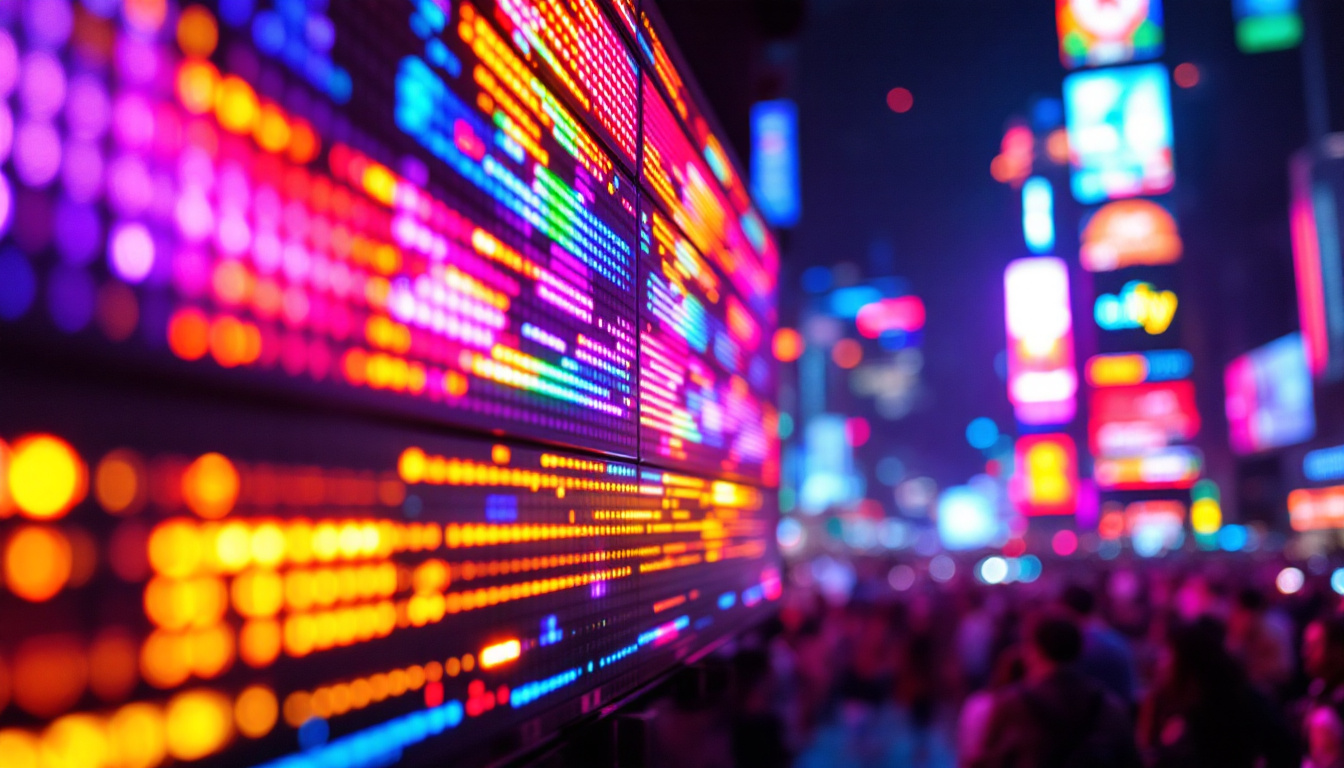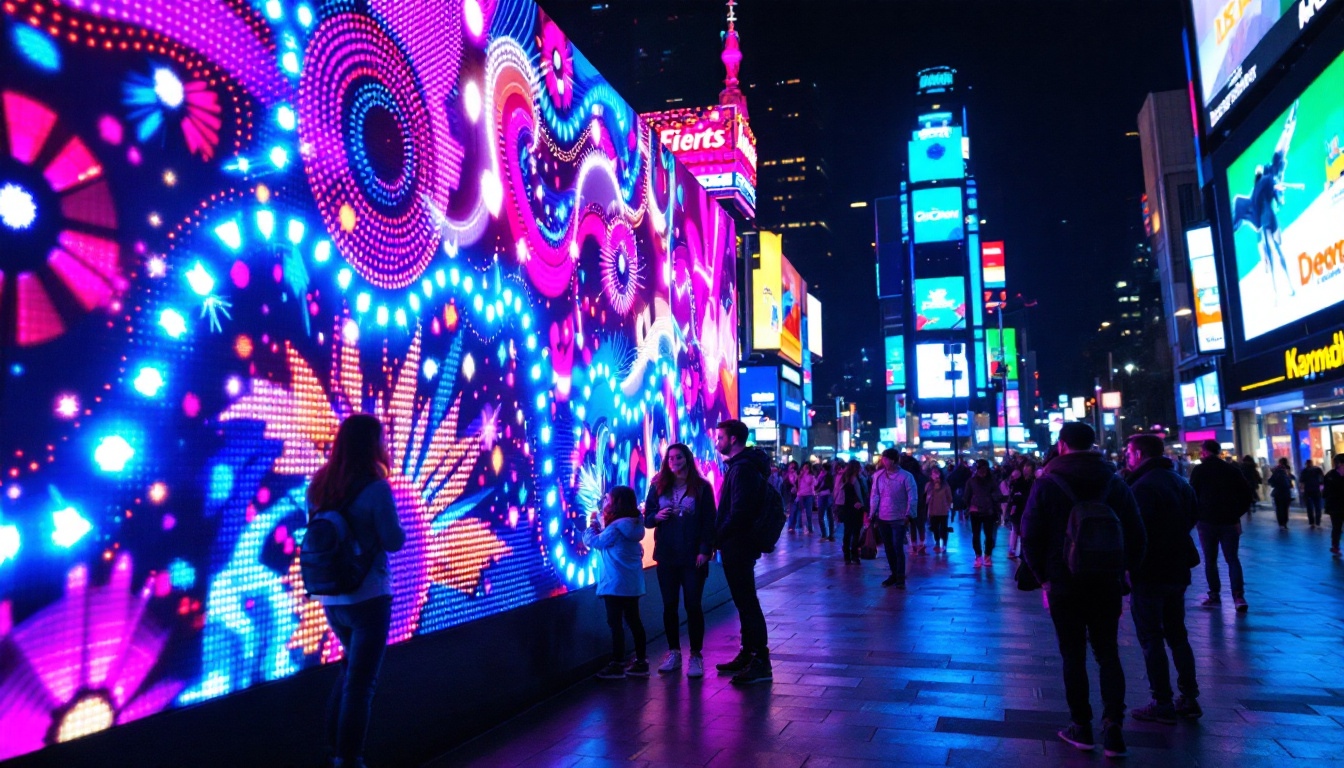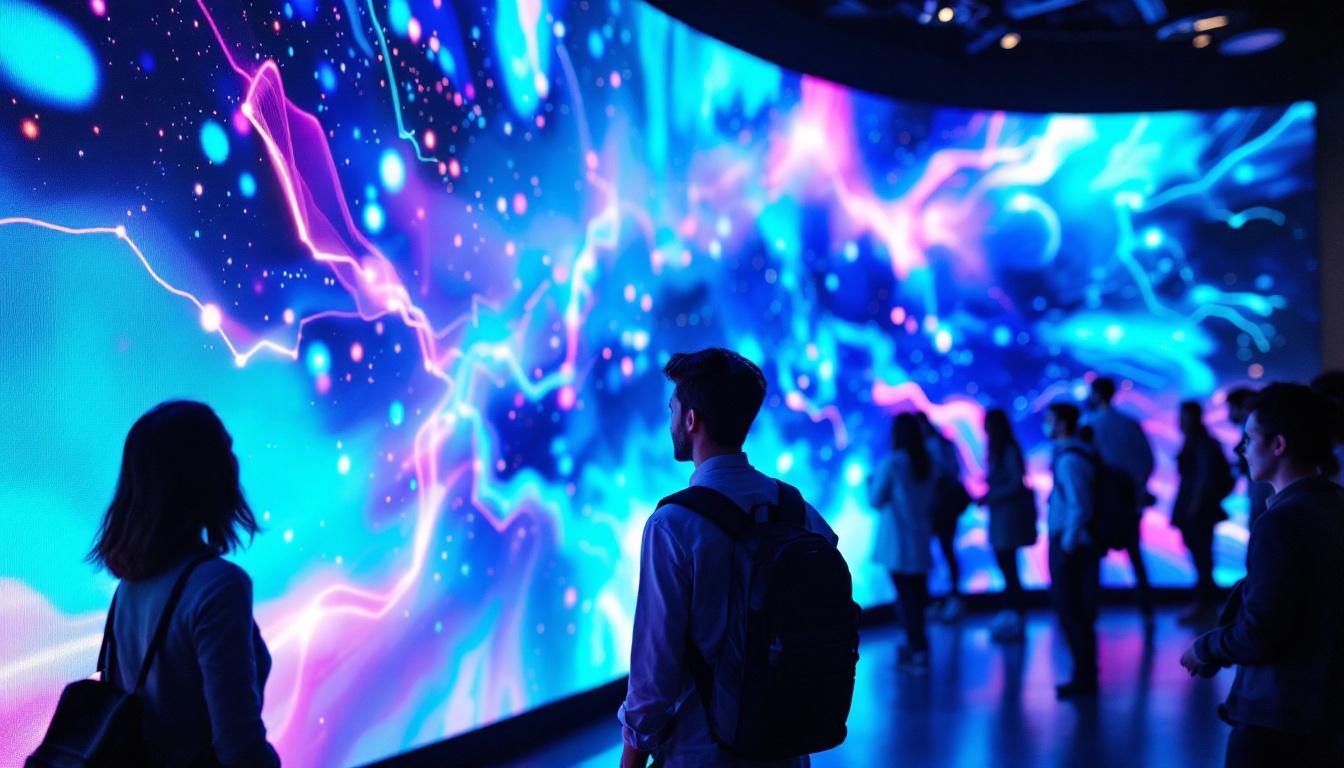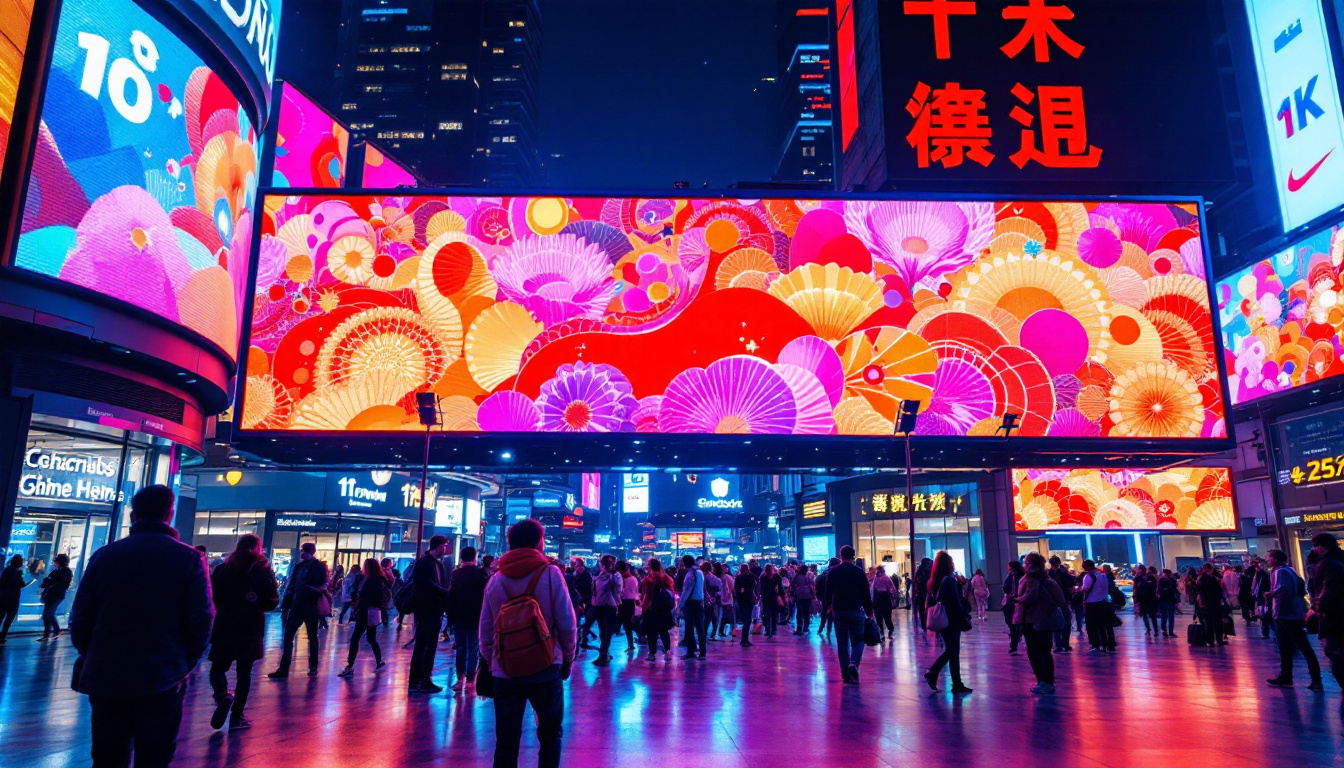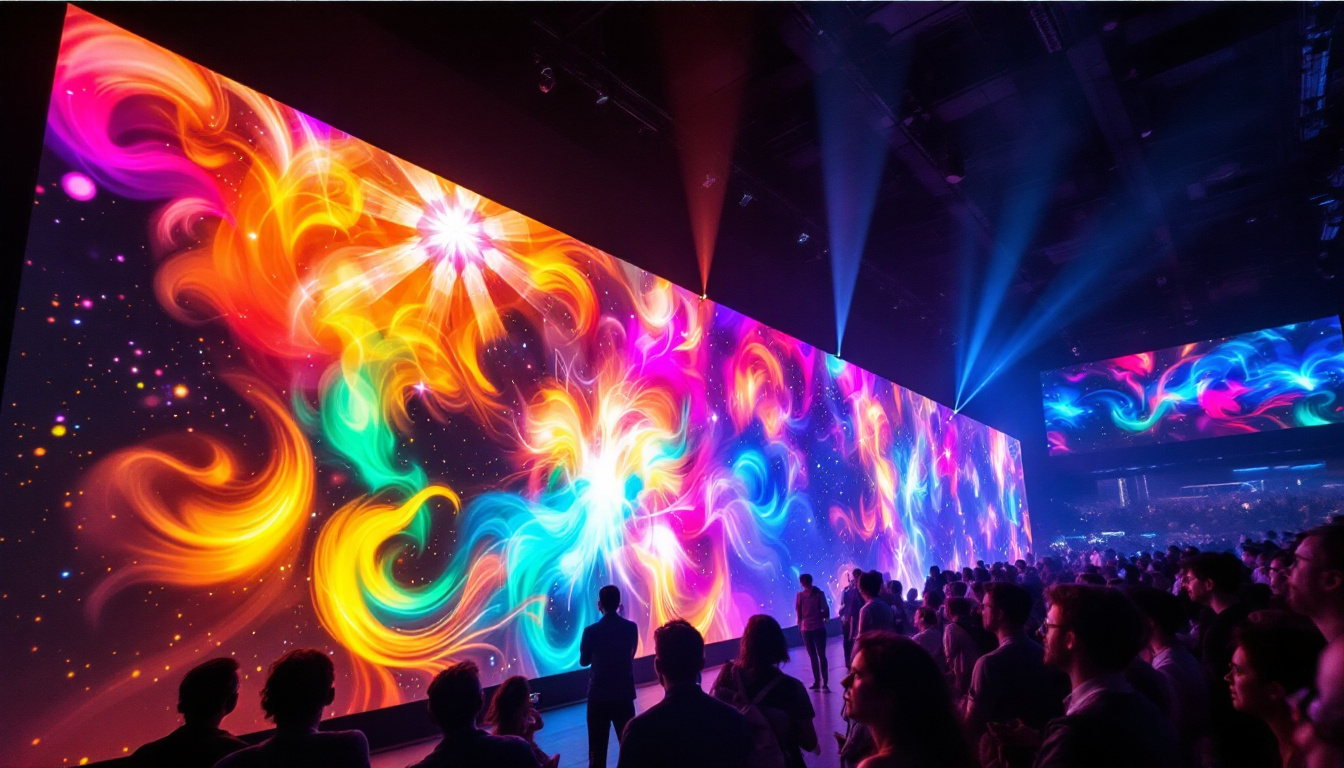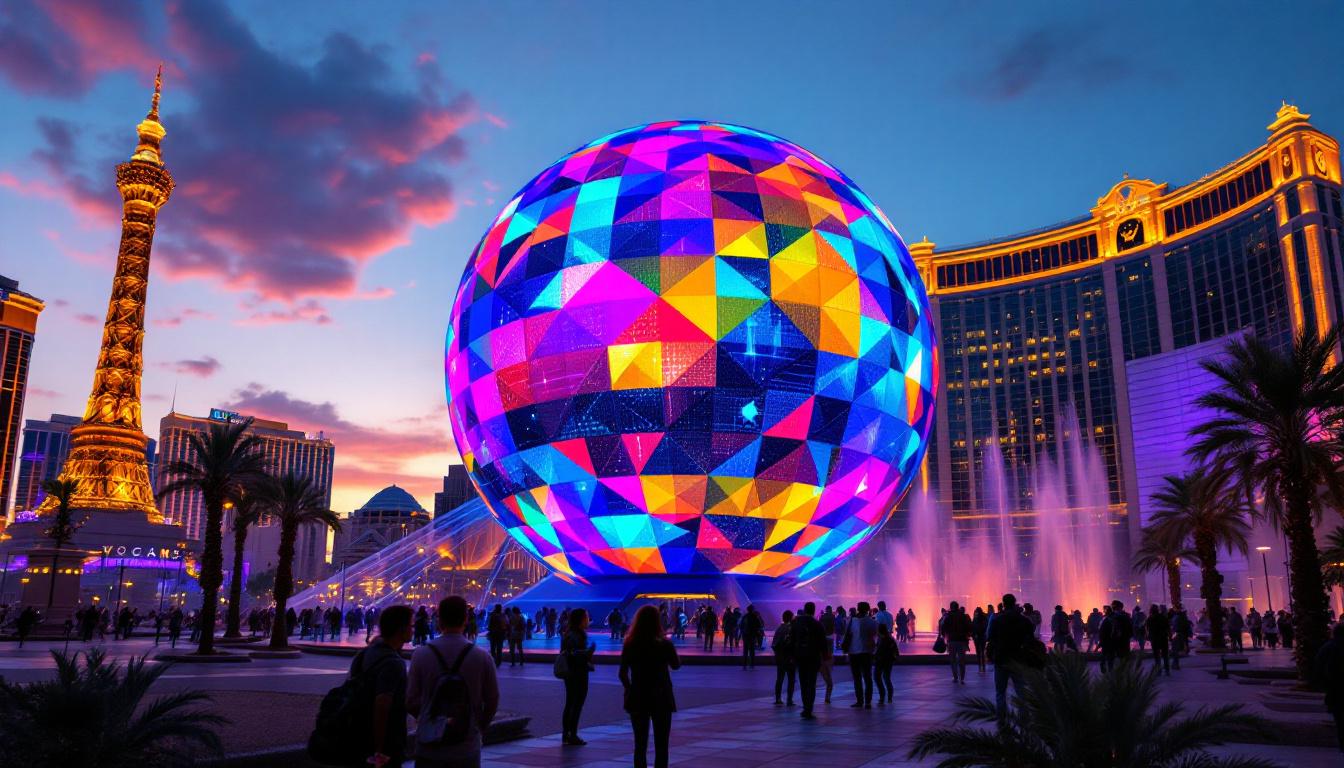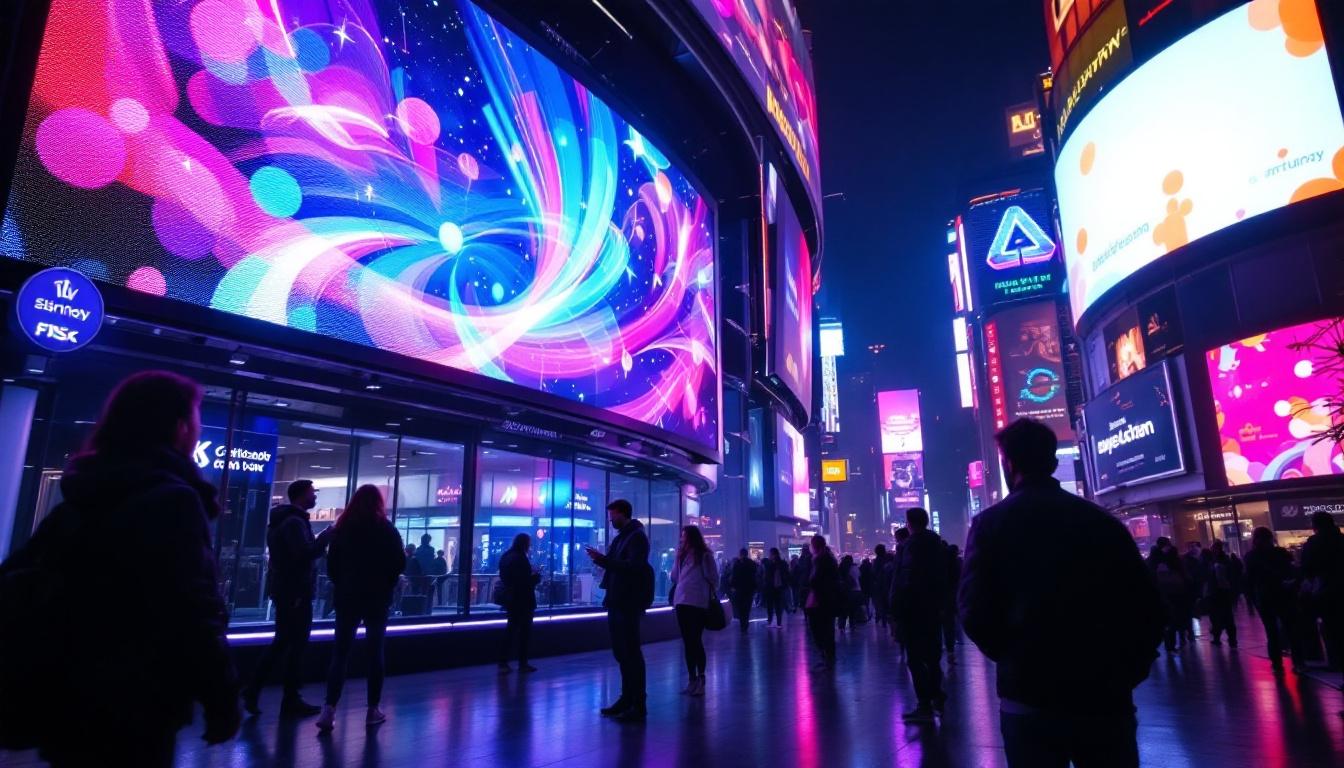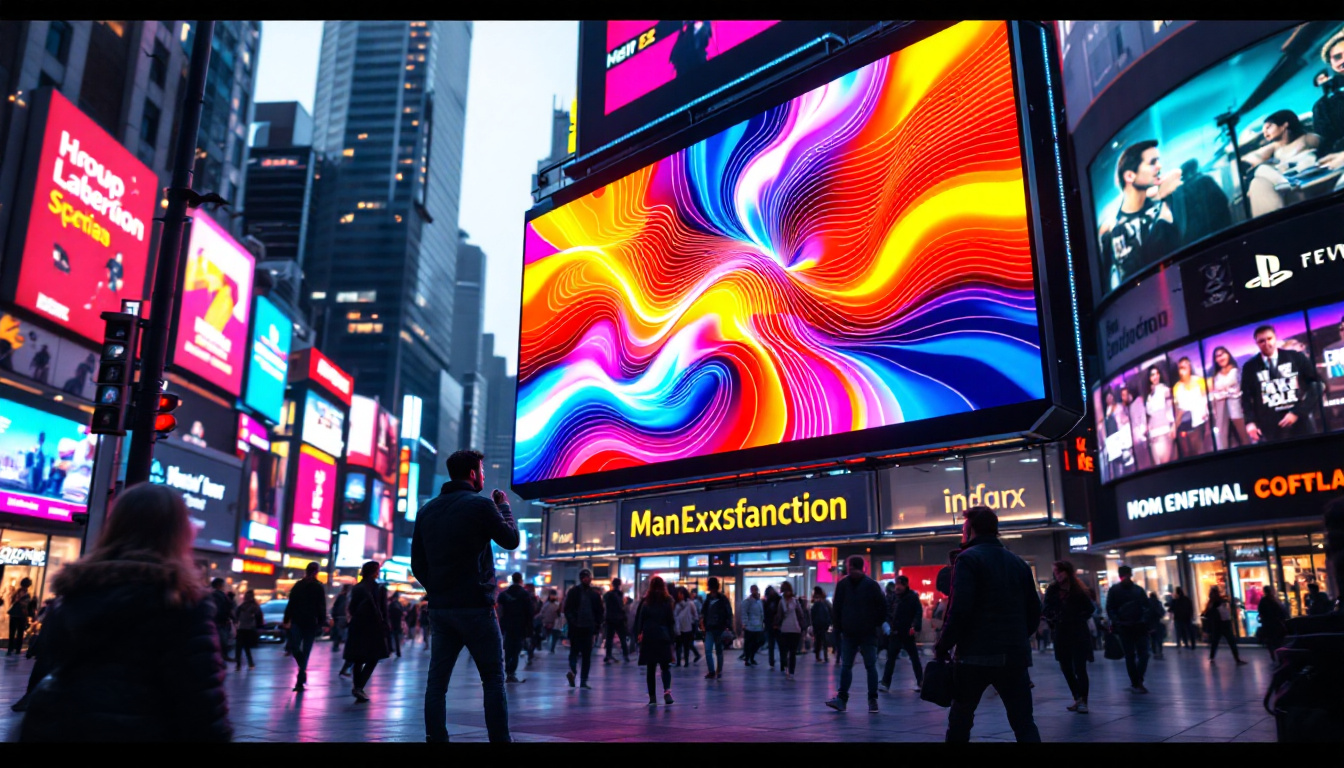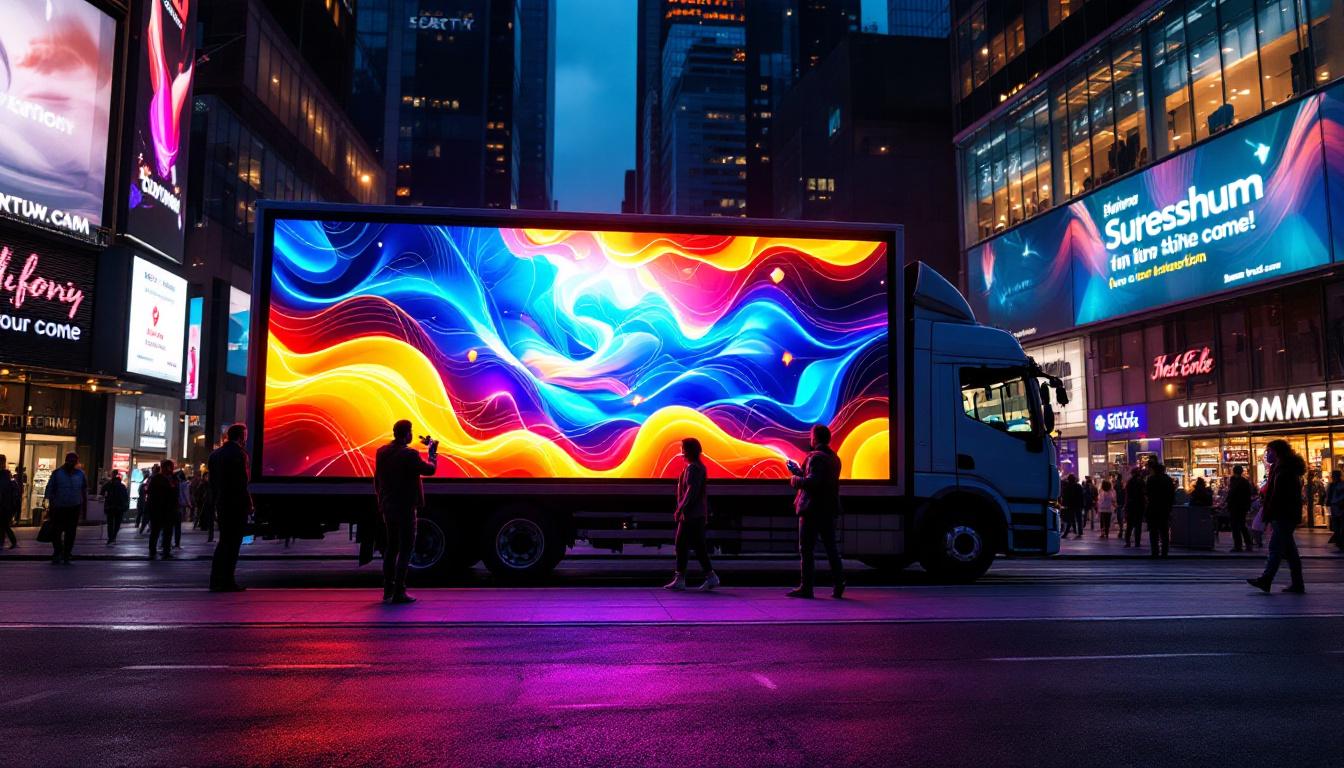
New York City is often described as the city that never sleeps, and its vibrant streets are illuminated day and night by a dazzling array of billboards. Among these, LED displays have become the defining feature of the city’s advertising landscape, transforming Times Square and other iconic locations into mesmerizing hubs of light and information. This article explores the technology behind LED billboards, their impact on urban advertising, and why they have become indispensable in New York’s visual culture.
The Evolution of Billboard Advertising in New York City
Billboards have been a staple of New York’s advertising scene for over a century. From painted wooden signs in the early 1900s to neon lights in the mid-20th century, the city’s billboards have continuously evolved to capture the attention of millions of residents and tourists. However, the introduction of LED technology in the late 1990s marked a revolutionary shift in how advertisements are displayed and consumed.
LED (Light Emitting Diode) billboards brought unprecedented brightness, color vibrancy, and dynamic content capabilities. Unlike traditional static billboards, LED displays can show multiple advertisements in rotation, incorporate animations, and even interact with real-time data such as weather, social media feeds, or live events. This adaptability has made LED billboards particularly suited to the fast-paced, ever-changing environment of New York City.
From Static to Dynamic: A Technological Leap
Before LEDs, billboards were mostly static or used neon tubing, which was limited in color range and energy efficiency. The first LED billboard in Times Square appeared in 1999, setting a precedent for others to follow. Today, LED technology dominates prime advertising spaces in the city, especially in high-traffic areas like Times Square, Herald Square, and along Broadway.
The transition to LED displays also coincided with advances in digital technology, enabling advertisers to create more engaging and targeted campaigns. This shift has not only enhanced the visual appeal of billboards but also allowed for greater flexibility in messaging and scheduling. Advertisers can now tailor their content based on the time of day or specific events happening in the city, ensuring that their messages resonate with the audience at the right moment. For instance, a billboard might display a refreshing beverage ad during a summer heatwave, while showcasing warm winter apparel as temperatures drop.
Moreover, the rise of social media has further transformed billboard advertising. Brands are now able to integrate their digital campaigns with outdoor displays, creating a cohesive marketing strategy that spans both online and offline platforms. Interactive billboards that encourage passersby to engage via their smartphones have become increasingly popular, allowing companies to foster a sense of community and participation. This innovative approach not only captures attention but also drives user-generated content, as people share their experiences on social media, amplifying the reach of the advertisement beyond the physical space of the billboard itself.
Understanding LED Billboard Technology
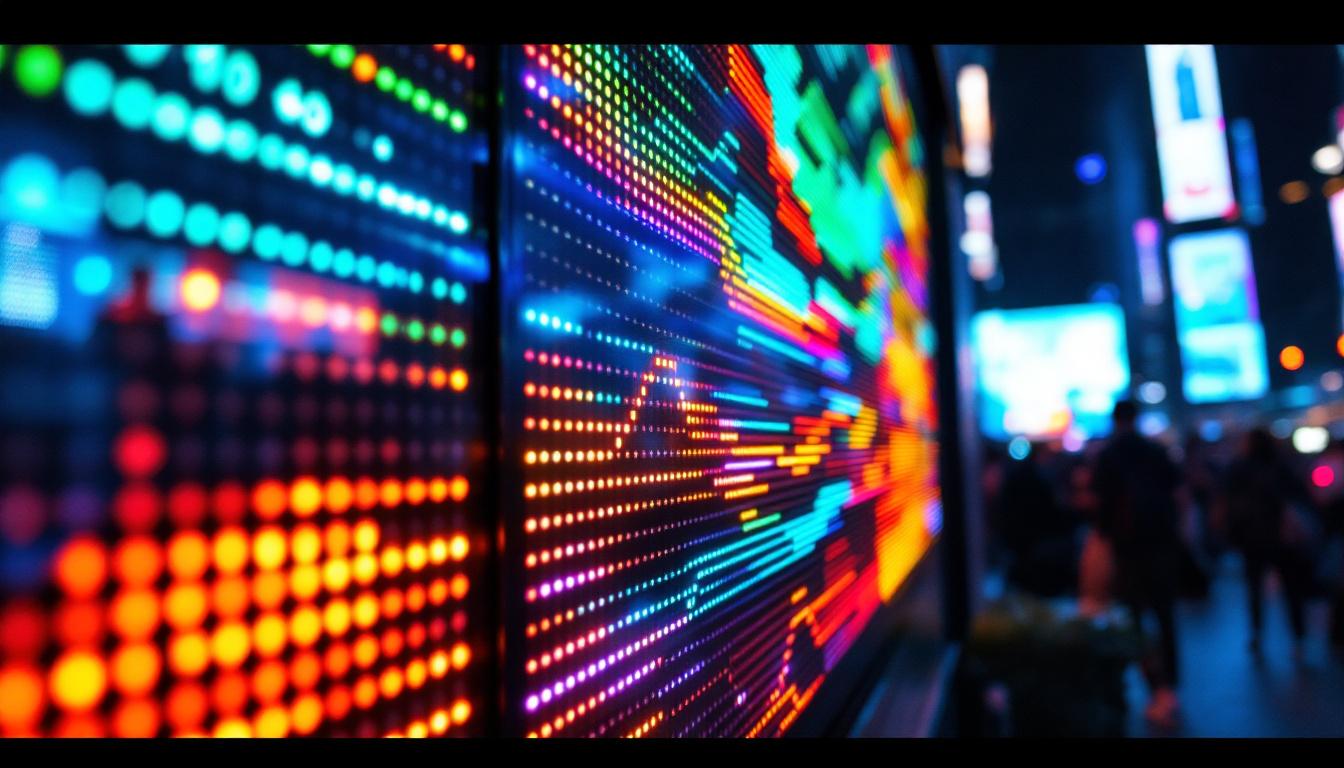
At its core, an LED billboard is a large-scale digital screen composed of thousands or even millions of tiny light-emitting diodes. These diodes can emit light in various colors and intensities, allowing for high-resolution images and videos to be displayed clearly even in direct sunlight. The technology behind LED billboards has evolved significantly over the years, making them a staple in modern advertising and public information dissemination.
How LED Displays Work
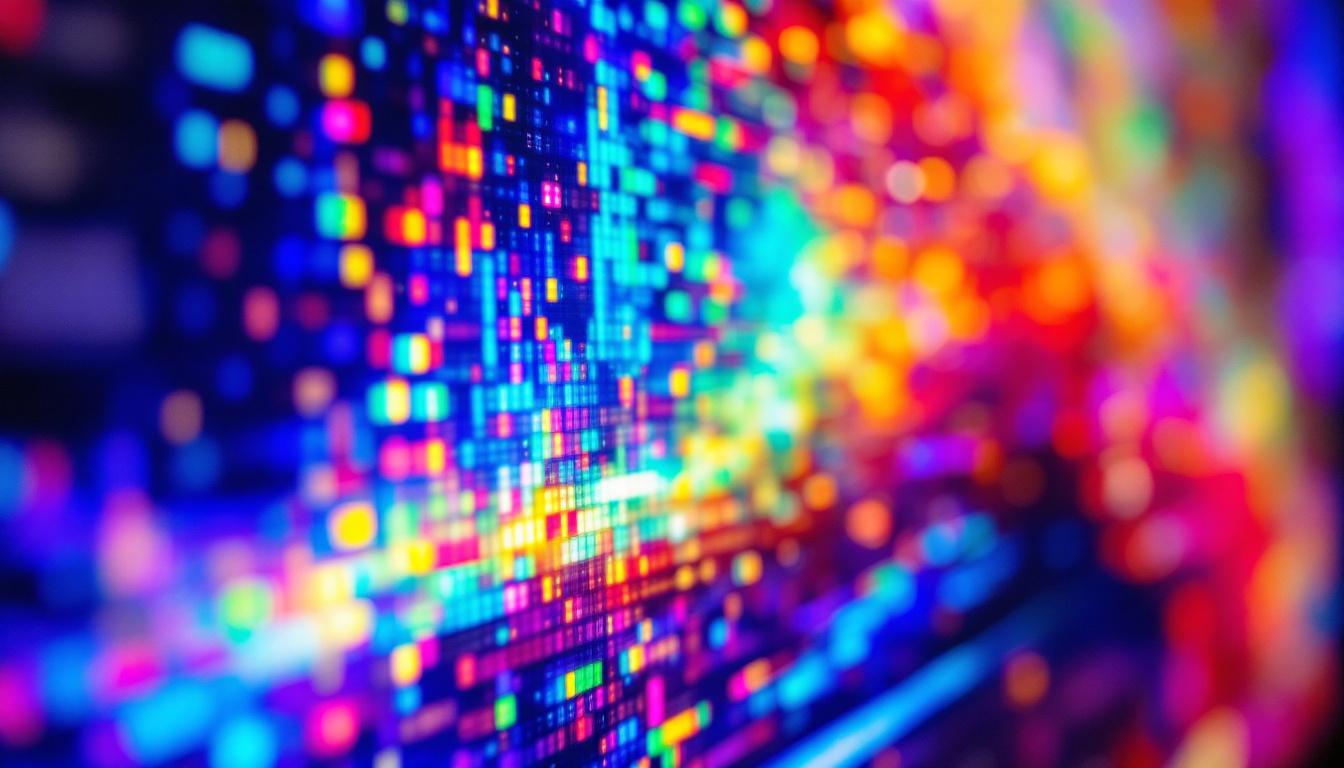
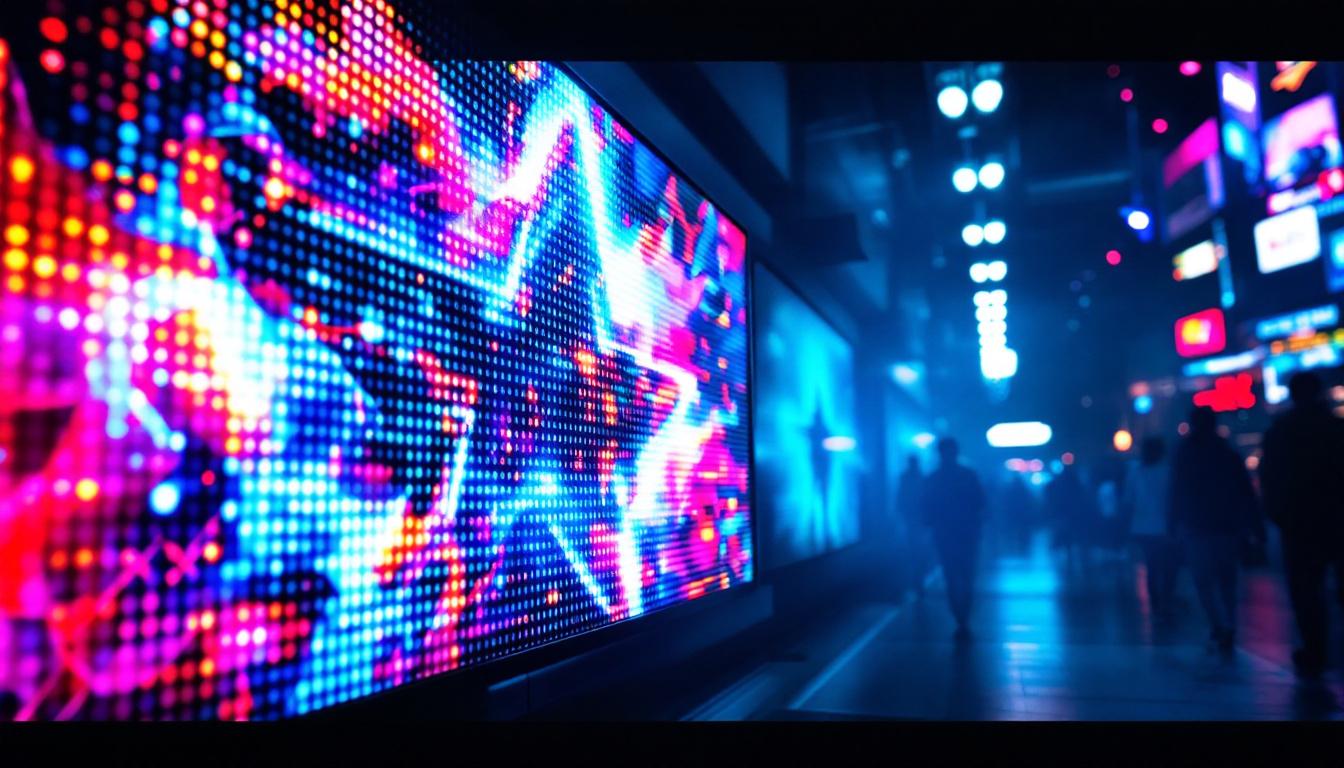
Each LED pixel is made up of red, green, and blue diodes. By adjusting the brightness of each color diode, millions of colors can be produced. The pixels are arranged in a grid pattern, and the density of these pixels—measured in pixels per inch or pixel pitch—determines the resolution and sharpness of the display. This intricate arrangement allows for seamless transitions between colors and images, creating a visually captivating experience for viewers.
Higher pixel density means the image appears clearer and more detailed, which is crucial for billboards viewed from close distances, such as those in Times Square. Conversely, billboards placed further away can use lower pixel density without sacrificing image quality. Additionally, advancements in technology have led to the development of flexible LED displays, which can be shaped to fit various architectural designs, further enhancing their versatility in urban landscapes.
Advantages of LED Billboards
LED billboards offer several key benefits over traditional advertising methods:
- Brightness and Visibility: LEDs can produce extremely bright light, making them visible in all lighting conditions, including daylight and nighttime.
- Energy Efficiency: Compared to neon or incandescent lighting, LEDs consume less power, reducing operational costs and environmental impact.
- Dynamic Content: Advertisers can display multiple ads, animations, or videos in rotation, allowing for more creative storytelling and real-time updates.
- Durability: LED panels are weather-resistant and have long lifespans, often exceeding 100,000 hours of operation.
Moreover, the ability to update content remotely via the internet has revolutionized the advertising landscape. Advertisers can change their messages in real-time based on current events, weather conditions, or audience engagement, ensuring that their content remains relevant and engaging. This adaptability not only enhances the effectiveness of advertising campaigns but also allows for targeted messaging that can resonate more deeply with specific demographics. As technology continues to advance, we can expect further innovations in LED billboard capabilities, such as integration with augmented reality and interactive features that invite viewer participation.
The Role of LED Billboards in New York’s Advertising Ecosystem
New York City’s advertising market is one of the largest and most competitive in the world. LED billboards have become a cornerstone of this ecosystem, offering brands a powerful platform to reach diverse audiences.
Times Square: The Epicenter of LED Advertising
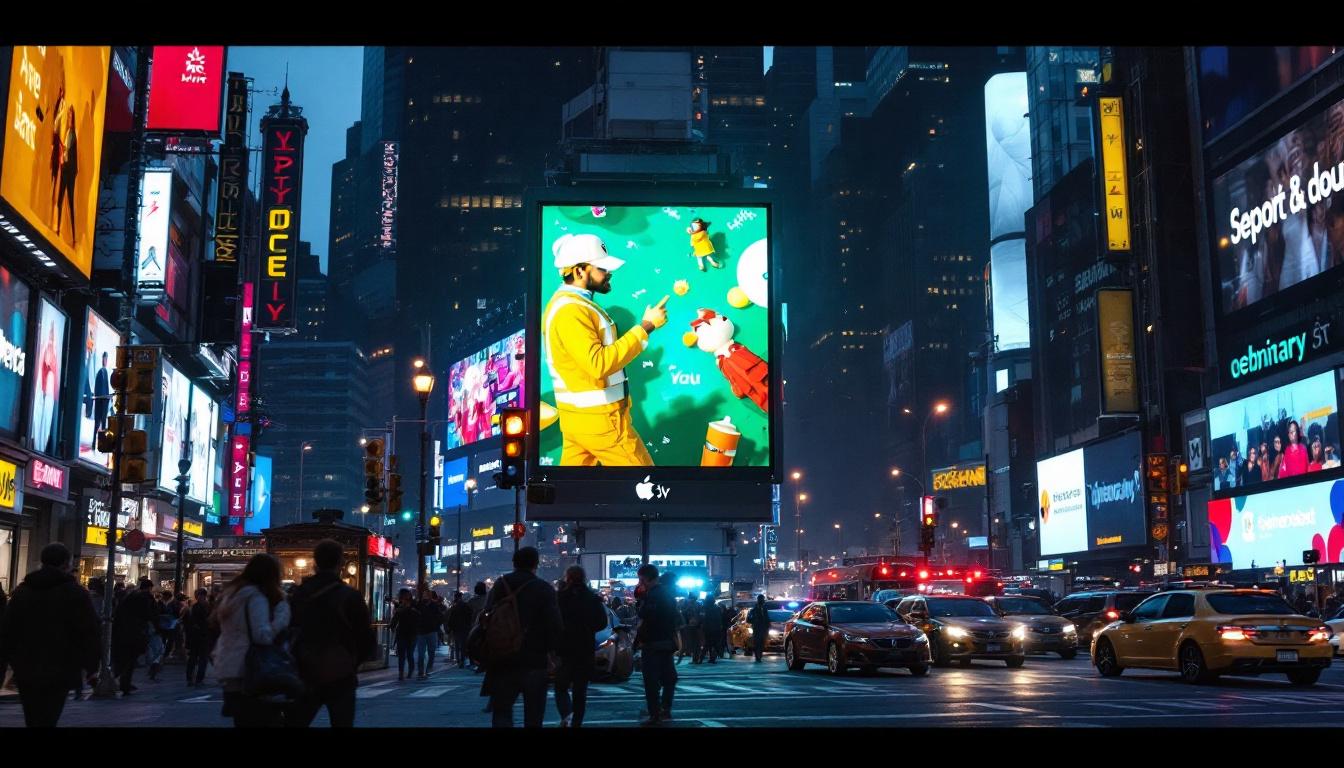
Times Square is arguably the most famous billboard location globally, often referred to as “The Crossroads of the World.” The area’s dense concentration of LED billboards creates a sensory experience that is both immersive and iconic.
Major brands invest millions of dollars annually to secure advertising space in Times Square. The ability to display vibrant, moving images on massive LED screens helps brands stand out in this crowded environment. According to recent industry reports, the Times Square advertising market generates over $250 million in annual revenue, with LED displays accounting for the majority of this figure.
Beyond Times Square: LED Billboards Across the City
While Times Square garners the most attention, LED billboards are also prevalent in other high-traffic areas such as Herald Square, Union Square, and along major highways entering the city. These locations benefit from the same advantages of LED technology, including high visibility and dynamic content capabilities.
Smaller LED displays are also increasingly used in retail storefronts and public transit hubs, providing localized advertising opportunities that complement the larger-scale billboards.
Regulations and Challenges of LED Billboards in New York
Despite their popularity, LED billboards in New York City are subject to strict regulations designed to balance commercial interests with public safety and urban aesthetics.
City Regulations on Brightness and Content
The New York City Department of Transportation (NYC DOT) and the Mayor’s Office of Media and Entertainment oversee billboard permits and enforce guidelines on brightness levels, content appropriateness, and operational hours. For example, LED billboards must not exceed certain luminance thresholds to prevent glare that could distract drivers or disturb residents.
Additionally, content displayed on billboards is monitored to ensure compliance with advertising standards and community guidelines. This oversight helps maintain the city’s visual environment while allowing advertisers creative freedom within set boundaries.
Technical and Environmental Challenges
Operating LED billboards in a dense urban environment presents technical challenges such as power supply management, heat dissipation, and maintenance access. The city’s infrastructure and weather conditions also require robust installation standards to ensure safety and reliability.
From an environmental perspective, while LEDs are more energy-efficient than older technologies, the cumulative energy consumption of thousands of billboards is significant. There is a growing movement toward integrating renewable energy sources and smart lighting controls to reduce the carbon footprint of outdoor advertising.
The Future of LED Billboards in New York City
As technology evolves, LED billboards in New York are poised to become even more sophisticated and integrated with digital ecosystems.
Integration with Data and AI
Emerging trends include the use of artificial intelligence and data analytics to tailor billboard content in real-time based on audience demographics, weather conditions, or social media trends. This level of personalization enhances advertising effectiveness and audience engagement.
For instance, some LED billboards now incorporate facial recognition technology (with privacy safeguards) to estimate viewer age and gender, adjusting advertisements accordingly. Others display live social media feeds or interactive content that encourages public participation.
Augmented Reality and Interactive Displays
Augmented reality (AR) is another frontier for LED billboard innovation. By combining LED displays with AR apps on smartphones, advertisers can create immersive experiences that extend beyond the physical billboard. This fusion of physical and digital advertising is expected to redefine how brands connect with consumers in urban spaces.
Sustainability and Smart City Integration
New York City’s commitment to sustainability is influencing the future design and operation of LED billboards. Smart lighting systems that adjust brightness based on ambient light and pedestrian traffic are becoming more common. Additionally, integrating billboards into the city’s smart infrastructure could enable them to serve multiple functions, such as public information displays during emergencies or energy-efficient lighting solutions.
Conclusion
LED billboards have transformed the advertising landscape of New York City, turning its streets into dynamic canvases of light and information. Their technological sophistication, combined with strategic placement in high-visibility areas, makes them indispensable tools for brands seeking to capture attention in a bustling urban environment.
As LED technology continues to advance, these billboards will become even more interactive, personalized, and sustainable, reflecting both the city’s innovative spirit and its commitment to balancing commercial vibrancy with public welfare. Understanding the technology and impact of LED billboards offers valuable insight into one of New York’s most iconic visual phenomena.
Illuminate Your Brand with LumenMatrix
Ready to elevate your advertising to new heights in the city that never sleeps? Discover how LumenMatrix can transform your brand’s presence with our comprehensive range of LED display solutions. From the bustling streets of Times Square to the interactive storefronts that line the avenues, our innovative Indoor and Outdoor LED Wall Displays, Vehicle LED Displays, and more, are designed to captivate and engage your audience. Embrace the future of visual communication with our state-of-the-art LED Sports Displays, Floor LED Displays, and Custom LED solutions. Experience the power of cutting-edge technology with LumenMatrix and share your message with the world. Check out LumenMatrix LED Display Solutions and join the revolution of digital signage in New York City.