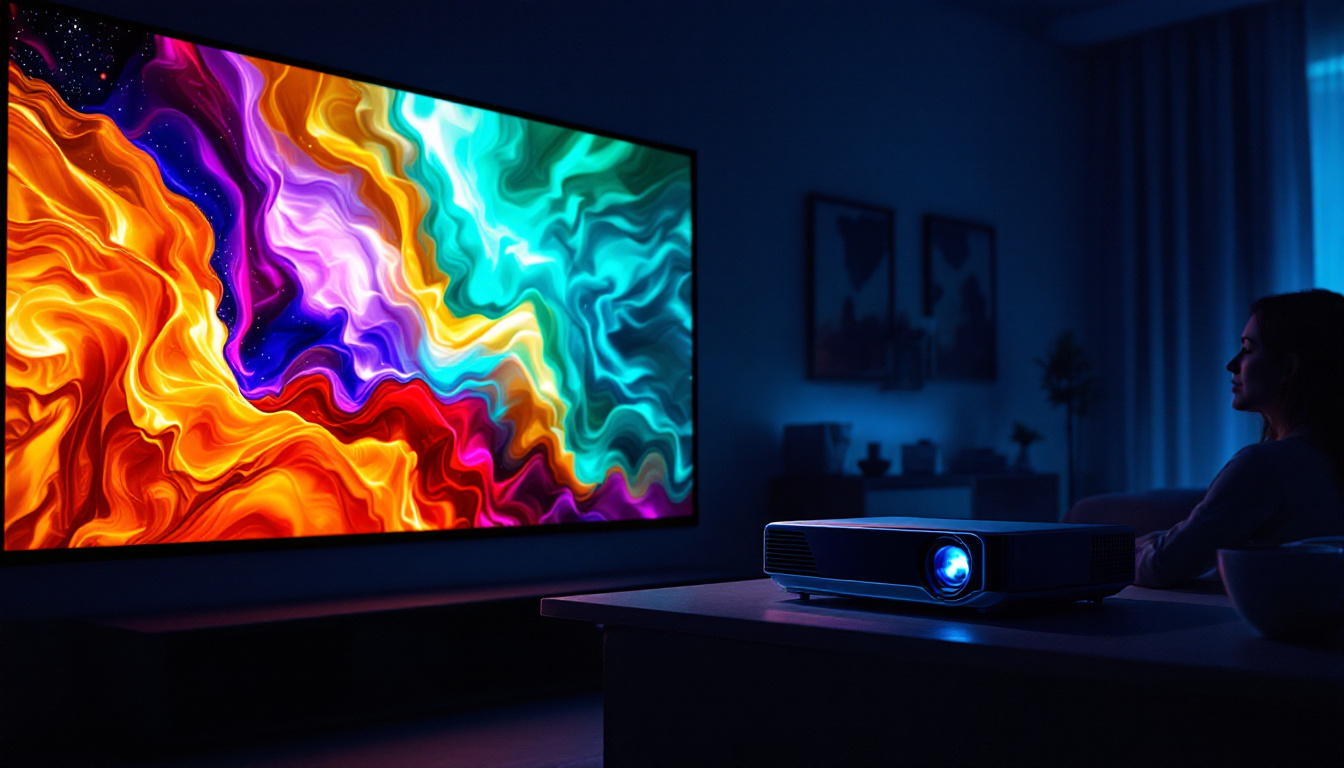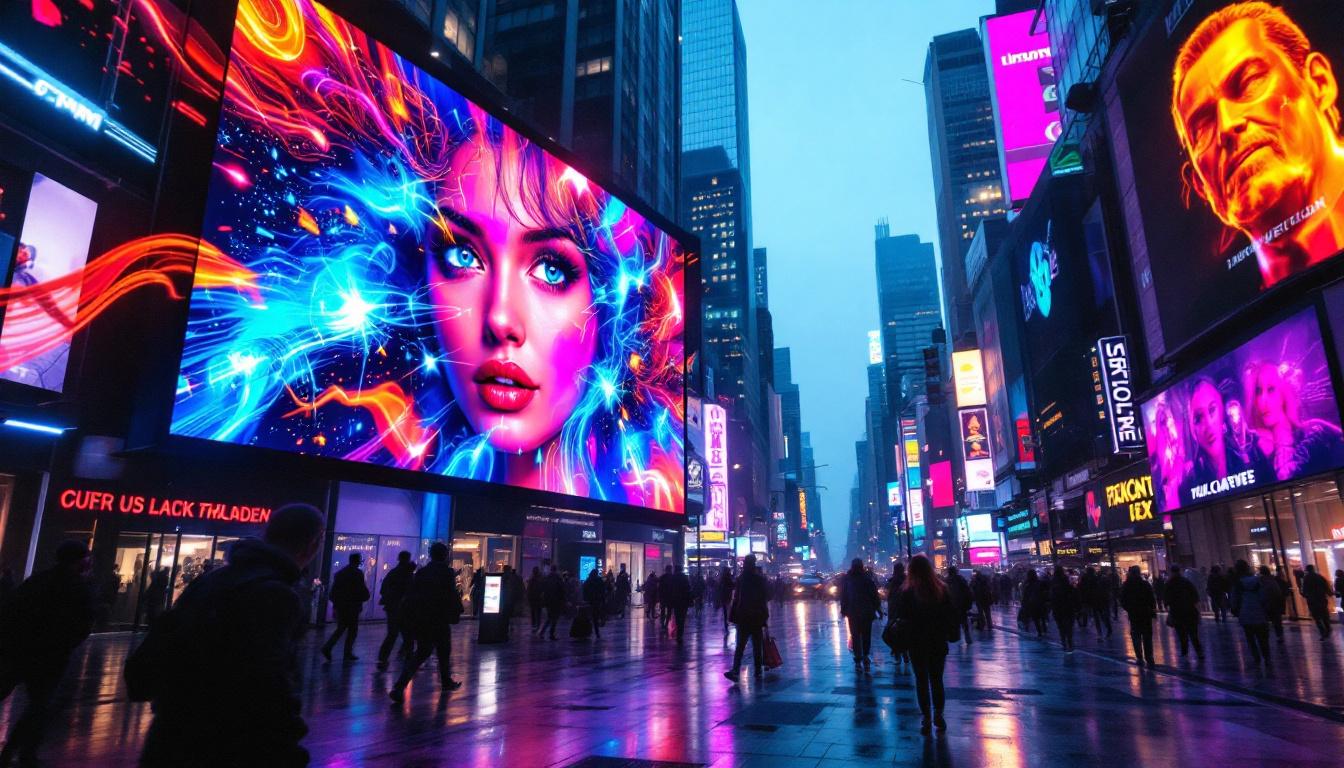
In an age where digital content dominates the entertainment landscape, the demand for high-quality video playback has never been greater. Among the technologies that have revolutionized visual media, LED displays stand out as a cornerstone for delivering vibrant, dynamic images. However, the rise of black market videos—unauthorized copies of films, TV shows, and other media—has complicated the ecosystem surrounding digital content. This article explores the role of LED displays in the context of black market videos, explaining the technology behind LED screens, their impact on video quality, and the challenges posed by unauthorized content distribution.
Understanding LED Display Technology
What Is an LED Display?
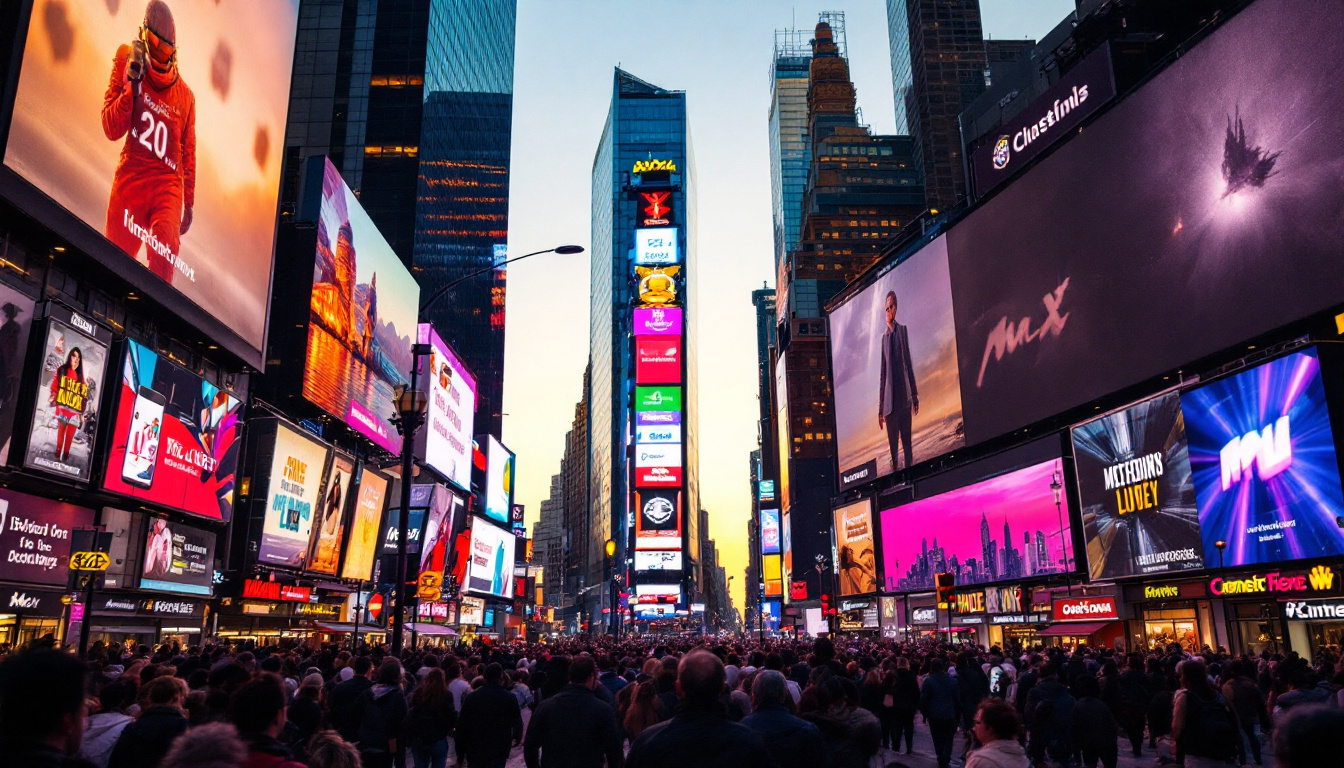
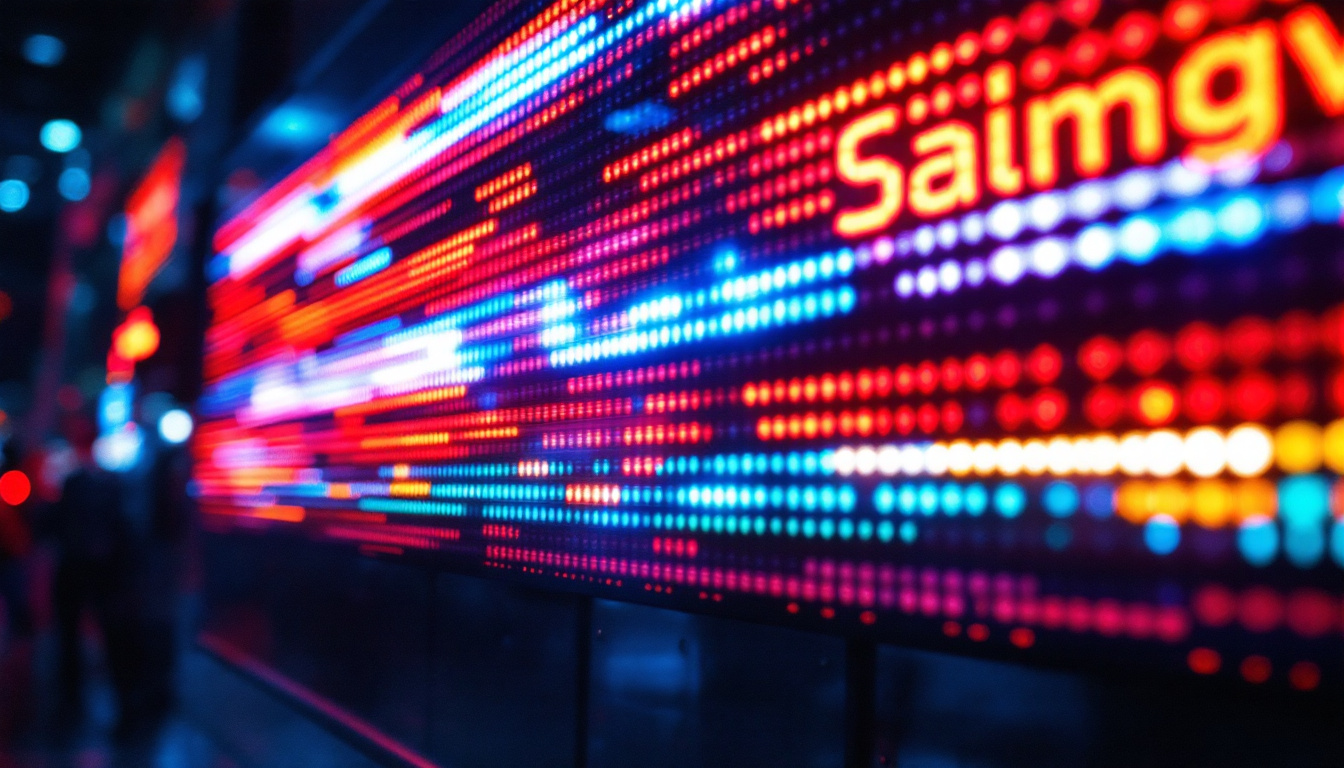
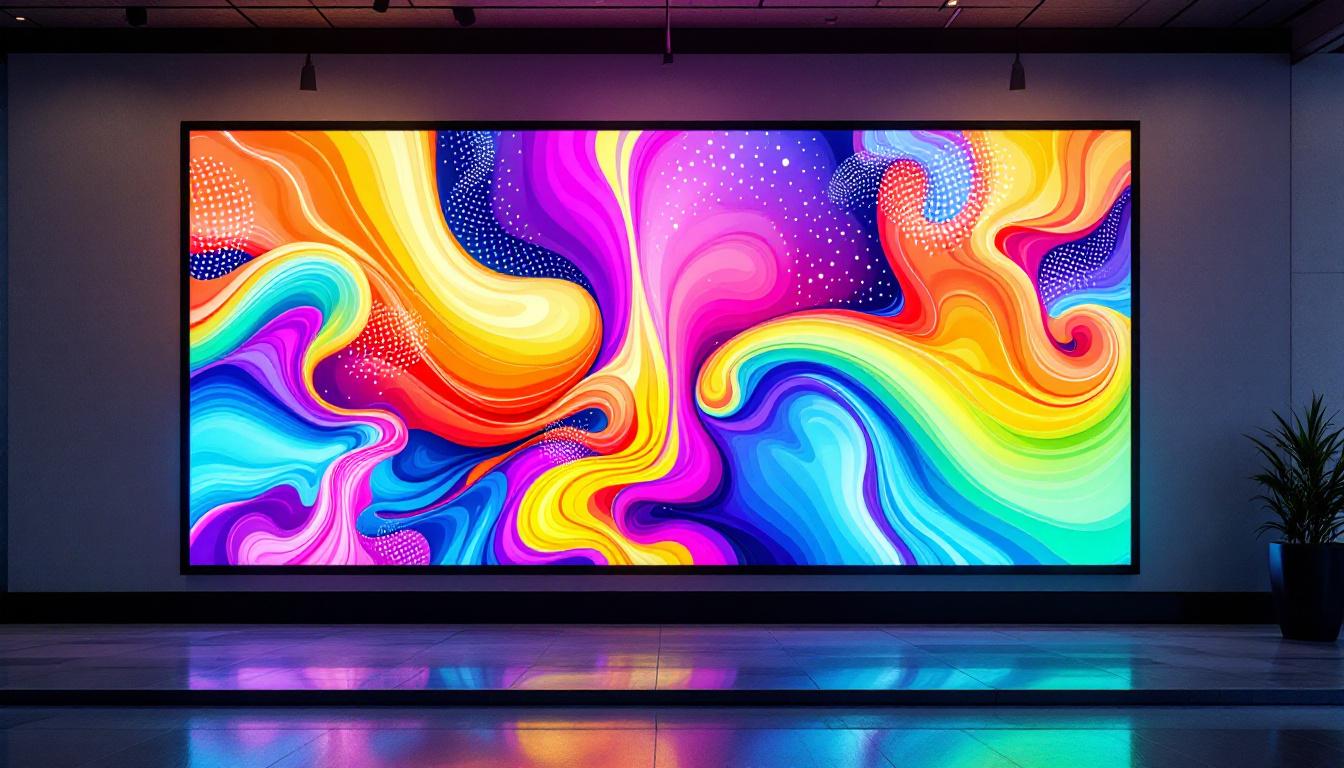
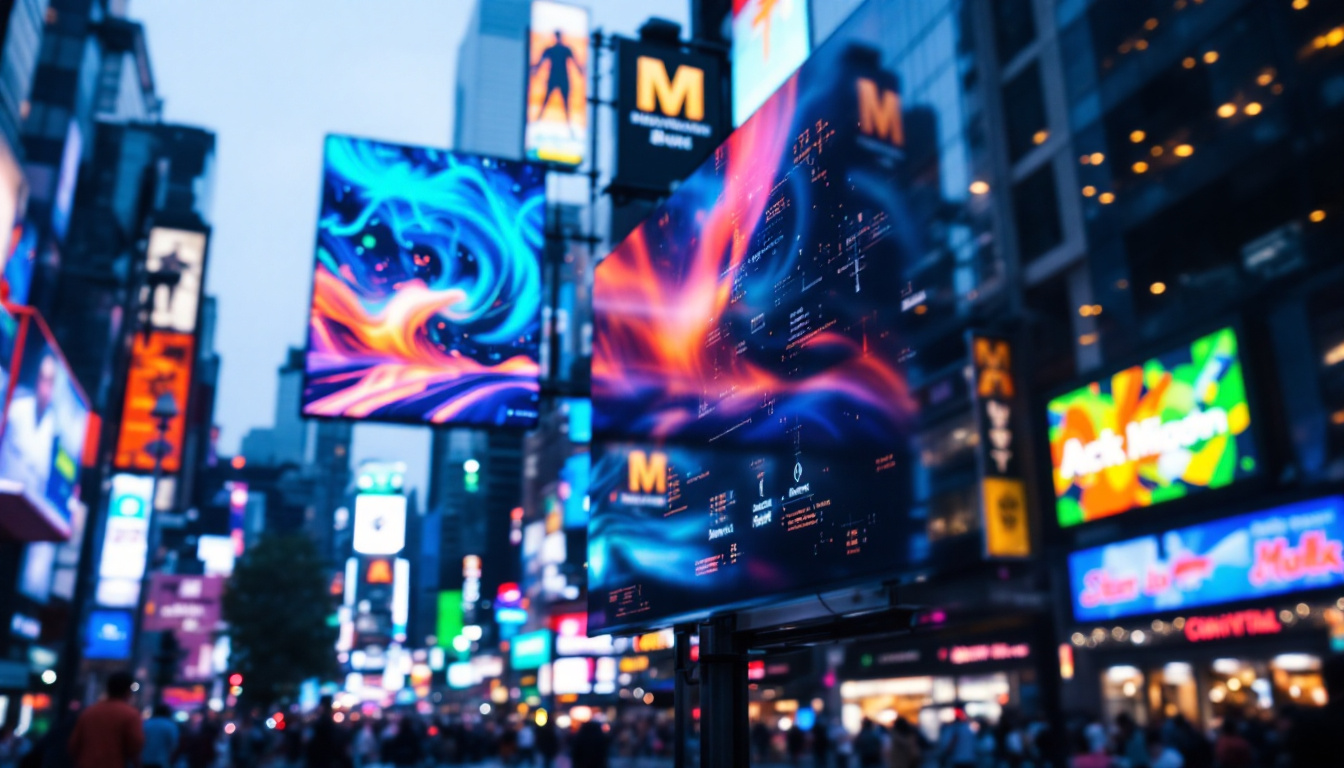
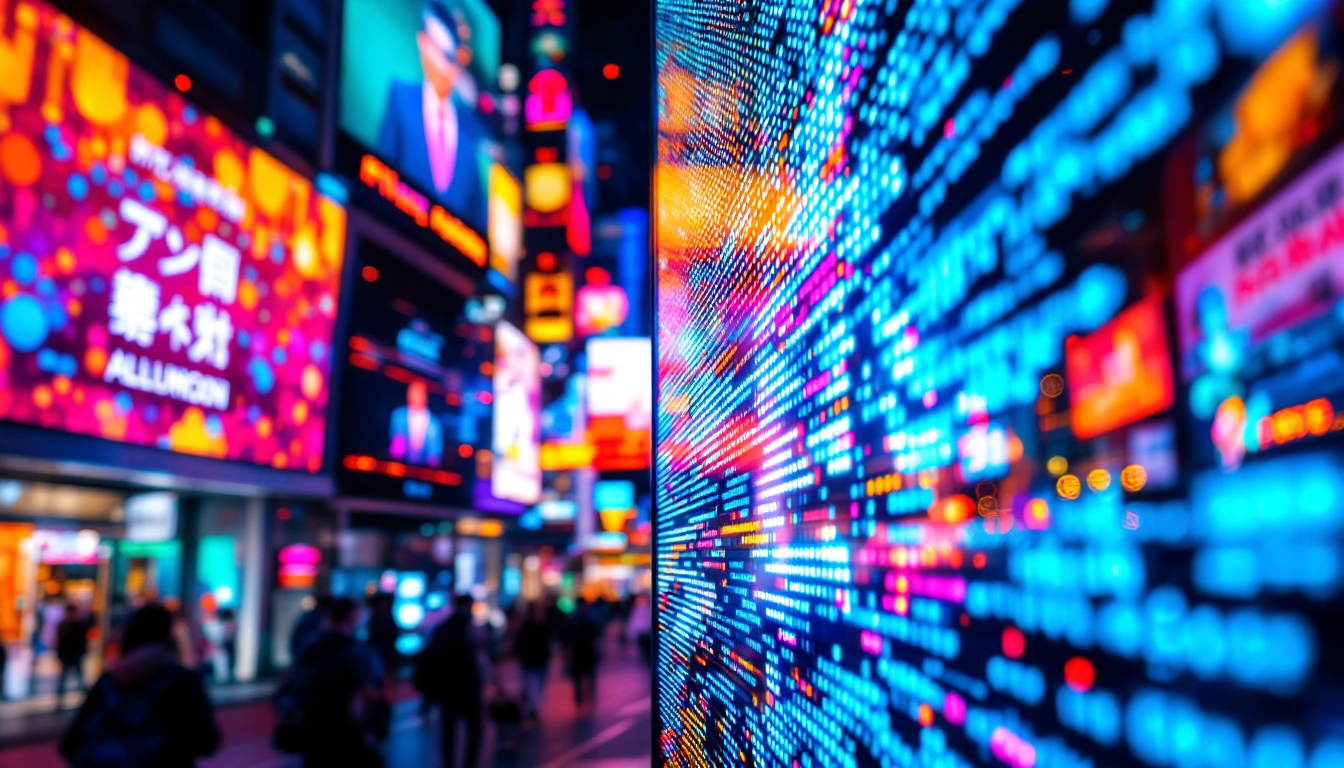
LED, or Light Emitting Diode, displays are a type of flat panel display technology that uses an array of light-emitting diodes as pixels to produce images. Unlike traditional LCD screens that rely on backlighting, LED displays emit their own light, allowing for greater brightness, contrast, and energy efficiency. This technology is widely used in televisions, digital billboards, smartphones, and large-scale video walls.
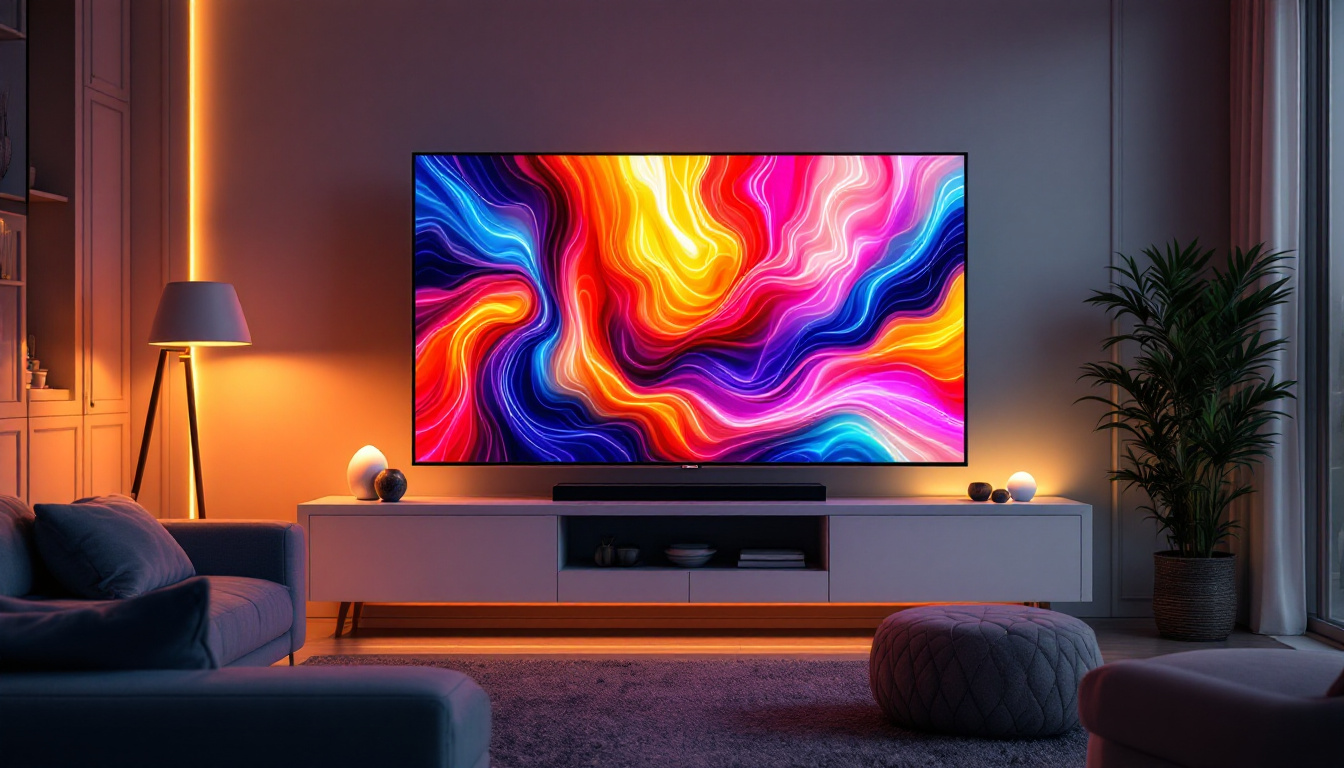
The key advantage of LED displays lies in their ability to deliver vivid colors and deep blacks, which create a more immersive viewing experience. This is especially important for video playback, where color accuracy and brightness can significantly affect the perceived quality of the content. Additionally, LED displays are known for their rapid response times, making them ideal for fast-moving images in sports broadcasts and action films. Their durability and longevity also contribute to their popularity, as they can withstand a variety of environmental conditions, making them suitable for both indoor and outdoor applications.
Types of LED Displays
There are several types of LED displays, each suited for different applications:
- Direct-View LED (DVLED): These displays use individual LEDs as pixels and are commonly used in large outdoor screens and stadium displays. They offer excellent brightness and viewing angles but are generally more expensive.
- LED-Backlit LCD: This is the most common type of LED display found in consumer electronics. It uses LEDs to backlight an LCD panel, improving brightness and energy efficiency compared to older CCFL-backlit LCDs.
- MicroLED: An emerging technology that uses microscopic LEDs to create displays with superior brightness, contrast, and lifespan. MicroLEDs promise to combine the best features of OLED and LED technologies but are still in the early stages of commercialization.
In addition to these primary types, there are also variations such as Organic LED (OLED) displays, which utilize organic compounds to emit light and provide even better contrast ratios and color accuracy. OLED technology is particularly favored in high-end televisions and smartphones for its ability to produce true blacks by turning off individual pixels. Furthermore, advancements in LED technology have led to the development of flexible and transparent displays, opening up new possibilities for innovative designs in commercial and residential spaces. As the demand for high-quality visual experiences continues to grow, the evolution of LED display technology promises to enhance how we interact with digital content in our daily lives.
The Role of LED Displays in Video Playback Quality
Brightness and Contrast: Key Factors for Video Clarity
One of the most significant benefits of LED displays is their ability to produce high brightness levels and excellent contrast ratios. Brightness is measured in nits, and modern LED TVs can reach 1,000 nits or more, which is crucial for HDR (High Dynamic Range) content. HDR enhances the contrast between the brightest whites and the darkest blacks, making images appear more lifelike.
Contrast ratio, the difference between the darkest and brightest parts of an image, is another critical factor. LED displays, especially those with local dimming capabilities, can achieve contrast ratios that bring out fine details in shadows and highlights, improving the overall viewing experience. This capability is particularly beneficial in dark scenes, where subtle nuances can be lost on lesser displays. As a result, viewers can enjoy a more immersive experience, whether they’re watching a dramatic film or a nature documentary, where every detail matters.
Color Accuracy and Gamut
Color accuracy refers to how faithfully a display reproduces the colors intended by the content creator. LED displays typically cover a wide color gamut, including standards like DCI-P3 and Rec. 2020, which are essential for cinematic and broadcast-quality video. Accurate color reproduction ensures that skin tones, landscapes, and special effects appear natural and vibrant. This is particularly important for filmmakers and content creators who rely on precise color grading to convey their artistic vision.
Moreover, advancements in LED technology, such as quantum dot enhancements, have further expanded the color range and improved saturation levels. This means that viewers can experience a broader spectrum of colors that were previously unattainable on standard displays. As a result, scenes that feature vivid sunsets or colorful animations come to life with an intensity that captivates audiences, making the viewing experience not just enjoyable but visually stunning.
Refresh Rates and Motion Handling
For video content, especially fast-moving scenes like sports or action movies, refresh rate and motion handling are vital. LED displays often support refresh rates of 60Hz, 120Hz, or higher, reducing motion blur and providing smoother playback. This capability enhances the viewing experience and is particularly important for high-definition and 4K content. A higher refresh rate allows for more frames to be displayed per second, which is crucial for maintaining clarity during rapid motion, such as a soccer player sprinting down the field or a car racing around a track.
In addition to refresh rates, many modern LED displays incorporate advanced motion interpolation technologies, which analyze the content and generate additional frames to create a smoother viewing experience. This feature can be particularly beneficial for home theaters, where viewers desire the highest quality playback possible. However, it’s worth noting that while some viewers appreciate the hyper-realistic effect this technology provides, others may prefer a more traditional cinematic look, leading to ongoing discussions about the best settings for optimal viewing. Ultimately, the choice of refresh rate and motion handling can significantly impact how engaging and enjoyable video playback is for different types of content.
Black Market Videos: An Overview
What Are Black Market Videos?
Black market videos refer to unauthorized copies of movies, TV shows, and other digital media distributed without the consent of content owners. These videos are often pirated, leaked, or recorded illegally and sold or shared through unofficial channels. The availability of black market videos undermines the legitimate entertainment industry by depriving creators and distributors of revenue.
Common Sources and Distribution Channels
Black market videos can originate from various sources:
- Camcorder Recordings: Illegal recordings made inside movie theaters, often resulting in poor video and audio quality.
- Screeners and Leaks: Copies of pre-release content leaked from studios, post-production houses, or insiders.
- Ripped Copies: Digital copies extracted from DVDs, Blu-rays, or streaming platforms.
These videos are distributed through peer-to-peer networks, torrent sites, unauthorized streaming platforms, and even physical media sales in some regions.
How LED Displays Influence the Black Market Video Experience
Enhanced Visibility of Quality Differences
With the widespread adoption of LED displays capable of 4K resolution and HDR, viewers have come to expect high-quality video playback. Ironically, this technological advancement has made the shortcomings of black market videos more apparent. Poorly recorded or compressed pirated videos often suffer from low resolution, washed-out colors, and jittery motion, which are glaringly obvious on modern LED screens.
This contrast between legitimate and unauthorized content quality has led some consumers to reconsider the value of black market videos, especially when affordable legal streaming options are available.
The Role of LED Displays in Anti-Piracy Efforts
While LED technology itself does not prevent piracy, it indirectly supports anti-piracy measures by raising the bar for video quality. Content providers invest heavily in delivering premium viewing experiences optimized for LED displays, including 4K HDR streaming and Dolby Vision support. These high-quality formats are difficult to replicate in black market videos, which often lack the bandwidth or technical capability to match the original content’s fidelity.
Furthermore, watermarking and forensic tracking techniques embedded in digital content can be more effectively analyzed when videos are viewed on high-quality LED displays, aiding in the identification of pirated copies.
Challenges and Considerations for Consumers and Industry
Consumer Awareness and Education
Despite the availability of high-quality LED displays, many consumers remain unaware of the legal and ethical implications of black market videos. Education campaigns highlighting the benefits of legitimate content consumption—such as superior video quality, supporting creators, and avoiding malware risks—are essential to reducing piracy.
Moreover, understanding the capabilities of LED displays can help consumers appreciate the value of authentic content. When viewers experience the difference between a pirated camcorder recording and a genuine 4K HDR movie on an LED TV, they are more likely to choose legal options.
Industry Adaptation and Innovation
The entertainment industry continues to innovate in response to piracy challenges. Subscription-based streaming services, digital rentals, and exclusive content deals have made legal content more accessible and affordable. Leveraging LED display technology, these platforms offer immersive viewing experiences that are difficult to replicate through unauthorized channels.
Additionally, studios and distributors invest in digital rights management (DRM) and encryption technologies to protect content during distribution. As LED display technology evolves, so too will the methods for delivering and safeguarding premium video content.
The Future of LED Displays and Black Market Videos
Emerging Technologies and Their Impact
The future of LED displays looks promising with advancements such as MicroLED and quantum dot technology, which promise even better brightness, color accuracy, and energy efficiency. These improvements will further enhance the quality gap between legitimate and black market videos.
At the same time, artificial intelligence and machine learning are being employed to detect and block pirated content more effectively, making it harder for black market videos to circulate undetected.
Balancing Accessibility and Protection
As LED displays become more affordable and widespread, ensuring that high-quality content remains accessible without encouraging piracy is a delicate balance. Industry stakeholders must continue to innovate in content delivery, user experience, and anti-piracy measures to protect intellectual property while meeting consumer demand.
Ultimately, the synergy between cutting-edge display technology and robust content protection strategies will define the future landscape of digital media consumption.
Conclusion
LED display technology has transformed the way audiences experience video content, offering unparalleled brightness, color accuracy, and motion clarity. In the context of black market videos, these advancements highlight the stark differences between authorized and pirated content, influencing consumer behavior and industry strategies.
While black market videos continue to pose challenges, the ongoing evolution of LED displays, combined with effective anti-piracy measures and consumer education, offers a path toward a more secure and high-quality digital media environment. As technology and content distribution methods advance, the collaboration between display innovation and content protection will be key to sustaining the entertainment industry’s growth and integrity.
Discover the Future of Visual Experience with LumenMatrix
Embrace the full potential of LED display technology with LumenMatrix, where innovation meets visual brilliance. Our comprehensive range of LED display solutions, from Indoor and Outdoor LED Walls to Custom and Transparent Displays, is designed to elevate your content and captivate your audience. Whether you’re combating the prevalence of black market videos or simply seeking to enhance your brand’s visibility, LumenMatrix is your partner in creating immersive visual experiences. Check out LumenMatrix LED Display Solutions today and step into the future of digital storytelling.