In today’s fast-paced digital landscape, brands are constantly seeking innovative ways to capture attention and engage their audiences. One of the most dynamic tools available is the LED display, particularly when used as a brand wall. Combining vibrant visuals with scalable technology, LED brand walls have transformed the way businesses communicate their identity and message in public spaces. This article delves into the essentials of LED brand walls, exploring their technology, applications, benefits, and considerations for implementation.
Understanding LED Brand Walls: What They Are and How They Work
A brand wall is a large-scale display surface designed to showcase a company’s branding elements—logos, slogans, product visuals, and promotional content—in a highly visible and impactful manner. When integrated with LED (Light Emitting Diode) technology, these walls become dynamic, bright, and versatile canvases that can adapt to various environments and marketing needs.
What Is an LED Display?
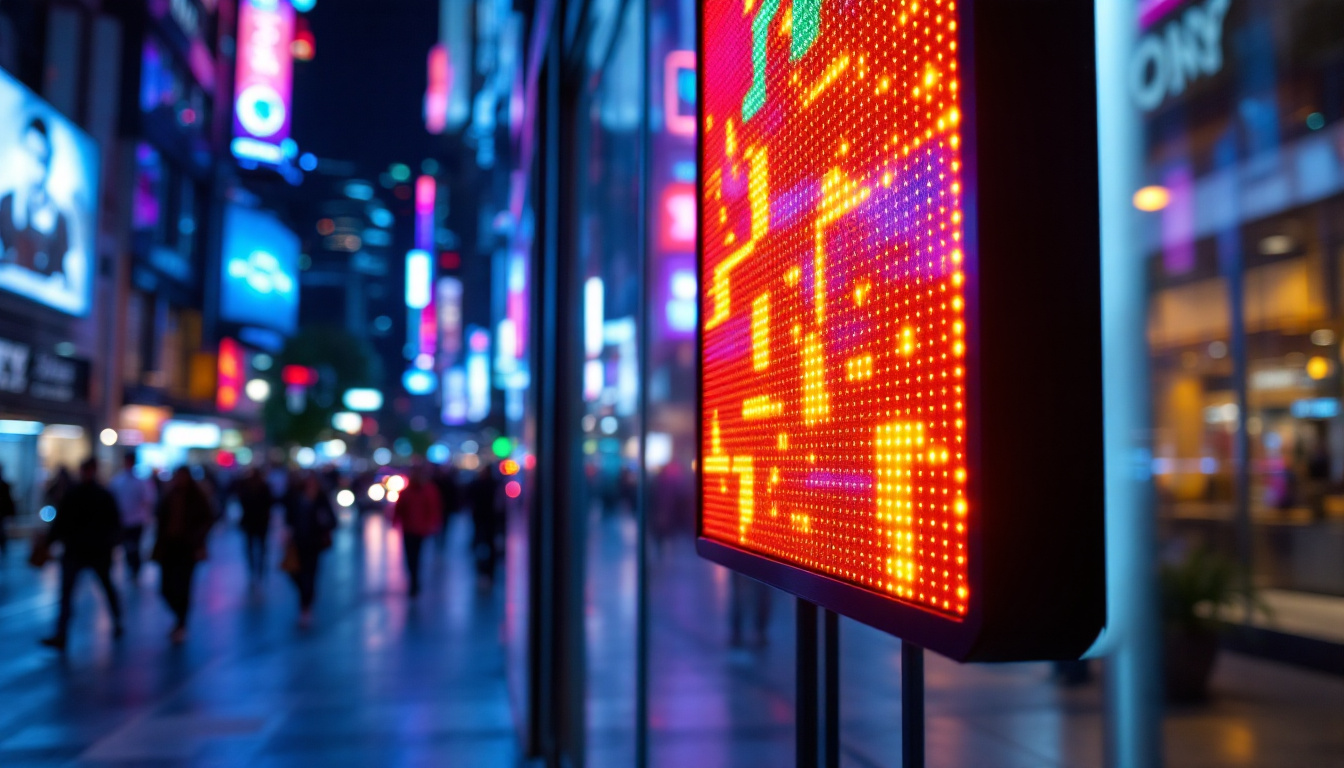
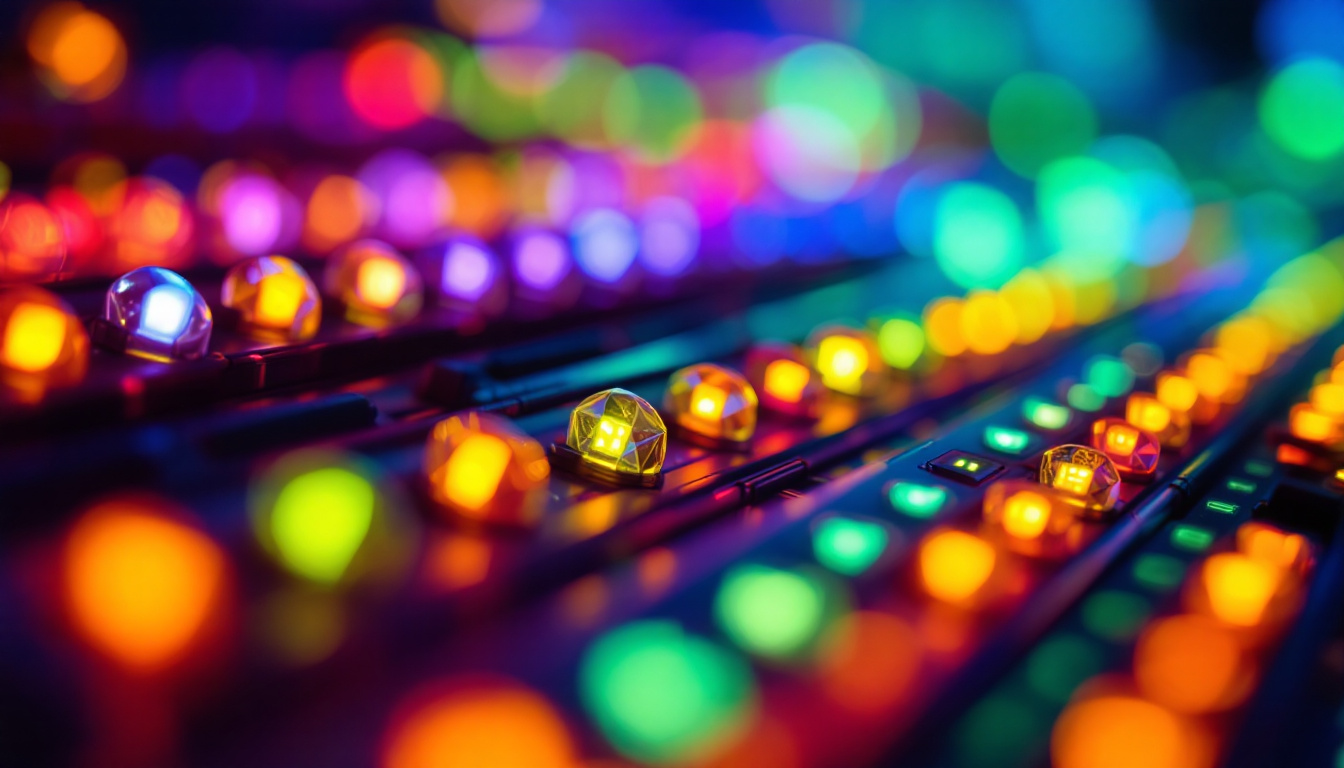
LED displays consist of numerous tiny light-emitting diodes arranged in a grid to form pixels. Each pixel can emit light of different colors by combining red, green, and blue diodes, enabling the display to produce millions of colors and high-resolution images. Unlike traditional LCD or projection screens, LED displays are self-illuminating, meaning they do not require a backlight, which results in superior brightness and contrast.
This brightness advantage allows LED brand walls to be clearly visible even in direct sunlight, making them ideal for both indoor and outdoor use. Additionally, LED displays can be manufactured in various sizes and shapes, including curved or flexible formats, allowing brands to create unique visual experiences tailored to their space and audience. The adaptability of these displays also extends to their installation; they can be mounted on walls, suspended from ceilings, or even integrated into architectural elements, enhancing the overall aesthetic of a location.
How Does an LED Brand Wall Work?
At the core of an LED brand wall is a modular system composed of individual LED panels. These panels are connected seamlessly to form a large display surface. The content displayed is controlled by a media processor or software that manages image resolution, color calibration, and content scheduling.
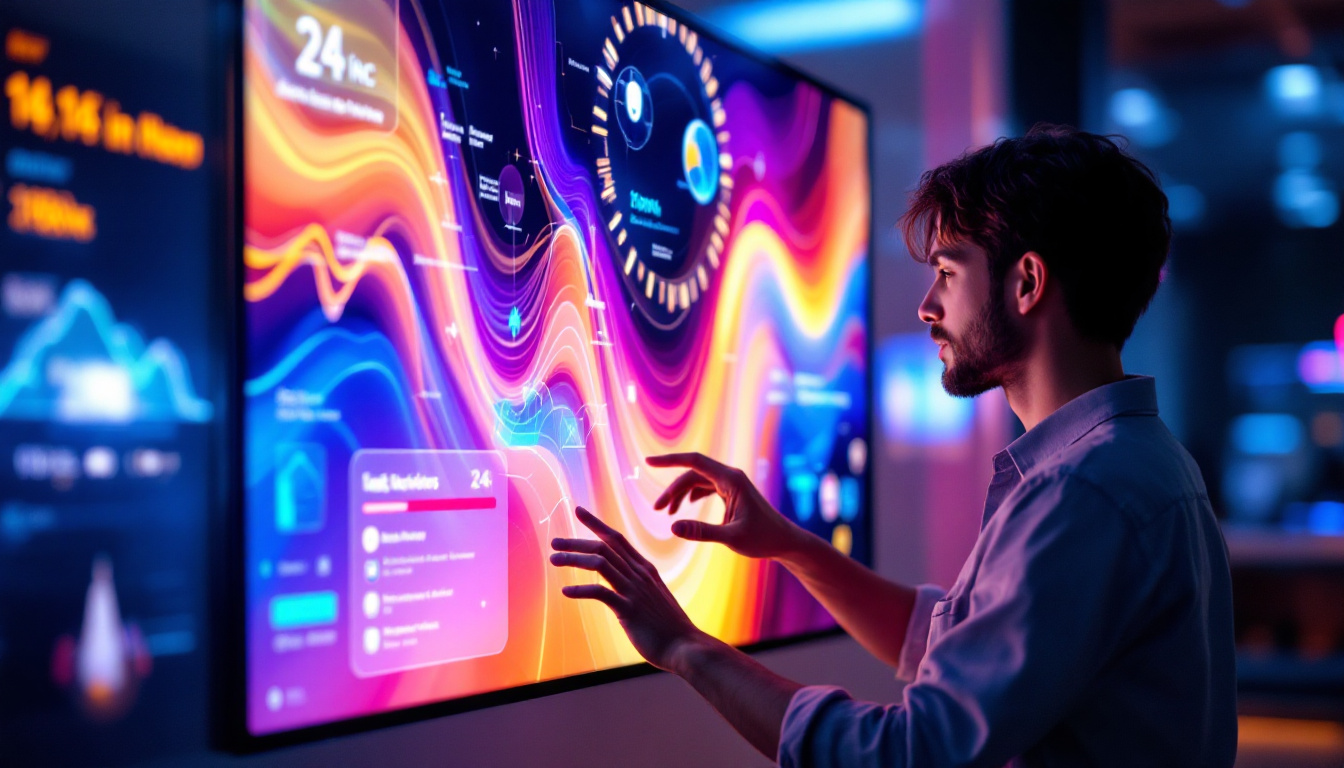
Modern LED brand walls often support real-time content updates and interactive features. For example, they can display live social media feeds, promotional videos, or dynamic advertisements that change based on time of day or audience demographics. This flexibility makes LED brand walls a powerful tool for engaging consumers in retail stores, event venues, corporate lobbies, and public spaces. Furthermore, the ability to integrate sensors allows these displays to respond to viewer interactions, such as touch or proximity, creating immersive experiences that captivate audiences and encourage participation. This interactivity not only enhances brand engagement but also provides valuable data insights into consumer behavior, enabling businesses to refine their marketing strategies effectively.
Key Applications of LED Brand Walls
LED brand walls have found widespread adoption across various industries due to their versatility and impact. Understanding where and how they are used helps illustrate their value for brand communication and customer engagement.
Retail Environments
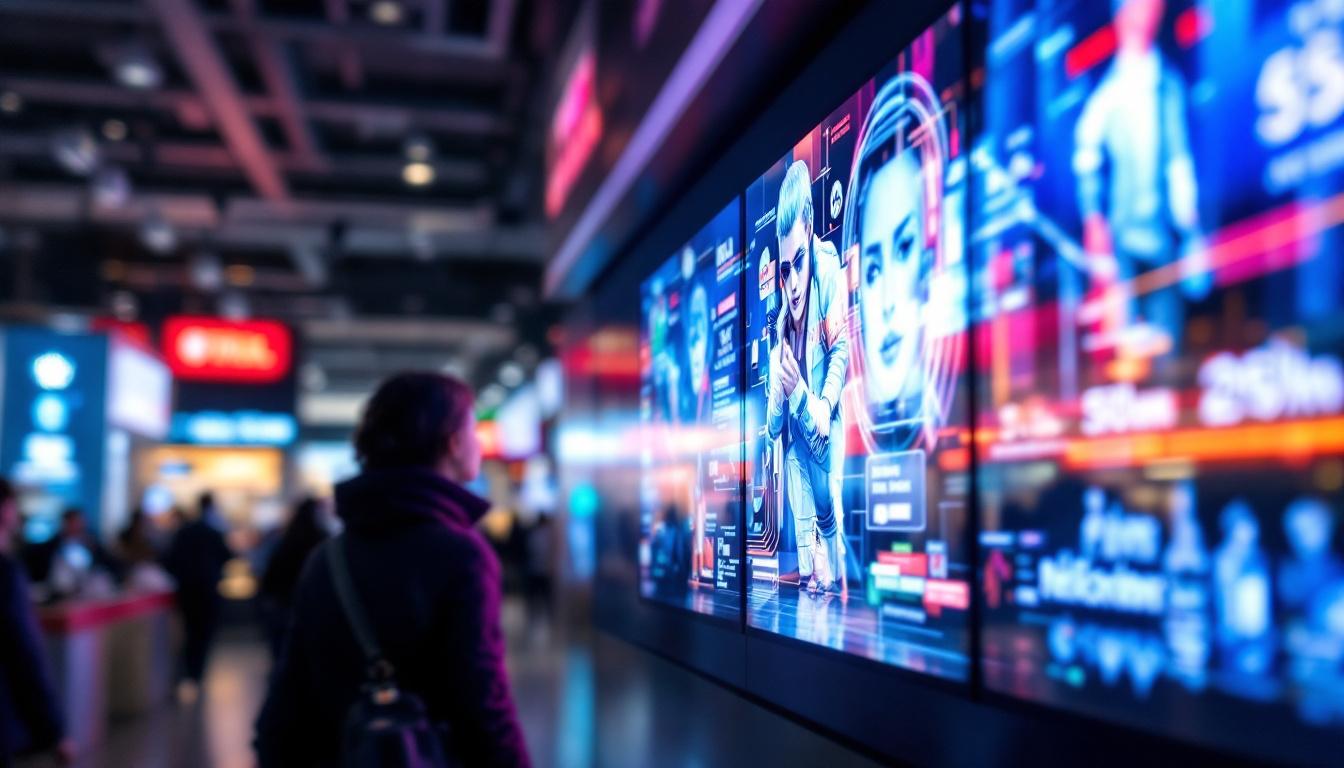
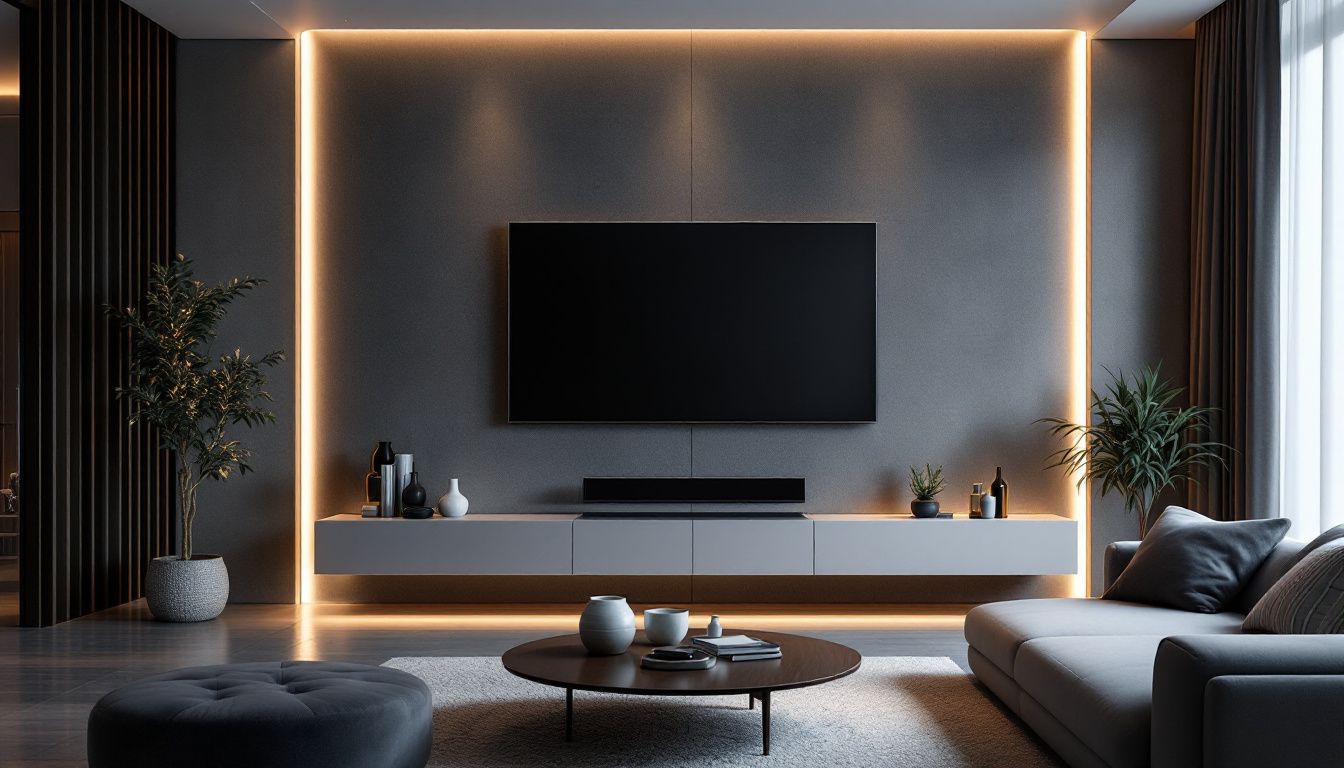
In retail, LED brand walls serve as eye-catching backdrops that enhance store aesthetics and create immersive shopping experiences. High-end fashion boutiques, electronics stores, and flagship outlets use LED walls to showcase product launches, seasonal campaigns, and brand stories in vivid detail.
According to a 2023 study by the Digital Signage Federation, stores with dynamic digital displays, including LED walls, experienced up to a 30% increase in customer dwell time and a 20% boost in sales conversion rates. This demonstrates how LED brand walls can directly influence consumer behavior and drive revenue. Additionally, retailers can leverage these walls for interactive experiences, allowing customers to engage with content through touch or mobile integration, further enhancing the shopping journey.
Corporate and Event Spaces
Corporate lobbies and conference centers utilize LED brand walls to reinforce brand identity and provide engaging visual content for visitors and employees. These installations often display company achievements, mission statements, or live event feeds, creating a professional and modern atmosphere.
At events such as trade shows, product launches, and concerts, LED brand walls are invaluable for delivering high-impact presentations and immersive visuals. Their scalability and portability allow event organizers to customize setups according to venue size and audience needs. Furthermore, the integration of real-time data feeds, such as social media interactions or audience polls, can transform a static display into a dynamic storytelling tool that captivates attendees and fosters a sense of community during the event.
Public and Outdoor Advertising
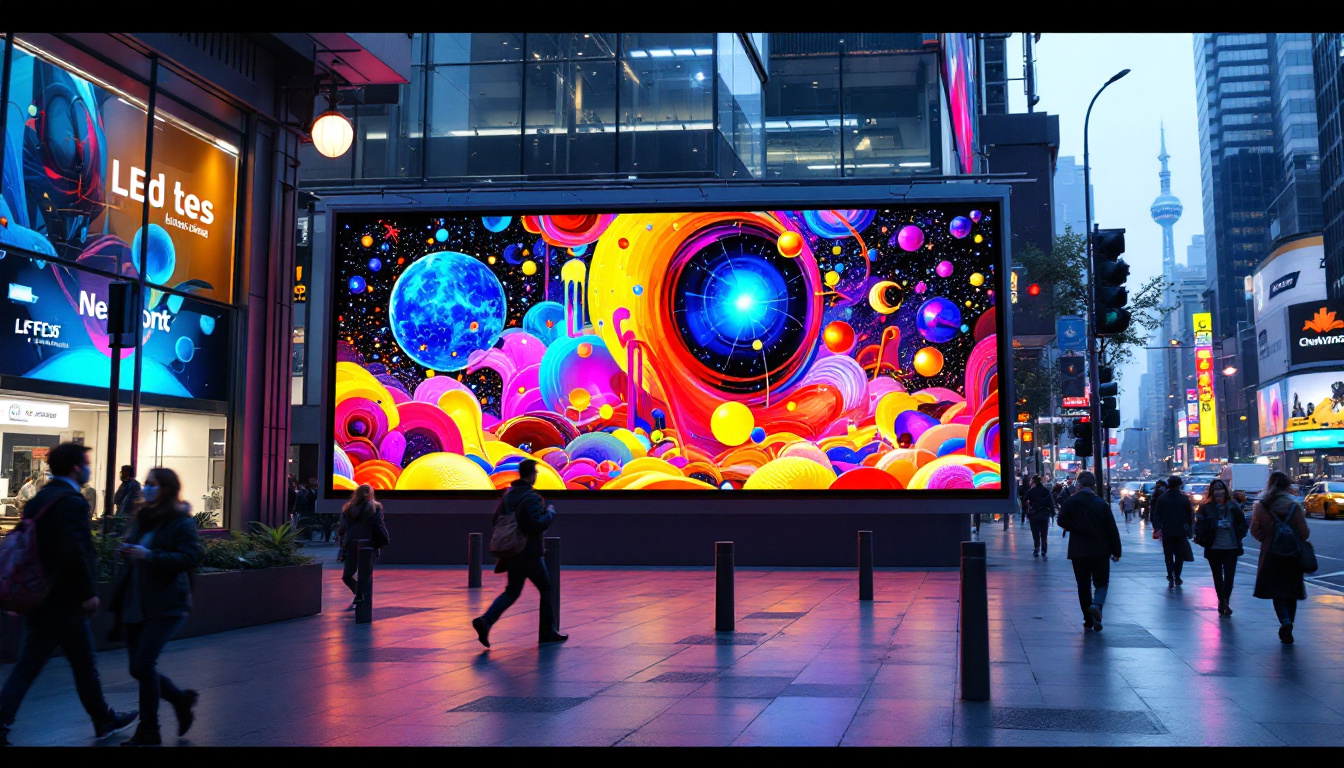
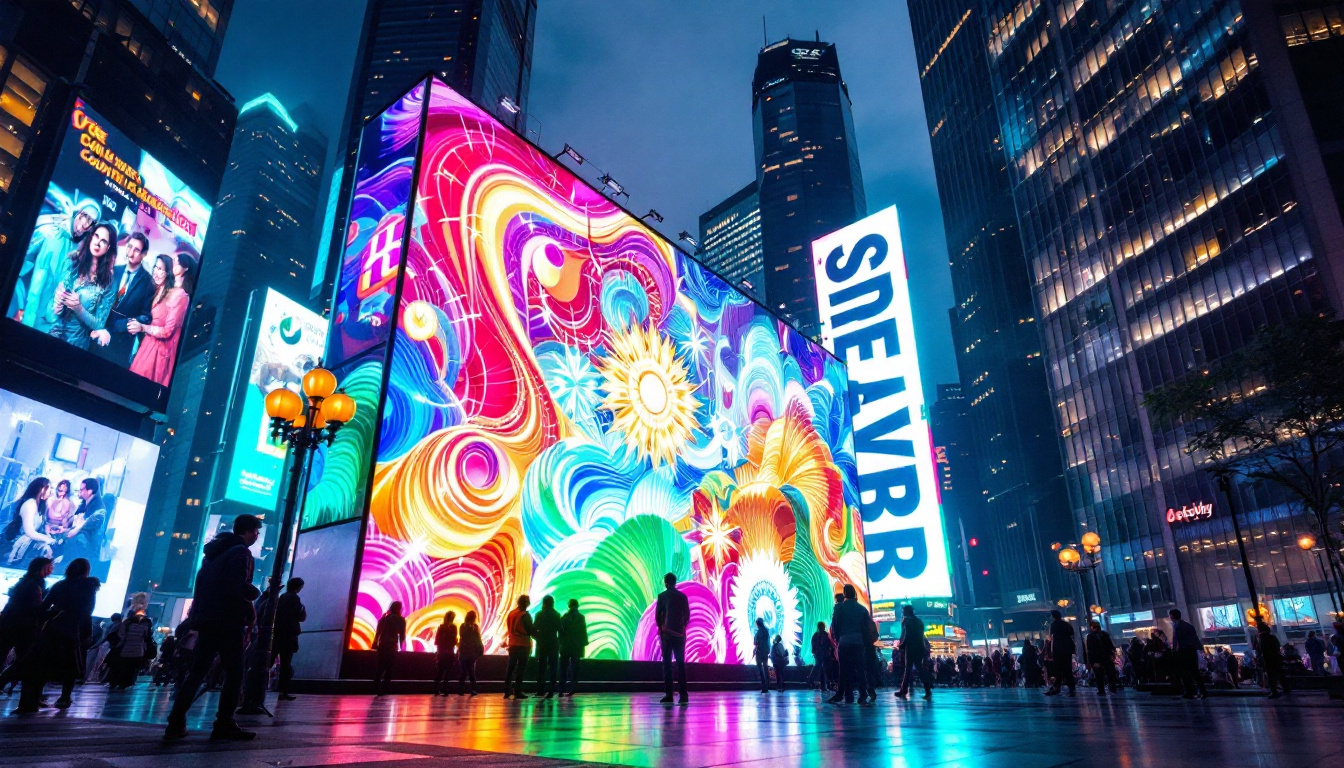
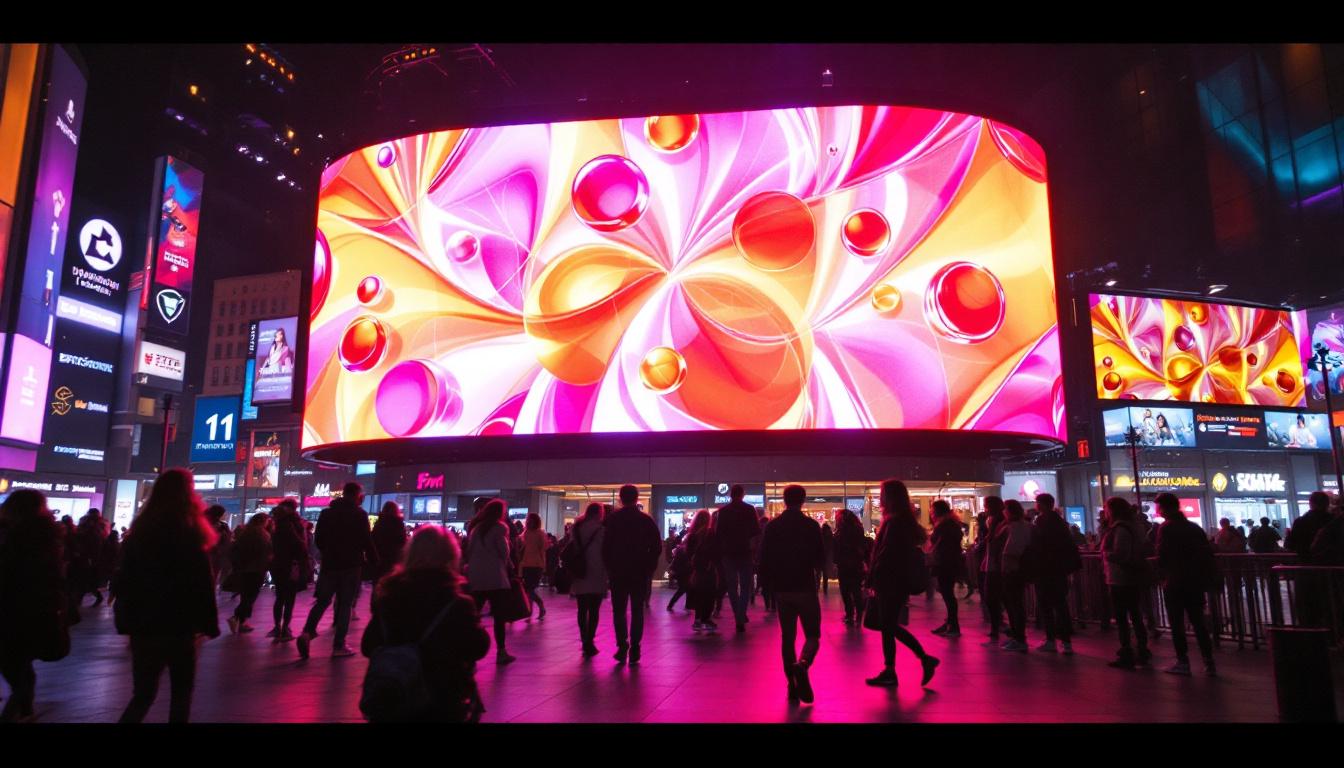
Outdoor LED brand walls are a staple of urban advertising, found on building facades, transportation hubs, and stadiums. Their brightness and durability enable 24/7 operation in diverse weather conditions, making them ideal for reaching large audiences.
For example, Times Square in New York City features some of the world’s most iconic LED brand walls, attracting millions of viewers daily. The ability to display dynamic, high-resolution content helps advertisers maximize brand visibility and engagement in competitive environments. Moreover, the advent of programmatic advertising allows for real-time content updates based on audience demographics and behaviors, ensuring that the messaging is not only relevant but also timely. This level of adaptability can significantly enhance the effectiveness of outdoor campaigns, making LED brand walls a crucial component of modern advertising strategies.
Benefits of Using LED Brand Walls for Branding
Choosing an LED brand wall as part of a marketing or corporate strategy offers numerous advantages. These benefits extend beyond aesthetics, impacting brand perception, operational efficiency, and long-term value.
Unmatched Visual Impact and Flexibility
LED brand walls deliver bright, vibrant images with exceptional clarity, ensuring that brand messages stand out. Their flexibility in size, shape, and content format allows brands to tailor displays to specific environments and campaigns. Whether showcasing static logos or dynamic video content, LED walls provide a visually compelling platform that captures attention effectively.
Enhanced Engagement and Interactivity
Interactive LED brand walls can incorporate touchscreens, motion sensors, or integration with mobile apps, enabling audiences to engage directly with the brand. This interactivity fosters deeper connections and memorable experiences, which are crucial in today’s competitive market where consumer attention spans are limited.
Energy Efficiency and Longevity
Compared to traditional lighting and display technologies, LEDs consume significantly less power and have longer operational lifespans—often exceeding 100,000 hours. This energy efficiency reduces operational costs and environmental impact, aligning with sustainability goals that are increasingly important to consumers and businesses alike.
Easy Content Management and Real-Time Updates
Modern LED brand walls are supported by sophisticated content management systems (CMS) that enable remote control and scheduling of content. Brands can quickly adapt messaging to market trends, promotions, or events without the need for physical alterations to the display. This agility enhances marketing responsiveness and campaign effectiveness.
Considerations When Planning an LED Brand Wall
While LED brand walls offer many advantages, successful implementation requires careful planning and consideration of several factors.
Resolution and Pixel Pitch
Pixel pitch refers to the distance between individual LED pixels and directly affects the display’s resolution and viewing distance. Smaller pixel pitches provide higher resolution and are ideal for close-up viewing, such as indoor brand walls in retail spaces. Larger pixel pitches are suitable for outdoor or large-scale displays where viewers are farther away.
Choosing the appropriate pixel pitch is critical to ensuring that the content appears sharp and clear to the target audience.
Installation Environment and Durability
The location of the brand wall influences material selection, weatherproofing, and brightness requirements. Outdoor installations must withstand rain, wind, and temperature fluctuations, while indoor setups may prioritize design aesthetics and integration with existing architecture.
Additionally, considerations such as mounting options, maintenance access, and safety compliance are essential to ensure longevity and operational reliability.
Budget and Return on Investment (ROI)
LED brand walls represent a significant investment, encompassing hardware, installation, content creation, and ongoing maintenance. Brands should evaluate the expected ROI by considering factors such as increased brand visibility, customer engagement, and sales impact.
Partnering with experienced LED display providers and consultants can help optimize costs and ensure that the installation aligns with strategic marketing objectives.
Future Trends in LED Brand Walls
The LED display industry continues to evolve, driven by technological advancements and changing consumer expectations. Staying informed about emerging trends can help brands leverage new opportunities for impactful communication.
MicroLED and MiniLED Technologies
MicroLED and MiniLED represent next-generation display technologies that offer even higher brightness, better color accuracy, and improved energy efficiency compared to traditional LEDs. These technologies enable thinner, lighter, and more flexible brand walls, expanding creative possibilities.
Integration with Augmented Reality (AR) and Artificial Intelligence (AI)
Combining LED brand walls with AR and AI technologies can create immersive and personalized experiences. For instance, AI-powered analytics can tailor displayed content based on audience demographics or behavior, while AR overlays add interactive digital layers to physical environments.
Sustainability and Eco-Friendly Design
As environmental concerns grow, LED brand walls are increasingly designed with recyclable materials and energy-saving features. Brands adopting sustainable display solutions can enhance their reputation and appeal to eco-conscious consumers.
Conclusion
LED brand walls have revolutionized the way brands communicate in physical spaces, offering unparalleled visual impact, flexibility, and engagement opportunities. From retail environments to outdoor advertising and corporate spaces, these dynamic displays help brands tell their stories with clarity and creativity.
Understanding the technology behind LED displays, their applications, benefits, and planning considerations is essential for businesses looking to invest in this powerful marketing tool. As LED technology continues to advance, brand walls will become even more versatile and immersive, shaping the future of brand communication.
Illuminate Your Brand with LumenMatrix
Ready to elevate your brand’s presence and captivate your audience with the most innovative LED display solutions? Look no further than LumenMatrix. As a pioneer in LED technology, we offer a diverse range of products, from Indoor and Outdoor LED Wall Displays to specialized solutions like Vehicle, Sports, and Floor LED Displays. Our mission is to transform your visual communication, ensuring your message resonates with brilliance and precision. Check out LumenMatrix LED Display Solutions today and bring your brand’s story to life in ways you’ve never imagined.