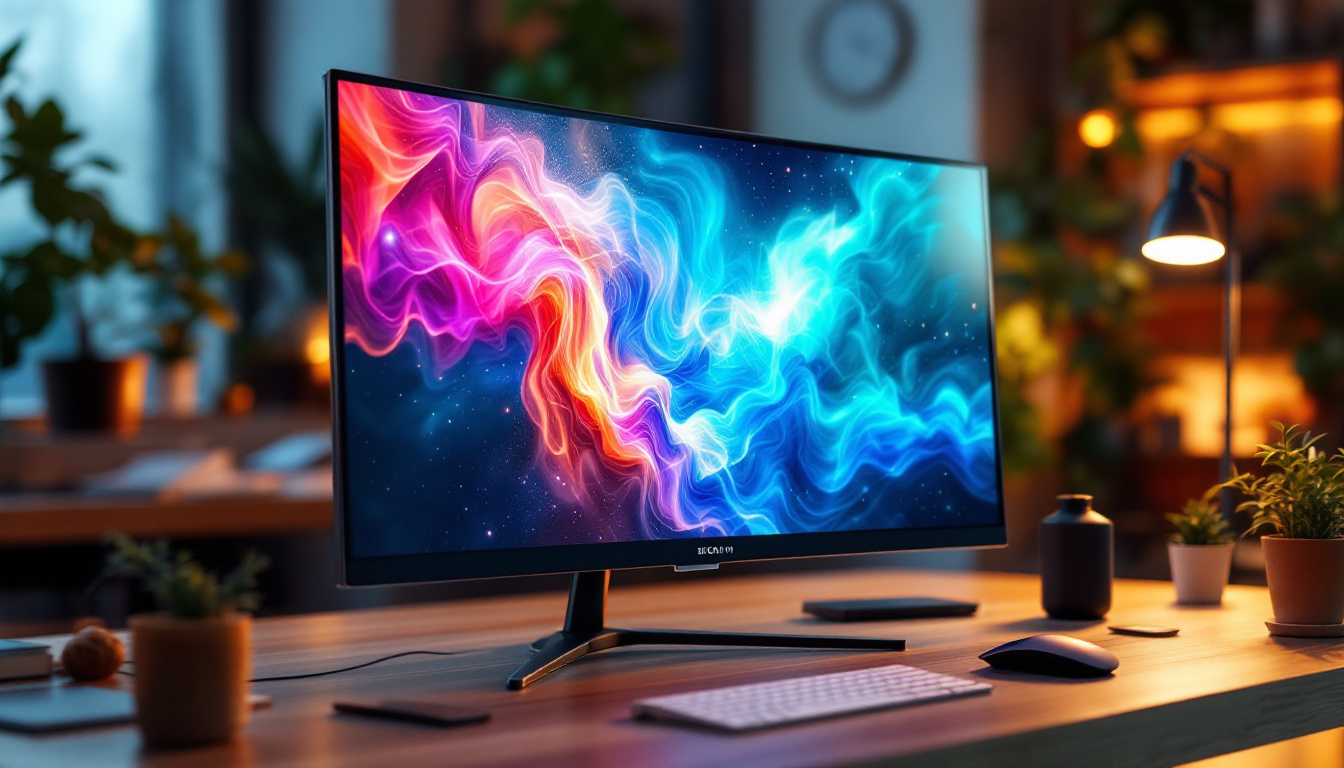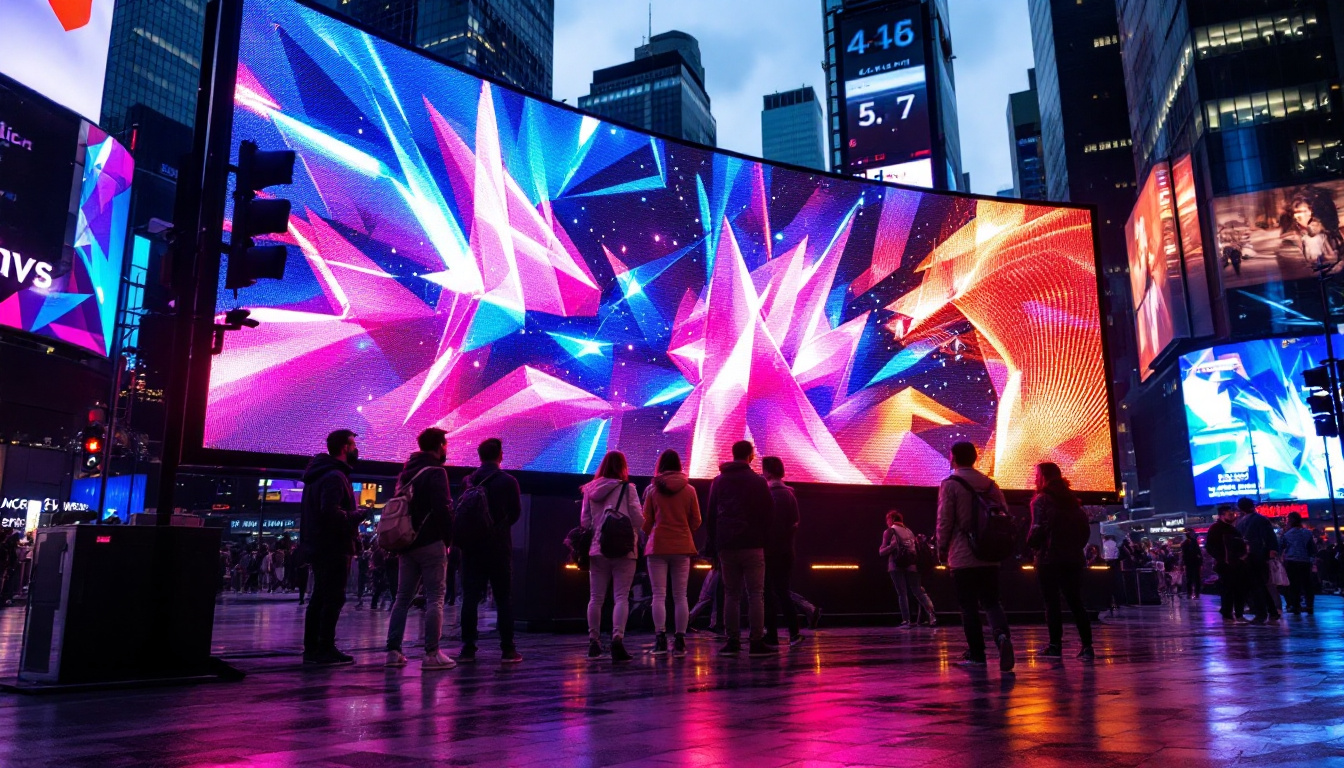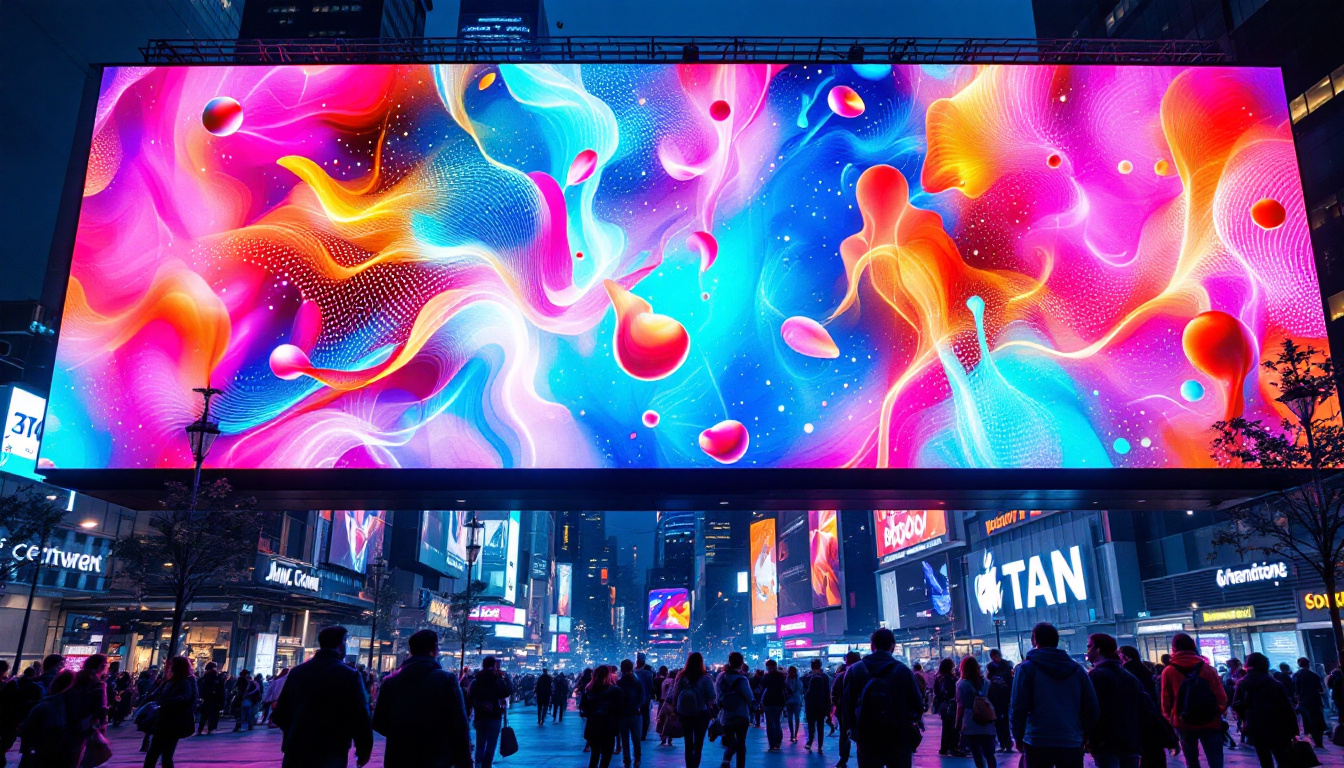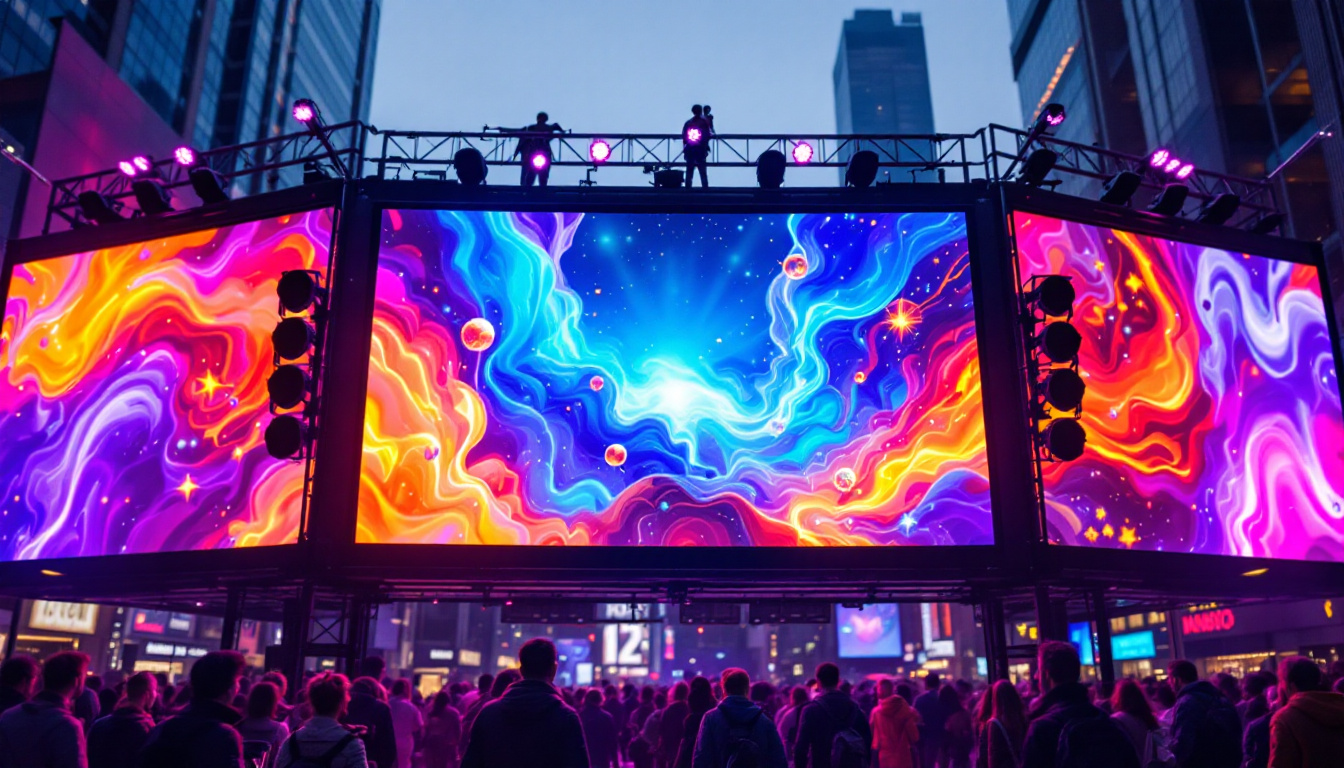
LED screens have become ubiquitous in today’s digital landscape, from massive outdoor billboards to the high-definition displays on smartphones and televisions. However, despite their widespread use and technological sophistication, LED screens are not immune to damage and malfunction. A broken LED screen can disrupt communication, entertainment, and business operations, making it crucial to understand how these displays work, what causes them to fail, and how to address common issues.
Understanding LED Display Technology
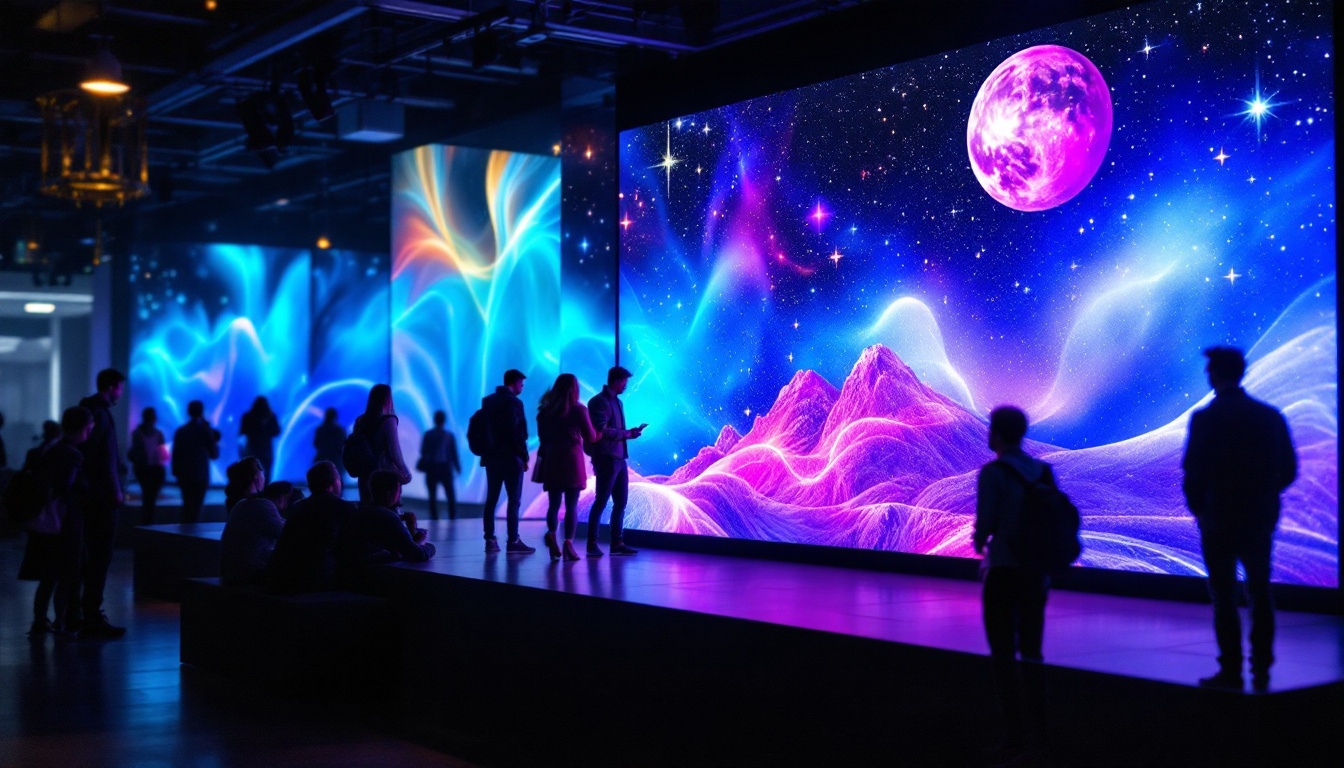
At its core, an LED (Light Emitting Diode) display is a flat panel that uses an array of light-emitting diodes as pixels to produce images. Unlike traditional LCD screens that rely on backlighting, LED displays emit light directly from each pixel, offering superior brightness, contrast, and energy efficiency.
LED screens come in various forms, including:
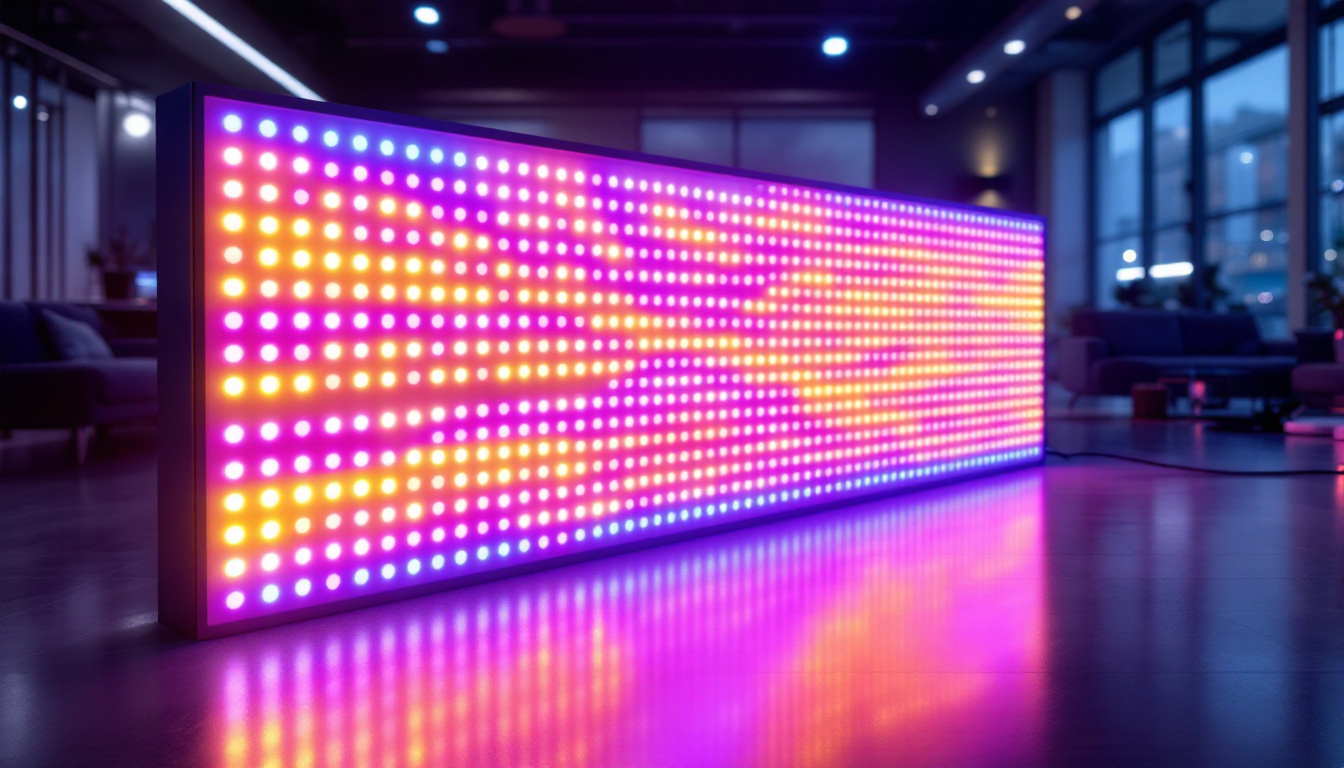
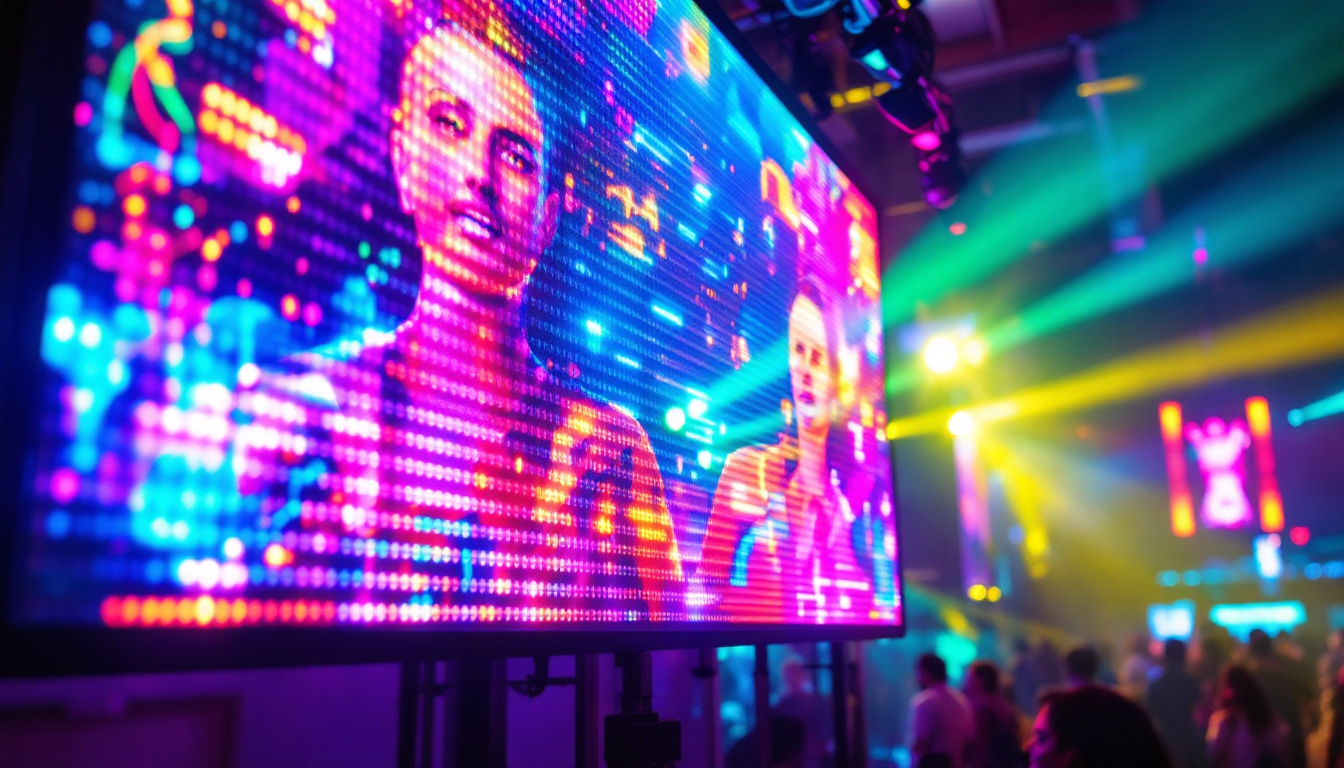
- Direct View LED (DVLED): Used primarily for large outdoor and indoor displays, these consist of modules with clusters of LEDs forming each pixel.
- LED-backlit LCD: Common in consumer electronics, where LEDs provide backlighting to an LCD panel.
- MicroLED: An emerging technology where microscopic LEDs form each pixel, promising higher resolution and better color accuracy.
The technology behind LED displays is complex but understanding the basics helps in diagnosing and addressing screen issues effectively.
How LED Screens Produce Images
Each LED pixel emits red, green, and blue light components that combine to create the full spectrum of colors seen on the screen. By controlling the intensity of each LED, the display can render detailed images and videos with vibrant colors and deep blacks.
In large-scale LED panels, these pixels are arranged in modules, which are then assembled into a complete screen. The modular design allows for scalability but also introduces potential points of failure if individual modules or LEDs malfunction. This is particularly important in settings like sports arenas or concert venues, where the display needs to maintain high performance under varying conditions and for extended periods.
Moreover, the advancements in LED technology have led to the development of features such as high dynamic range (HDR) and wide color gamut (WCG), which enhance the viewing experience by providing more realistic images. HDR allows for a greater contrast ratio, making bright areas brighter and dark areas darker, while WCG expands the range of colors that can be displayed, resulting in more lifelike visuals. These features are becoming increasingly common in both commercial and consumer displays, making LED technology a preferred choice for a wide range of applications, from digital signage to home entertainment systems.
Common Causes of Broken LED Screens
LED screens, despite their robustness, can suffer from various types of damage. Identifying the root cause is essential for effective repair or replacement. Below are some of the most frequent causes of broken LED screens:
Physical Damage
One of the most straightforward causes of a broken LED screen is physical impact. This can occur due to accidental drops, collisions, or vandalism. Physical damage often manifests as cracks, dead pixels, or entire sections of the screen failing to light up.
For example, a smartphone dropped from a height may display spiderweb cracks and unresponsive areas on the screen. Similarly, outdoor LED billboards exposed to harsh weather or accidental impacts may develop damaged modules. Additionally, even minor bumps can lead to internal damage that may not be immediately visible, potentially resulting in long-term functionality issues. It’s crucial for users to handle their devices with care and consider using protective cases or screen protectors to mitigate the risk of such damage.
Electrical Failures
LED screens rely on intricate electrical circuits to function. Power surges, faulty wiring, or damaged connectors can cause partial or complete screen failure. Symptoms include flickering, color distortion, or blackouts in certain screen areas.
In commercial settings, unstable power supply without proper surge protection can accelerate electrical failures. Regular maintenance and quality power management are critical to prolonging the lifespan of LED displays. Moreover, using high-quality power supplies and ensuring that all connections are secure can help prevent these issues. In some cases, implementing a routine check of electrical components can catch potential problems before they escalate into more severe failures, ensuring that the display remains functional and reliable.
Environmental Factors
Environmental conditions such as moisture, extreme temperatures, and dust can degrade LED screens over time. Moisture ingress can cause corrosion of internal components, while excessive heat can accelerate wear and tear on LEDs and circuit boards.
Outdoor LED displays are particularly vulnerable, requiring robust weatherproofing and regular inspections to prevent damage. Indoor screens can also suffer if placed in high-humidity environments or near heat sources. Furthermore, dust accumulation can obstruct ventilation and heat dissipation, leading to overheating. Implementing a cleaning schedule and using protective covers can help maintain optimal operating conditions for LED screens, extending their lifespan and ensuring consistent performance.
Manufacturing Defects and Aging
Sometimes, broken LED screens result from manufacturing defects or natural aging. Poor quality control during production can lead to premature failure of LEDs or driver chips. Additionally, LEDs have a finite lifespan, typically ranging from 50,000 to 100,000 hours of use, after which brightness and color accuracy degrade.
Understanding the expected lifespan and warranty coverage of LED screens helps users plan for maintenance and eventual replacement. As technology advances, newer LED models may offer improved durability and efficiency, making it worthwhile for consumers to stay informed about the latest developments in LED technology. Regularly updating equipment can not only enhance visual quality but also reduce the likelihood of encountering issues related to aging components.
Diagnosing and Troubleshooting Broken LED Screens
When faced with a broken LED screen, a systematic approach to diagnosis can save time and costs. The following steps outline common troubleshooting methods:
Visual Inspection
Begin by examining the screen for visible signs of damage such as cracks, discoloration, or missing pixels. Check for loose cables, connectors, or signs of corrosion. For modular LED panels, inspect individual modules for irregularities. It’s also beneficial to look for any signs of water damage, which can often be overlooked but is a common culprit in screen failures. Additionally, consider the age of the screen; older models may have inherent weaknesses that newer technologies have addressed, making them more susceptible to issues.
Testing Electrical Components
Use diagnostic tools like multimeters to check power supply voltages and continuity of circuits. Specialized LED testers can verify the functionality of individual diodes or modules. Identifying faulty components helps target repairs precisely. It’s also wise to check the power supply unit (PSU) for any irregularities, as a malfunctioning PSU can lead to insufficient power delivery, causing the screen to flicker or display incorrectly. Furthermore, keeping a log of any electrical anomalies can assist in recognizing patterns that may indicate a deeper issue within the system.
Software and Signal Checks
Sometimes, the issue lies not with the hardware but with the input signal or software controlling the display. Verify that the video source, cables, and control systems are functioning correctly. Firmware updates or recalibration may resolve certain display anomalies. Additionally, it’s important to ensure that the correct resolution settings are being used, as mismatched resolutions can lead to distorted images or blank screens. Testing with different sources can also help isolate whether the problem is with the screen itself or the connected devices.
Environmental Assessment
Evaluate the operating environment for factors that might contribute to screen failure. Addressing humidity, temperature, and dust issues can prevent recurring problems. For instance, excessive heat can lead to overheating components, while high humidity can promote corrosion. It’s also advisable to consider the placement of the screen; direct sunlight or exposure to harsh weather conditions can significantly impact its longevity and performance. Implementing protective measures, such as installing screens in shaded areas or using protective enclosures, can enhance durability and reduce the likelihood of future failures.
Repair and Maintenance Strategies
Proper maintenance and timely repairs are essential to extend the life of LED screens and ensure optimal performance. Here are key strategies used by professionals:
Module Replacement
For large LED panels, replacing individual faulty modules is often more cost-effective than replacing the entire screen. Modules are designed for easy removal and replacement, minimizing downtime.
Pixel Repair Techniques
Dead or stuck pixels can sometimes be revived using specialized software tools or by applying gentle heat or pressure. However, these methods are not always reliable and may require professional intervention.
Cleaning and Environmental Controls
Regular cleaning of LED screens removes dust and debris that can impair performance. Implementing environmental controls such as humidity regulation and temperature monitoring helps prevent damage.
Preventive Maintenance
Scheduled inspections and maintenance routines can identify potential issues before they escalate. This includes checking electrical connections, updating firmware, and verifying calibration settings.
When to Replace a Broken LED Screen
Despite repair efforts, some broken LED screens reach a point where replacement is the most practical solution. Consider replacement when:
- Multiple modules or a large number of pixels are damaged beyond repair.
- Electrical failures are recurrent and costly to fix.
- The screen no longer meets brightness or color standards due to aging.
- Newer technologies offer significant improvements in efficiency or image quality.
Modern LED displays continue to evolve rapidly, with innovations like MicroLED and flexible panels offering enhanced capabilities. Upgrading to newer models can improve user experience and reduce operational costs.
Conclusion
Broken LED screens can disrupt vital communications and entertainment experiences, but understanding the technology behind LED displays and common causes of failure empowers users to take effective action. Whether dealing with physical damage, electrical issues, or environmental factors, a methodical approach to diagnosis, repair, and maintenance can extend the lifespan of these versatile displays.
As LED technology continues to advance, staying informed about best practices and emerging trends will help businesses and consumers maximize the value of their LED screens and minimize downtime caused by screen failures.
Explore Cutting-Edge LED Solutions with LumenMatrix
Don’t let a broken LED screen put a damper on your visual communication needs. LumenMatrix is at the forefront of LED display technology, offering a wide range of innovative solutions tailored to your unique requirements. From captivating Indoor and Outdoor LED Wall Displays to dynamic Vehicle and Sports LED Displays, our products are designed to elevate your brand and engage your audience. Experience the future of visual storytelling with our Custom, All-in-One, and Transparent LED Displays. Ready to transform your space with unparalleled clarity and impact? Check out LumenMatrix LED Display Solutions today and see the difference for yourself.