In today’s digital age, the integration of cameras with monitor screens has become a common feature across various devices and applications. From video conferencing setups to security monitoring systems, understanding how cameras interact with LED displays is essential for both consumers and professionals. This article delves into the technical and practical aspects of cameras used for monitor screens, focusing on LED display technology, its advantages, challenges, and the future outlook.
Understanding LED Display Technology
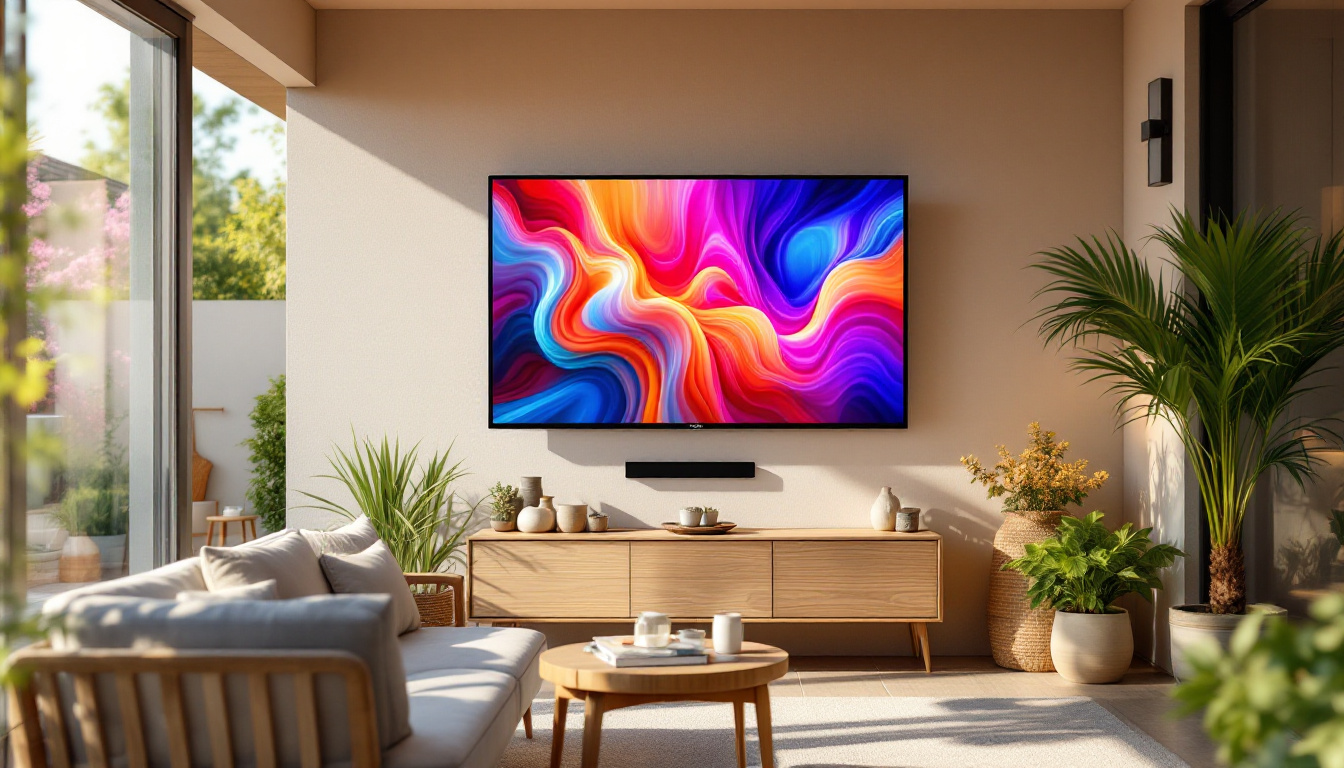
LED, or Light Emitting Diode, displays have revolutionized the way visual content is presented on screens. Unlike traditional LCDs that rely on backlighting, LED displays use individual diodes to emit light, which results in brighter, more vibrant images with better contrast ratios. This technology not only enhances the visual experience but also contributes to energy efficiency, making LED displays a more sustainable choice for consumers and businesses alike.
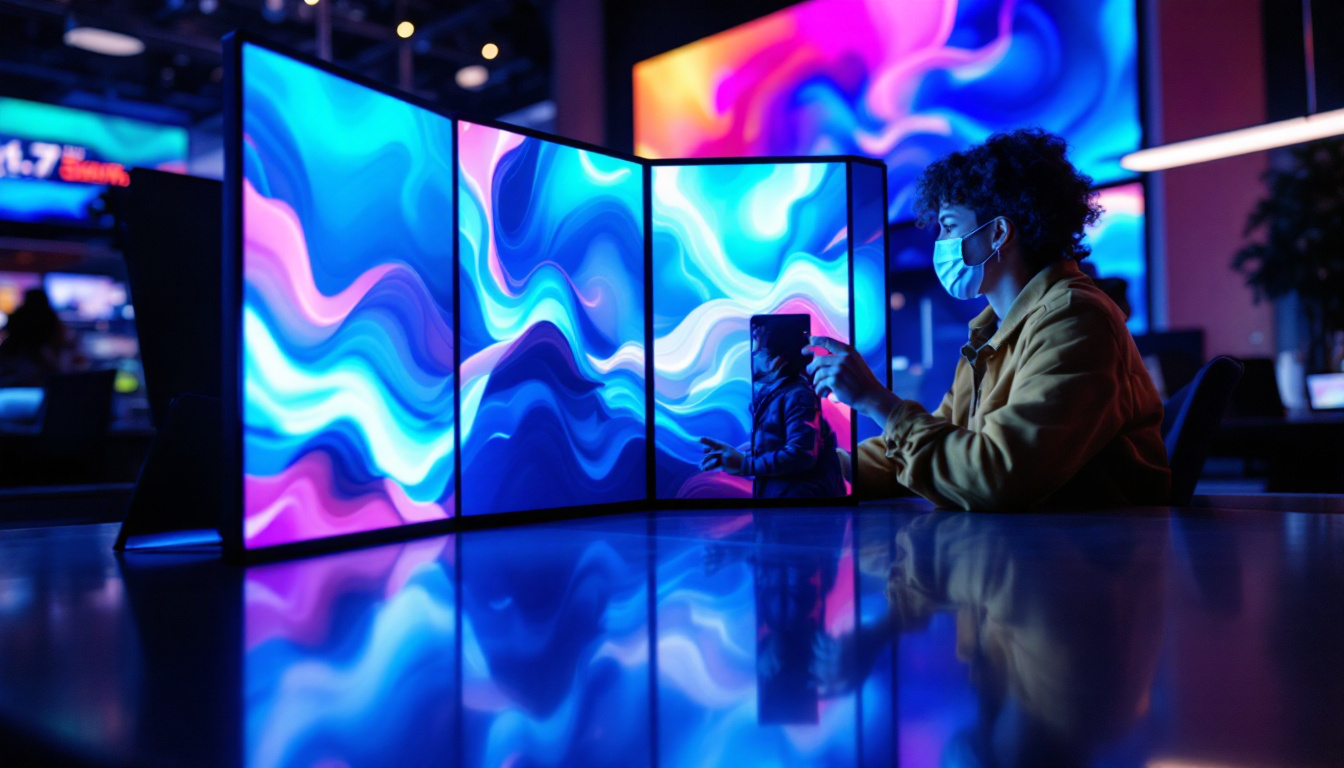
LED displays are widely used in monitors, televisions, digital signage, and large-scale video walls. Their efficiency and ability to produce deep blacks and vivid colors make them ideal for environments where image quality is paramount. For users integrating cameras with these displays, understanding LED technology is crucial to optimize performance and ensure compatibility. Furthermore, the durability of LED displays, which can withstand harsher conditions compared to other display types, makes them a preferred option for outdoor advertising and public displays.
How LED Displays Work
At the core of an LED display are tiny semiconductor diodes that emit light when an electric current passes through them. These diodes are arranged in a matrix to form pixels, which collectively produce the images seen on the screen. Depending on the type of LED display—whether it’s an edge-lit LED or a full-array LED—the lighting and color rendering can vary significantly. Edge-lit displays utilize LEDs positioned around the edges of the screen, while full-array displays have a grid of LEDs behind the entire screen, allowing for more precise control over brightness and contrast in different areas of the image.
Modern LED monitors often incorporate advanced features such as HDR (High Dynamic Range), which enhances the contrast and color range, providing a more lifelike viewing experience. This is particularly important when cameras capture images or video intended for display on these screens, as the fidelity of the output depends on the display’s capabilities. Additionally, many LED displays now support a wide color gamut, enabling them to reproduce a broader spectrum of colors, which is especially beneficial for graphic design, photography, and video production. As technology continues to evolve, innovations such as microLED and miniLED are emerging, promising even greater improvements in image quality, energy efficiency, and design flexibility, further pushing the boundaries of what LED displays can achieve.
The Role of Cameras in Monitor Screen Applications
Cameras integrated with monitor screens serve multiple purposes across different industries. Whether used for real-time video conferencing, security surveillance, or interactive kiosks, the synergy between camera technology and LED displays is vital for seamless user experiences.
Video Conferencing and Remote Collaboration
With the rise of remote work, video conferencing has become a staple in professional communication. Cameras embedded in or connected to LED monitors enable clear, high-definition video feeds that facilitate face-to-face interaction despite physical distances. The quality of the camera directly impacts the clarity of the image displayed on the LED screen, influencing user engagement and communication effectiveness.
High-resolution cameras paired with LED monitors that support wide color gamuts and high refresh rates ensure smooth and vibrant video streams. This combination reduces eye strain and enhances the overall experience during prolonged virtual meetings. Furthermore, the integration of artificial intelligence in camera systems can enhance video quality by automatically adjusting lighting and focus, ensuring that participants are always presented in the best possible light. Advanced features such as background blur and virtual backgrounds also allow users to maintain professionalism, regardless of their actual surroundings.
Security and Surveillance Systems
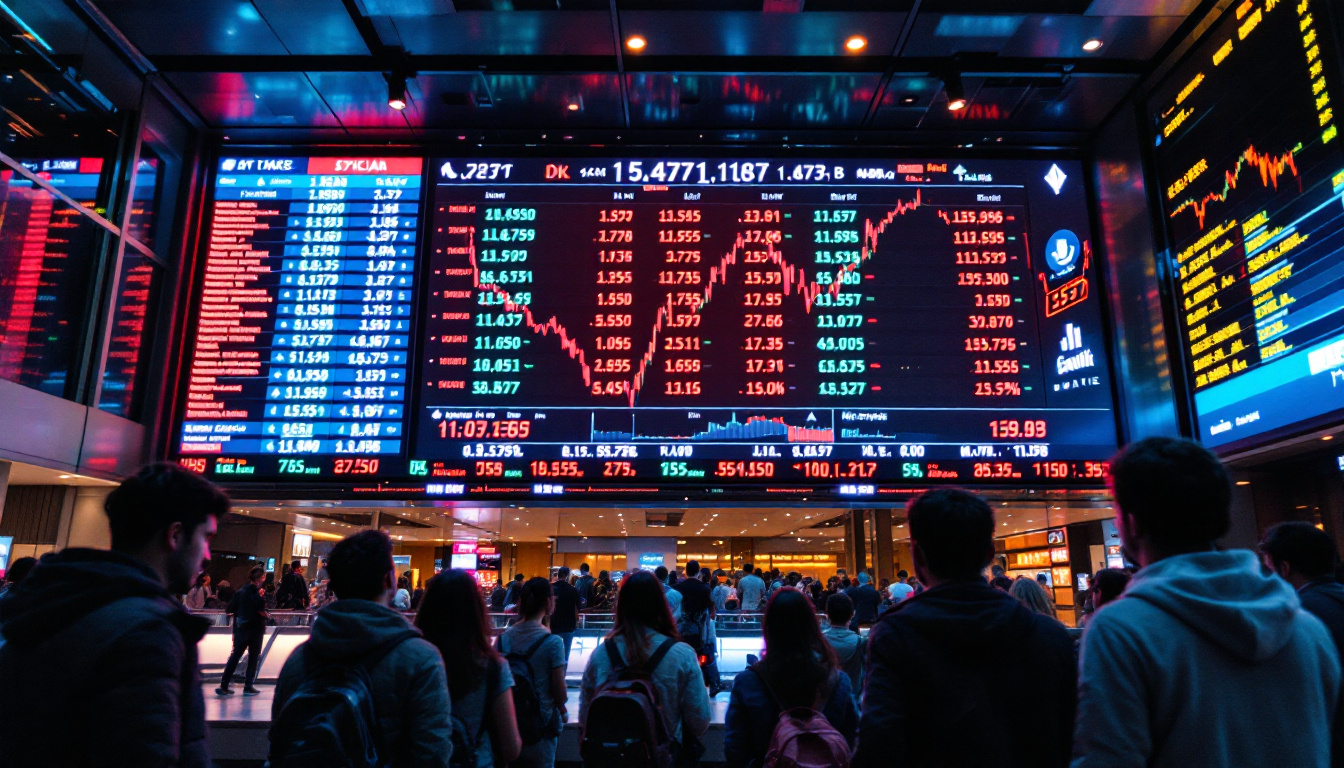
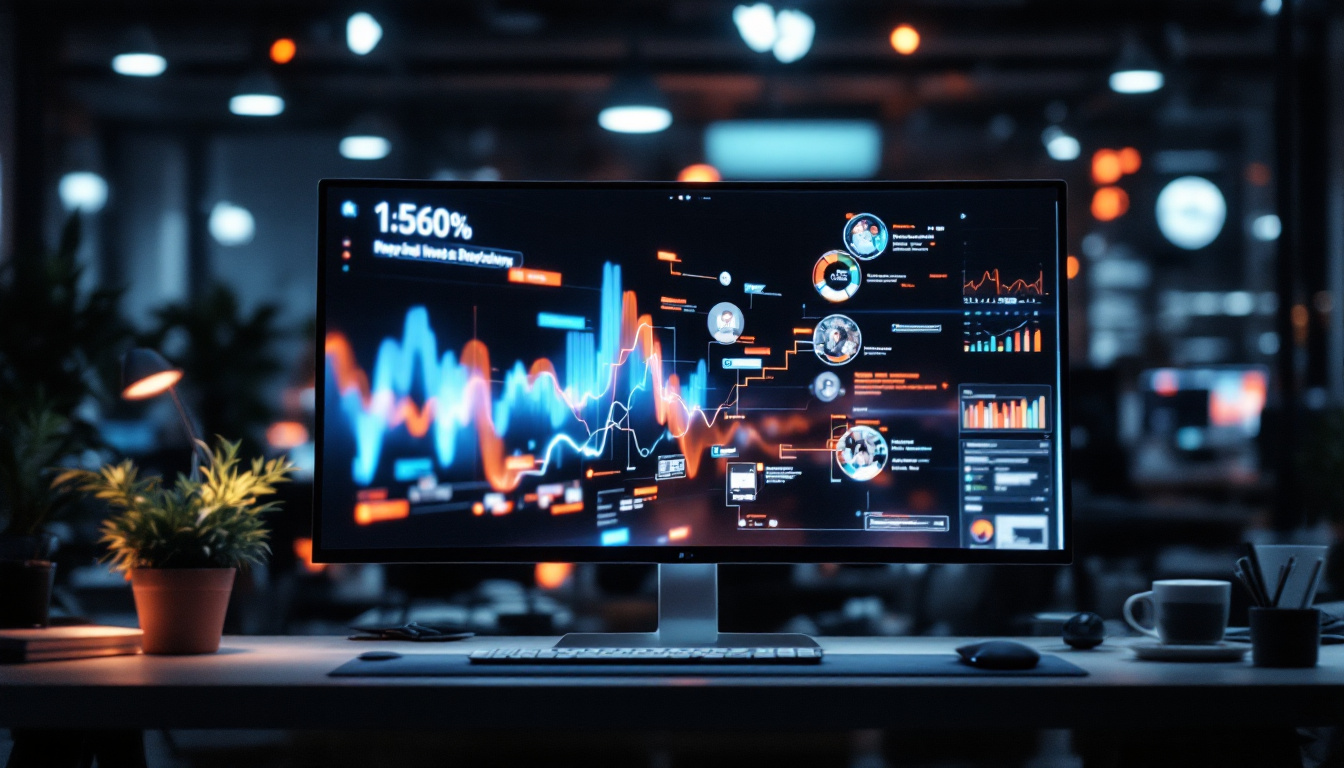
In security applications, cameras are often paired with large LED display walls to monitor multiple video feeds simultaneously. LED displays offer the brightness and clarity necessary to view details in various lighting conditions, which is critical for identifying potential threats or incidents.
Advanced cameras with features like night vision, motion detection, and zoom capabilities complement LED displays by providing high-quality input that can be analyzed in real time. The integration of these technologies supports faster decision-making and more effective security management. Additionally, the use of analytics software can enhance surveillance systems by employing facial recognition and behavior analysis, enabling security personnel to respond proactively to suspicious activities. This not only increases safety but also optimizes resource allocation, ensuring that security teams can focus their efforts where they are most needed.
Challenges in Integrating Cameras with LED Displays
While the combination of cameras and LED displays offers numerous benefits, there are technical challenges that need to be addressed to ensure optimal performance.
Latency and Synchronization Issues
One of the primary concerns is latency—the delay between the camera capturing an image and the LED display showing it. In applications like live broadcasting or interactive systems, even a slight delay can disrupt the user experience. Ensuring synchronization between the camera’s frame rate and the display’s refresh rate is essential to minimize lag and maintain smooth visuals.
Manufacturers often employ technologies such as low-latency video processing and adaptive refresh rates to address these issues. However, users must also consider the compatibility of their hardware components to avoid bottlenecks. Additionally, the physical distance between the camera and the display can introduce further latency, particularly in large venues where signals must travel considerable distances. This necessitates the use of high-quality cabling and signal boosters to ensure that data transmission remains efficient and fast.
Color Calibration and Image Fidelity
Another challenge lies in maintaining accurate color representation from the camera to the LED display. Cameras capture images based on sensor data, which must be processed and rendered correctly on the screen. Without proper calibration, colors can appear washed out, oversaturated, or distorted.
Professional setups often use color calibration tools and software to align the camera’s output with the display’s color profile. This ensures consistency, especially in industries like graphic design, broadcasting, and medical imaging, where color accuracy is critical. Furthermore, environmental factors such as ambient lighting can also affect how colors are perceived on an LED display. For instance, a brightly lit room may cause colors to look different than they would in a dimly lit space. To counteract this, some advanced systems incorporate ambient light sensors that adjust the display settings dynamically, ensuring that the visual output remains true to the original captured image regardless of surrounding conditions.
Choosing the Right Camera for LED Monitor Screens
Selecting a camera that complements an LED display involves considering several technical specifications and application requirements.
Resolution and Frame Rate
High resolution is key to capturing detailed images, which is particularly important when the output is displayed on large LED screens. Cameras offering 1080p (Full HD) or 4K resolution are common choices, providing crisp visuals that maintain quality even when zoomed or enlarged.
Frame rate, measured in frames per second (fps), affects the smoothness of video playback. For most applications, 30 fps is sufficient, but higher frame rates like 60 fps are preferred for fast-moving scenes or interactive uses to reduce motion blur.
Connectivity and Compatibility
The camera’s interface—USB, HDMI, or IP-based streaming—must be compatible with the LED monitor or the system it’s integrated into. USB cameras are popular for plug-and-play convenience, while HDMI cameras offer direct high-definition video transmission. IP cameras, often used in security setups, stream video over networks, enabling flexible placement and scalability.
Ensuring compatibility with the monitor’s input options and any intermediary devices like video processors or switchers is critical to avoid connectivity issues.
Additional Features
Features such as autofocus, low-light performance, wide dynamic range, and built-in microphones enhance the camera’s utility in various scenarios. For instance, autofocus ensures sharp images during video calls, while low-light capabilities improve visibility in dim environments, which is essential for surveillance.
Some cameras also offer pan-tilt-zoom (PTZ) functionality, allowing remote control over the camera’s orientation and zoom level, providing flexibility in monitoring and interaction.
Future Trends in Camera and LED Display Integration
The convergence of camera and LED display technologies continues to evolve, driven by advancements in AI, 5G connectivity, and display innovations.
Artificial Intelligence and Enhanced Image Processing
AI-powered cameras are becoming more prevalent, offering features like facial recognition, automatic scene optimization, and real-time video enhancement. When paired with LED displays, these capabilities enable smarter and more interactive systems, such as automated meeting room setups or intelligent surveillance monitoring.
Higher Resolution and Flexible Displays
As LED technology advances, displays with higher pixel densities and flexible form factors are emerging. Cameras will need to keep pace by offering ultra-high resolutions and adaptable interfaces to support these new display types, enabling immersive experiences like virtual reality and augmented reality applications.
Improved Connectivity and Integration
With the rollout of 5G and faster wireless protocols, cameras and LED displays will achieve lower latency and higher bandwidth connections. This will facilitate seamless streaming and real-time interaction, expanding possibilities in telemedicine, remote education, and live event broadcasting.
Conclusion
The integration of cameras with LED monitor screens is a dynamic field that blends cutting-edge display technology with sophisticated imaging solutions. Understanding the fundamentals of LED displays, the role of cameras in various applications, and the challenges involved is essential for making informed decisions when selecting or deploying these systems.
As technology continues to advance, the synergy between cameras and LED displays will unlock new opportunities for communication, security, entertainment, and beyond. Staying informed about the latest trends and best practices ensures that users and professionals can harness the full potential of these powerful tools.
Explore Cutting-Edge LED Display Solutions with LumenMatrix
Ready to elevate your visual experience with the latest in LED display technology? Look no further than LumenMatrix, a pioneer in crafting LED display modules that transform how you communicate and captivate your audience. From the immersive Indoor LED Wall Display to the dynamic Outdoor LED Wall Display, and from the mobile versatility of Vehicle LED Displays to the innovative LED Transparent Display, LumenMatrix offers a comprehensive range of solutions tailored to your needs. Embrace the future of visual engagement and check out LumenMatrix LED Display Solutions today to discover how you can make a lasting impression and share your message with unparalleled impact and clarity.