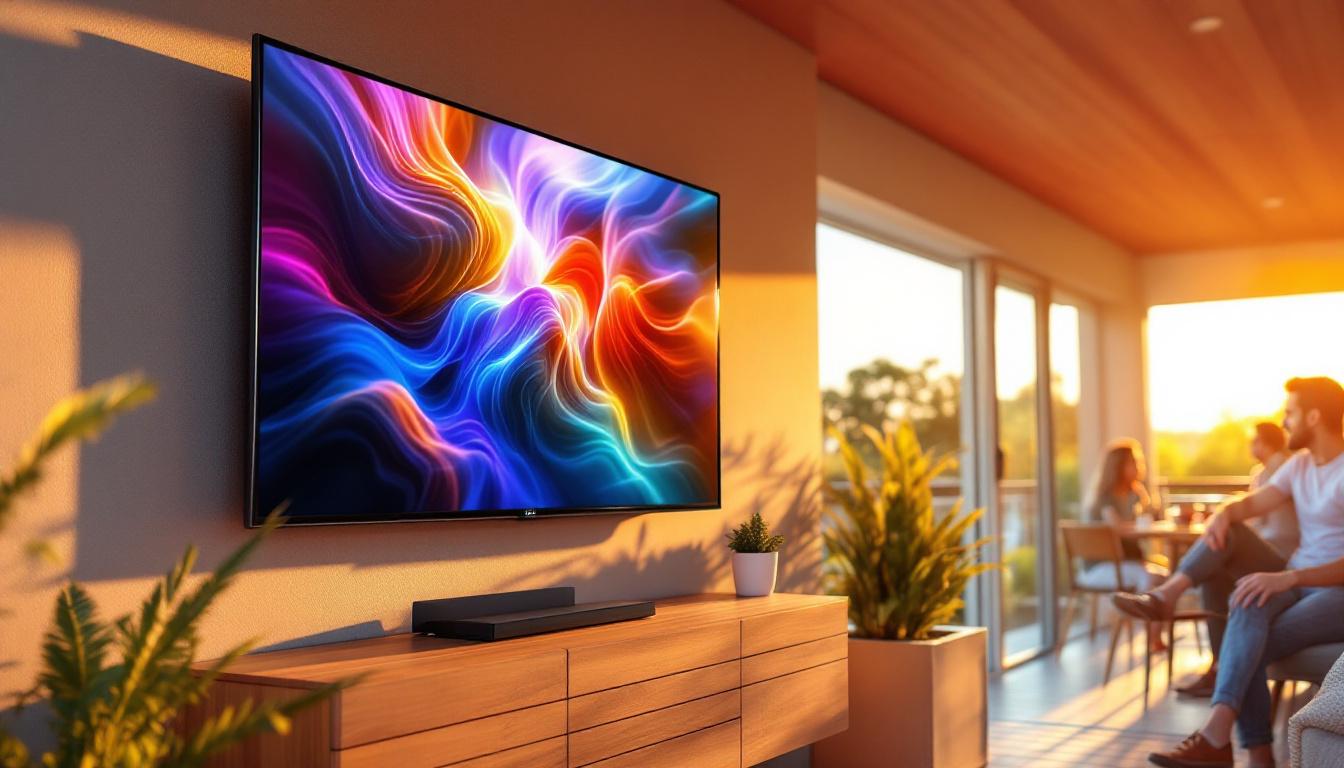
Can Any TV Be Used Outdoors: LED Display Explained
As outdoor entertainment and advertising continue to grow in popularity, many people wonder whether their standard indoor TVs can be used outside. The allure of watching sports on a big screen in the backyard or displaying vibrant digital signage in open-air venues is undeniable. However, not all TVs are created equal when it comes to outdoor use. This article explores the key differences between indoor and outdoor TVs, the technology behind LED displays, and what you need to consider before placing a screen outdoors.
Understanding the Differences Between Indoor and Outdoor TVs
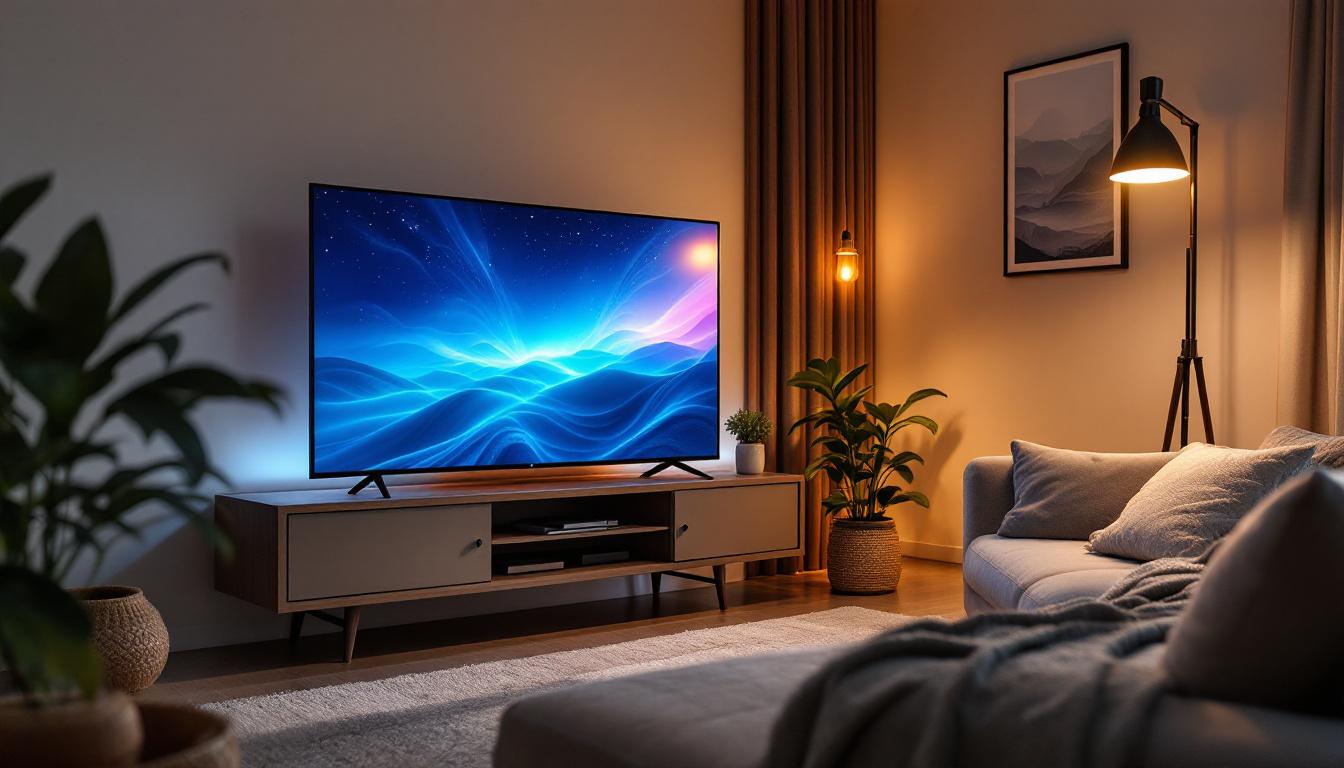
At first glance, a TV is a TV. However, the environment in which a television operates dramatically affects its performance and longevity. Indoor TVs are designed for controlled environments—stable temperatures, low humidity, and minimal exposure to sunlight or weather elements. Outdoor TVs, on the other hand, must withstand a variety of challenges including moisture, temperature fluctuations, and direct sunlight.
Environmental Challenges for Outdoor TVs
Outdoor environments expose TVs to rain, dust, dirt, and extreme temperatures. For example, a backyard TV might face temperatures ranging from below freezing in winter to over 100°F (38°C) in summer. Humidity levels can also vary widely, and exposure to direct sunlight can cause overheating and screen glare, reducing visibility.
Standard indoor TVs lack the protective features to handle these conditions. Moisture can damage internal components, dust can clog ventilation systems, and excessive heat can lead to premature failure. Therefore, using an indoor TV outdoors without proper protection often results in a shortened lifespan and poor viewing experience.
Moreover, outdoor TVs are often equipped with weatherproof casings and robust seals to prevent moisture ingress, ensuring that even during heavy rain or snow, the internal electronics remain safe. Some models also feature a special coating that protects against UV rays, which not only helps maintain the integrity of the screen but also prevents fading over time. This durability is essential for those who wish to enjoy their favorite shows or sports events in an outdoor setting, as it allows for year-round use without the constant worry of damage from the elements.
Screen Brightness and Visibility
One of the most critical factors for outdoor TV use is screen brightness. Indoor TVs typically have brightness levels between 250 to 500 nits, which is sufficient for dim or moderately lit rooms. However, outdoor environments, especially in daylight, require much higher brightness—often 1,000 nits or more—to maintain image clarity and prevent washout.
Outdoor TVs and LED displays are engineered with enhanced brightness and anti-glare coatings to ensure visibility even under direct sunlight. Without these features, the picture quality of an indoor TV will suffer significantly when used outdoors.
In addition to brightness, outdoor TVs often incorporate advanced technology such as adaptive brightness sensors that automatically adjust the screen’s luminosity based on the surrounding light conditions. This feature ensures that viewers get the best possible picture quality, whether it’s a bright sunny day or a dimly lit evening. Furthermore, many outdoor TVs also come with wide viewing angles, allowing multiple viewers to enjoy the content without distortion, which is particularly beneficial for gatherings or parties held in outdoor spaces. This combination of features makes outdoor TVs not just a luxury, but a practical choice for enhancing the outdoor entertainment experience.
LED Display Technology: Why It Matters for Outdoor Use
LED (Light Emitting Diode) technology has revolutionized display screens, particularly for outdoor applications. Unlike traditional LCD or plasma screens, LED displays offer superior brightness, durability, and energy efficiency, making them ideal for outdoor environments.
What Is an LED Display?
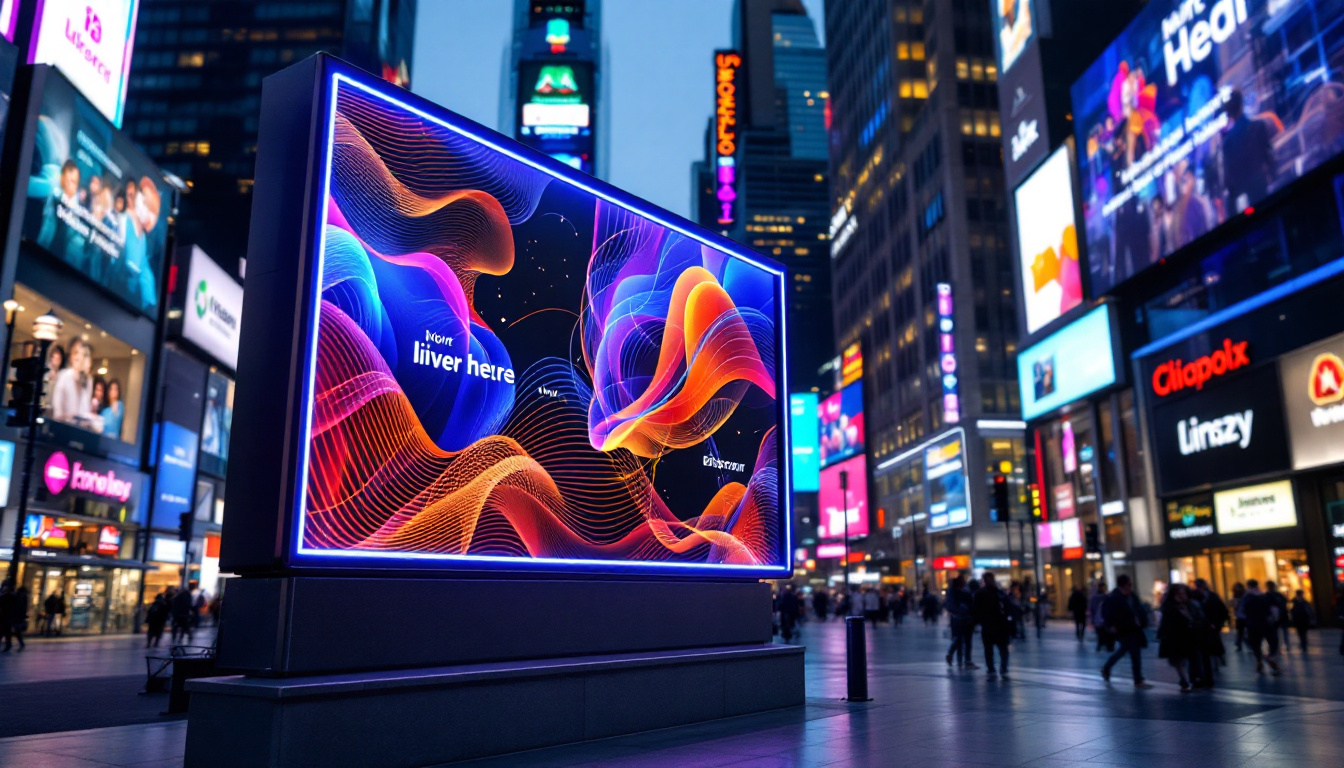
LED displays consist of thousands of tiny light-emitting diodes that produce light when an electric current passes through them. These diodes can be arranged in various configurations, including direct-view LED panels, which are commonly used in large outdoor screens such as billboards, stadium displays, and digital signage.
Compared to LCD screens that rely on a backlight, LED displays generate their own light, allowing for higher brightness levels and better contrast ratios. This self-illumination makes LED displays more visible in bright outdoor conditions. Additionally, the color accuracy and vibrancy of LED displays can create stunning visuals that capture the attention of passersby, making them an effective tool for advertising and information dissemination.
Types of LED Displays for Outdoor Use
There are two primary types of LED displays relevant for outdoor use:
- Direct-View LED Displays: These are large-scale panels made up of individual LEDs that form the image directly. They are highly durable, extremely bright (often exceeding 5,000 nits), and can be customized to various sizes. This type is prevalent in outdoor advertising and event screens, providing a dynamic platform for brands to engage with their audience in real-time.
- LED-Backlit LCD TVs: Many modern TVs use LED backlighting behind an LCD panel to improve brightness and energy efficiency. While these TVs are brighter than older LCD or plasma models, they still generally do not reach the brightness levels necessary for direct sunlight outdoor viewing unless specifically designed as outdoor TVs. These models often incorporate advanced features to enhance their performance in bright environments.
Durability and Weather Resistance
Outdoor LED displays are built with weatherproof enclosures and sealed components to prevent water ingress and protect against dust and debris. They often feature temperature regulation systems such as fans or heaters to maintain optimal operating conditions. In contrast, indoor TVs lack these protective measures, making them vulnerable to damage when exposed to outdoor elements. This resilience is crucial for maintaining functionality and appearance, especially in regions with extreme weather conditions, such as heavy rain, snow, or intense heat.
Moreover, the longevity of LED displays is a significant advantage. With lifespans often exceeding 100,000 hours, these displays can operate for years with minimal maintenance. This durability not only reduces replacement costs but also ensures that businesses can maintain a consistent presence in outdoor advertising. As technology continues to advance, newer models are being developed with even greater energy efficiency and enhanced brightness, further solidifying the role of LED displays in outdoor settings.
Can Any TV Be Used Outdoors? Practical Considerations
Given the differences in design and technology, the simple answer is no—most indoor TVs are not suitable for outdoor use without additional protection. However, there are ways to make outdoor TV setups work, depending on the application and budget.
Using Indoor TVs Outdoors: Risks and Mitigation
Some people attempt to use standard indoor TVs outdoors by placing them in weatherproof enclosures or under covered patios. While this can provide some protection, it rarely addresses all challenges:
- Heat Buildup: Enclosures can trap heat, causing the TV to overheat and potentially fail.
- Brightness Issues: Even with protection, indoor TVs may be too dim for clear viewing in daylight.
- Moisture and Humidity: Condensation inside enclosures can damage electronics.
Therefore, while indoor TVs can sometimes be used outdoors in very controlled conditions, it is generally not recommended for long-term or high-performance applications.
Choosing a True Outdoor TV
Outdoor TVs are specifically engineered to handle the elements and provide superior viewing experiences outside. Key features to look for include:
- High Brightness: Typically 1,000 nits or higher for visibility in sunlight.
- Weatherproofing: IP ratings (Ingress Protection) indicating resistance to water and dust.
- Temperature Management: Built-in cooling or heating systems to operate in extreme temperatures.
- Anti-Glare Screens: To reduce reflection and improve picture clarity.
Brands specializing in outdoor TVs often provide warranties that cover outdoor use, which indoor TVs do not.
LED Video Walls and Large-Scale Outdoor Displays
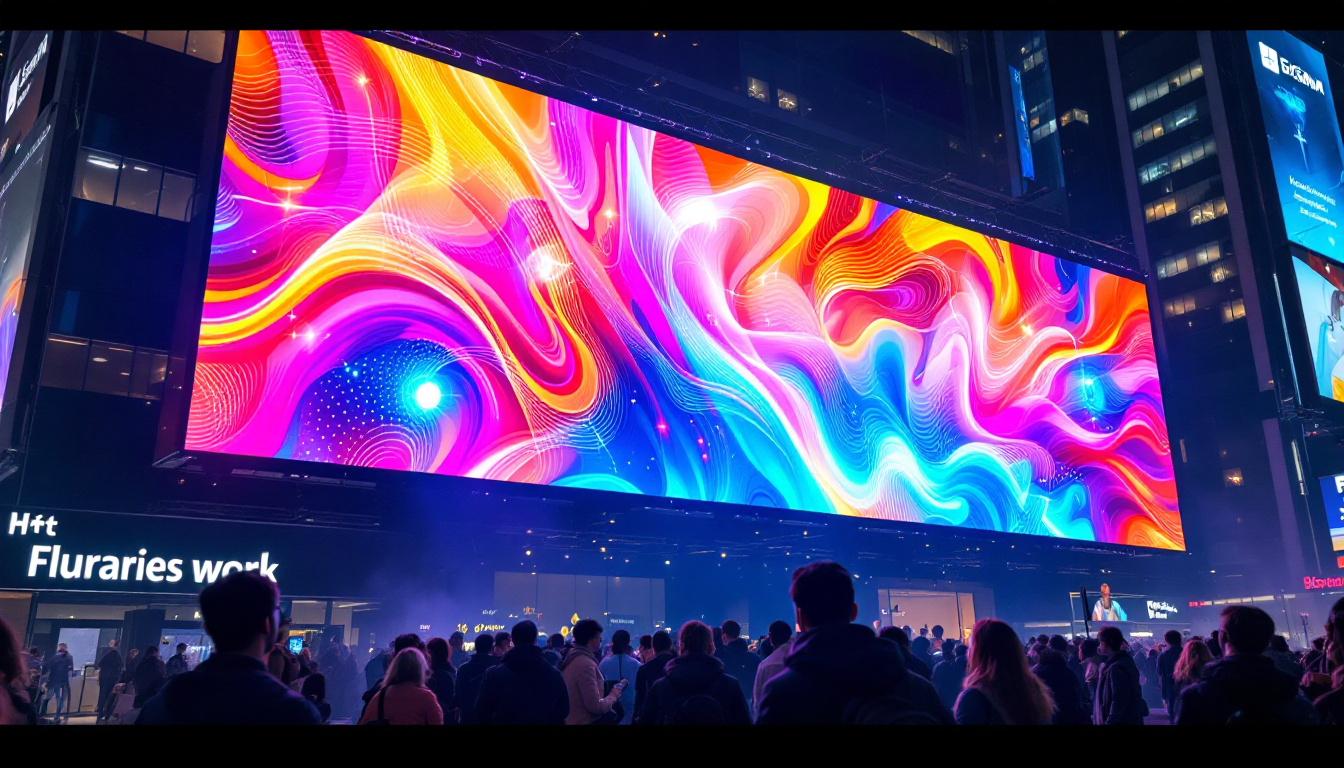
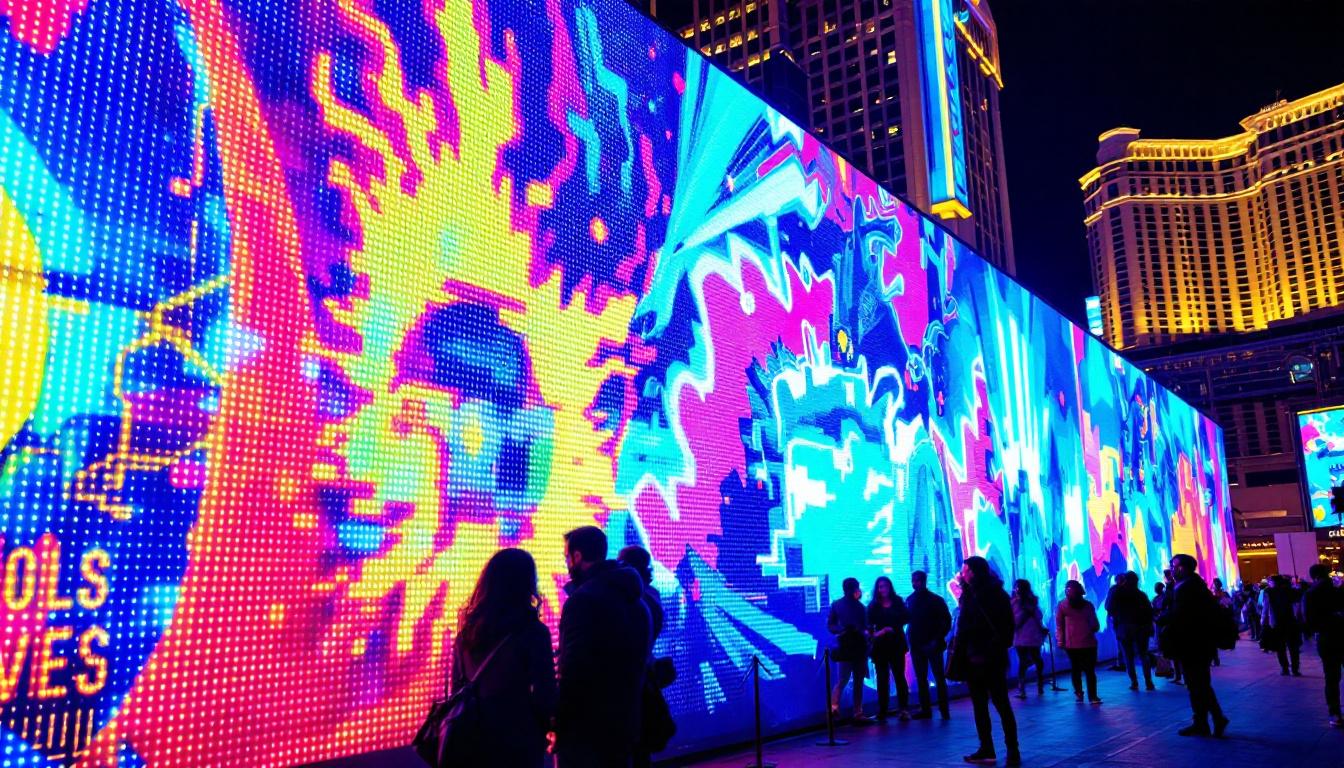
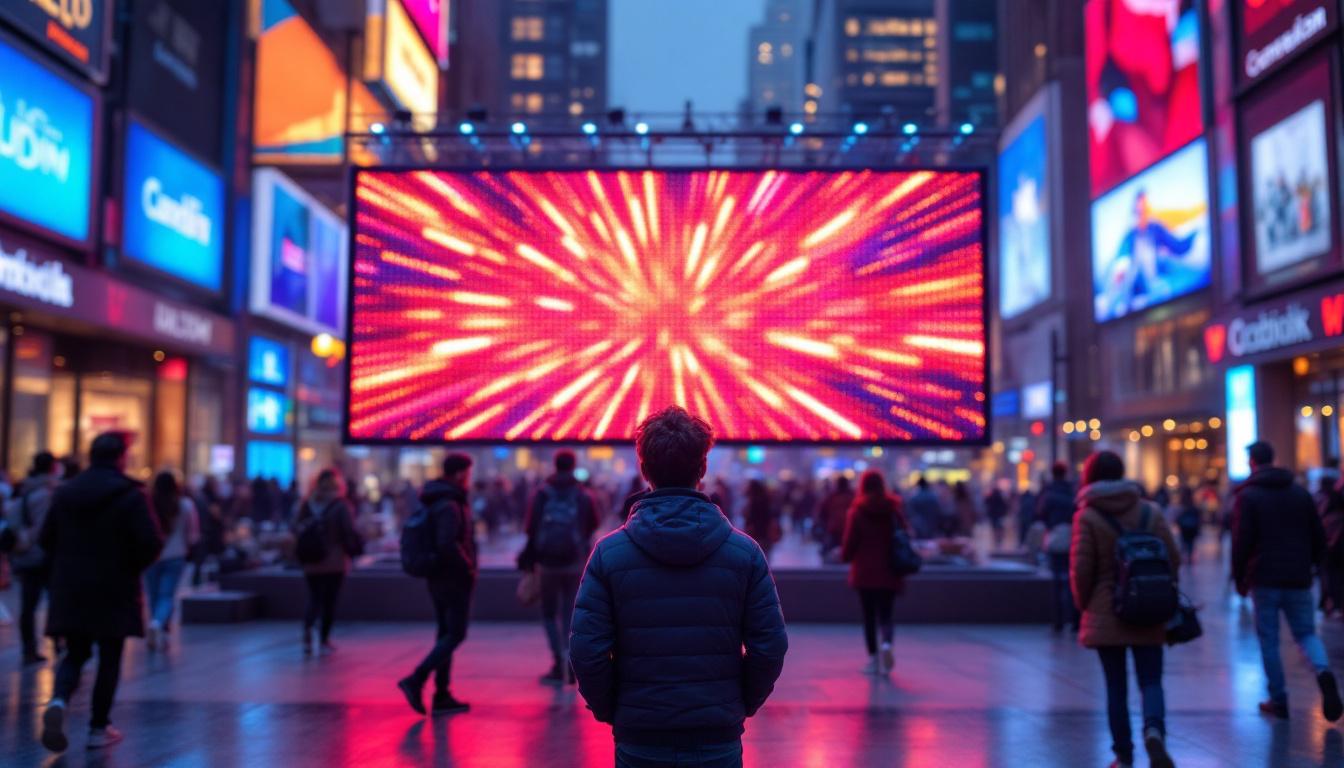
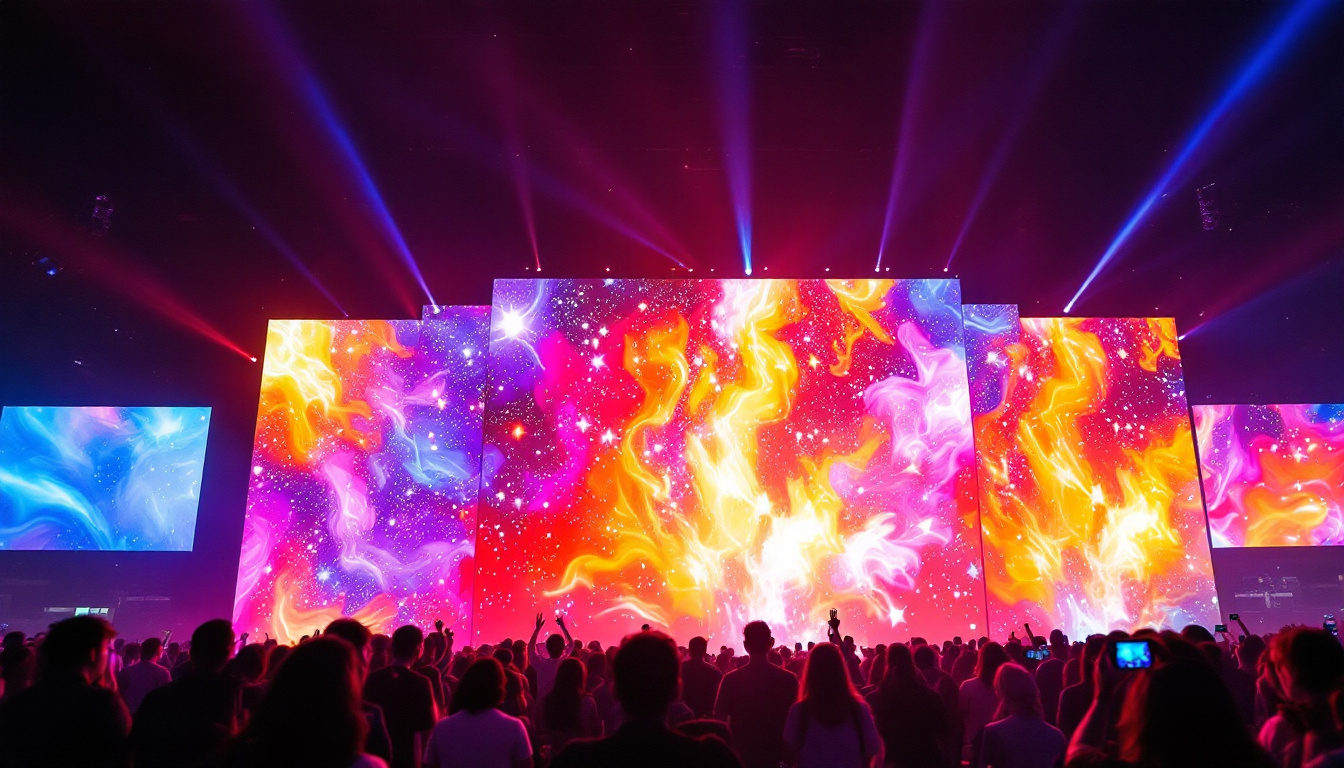
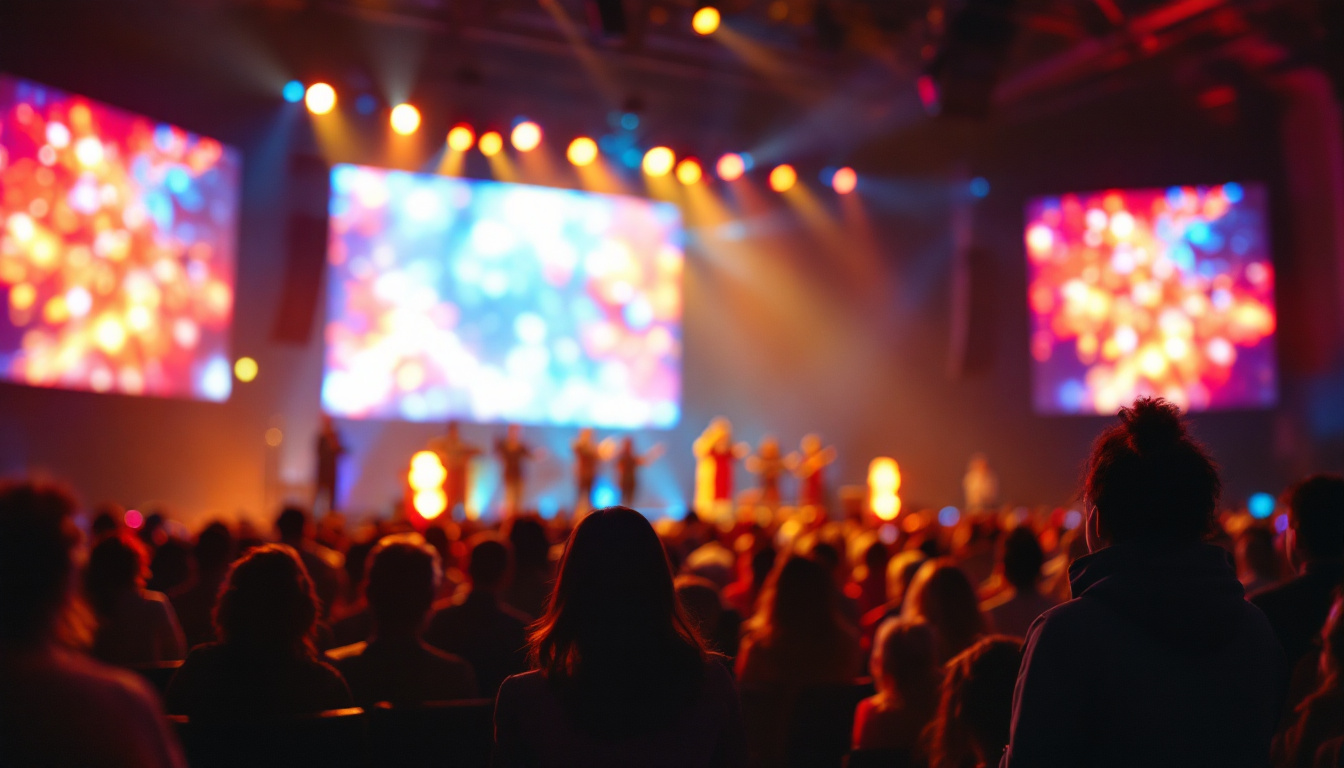
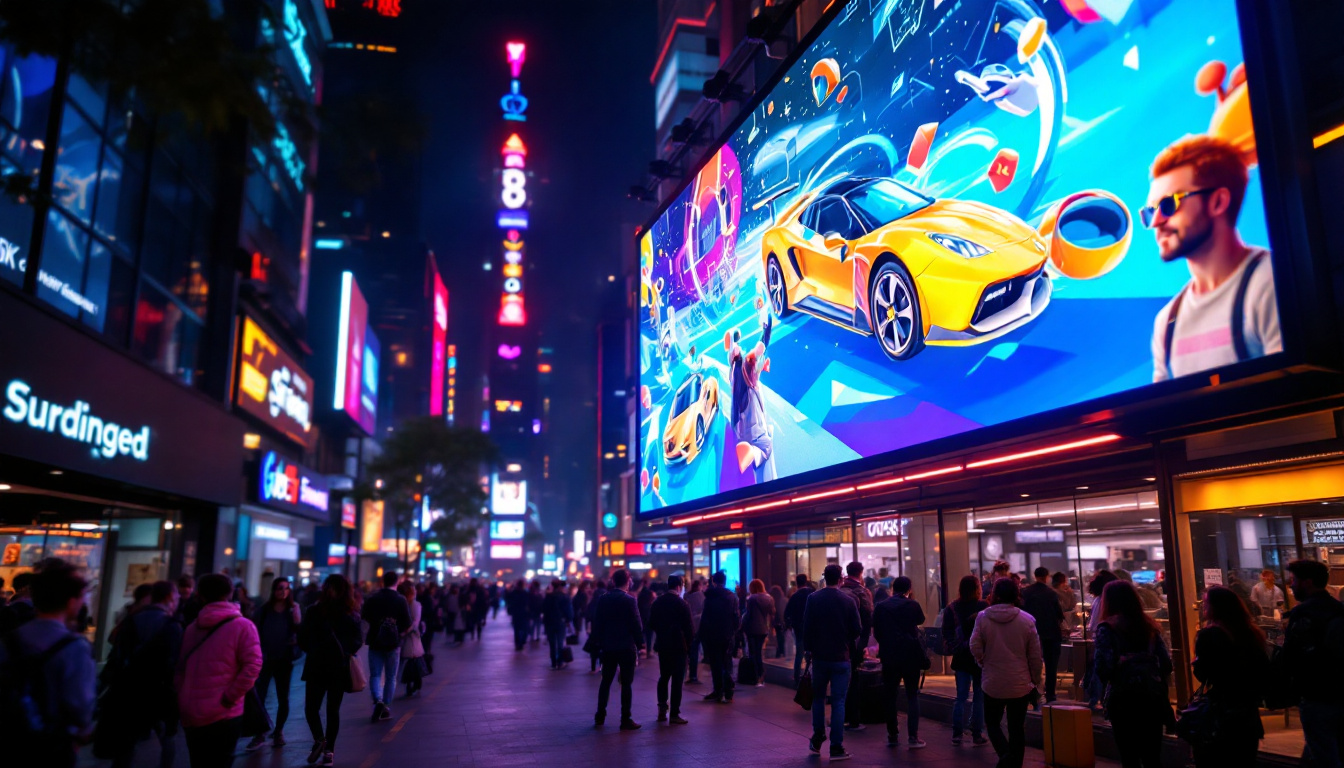
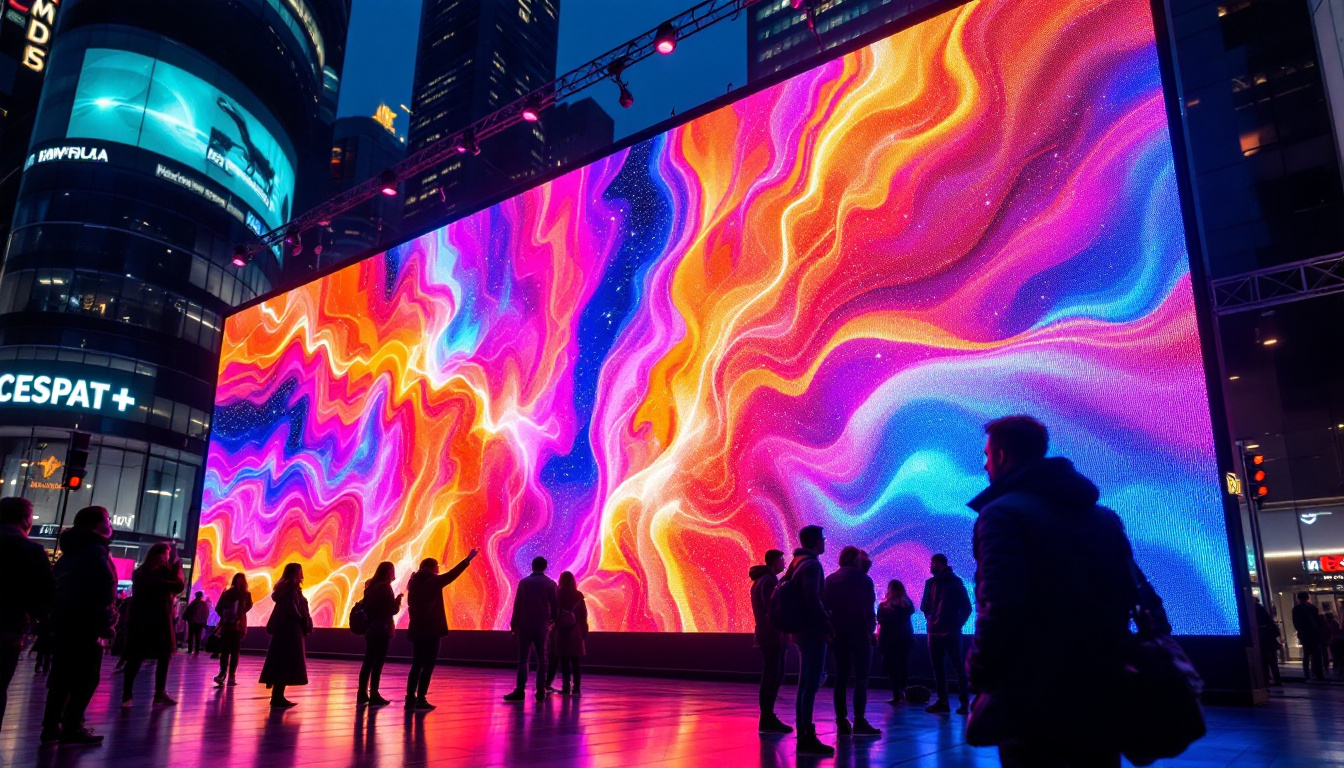
For commercial or large-scale outdoor applications, LED video walls are the preferred solution. These modular displays can be assembled to virtually any size and offer unmatched brightness and durability. They are commonly used in sports arenas, concerts, public squares, and advertising billboards.
LED video walls also provide flexibility in resolution and pixel pitch (the distance between LEDs), allowing for crisp images even at large viewing distances. Their robust design ensures they can operate continuously in harsh outdoor conditions.
Installation and Maintenance Tips for Outdoor TVs and LED Displays
Proper installation and maintenance are crucial to maximize the lifespan and performance of outdoor TVs and LED displays.
Installation Best Practices
When installing an outdoor TV or LED display, consider the following:
- Location: Choose a shaded or covered spot if possible to reduce direct sunlight and weather exposure.
- Mounting: Use sturdy, weather-resistant mounts designed for outdoor use.
- Power and Connectivity: Ensure outdoor-rated cables and outlets are used to prevent electrical hazards.
- Ventilation: Allow adequate airflow around the device to prevent overheating.
Routine Maintenance
Regular maintenance can prevent many common issues:
- Cleaning: Gently clean screens and enclosures to remove dust, dirt, and debris.
- Inspection: Check seals, mounts, and cables for wear or damage.
- Firmware Updates: Keep the device’s software up to date for optimal performance and security.
For LED video walls, periodic calibration may be necessary to maintain color accuracy and brightness uniformity.
Conclusion: Selecting the Right Display for Outdoor Use
While the idea of using any TV outdoors is appealing, the reality is that standard indoor TVs are generally ill-equipped to handle the environmental challenges of outdoor settings. Brightness, weather resistance, temperature tolerance, and durability are critical factors that differentiate outdoor TVs and LED displays from their indoor counterparts.
For casual backyard viewing in shaded areas, an indoor TV with a protective enclosure might suffice temporarily, but for consistent, high-quality outdoor viewing or commercial applications, investing in a true outdoor TV or an LED display is essential. These specialized displays ensure longevity, superior image quality, and reliability under the toughest conditions.
Understanding the technology and requirements behind outdoor displays empowers consumers and businesses to make informed decisions, ultimately enhancing their outdoor viewing experiences.
Discover the Perfect Outdoor LED Display with LumenMatrix
Ready to elevate your outdoor entertainment or advertising to new heights? Look no further than LumenMatrix, a pioneer in LED display technology. Our extensive range of solutions, from Outdoor LED Wall Displays to Custom LED Displays, is designed to meet the rigorous demands of any outdoor setting. Experience unparalleled brightness, weather resistance, and longevity with our cutting-edge displays. Don’t settle for less when you can captivate audiences and enhance your brand’s visibility with clarity and impact. Check out LumenMatrix LED Display Solutions today and transform your outdoor space into a dynamic visual experience.