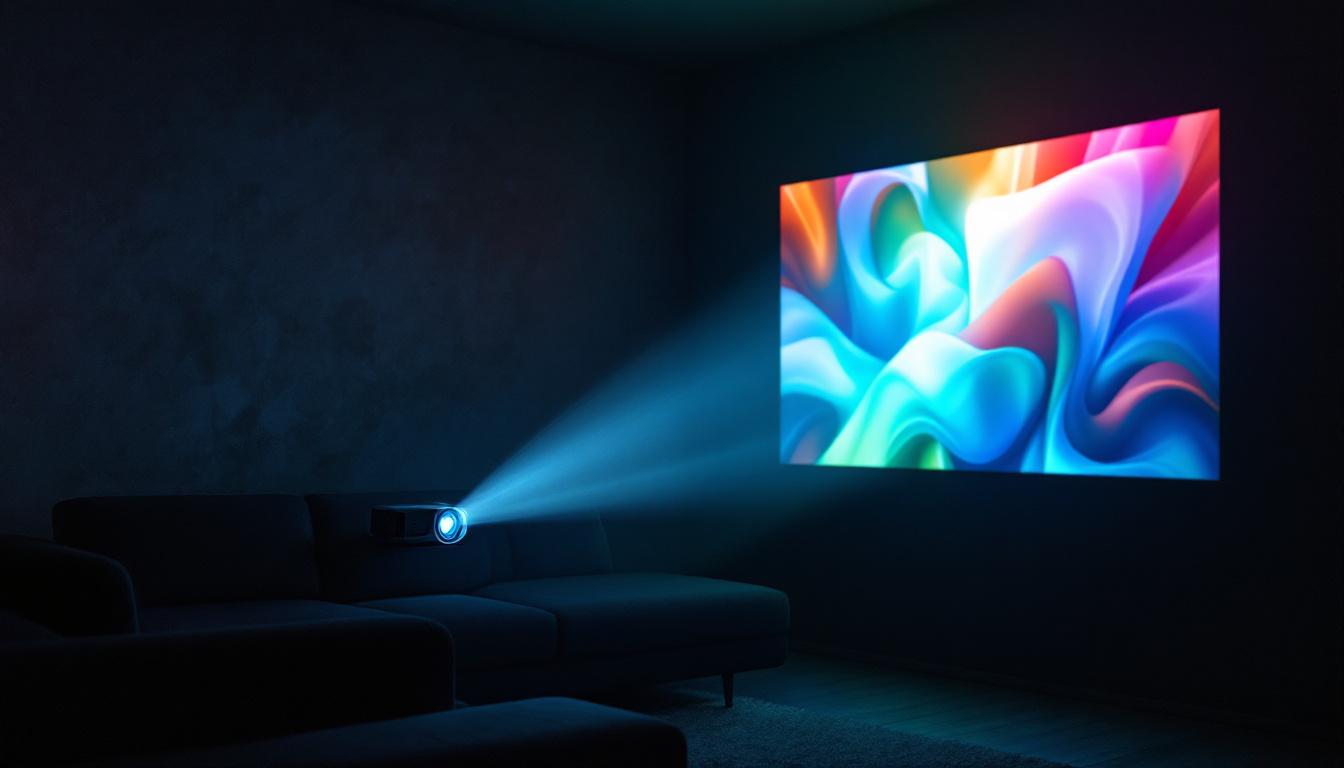
Projectors have become a popular choice for home theaters, classrooms, and business presentations due to their ability to create large, immersive images. However, the quality of the projected image depends heavily on the surface onto which it is displayed. A common question that arises is whether you can use a projector on a black wall, and how this compares to other display technologies such as LED displays. This article explores the science behind projection on different surfaces, the challenges of projecting onto dark walls, and alternatives like LED displays that might better suit certain environments.
Understanding Projection Technology and Surface Interaction
Projectors work by shining light through a lens and onto a surface, where the image is visible to viewers. The surface acts as a screen, reflecting the light back to the audience. The quality of the image depends on factors such as the projector’s brightness (measured in lumens), the color and texture of the projection surface, ambient lighting conditions, and the projector’s resolution.
Projection surfaces are typically white or light-colored because they reflect more light, producing brighter and clearer images. A white wall or a dedicated projector screen with a gain factor above 1.0 can significantly enhance image brightness and color accuracy. Conversely, darker surfaces absorb more light, reducing the intensity and vibrancy of the projected image.
Why Wall Color Matters
The color of the wall plays a crucial role in image quality. White or light gray walls are ideal because they reflect most of the projector’s light evenly. Black or very dark walls absorb a significant portion of the light, which results in a dimmer and less vibrant image. This absorption affects contrast and color reproduction, making the image appear washed out or muddy.
For example, a projector with 3,000 lumens projecting onto a white wall might produce a bright and vivid image, but that same projector projecting onto a black wall could lose up to 70% of its brightness due to absorption. This drastic reduction impacts not only the brightness but also the perceived contrast and sharpness.
Surface Texture and Finish
In addition to color, the texture and finish of the wall affect image quality. Smooth, matte surfaces are preferred because they minimize glare and hotspots, which can distort the image. Glossy or uneven surfaces can cause reflections and uneven light distribution, further degrading the image quality.
Black walls often have matte finishes to avoid light reflections, but the inherent light absorption still poses a significant challenge for projection.
Can You Use a Projector on a Black Wall?
Technically, it is possible to use a projector on a black wall, but it comes with significant limitations. The dark color absorbs most of the light, resulting in a dim and low-contrast image that may be difficult to see, especially in ambient light conditions.
Challenges of Projecting on Black Walls
- Reduced Brightness: As mentioned, black walls absorb a large portion of the projected light, reducing image brightness dramatically.
- Poor Color Accuracy: Colors may appear muted or distorted because the dark surface doesn’t reflect light uniformly.
- Low Contrast: The image’s contrast ratio suffers because the black wall absorbs light, making dark areas blend into the background.
- Ambient Light Sensitivity: Even slight ambient light can wash out the image further, making viewing uncomfortable.
These challenges mean that projecting onto a black wall is generally not recommended for most applications, especially where image quality is important.
When Might a Black Wall Work?
Despite the drawbacks, there are niche scenarios where projecting on a black wall might be acceptable or even advantageous:
- High-End Projectors with Extreme Brightness: Projectors with very high lumen output (5,000 lumens or more) can sometimes overcome the light absorption of a black wall, though this is costly and may require specialized equipment.
- Controlled Lighting Environments: In completely dark rooms with no ambient light, a black wall might produce a usable image, though it will still be dimmer than on a white wall.
- Artistic or Ambient Uses: Some installations use black walls intentionally for artistic effects or ambient projections where high fidelity is not essential.
For most home theater or professional presentation setups, however, a black wall is not ideal.
Alternatives to Projecting on a Black Wall
Given the limitations of projecting onto a black wall, it’s worth exploring alternatives that can deliver better image quality and viewing experiences.
Using a Dedicated Projection Screen
The simplest and most effective alternative is to use a dedicated projection screen. These screens are designed to maximize reflectivity and color accuracy, often featuring specialized coatings that enhance brightness and contrast. Screens come in various finishes, including matte white, high-gain, and ambient light rejecting (ALR) varieties, allowing customization based on room conditions.
Installing a projection screen in front of a black wall can dramatically improve image quality without needing to repaint or renovate the space.
Painting the Wall with Projection Screen Paint
For those who prefer a minimalist setup, projection screen paints are available that can transform a wall into a suitable projection surface. These paints are formulated to reflect light evenly and enhance contrast. Typically, they come in shades of gray or white, which are optimal for projection.
Using projection screen paint over a black wall requires repainting, but it can be a cost-effective way to improve image quality without installing a separate screen.
LED Displays: A Modern Alternative
In recent years, LED display technology has emerged as a compelling alternative to traditional projection, especially in environments where wall color and ambient light pose challenges.
LED Displays Explained
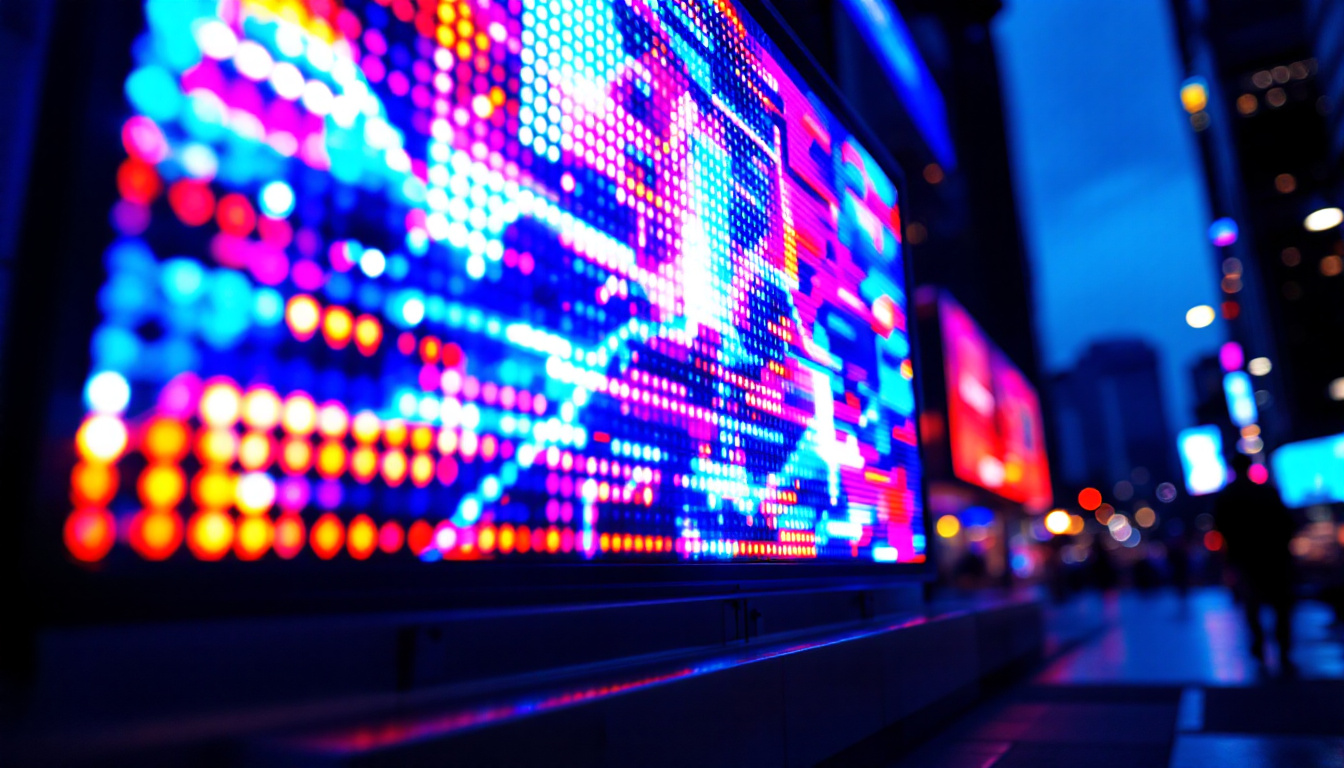
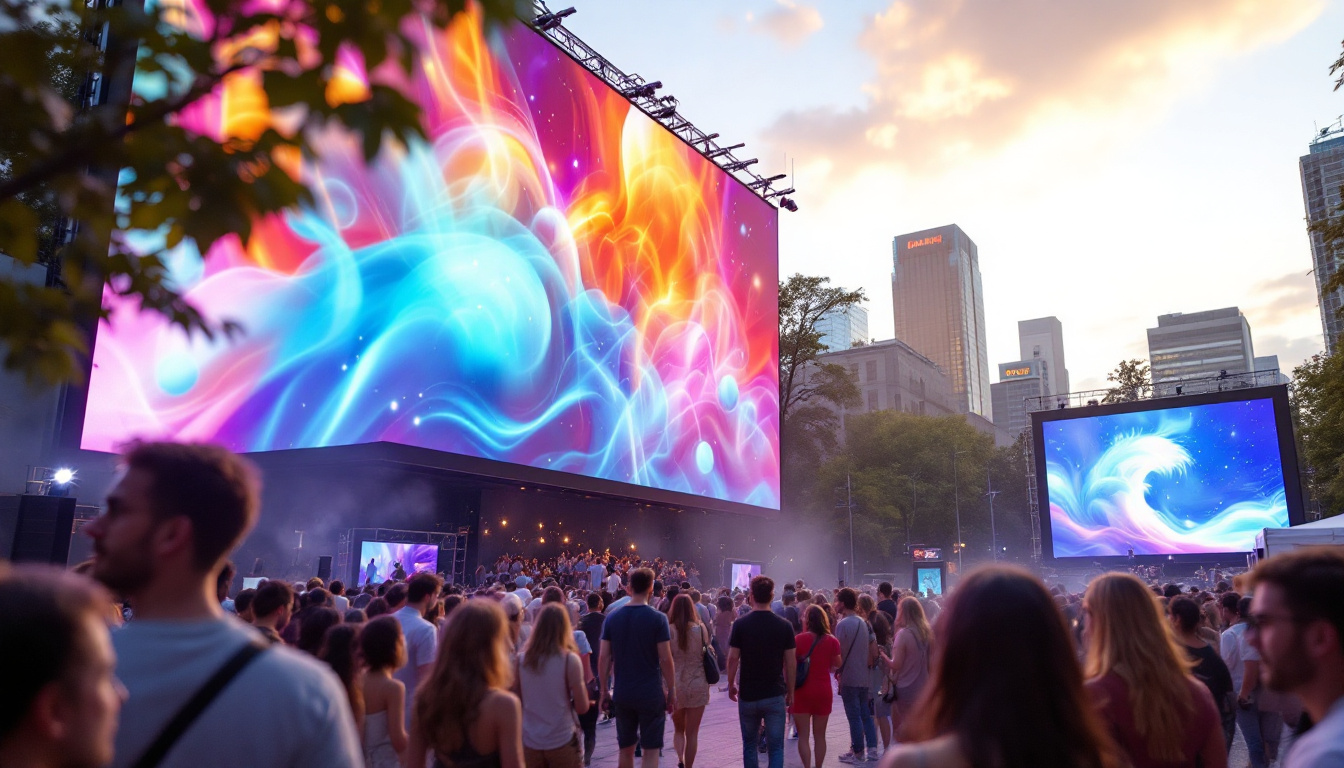
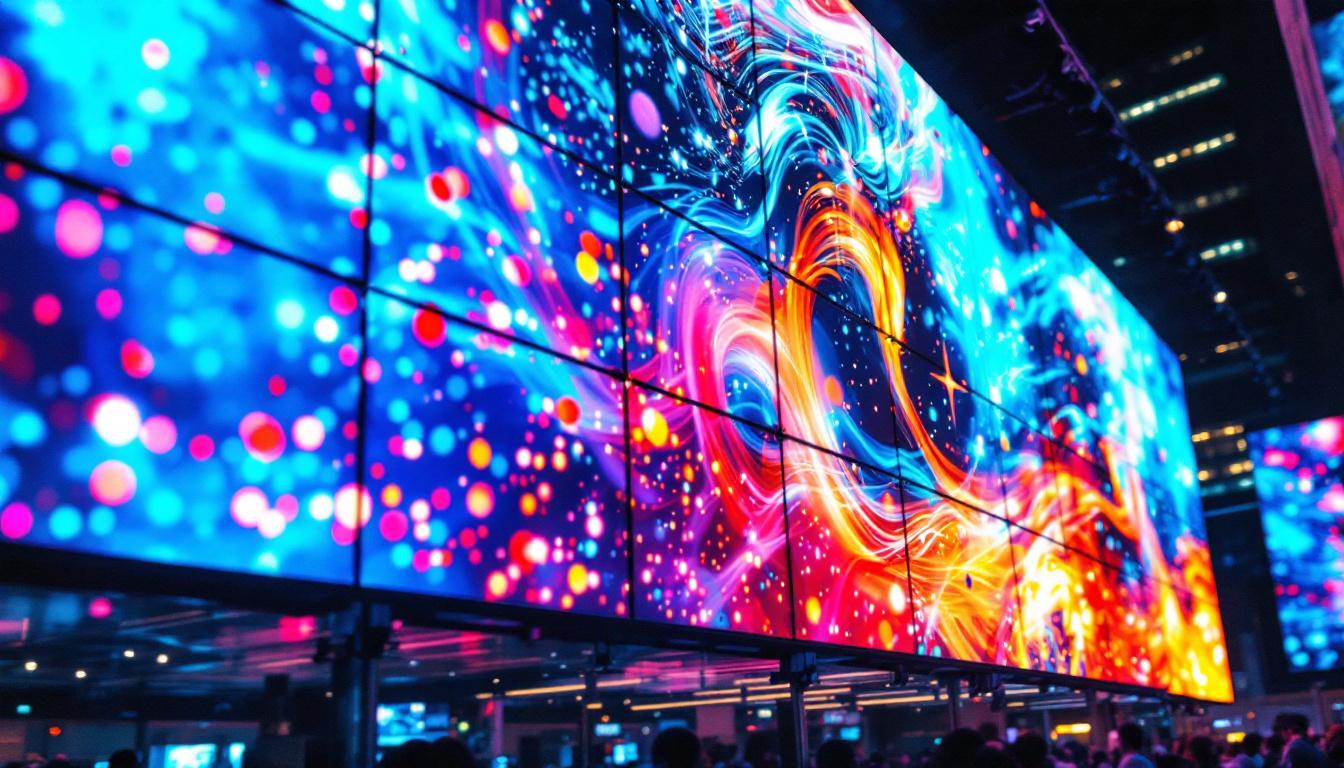
LED (Light Emitting Diode) displays consist of numerous tiny LEDs arranged in a grid to form a screen. Unlike projectors, which rely on reflecting light off a surface, LED displays emit their own light, producing bright, vibrant images regardless of ambient lighting or wall color.
Advantages of LED Displays Over Projection
- Brightness and Visibility: LED displays offer superior brightness that remains consistent even in well-lit rooms, making them ideal for spaces with ambient light.
- Color Accuracy and Contrast: Because LEDs emit light directly, they can produce deeper blacks and more vivid colors, resulting in higher contrast ratios.
- Flexibility in Installation: LED panels can be mounted on any wall, regardless of color or texture, without affecting image quality.
- Durability and Maintenance: LED displays generally require less maintenance than projectors (no bulbs to replace) and have longer lifespans.
Considerations and Limitations of LED Displays
While LED displays offer many benefits, they also come with some considerations:
- Cost: LED displays, especially large-format ones, tend to be more expensive upfront than projectors and screens.
- Size Limitations: Although LED panels can be tiled to create large displays, the cost and complexity increase with size.
- Installation Complexity: Installing an LED display may require professional assistance and infrastructure support.
Choosing Between Projection and LED Displays
Deciding whether to use a projector or an LED display depends on several factors, including room characteristics, budget, and intended use.
Room Environment and Lighting
If the room has ambient light or a dark wall that cannot be repainted, an LED display is likely the better choice because it provides consistent brightness and color without reliance on reflective surfaces.
Conversely, in a controlled, dark environment with a white or light-colored wall or screen, a projector can deliver excellent image quality at a lower cost.
Budget Considerations
Projectors generally offer a more affordable entry point for large-screen viewing, making them popular for home theaters and classrooms. However, the cost of a high-quality projector and screen can add up, especially when factoring in replacement bulbs and maintenance.
LED displays have higher initial costs but lower maintenance expenses and longer lifespans, which can make them more cost-effective over time for commercial or high-use applications.
Image Size and Quality Needs
For very large images (100 inches or more diagonally), projectors are often more practical and affordable. However, if image quality, brightness, and color accuracy are paramount, LED displays outperform projectors, especially in challenging lighting conditions.
Practical Tips for Using Projectors on Dark Walls
For those who must use a projector on a black or dark wall, certain strategies can help improve the viewing experience:
- Increase Projector Brightness: Use a projector with a higher lumen rating to compensate for light absorption.
- Minimize Ambient Light: Control room lighting with blackout curtains or dimmable lights to enhance image visibility.
- Use Image Enhancement Features: Some projectors have settings that boost contrast and brightness, which can help.
- Consider Partial Wall Painting: Paint only the projection area with a light-colored or projection screen paint, leaving the rest of the wall black for aesthetic purposes.
Conclusion
While it is physically possible to use a projector on a black wall, the resulting image quality is typically subpar due to significant light absorption and poor color reproduction. For most applications, a white or light-colored projection surface is essential to achieve bright, vibrant images. Alternatives such as dedicated projection screens or projection screen paint can transform a dark wall into a suitable display surface.
For environments where repainting is not feasible or where ambient light is unavoidable, LED displays offer a superior alternative. Their self-emissive technology ensures bright, high-contrast images regardless of wall color or lighting conditions, making them ideal for professional and commercial settings.
Ultimately, the choice between projecting on a black wall, modifying the wall surface, or investing in an LED display depends on the specific needs, budget, and environment of the user. Understanding the strengths and limitations of each option will help in making an informed decision that delivers the best viewing experience.
Discover LumenMatrix LED Display Solutions
Ready to elevate your visual experience beyond the limitations of traditional projection? Explore LumenMatrix’s innovative LED display technology, designed to bring your content to life with unparalleled brightness, color accuracy, and versatility. Whether you’re looking to captivate a crowd with an Indoor LED Wall Display, make a statement with a Vehicle LED Display, or engage fans with a LED Sports Display, LumenMatrix has a solution tailored to your needs. Embrace the future of visual communication and check out LumenMatrix LED Display Solutions today to see how we can transform your space into a dynamic visual spectacle.