In recent years, LED technology has revolutionized numerous industries, and the automotive sector is no exception. Among the many applications of LEDs in vehicles, the car LED panel stands out as a versatile and increasingly popular feature. From enhancing vehicle aesthetics to improving safety and communication, LED displays integrated into cars offer a blend of functionality and style that appeals to manufacturers and consumers alike.
This article delves into the world of car LED panels, exploring their technology, types, benefits, and practical uses. Whether you are a car enthusiast, a professional in automotive design, or simply curious about how LED displays are shaping the future of vehicles, this comprehensive guide will provide valuable insights.
Understanding Car LED Panels: What Are They?
At its core, a car LED panel is a display system composed of light-emitting diodes (LEDs) arranged in a matrix or strip format that can emit light in various colors and intensities. These panels can be installed on different parts of a vehicle, including dashboards, rear windows, bumpers, and even exterior body panels. The versatility of LED technology allows for innovative designs that enhance both the aesthetic appeal and functionality of vehicles, making them increasingly popular among car enthusiasts and manufacturers alike.
Unlike traditional incandescent bulbs, LEDs are semiconductor devices that produce light when an electric current passes through them. This fundamental difference allows LEDs to be more energy-efficient, durable, and versatile in terms of design and functionality. Additionally, LEDs have a longer lifespan compared to conventional lighting options, which translates to reduced maintenance costs and less frequent replacements. The ability to produce a wide spectrum of colors also enables car manufacturers to create unique lighting effects that can be tailored to specific models or branding strategies.
Types of LED Displays in Cars
Car LED panels come in several forms, each serving unique purposes:
- LED Matrix Displays: These consist of a grid of LEDs that can display text, symbols, or animations. Often used for dynamic messages such as warnings or advertisements, they can also be programmed to change based on driving conditions or user preferences, enhancing both safety and personalization.
- LED Strips: Flexible strips of LEDs that can be placed along the contours of a car’s interior or exterior for ambient lighting or accentuation. These strips are particularly popular for creating mood lighting within the cabin, allowing drivers to customize their environment to suit their mood or driving style.
- Segmented LED Displays: Commonly used in dashboards for speedometers, fuel gauges, and other indicators. These displays provide clear and immediate information to the driver, often with the added benefit of customizable colors and brightness levels, improving visibility in various lighting conditions.
- Full-Color LED Panels: High-resolution panels capable of displaying complex images and videos, increasingly used in concept cars and promotional vehicles. These panels not only serve functional purposes but also act as a canvas for artistic expression, showcasing brand identity or even interactive features that engage passengers.
Moreover, the integration of smart technology with LED panels is transforming the automotive landscape. Many modern vehicles now feature LED displays that can connect to smartphones or navigation systems, providing real-time updates and notifications. This connectivity allows for enhanced user interaction, such as displaying incoming calls, messages, or even navigation prompts directly on the LED panel, ensuring that drivers remain focused on the road while staying informed. As technology continues to evolve, the potential applications for car LED panels seem limitless, paving the way for a future where vehicles are not just modes of transportation but interactive experiences.
The Technology Behind Car LED Panels
Understanding the technology that powers car LED panels is essential to appreciate their capabilities and limitations.
LED Components and Operation
Each LED in a panel is a tiny semiconductor diode that emits light when forward biased. The color of the light depends on the semiconductor material used. For car displays, red, amber, white, and increasingly RGB (red, green, blue) LEDs are common to allow a wide spectrum of colors.
LED panels are controlled by microcontrollers or dedicated driver circuits that regulate the current and manage the on/off state of each LED to form the desired images or text. Advanced panels use multiplexing techniques to reduce wiring complexity and power consumption. This multiplexing allows for the rapid switching of LEDs, which not only enhances the visual experience but also optimizes energy usage, making it a sustainable choice for modern vehicles. Furthermore, the integration of smart technology enables features such as adaptive brightness, which adjusts the display according to ambient light conditions, ensuring optimal visibility at all times.
Advantages Over Traditional Lighting and Displays
Compared to incandescent or fluorescent lighting, LEDs offer numerous benefits:
- Energy Efficiency: LEDs consume up to 80% less energy, which is crucial in automotive applications where battery power is limited.
- Longevity: LEDs can last up to 50,000 hours or more, reducing maintenance and replacement costs.
- Brightness and Visibility: LEDs provide bright, clear light that improves visibility in various lighting conditions.
- Durability: Resistant to shock, vibration, and temperature extremes, making them ideal for automotive environments.
- Design Flexibility: Their small size and ability to be arranged in various configurations allow for innovative design possibilities.
Moreover, the use of LEDs in automotive applications has opened up new avenues for creative expression in vehicle design. Manufacturers are now able to incorporate dynamic lighting effects, such as animated turn signals and customizable ambient lighting, which enhance the overall aesthetic appeal of the car. This trend not only allows for personalization but also improves safety by making vehicles more visible to other drivers. Additionally, the environmental impact of using LEDs is significantly lower than traditional lighting options, as they contain no toxic materials like mercury and are fully recyclable, aligning with the growing emphasis on sustainability in the automotive industry.
Applications of LED Panels in Cars
Car LED panels are not just decorative elements; they serve practical functions that enhance safety, communication, and user experience.
Safety and Signaling
One of the most critical uses of LED panels in vehicles is for signaling and safety. LED brake lights, turn indicators, and daytime running lights are now standard in most modern cars due to their quick response time and high visibility.
More advanced applications include dynamic brake lights that flash during emergency braking to alert drivers behind more effectively. LED panels can also display warning messages or symbols on the rear window or dashboard to communicate hazards or system statuses.
Information Display and User Interface
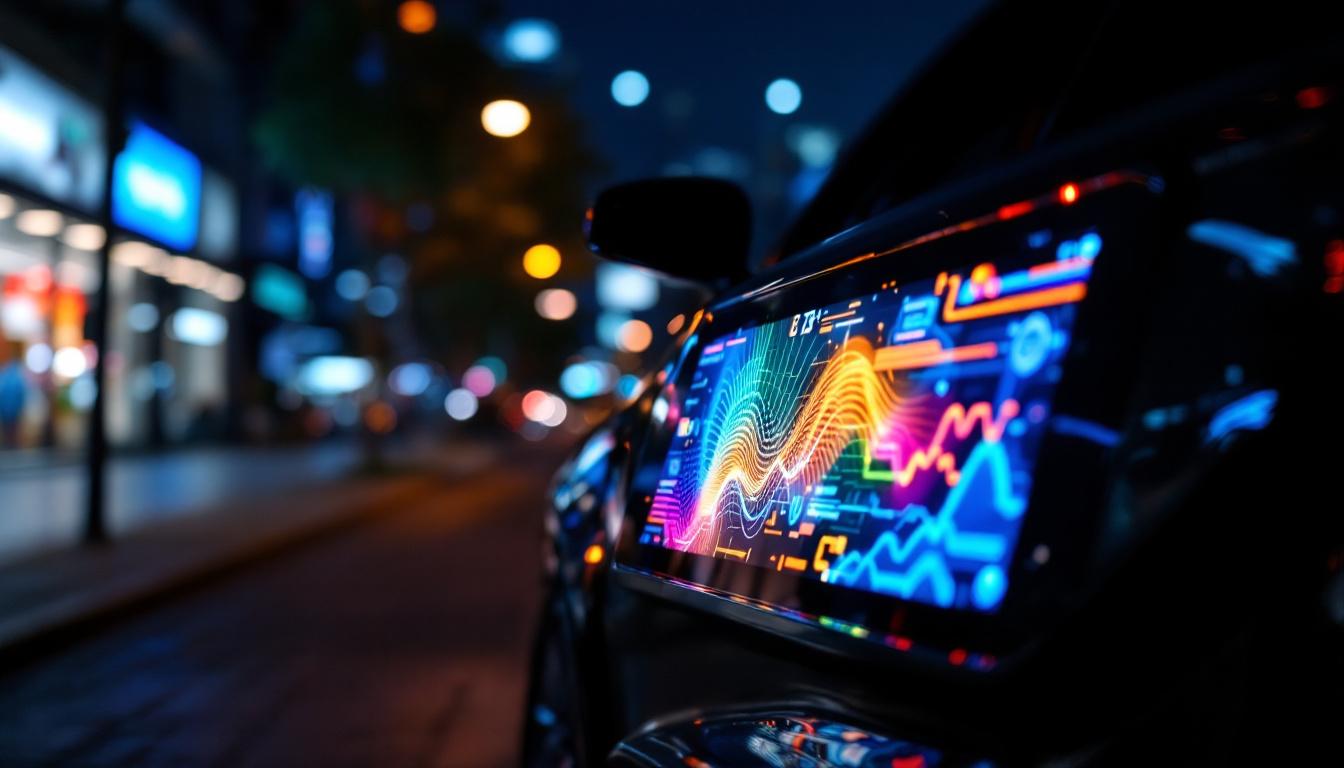
Inside the vehicle, LED panels are integral to instrument clusters, heads-up displays (HUDs), and infotainment systems. They provide drivers with real-time information such as speed, fuel levels, navigation instructions, and multimedia controls.
Recent developments include customizable LED dashboards that allow drivers to select display themes and layouts, enhancing the driving experience and personalization.
Advertising and Communication
LED panels on commercial vehicles are increasingly used for advertising and communication. Delivery trucks, taxis, and rideshare vehicles can display dynamic advertisements or messages, turning cars into mobile billboards.
Emergency and service vehicles use LED displays to convey important information to pedestrians and other drivers, such as “Slow Down,” “Detour Ahead,” or “Emergency Vehicle Approaching.”
Ambient and Decorative Lighting
LED strips and panels are popular for ambient lighting inside cars, creating mood-enhancing environments that can be adjusted for color and intensity. Exterior LED accent lighting is used to highlight vehicle contours, brand logos, or custom designs, especially in car shows and exhibitions.
Choosing the Right Car LED Panel
With the variety of LED panels available, selecting the right one depends on the intended use, vehicle type, and budget.
Considerations for Installation
Before installing an LED panel, it is important to consider compatibility with the vehicle’s electrical system, mounting options, and legal regulations regarding lighting and displays on vehicles.
Professional installation is often recommended to ensure proper wiring, waterproofing, and integration with existing vehicle systems.
Quality and Durability
Investing in high-quality LED panels from reputable manufacturers ensures better performance, longevity, and safety. Look for panels with certifications such as IP ratings for water and dust resistance, and compliance with automotive standards.
Customization and Control
Modern LED panels often come with control interfaces that allow users to customize display content, colors, and brightness. Some systems integrate with smartphone apps or vehicle networks for seamless operation.
The Future of Car LED Panels
As automotive technology advances, car LED panels are poised to become even more sophisticated and integrated.
Integration with Autonomous and Connected Vehicles
In autonomous vehicles, LED panels may serve as communication tools to signal vehicle intentions to pedestrians and other road users, enhancing safety in environments where human drivers are absent.
Connected cars could use LED displays to share real-time traffic information, alerts, or personalized messages, contributing to smarter and more interactive transportation systems.
Advancements in Display Technology
Emerging technologies such as micro-LED and OLED displays promise higher resolution, better color accuracy, and thinner form factors, opening new possibilities for automotive displays.
Flexible and transparent LED panels could be integrated seamlessly into windows or body panels, creating futuristic designs and functionalities.
Conclusion
Car LED panels represent a dynamic intersection of technology, design, and functionality in the automotive world. Their energy efficiency, versatility, and ability to enhance safety and communication make them indispensable in modern vehicles.
Whether used for essential signaling, driver information, advertising, or aesthetic enhancement, LED displays continue to evolve, shaping the future of how vehicles interact with drivers and the environment. As innovations continue, car LED panels will likely become even more integrated, intelligent, and indispensable components of the automotive experience.
Illuminate Your Vision with LumenMatrix
As you’ve seen, LED panels are transforming the automotive landscape with their versatility and innovative capabilities. If you’re inspired to elevate your vehicle’s visual impact or seeking advanced LED solutions for any application, LumenMatrix is your go-to source. With our comprehensive range of LED display modules—from Indoor and Outdoor LED Walls to Vehicle Displays and beyond—we are at the forefront of creating immersive and engaging experiences. Check out LumenMatrix LED Display Solutions today and drive your brand visibility to new heights.