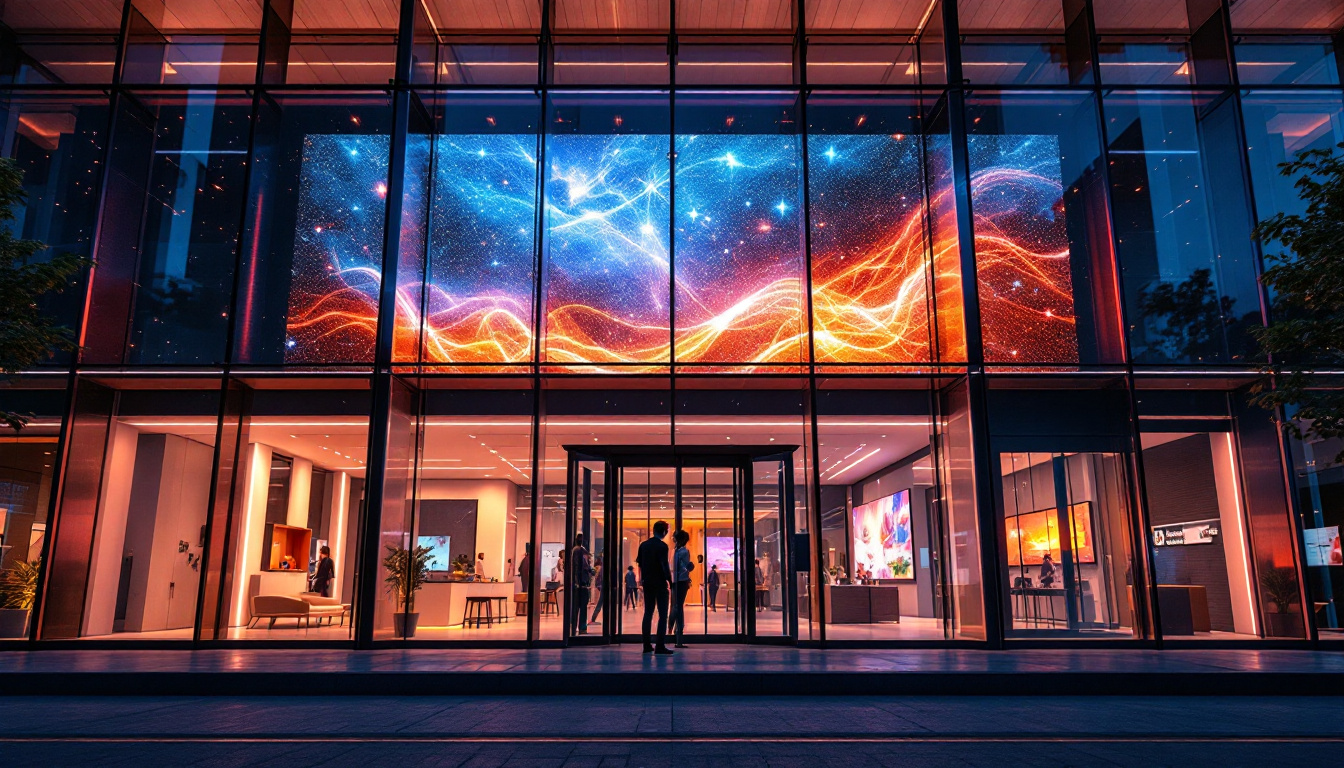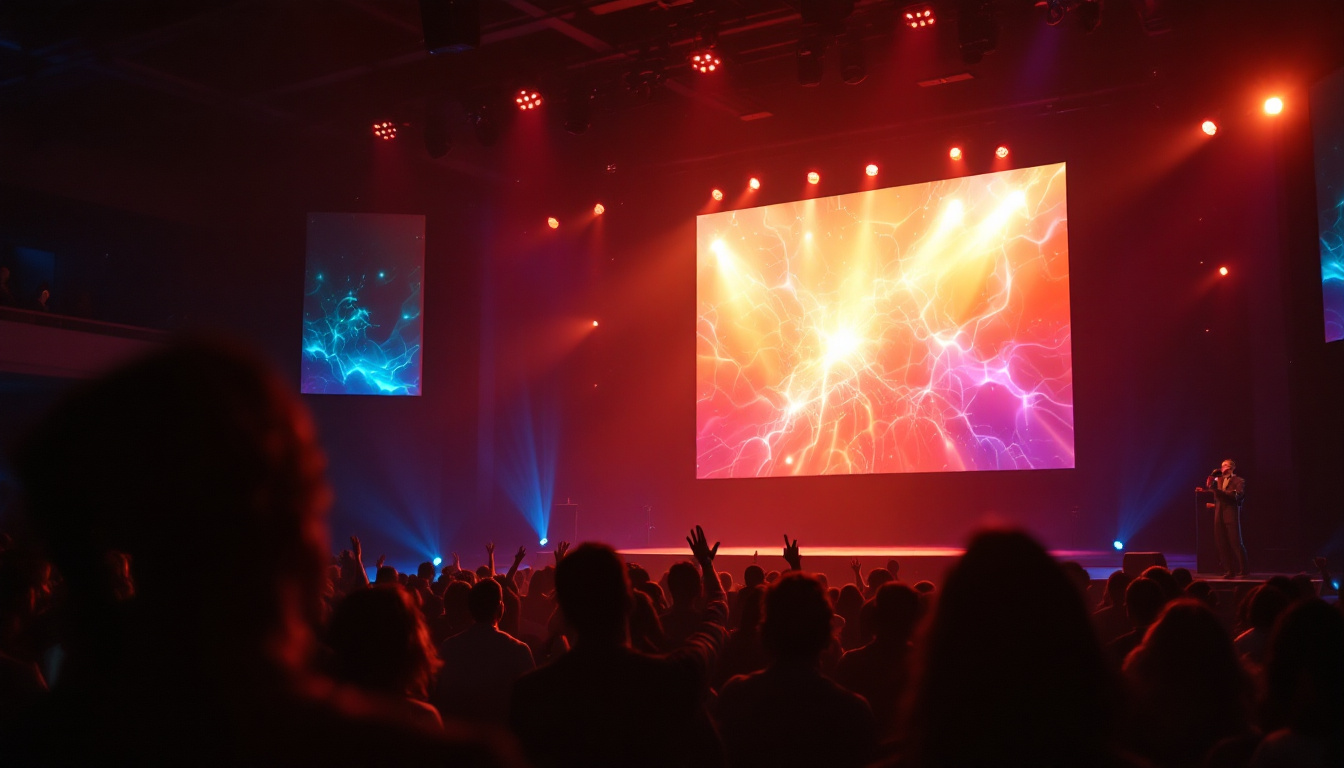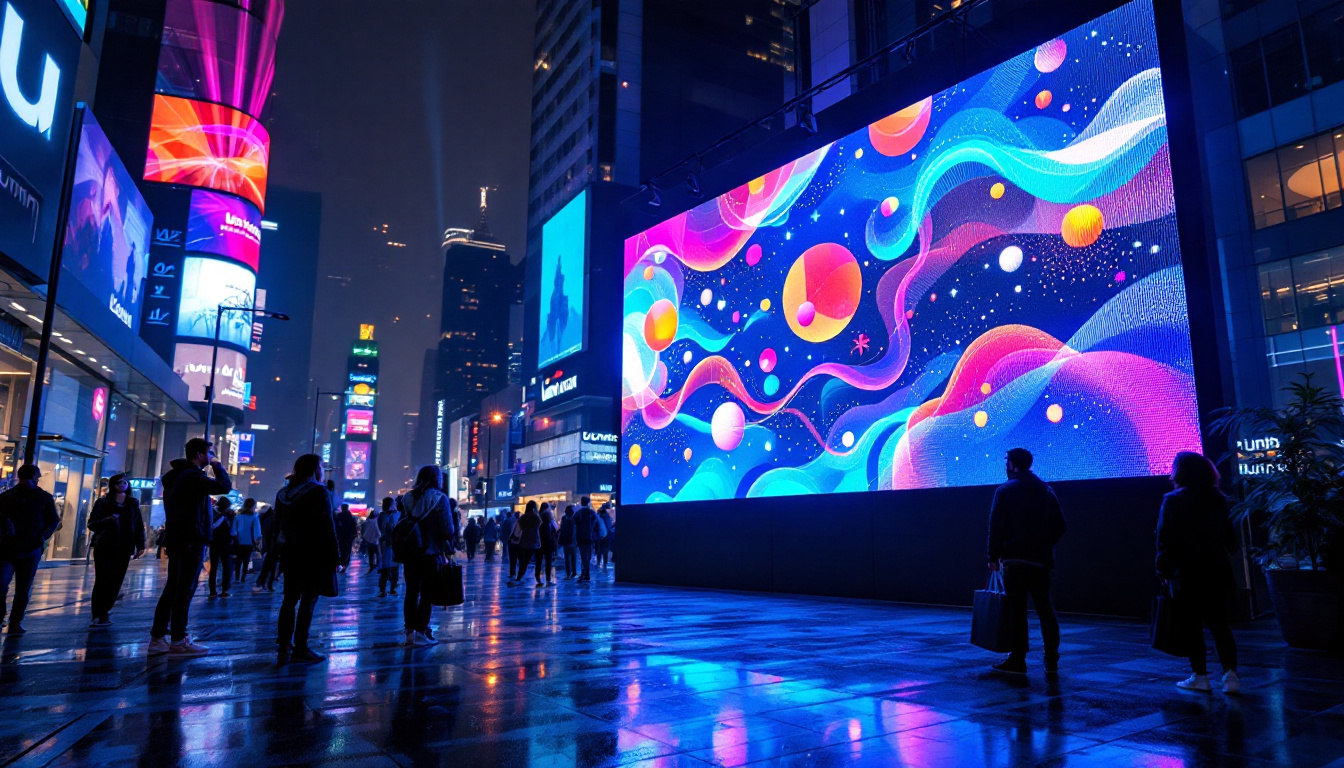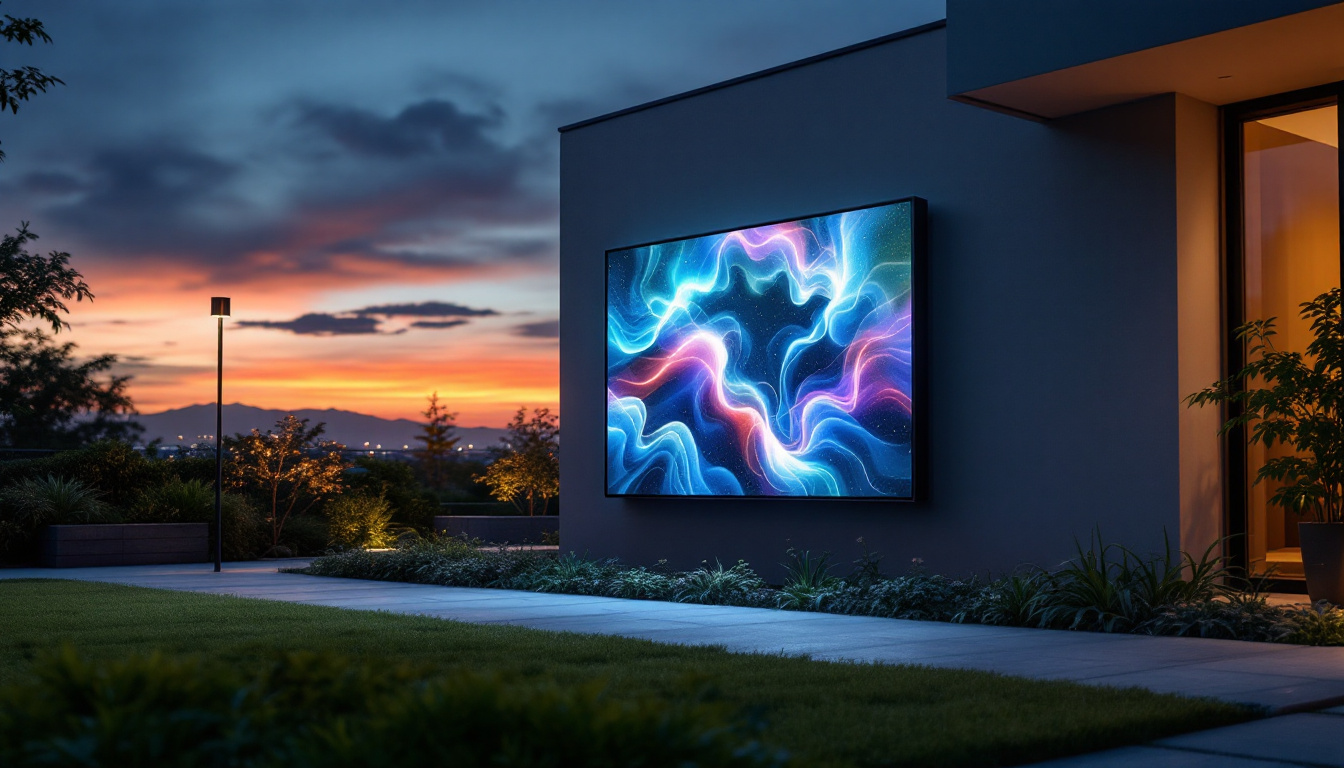
In today’s digital age, display technology plays a pivotal role in how we interact with devices, from smartphones and tablets to large public information boards. Among the many types of displays available, LED displays combined with touch screen technology have become increasingly popular due to their vibrant visuals and intuitive user interfaces. This article delves into the intricacies of touch screen LED displays, exploring their technology, applications, advantages, and future trends.
Understanding LED Display Technology
What is an LED Display?
LED stands for Light Emitting Diode, a semiconductor device that emits light when an electric current passes through it. An LED display is composed of numerous tiny LEDs arranged in a matrix to form images, videos, or text. Unlike traditional LCDs that use backlighting, LED displays generate their own light, resulting in brighter, more vivid images and better contrast ratios.
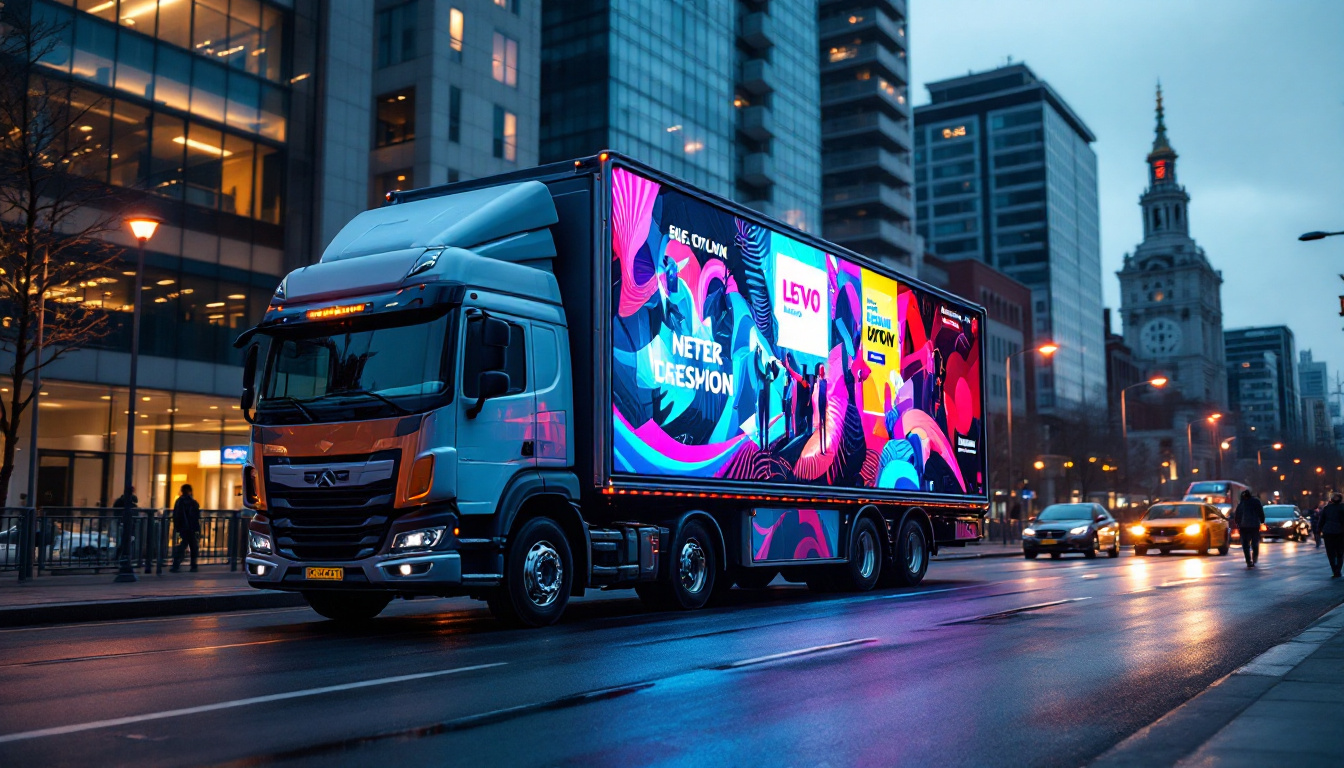
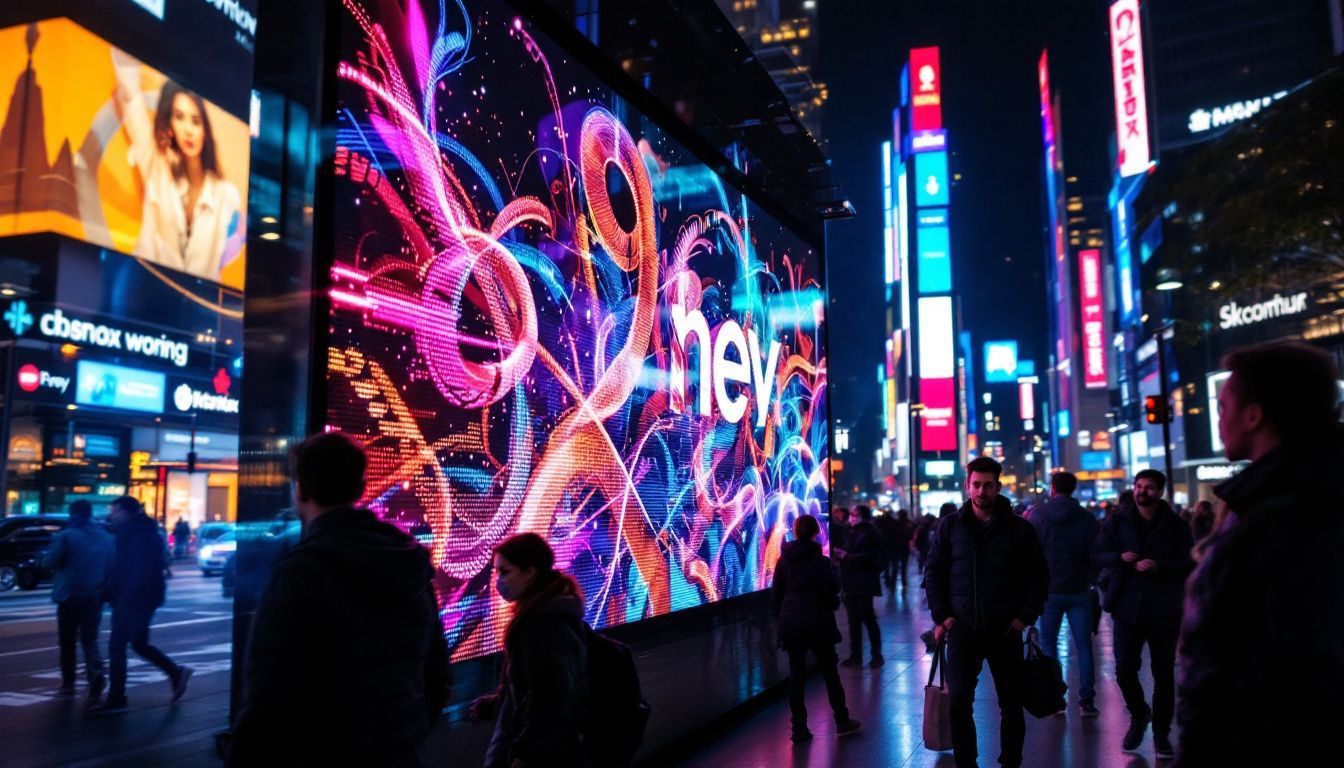
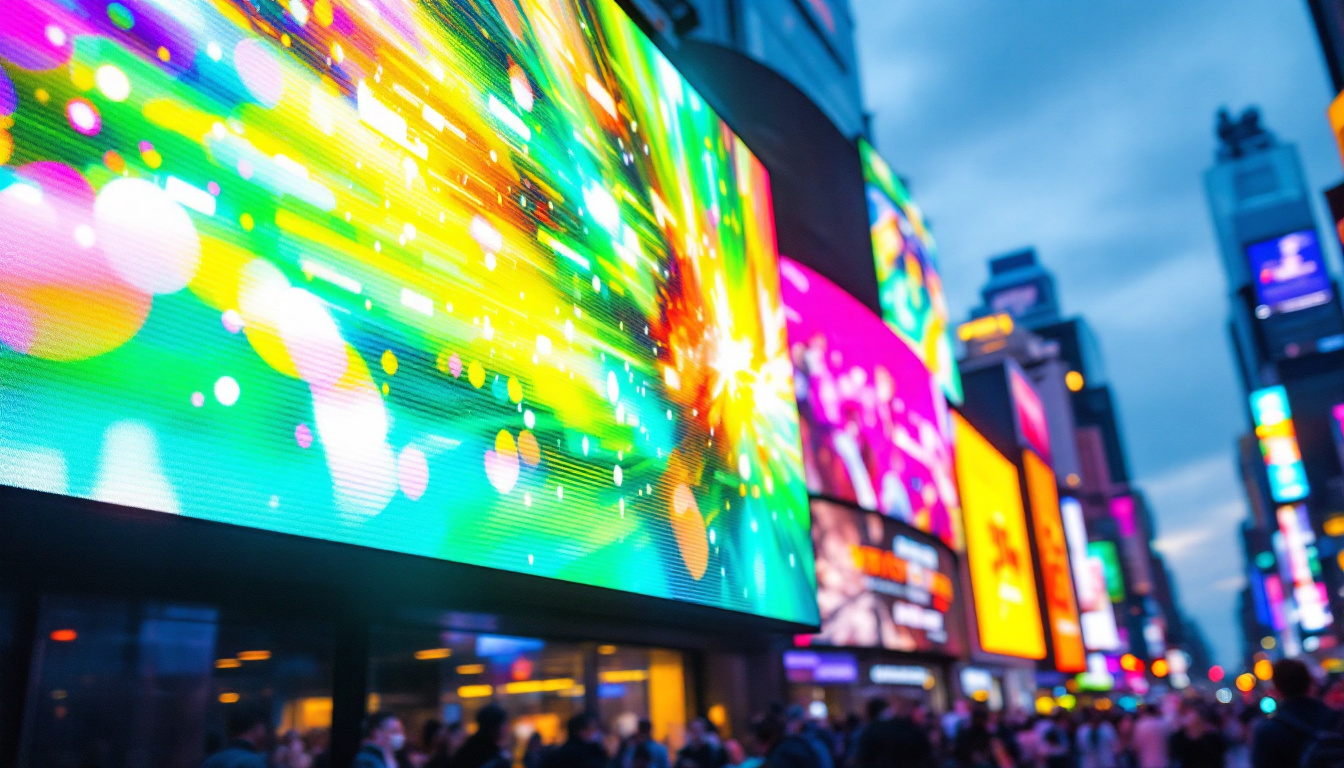
There are two primary types of LED displays: direct-view LED and LED-backlit LCDs. Direct-view LED displays use LEDs as individual pixels, making them ideal for large screens such as stadium displays and outdoor billboards. On the other hand, LED-backlit LCDs use LEDs as a light source behind an LCD panel, commonly found in televisions, monitors, and mobile devices. The versatility of LED technology has made it a popular choice across various industries, from advertising to entertainment, and even in architectural lighting, where dynamic visuals can enhance the aesthetic appeal of buildings.
Key Components of an LED Display
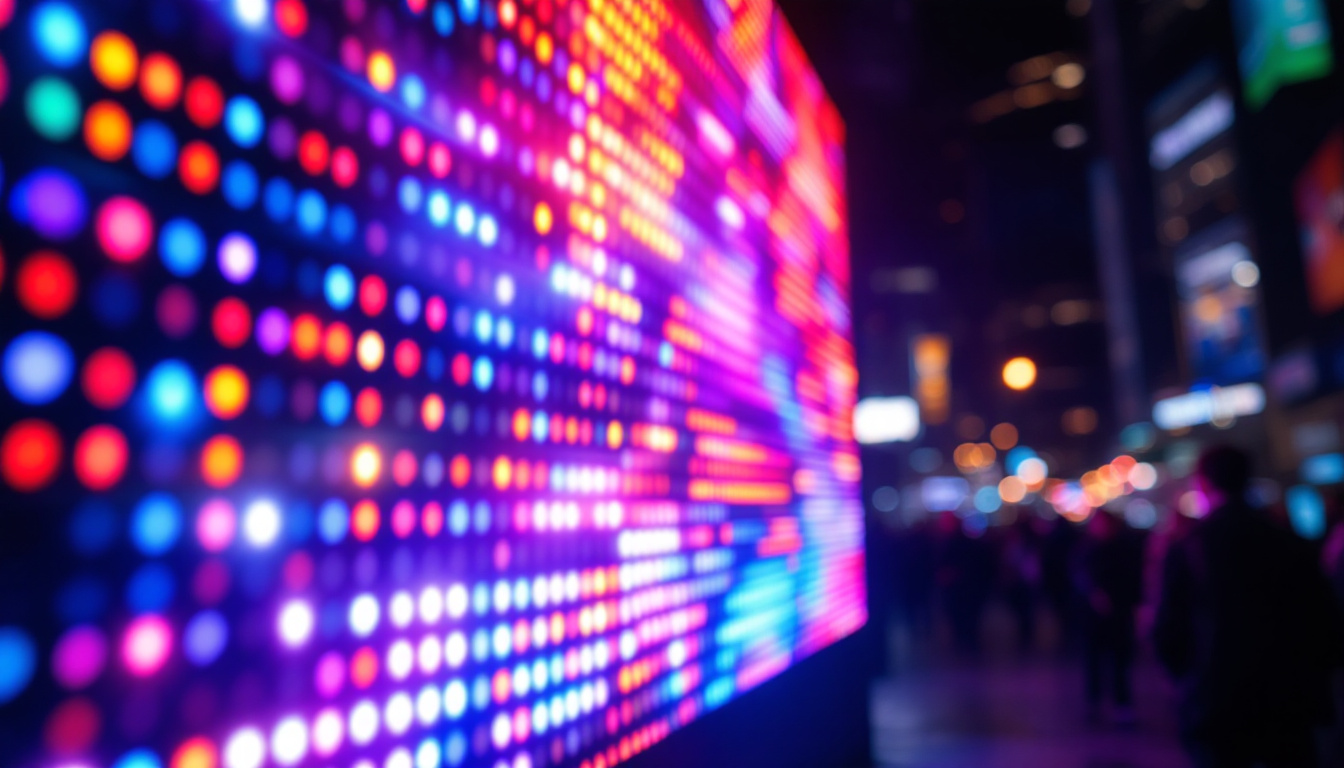
At the heart of an LED display are the light-emitting diodes themselves. These LEDs can be red, green, and blue (RGB), which combine to produce a full spectrum of colors through varying intensities. The display’s resolution depends on the density of these LEDs, often measured in pixels per inch (PPI) or pixel pitch for larger displays. A lower pixel pitch indicates a higher resolution, which is crucial for applications requiring detailed imagery, such as digital signage in retail environments or high-definition video walls in control rooms.
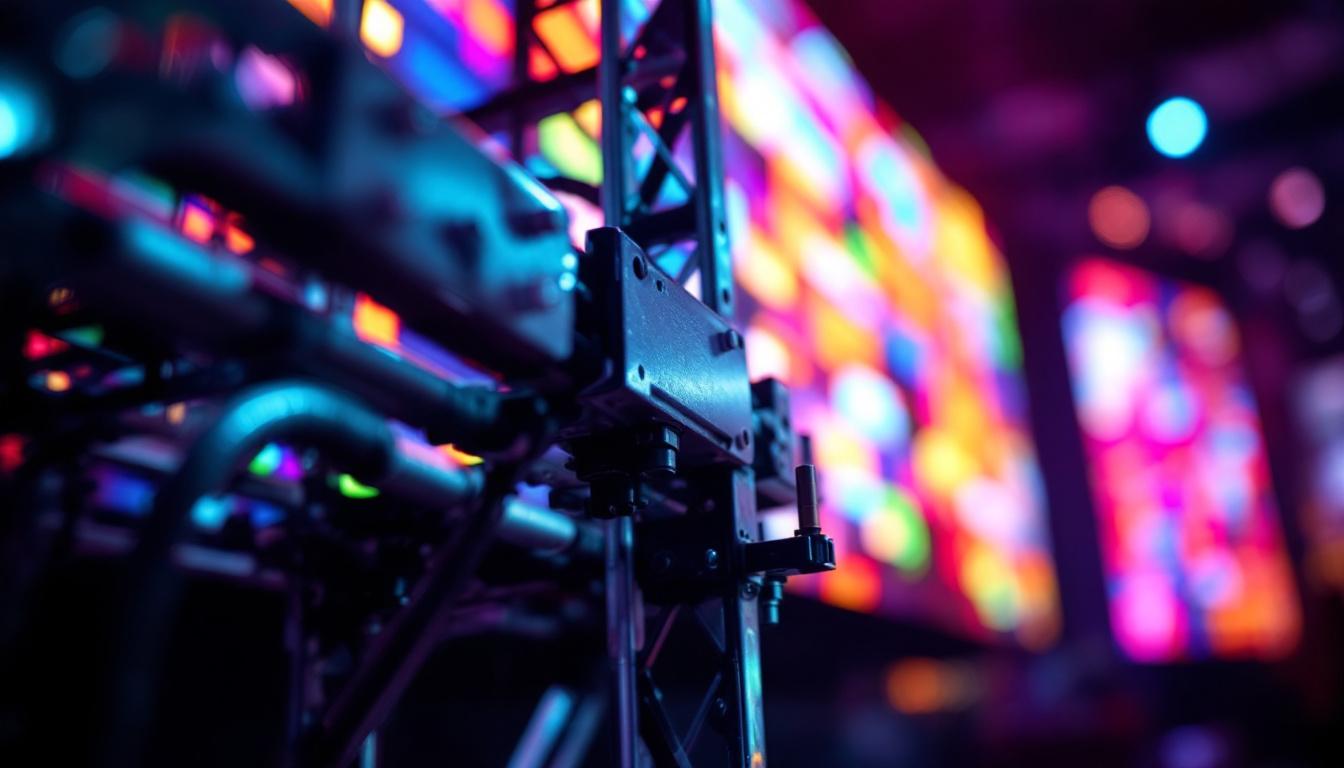
Other essential components include the driver ICs that control the LEDs, the power supply, and the control circuitry that processes input signals. For direct-view LED displays, modules are assembled into panels, which can be scaled up to create massive screens without losing image quality. Additionally, many modern LED displays incorporate advanced technologies such as dynamic contrast enhancement and color calibration systems, ensuring that the visuals remain consistent and vibrant even in varying ambient lighting conditions. This adaptability makes LED displays not only a practical choice but also a preferred medium for immersive experiences in concerts, exhibitions, and interactive installations.
The Integration of Touch Technology with LED Displays
How Touch Screens Work
Touch screens allow users to interact directly with what is displayed, eliminating the need for peripheral devices like a mouse or keyboard. There are several types of touch screen technologies, including resistive, capacitive, infrared, and surface acoustic wave, each with unique mechanisms for detecting touch input.
Capacitive touch screens are the most common in modern devices. They work by sensing the electrical properties of the human finger. When a finger touches the screen, it changes the local electrostatic field, which the device detects and translates into a command. This technology is particularly favored for its responsiveness and multi-touch capabilities, allowing users to perform gestures such as pinch-to-zoom or swipe with ease, enhancing the overall user experience.
Combining Touch Screens with LED Displays
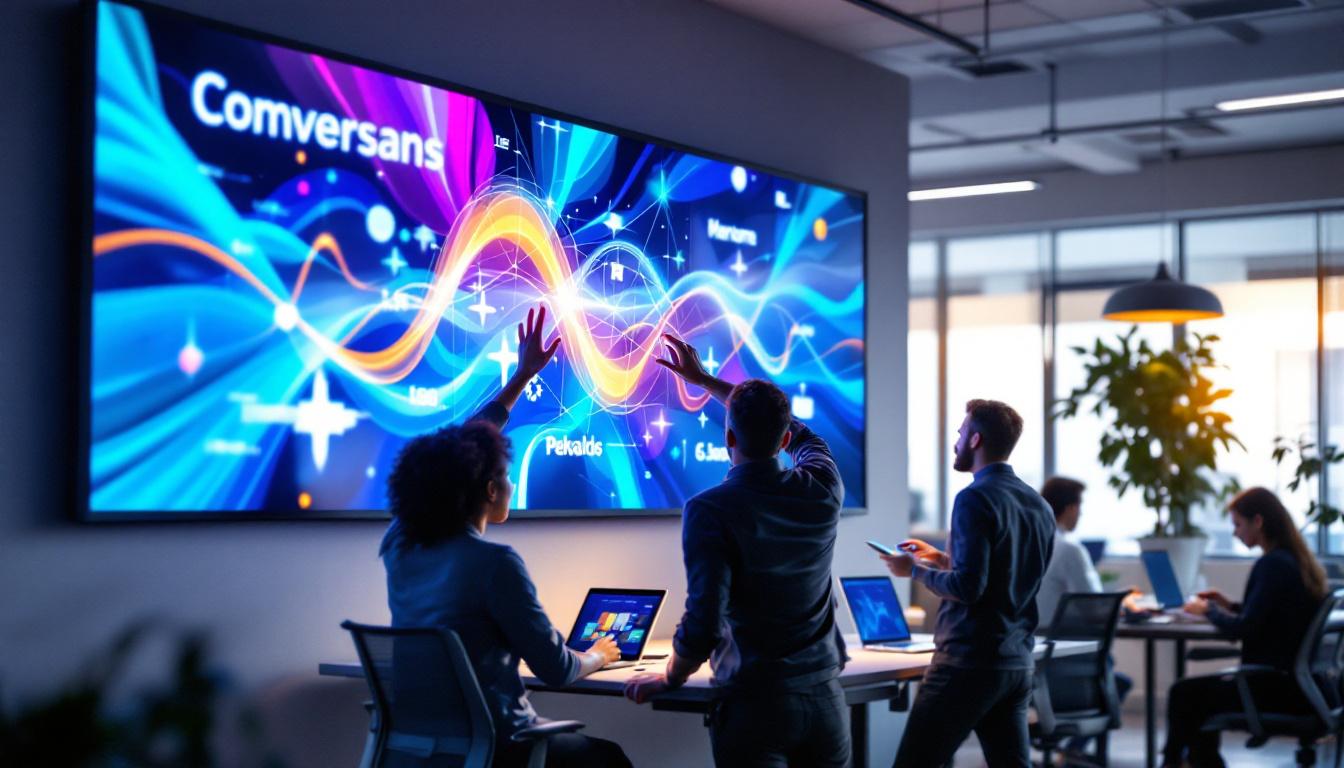
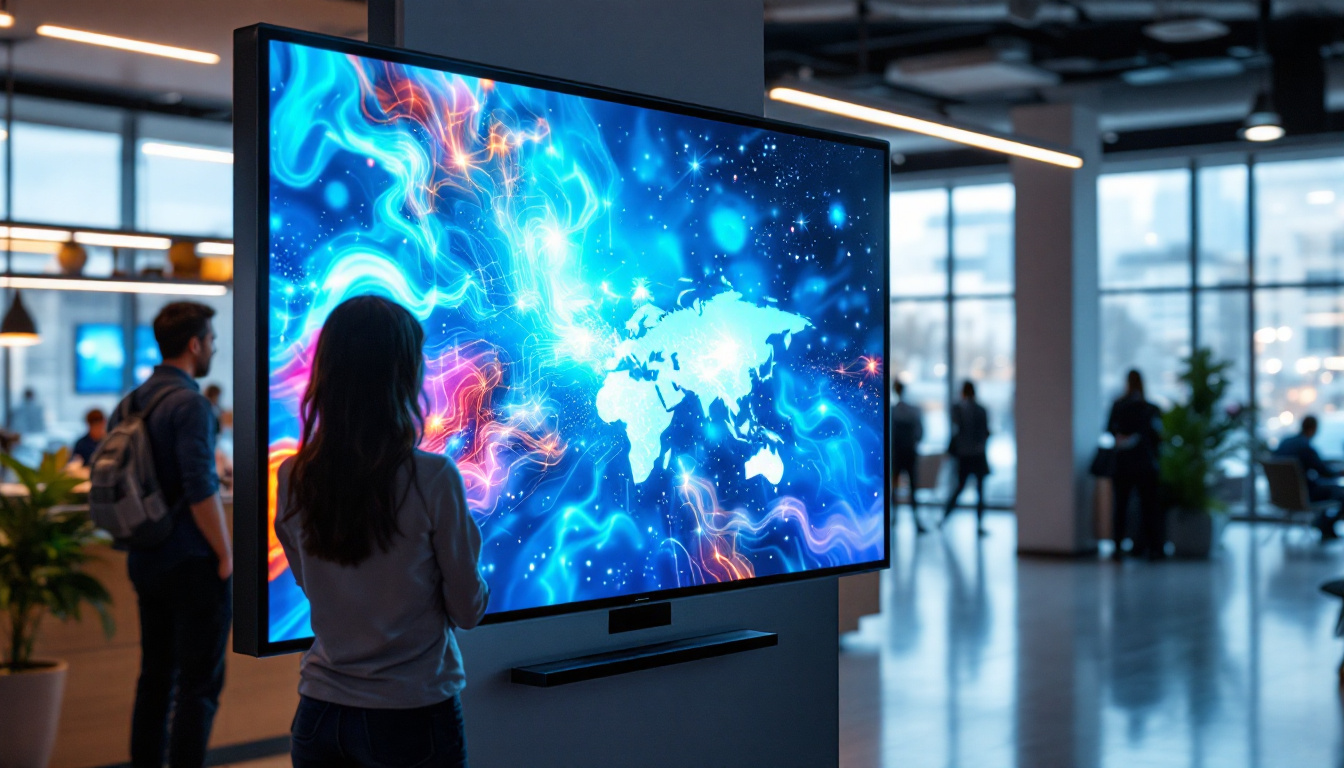
Integrating touch functionality with LED displays requires careful engineering to maintain display quality and responsiveness. For LED-backlit LCDs, the touch sensor is often laminated onto the glass surface of the display, creating a seamless interface. In direct-view LED displays, especially large-format ones, touch sensors may be embedded using infrared grids or capacitive overlays. This innovation not only allows for a more interactive experience but also opens up new avenues for user engagement in various settings, from retail environments to educational institutions.
This integration enables interactive digital signage, kiosks, and advanced control panels where users can engage with content dynamically. The challenge lies in ensuring that the touch layer does not degrade the brightness or clarity of the LED display, which manufacturers address through advanced materials and precise calibration. Furthermore, the combination of touch technology with high-resolution LED displays has led to the development of immersive applications, such as virtual reality environments and interactive art installations, where users can manipulate digital content in real-time, creating a more engaging and memorable experience. The potential for this technology continues to expand as innovations in touch sensitivity and display resolution evolve, promising even more interactive capabilities in the future.
Applications of Touch Screen LED Displays
Consumer Electronics
Smartphones, tablets, and laptops predominantly use LED-backlit LCDs with capacitive touch screens. The combination provides bright, energy-efficient displays with responsive touch controls, essential for modern user experiences. OLED (organic LED) technology, a variant of LED displays, is also gaining traction in high-end devices due to its superior contrast and flexibility. The shift towards OLED is particularly evident in flagship smartphones, where manufacturers are leveraging the technology to create thinner devices with richer colors and deeper blacks, enhancing everything from gaming to video streaming.
Moreover, the integration of touch screen technology in consumer electronics has led to the rise of innovative features such as multi-touch gestures and haptic feedback, which enhance user interaction. As voice recognition technology continues to advance, we may also see a convergence of touch and voice interfaces, allowing users to navigate devices in more intuitive ways. This evolution not only improves accessibility for users with disabilities but also enriches the overall user experience by making devices more responsive to individual preferences.
Commercial and Industrial Uses
In retail, touch screen LED displays are transforming customer engagement through interactive kiosks, digital signage, and point-of-sale systems. These displays attract attention with vivid visuals and allow users to browse products, place orders, or access information directly. Retailers are increasingly utilizing data analytics from these touch screens to understand customer behavior, optimize inventory, and tailor marketing strategies, creating a more personalized shopping experience.
Industrially, touch screen LED panels are used in control rooms, manufacturing lines, and healthcare settings. Their durability, visibility under various lighting conditions, and ease of use make them ideal for environments where quick, accurate interaction is critical. In healthcare, for instance, touch screens facilitate the management of patient records and real-time monitoring of vital signs, significantly improving the efficiency of care delivery. The ability to quickly access and manipulate data on a touch screen can be a game-changer in emergency situations, where every second counts.
Public Spaces and Transportation
Transportation hubs like airports and train stations utilize large touch screen LED displays for wayfinding, ticketing, and real-time updates. These displays must be highly visible in diverse lighting conditions and robust enough to withstand heavy public use. The integration of interactive maps and flight information directly onto these screens enhances the travel experience, allowing passengers to navigate complex terminals with ease. Additionally, some systems incorporate multilingual options, catering to international travelers and improving overall accessibility.
Similarly, museums and exhibition centers employ interactive LED displays to provide immersive educational experiences, allowing visitors to explore content at their own pace. These installations often include augmented reality features, enabling users to engage with exhibits in a dynamic way. For instance, a touch screen might allow visitors to delve deeper into historical artifacts or view 3D models of ancient structures, transforming static displays into interactive learning opportunities. This not only enriches the educational value of exhibits but also encourages greater visitor engagement and retention of information, making learning a more interactive and enjoyable experience.
Advantages of Touch Screen LED Displays
Enhanced Visual Quality
LED displays offer superior brightness and color accuracy compared to many other display technologies. This makes them suitable for both indoor and outdoor environments where ambient light can affect visibility. The addition of touch capability enhances user engagement by providing direct interaction with high-quality visuals.
Durability and Energy Efficiency
LEDs are known for their long lifespan and low power consumption. This translates into displays that are reliable and cost-effective over time. Touch screen LED displays, especially those used in public or industrial settings, benefit from rugged designs that resist scratches, impacts, and environmental factors.
Interactive User Experience
Touch screens create a natural and intuitive way for users to interact with digital content. This interaction can improve accessibility, streamline workflows, and increase customer satisfaction in commercial contexts. The combination with LED displays ensures that this interaction is complemented by clear and vibrant visuals.
Challenges and Considerations
Cost and Complexity
Integrating touch functionality with LED displays adds complexity and cost to the manufacturing process. High-quality touch sensors and precise calibration are necessary to maintain display performance, which can increase the overall price of the device.
Environmental Factors
Outdoor LED touch displays must contend with weather, temperature extremes, and potential vandalism. Protective coatings, robust enclosures, and anti-glare treatments are essential to ensure longevity and usability in harsh conditions.
Calibration and Maintenance
Touch screens require periodic calibration to maintain accuracy, especially in high-use or industrial environments. Additionally, LED displays may require maintenance to address issues like dead pixels or brightness uniformity over time.
The Future of Touch Screen LED Displays
Advancements in Flexible and Transparent Displays
Emerging technologies are pushing the boundaries of LED displays by introducing flexible and transparent options. These innovations enable new form factors, such as foldable smartphones and see-through digital signage, expanding the possibilities for interactive displays.
Improved Touch Sensitivity and Multi-Touch Capabilities
Future touch screen LED displays will feature enhanced sensitivity and support for multi-touch gestures, enabling more complex interactions and better responsiveness. This is particularly important for applications in gaming, design, and collaborative work environments.
Integration with Artificial Intelligence and IoT
As the Internet of Things (IoT) and artificial intelligence (AI) technologies evolve, touch screen LED displays will become smarter and more context-aware. They will adapt content dynamically based on user behavior, environmental conditions, and real-time data, creating personalized and efficient user experiences.
Conclusion
Touch screen LED displays represent a convergence of two powerful technologies that enhance how users interact with digital content. Their vibrant visuals, combined with intuitive touch interfaces, have transformed consumer electronics, commercial environments, and public spaces alike. While challenges remain in cost, durability, and maintenance, ongoing advancements promise to make these displays even more versatile and accessible. Understanding the fundamentals of LED display technology and touch integration is essential for anyone involved in selecting, designing, or utilizing modern display solutions.
Discover Cutting-Edge LED Displays with LumenMatrix
Ready to elevate your visual experience with the latest in LED display technology? Look no further than LumenMatrix, a pioneer in crafting LED display modules that bring your brand to life and captivate your audience. Whether you’re in need of an Indoor LED Wall Display, a dynamic Outdoor LED Wall Display, or specialized solutions like Vehicle LED Displays, LED Sports Displays, or even Custom LED Displays, LumenMatrix has you covered. Embrace the future of visual communication and check out LumenMatrix LED Display Solutions today to transform how you engage and connect with your audience.