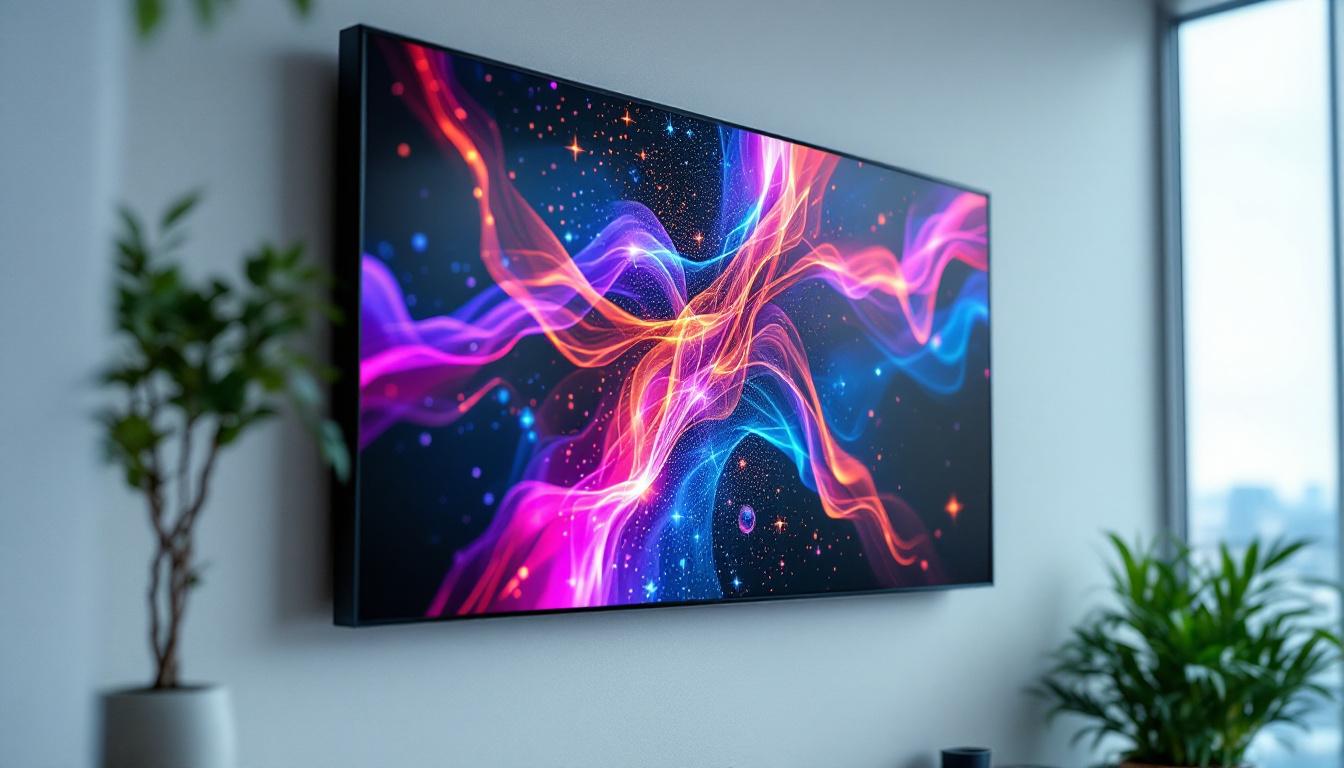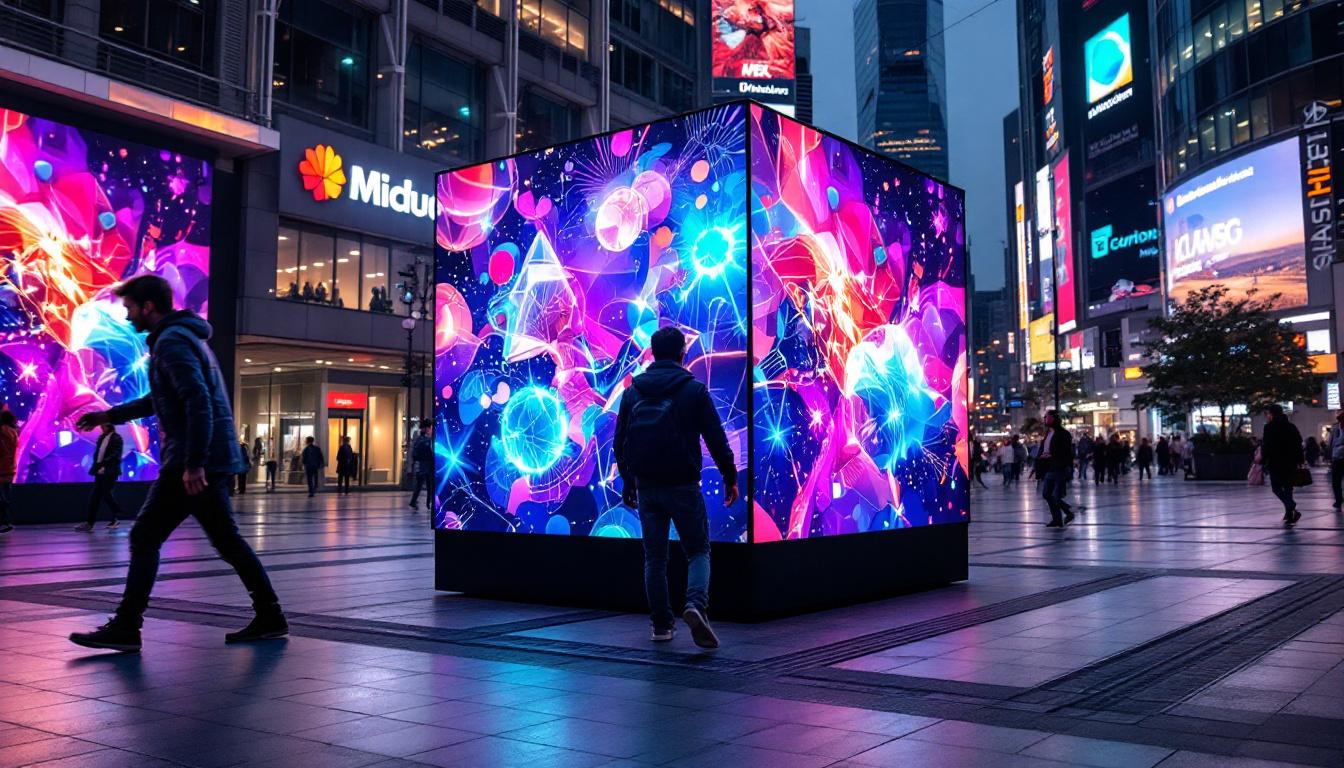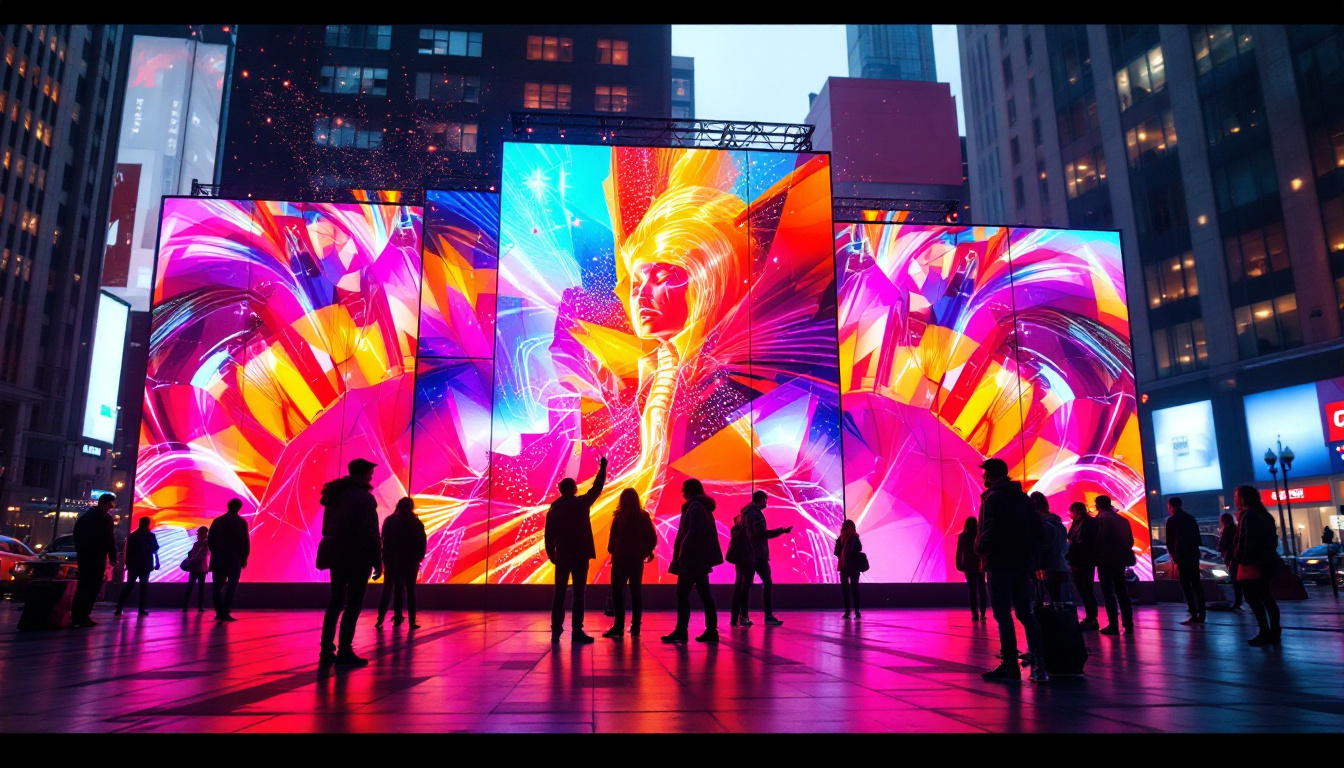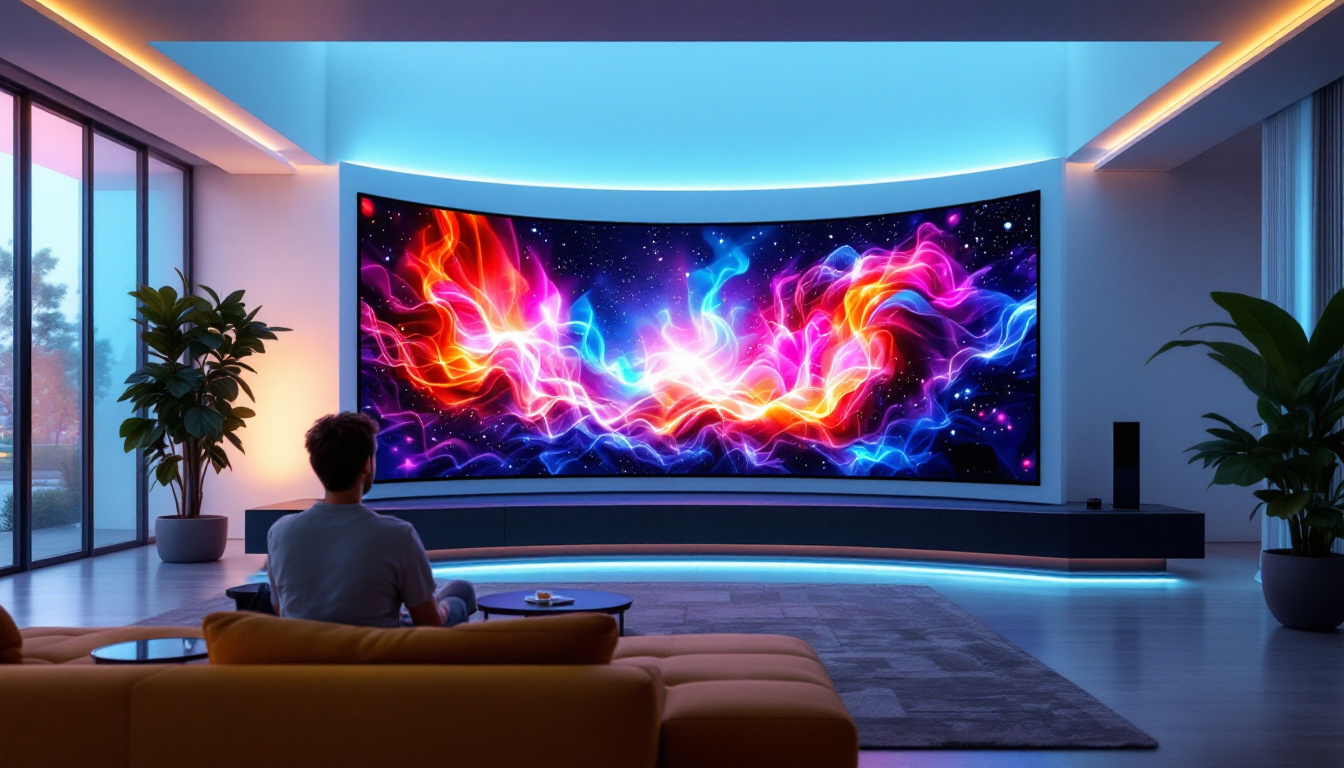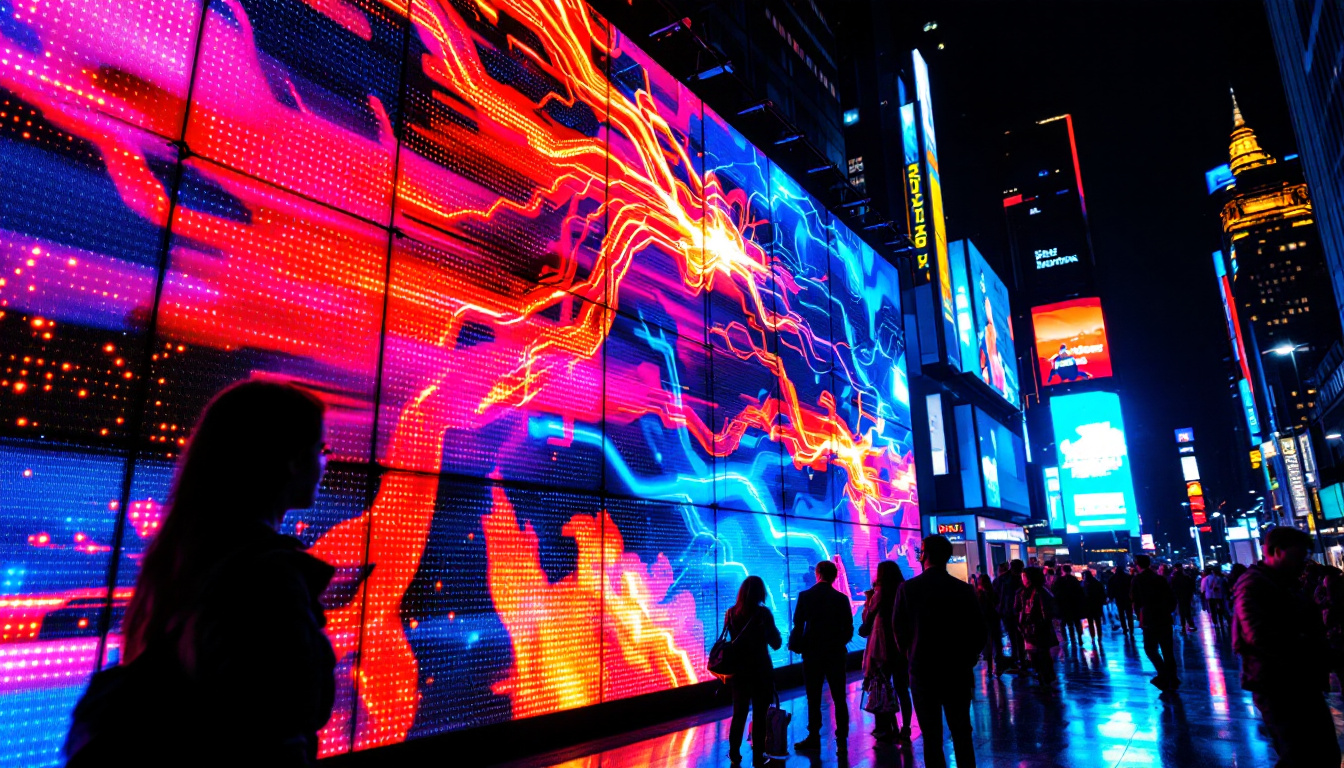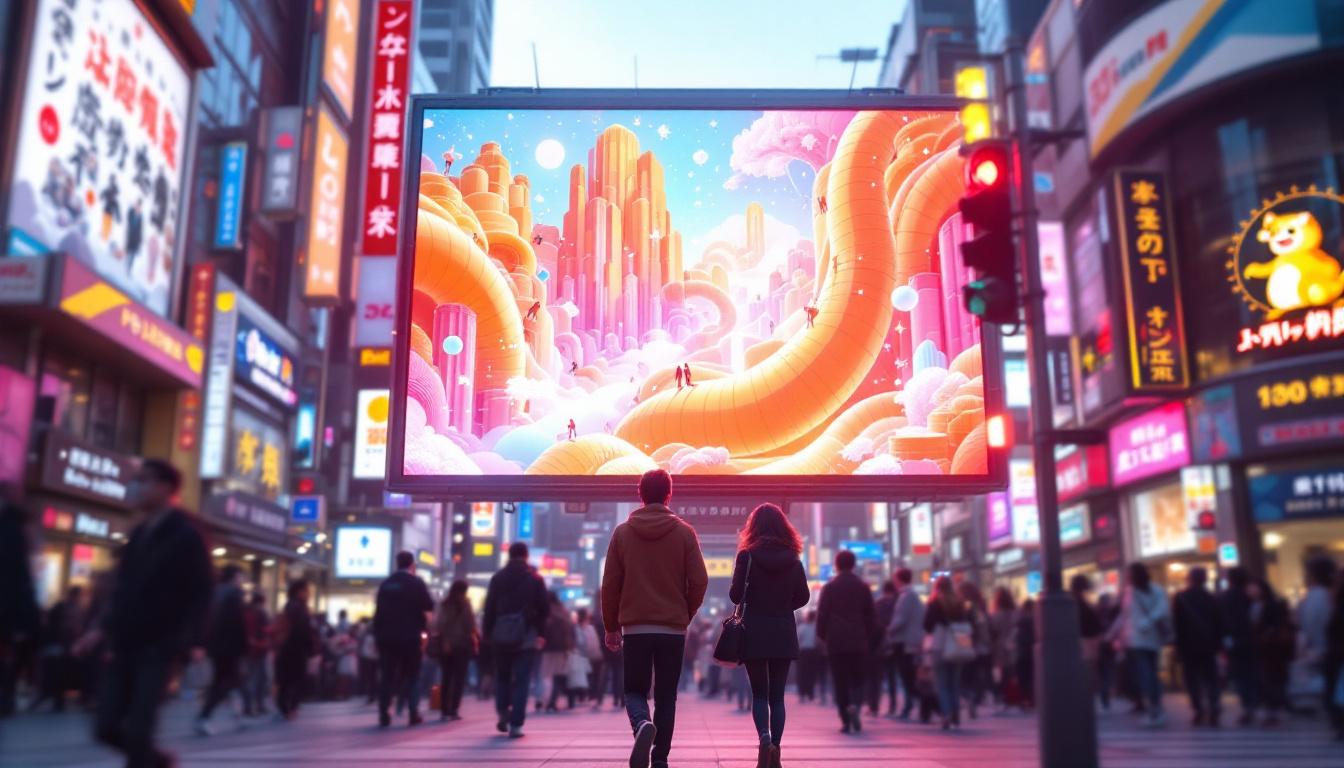
In the world of live events, concerts, trade shows, and large-scale presentations, visual impact is everything. One of the most significant innovations enhancing audience engagement is the use of LED displays, particularly those integrated into case flight designs. This article delves into the concept of case flight LED displays, exploring their technology, applications, benefits, and considerations for choosing the right solution.
Understanding Case Flight LED Displays
Case flight LED displays are a type of modular LED screen system designed with portability and durability in mind. The term “case flight” refers to the rugged, road-ready casing that houses the LED panels, allowing them to be easily transported, assembled, and disassembled for touring or temporary installations.
Unlike fixed LED installations, case flight displays are built to withstand the rigors of frequent handling and travel. They are typically used by production companies, event organizers, and rental services that require high-quality visual solutions capable of quick deployment and teardown.
What Makes Case Flight Displays Unique?
The defining characteristic of case flight LED displays is their integration into protective flight cases. These cases not only protect the LED panels during transit but also often serve as the structural frame for the display itself. This design reduces setup time and minimizes the risk of damage, which is crucial for live events where reliability and speed are paramount.
Additionally, case flight LED displays often feature quick-lock mechanisms and standardized panel sizes, enabling technicians to assemble large video walls with precision and consistency. This modularity allows for flexible configurations, adapting to different venue sizes and event requirements.
One of the standout features of case flight LED displays is their ability to deliver stunning visual quality even in challenging outdoor environments. Many models are equipped with high brightness levels and advanced weatherproofing, making them suitable for concerts, festivals, and sporting events where lighting conditions can vary dramatically. This versatility not only enhances the audience’s experience but also allows event organizers to utilize the displays in a wider range of settings, maximizing their investment.
Moreover, the technology behind case flight LED displays has evolved significantly, with advancements in pixel pitch and color accuracy. Modern displays can achieve incredible resolutions, ensuring that every detail is crisp and vibrant. This is particularly important for applications like advertising, where the clarity of the visuals can directly impact audience engagement. As a result, case flight LED displays are not just functional; they are also a powerful tool for creating memorable visual experiences that captivate viewers and elevate events to new heights.
The Technology Behind LED Displays
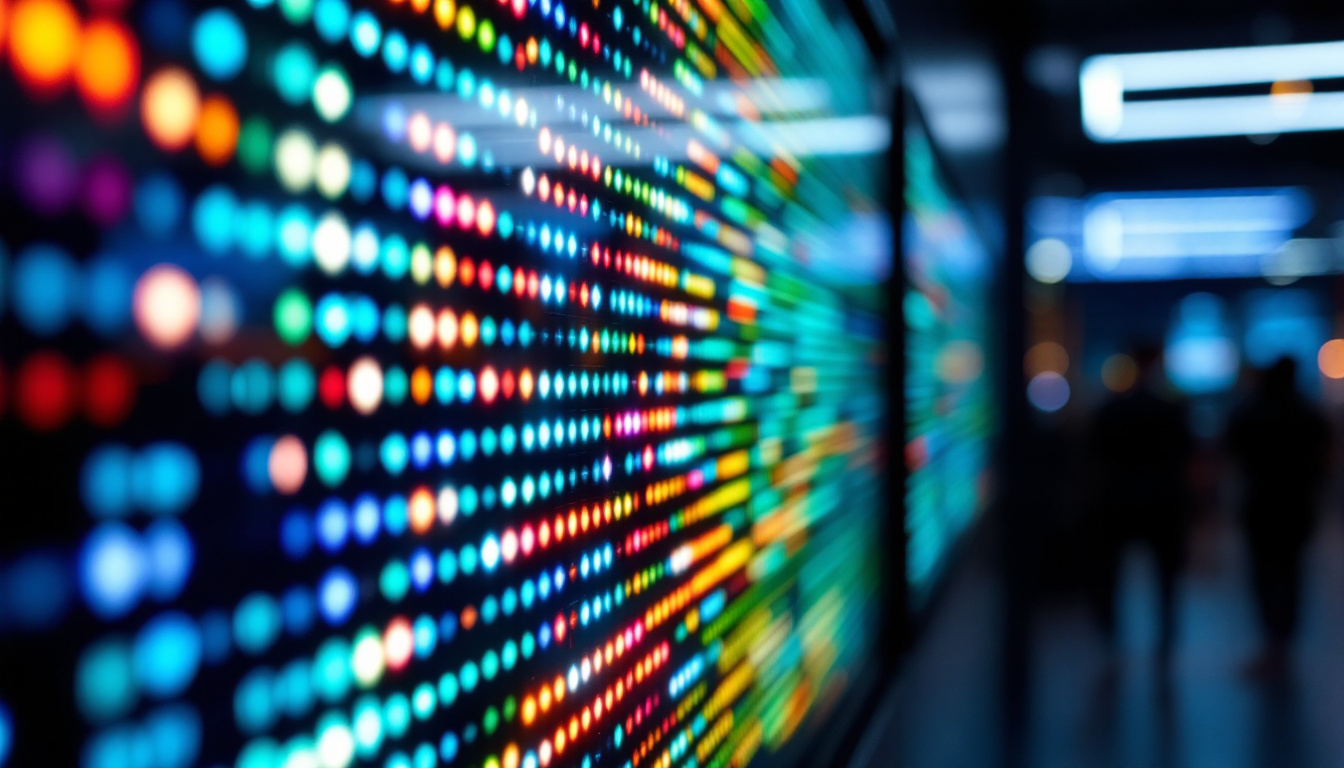
To appreciate the advantages of case flight LED displays, it is essential to understand the underlying LED technology. LED, or Light Emitting Diode, screens are composed of thousands of tiny diodes that emit light individually. These diodes combine to form images and videos with vibrant colors and high brightness.
Pixel Pitch and Resolution
One of the most critical specifications in LED displays is pixel pitch, which refers to the distance between the centers of two adjacent pixels. A smaller pixel pitch means higher resolution and sharper images, making it ideal for close-up viewing.
Case flight LED displays come in a variety of pixel pitches, typically ranging from 1.2mm for indoor, close-viewing applications to 10mm or more for outdoor, long-distance viewing. Choosing the right pixel pitch depends on the viewing distance and the type of content being displayed.
Brightness and Contrast
LED displays are known for their exceptional brightness, often exceeding 1,000 nits for indoor screens and up to 6,000 nits or more for outdoor models. This high brightness ensures visibility even in direct sunlight or brightly lit environments.
Contrast ratio, the difference between the darkest black and the brightest white, is another important factor. High contrast enhances image depth and clarity, contributing to a more immersive viewing experience.
Refresh Rate and Color Accuracy
Refresh rate, measured in Hertz (Hz), indicates how many times per second the display updates its image. Higher refresh rates reduce flicker and motion blur, which is particularly important for live video and fast-moving graphics.
Modern case flight LED displays often support refresh rates of 3,840 Hz or higher, ensuring smooth visuals even when recorded by high-speed cameras. Color accuracy is also enhanced through advanced calibration techniques, delivering vivid and true-to-life colors.
Applications of Case Flight LED Displays
The versatility of case flight LED displays makes them suitable for a wide range of applications. Their portability and robust design enable creative uses across various industries.
Live Events and Concerts
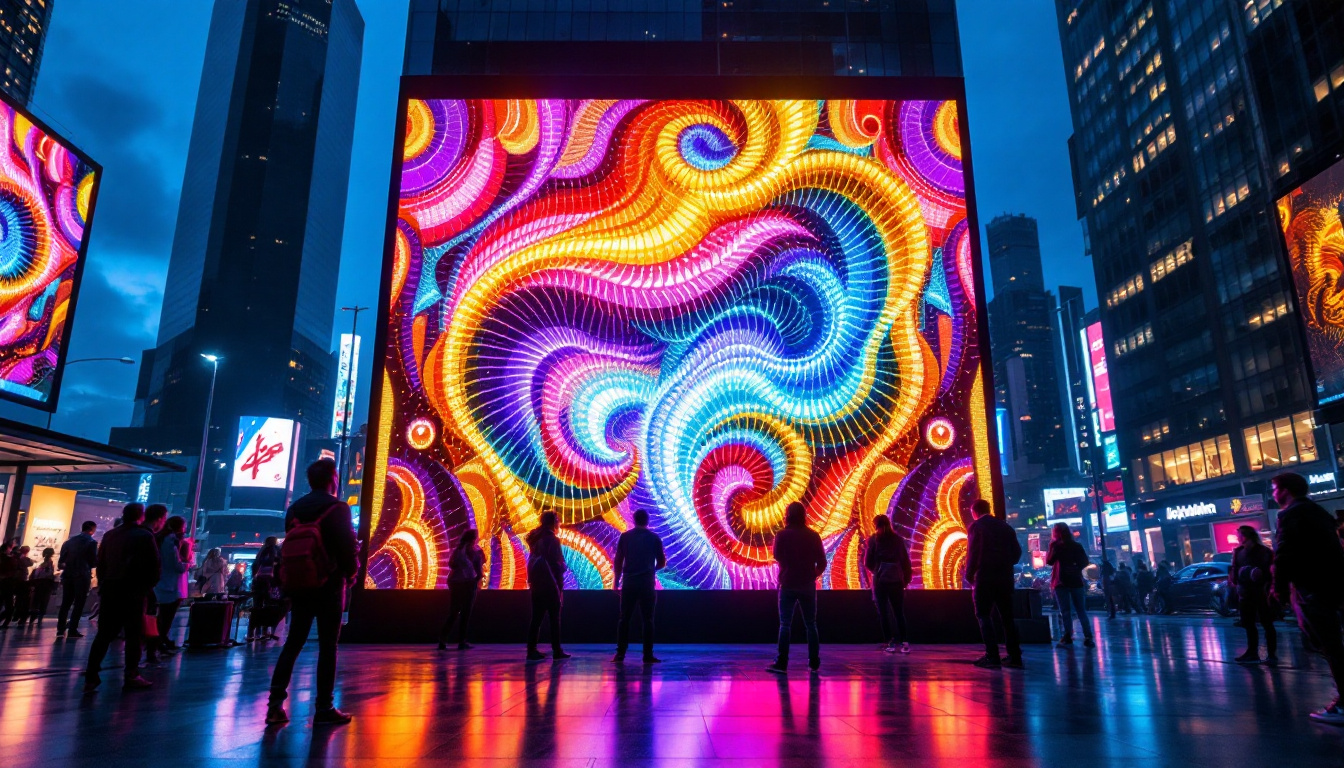
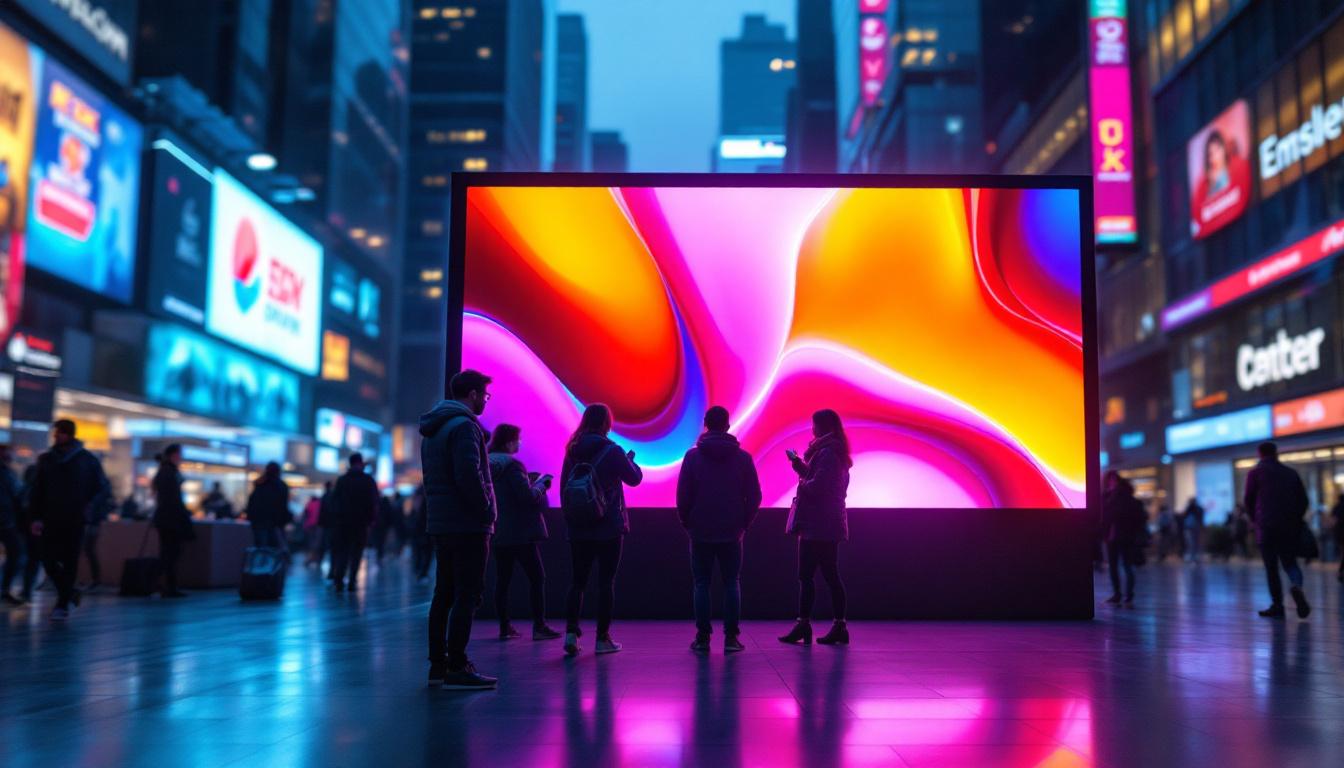
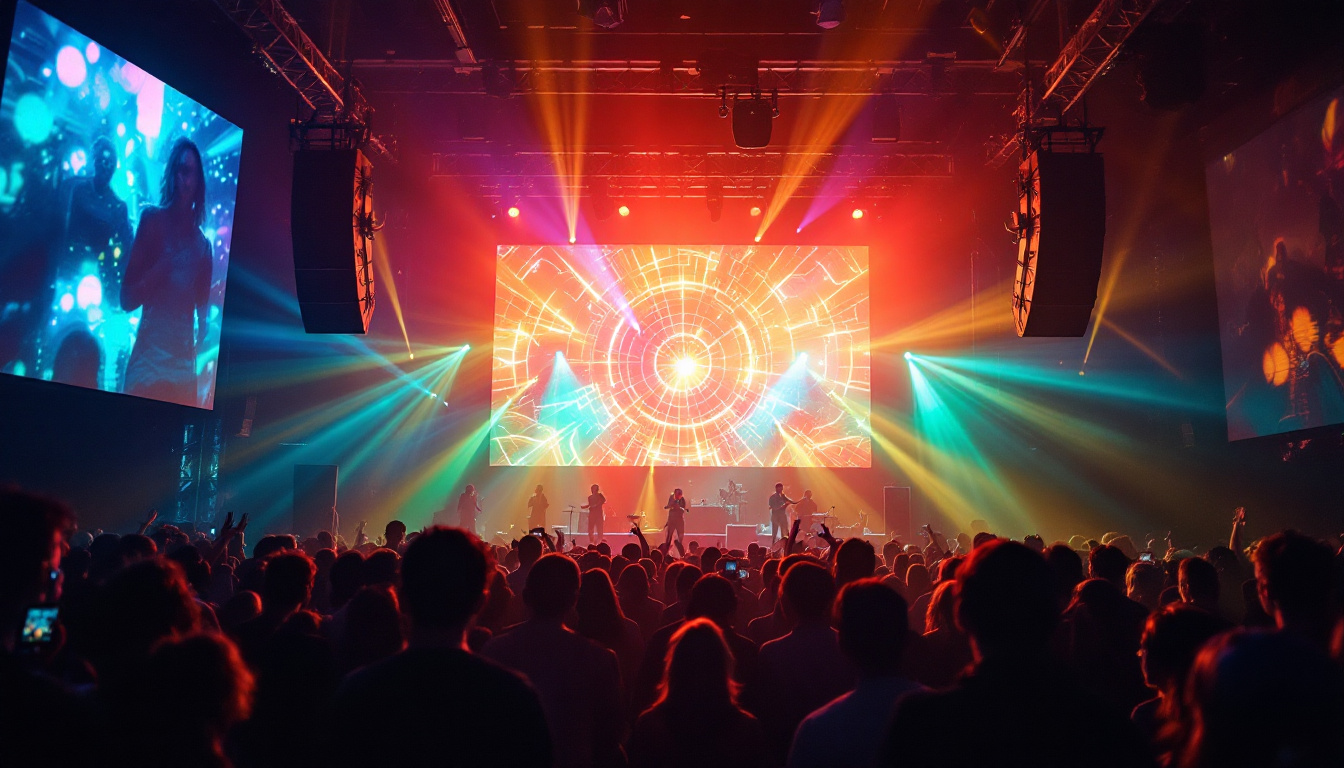
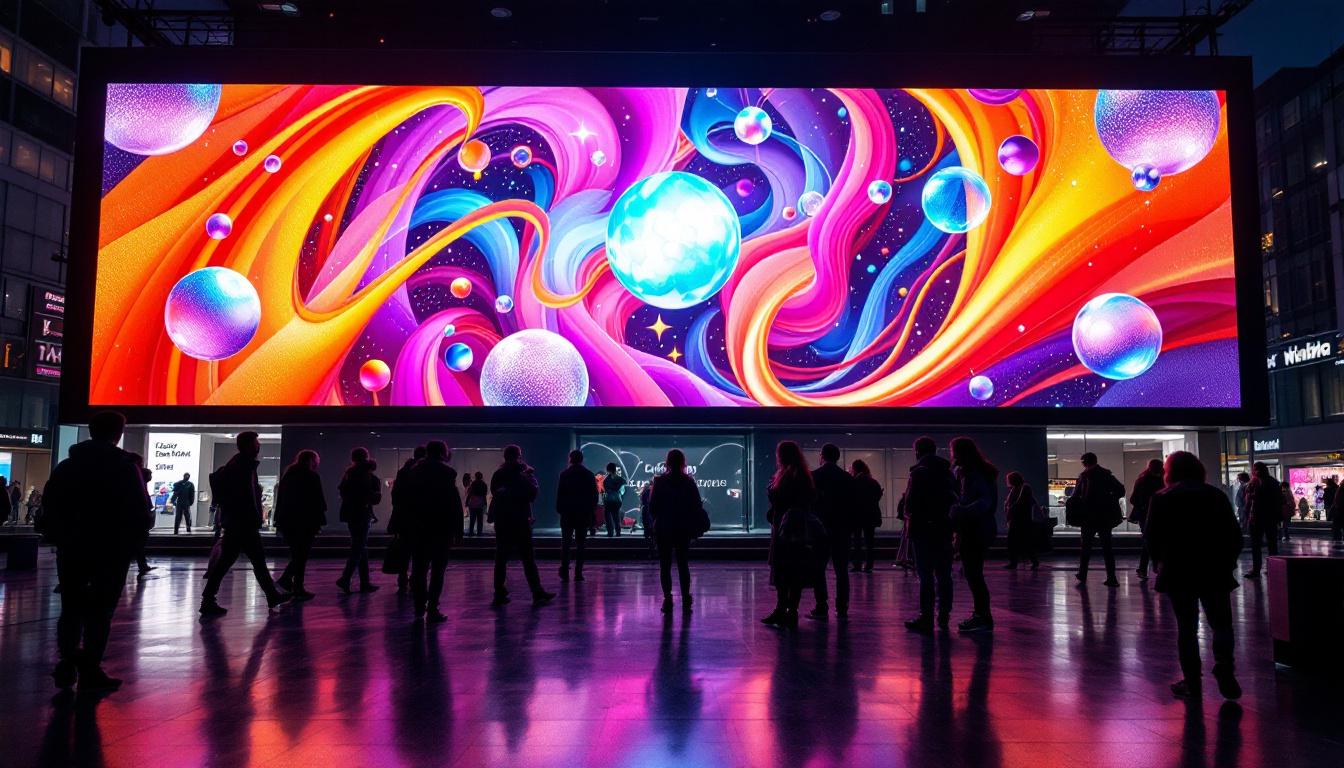
Concerts and festivals demand large, bright screens that can be seen from all angles and distances. Case flight LED displays are ideal for these settings, providing dynamic backdrops, live video feeds, and visual effects that enhance the audience experience.
For example, major touring artists often rely on case flight LED walls to create immersive stage designs that can be quickly assembled in different cities. The ability to customize screen size and shape allows for unique, memorable productions.
Corporate Events and Trade Shows
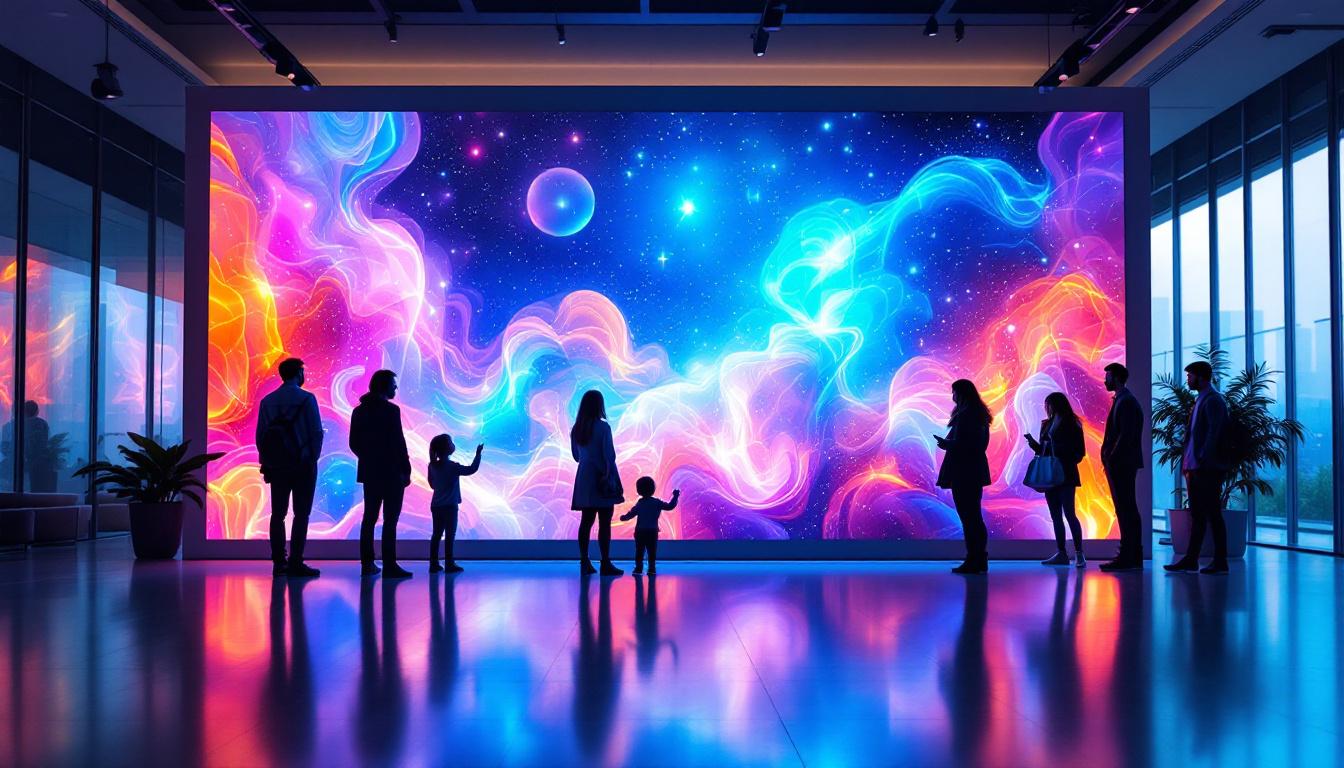
In corporate environments, case flight LED displays are used to deliver impactful presentations, product launches, and brand activations. Their high resolution and brightness make them perfect for showcasing detailed visuals and videos.
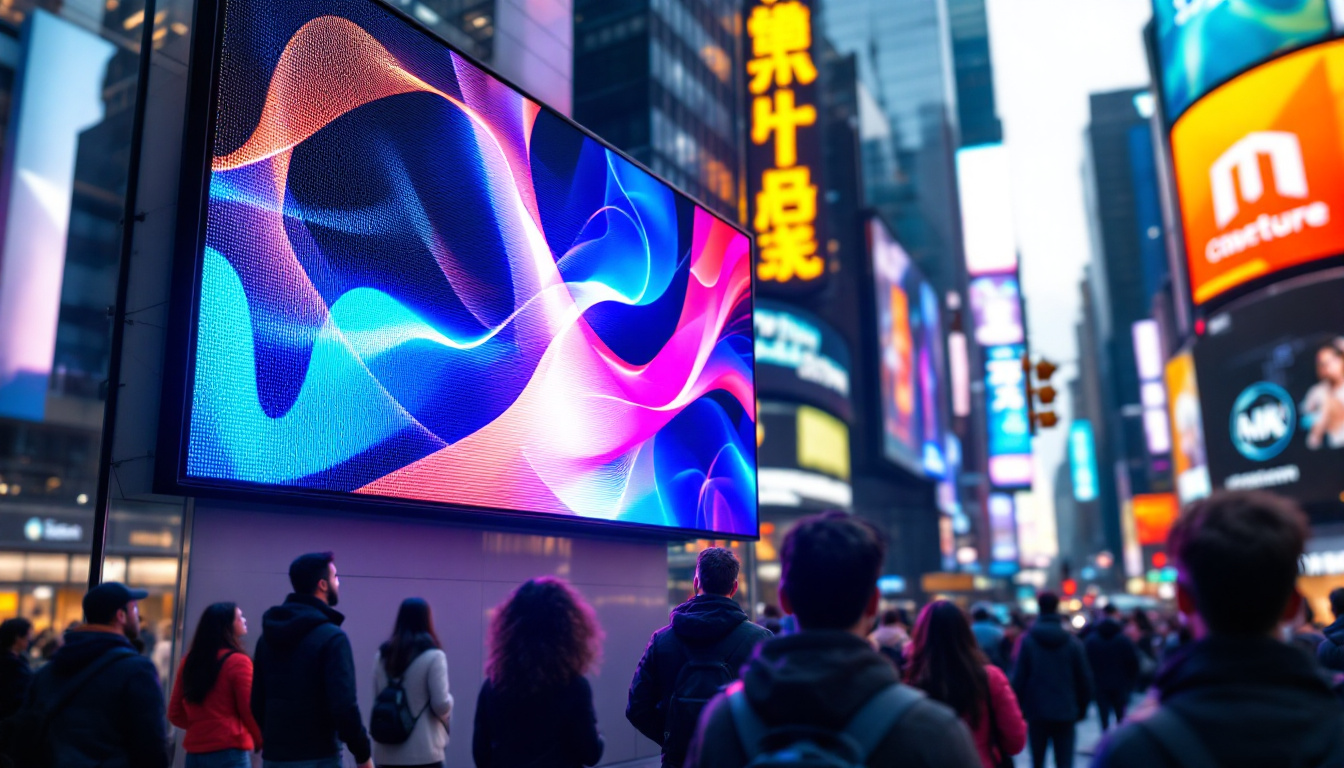
Trade shows benefit from the portability of case flight systems, enabling exhibitors to transport and set up impressive digital signage that attracts visitors and communicates messages effectively.
Broadcast and Sports Venues
Broadcast studios and sports arenas utilize case flight LED displays for scoreboards, advertising, and immersive viewer experiences. The quick setup and teardown capabilities are essential for venues hosting multiple events in short succession.
High refresh rates and color fidelity ensure that fast-paced action is displayed crisply, enhancing both live audience engagement and television broadcasts.
Benefits of Using Case Flight LED Displays
Case flight LED displays offer several advantages over traditional display technologies and fixed LED installations, making them a preferred choice for many professionals.
Portability and Durability
The rugged flight cases protect the LED panels from damage during transport, reducing maintenance costs and downtime. This durability is critical for rental companies and touring productions that frequently move equipment.
Moreover, the integrated case design simplifies logistics, as the display components are stored and transported together, minimizing the risk of lost or damaged parts.
Speedy Setup and Flexibility
Quick-lock mechanisms and modular panels enable rapid assembly and disassembly, often reducing setup times by 50% compared to traditional LED walls. This efficiency translates into cost savings and greater scheduling flexibility.
The modular nature also allows for scalable screen sizes and shapes, accommodating diverse venue requirements and creative designs.
High Visual Performance
Case flight LED displays deliver bright, vibrant images with excellent contrast and color accuracy. Their high refresh rates ensure smooth motion, making them suitable for a variety of content types, from static images to live video streams.
Additionally, these displays perform well in various lighting conditions, maintaining visibility and impact indoors and outdoors.
Considerations When Choosing a Case Flight LED Display
Selecting the right case flight LED display involves evaluating several factors to ensure it meets the specific needs of an event or installation.
Viewing Distance and Environment
Determining the typical viewing distance is crucial for selecting the appropriate pixel pitch. For example, a pixel pitch of 2.5mm is suitable for audiences viewing from 3 to 5 meters away, while outdoor displays with pixel pitches of 6mm or more cater to viewers at greater distances.
Environmental factors such as ambient light, weather exposure, and venue size also influence the choice of brightness levels and protective features.
Resolution and Content Type
The type of content to be displayed—whether detailed graphics, text, or video—affects resolution requirements. Higher resolution displays are necessary for close-up viewing and detailed visuals, while lower resolution may suffice for large-scale background imagery.
Budget and Logistics
Cost considerations include not only the initial investment but also transportation, setup labor, and maintenance expenses. Case flight LED displays can represent a significant investment, but their durability and efficiency often justify the cost.
Logistical factors such as storage space, transportation vehicles, and technical crew expertise should also be assessed to ensure smooth operations.
Future Trends in Case Flight LED Display Technology
The LED display industry continues to evolve rapidly, with innovations enhancing performance, usability, and sustainability.
Mini-LED and Micro-LED Advances
Emerging technologies like mini-LED and micro-LED promise even finer pixel pitches, higher brightness, and improved energy efficiency. These advancements will enable case flight displays to deliver cinema-quality visuals in portable formats.
Integration with Augmented Reality and Interactive Technologies
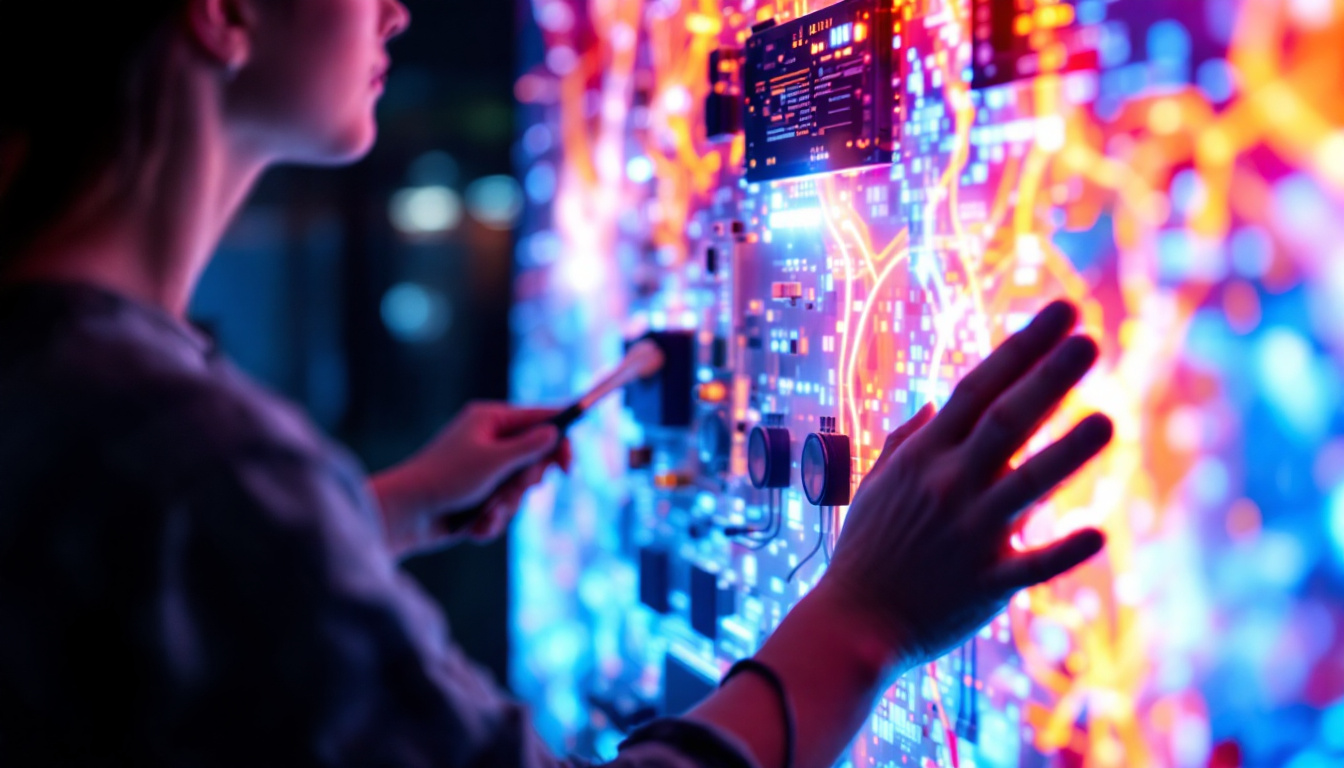
Combining LED displays with augmented reality (AR) and interactive systems is opening new possibilities for immersive experiences. Case flight LED walls could soon incorporate touch interactivity, gesture recognition, and real-time data integration, transforming audience engagement.
Eco-Friendly Designs
Manufacturers are increasingly focusing on sustainability, developing LED panels with lower power consumption and recyclable materials. Flight cases are also being designed for reduced weight and environmental impact, aligning with global green initiatives.
Conclusion
Case flight LED displays represent a powerful solution for delivering high-impact visual experiences in a portable, durable format. Their combination of advanced LED technology, modular design, and rugged construction makes them indispensable in live events, corporate settings, broadcast environments, and beyond.
By understanding the technology, applications, and key considerations, event professionals and rental companies can select the optimal case flight LED display system to meet their needs. As innovations continue to emerge, these displays will play an increasingly vital role in shaping the future of visual communication.
Discover LumenMatrix’s Advanced LED Solutions
Ready to elevate your visual presentations to the next level? LumenMatrix is at the forefront of LED display innovation, offering a wide array of solutions tailored to your unique needs. From mesmerizing Indoor and Outdoor LED Wall Displays to versatile Vehicle and Sports LED Displays, our technology is designed to captivate and engage. Experience the future of visual communication with our Custom, All-in-One, and Transparent LED Displays. Don’t just share your message—make it unforgettable. Check out LumenMatrix LED Display Solutions today and transform your audience’s experience.