In today’s digital age, LED displays have become ubiquitous, from the giant screens in stadiums to the compact displays on smartphones. Understanding how these displays work, particularly the role of pixel ratios, is essential for professionals in design, advertising, and technology development. This article delves into the concept of pixel ratios in LED displays, explains why they matter, and explores how ratio calculators can help optimize display performance.
Understanding LED Display Technology
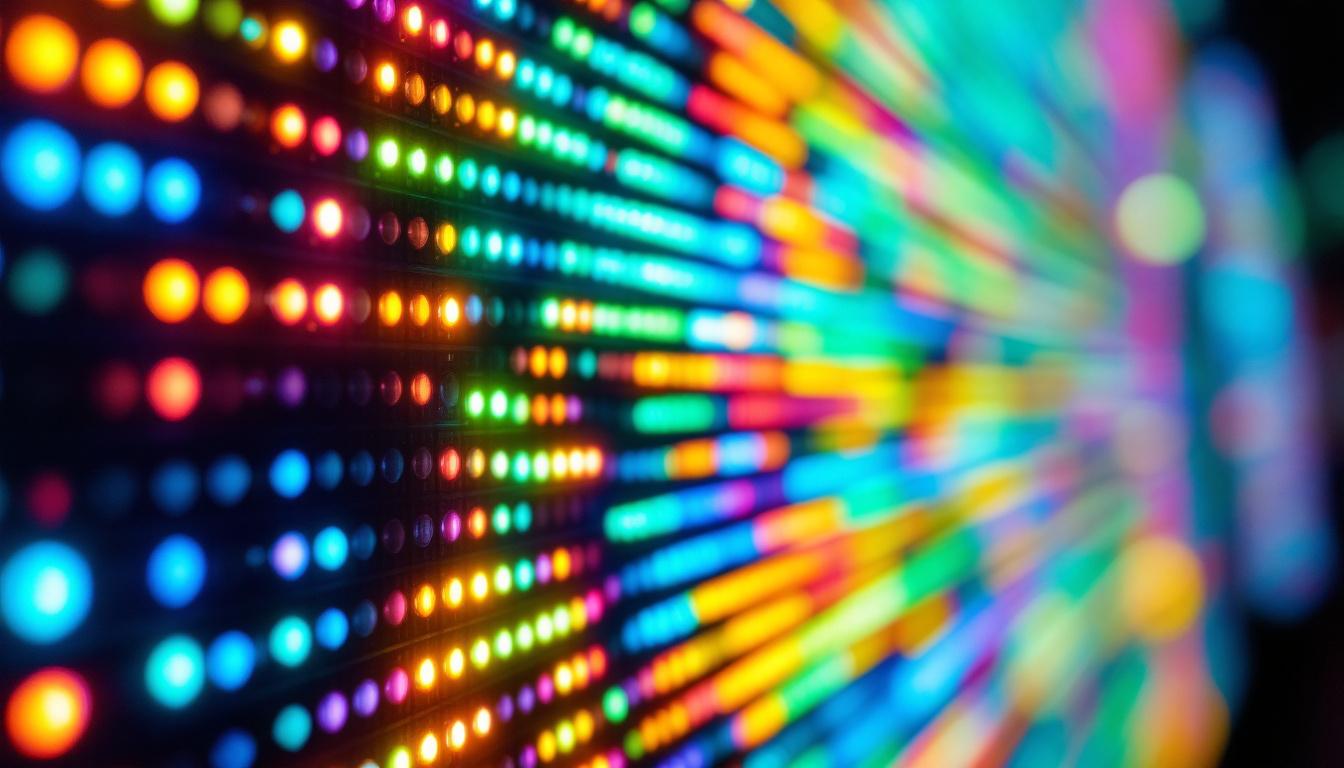
LED, or Light Emitting Diode, displays are composed of numerous tiny light sources called pixels. Each pixel contains one or more LEDs that emit light when an electrical current passes through them. These pixels collectively form the images and videos that appear on the screen.
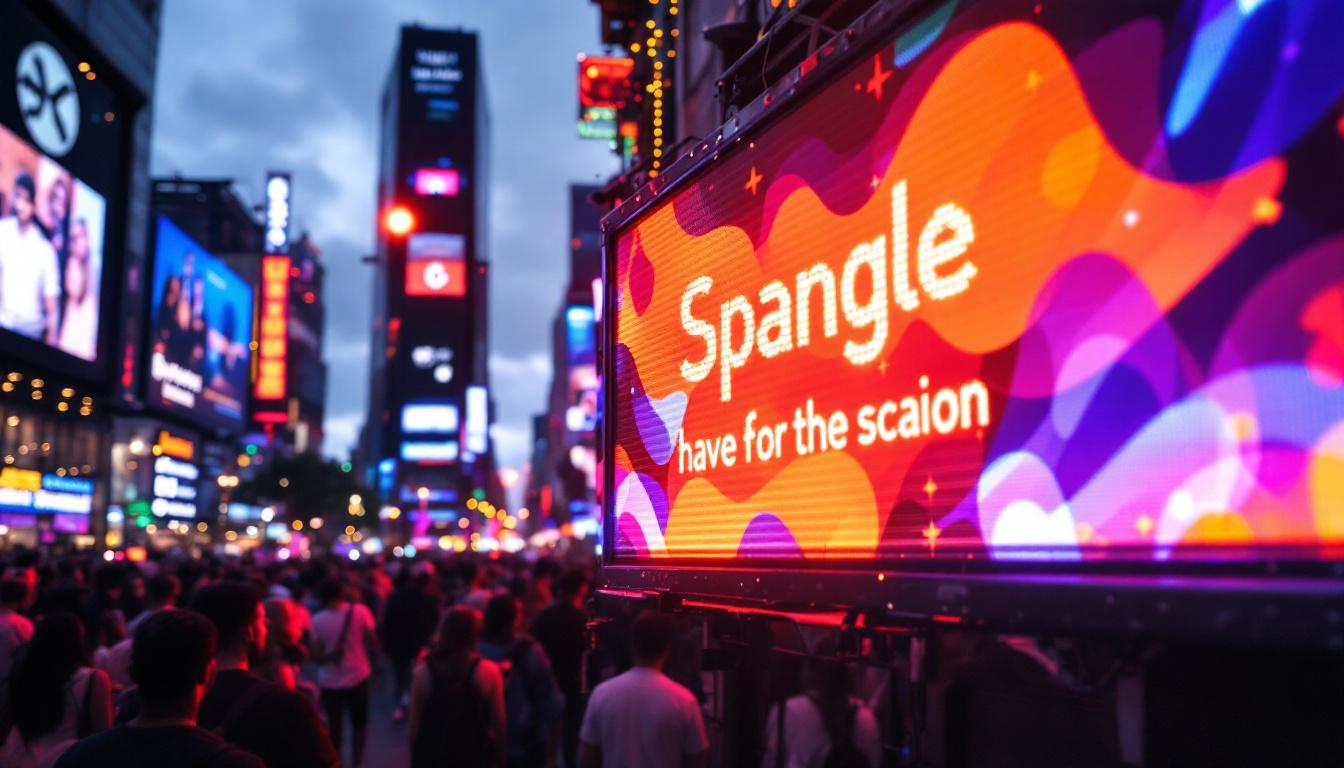
Unlike traditional LCD screens that rely on backlighting, LED displays produce their own light, resulting in higher brightness levels and better contrast ratios. This makes LED technology ideal for outdoor advertising, large-scale events, and any application requiring vivid visuals under varying lighting conditions. The ability to maintain color accuracy and brightness in bright sunlight has made LED displays a popular choice for billboards and digital signage, where visibility is paramount.
What Are Pixels in LED Displays?
Pixels are the fundamental units of any digital display. In LED screens, each pixel is typically made up of three sub-pixels corresponding to the primary colors: red, green, and blue (RGB). By varying the intensity of these sub-pixels, a wide range of colors can be produced.
The size and density of these pixels directly affect the display’s resolution and clarity. Smaller pixels packed closely together yield higher resolution images, while larger pixels are more visible from a distance but may appear less sharp up close. This pixel density is measured in pixels per inch (PPI), and advancements in technology have allowed manufacturers to create displays with incredibly high PPI ratings, resulting in stunningly detailed visuals. Furthermore, the arrangement of pixels can also influence viewing angles; displays with a higher pixel density tend to maintain color fidelity and clarity even when viewed from off-angles, making them suitable for a variety of settings, from crowded events to personal use in homes.
The Importance of Pixel Ratio in LED Displays
Pixel ratio, often referred to as pixel pitch or pixel density, is a critical parameter in LED display technology. It defines the distance between the centers of two adjacent pixels and is usually measured in millimeters. This ratio influences the display’s resolution, viewing distance, and overall image quality.
Pixel Pitch and Viewing Distance
Pixel pitch determines how close a viewer can be to the screen without noticing individual pixels. For example, a pixel pitch of 1.5 mm means the pixels are 1.5 millimeters apart, allowing for very fine detail and close viewing distances, such as on indoor LED displays or digital signage.
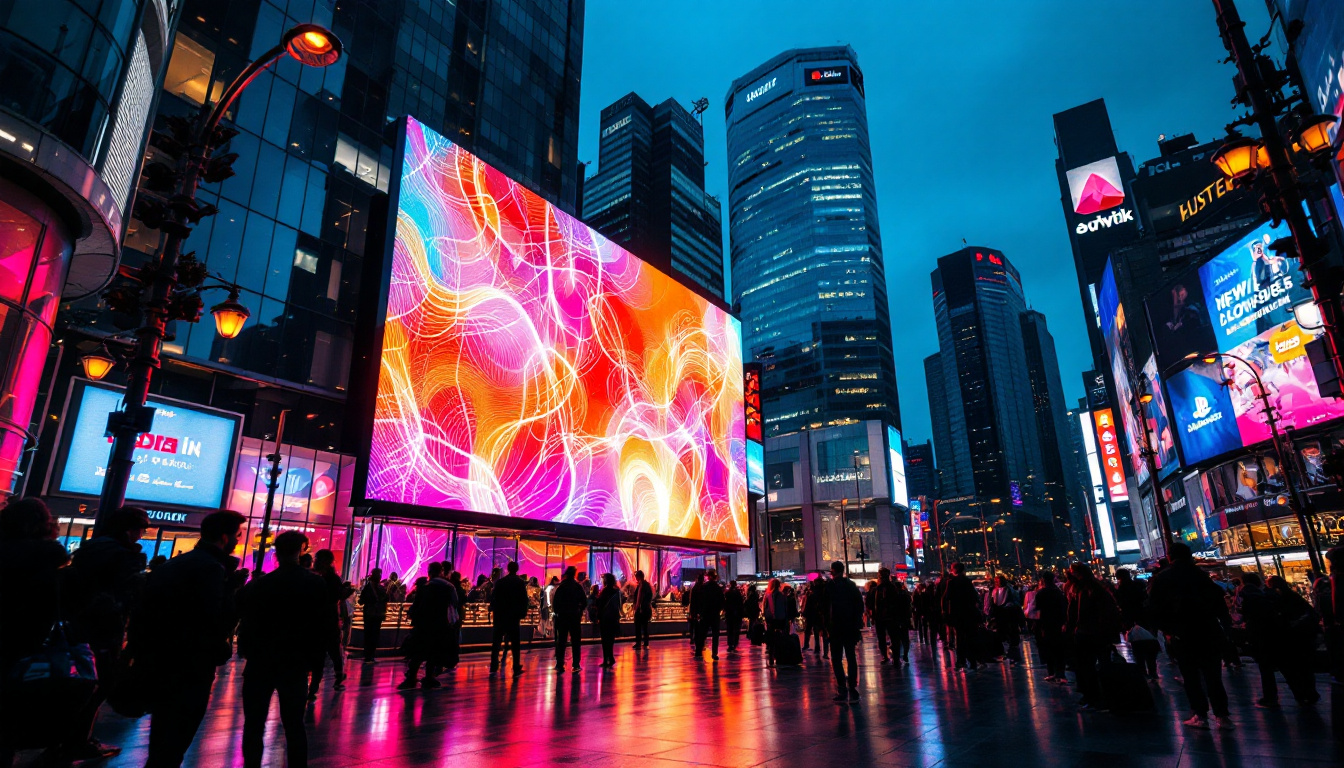
Conversely, larger pixel pitches, such as 10 mm or more, are common in outdoor LED billboards where viewers are typically farther away. At these distances, the human eye cannot distinguish individual pixels, so the image appears smooth and continuous.
Resolution and Pixel Ratio
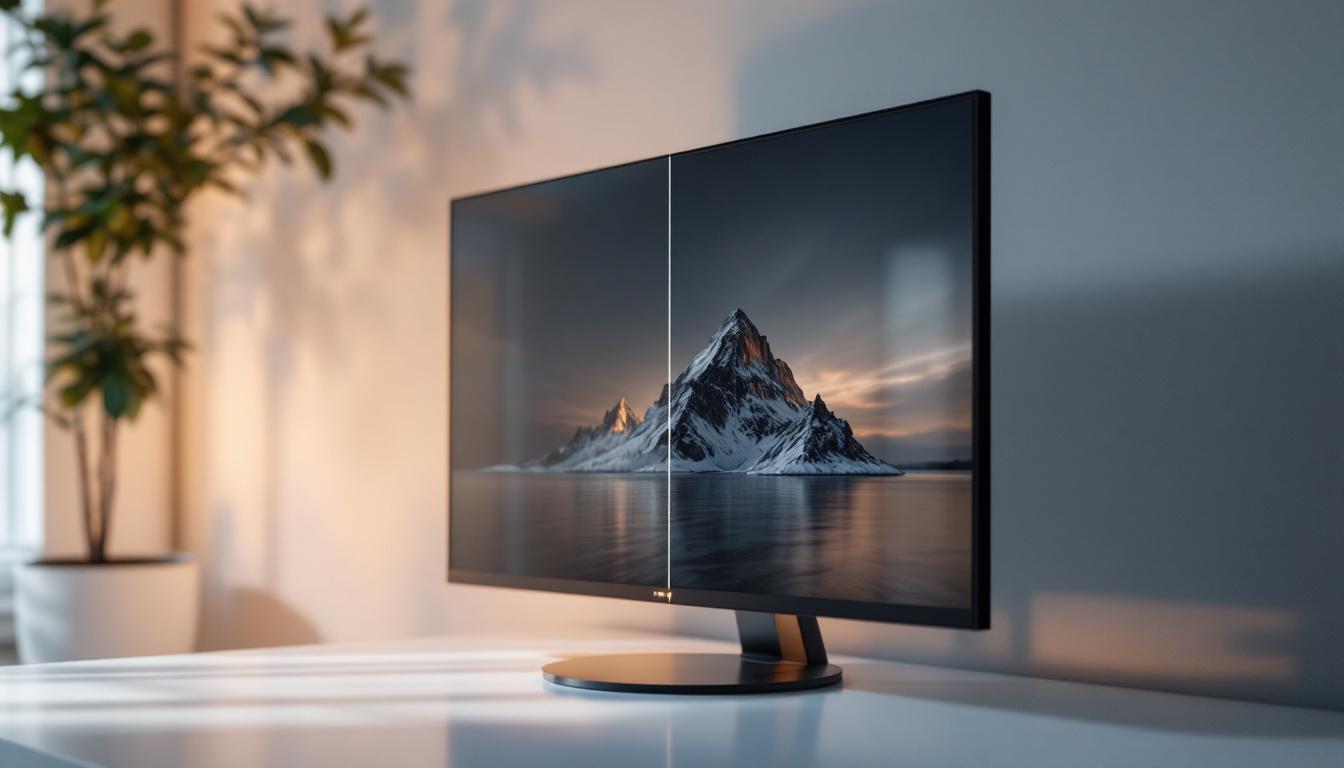
The resolution of an LED display is directly tied to its pixel ratio. Higher resolution displays have more pixels packed into the same physical area, resulting in sharper and more detailed images. For example, a 1920×1080 LED display with a small pixel pitch will offer a much crisper image than a display of the same size with a larger pixel pitch.
Choosing the right pixel ratio is a balancing act between cost, intended viewing distance, and desired image quality. Smaller pixel pitches generally increase manufacturing costs and power consumption, so it’s important to match the display specifications to the application.
Moreover, the pixel ratio can significantly affect the overall user experience. In environments such as control rooms or broadcasting studios, where clarity and detail are paramount, a smaller pixel pitch can enhance the ability to discern fine details, making it easier for operators to monitor and analyze data. In contrast, for advertising displays, where the primary goal is to capture attention from a distance, a larger pixel pitch suffices, allowing for cost-effective solutions without sacrificing visual impact.
Additionally, advancements in LED technology have led to the development of dynamic pixel ratios that adapt to various viewing conditions. For instance, some modern displays can adjust their pixel density based on ambient light or viewer proximity, optimizing both energy consumption and image quality in real-time. This innovation not only enhances the visual experience but also contributes to the sustainability of LED technology, making it a more viable option for long-term use in diverse applications.
How Ratio Calculators Enhance LED Display Design
Designing LED displays requires precise calculations to ensure optimal performance. This is where ratio calculators come into play. These tools help engineers, designers, and advertisers determine the ideal pixel pitch and resolution based on specific parameters like screen size, viewing distance, and content type.
Calculating Optimal Pixel Pitch
Ratio calculators allow users to input the intended viewing distance and desired resolution to compute the optimal pixel pitch. For instance, if a display is meant to be viewed from 10 meters away, the calculator can suggest a pixel pitch that ensures the image appears sharp without unnecessary costs.
By automating this process, ratio calculators reduce guesswork and improve decision-making, leading to better visual experiences and more efficient use of resources. This precision is particularly important in environments with varying viewing distances, such as stadiums or outdoor events, where the audience may be spread out. The ability to customize the pixel pitch based on specific locations within the viewing area ensures that every spectator enjoys a high-quality image, enhancing engagement and satisfaction.
Determining Screen Dimensions and Resolution
In addition to pixel pitch, ratio calculators help determine the total number of pixels required for a given screen size. This is crucial for budgeting and manufacturing, as it affects the number of LEDs needed and the complexity of the control systems.
For example, a 5-meter wide LED display with a pixel pitch of 5 mm will have 1000 pixels horizontally (5000 mm / 5 mm). If the vertical dimension is 3 meters with the same pixel pitch, it will have 600 pixels vertically, resulting in a resolution of 1000×600 pixels. Understanding these calculations not only aids in the design process but also informs the selection of appropriate hardware and software solutions to drive the display. Additionally, it allows for better planning of content, as designers can create visuals that are optimized for the specific resolution, ensuring that text and images are crisp and clear, regardless of the content type.
Moreover, ratio calculators can also factor in the aspect ratio of the display, which is essential for maintaining the integrity of the content being displayed. A mismatch in aspect ratio can lead to distorted images or wasted screen space, which can detract from the overall effectiveness of the display. By providing insights into the best dimensions and resolution, these calculators empower designers to create displays that not only meet technical specifications but also align with artistic visions and branding requirements.
Applications and Practical Examples
Understanding pixel ratios and using ratio calculators is essential across various industries. Here are some practical examples that illustrate their importance.
Outdoor Advertising Billboards
Outdoor billboards must be designed with large pixel pitches to accommodate long viewing distances. A billboard along a highway might have a pixel pitch of 16 to 20 mm, ensuring the image looks clear to drivers passing by at high speeds. Using a ratio calculator helps advertisers select the right pixel pitch and resolution to maximize impact while controlling costs.
Indoor Event Screens
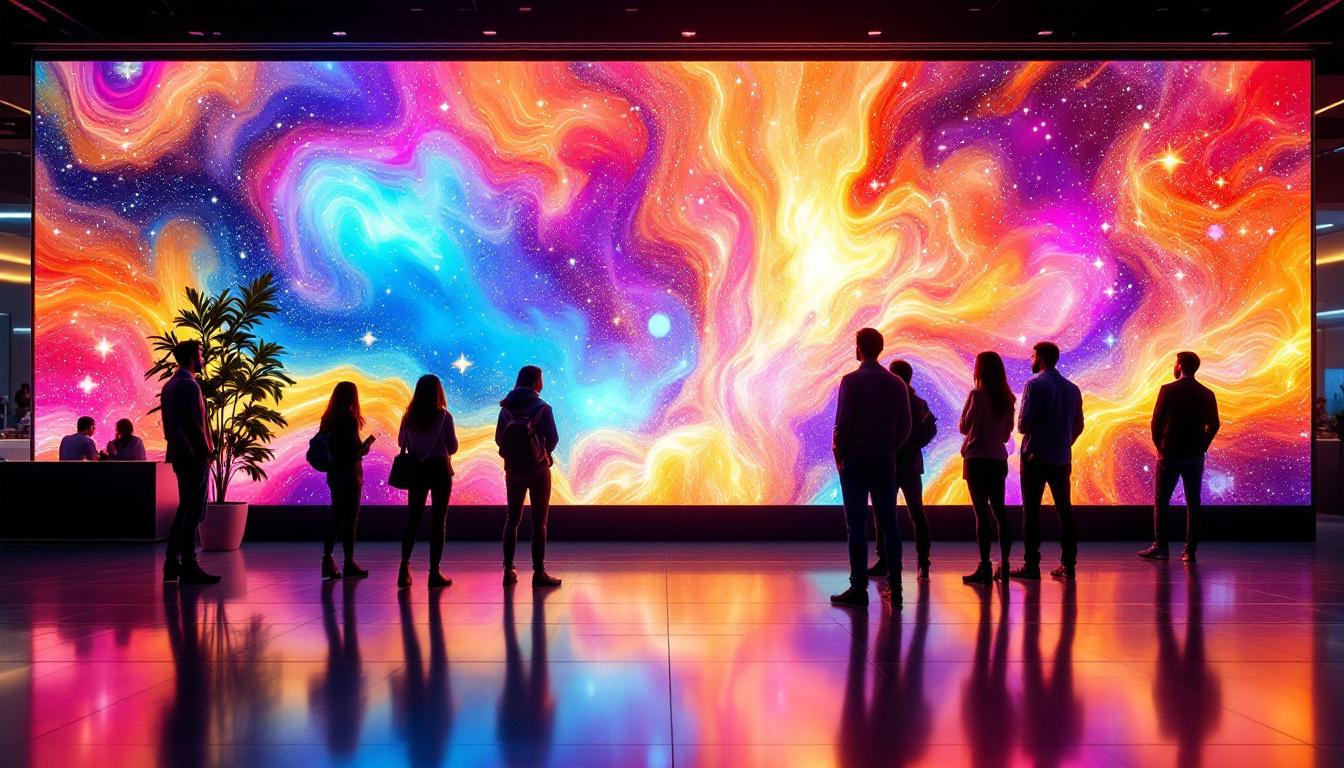
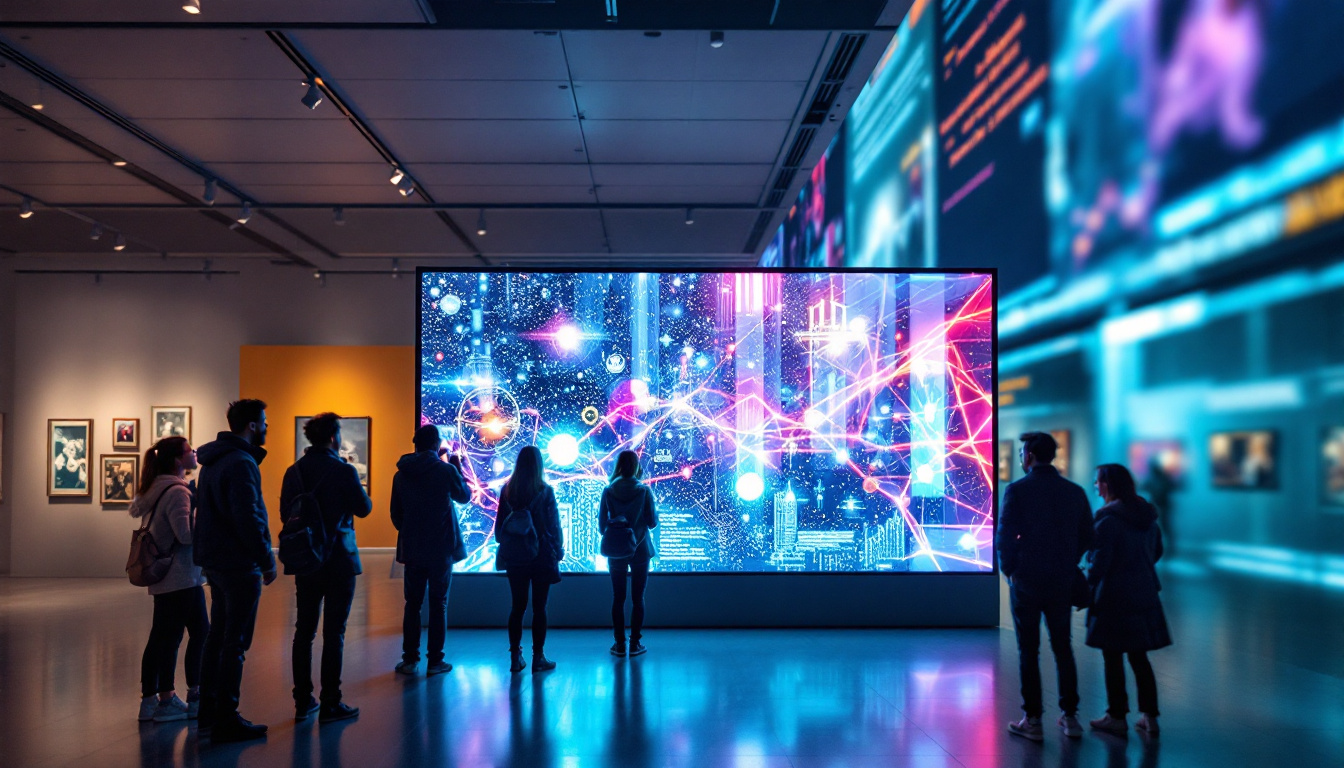
Indoor LED displays used in concerts, conferences, and retail environments require much finer pixel pitches, often between 1.2 and 4 mm. This allows audiences to view detailed content from relatively close distances. Ratio calculators assist event planners in choosing displays that balance image quality with portability and power consumption.
Digital Signage in Retail
Retail environments benefit from LED displays with medium pixel pitches, typically around 2 to 6 mm. These displays must attract attention and convey information clearly without overwhelming the space. Calculators help retailers optimize screen size and resolution to fit store layouts and viewing habits.
Future Trends in LED Display Ratios
As technology advances, LED displays continue to evolve, with pixel ratios playing a pivotal role in these developments.
MicroLED and Higher Pixel Densities
MicroLED technology promises even smaller pixel pitches, sometimes less than 1 mm, enabling ultra-high-resolution displays with exceptional brightness and energy efficiency. This will open new possibilities for applications like augmented reality, wearable devices, and ultra-fine digital signage.
Adaptive Pixel Ratios and Smart Displays
Emerging smart displays may incorporate adaptive pixel ratios, adjusting pixel density dynamically based on content and viewing conditions. This could optimize power consumption and enhance user experience by delivering the right balance of clarity and efficiency.
Conclusion
Pixel ratio is a foundational concept in LED display technology that influences resolution, viewing distance, and overall image quality. Understanding how to calculate and apply the correct pixel pitch is vital for anyone involved in designing or deploying LED displays.
Ratio calculators serve as invaluable tools, simplifying complex decisions and ensuring that LED displays meet their intended purpose effectively and economically. As LED technology continues to advance, mastering pixel ratios will remain essential for creating vibrant, impactful visual experiences across diverse applications.
Discover LumenMatrix’s Advanced LED Display Solutions
Ready to elevate your visual displays with precision and innovation? LumenMatrix is at the forefront of LED display technology, offering a wide range of solutions tailored to your needs. From captivating Indoor LED Wall Displays to dynamic Outdoor LED Wall Displays, and from versatile Vehicle LED Displays to engaging LED Sports Displays, our products are designed to revolutionize visual communication. Experience the power of enhanced engagement and clear messaging with LumenMatrix’s cutting-edge digital signage and LED display solutions. Check out LumenMatrix LED Display Solutions today and transform the way you share your message with the world.