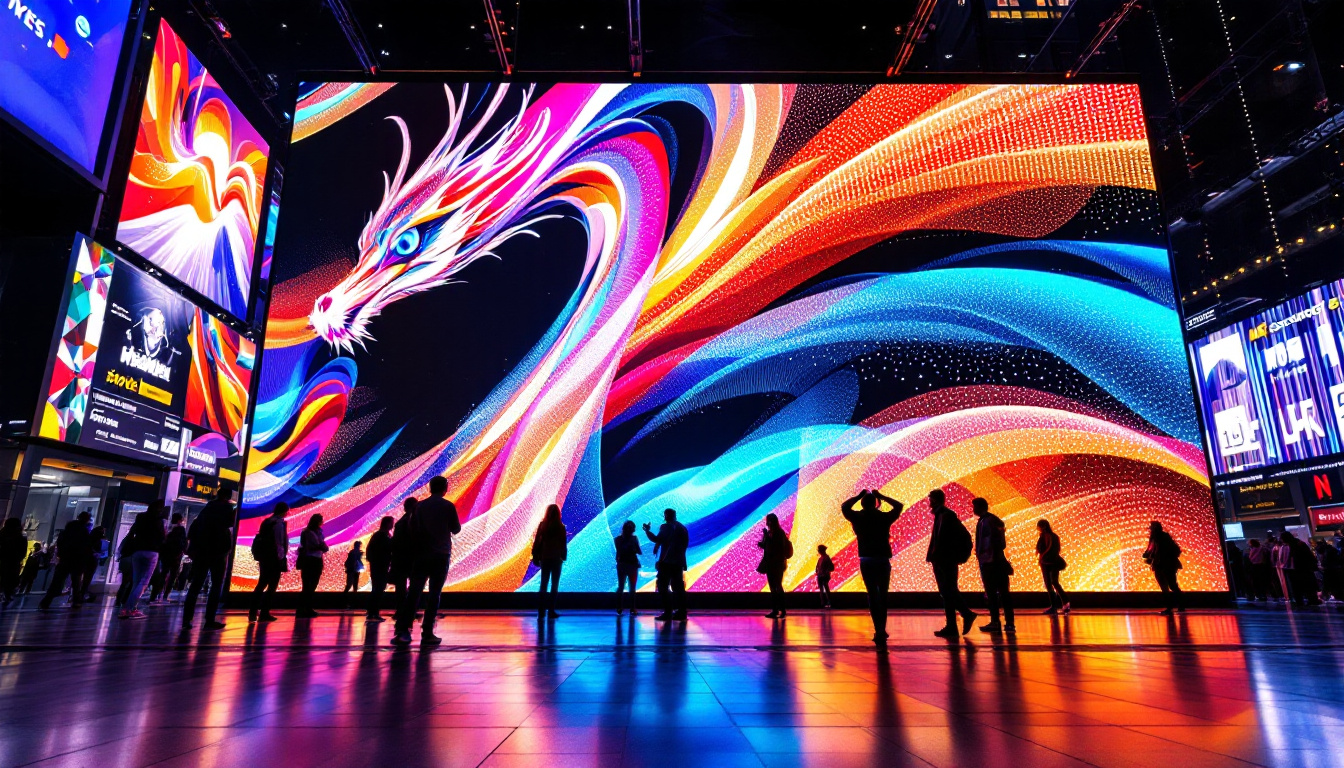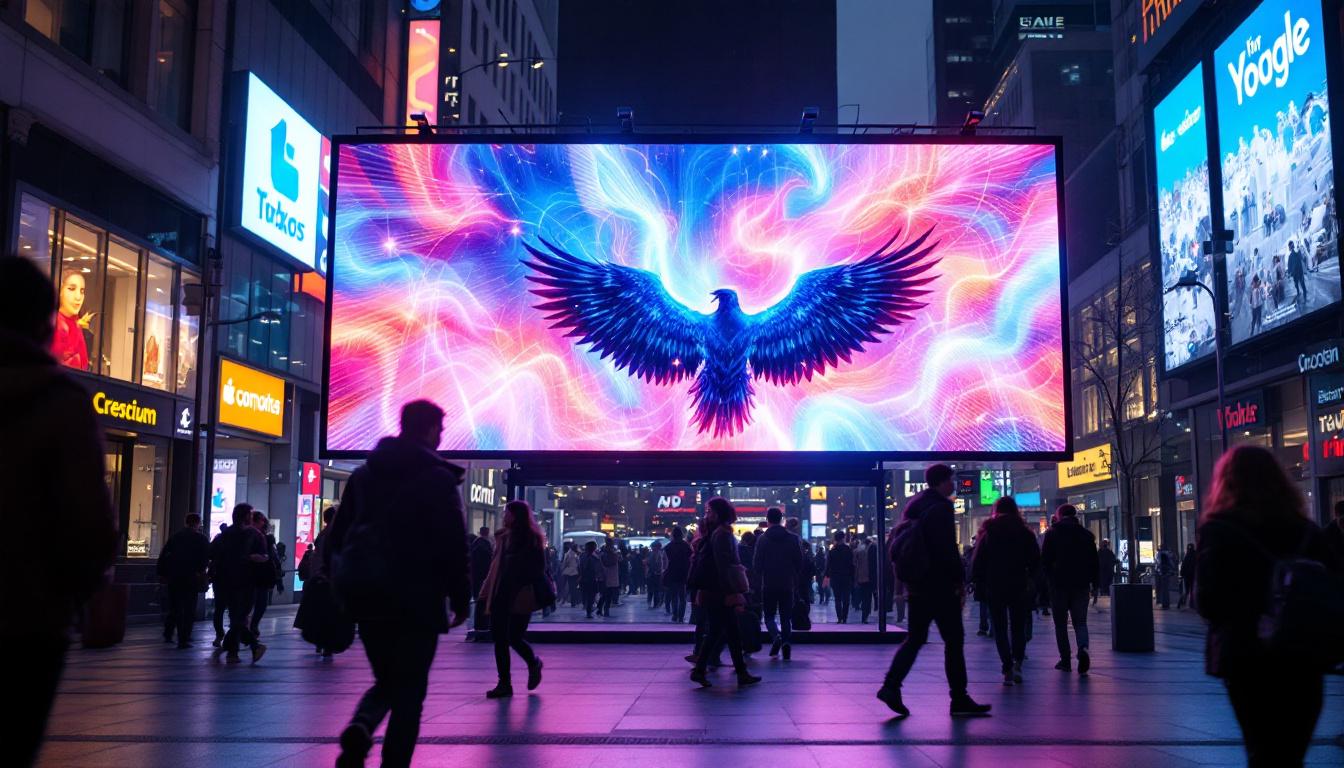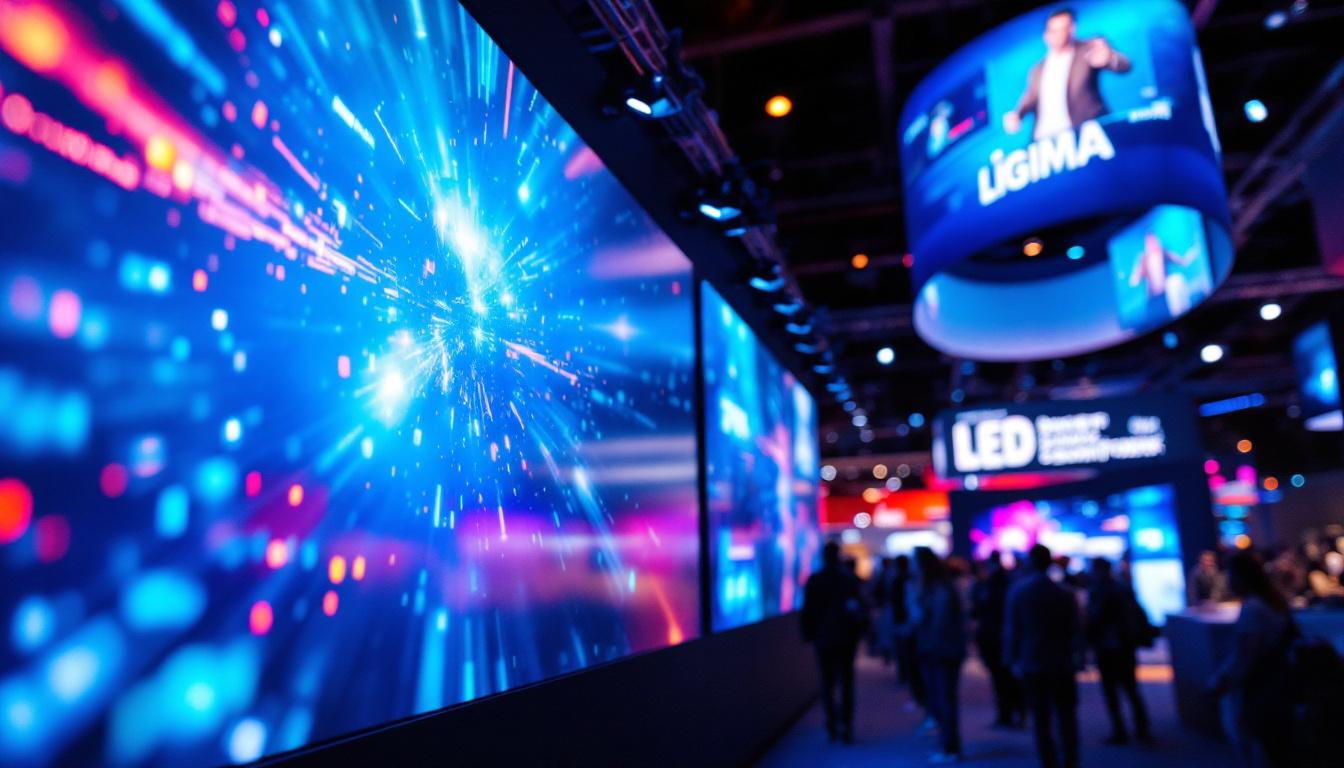
In the competitive environment of tradeshows, capturing attention quickly and effectively is essential. One of the most dynamic and impactful ways to do this is through the use of LED displays. These vibrant, versatile screens have revolutionized how exhibitors present their brands, products, and messages. This article delves into the world of LED displays for tradeshow use, explaining their technology, benefits, types, and best practices to help businesses make informed decisions and maximize their tradeshow success.
Understanding LED Display Technology
LED, or Light Emitting Diode, displays consist of tiny semiconductor devices that emit light when an electric current passes through them. Unlike traditional LCD or projection screens, LED displays produce their own light, resulting in brighter images with higher contrast and better visibility in various lighting conditions.
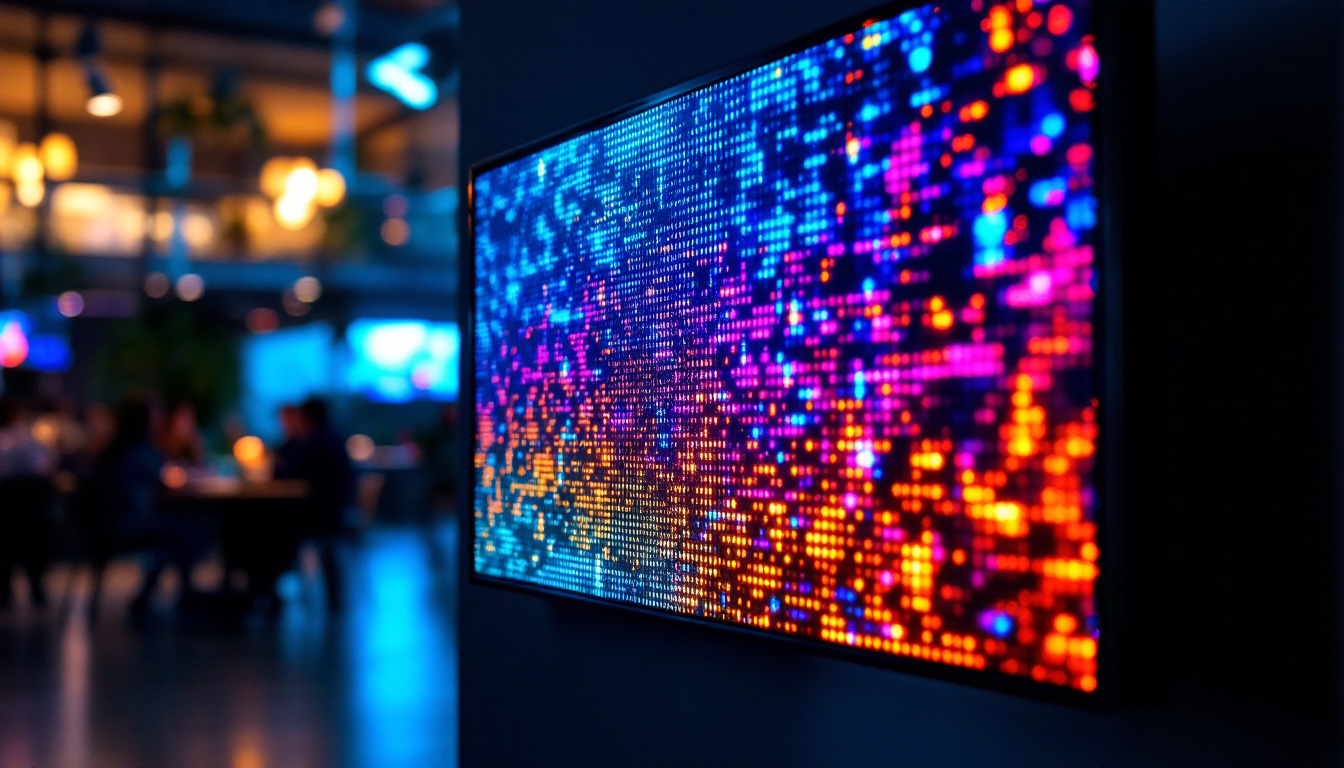
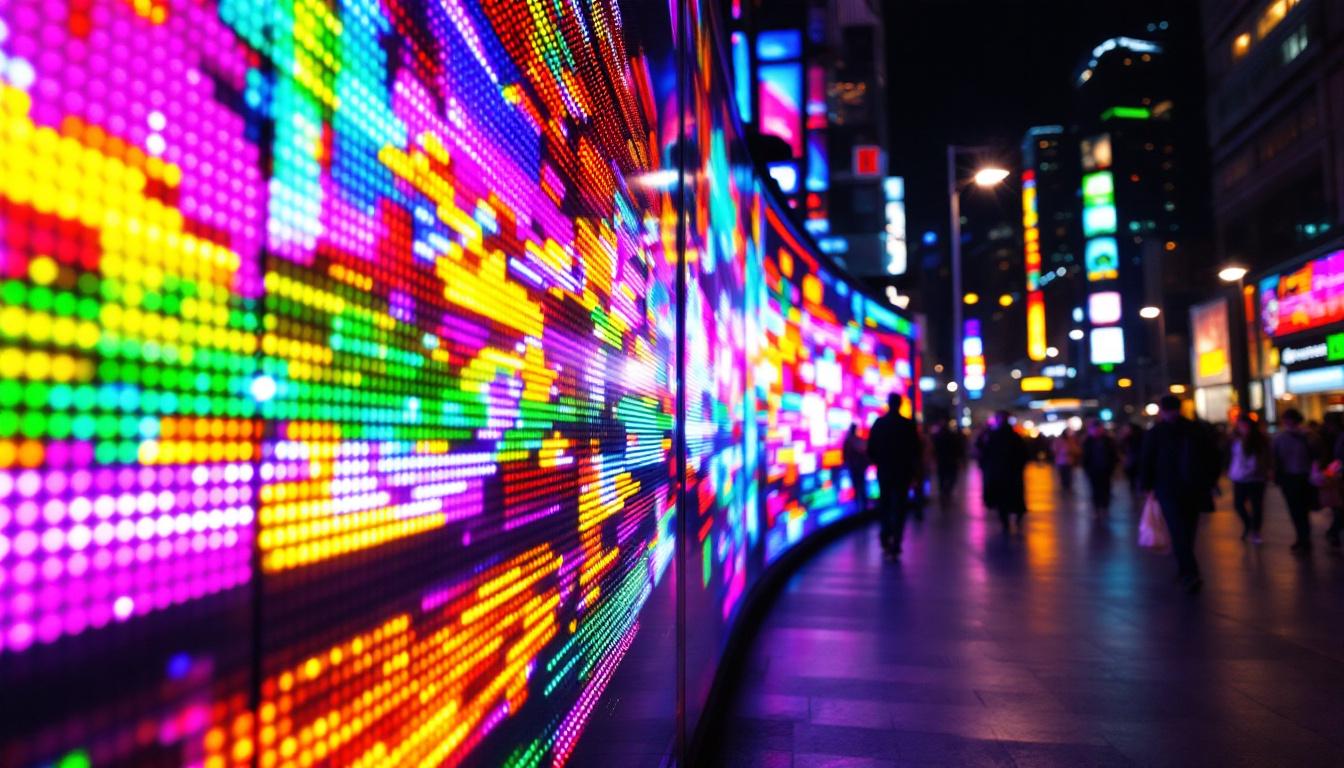
At the core, LED displays are made up of thousands of tiny LEDs arranged in a matrix. Each LED can emit red, green, or blue light, and by combining these colors at different intensities, the display can produce a full spectrum of colors. This technology enables vivid, eye-catching visuals that stand out in busy tradeshow environments.
Modern LED displays use surface-mounted device (SMD) technology, where LEDs are mounted directly onto the circuit board, allowing for higher resolution and more compact designs. This advancement has made LED displays more accessible and practical for tradeshow exhibitors, who need lightweight, portable, and high-quality screens.
How LED Displays Differ from Other Display Technologies
Compared to LCD (Liquid Crystal Display) and projection screens, LED displays offer several advantages:
- Brightness: LED displays can reach brightness levels exceeding 1,000 nits, making them clearly visible even under strong ambient lighting, which is common in exhibition halls.
- Contrast and Color Accuracy: Because LEDs emit light directly, they produce deeper blacks and more vibrant colors than LCDs, which rely on backlighting.
- Viewing Angles: LED displays maintain color and brightness consistency across wide viewing angles, ensuring the message is visible from multiple directions.
- Durability: LEDs are solid-state devices, making them more robust and less prone to damage than projection systems or LCD panels.
Why LED Displays Are Ideal for Tradeshow Environments
Tradeshows are fast-paced, crowded events where exhibitors compete for attendees’ attention. LED displays offer unique benefits that make them particularly well-suited for these settings.
High Visibility in Bright and Crowded Spaces
Exhibition halls often have bright overhead lighting and natural light from windows, which can wash out traditional displays. LED displays’ high brightness ensures content remains vivid and legible, drawing attendees from across the floor.
Dynamic and Engaging Content Presentation
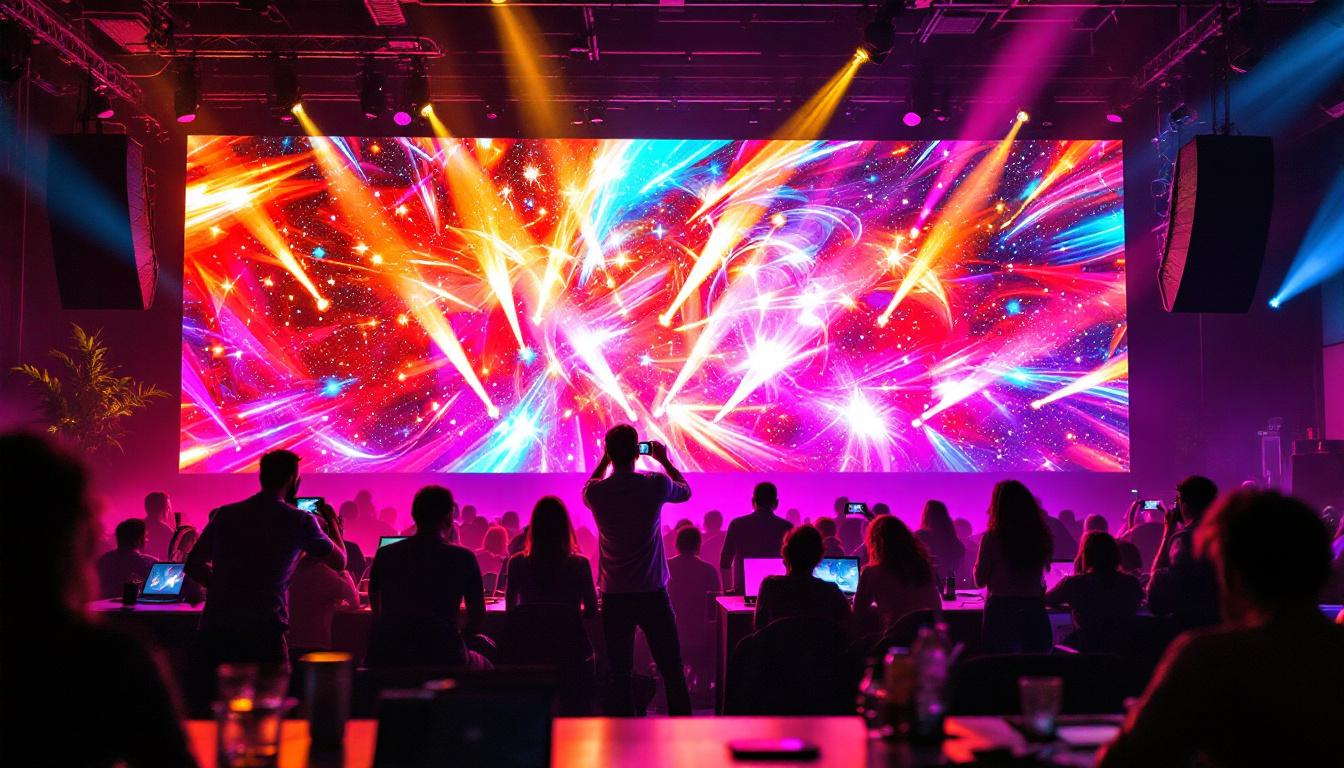
LED screens support video, animations, and live feeds, allowing exhibitors to showcase products in action, demonstrate features, or share customer testimonials in an engaging format. This dynamic content is more likely to capture attention and create memorable brand impressions than static banners or posters.
Flexibility in Size and Shape
LED displays can be customized to fit various booth sizes and configurations. From small, portable panels to large video walls spanning multiple meters, exhibitors can tailor their visual presence to their budget and spatial constraints. Curved and irregularly shaped LED installations are also possible, offering unique design opportunities that stand out.
Energy Efficiency and Sustainability
LED technology is energy-efficient compared to older display methods, reducing power consumption during long tradeshow hours. This efficiency not only lowers operational costs but also aligns with growing corporate sustainability goals, which are increasingly important to attendees and partners.
Types of LED Displays for Tradeshow Use
Choosing the right type of LED display depends on the exhibitor’s goals, booth size, budget, and the nature of the content to be displayed. Here are the most common types used in tradeshow settings:
Indoor LED Displays
Designed specifically for indoor environments, these displays have a pixel pitch (the distance between individual LEDs) optimized for close viewing distances. Pixel pitches typically range from 1.2mm to 4mm, providing sharp, detailed images for attendees standing just a few feet away.
Indoor LED displays are perfect for booth walls, digital signage, and product demonstrations where clarity and detail are critical.
Outdoor LED Displays
Although less common for indoor tradeshows, outdoor LED displays are sometimes used for large-scale events or open-air exhibitions. These displays have higher brightness levels (often exceeding 5,000 nits) and are built to withstand weather conditions.
For indoor use, outdoor-grade LEDs can be employed in exceptionally bright environments or large venues where visibility from a distance is essential.
Transparent LED Displays
Transparent LED displays are innovative screens that allow light to pass through, making them ideal for glass walls or windows within a booth. They enable exhibitors to display digital content without blocking natural light or sightlines.
This technology creates a futuristic and open feel, often used by brands that want to emphasize transparency or showcase products behind the display.
Flexible and Curved LED Displays
Flexible LED panels can be bent or curved to fit unique booth designs, creating immersive and visually striking installations. These displays allow for creative storytelling and can wrap around columns or form circular shapes, enhancing the booth’s architectural appeal.
Key Considerations When Selecting an LED Display for Your Tradeshow Booth
Investing in an LED display is a significant decision that requires careful evaluation of several factors to ensure maximum return on investment.
Resolution and Pixel Pitch
The resolution of an LED display is determined by its pixel pitch, which affects image sharpness. For tradeshow booths where attendees are close to the screen, a smaller pixel pitch (1.2mm to 3mm) is preferable to ensure crisp visuals. Larger pixel pitches are suitable for bigger displays viewed from a distance but may appear pixelated up close.
Size and Viewing Distance
Consider the booth size and typical viewing distance when selecting display dimensions. A screen that is too small may not attract attention, while an overly large display could overwhelm the space or exceed budget constraints. A good rule of thumb is that the optimal viewing distance is roughly 10 times the pixel pitch in millimeters.
Brightness and Ambient Lighting
Evaluate the lighting conditions of the tradeshow venue. Indoor LED displays with brightness levels between 800 and 1,500 nits typically suffice for most exhibition halls. For venues with intense lighting or outdoor events, higher brightness levels are necessary.
Content Management and Compatibility
Ensure the LED display supports the types of content you plan to use, whether videos, animations, or live streams. Compatibility with content management systems (CMS) and ease of updating content on the fly are important for adapting messages during the event.
Portability and Setup
Tradeshow exhibitors often need to transport and assemble displays quickly. Modular LED panels that are lightweight and easy to install can save time and labor costs. Additionally, consider whether the display requires professional installation or can be managed in-house.
Budget and ROI
LED displays vary widely in price based on size, resolution, and features. While upfront costs can be significant, the long-term benefits of enhanced brand visibility, engagement, and lead generation often justify the investment. Renting LED displays can be a cost-effective alternative for companies with infrequent tradeshow participation.
Best Practices for Using LED Displays at Tradeshows
Maximizing the impact of an LED display involves more than just selecting the right screen. Strategic content and design play crucial roles in attracting and retaining attendee attention.
Create Compelling Visual Content
Use high-quality videos, animations, and graphics that align with your brand identity and messaging. Content should be concise, visually appealing, and easy to understand at a glance. Avoid cluttered designs and excessive text, as attendees often only have a few seconds to engage.
Leverage Motion and Interactivity
Motion naturally draws the eye, so incorporating dynamic elements can increase booth traffic. Interactive LED displays, such as touchscreens or gesture-controlled panels, offer immersive experiences that encourage deeper engagement and memorable interactions.
Coordinate with Overall Booth Design
The LED display should complement other booth elements, including signage, lighting, and product placement. Cohesive design enhances professionalism and helps communicate a clear, unified brand story.
Plan for Content Updates and Scheduling
Tradeshows often span multiple days, and content relevance can shift throughout the event. Use content management tools to schedule updates, highlight different products, or tailor messages to specific audience segments during peak hours.
Test and Optimize Before the Event
Conduct thorough testing of the LED display and content prior to the tradeshow. Check for color accuracy, brightness, and any technical issues. Having a contingency plan for technical difficulties ensures smooth operation and minimizes downtime.
Emerging Trends in LED Displays for Tradeshows
The LED display industry continues to evolve rapidly, driven by advancements in technology and changing exhibitor needs.
Mini-LED and Micro-LED Technologies
These next-generation LED technologies offer even higher resolution, better color accuracy, and improved energy efficiency. Micro-LED displays, in particular, promise OLED-like performance with greater durability, which could soon become the new standard for tradeshow displays.
Integration with Augmented Reality (AR) and Virtual Reality (VR)
Combining LED displays with AR and VR technologies enables immersive storytelling and interactive product demonstrations. This integration enhances attendee engagement and creates memorable experiences that differentiate brands.
Wireless and Cloud-Based Content Management
Cloud platforms allow exhibitors to remotely update and manage content across multiple displays and events. Wireless connectivity reduces setup complexity and enables real-time content adjustments based on audience feedback or event dynamics.
Sustainability and Eco-Friendly Designs
Manufacturers are increasingly focusing on sustainable materials, energy-efficient components, and recyclable designs. Exhibitors can highlight their commitment to environmental responsibility by choosing green-certified LED displays.
Conclusion
LED displays have become an indispensable tool for tradeshow exhibitors aiming to captivate audiences and communicate their brand messages effectively. Their superior brightness, color quality, flexibility, and durability make them ideal for the fast-paced, visually competitive tradeshow environment.
By understanding the technology, selecting the appropriate type and size, and employing best practices in content creation and booth integration, businesses can leverage LED displays to maximize their tradeshow impact and achieve measurable returns on investment. As LED technology continues to advance, staying informed about emerging trends will help exhibitors maintain a cutting-edge presence at future events.
Discover LumenMatrix LED Display Solutions
Ready to elevate your tradeshow presence and captivate your audience with unparalleled visual experiences? Explore LumenMatrix’s innovative LED display technology, designed to bring your brand to life. From Indoor and Outdoor LED Wall Displays to specialized solutions like Vehicle, Sports, and Floor LED Displays, LumenMatrix offers a diverse range of products to meet your specific needs. Embrace the future of visual communication with our Custom, All-in-One, and Transparent LED Displays. Visit LumenMatrix LED Display Solutions to discover how our cutting-edge technology can enhance your tradeshow impact and deliver your message with stunning clarity.