In the rapidly evolving world of digital displays, LED monitors have emerged as a dominant technology, transforming how businesses and consumers experience visual content. Whether you’re a retailer looking to enhance in-store promotions, a graphic designer seeking color accuracy, or a tech enthusiast curious about the latest display innovations, understanding LED monitors is essential. This article delves into the fundamentals of LED displays, their advantages, and what to consider when purchasing a sale monitor with LED technology.
Understanding LED Display Technology
What Is an LED Monitor?
LED monitors are a type of LCD (Liquid Crystal Display) screen that uses Light Emitting Diodes (LEDs) as the backlight source instead of the traditional cold cathode fluorescent lamps (CCFLs). This shift to LED backlighting has revolutionized display technology by offering brighter images, better contrast, and more energy efficiency.
In essence, the LCD panel creates the image by manipulating liquid crystals, but it requires a backlight to illuminate the pixels. LEDs provide this illumination, enabling thinner designs and improved picture quality. The term “LED monitor” specifically refers to these LCD screens with LED backlighting, not to be confused with OLED (Organic LED) displays, which operate on a different principle. The advancements in LED technology have also led to the development of monitors that can display a wider color gamut, making them ideal for graphic designers and photographers who require precise color representation. Additionally, the longevity of LED backlights means that users can expect their monitors to last significantly longer than those using older technologies, reducing the need for frequent replacements.
Types of LED Backlighting
There are primarily two types of LED backlighting used in monitors:
- Edge-lit LED: LEDs are placed along the edges of the screen, and light is spread across the display using light guides. This design allows for ultra-thin monitors but can sometimes lead to uneven brightness or “hot spots.” This type of backlighting is often found in budget-friendly models, making them accessible for casual users who prioritize aesthetics and space-saving designs over absolute picture quality.
- Direct-lit or Full-array LED: LEDs are positioned directly behind the LCD panel in a grid pattern. This setup offers more uniform brightness and supports advanced features like local dimming, which enhances contrast by dimming specific areas of the screen. Full-array LED monitors are particularly favored in professional environments where color accuracy and detail are paramount, such as in video editing or gaming. The ability to control brightness in specific zones allows for deeper blacks and more vibrant colors, creating a more immersive viewing experience.
Understanding these backlighting types helps buyers make informed decisions based on their needs for picture quality, thickness, and budget. Furthermore, as technology continues to evolve, we can expect to see even more innovations in LED display technology, including the integration of smart features and enhanced connectivity options. These advancements not only improve the user experience but also open up new possibilities for applications in various fields, from education to entertainment, making LED monitors a versatile choice for many consumers.
Key Advantages of LED Monitors
Superior Image Quality and Color Accuracy
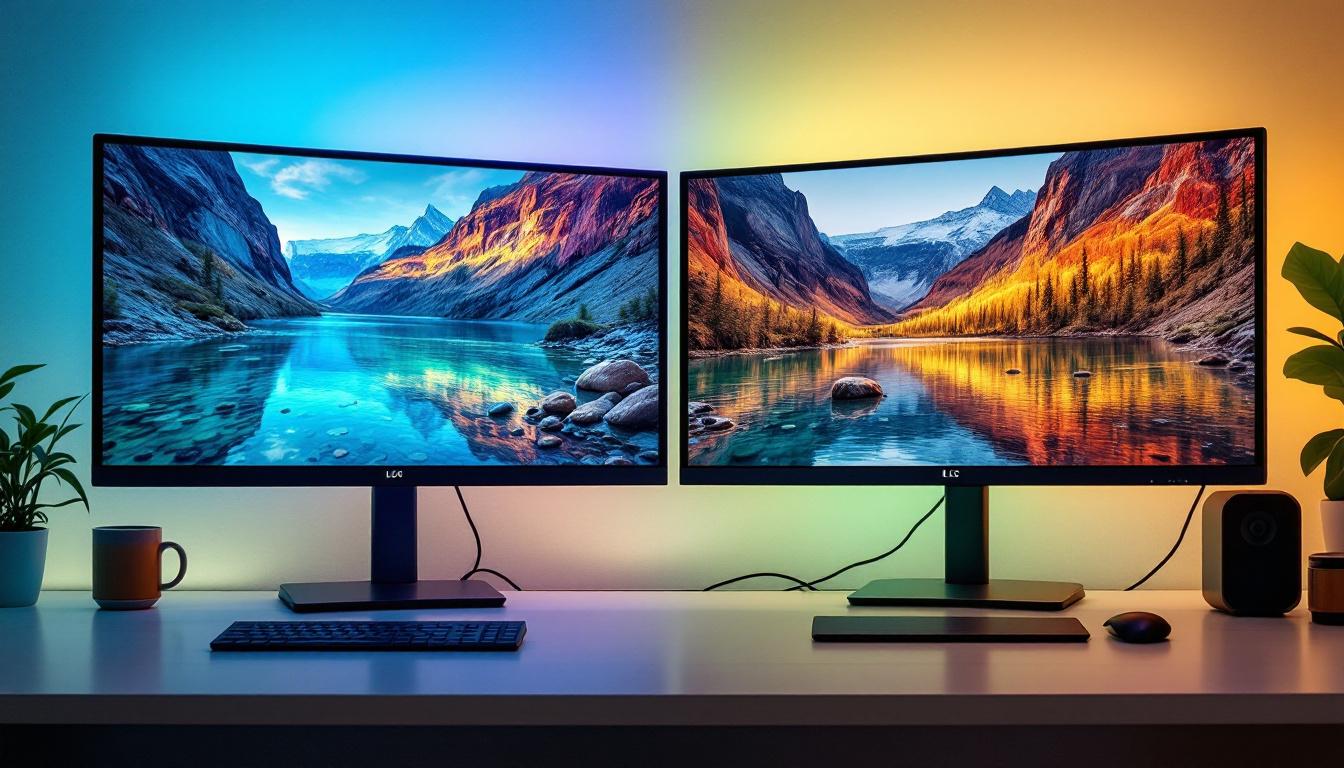
LED monitors generally provide better image quality compared to older CCFL-backlit LCDs. They offer higher brightness levels, which is particularly beneficial in well-lit environments or for HDR (High Dynamic Range) content. Additionally, LED technology supports a wider color gamut, meaning colors appear more vibrant and true to life.
For professionals in photography, video editing, or graphic design, color accuracy is paramount. Many high-end LED monitors come factory-calibrated or support hardware calibration, ensuring consistent and precise color reproduction. This accuracy can significantly impact the quality of creative work and client satisfaction.
Energy Efficiency and Environmental Impact
One of the major benefits of LED backlighting is its energy efficiency. Compared to CCFL monitors, LED monitors consume significantly less power, which translates into lower electricity bills and a smaller carbon footprint. According to the U.S. Department of Energy, LED backlit displays can use up to 40% less energy than CCFL-backlit counterparts.
This efficiency also means less heat generation, which contributes to longer monitor lifespans and improved reliability. For businesses running multiple displays or digital signage, the cumulative energy savings can be substantial.
Design and Durability
The compact size of LEDs allows manufacturers to design thinner and lighter monitors without sacrificing screen size or resolution. Sleek, modern aesthetics are a key selling point for many consumers and businesses alike. Moreover, LED monitors tend to have longer lifespans—often rated for 30,000 to 60,000 hours of use—making them a durable investment.
Applications of LED Monitors in Sales and Marketing
In-Store Digital Signage
Retail environments have increasingly adopted LED monitors for digital signage due to their brightness, clarity, and dynamic content capabilities. These monitors can display promotional videos, product information, and interactive content that engage customers and drive sales. The ability to update content remotely and instantly is a significant advantage over traditional static signage.
Studies show that digital signage can increase customer engagement by up to 47.7%, and LED monitors, with their vivid displays, play a crucial role in capturing shopper attention. For example, supermarkets and electronics stores frequently use LED monitors to highlight flash sales, new arrivals, or loyalty program benefits.
Point of Sale (POS) Displays
At the checkout counter, LED monitors serve as effective POS displays that can upsell products or advertise upcoming promotions. Their compact size and bright screens ensure visibility even in busy or brightly lit areas. Integrating LED monitors with POS software can create seamless customer experiences, such as displaying personalized offers based on purchase history.
Trade Shows and Exhibitions
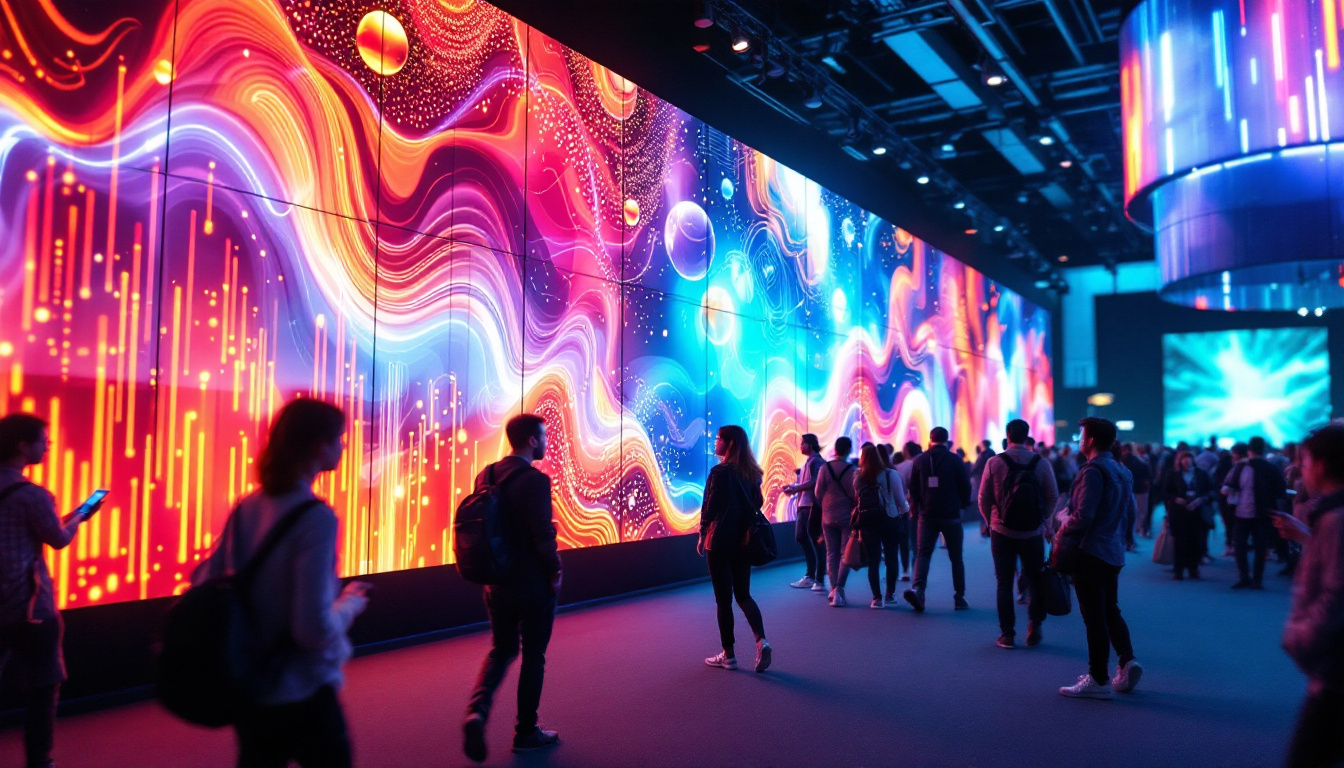
Trade shows demand eye-catching displays to attract attendees. LED monitors, especially those with high resolutions and vibrant colors, help exhibitors showcase their products and services compellingly. Portable LED monitors or video walls can be customized to fit booth sizes and branding requirements, making them versatile tools in competitive environments.
Choosing the Right LED Monitor for Sale
Screen Size and Resolution
When selecting an LED monitor, screen size and resolution are critical factors. Larger screens with higher resolutions (such as 4K UHD) provide sharper images and more workspace, which is advantageous for detailed tasks or impactful visual displays. However, larger and higher-resolution monitors typically come at a higher price point.
For general office use or retail signage, a 24- to 27-inch monitor with Full HD (1920×1080) or QHD (2560×1440) resolution often balances cost and performance effectively. For creative professionals or digital signage requiring ultra-high clarity, 4K monitors (3840×2160) are becoming more accessible.
Refresh Rate and Response Time
While refresh rate and response time are more critical in gaming monitors, they can also influence the smoothness of video playback and animations in sales presentations or digital signage. A refresh rate of 60Hz is standard for most business applications, but higher rates (75Hz or above) can provide smoother visuals.
Response time, measured in milliseconds (ms), indicates how quickly a pixel can change color. Lower response times reduce motion blur, which is beneficial for video content. For sales monitors displaying dynamic content, a response time under 8ms is generally sufficient.
Connectivity Options
Modern LED monitors come with various connectivity ports, including HDMI, DisplayPort, USB-C, and VGA. Ensuring compatibility with existing devices is essential for seamless integration. USB-C ports, in particular, offer the advantage of carrying video, audio, and power through a single cable, reducing clutter and simplifying setups.
Additional Features to Consider
- Local Dimming: Enhances contrast by dimming parts of the screen independently, improving image depth.
- HDR Support: Allows for greater brightness and color range, making images more lifelike.
- Ergonomic Adjustments: Height, tilt, swivel, and pivot options improve comfort during extended use.
- Blue Light Filters and Flicker-Free Technology: Reduce eye strain, important for prolonged viewing.
Current Market Trends and Pricing Insights
Growing Demand for High-Quality Displays
The global LED display market continues to expand, driven by increased demand in retail, advertising, and entertainment sectors. According to a 2023 report by MarketWatch, the LED display market is projected to grow at a compound annual growth rate (CAGR) of over 10% through 2028. This growth reflects the shift toward digital transformation and enhanced customer engagement strategies.
Price Ranges and Value Considerations
Sale monitors with LED technology vary widely in price depending on size, resolution, and features. Entry-level 24-inch Full HD LED monitors can be found for under $150, making them accessible for small businesses and budget-conscious buyers. Mid-range models with QHD resolution and additional features typically range from $250 to $500.
High-end professional monitors with 4K resolution, wide color gamut, and advanced calibration can cost upwards of $1,000. For digital signage and commercial use, specialized LED video walls and large-format displays may cost several thousand dollars but offer unparalleled visual impact.
Conclusion: Making an Informed Purchase
LED monitors represent a versatile and efficient display technology suitable for a wide range of sales and marketing applications. Their superior image quality, energy efficiency, and sleek design make them an excellent choice for businesses seeking to enhance customer engagement and visual communication.
When selecting a sale monitor with LED technology, it is important to consider the intended use, desired screen size and resolution, connectivity needs, and budget. Staying informed about current market trends and technological advancements ensures that buyers invest in displays that deliver both performance and value.
As LED technology continues to evolve, future monitors will likely offer even greater brightness, color accuracy, and energy savings, further solidifying their role as the cornerstone of modern digital displays.
Discover LumenMatrix LED Display Solutions
Ready to elevate your sales and marketing with superior LED display technology? Look no further than LumenMatrix, a pioneer in crafting visually stunning LED displays that bring your brand to life. From vibrant Indoor and Outdoor LED Wall Displays to innovative solutions like Vehicle LED Displays and LED Transparent Displays, LumenMatrix has the perfect fit for your business needs. Embrace the future of visual communication and captivate your audience with our cutting-edge LED display modules. Check out LumenMatrix LED Display Solutions today and transform your engagement strategy with unparalleled clarity and impact.