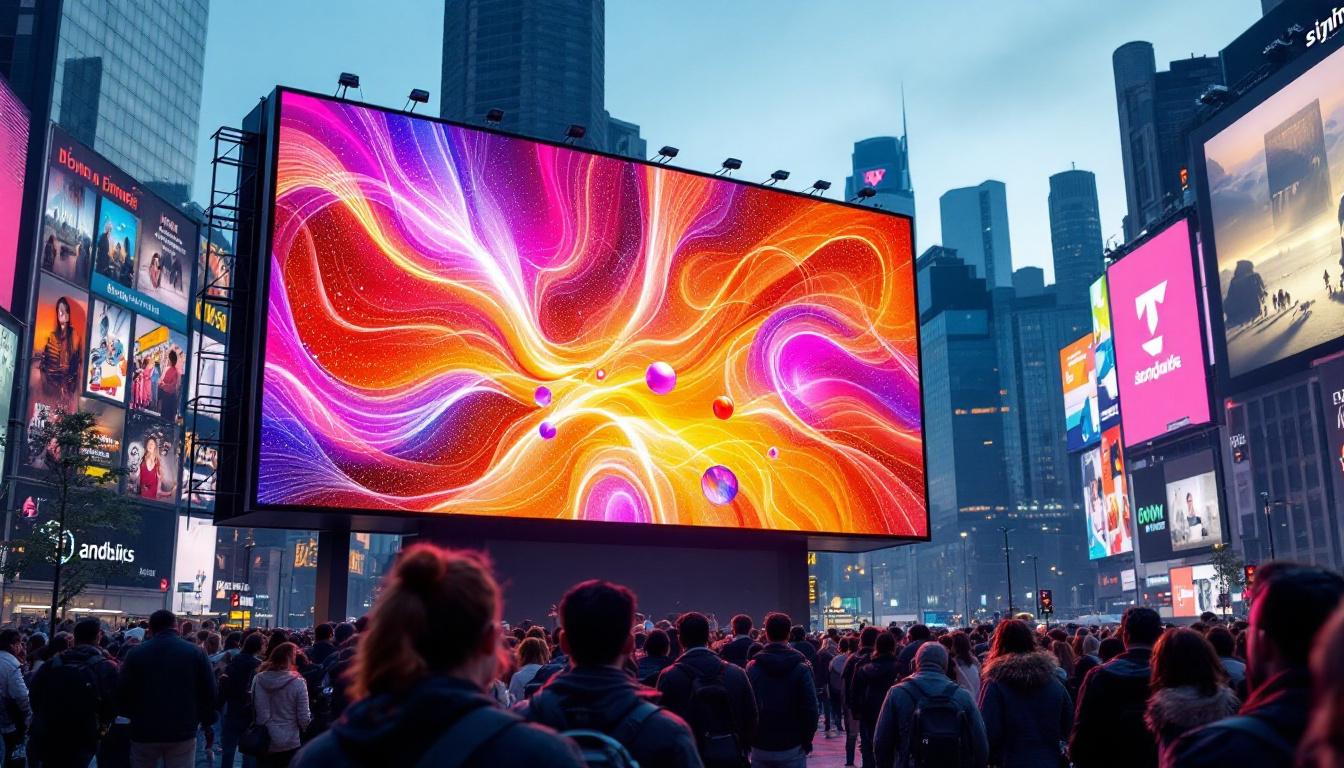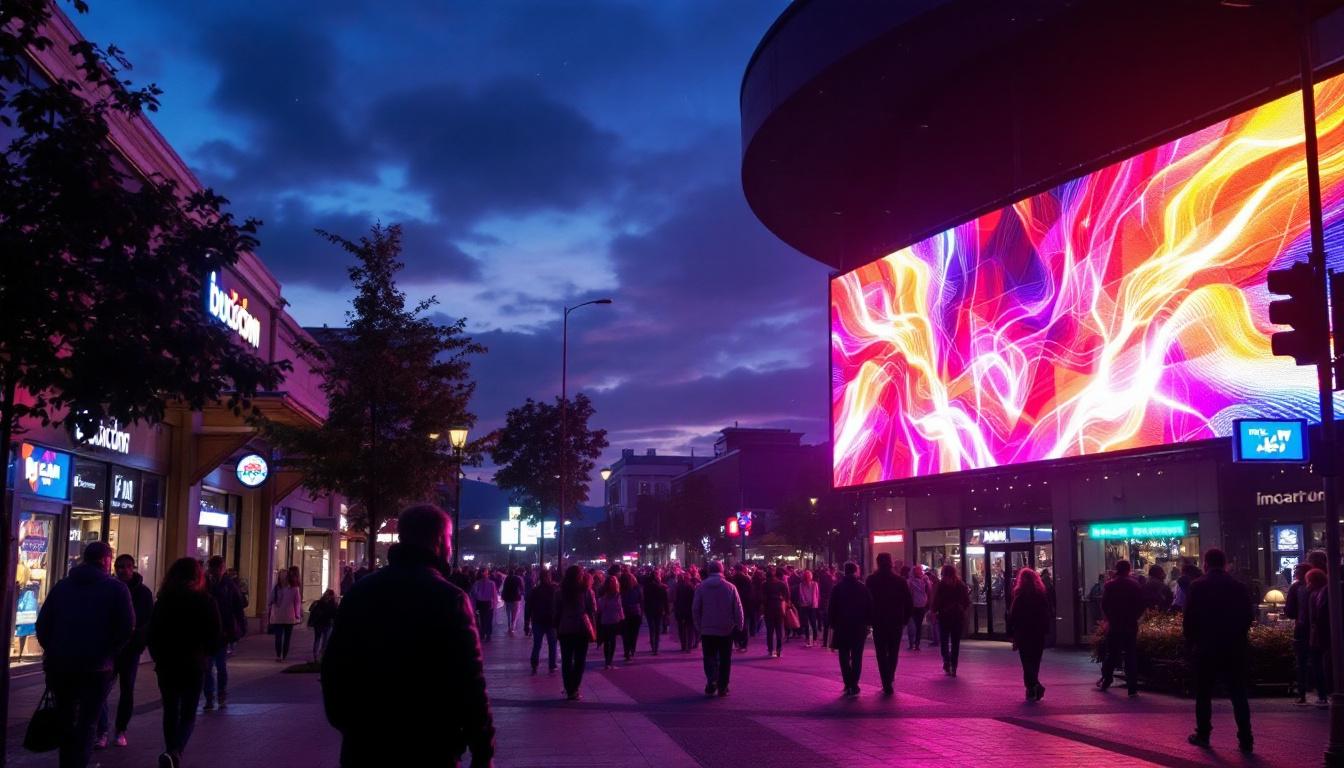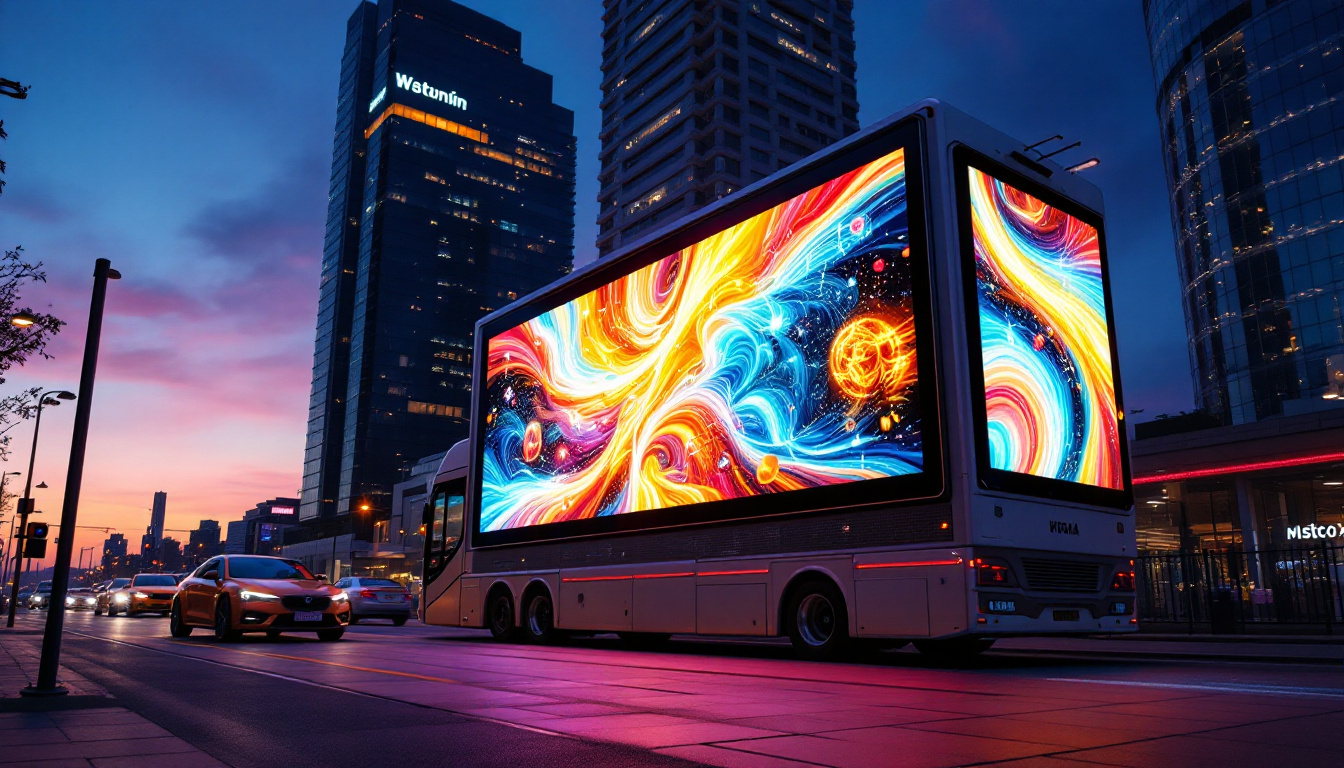
In the ever-evolving landscape of advertising, billboards remain a powerful medium for brands to capture attention and communicate messages effectively. However, traditional static billboards are increasingly being replaced by dynamic, eye-catching LED displays that offer unparalleled versatility and engagement. This article delves into the world of LED billboard advertising, explaining the technology behind LED displays, their advantages, and how clever advertisers are leveraging them to create impactful campaigns.
Understanding LED Billboard Technology
What is an LED Display?
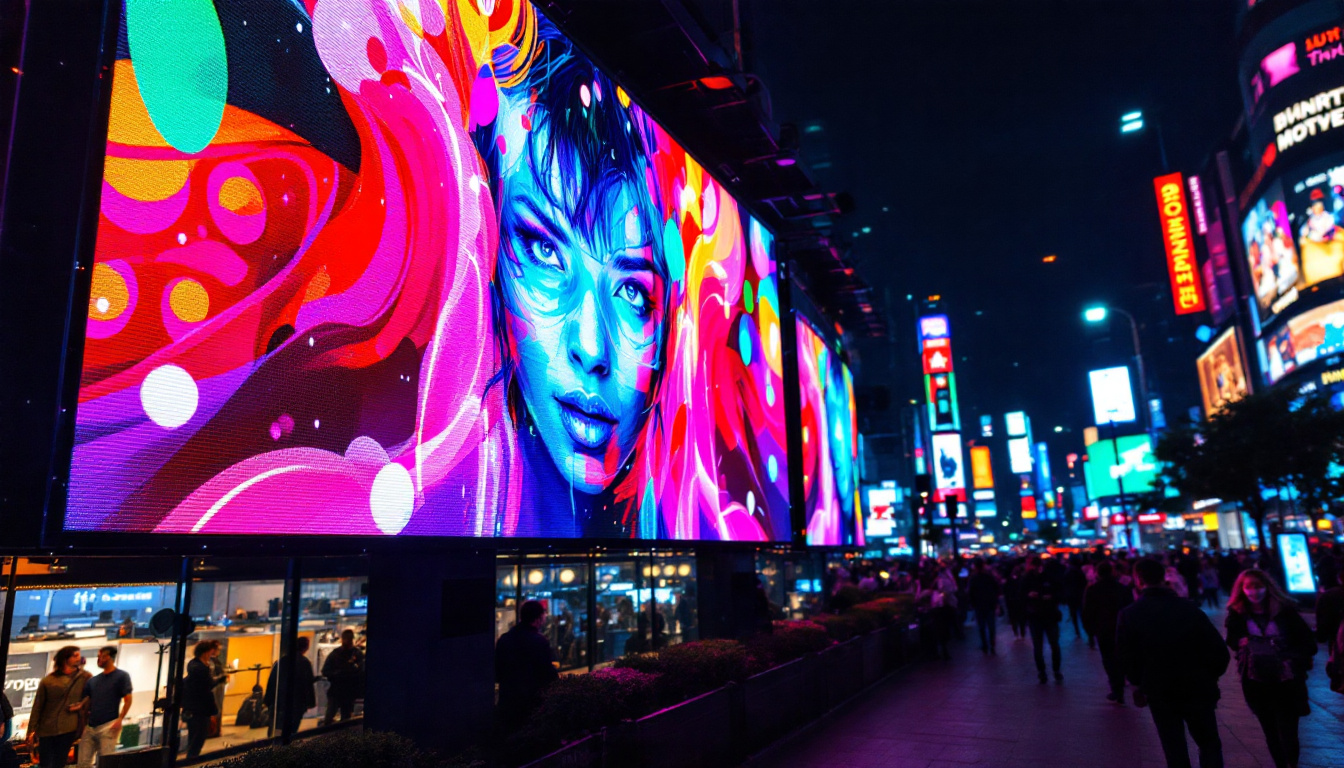
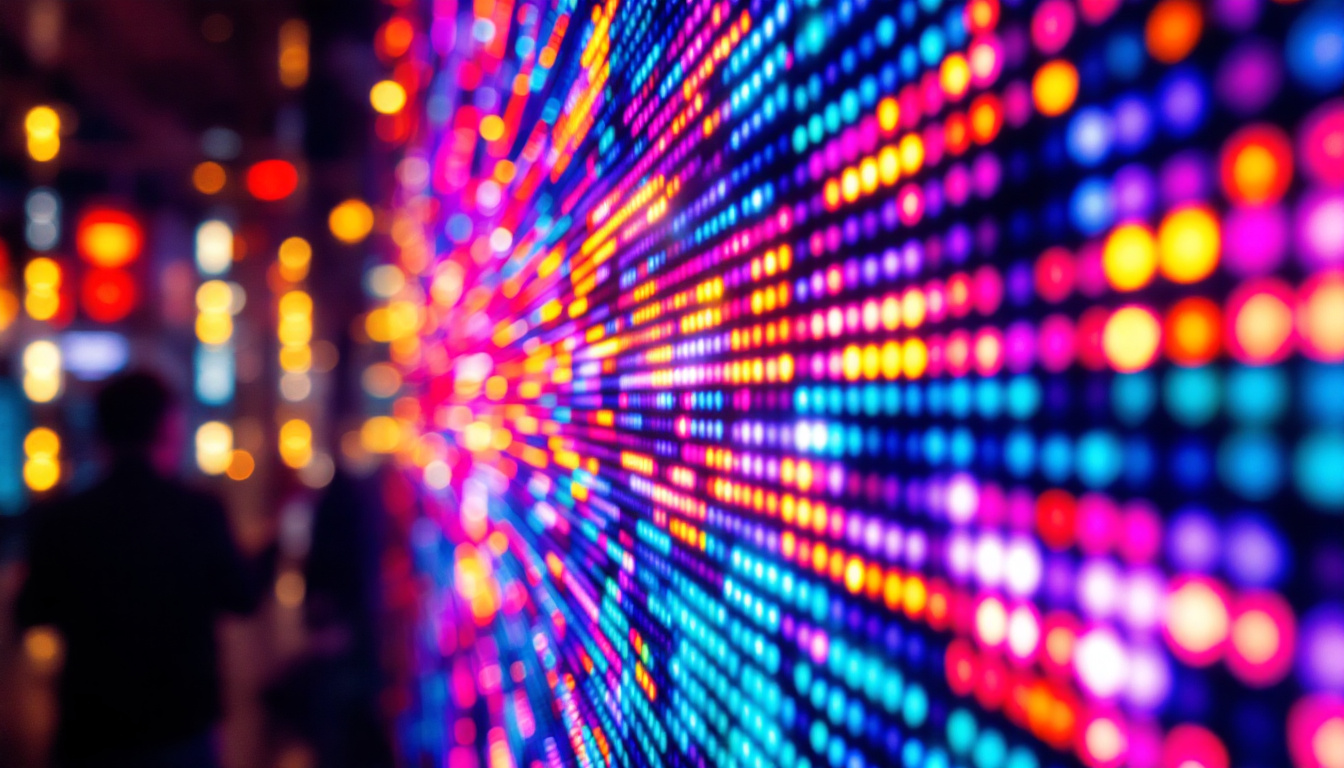
LED stands for Light Emitting Diode, a semiconductor device that emits light when an electric current passes through it. LED displays are made up of thousands, sometimes millions, of these tiny diodes arranged in a grid to form images and videos. Unlike traditional billboards that rely on printed materials, LED billboards are digital screens capable of displaying vibrant, high-resolution content that can be changed remotely and frequently.
The core components of an LED billboard include the diodes themselves, a control system, and a power supply. The control system manages the content displayed, allowing advertisers to schedule different ads or messages throughout the day. Modern LED billboards often incorporate weatherproofing and brightness sensors, enabling them to adjust luminosity based on ambient light, ensuring visibility without causing glare. This adaptability not only enhances the viewing experience but also conserves energy, making LED technology a more sustainable choice for advertising.
Additionally, the versatility of LED displays extends beyond mere advertising. They can be utilized for public service announcements, event promotions, and even artistic installations. The ability to update content in real-time allows organizations to respond quickly to current events or community needs, making LED billboards a dynamic tool for communication in public spaces.
Types of LED Displays Used in Billboards
LED billboards come in various types, primarily distinguished by pixel pitch — the distance between the centers of two adjacent pixels. A smaller pixel pitch means higher resolution and sharper images, which is crucial for billboards located close to viewers or in urban settings where detail matters.
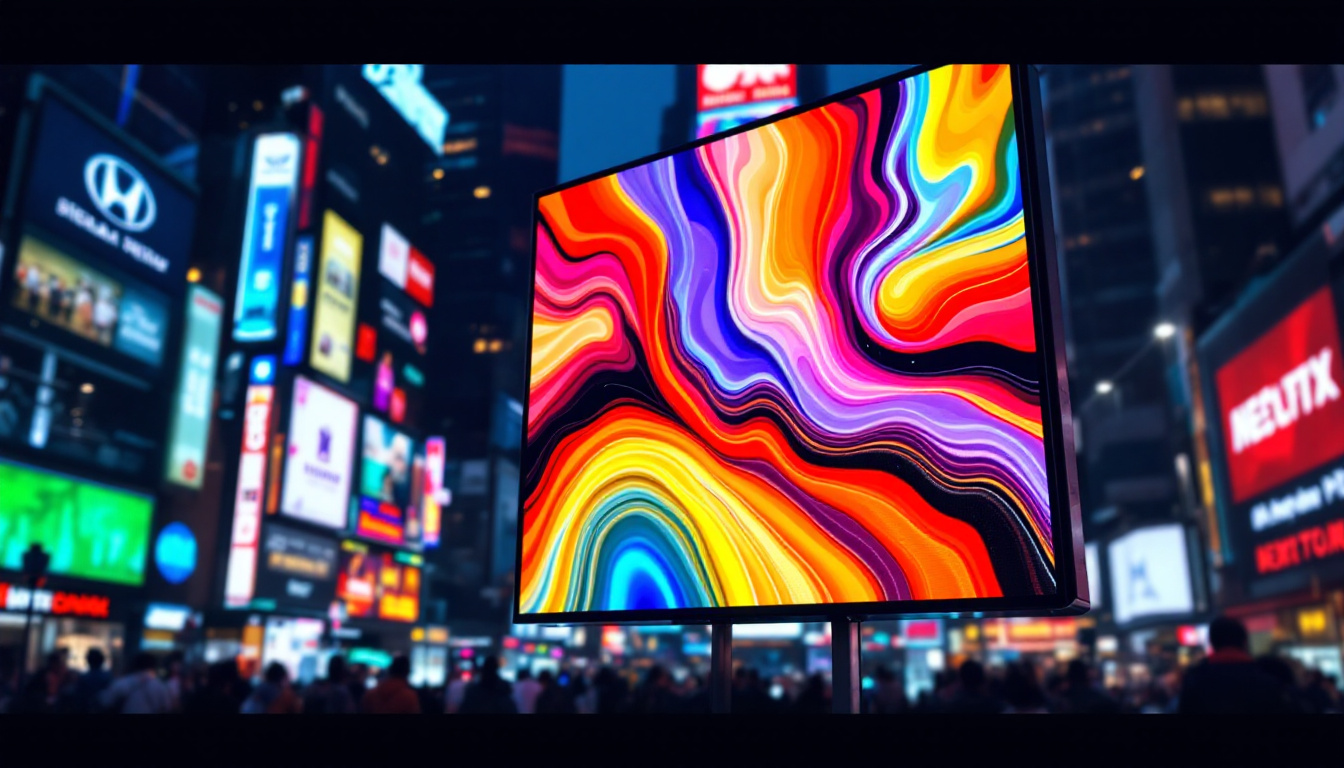
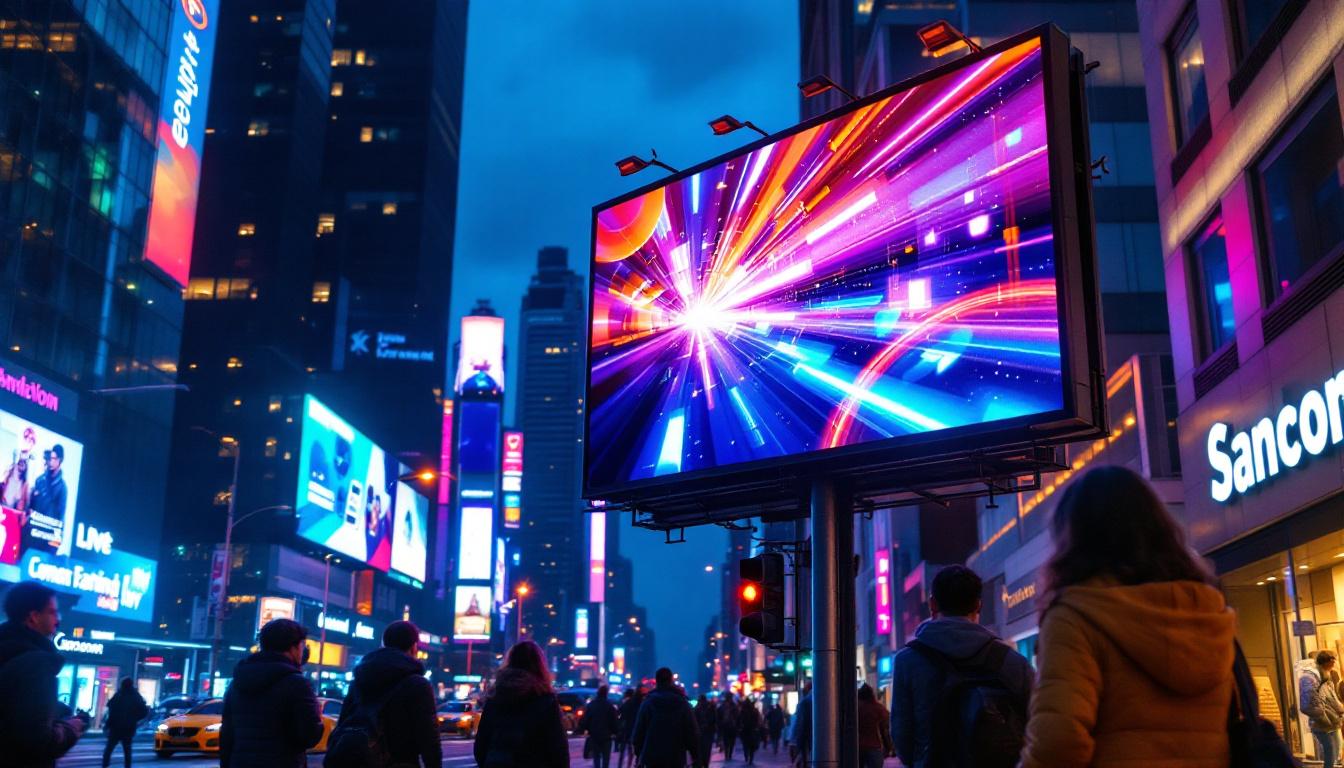
- Outdoor LED Displays: Designed to withstand harsh weather conditions, these displays are bright enough to be seen clearly in direct sunlight, often reaching brightness levels of 5,000 to 10,000 nits. This high brightness is essential not only for visibility but also for ensuring that colors remain vivid and engaging, even in challenging lighting conditions.
- Indoor LED Displays: Typically used in malls or airports, these have a smaller pixel pitch and lower brightness requirements, offering crisp visuals at close range. Their design often includes features that reduce reflections and enhance color accuracy, making them ideal for environments where viewers are in close proximity.
- Transparent LED Displays: A newer innovation, these displays allow light to pass through, making them ideal for storefront windows or architectural integration. This technology not only provides an eye-catching display but also maintains visibility into the store, creating a seamless blend of advertising and product visibility.
Furthermore, the rise of flexible LED displays has opened up new possibilities for creative advertising. These displays can be shaped and curved to fit unique architectural designs, allowing advertisers to think outside the box and create immersive experiences that capture the attention of passersby. As technology continues to evolve, we can expect even more innovative applications of LED displays in the advertising landscape, pushing the boundaries of how messages are conveyed in public spaces.
The Advantages of LED Billboards Over Traditional Advertising
Dynamic Content and Flexibility
One of the most significant benefits of LED billboards is their ability to display dynamic content. Advertisers can rotate multiple ads on a single billboard, tailor messages based on the time of day, or even respond to real-time events. For example, a coffee brand might promote hot beverages in the morning and iced drinks in the afternoon, maximizing relevance and engagement.
This flexibility also extends to geographic targeting. Some LED billboards are integrated with data analytics tools that adjust content based on traffic patterns or demographics, ensuring the right message reaches the right audience at the right time.
Enhanced Visual Impact
LED billboards offer vibrant colors, high contrast, and motion capabilities that static billboards cannot match. Movement naturally draws the human eye, making animated or video content more effective at grabbing attention. Studies indicate that digital billboards can increase brand recall by up to 47% compared to static ads.
Moreover, LED technology allows for creative storytelling. Brands can use sequences of images or videos to build narratives, create suspense, or highlight product features in ways that print ads simply cannot achieve.
Cost Efficiency and Sustainability
While the initial investment in LED billboards can be higher than traditional billboards, the long-term benefits often outweigh the costs. Digital content can be updated instantly without printing new materials, reducing production expenses and waste. This agility also means advertisers can respond quickly to market changes, promotions, or emergencies.
From an environmental perspective, LED billboards consume less energy than older neon or fluorescent signage and generate less waste. Many modern LED displays use energy-efficient diodes and smart controls to minimize power consumption, aligning with growing corporate sustainability goals.
How Clever Advertisers Use LED Billboards to Stand Out
Interactive and Contextual Campaigns
Leading brands are pushing the boundaries of LED billboard advertising by incorporating interactivity and contextual relevance. For instance, some billboards use sensors to detect weather conditions or pedestrian traffic, altering their messages accordingly. A clothing retailer might advertise raincoats during a downpour or sunglasses on sunny days, creating a personalized experience for viewers.
Additionally, integrating social media feeds or live event updates can make billboards feel current and connected. Campaigns that encourage audience participation through hashtags or QR codes displayed on LED screens bridge the gap between physical advertising and digital engagement.
Case Study: Nike’s Dynamic LED Billboard Campaign
Nike’s recent LED billboard campaign in New York City exemplifies how dynamic content can amplify brand messaging. The billboard displayed real-time data from local running events, showcasing runners’ times and encouraging viewers to join the movement. This approach not only promoted Nike’s products but also fostered community involvement and motivation.
The campaign’s success was reflected in increased foot traffic to nearby Nike stores and a surge in social media mentions, demonstrating the powerful synergy between LED advertising and experiential marketing.
Creative Visual Effects and Storytelling
Some advertisers harness the full potential of LED technology by creating immersive visual experiences. For example, 3D effects, optical illusions, and synchronized animations can transform a billboard into a captivating spectacle. These techniques not only attract attention but also encourage sharing on social media, extending the campaign’s reach beyond the physical location.
Brands like Coca-Cola and Samsung have utilized LED billboards with high-impact visuals that tell stories or evoke emotions, making their ads memorable and effective. The ability to update content frequently also allows campaigns to evolve over time, maintaining audience interest.
Challenges and Considerations in LED Billboard Advertising
Technical and Maintenance Issues
Despite their advantages, LED billboards require regular maintenance to ensure optimal performance. Issues such as dead pixels, power fluctuations, or software glitches can affect display quality. Advertisers and operators must invest in monitoring systems and prompt repairs to avoid downtime and negative brand impressions.
Furthermore, the installation of LED billboards demands careful planning regarding structural support, electrical supply, and compliance with local regulations, which can vary significantly by region.
Regulatory and Ethical Concerns
Many municipalities regulate digital billboards to prevent distractions to drivers and reduce light pollution. Restrictions may include limits on brightness, animation speed, and operating hours. Advertisers need to navigate these rules carefully to avoid fines and ensure public safety.
Ethically, the use of data-driven targeting and interactivity raises privacy considerations. Transparency about data collection and adherence to privacy laws are essential to maintain consumer trust.
Balancing Creativity with Clarity
While LED billboards offer exciting creative possibilities, advertisers must balance innovation with clear messaging. Overly complex animations or rapid content changes can confuse viewers or dilute the brand message. Effective campaigns prioritize simplicity, readability, and a strong call to action.
The Future of LED Billboard Advertising
Integration with Emerging Technologies
The future of LED billboard advertising is intertwined with advancements in artificial intelligence, augmented reality, and the Internet of Things (IoT). AI-powered analytics can optimize content delivery based on real-time audience behavior and environmental factors, making ads more relevant and engaging.
Augmented reality (AR) integration could allow passersby to interact with billboards through their smartphones, creating immersive brand experiences. IoT connectivity enables billboards to communicate with other smart devices, opening new avenues for personalized advertising.
Expanding Global Reach and Accessibility
As LED technology becomes more affordable, its adoption is spreading beyond major urban centers to smaller cities and emerging markets. This democratization allows a broader range of businesses to benefit from dynamic outdoor advertising, stimulating economic growth and consumer engagement worldwide.
Moreover, innovations in energy efficiency and sustainable materials will make LED billboards even more environmentally friendly, aligning with global efforts to reduce carbon footprints.
Conclusion
LED billboard advertising represents a significant leap forward in outdoor marketing, combining technological innovation with creative potential. By understanding the technology behind LED displays and leveraging their dynamic capabilities, advertisers can craft campaigns that captivate audiences, adapt to changing conditions, and deliver measurable results.
While challenges exist, careful planning, compliance with regulations, and a focus on clear, engaging content ensure that LED billboards remain a valuable asset in the advertiser’s toolkit. As technology continues to evolve, the possibilities for clever, impactful billboard ads are virtually limitless.
Illuminate Your Brand with LumenMatrix
Ready to take your advertising to the next level? Discover how LumenMatrix can transform your brand’s visibility and audience engagement. With our comprehensive range of LED display solutions, from Indoor and Outdoor LED Walls to innovative Transparent Displays, we’re committed to bringing your message to life with vibrancy and precision. Check out LumenMatrix LED Display Solutions today and join the revolution in visual communication.