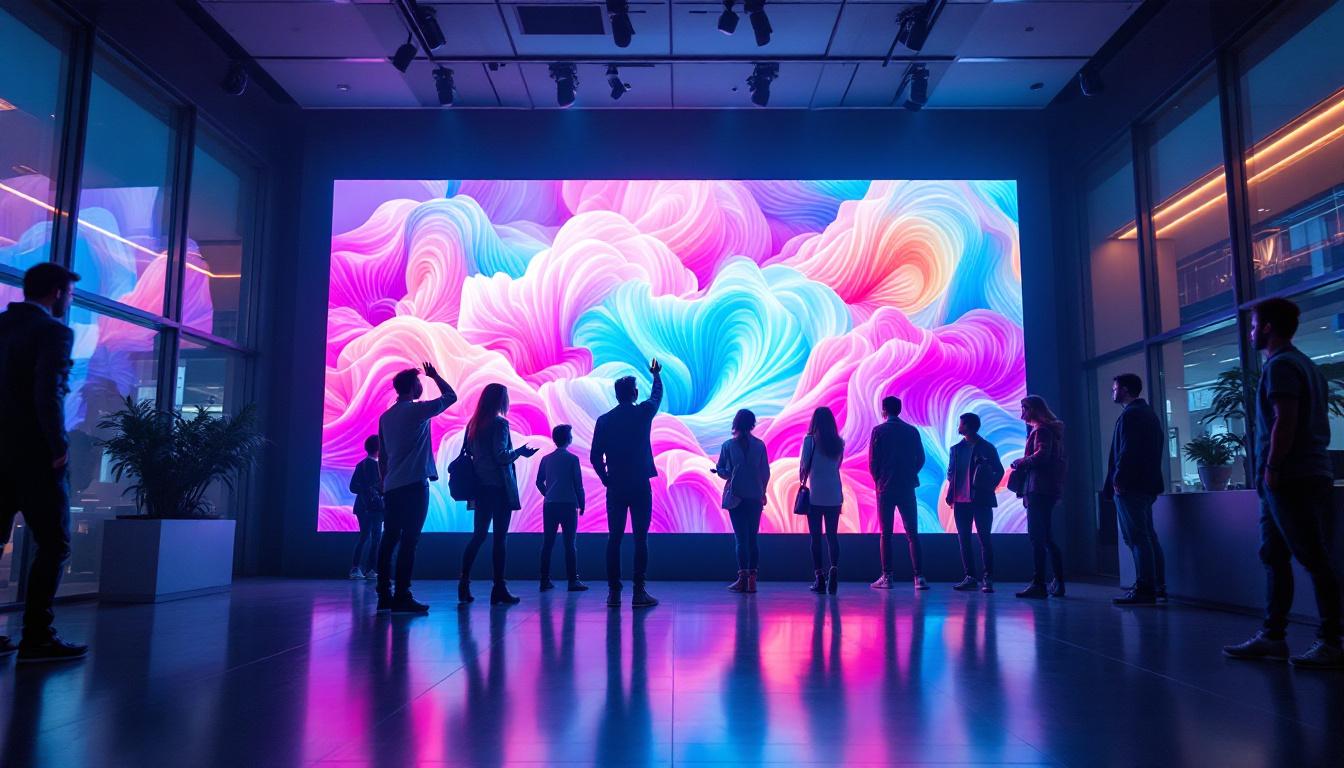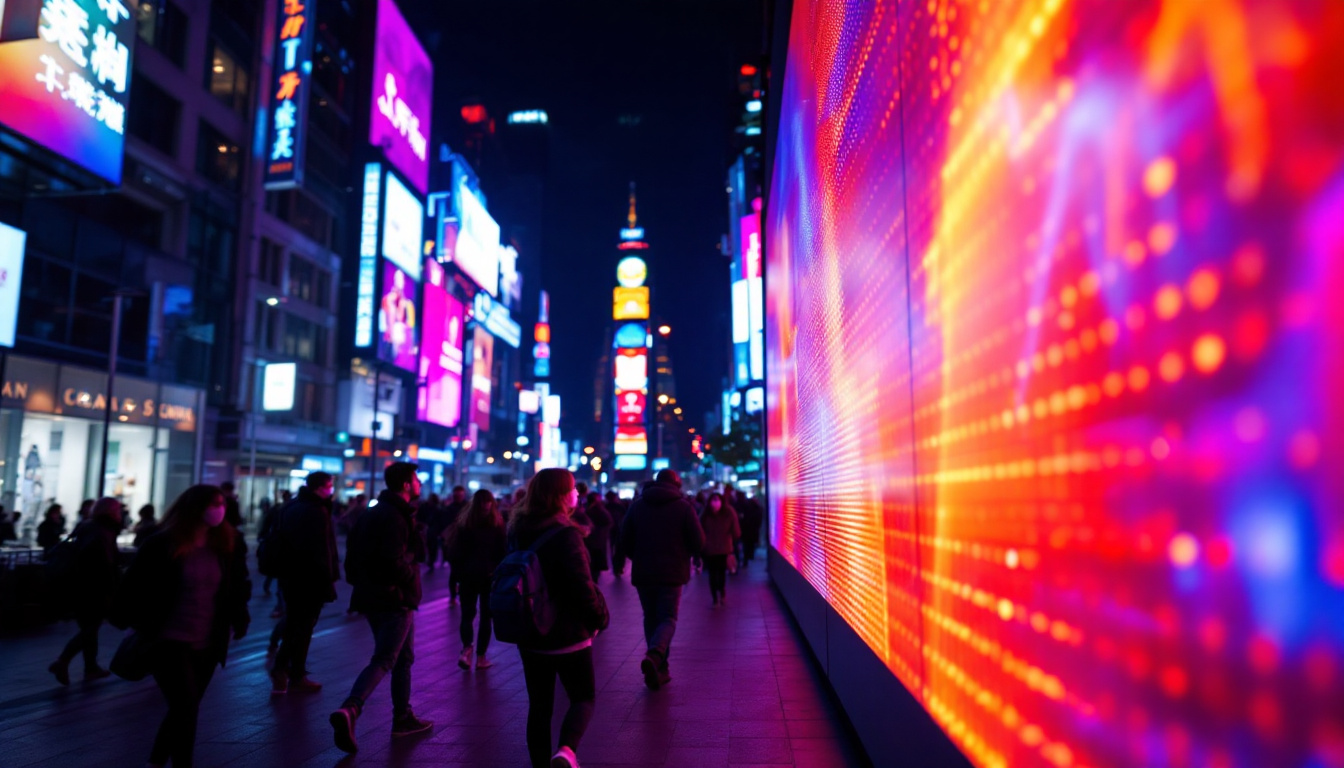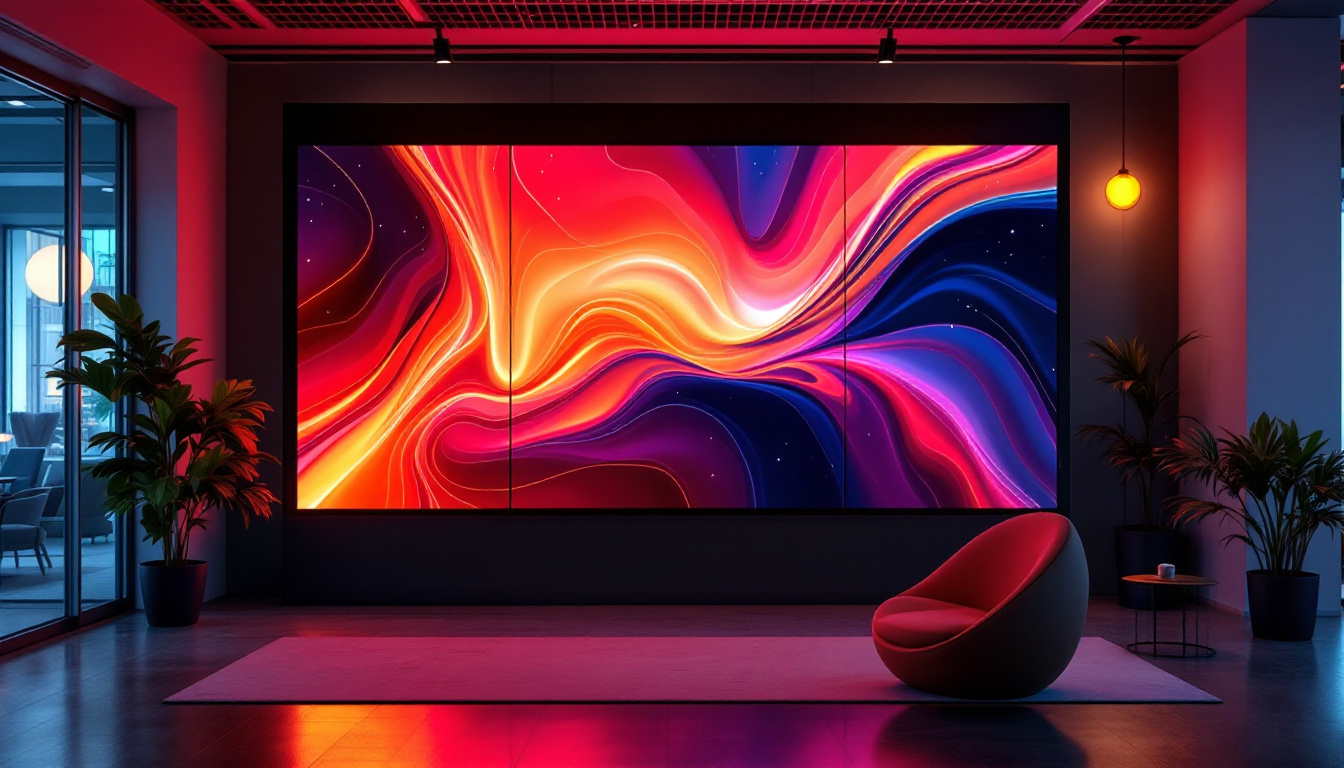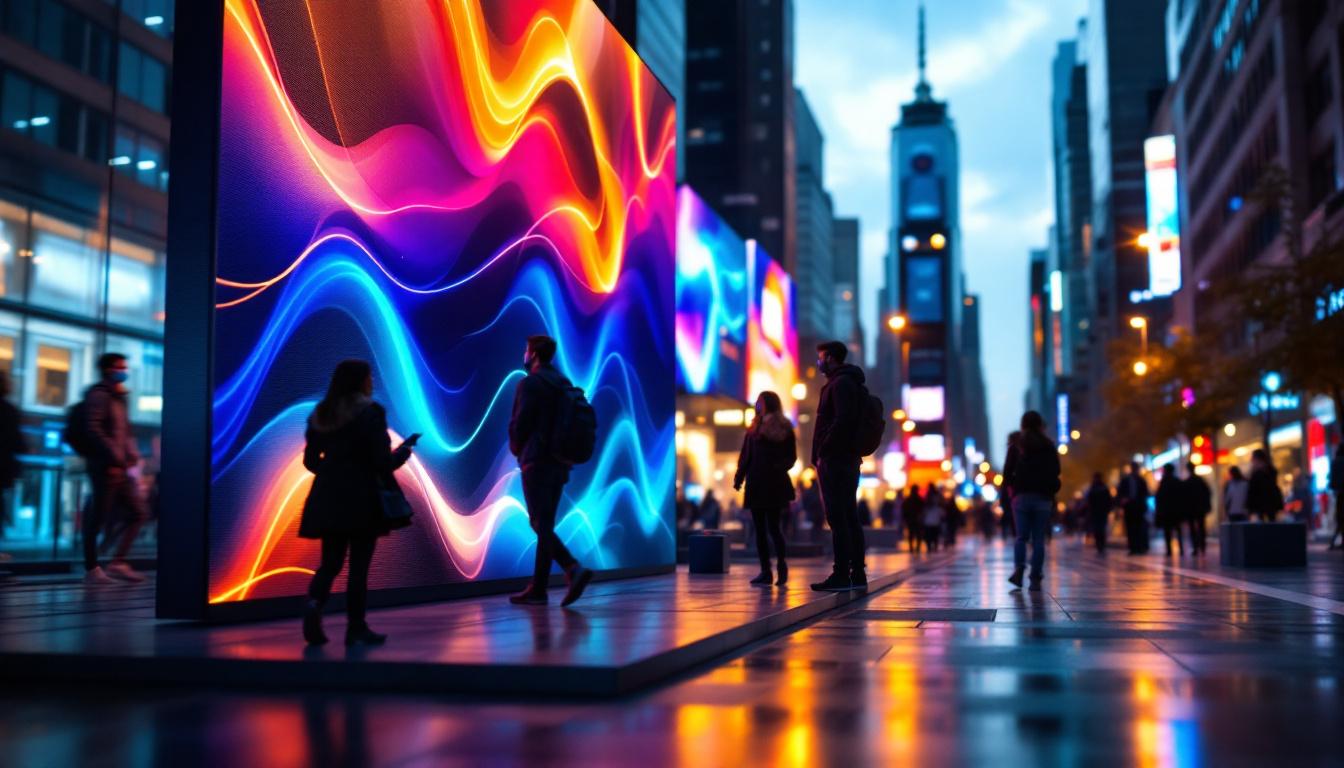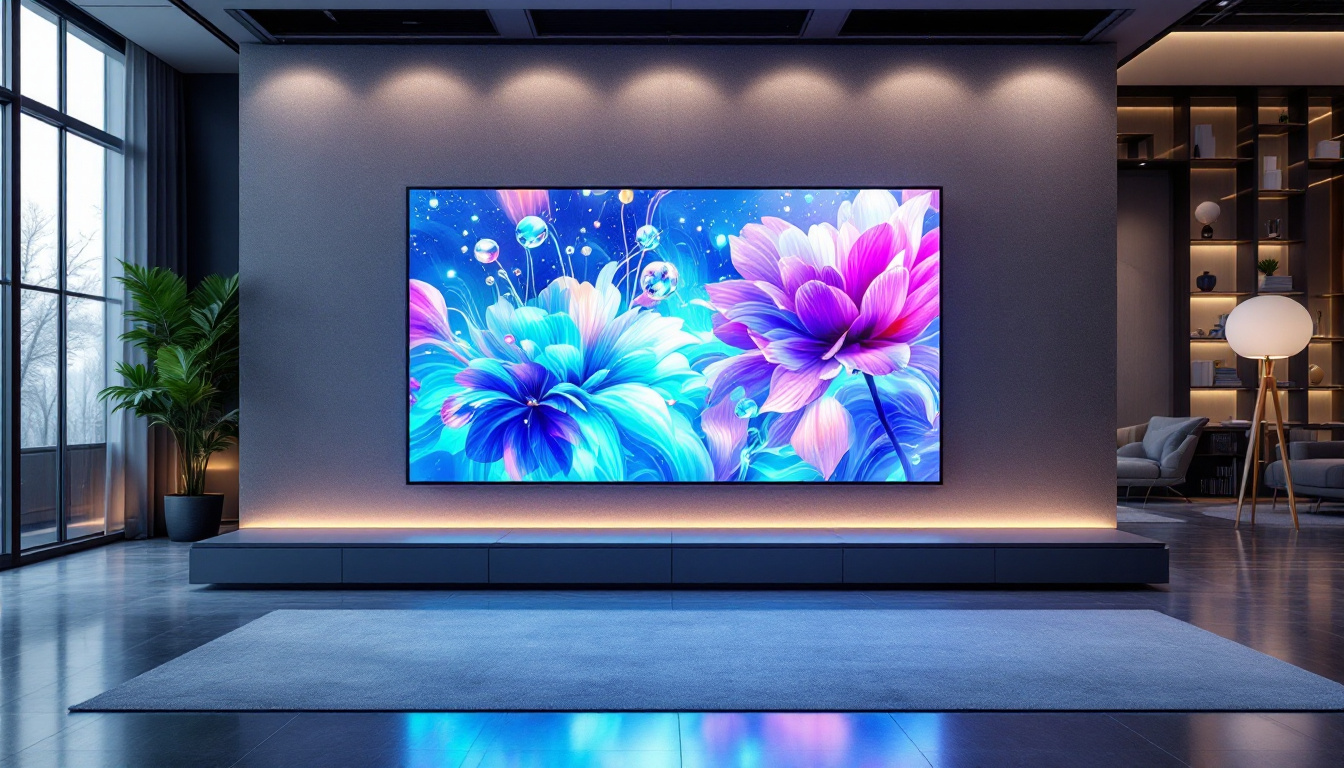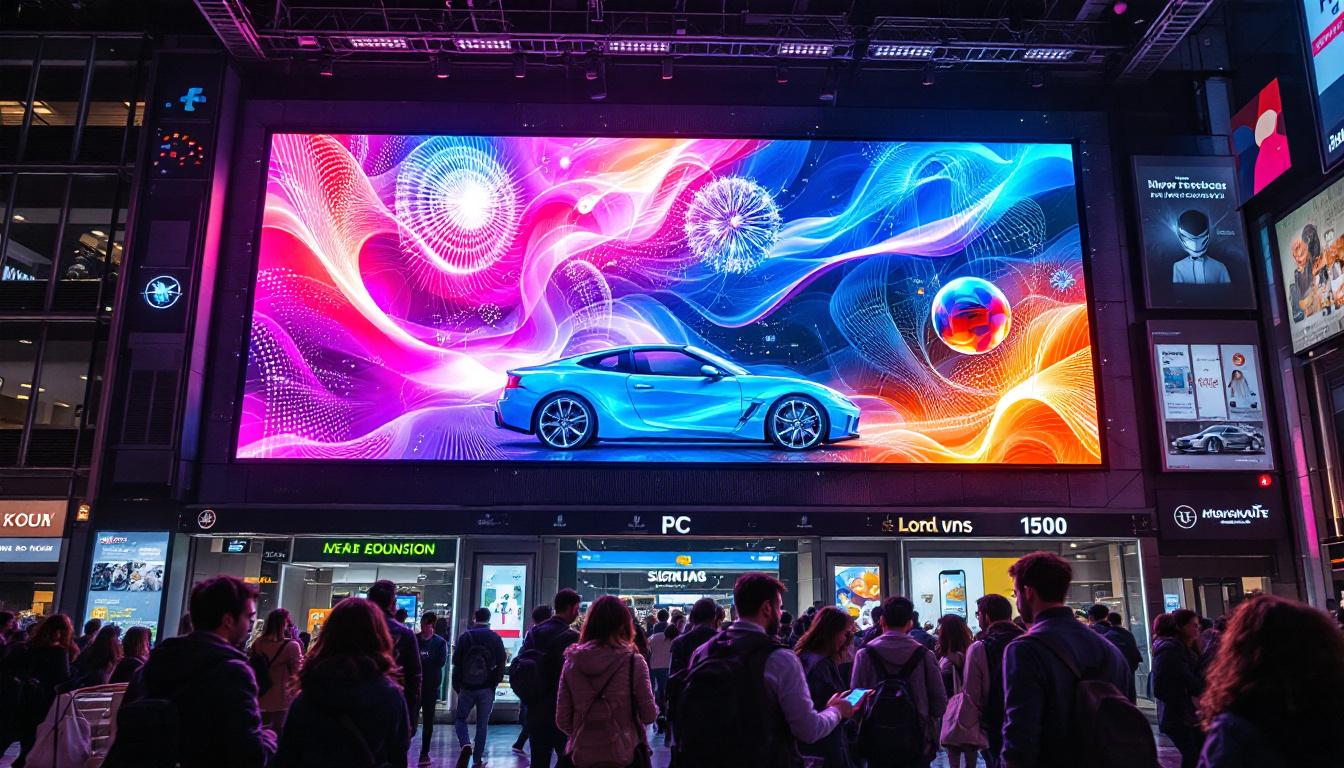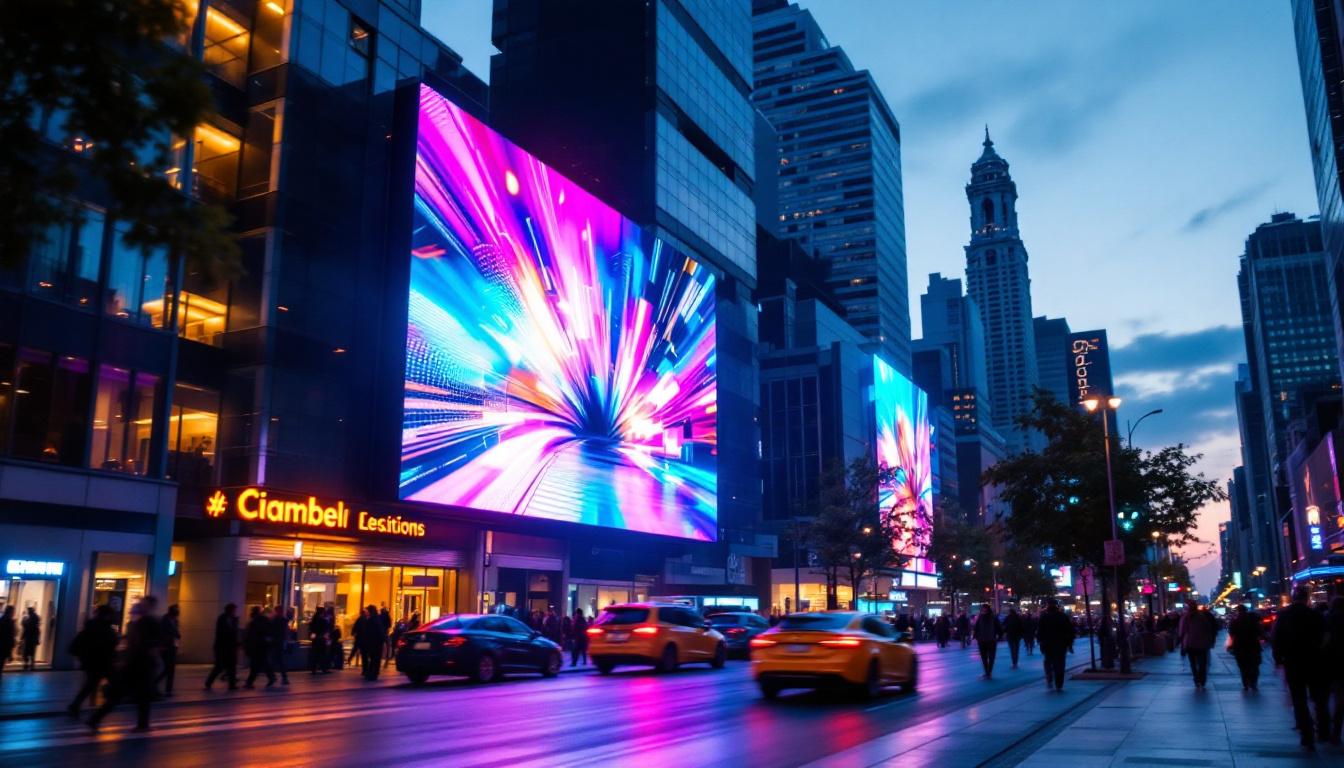
In today’s visually-driven world, LED displays have become ubiquitous, transforming how information is presented and consumed in public spaces, retail environments, entertainment venues, and even homes. From the towering billboards in Times Square to the sleek digital signage in airports, LED technology powers vibrant, dynamic displays that capture attention and convey messages with clarity and impact.
This article delves into the fundamentals of LED displays, exploring their technology, types, applications, and advantages. Whether you are a business owner considering digital signage or simply curious about how these luminous screens work, understanding LED displays is essential in appreciating their role in modern communication.
Understanding LED Display Technology
What Is an LED Display?
LED stands for Light Emitting Diode, a semiconductor device that emits light when an electric current passes through it. An LED display is essentially a screen made up of thousands to millions of these tiny diodes arranged in a grid or matrix. Each diode acts as a pixel, capable of producing light in various colors and intensities to form images, videos, or text.
The core advantage of LEDs lies in their efficiency and brightness. Unlike traditional displays that rely on backlighting, LED pixels generate their own light, resulting in higher contrast ratios and better visibility, especially in bright environments. This self-illumination also contributes to lower power consumption compared to other display technologies.
How Do LED Displays Work?
At the heart of an LED display is the pixel, which typically consists of three sub-pixels: red, green, and blue (RGB). By adjusting the intensity of each sub-pixel, the display can produce a wide spectrum of colors. The pixels are controlled by a driver circuit that receives digital signals from a video processor or controller, translating image data into precise light output.
LED displays can be either direct-view or use LED backlighting for LCD panels. Direct-view LED displays are composed entirely of LEDs that form the image, making them ideal for large-scale outdoor or indoor screens. In contrast, LED-backlit LCDs use LEDs as a backlight source behind liquid crystal panels, common in televisions and computer monitors.
Key Components of LED Displays
Understanding the components helps clarify how LED displays function and what differentiates various models:
- LED Modules: These are the building blocks of the display, containing clusters of LEDs arranged in a grid.
- Driver ICs: Integrated circuits that control the voltage and current supplied to each LED, managing brightness and color.
- Control System: Hardware and software that process input signals and coordinate the display output.
- Power Supply: Provides stable electrical power to the LEDs and control electronics.
- Housing and Protective Layers: Enclosures and coatings that protect the delicate components from environmental damage, especially for outdoor displays.
Types of LED Displays
Indoor vs. Outdoor LED Displays
One of the primary distinctions in LED displays is their intended environment. Indoor LED displays are designed for close viewing distances and controlled lighting conditions. They typically have smaller pixel pitches, meaning the LEDs are packed more densely, allowing for higher resolution and sharper images.
Outdoor LED displays, on the other hand, must contend with sunlight, weather, and longer viewing distances. These displays feature larger pixel pitches and higher brightness levels—often exceeding 5,000 nits—to remain visible in direct sunlight. They also incorporate weatherproofing and anti-glare coatings to ensure durability and performance.
Fixed vs. Rental LED Displays
Fixed LED displays are permanently installed in a location, such as a stadium scoreboard or a retail storefront. These are engineered for long-term use, with robust construction and tailored specifications to meet the site’s needs.
Rental LED displays are portable and designed for temporary events like concerts, trade shows, or conferences. They prioritize ease of assembly and disassembly, lightweight materials, and modular design to facilitate transportation and setup.
Flexible and Transparent LED Displays
Recent innovations have expanded the versatility of LED technology. Flexible LED displays use bendable materials and specially designed LEDs to create screens that can curve around surfaces or fold, opening new possibilities for creative installations and wearable tech.
Transparent LED displays integrate LEDs within glass panels, allowing viewers to see through the screen while still displaying vibrant content. These are popular in retail windows and architectural applications, blending digital signage with aesthetic design.
Applications of LED Displays
Advertising and Digital Signage
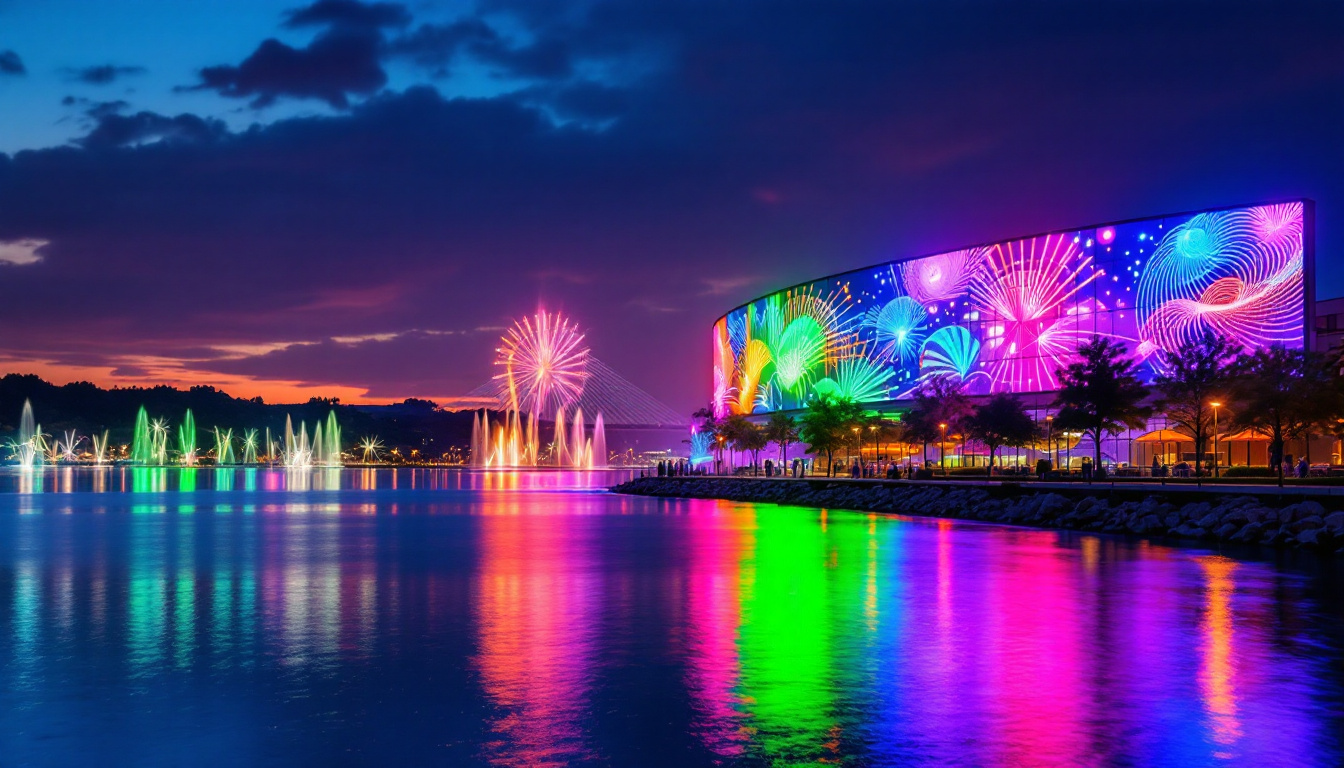
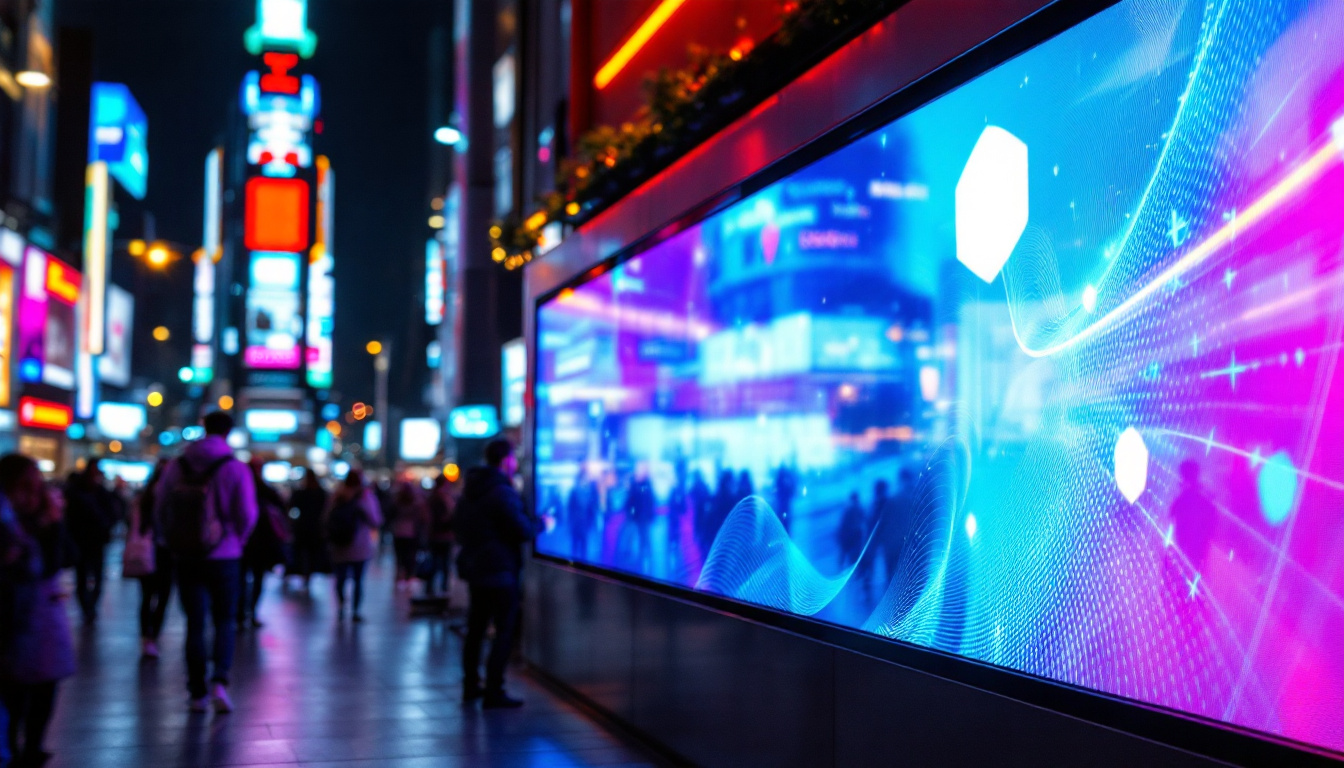
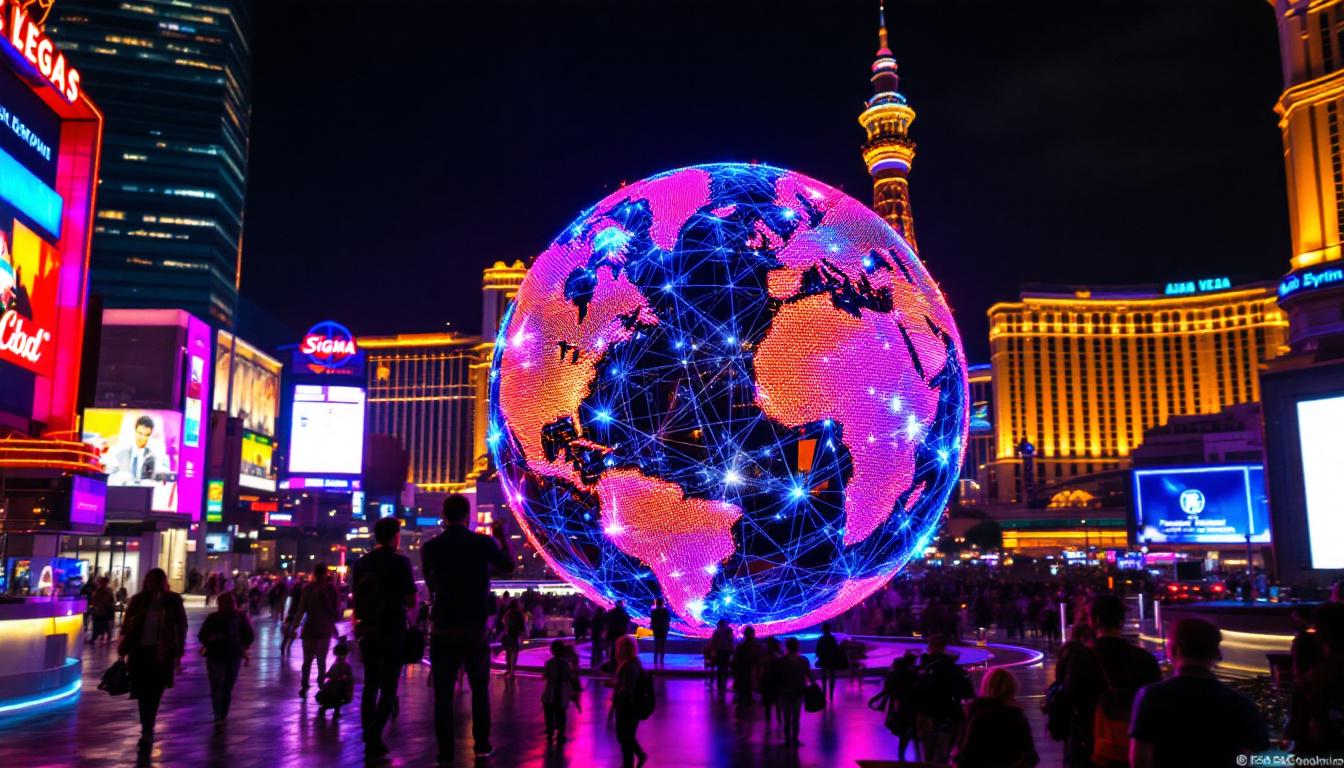
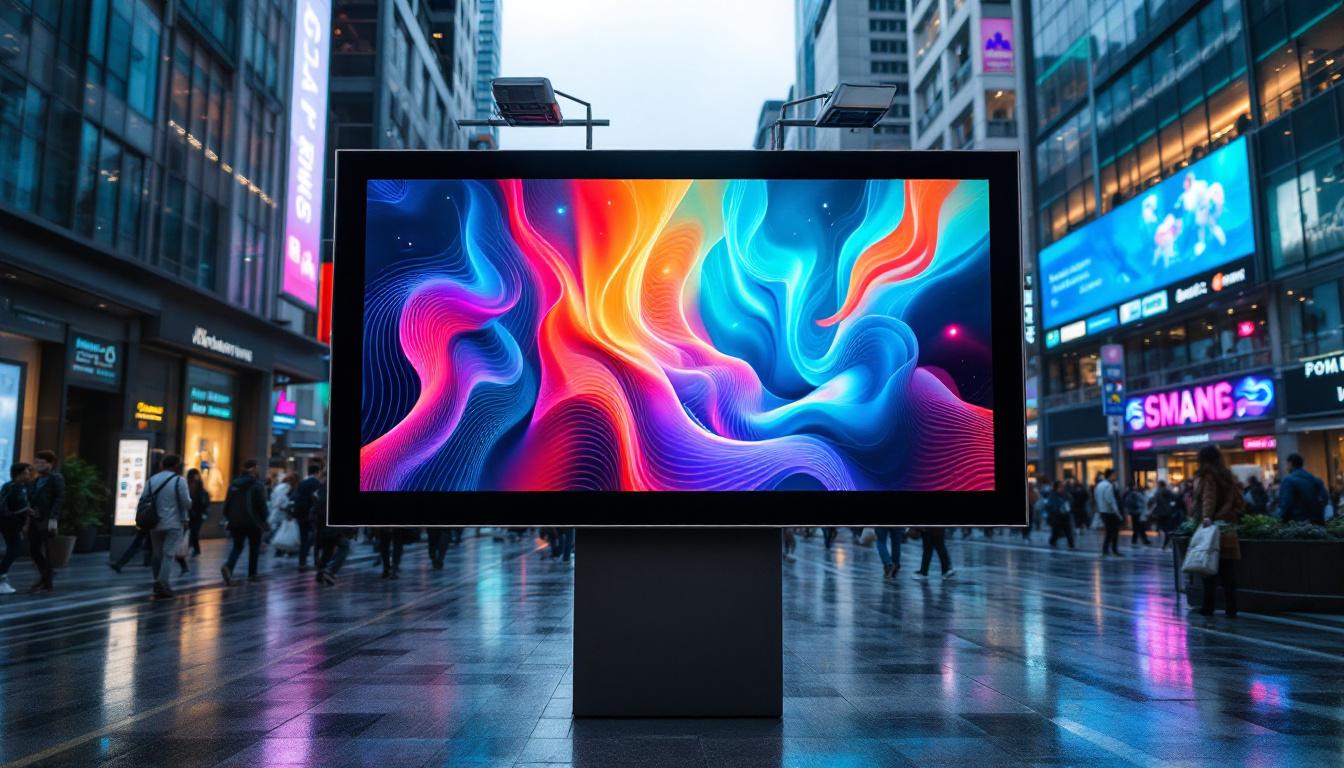
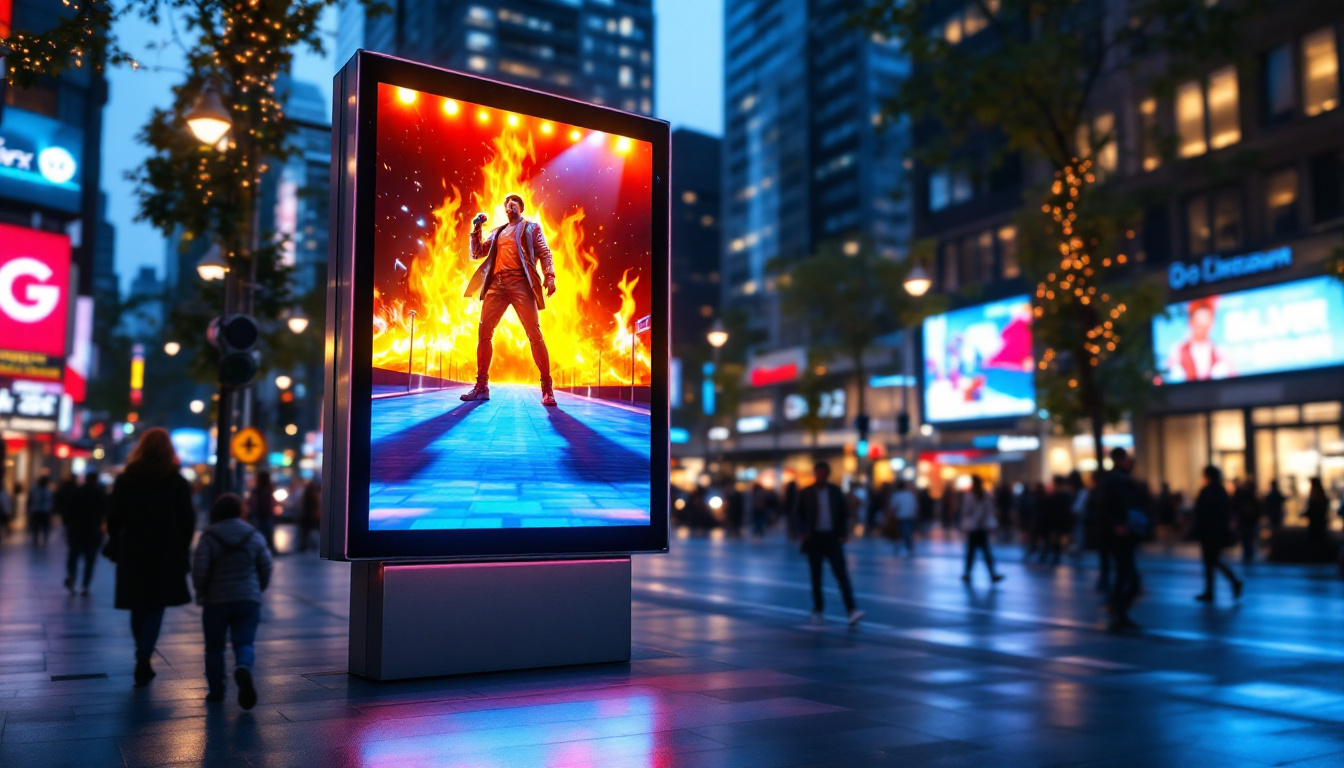
LED displays revolutionize advertising by enabling dynamic, eye-catching content that can be updated instantly. Brands use LED billboards and storefront displays to attract customers with vivid imagery, animations, and real-time information such as promotions or social media feeds.
According to a 2023 report by Grand View Research, the global digital signage market is expected to reach $31.7 billion by 2028, driven largely by LED technology’s expanding adoption. The ability to deliver targeted messaging and interactive experiences makes LED displays invaluable in retail, hospitality, and transportation sectors.
Sports and Entertainment Venues
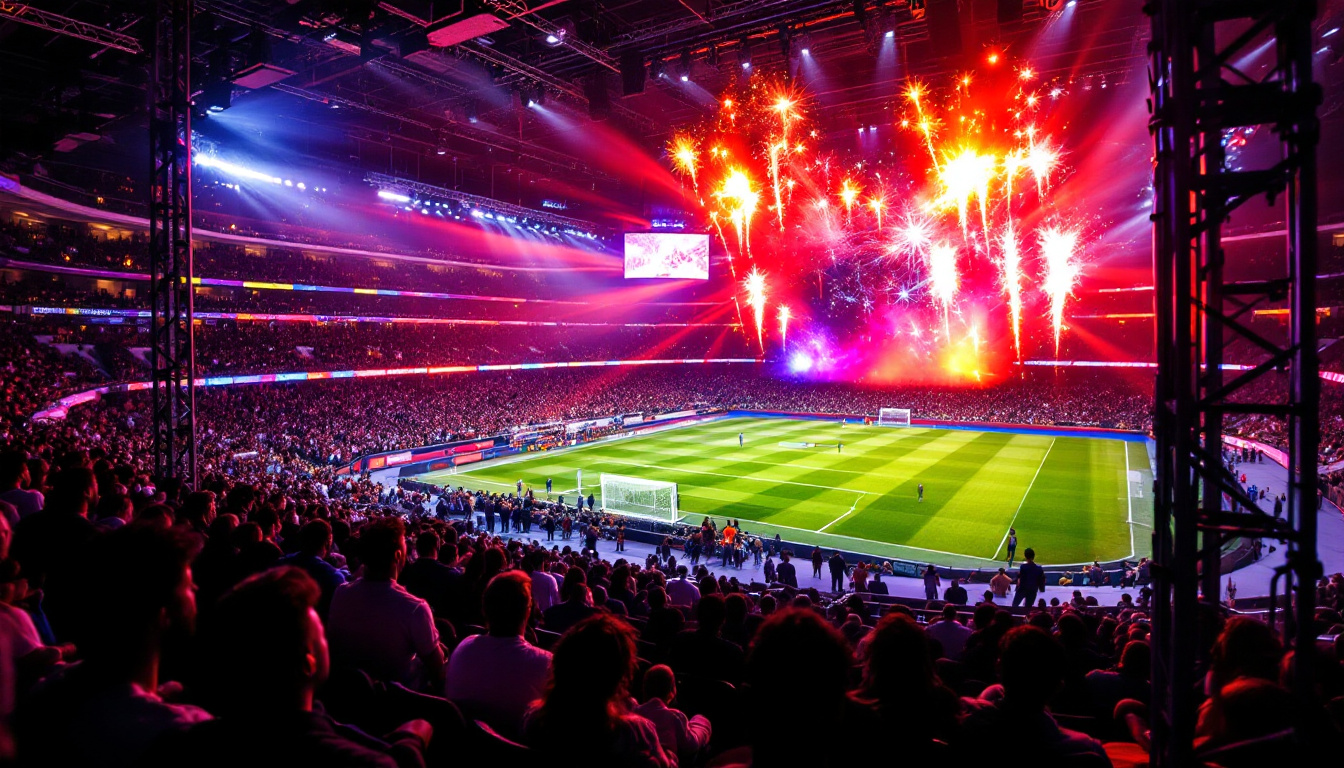
Large-scale LED screens are integral to modern stadiums and arenas, providing live game footage, replays, and advertisements to tens of thousands of spectators. These displays must offer high brightness, wide viewing angles, and seamless image quality to enhance the fan experience.
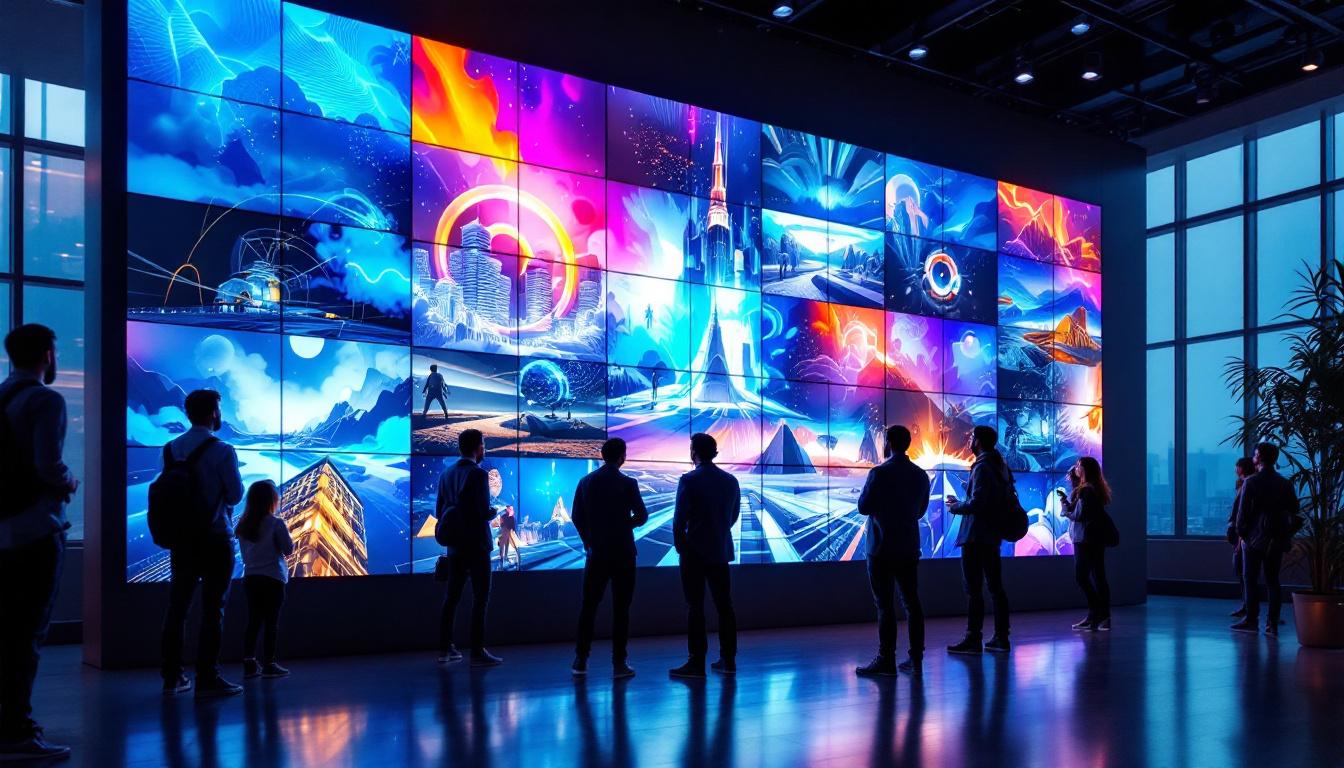
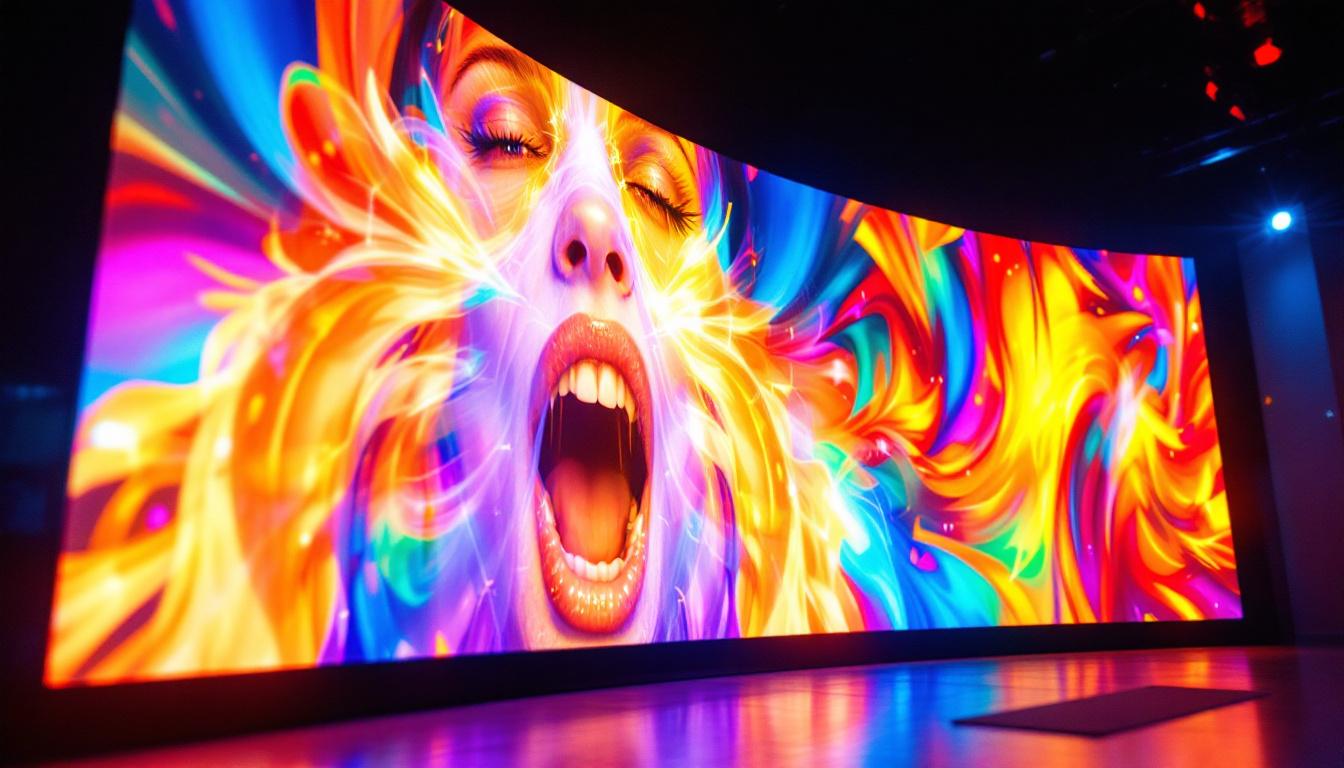
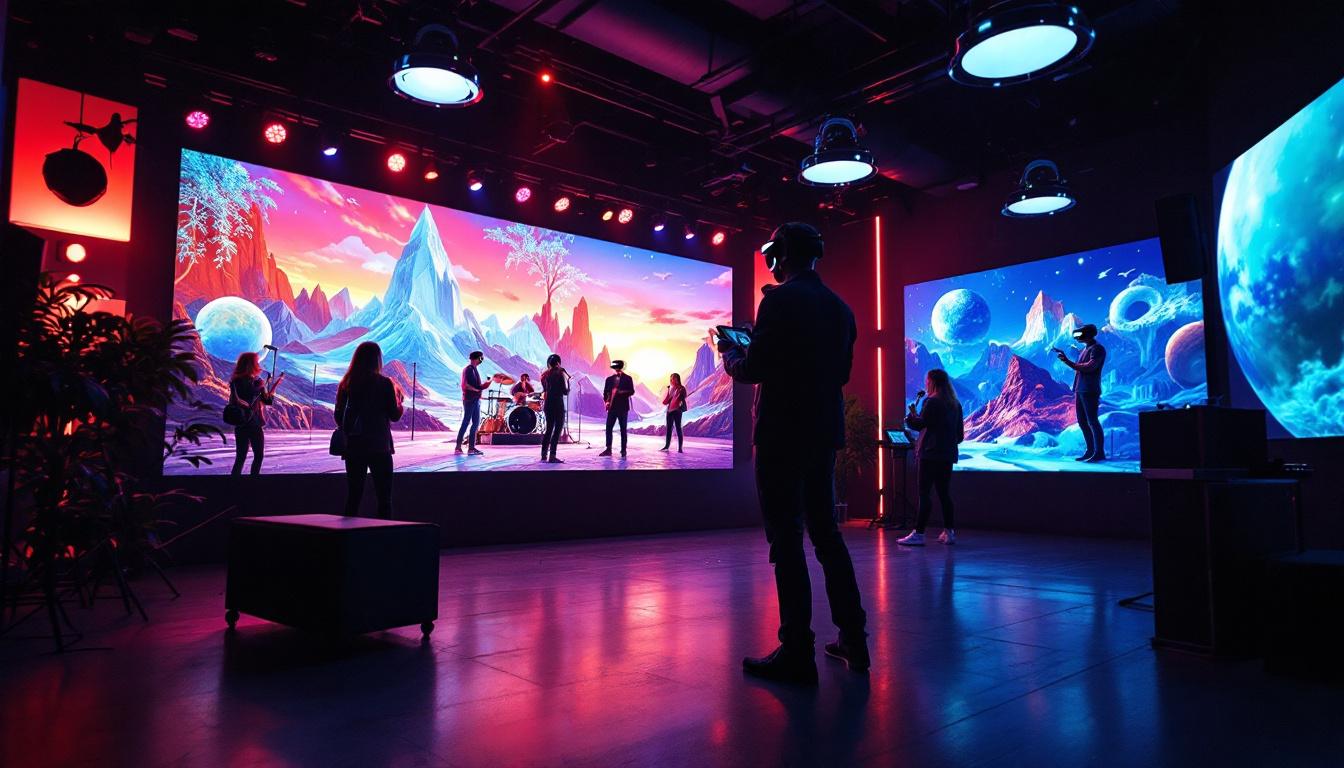
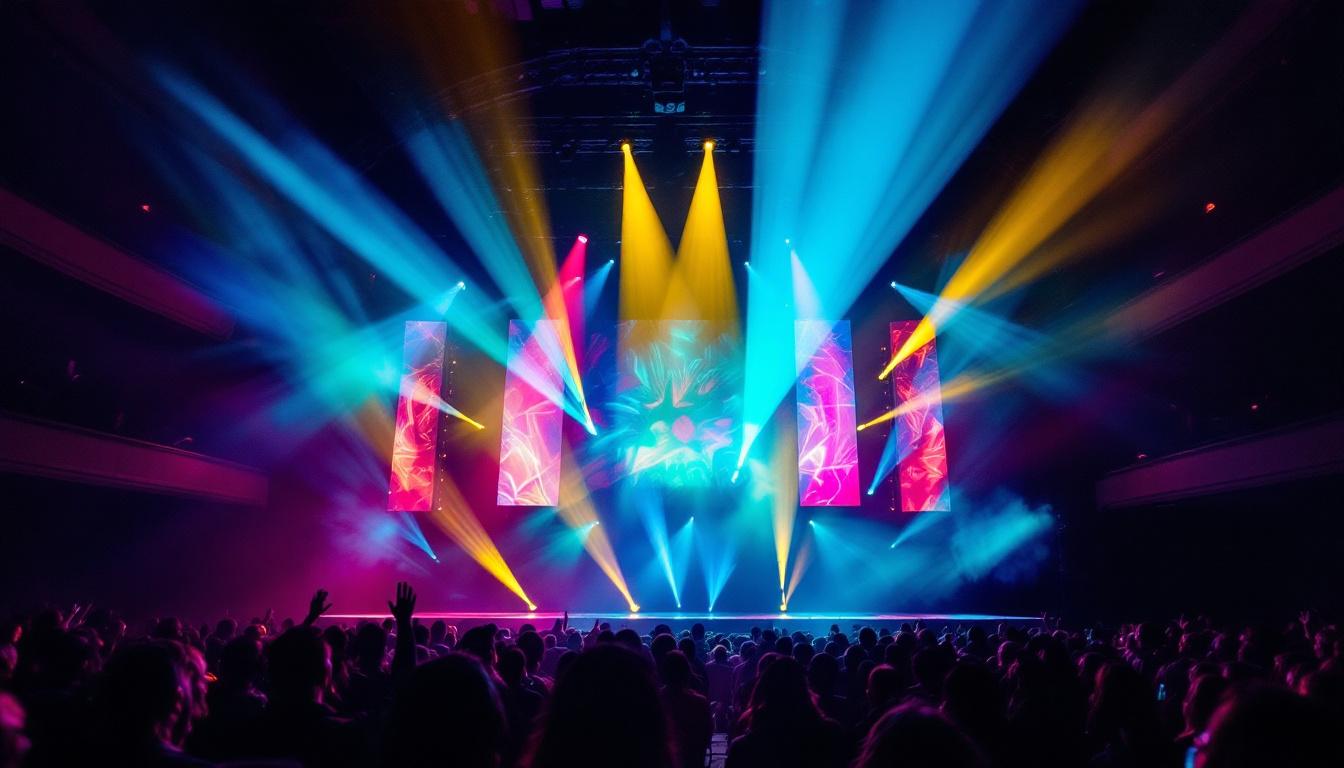
Concerts and festivals also rely on LED walls and video panels to deliver immersive visuals that complement performances. The scalability and modularity of LED displays allow event organizers to customize screen sizes and shapes according to venue requirements.
Corporate and Educational Use
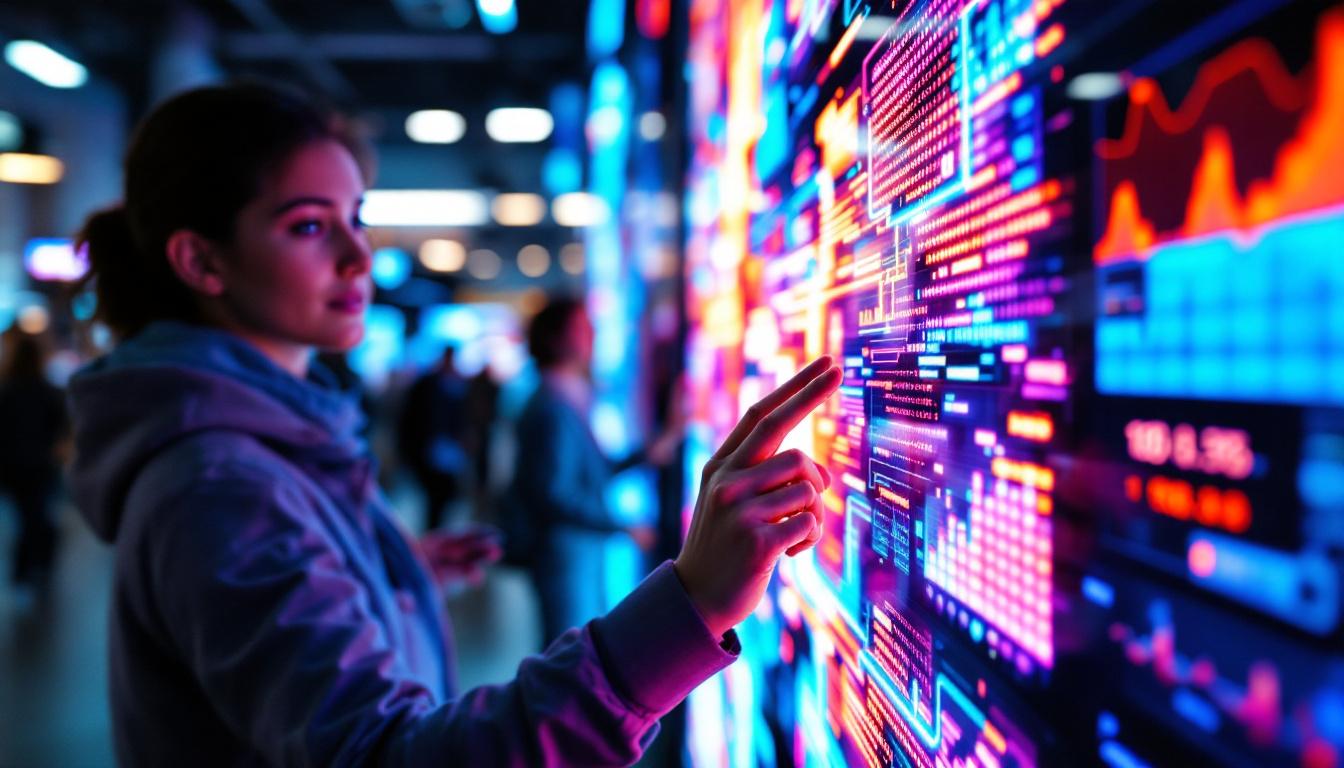
In corporate environments, LED displays facilitate presentations, video conferencing, and digital dashboards. Their clarity and brightness improve communication and engagement during meetings and events.
Educational institutions utilize LED screens in auditoriums, lecture halls, and common areas to share announcements, educational content, and interactive learning materials, fostering a more connected campus experience.
Transportation and Public Information
LED displays are widely used in airports, train stations, and bus terminals to provide real-time schedules, alerts, and wayfinding information. Their reliability and visibility in various lighting conditions make them essential for efficient public transit operations.
Advantages of LED Displays Over Other Technologies
Superior Brightness and Visibility
LED displays can achieve brightness levels far beyond those of LCD or plasma screens, making them ideal for outdoor and high-ambient-light environments. This brightness ensures that content remains clear and legible even under direct sunlight, a critical factor for outdoor advertising and public information systems.
Energy Efficiency and Longevity
LEDs consume less power compared to traditional display technologies, offering cost savings over the lifespan of the display. Additionally, LEDs have longer operational lifespans, often exceeding 100,000 hours, reducing maintenance and replacement costs.
Flexibility and Scalability
LED displays can be manufactured in virtually any size and shape, from small indoor panels to massive outdoor billboards. Their modular design enables easy scaling and customization to fit specific applications and spaces.
High Contrast and Color Accuracy
Because LEDs emit light directly, they provide deeper blacks and more vibrant colors, enhancing image quality. This high contrast ratio improves readability and viewer engagement, especially for video content and detailed graphics.
Durability and Weather Resistance
Outdoor LED displays are built to withstand harsh weather conditions, including rain, wind, and temperature extremes. Their rugged construction and protective coatings ensure reliable performance in demanding environments.
Choosing the Right LED Display
Consider Viewing Distance and Resolution
Pixel pitch—the distance between individual LEDs—directly influences resolution and viewing quality. For close-range viewing, such as indoor retail signage, a smaller pixel pitch (1-2 mm) is preferable to deliver sharp images. For large outdoor displays viewed from a distance, a larger pixel pitch (10 mm or more) is sufficient and more cost-effective.
Assess Brightness Requirements
Brightness is measured in nits, with indoor displays typically requiring 300-1,000 nits, while outdoor displays need 5,000 nits or more. Evaluating the ambient light conditions of the installation site will guide the appropriate brightness level to ensure visibility.
Evaluate Environmental Conditions
Outdoor installations must consider weatherproofing standards such as IP65 or higher to protect against dust and water ingress. Temperature tolerance and UV resistance are also important factors for long-term durability.
Budget and Maintenance
While LED displays can represent a significant upfront investment, their energy efficiency and longevity often result in lower total cost of ownership. It is important to factor in maintenance accessibility and potential service costs when selecting a display.
The Future of LED Display Technology
Mini-LED and Micro-LED Innovations
Emerging technologies like Mini-LED and Micro-LED are pushing the boundaries of display performance. Mini-LED uses thousands of tiny LEDs as backlighting for LCD panels, enhancing contrast and brightness. Micro-LED displays, composed of microscopic LEDs, promise even higher resolution, improved energy efficiency, and longer lifespans, potentially revolutionizing consumer electronics and large-format displays alike.
Integration with Smart Technologies
LED displays are increasingly integrated with AI and IoT systems, enabling dynamic content adaptation based on audience demographics, weather, or time of day. This smart functionality enhances user engagement and marketing effectiveness.
Sustainability and Eco-Friendly Designs
Manufacturers are focusing on reducing environmental impact by developing recyclable materials, lowering power consumption, and improving manufacturing processes. Sustainable LED displays align with growing corporate social responsibility and regulatory demands.
Conclusion
LED displays represent a cornerstone of modern visual communication, combining technological sophistication with practical benefits. Their versatility, brightness, and energy efficiency make them suitable for an ever-expanding range of applications, from advertising and entertainment to corporate and public information systems.
As LED technology continues to evolve, innovations like Micro-LED and smart integration will further enhance display capabilities, offering richer experiences and greater sustainability. Understanding the fundamentals of LED displays empowers businesses and consumers alike to make informed decisions and harness the full potential of this illuminating technology.
Illuminate Your Space with LumenMatrix
Ready to elevate your visual communication with cutting-edge LED display technology? Discover LumenMatrix’s extensive range of solutions, from vibrant Indoor and Outdoor LED Wall Displays to dynamic Vehicle and Sports LED Displays. Whether you’re looking to captivate passersby with an LED Poster Display, engage fans with a Floor LED Display, or create a bespoke visual experience with Custom and All-in-One LED Displays, LumenMatrix has you covered. Experience the future of digital signage with our LED Transparent Displays and see how our innovative solutions can transform your brand’s visibility. Check out LumenMatrix LED Display Solutions today and start creating unforgettable visual experiences.