In the rapidly evolving world of digital signage and television technology, vertical TV displays have emerged as a compelling format for both commercial and personal use. Among the various display technologies available, LED displays stand out for their brightness, energy efficiency, and versatility. This article delves into the concept of vertical TV displays, explores the intricacies of LED display technology, and explains why this combination is becoming increasingly popular across different industries.
Understanding Vertical TV Displays
What Is a Vertical TV Display?
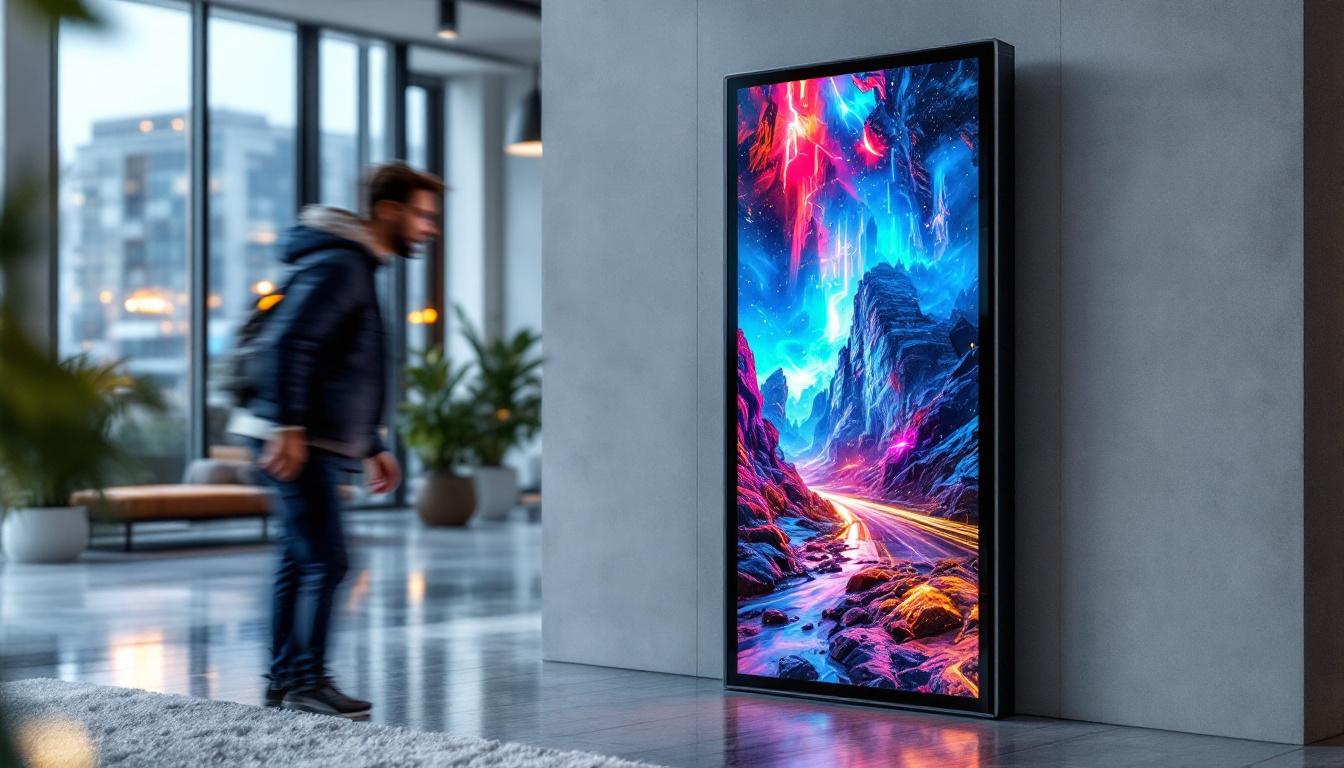
A vertical TV display refers to a screen oriented in portrait mode rather than the traditional landscape orientation. This means the height of the screen is greater than its width, which can be particularly advantageous for certain types of content. Vertical displays are commonly used in advertising, social media content presentation, digital directories, and even in modern home setups where space or aesthetic considerations favor a taller, narrower screen.
Unlike standard horizontal TVs, vertical displays allow content creators and advertisers to design visuals that better fit the natural reading flow of many types of information, such as lists, tall images, and video content optimized for mobile viewing. This orientation aligns well with the increasing consumption of vertical video on platforms like TikTok, Instagram Reels, and YouTube Shorts. The shift towards vertical content consumption is not just a fleeting trend; it reflects a broader change in how audiences engage with media in an increasingly mobile-driven world.
Applications of Vertical Displays
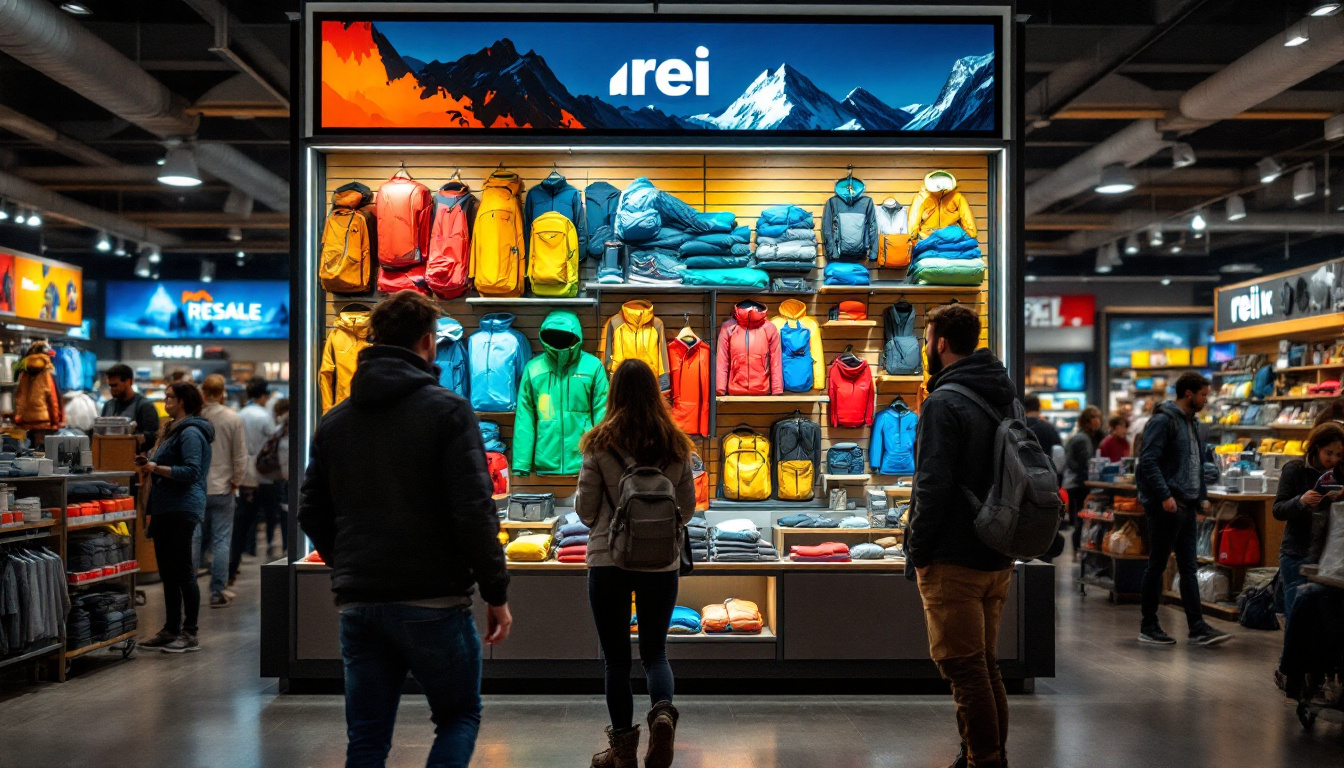
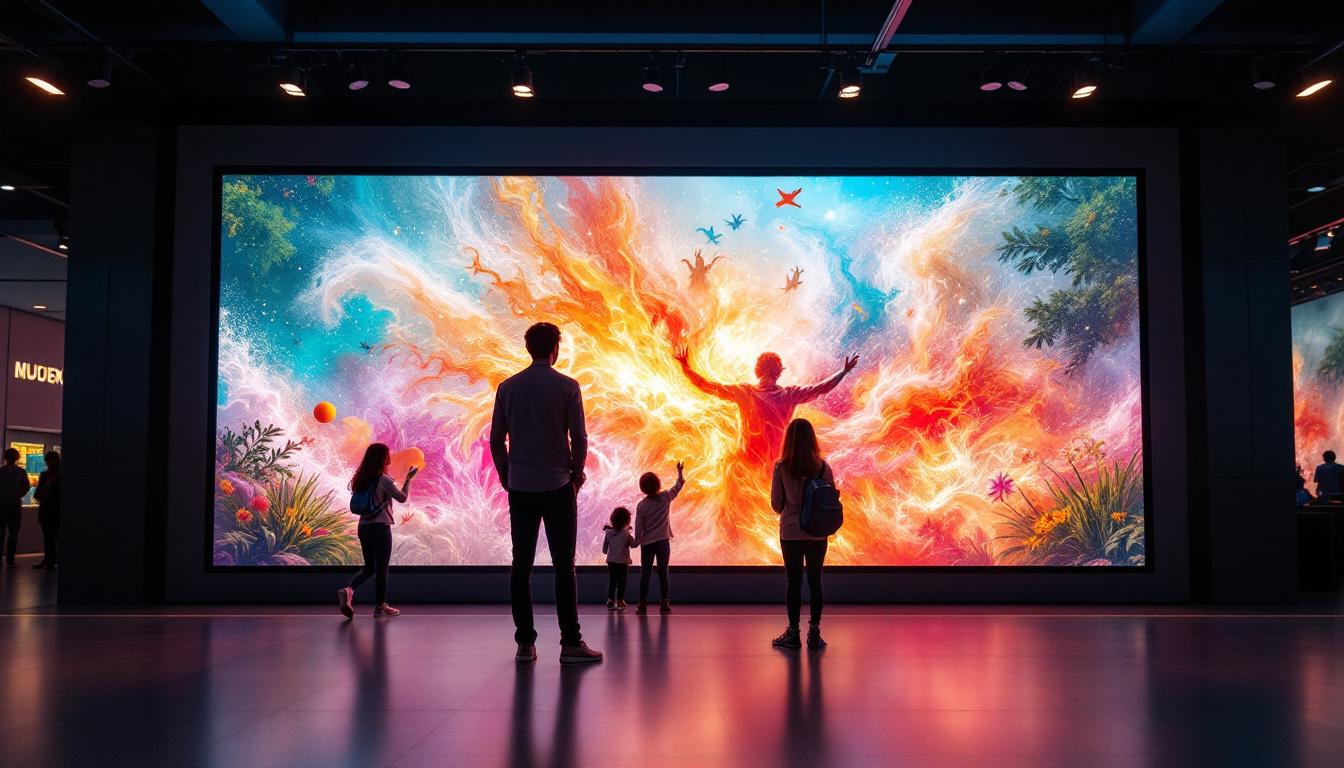
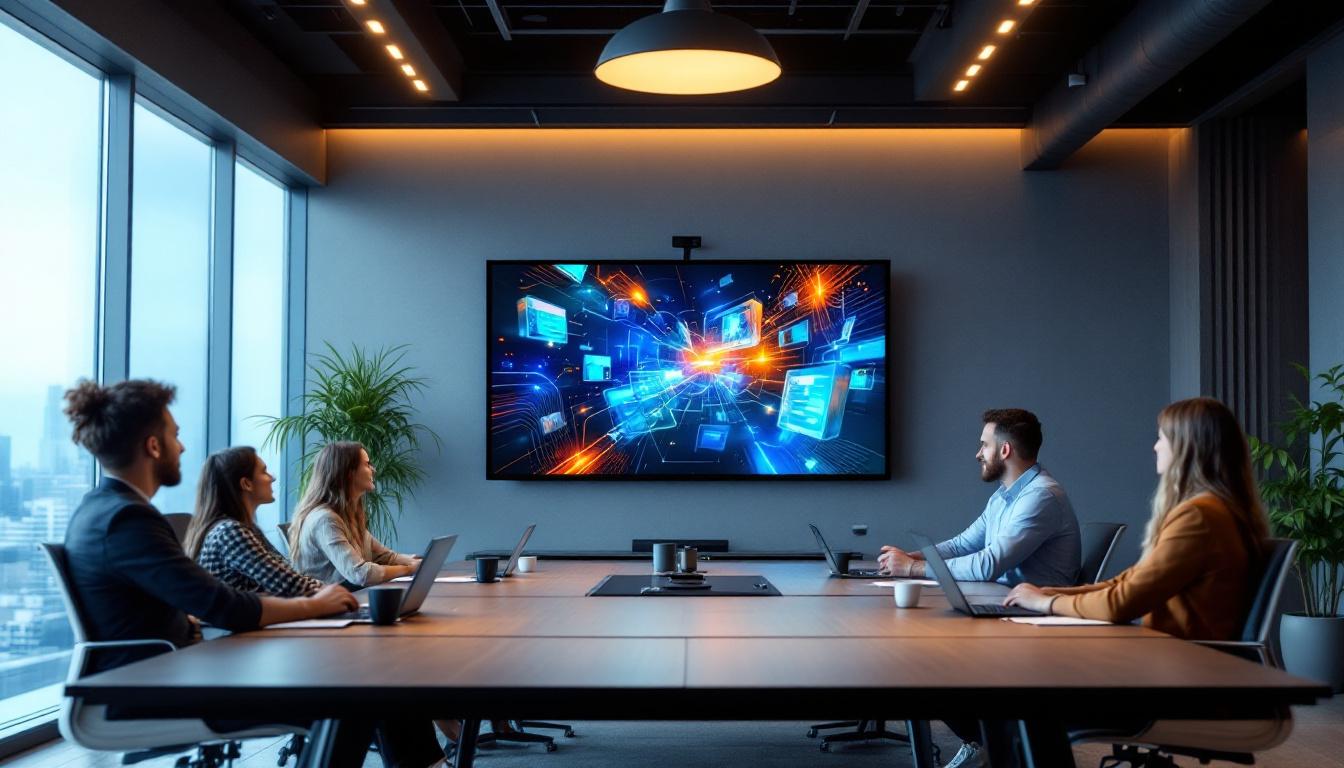
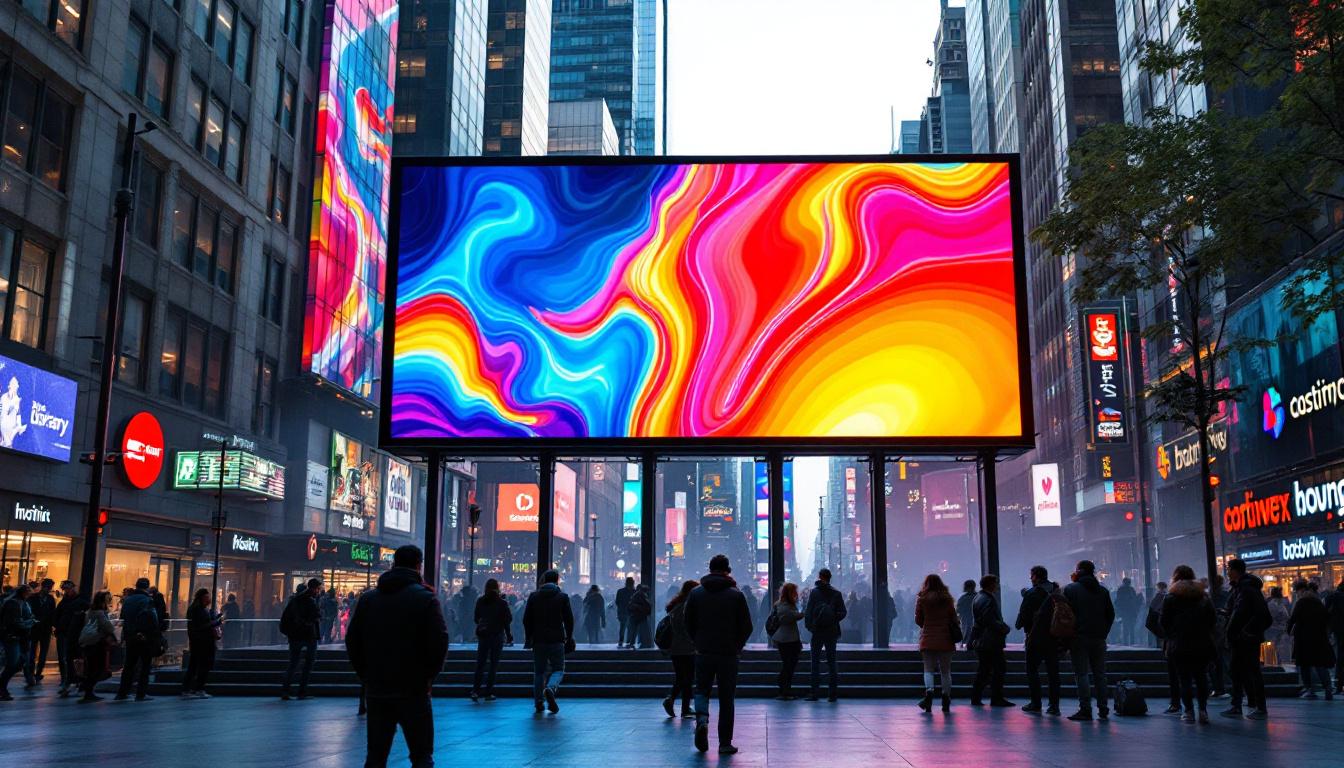
Vertical TV displays are widely used in commercial environments, including retail stores, airports, hotels, and corporate offices. They serve as digital signage for wayfinding, promotions, and interactive kiosks. For example, airports use vertical LED displays to show flight information in a clear, space-efficient manner. Retailers leverage these displays to showcase product advertisements and dynamic content that captures customer attention more effectively than static posters. The ability to rotate content and adapt messaging based on real-time data can significantly enhance customer engagement and drive sales.
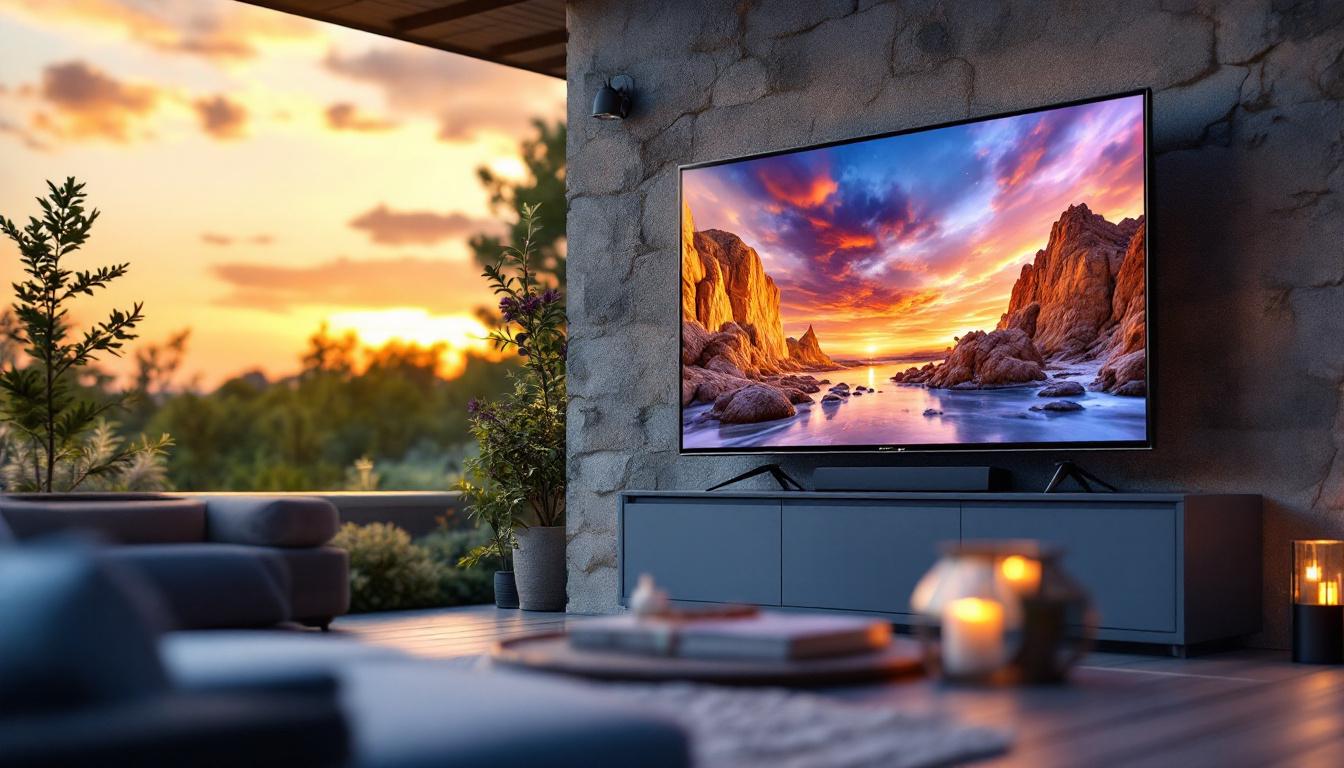
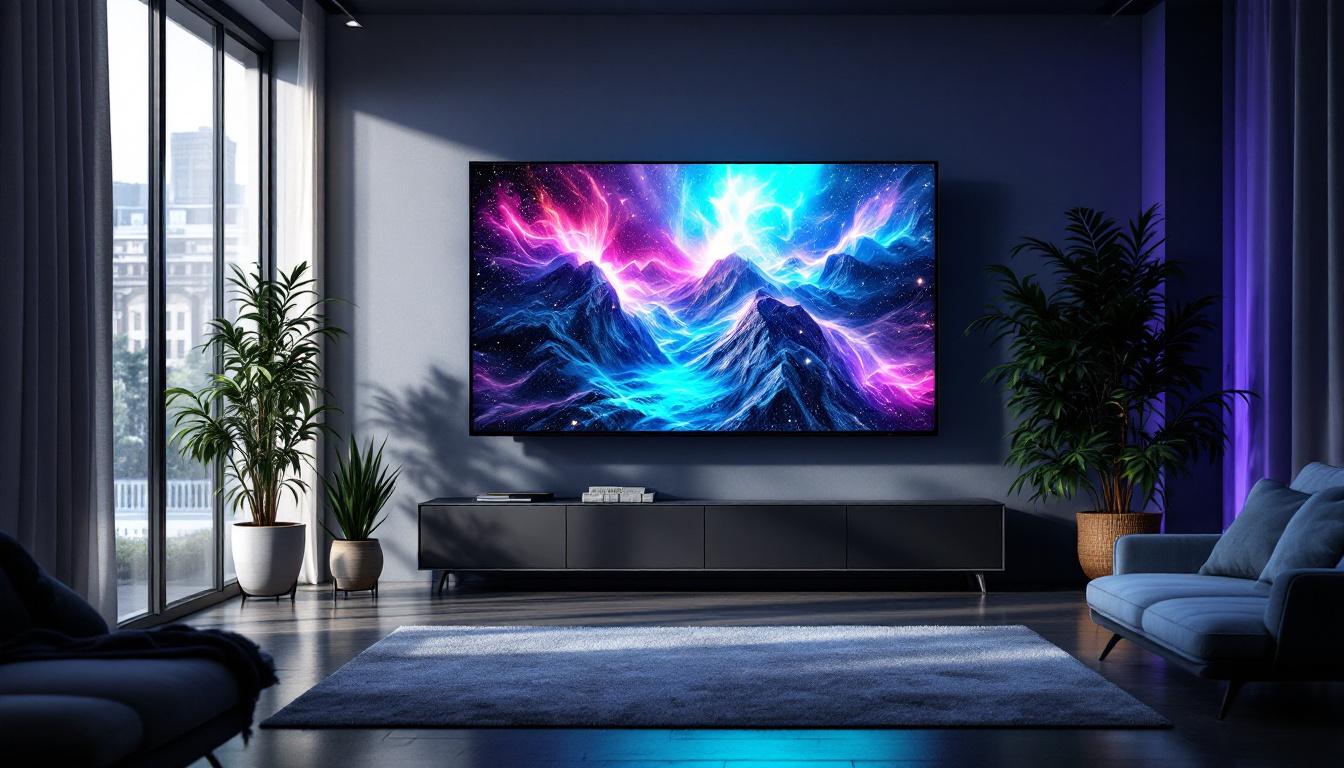
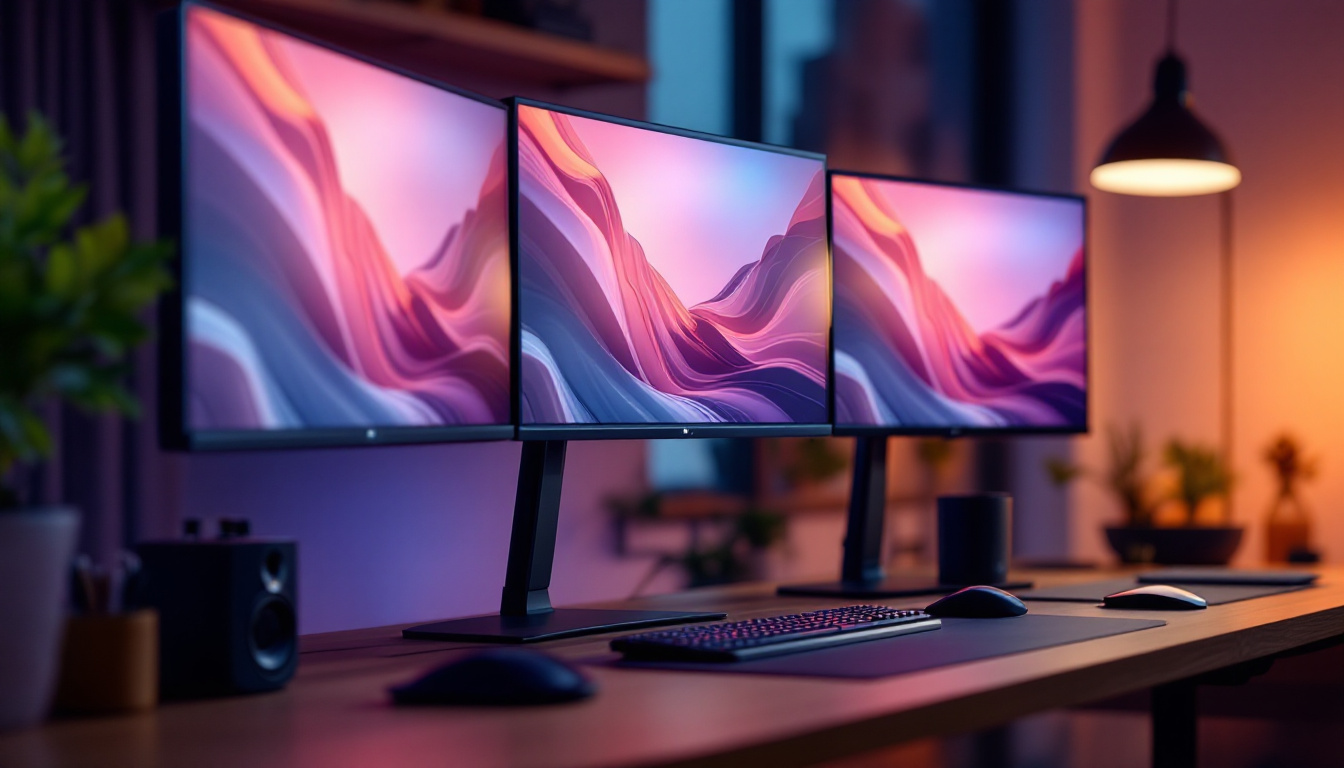
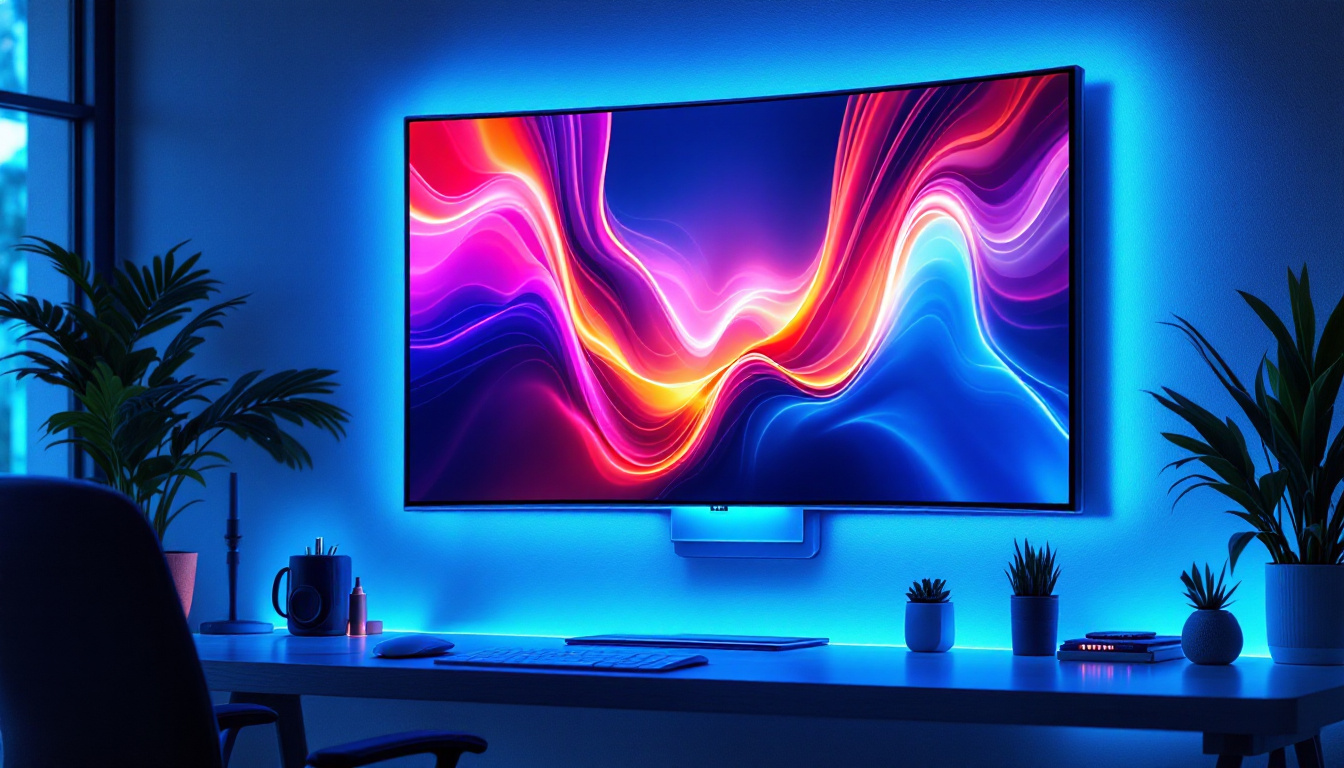
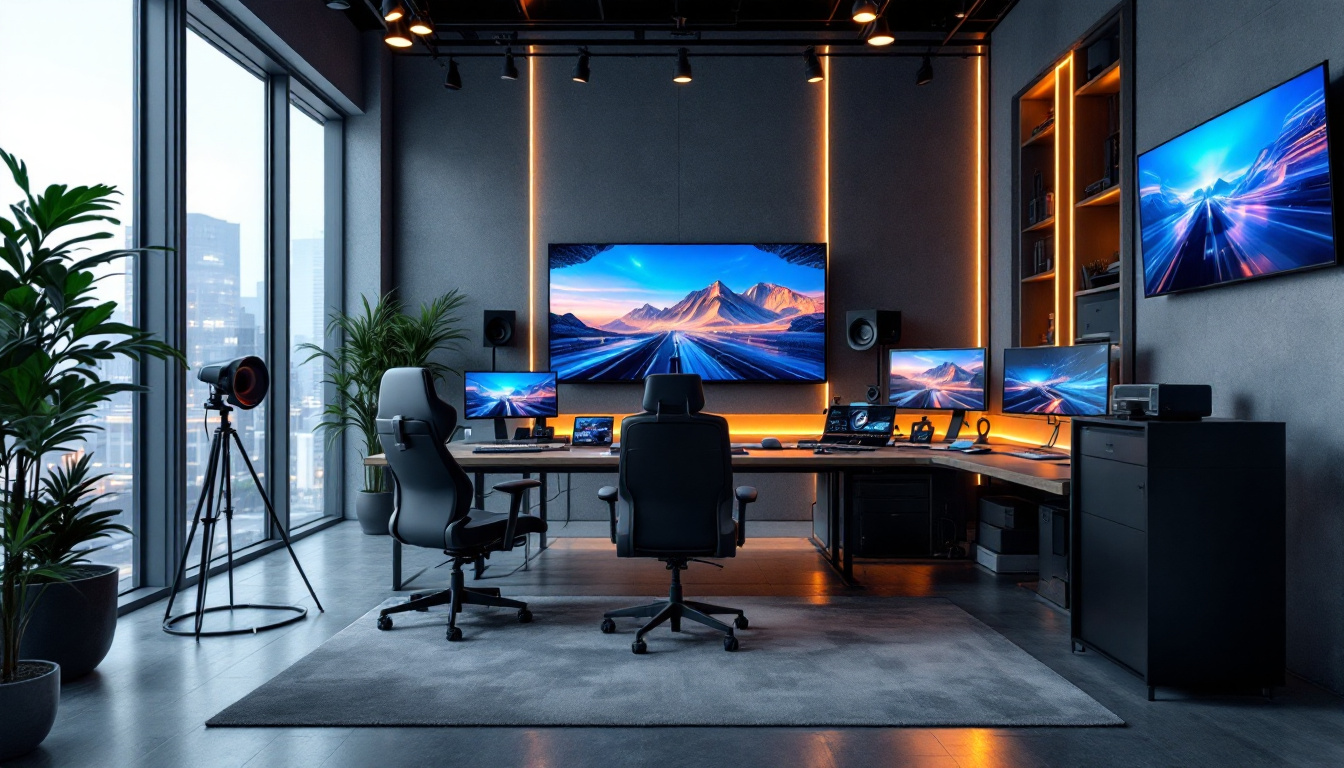
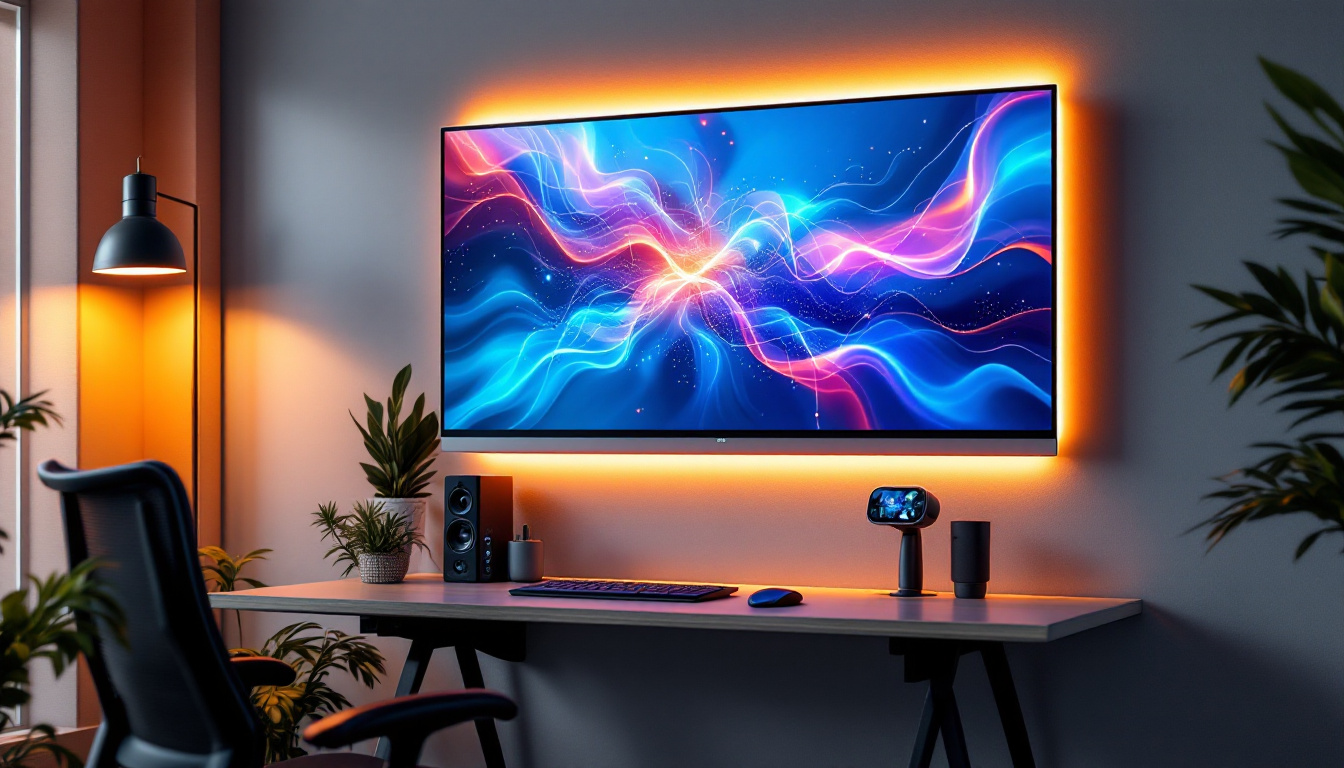
In residential settings, vertical TVs are gaining traction for niche uses such as displaying artwork, social media feeds, or even as secondary monitors for productivity setups. The vertical orientation can enhance the viewing experience for specific content types, making it a versatile addition to modern homes. Furthermore, with the rise of smart home technology, vertical displays can be integrated into home automation systems to serve multiple functions, from showing the weather and calendar events to streaming live video feeds from security cameras. This adaptability not only maximizes the utility of the screen but also contributes to a more streamlined and aesthetically pleasing living space.
The Technology Behind LED Displays
What Is an LED Display?
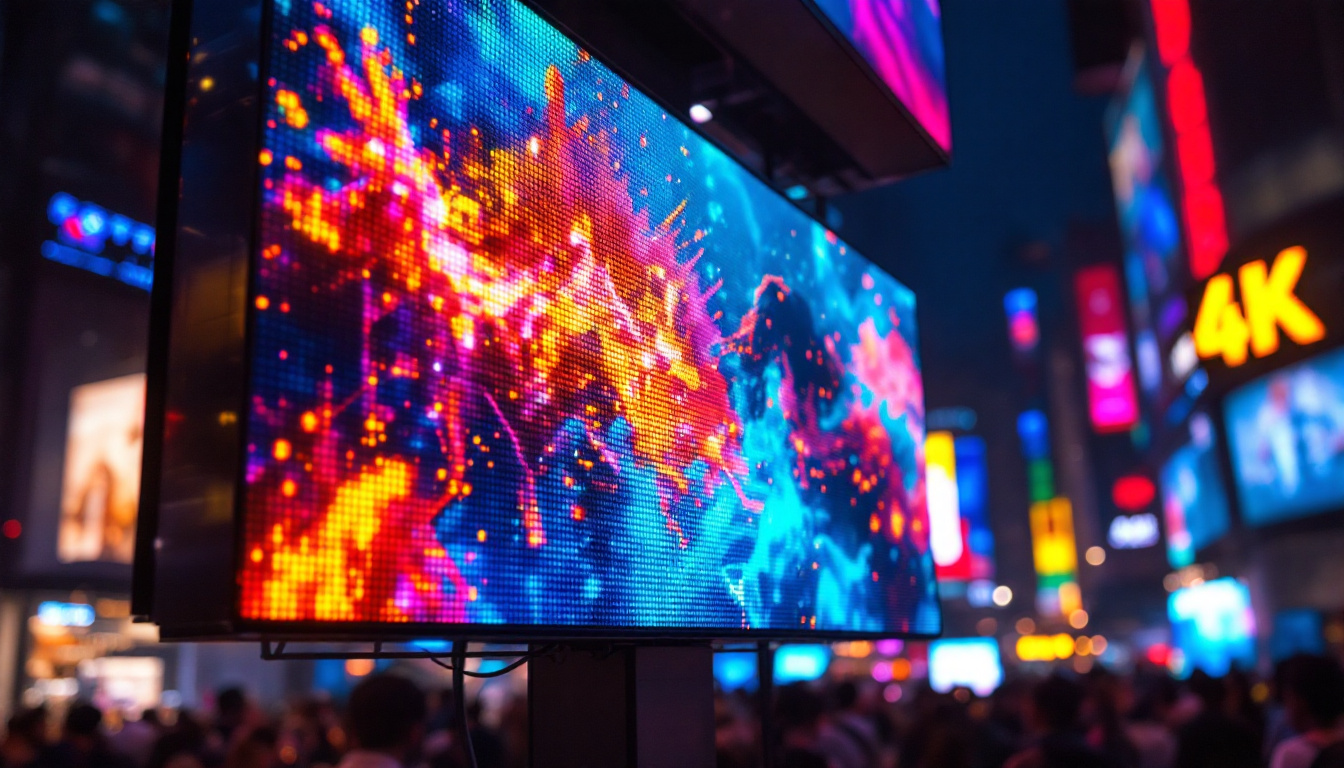
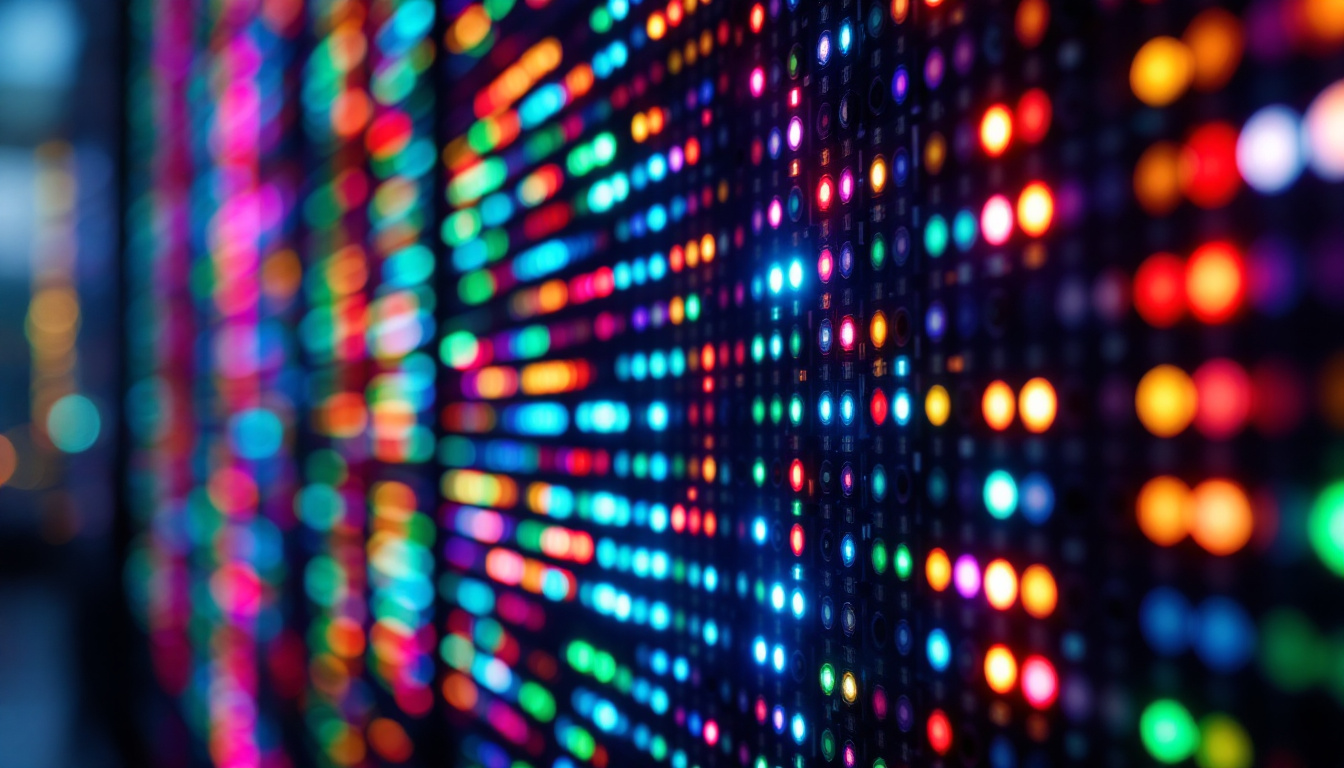
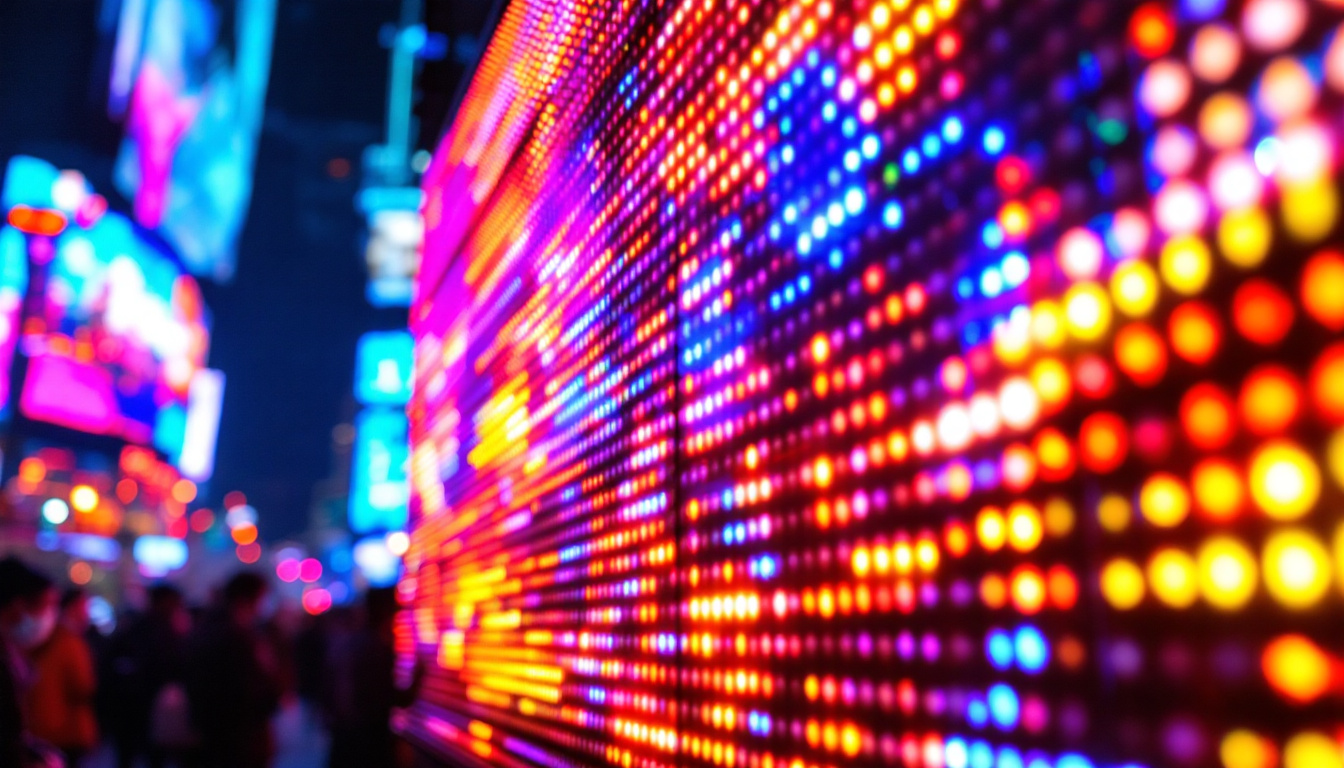
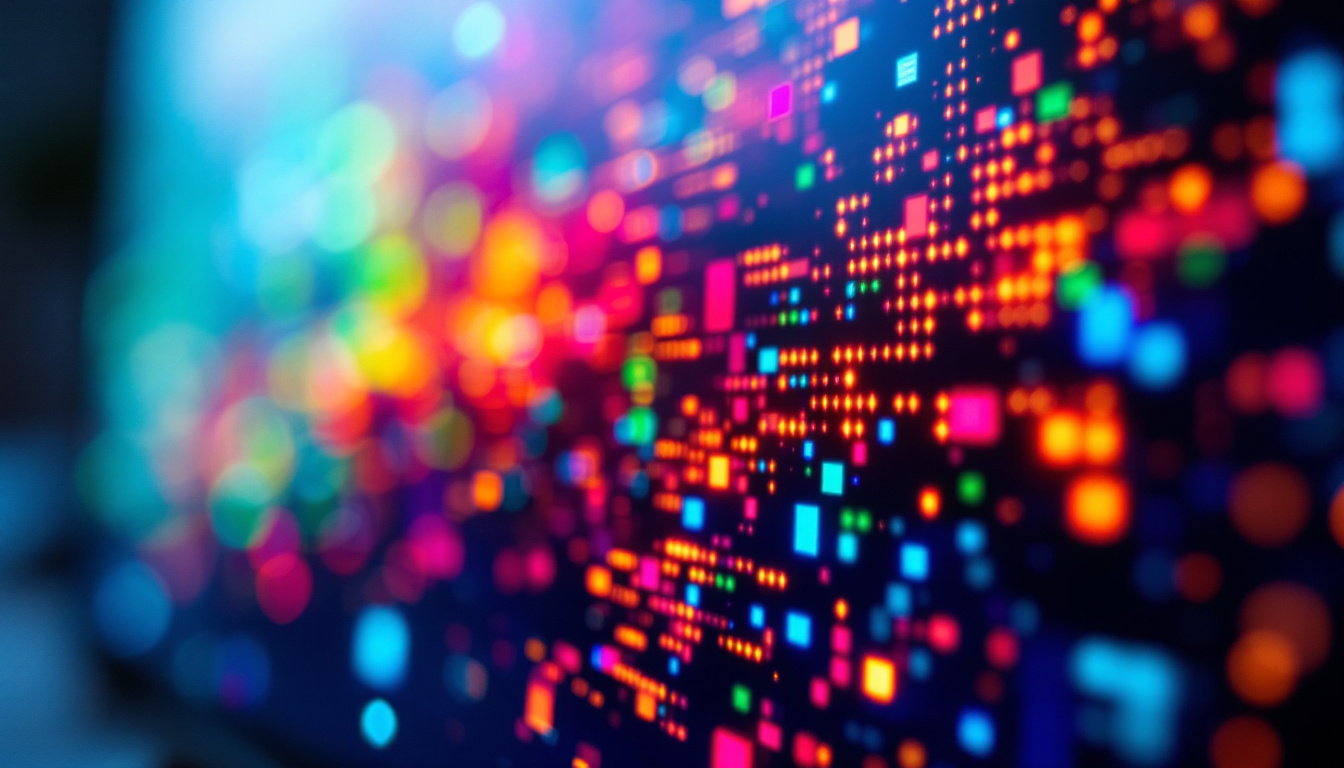
LED stands for Light Emitting Diode, a semiconductor device that emits light when an electric current passes through it. LED displays use an array of these tiny diodes to create images by controlling the brightness and color of each diode. This technology differs from traditional LCD screens, which rely on backlighting, as LEDs themselves are the light source, resulting in higher contrast and better color accuracy. The ability to control each diode individually allows for vibrant colors and deep blacks, enhancing the overall viewing experience.
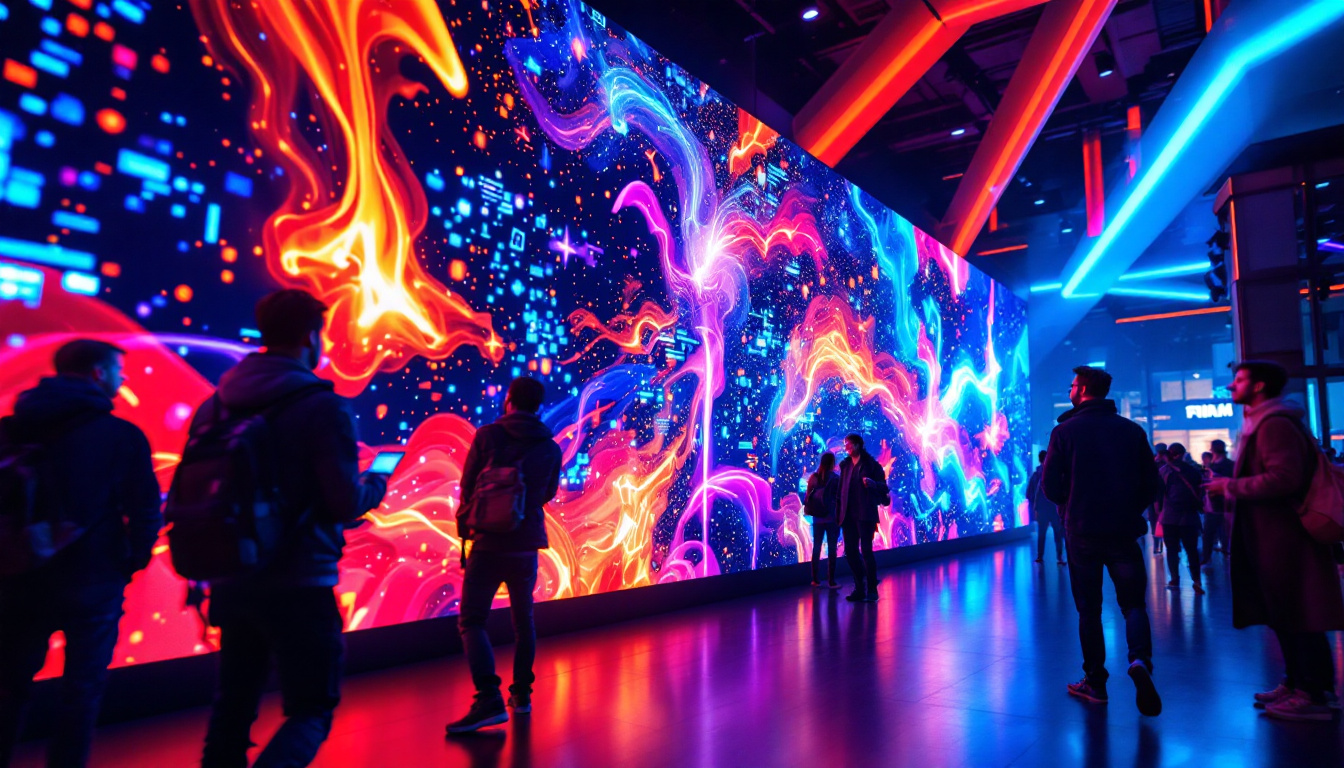
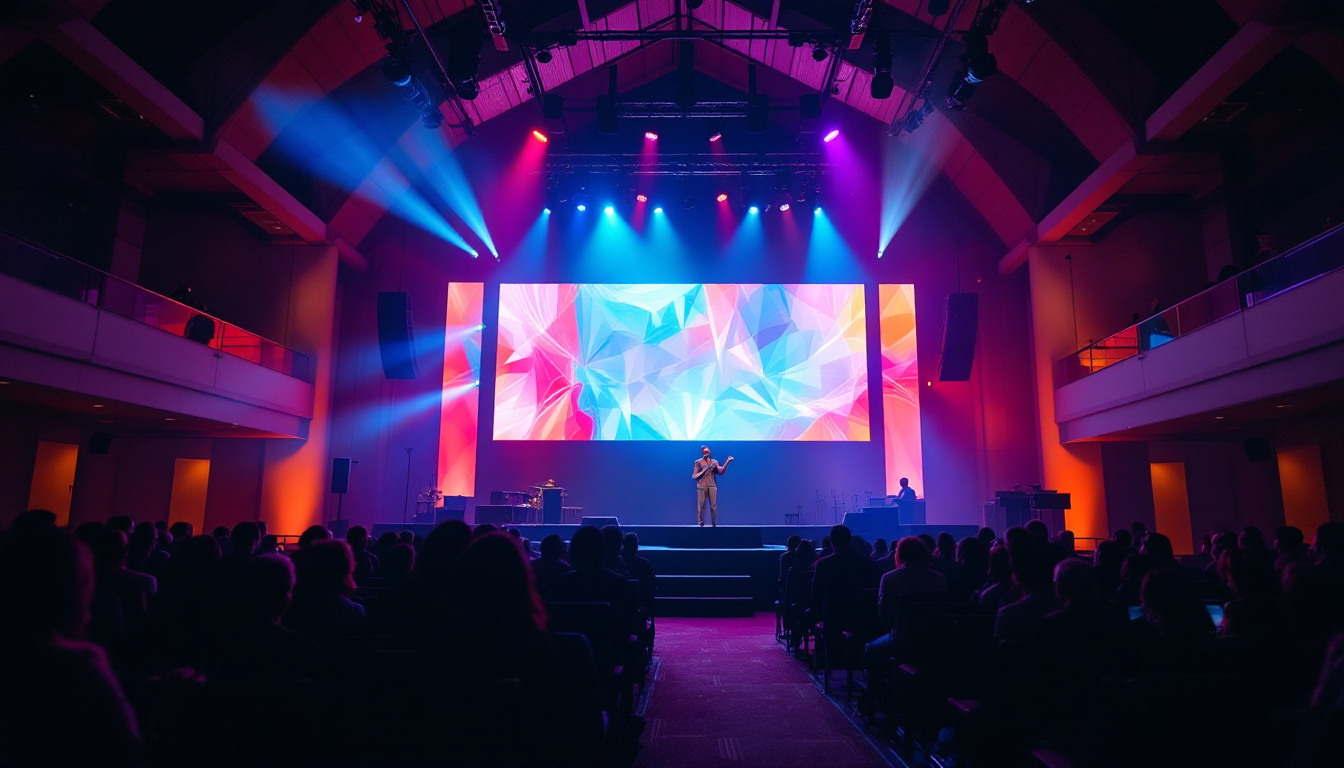
There are two main types of LED displays: direct-view LED and LED-backlit LCD. Direct-view LED displays consist of millions of tiny LEDs forming the screen itself, offering superior brightness and viewing angles. LED-backlit LCDs use LEDs to illuminate an LCD panel, which is common in consumer televisions but does not offer the same level of performance as direct-view LED screens. The direct-view technology is often employed in large-scale applications, such as billboards and stadium displays, where the impact of vivid visuals can be maximized. Furthermore, advancements in pixel pitch technology have allowed for closer viewing distances without sacrificing image quality, making these displays suitable for a variety of settings, from retail environments to high-end home theaters.
Advantages of LED Technology
LED displays are renowned for their brightness, which can exceed 1,000 nits in many models, making them visible even in bright ambient lighting conditions. This is particularly important for outdoor or well-lit indoor environments where traditional screens might struggle. Additionally, LED displays consume less power compared to older technologies like plasma or CCFL-backlit LCDs, making them more energy-efficient and environmentally friendly. The reduced energy consumption not only lowers operational costs but also contributes to a smaller carbon footprint, aligning with global sustainability efforts.
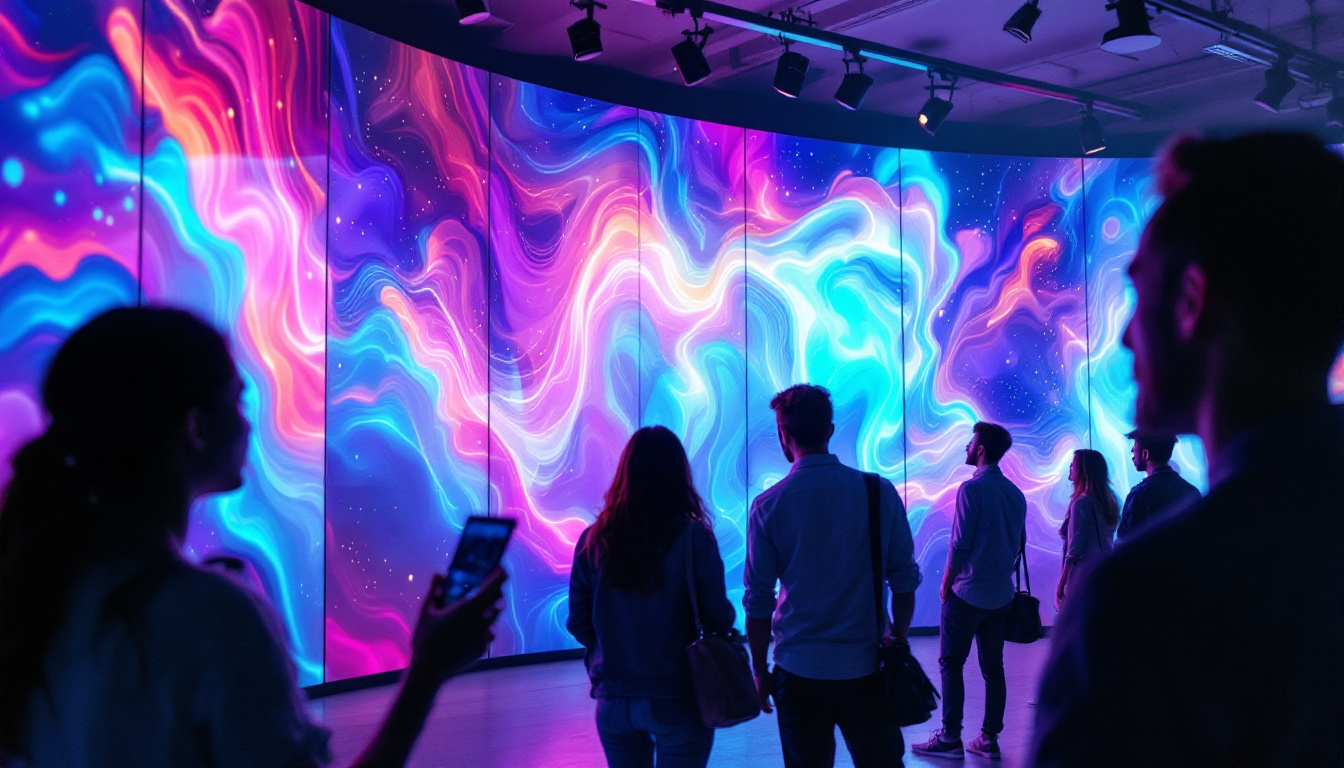
Another key benefit is the longevity of LED displays. High-quality LED panels can last upwards of 100,000 hours, reducing maintenance and replacement costs over time. Their slim design and lightweight nature also allow for flexible installation options, including curved or modular configurations that can be tailored to specific spaces. This adaptability is particularly advantageous for creative installations in art galleries or immersive environments, where the design of the display can enhance the overall aesthetic. Moreover, the rapid advancements in LED technology continue to push the boundaries, with innovations such as microLED and miniLED promising even greater performance and versatility, paving the way for future applications in both consumer and commercial markets.
Why Combine Vertical Orientation with LED Displays?
Optimizing Content Delivery
The combination of vertical orientation and LED technology creates a powerful tool for content delivery. Vertical LED displays provide vibrant, eye-catching visuals that are ideal for capturing attention in busy environments. Their brightness and clarity ensure that messages are delivered effectively, even from a distance or under challenging lighting conditions.
For advertisers, this means the ability to create dynamic campaigns that stand out from traditional print media. The vertical format is particularly suited for social media-style content, which is increasingly designed for mobile, vertical viewing. Brands can leverage this trend by displaying familiar, engaging content that resonates with modern audiences.
Space Efficiency and Design Flexibility
Vertical LED displays require less horizontal space, making them ideal for narrow walls, pillars, or other architectural features where traditional horizontal screens would be impractical. This space efficiency allows businesses to maximize their use of available real estate without compromising on display size or visibility.
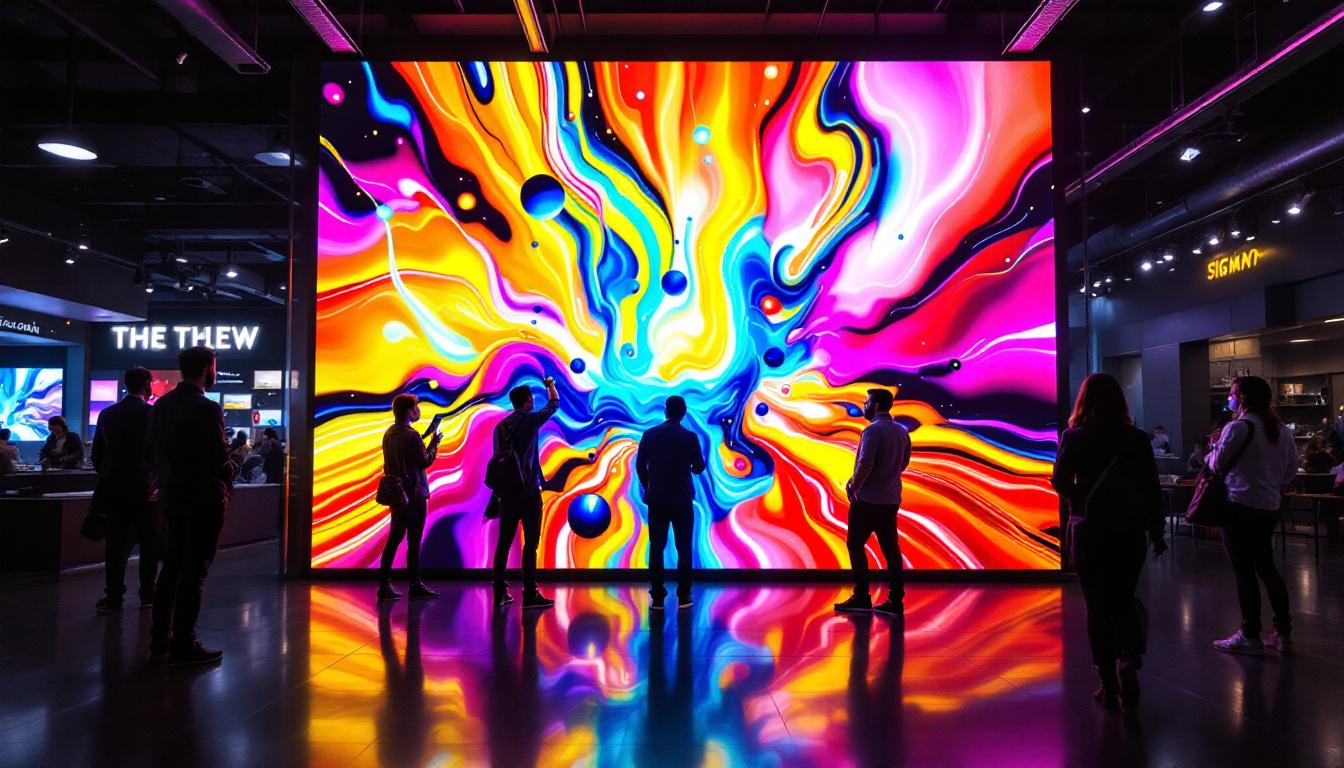
Moreover, LED technology supports modular designs, enabling the creation of custom-sized vertical displays that fit specific dimensions. This flexibility is invaluable in retail and public spaces where unique layouts demand tailored solutions. The ability to seamlessly integrate vertical LED displays into existing environments enhances aesthetic appeal and user engagement.
Key Considerations When Choosing a Vertical LED Display
Resolution and Pixel Pitch
Resolution is a critical factor in determining the quality of an LED display. It refers to the number of pixels in the display, which directly impacts image sharpness and detail. Pixel pitch, the distance between individual LEDs, also plays a significant role. A smaller pixel pitch means higher resolution and better image clarity, especially at close viewing distances.
For vertical displays intended for indoor use, such as retail or corporate signage, a pixel pitch of 1.2mm to 2.5mm is common, providing crisp images and text. Outdoor vertical LED displays, which are viewed from greater distances, can have larger pixel pitches, such as 4mm to 10mm, balancing visibility and cost.
Brightness and Contrast Ratio
Brightness levels must be tailored to the installation environment. Indoor vertical LED displays typically require brightness levels between 800 and 1,500 nits, while outdoor displays often exceed 5,000 nits to combat direct sunlight glare. High contrast ratios enhance the depth and vibrancy of images, making content more engaging and easier to read.
Durability and Weather Resistance
For outdoor vertical LED displays, durability is paramount. These displays must withstand exposure to rain, dust, temperature fluctuations, and UV radiation. Look for displays with an IP65 rating or higher, indicating strong protection against water and dust ingress. Additionally, robust casing and cooling systems help maintain performance and longevity in harsh conditions.
Connectivity and Content Management
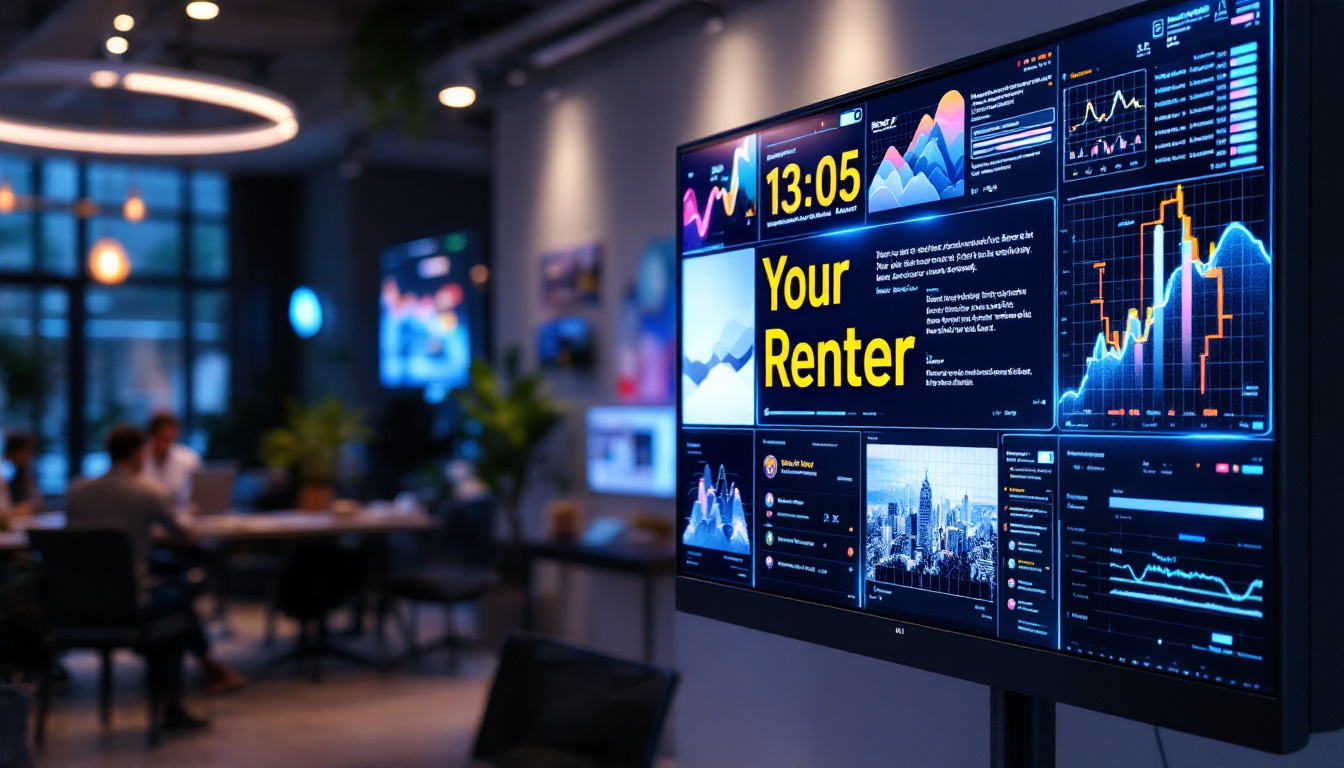
Modern LED displays often come equipped with advanced connectivity options, including Wi-Fi, Ethernet, and USB ports, enabling seamless content updates and remote management. Content management systems (CMS) allow users to schedule, customize, and monitor display content efficiently, which is essential for businesses running multiple screens or complex campaigns.
Future Trends in Vertical LED Displays
Integration with Interactive Technologies
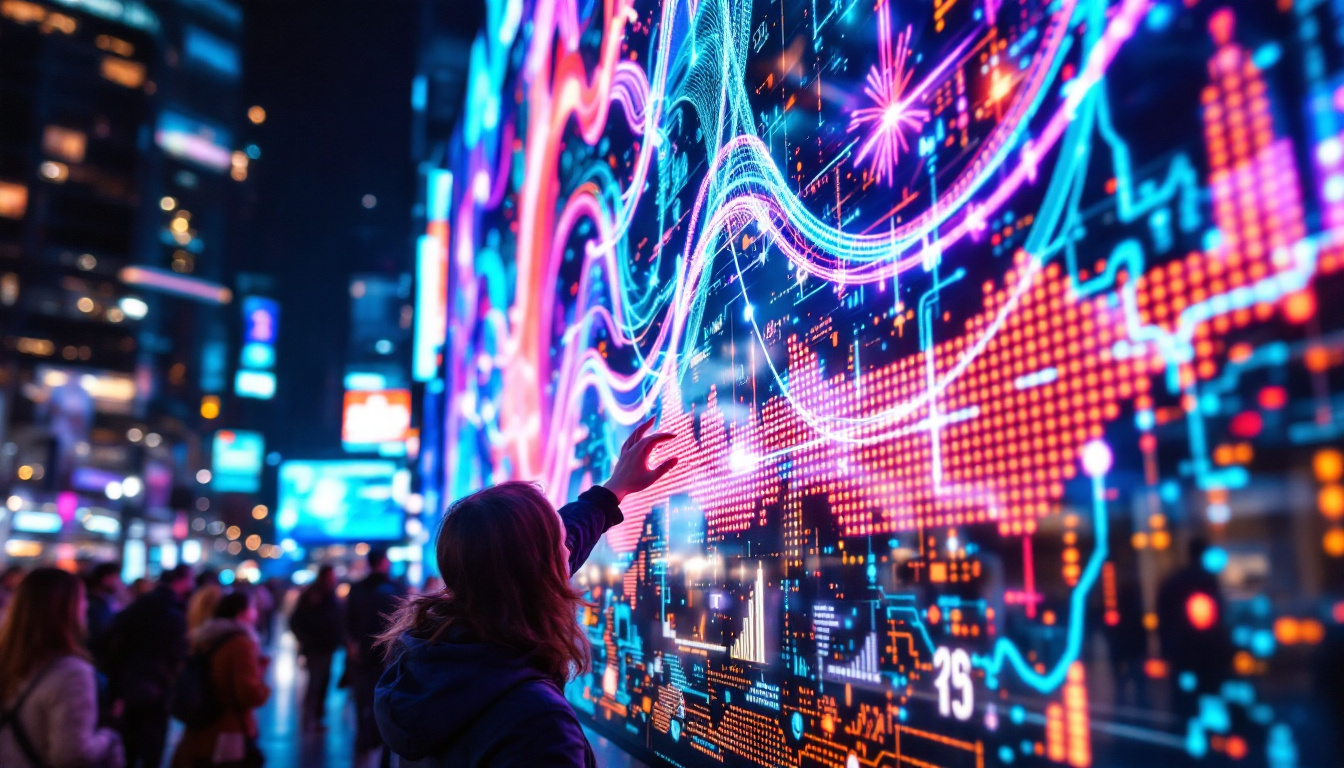
The future of vertical LED displays is closely tied to interactivity. Touchscreen capabilities and sensor integration are becoming more common, transforming static displays into engaging, interactive experiences. This evolution enables users to access information, navigate menus, or participate in promotions directly through the display, enhancing customer engagement and satisfaction.
Advancements in MicroLED Technology
MicroLED technology, an emerging advancement in LED displays, promises even higher brightness, better energy efficiency, and improved color accuracy. Unlike traditional LEDs, microLEDs are smaller and can be packed more densely, allowing for ultra-high-resolution displays with exceptional image quality. As production costs decrease, microLED vertical displays may become mainstream, offering unprecedented visual experiences.
AI-Driven Content Personalization
Artificial intelligence is set to revolutionize digital signage by enabling real-time content personalization based on audience demographics, behavior, and environmental factors. Vertical LED displays equipped with AI can dynamically adjust content to maximize relevance and impact, creating more meaningful interactions between brands and consumers.
Conclusion
Vertical TV displays combined with LED technology represent a versatile and powerful solution for modern digital signage and entertainment needs. Their ability to deliver bright, vivid images in a space-efficient format makes them ideal for a wide range of applications, from advertising and information dissemination to creative home setups.
Understanding the technical aspects, such as resolution, brightness, and durability, is crucial for selecting the right vertical LED display for any environment. As technology advances, these displays will become even more interactive, personalized, and visually stunning, solidifying their place in the future of digital media.
For businesses and consumers alike, investing in vertical LED displays offers a forward-looking approach to communication and content presentation that aligns with contemporary viewing habits and technological trends.
Discover LumenMatrix’s Innovative LED Solutions
Ready to elevate your space with the latest in LED technology? Look no further than LumenMatrix, a pioneer in crafting LED displays that bring your content to life. Whether you need an Indoor LED Wall Display for your retail space, an Outdoor LED Wall Display for impactful advertising, a dynamic Vehicle LED Display, or any of our other specialized solutions like LED Sports Displays and Custom LED Displays, LumenMatrix has you covered. Embrace the future of visual communication with our All-in-One and Transparent LED Displays, designed to captivate and engage your audience. Check out LumenMatrix LED Display Solutions today and transform your message into an unforgettable visual experience.