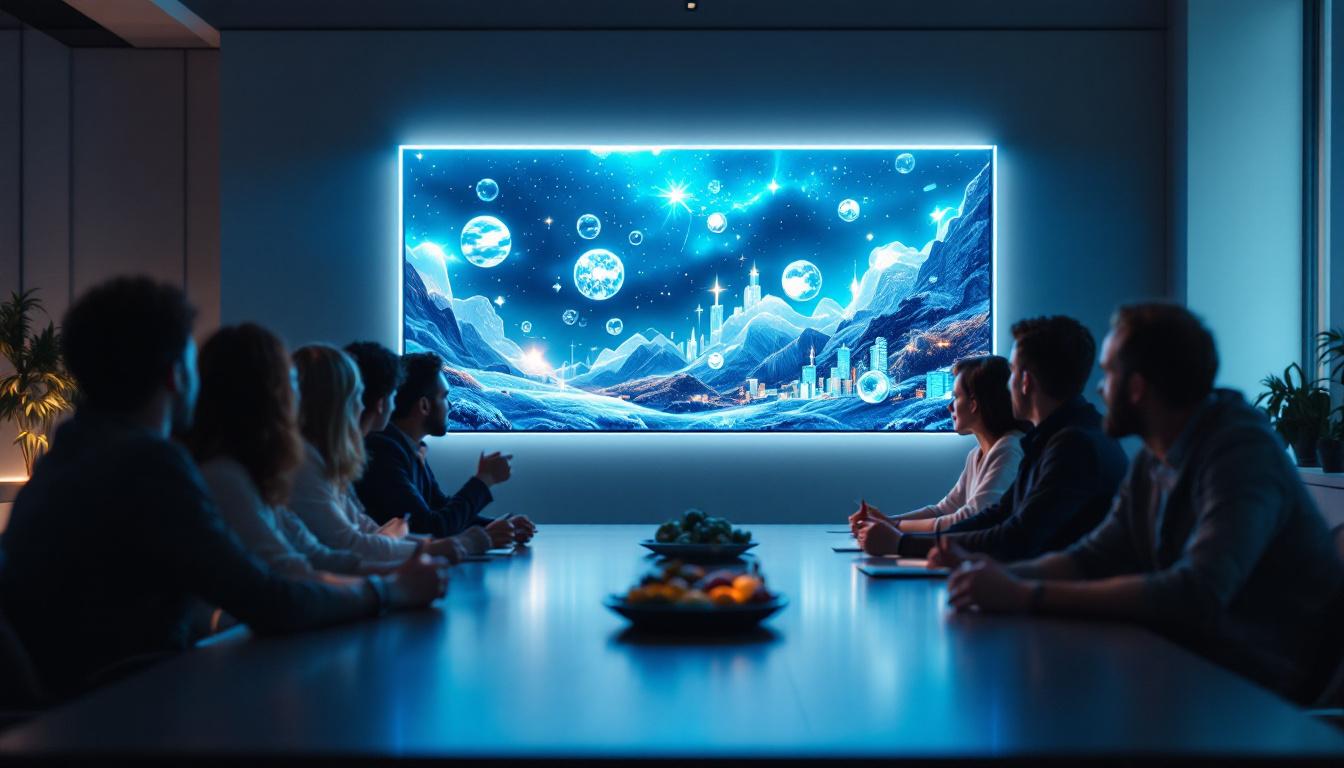
In today’s fast-paced corporate environment, the way information is presented during meetings can significantly impact communication effectiveness and decision-making. Conference rooms have evolved from simple meeting spaces to high-tech hubs designed to facilitate collaboration and engagement. One of the most transformative technologies in this evolution is the LED display. This article explores the role of LED displays in conference room setups, explaining their benefits, types, installation considerations, and how they compare to other display technologies.
The Rise of LED Displays in Conference Rooms
LED (Light Emitting Diode) technology has rapidly gained traction in professional settings, especially in conference rooms. According to a 2023 report by MarketsandMarkets, the global LED display market is projected to grow at a compound annual growth rate (CAGR) of 11.2% from 2023 to 2028, driven largely by demand in corporate and educational sectors.
This surge is not surprising given the advantages LED displays offer over traditional LCD or projector setups. Businesses increasingly rely on dynamic, high-resolution visuals to convey complex data, present multimedia content, and foster interactive discussions. LED displays provide a versatile solution that meets these needs with superior brightness, color accuracy, and scalability.
Why LED Displays Are Ideal for Conference Rooms
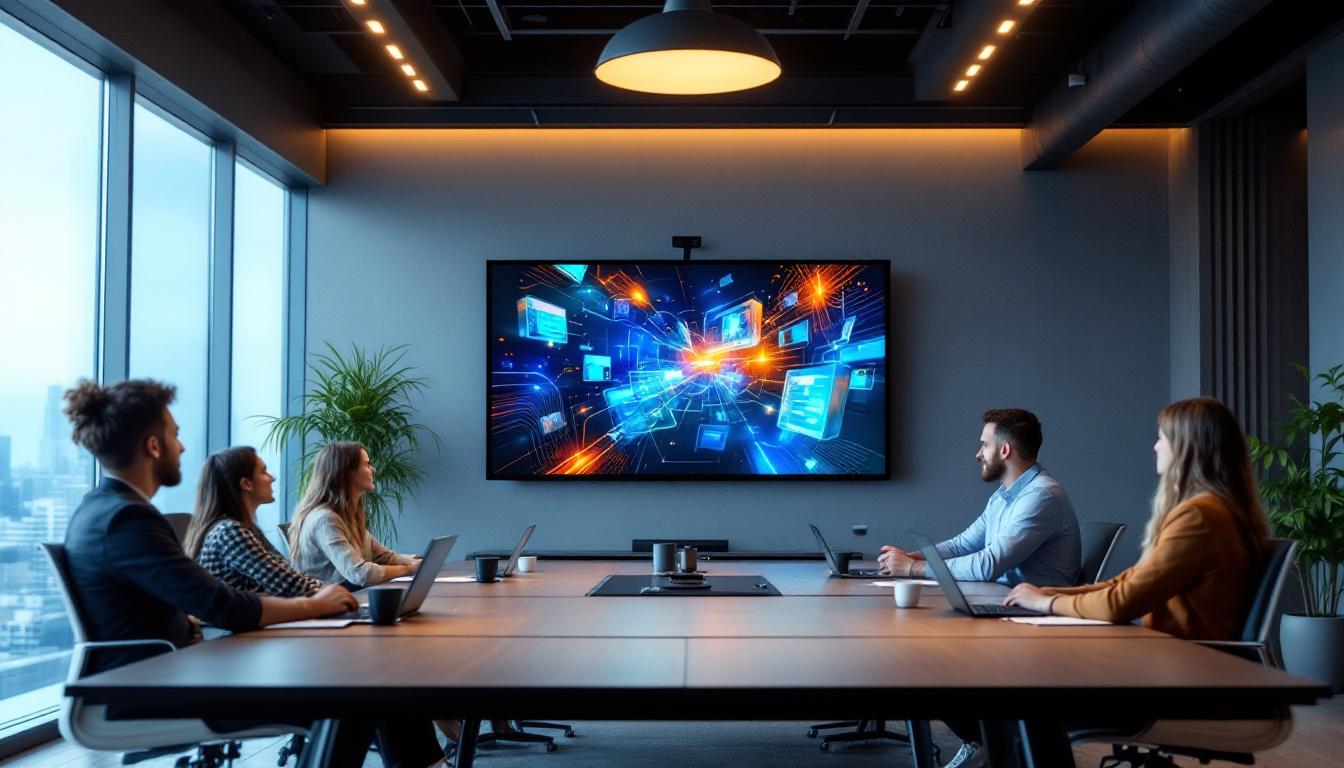
Conference rooms often face challenges such as varying lighting conditions, diverse audience sizes, and the need for clear visibility from multiple angles. LED displays address these challenges effectively. Their high brightness ensures visibility even in well-lit rooms, eliminating the need to dim lights during presentations. Additionally, the wide viewing angles of LED panels mean everyone in the room has an unobstructed view, which is crucial for engagement and comprehension.
Another key advantage is the modular nature of LED displays. Unlike fixed-size TVs or projectors, LED walls can be customized to fit any room size or shape. This flexibility allows companies to create immersive environments tailored to their specific meeting styles and spatial constraints.
Types of LED Displays Used in Conference Rooms
Understanding the different types of LED displays is essential for selecting the right setup. The two primary categories are direct-view LED walls and LED-backlit LCD screens. Each has unique characteristics that suit different conference room needs.
Direct-View LED Walls
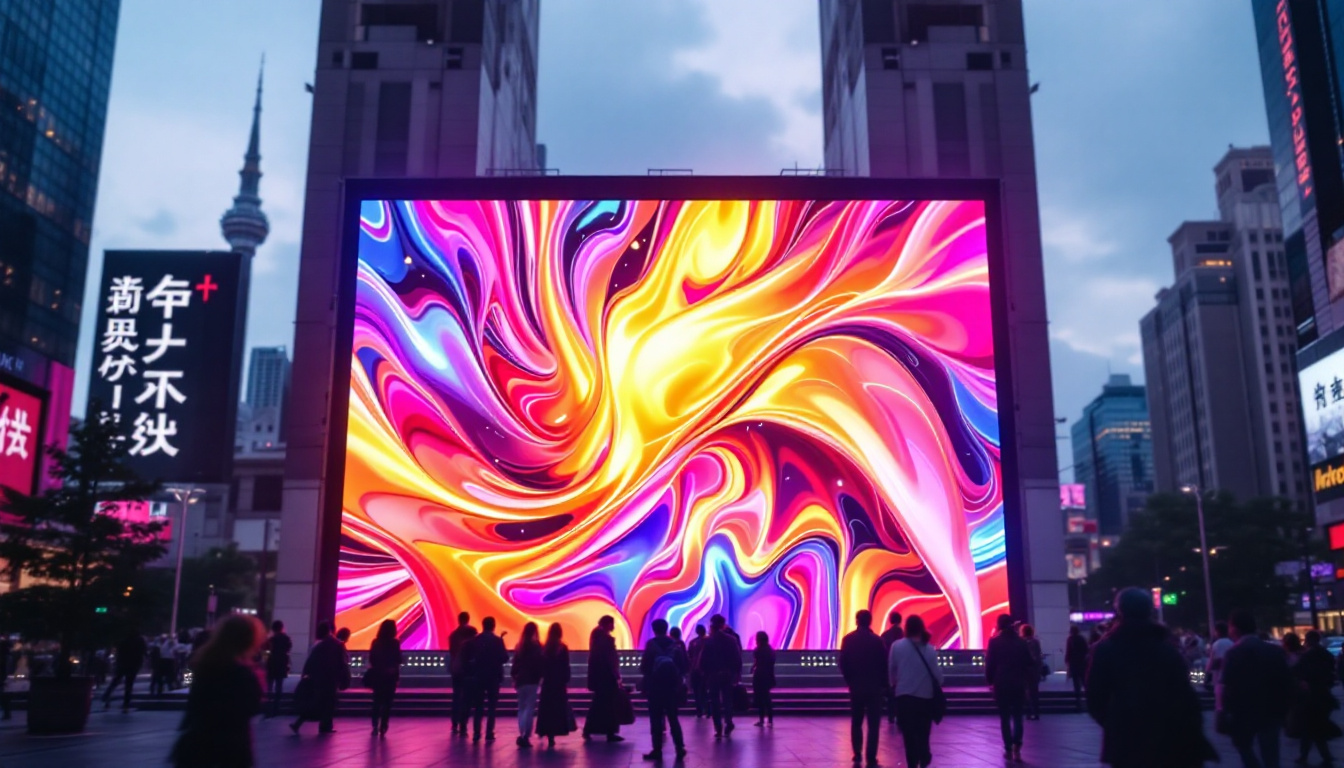
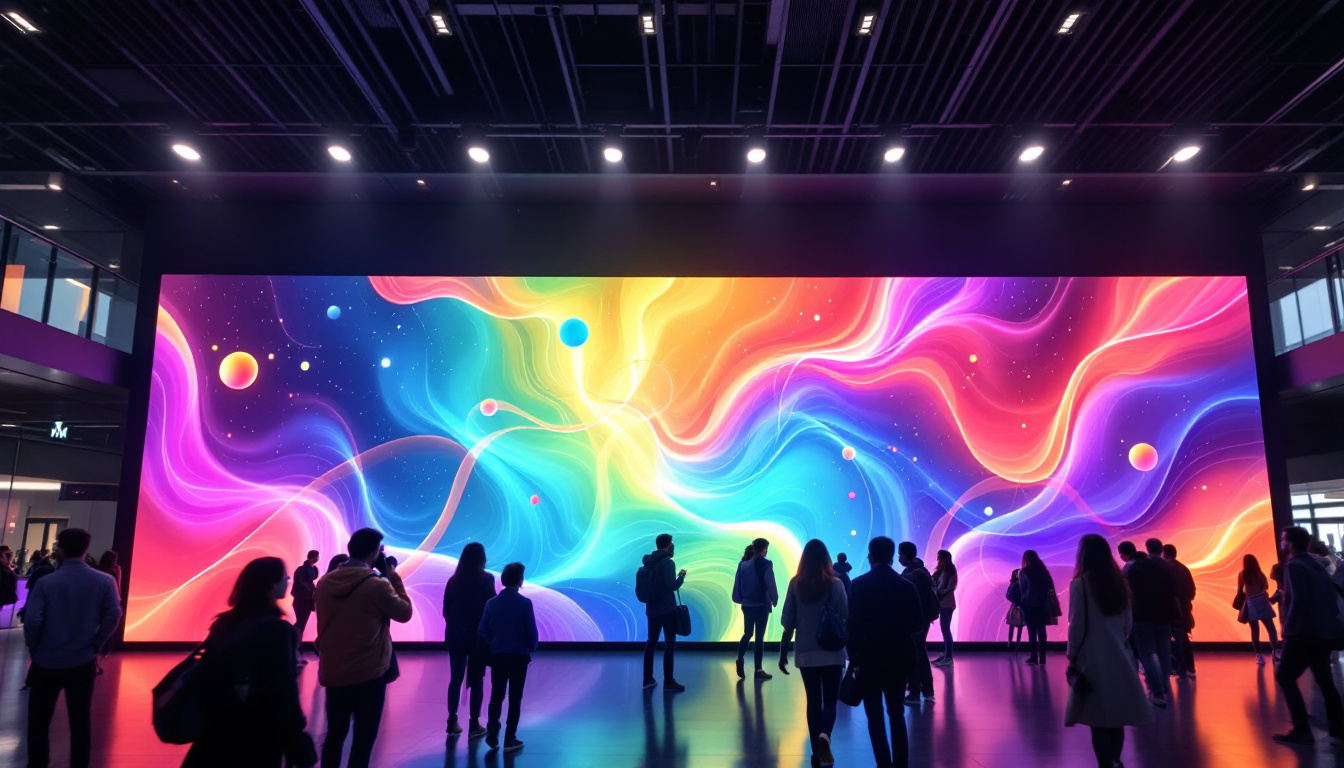
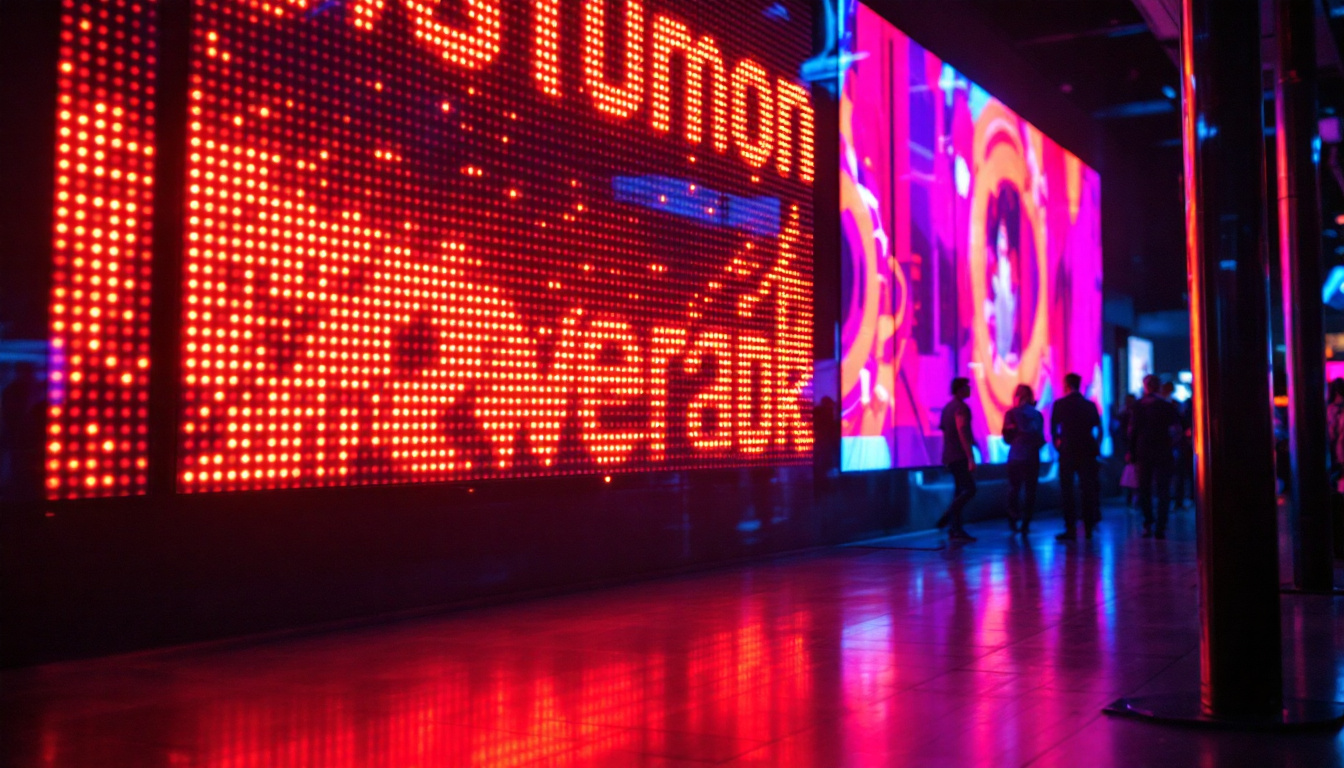
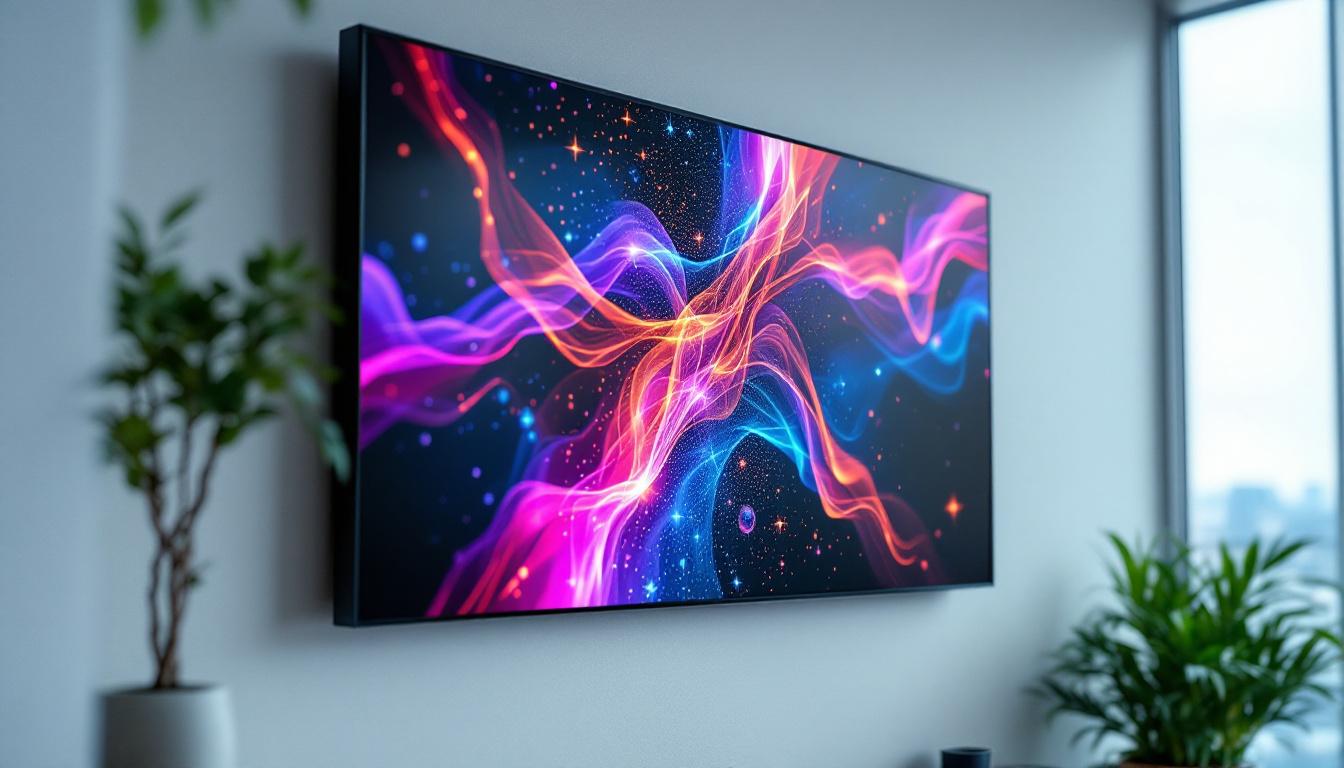
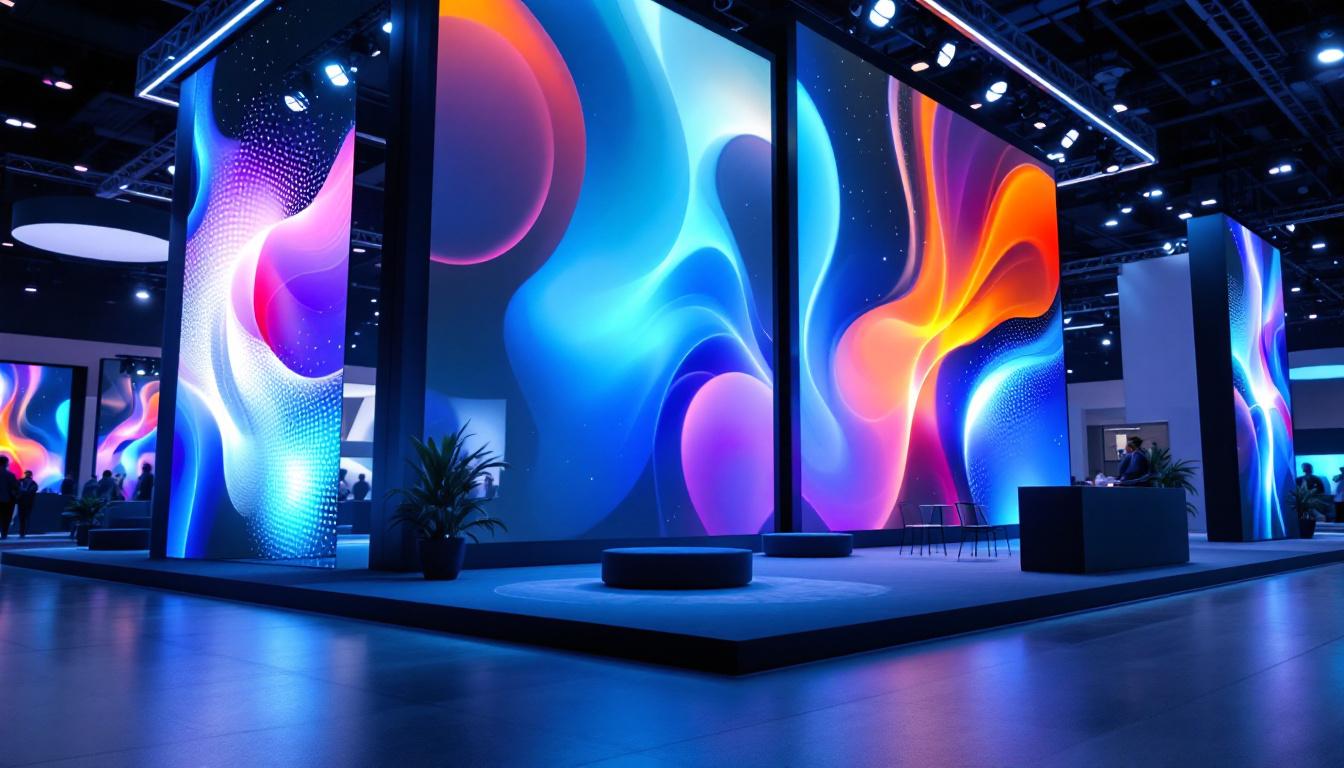
Direct-view LED walls consist of numerous small LED modules assembled to form a large, seamless display surface. These walls offer exceptional brightness and color uniformity, making them ideal for large conference rooms or auditoriums. The pixel pitch—the distance between individual LEDs—determines the resolution and viewing distance. For conference rooms, a pixel pitch between 1.2mm and 2.5mm is common, balancing clarity with cost.
One of the standout features of direct-view LED walls is their durability and long lifespan, often exceeding 100,000 hours of use. They also support high refresh rates, which is beneficial for video playback and real-time data visualization.
LED-Backlit LCD Displays
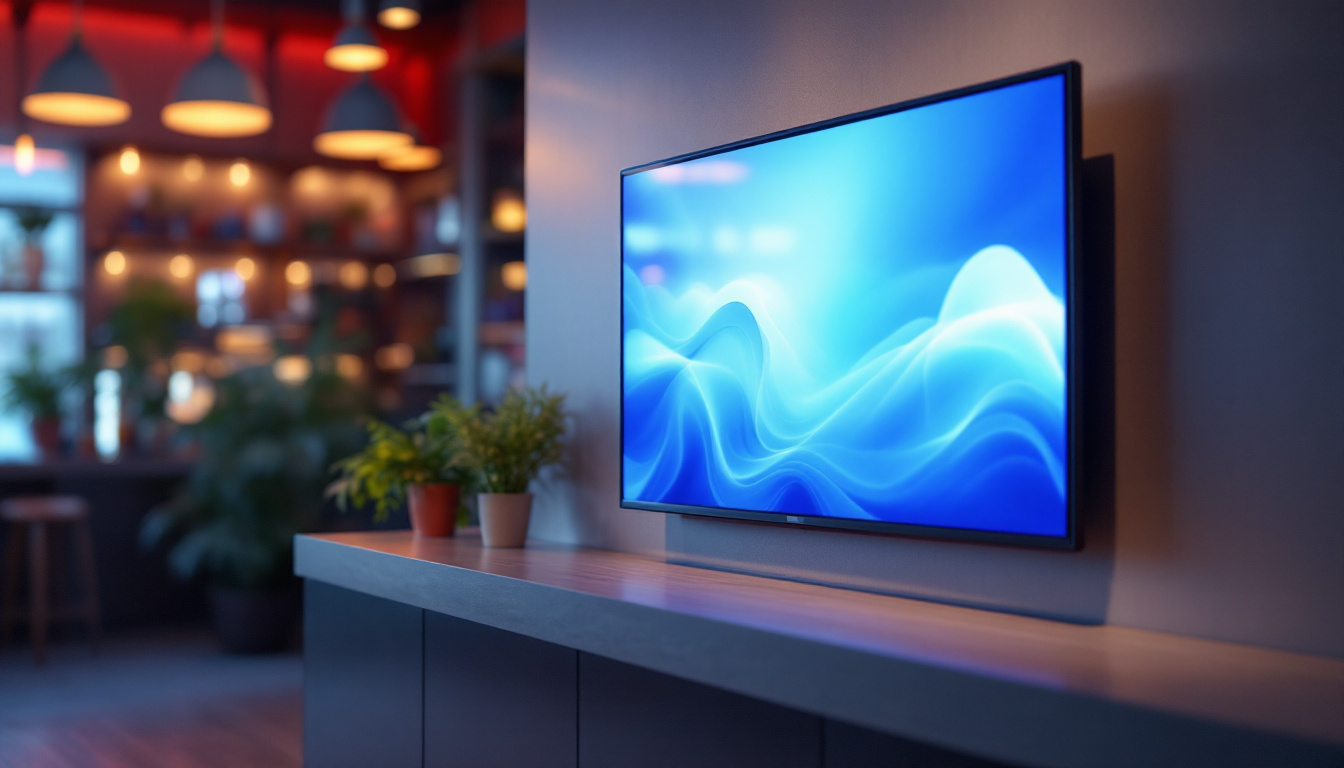
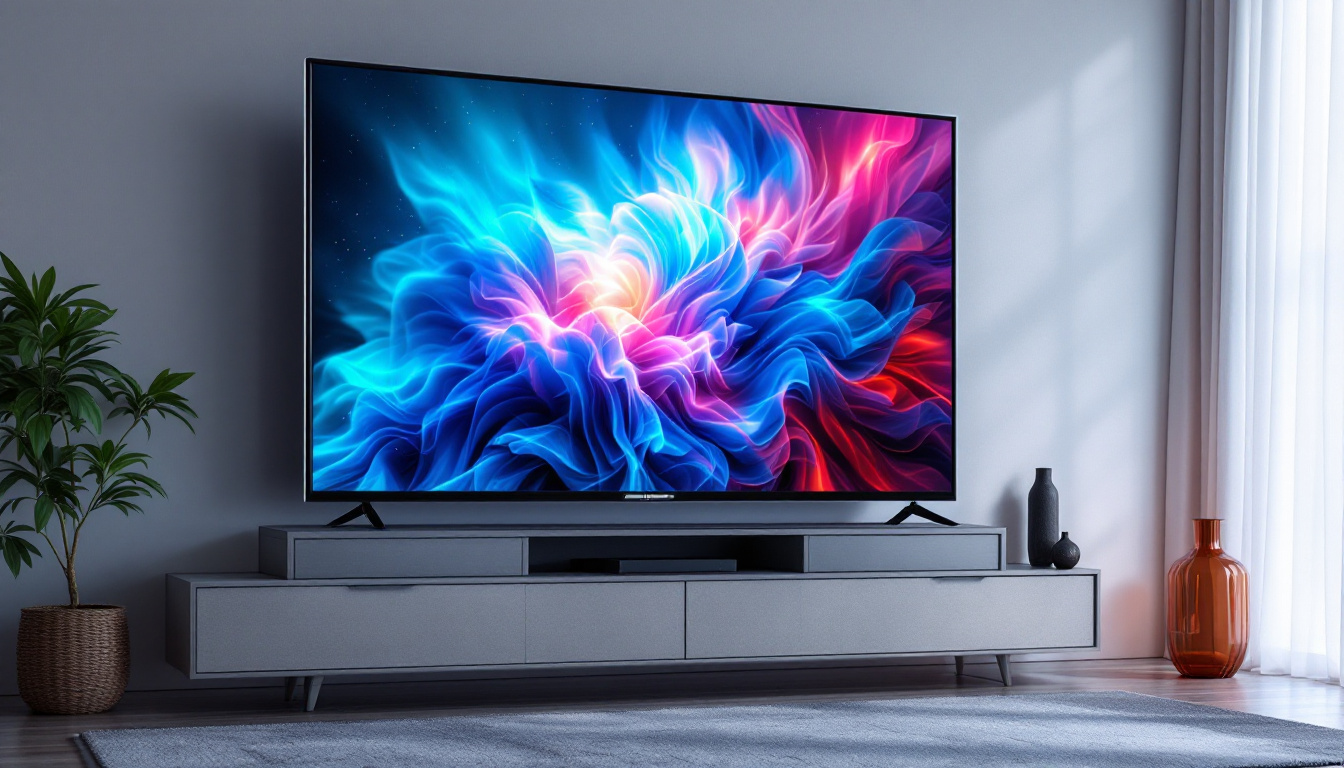
LED-backlit LCD screens use LEDs as a backlight source behind an LCD panel. These displays are typically found in smaller conference rooms or huddle spaces. While they do not match the brightness or seamless scalability of direct-view LED walls, they offer excellent image quality and are more cost-effective for smaller setups.
These displays come in standard sizes ranging from 32 inches to 98 inches and are widely available with 4K resolution. They are easier to install and maintain, making them a popular choice for companies seeking a straightforward upgrade from traditional LCD monitors.
Key Benefits of LED Displays in Conference Rooms
Investing in LED display technology can transform the conference room experience. Here are some of the most compelling benefits that businesses gain by integrating LED displays into their meeting spaces.
Enhanced Visual Clarity and Engagement
LED displays deliver vibrant colors, deep contrast, and sharp images that make presentations more engaging. Studies show that visually appealing content can increase information retention by up to 42%. This means meetings are not only more productive but also more memorable for participants.
Moreover, the ability to display high-definition video and detailed graphics supports diverse presentation formats, from financial dashboards to product demos, ensuring that all attendees can follow along effortlessly.
Improved Collaboration and Interactivity
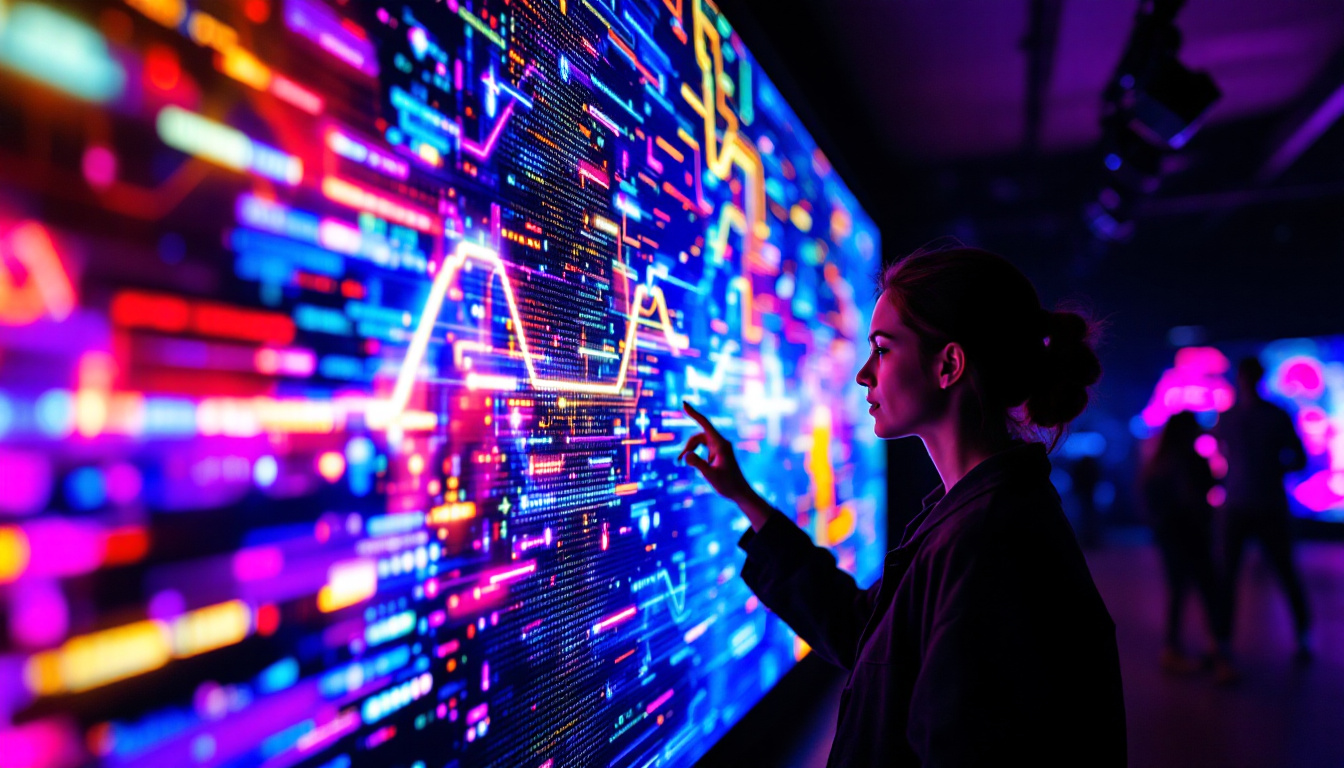
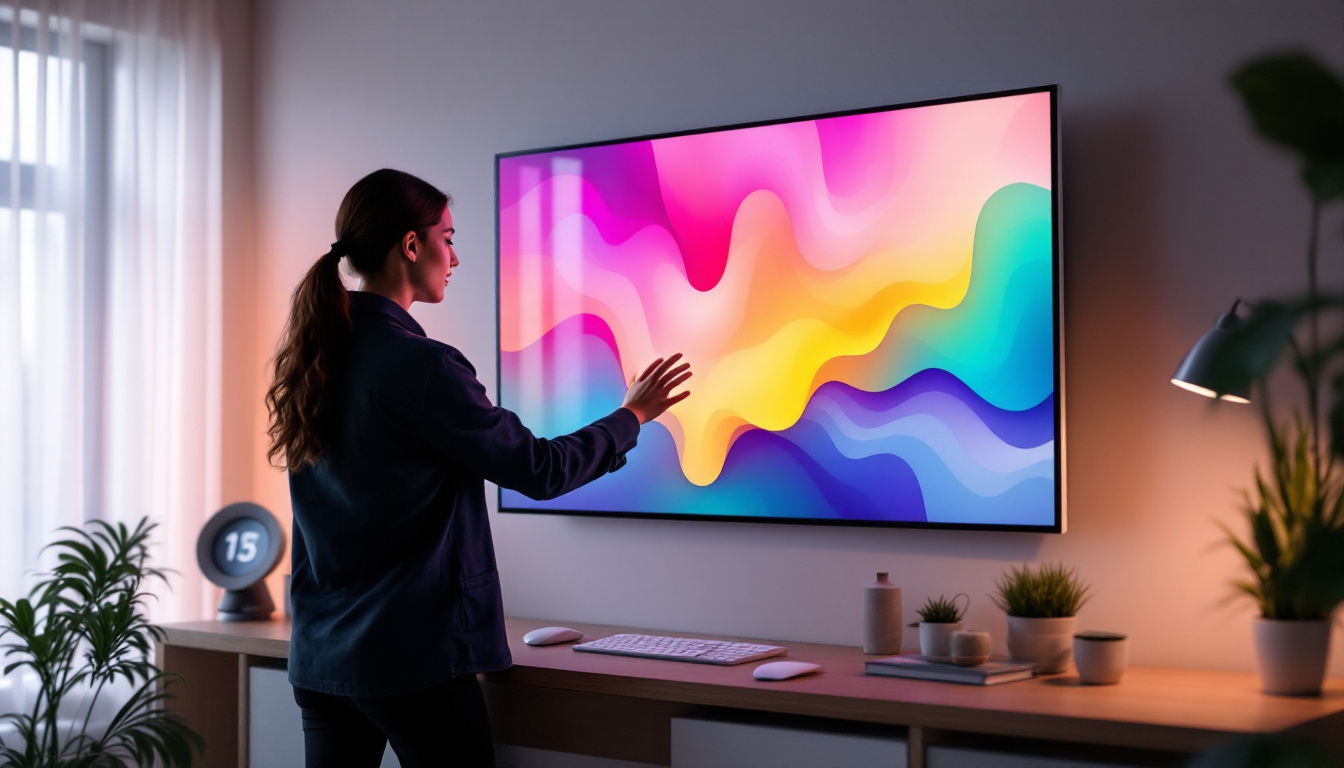
Many modern LED display systems support touch interactivity and integration with collaboration software. This enables teams to annotate documents, manipulate data visualizations, and share content wirelessly from multiple devices. Such interactivity fosters a more inclusive and participatory meeting environment, which is critical for brainstorming sessions and strategic planning.
Flexibility and Scalability
LED displays can be tailored to fit any conference room size and layout. Whether it’s a small huddle room or a large boardroom, LED technology scales to meet spatial and functional requirements. Additionally, modular LED walls can be expanded or reconfigured as organizational needs evolve, protecting the investment over time.
Energy Efficiency and Longevity
Compared to traditional projection systems and older display technologies, LED displays consume less power and generate less heat. This contributes to lower operational costs and a reduced environmental footprint. Furthermore, the long lifespan of LEDs reduces the frequency and cost of replacements, making them a cost-effective solution in the long run.
Installation Considerations for LED Displays in Conference Rooms
Proper planning and installation are crucial to maximize the benefits of LED displays. Several factors should be considered to ensure optimal performance and user experience.
Room Size and Viewing Distance
The size of the LED display should correspond to the room’s dimensions and the typical viewing distance. As a general rule, the optimal screen height should be approximately one-sixth to one-eighth of the viewing distance. For example, in a room where the farthest viewer sits 18 feet away, the screen height should be between 27 and 36 inches.
Pixel pitch also plays a role here; smaller pixel pitches provide higher resolution, which is important for close viewing distances common in smaller conference rooms.
Ambient Lighting Conditions
Assessing the room’s lighting is essential. LED displays perform well in bright environments, but glare from windows or overhead lights can still affect visibility. Anti-glare coatings or strategic placement of the display can mitigate these issues. In some cases, motorized blinds or adjustable lighting may be necessary to optimize viewing conditions.
Connectivity and Integration
Modern conference rooms often require seamless integration with various devices and platforms. Ensuring the LED display supports multiple input options—such as HDMI, USB-C, and wireless casting—is vital. Compatibility with video conferencing systems, collaboration software, and control systems enhances usability and streamlines meeting workflows.
Installation and Maintenance
Direct-view LED walls require professional installation due to their modular nature and the need for precise calibration. Maintenance access should be planned to allow for easy module replacement or servicing without disrupting the entire setup. For LED-backlit LCDs, installation is generally simpler but still benefits from professional mounting to ensure safety and optimal viewing angles.
Comparing LED Displays to Other Conference Room Display Technologies
When selecting a display solution, it’s important to weigh LED technology against alternatives such as projectors, LCD screens, and OLED displays.
LED vs. Projectors
Projectors have long been a staple in conference rooms due to their ability to produce large images at a relatively low cost. However, LED displays outperform projectors in several key areas:
- Brightness: LED displays maintain consistent brightness regardless of ambient light, while projectors often require dimmed rooms.
- Image Quality: LEDs provide sharper images with better contrast and color accuracy.
- Maintenance: Projectors require regular bulb replacements and alignment, whereas LEDs have longer lifespans and lower upkeep.
- Installation Flexibility: LED walls can be customized to any size and shape, while projectors are limited by throw distance and screen size.
LED vs. LCD Displays
While LED-backlit LCDs are common, direct-view LED walls offer superior performance for larger rooms. LCDs are more affordable and easier to install but have limitations in brightness and scalability. For smaller conference rooms, LCDs remain a practical choice, but for impactful presentations in larger spaces, LED walls are increasingly preferred.
LED vs. OLED Displays
OLED displays offer excellent color accuracy and contrast but are generally not available in sizes suitable for large conference rooms and come at a higher cost. Additionally, OLEDs are more susceptible to burn-in, making them less ideal for static content often displayed in meetings. LEDs provide a more robust and scalable solution for professional environments.
Future Trends in Conference Room LED Displays
The integration of LED displays in conference rooms is continuously evolving. Emerging trends promise to further enhance meeting experiences and workplace collaboration.
MicroLED Technology
MicroLED represents the next generation of LED displays, featuring even smaller pixel sizes and higher brightness levels. This technology offers improved energy efficiency and longer lifespans, with the potential to produce ultra-high-resolution walls that are thinner and lighter. As MicroLED becomes more commercially viable, it will likely redefine conference room display standards.
Interactive and Touch-Enabled LED Walls
Advancements in touch and gesture recognition are making LED walls more interactive. Future conference rooms may feature large-scale touch-enabled LED surfaces that support multi-user input, enabling more dynamic collaboration without the need for additional hardware.
AI-Driven Content Optimization
Artificial intelligence is beginning to play a role in optimizing display content based on audience engagement and meeting context. Smart LED displays could automatically adjust brightness, contrast, and content layout to improve visibility and focus, enhancing overall meeting productivity.
Conclusion
LED displays have become a cornerstone of modern conference room setups, offering unmatched visual quality, flexibility, and interactivity. Their ability to adapt to various room sizes and lighting conditions, combined with advancements in technology, makes them an excellent investment for organizations aiming to enhance communication and collaboration.
When planning a conference room upgrade, understanding the types of LED displays, their benefits, and installation requirements is essential. By carefully considering these factors, businesses can create engaging meeting environments that support effective decision-making and foster innovation.
As LED technology continues to evolve, conference rooms will become even more immersive and interactive, driving the future of workplace collaboration.
Discover LumenMatrix LED Display Solutions
Ready to elevate your conference room experience with the latest in LED display technology? LumenMatrix is at the forefront of creating immersive and interactive environments that transform meetings into dynamic, collaborative experiences. Explore our comprehensive range of LED display solutions, from Indoor and Outdoor LED Walls to innovative Transparent and Custom Displays, designed to captivate your audience and communicate your message with unparalleled clarity. Check out LumenMatrix LED Display Solutions today and step into the future of visual engagement.