In today’s fast-paced world, control rooms serve as nerve centers for various industries, including transportation, utilities, emergency services, and manufacturing. At the heart of these operations lies the video wall—a large-scale display system that consolidates critical information into a single, easily accessible visual interface. Among the various technologies available, LED displays have emerged as a leading choice for control room video walls due to their brightness, durability, and scalability.
This article delves into the intricacies of LED video walls in control rooms, explaining their technology, benefits, and key considerations for implementation. Whether you’re a facility manager, IT professional, or decision-maker looking to upgrade your control room, understanding LED video walls is essential for making informed choices that enhance operational efficiency and situational awareness.
Understanding Control Room Video Walls
What Is a Control Room Video Wall?
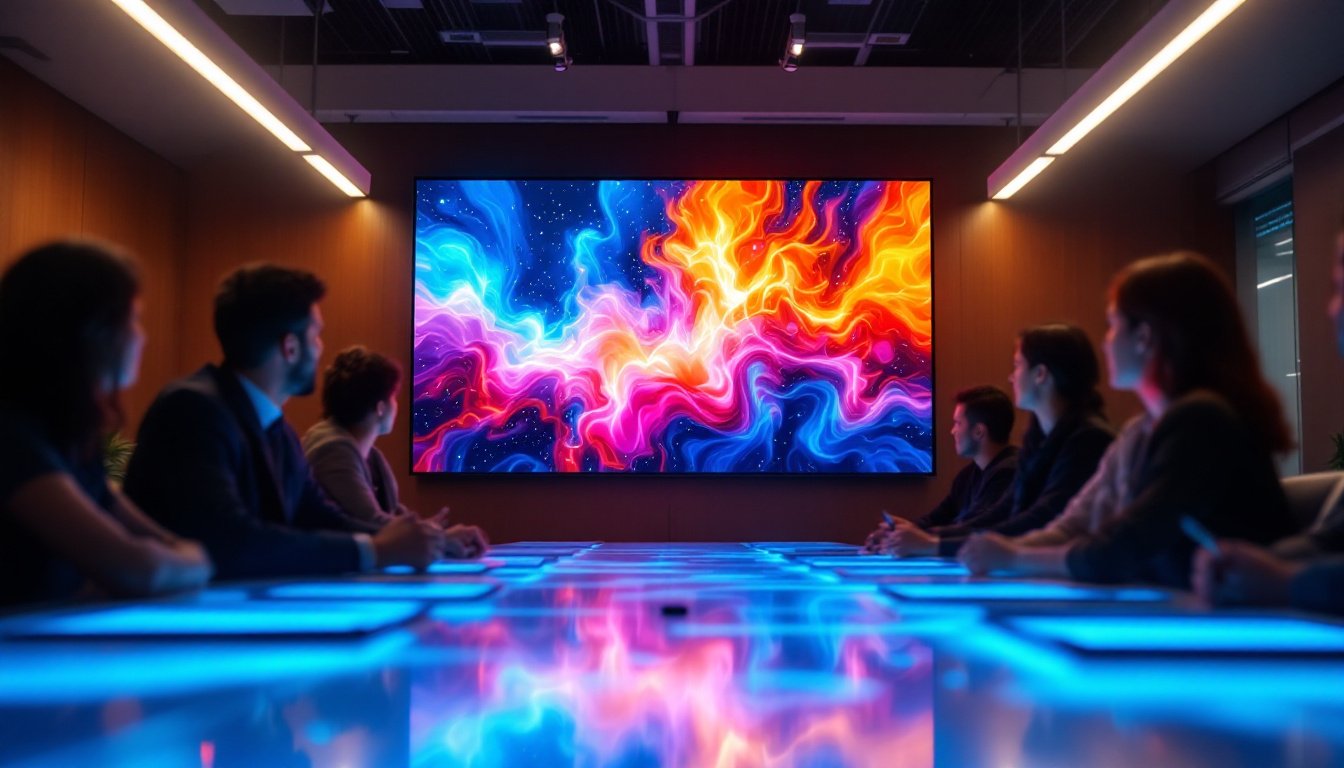
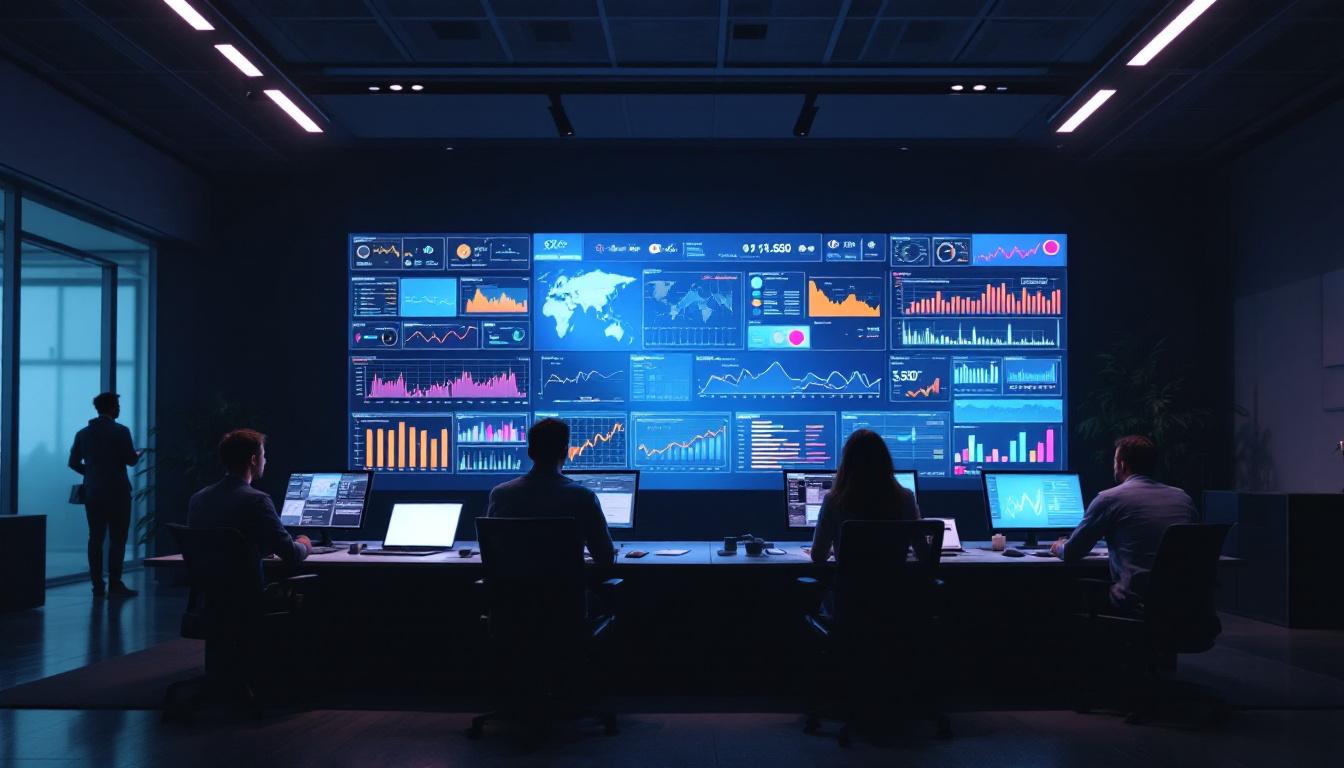
A control room video wall is a large display surface composed of multiple screens or panels tiled together to form one continuous image or multiple images simultaneously. These walls are designed to present real-time data, video feeds, maps, and analytics, enabling operators to monitor and respond to events efficiently.
Unlike traditional single-screen monitors, video walls offer expansive visual real estate, allowing for simultaneous viewing of diverse information streams. This capability is critical in environments where quick decision-making and comprehensive situational awareness are paramount. The technology behind these video walls has evolved significantly, with advancements in display resolution, color accuracy, and screen brightness, ensuring that operators can see even the most intricate details clearly, regardless of ambient lighting conditions.
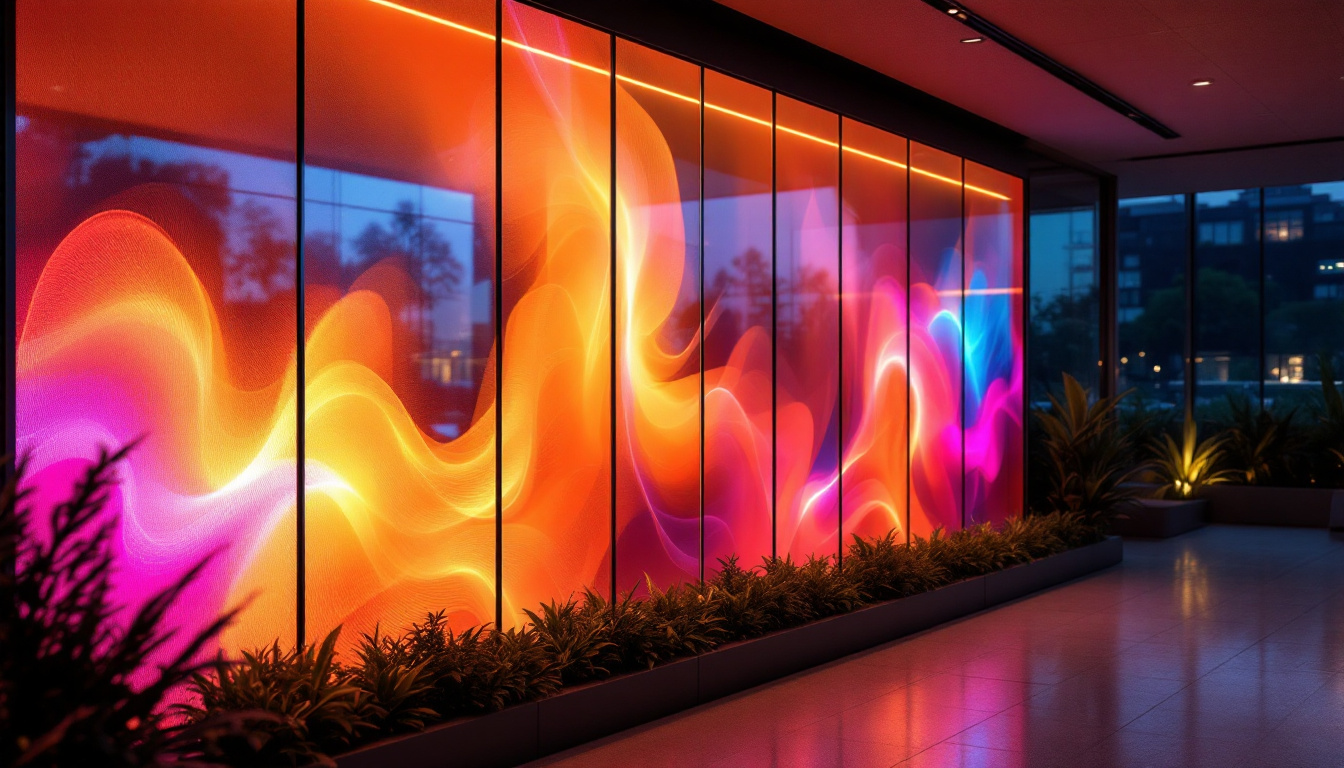
Additionally, modern video walls can be configured in various shapes and sizes, from standard rectangular arrangements to more creative layouts that can fit specific room designs or operational needs. This flexibility not only enhances the aesthetic appeal of the control room but also optimizes the viewing experience for the operators, who often spend long hours monitoring critical systems.
The Role of Video Walls in Control Rooms
Control rooms manage complex systems that require constant monitoring—such as power grids, traffic networks, security surveillance, and emergency response coordination. Video walls help operators by consolidating multiple data sources into a unified visual platform. This integration reduces the need to switch between different monitors or software applications, minimizing cognitive load and improving response times.
Moreover, video walls facilitate collaboration among team members by providing a shared visual reference. This is especially important in crisis situations where coordinated efforts are necessary to mitigate risks and resolve issues promptly. The ability to display multiple feeds simultaneously means that teams can analyze various aspects of a situation in real-time, allowing for a more informed and cohesive response. For instance, in a security control room, operators can monitor live footage from different camera angles while simultaneously viewing alerts and data analytics, ensuring that no critical information is overlooked.
Furthermore, the integration of advanced technologies such as artificial intelligence and machine learning into video wall systems enhances their functionality. These systems can analyze incoming data streams and highlight anomalies or trends, providing operators with actionable insights at a glance. This proactive approach not only streamlines operations but also empowers teams to anticipate potential issues before they escalate, thereby improving overall safety and efficiency in high-stakes environments.
Why Choose LED Displays for Control Room Video Walls?
Key Advantages of LED Technology
LED (Light Emitting Diode) displays have become the preferred technology for video walls in control rooms due to several compelling advantages:
- Brightness and Visibility: LED panels offer superior brightness levels compared to LCD or projection-based displays. This ensures clear visibility even in brightly lit control rooms or environments with significant ambient light.
- Wide Viewing Angles: LED displays maintain consistent color and brightness across wide viewing angles, allowing multiple operators to view the screen without distortion or color shift.
- Durability and Longevity: LEDs have a longer lifespan and are more resistant to burn-in or image retention, making them ideal for 24/7 operation in mission-critical environments.
- Seamless Scalability: LED video walls can be easily scaled to any size or shape, accommodating the unique spatial constraints and visualization needs of different control rooms.
- Energy Efficiency: Compared to older display technologies, LED panels consume less power, reducing operational costs and environmental impact.
Comparing LED with Other Display Technologies
While LCD video walls have been popular in the past, they often suffer from issues such as visible bezels between panels, limited brightness, and shorter lifespans. Projection-based systems, on the other hand, require significant maintenance and are sensitive to ambient light conditions.
MicroLED technology, an emerging competitor, promises even higher brightness and efficiency but is currently cost-prohibitive for large-scale control room deployments. Thus, LED remains the most practical and reliable choice for most control room video walls today.
Technical Components of LED Video Walls
Pixel Pitch and Resolution
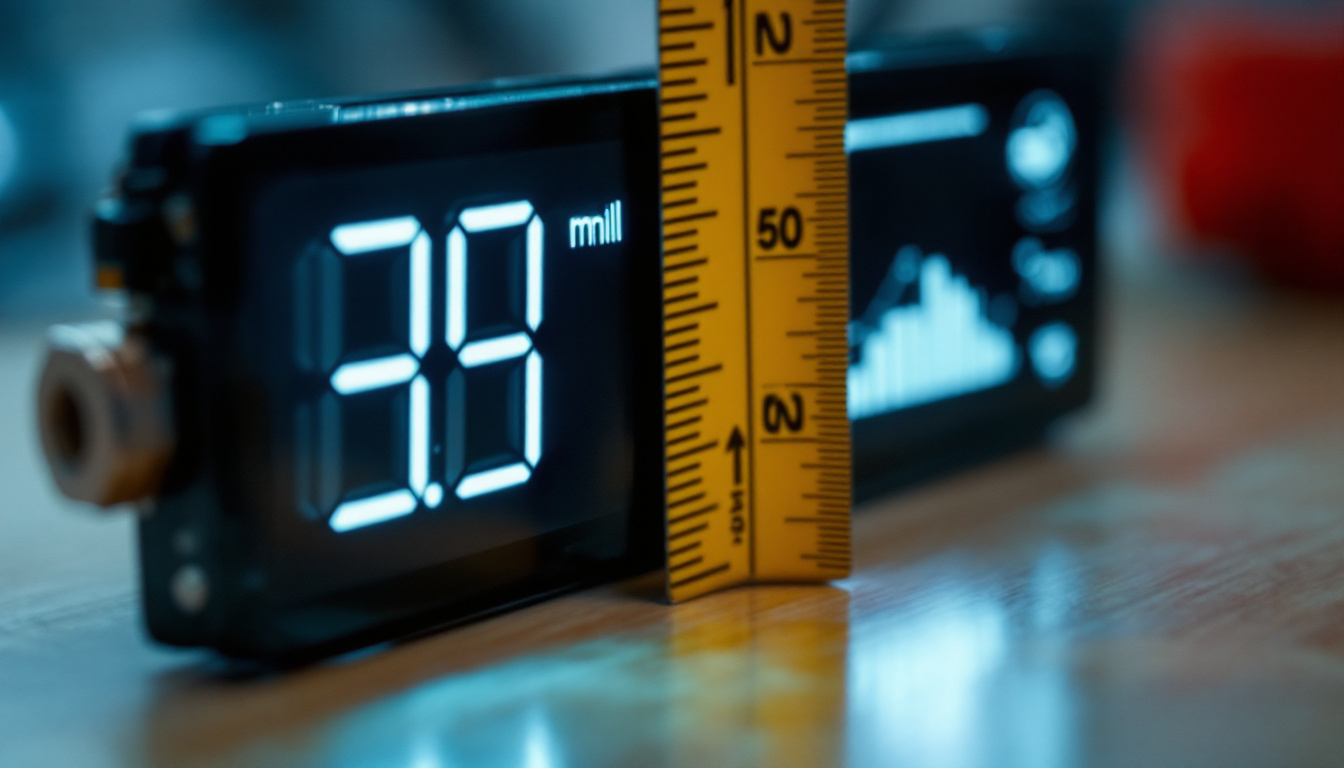
Pixel pitch refers to the distance between the centers of two adjacent pixels on an LED panel, usually measured in millimeters. It directly affects the resolution and image clarity of the video wall. Smaller pixel pitches (e.g., 0.9mm to 1.5mm) deliver higher resolution and finer detail, making them suitable for control rooms where operators need to read small text or view intricate graphics.
Choosing the right pixel pitch depends on the viewing distance. For example, a pixel pitch of 1.2mm is ideal for a control room where operators are seated 2 to 4 meters away from the screen. Larger pixel pitches may suffice for walls viewed from greater distances but can compromise image sharpness.
Modular Panel Design
LED video walls are composed of modular panels that can be assembled into various configurations. Each panel contains a matrix of LEDs and control electronics. This modularity allows for easy installation, maintenance, and future upgrades.
High-quality LED panels feature front and rear serviceability, enabling technicians to perform repairs or replacements without dismantling the entire video wall. This minimizes downtime and ensures continuous operation—critical for control room environments.
Color Calibration and Uniformity
Consistent color reproduction across the entire video wall is essential for accurate data interpretation. LED panels undergo color calibration during manufacturing and installation to ensure uniform brightness and color temperature.
Advanced calibration systems use sensors and software to monitor and adjust the display in real time, compensating for aging LEDs or environmental changes. This guarantees that operators receive reliable visual information at all times.
Design Considerations for Control Room LED Video Walls
Room Layout and Viewing Distance
Effective video wall design begins with understanding the control room’s physical layout and operator positions. The size, resolution, and pixel pitch of the LED wall should be selected based on typical viewing distances to optimize image clarity and reduce eye strain.
For example, a video wall intended for a large control room with operators seated 5 to 10 meters away can use larger pixel pitches and bigger panels. Conversely, smaller control rooms with operators close to the screen require higher resolution and smaller pixel pitches.
Content Management and Control Systems
LED video walls require sophisticated content management systems (CMS) to control what is displayed and how it is arranged. These systems enable operators to split the video wall into multiple zones, display different data sources simultaneously, and switch between layouts dynamically.
Integration with control room software platforms is crucial to streamline workflows. Modern CMS solutions support remote management, real-time data feeds, and customizable user interfaces, enhancing operational flexibility.
Environmental and Maintenance Factors
Control rooms often operate 24/7, so the LED video wall must be designed for continuous use. Proper ventilation, cooling systems, and dust protection extend the lifespan of LED panels and prevent overheating.
Additionally, maintenance access should be factored into the installation design. Front-serviceable LED panels allow technicians to perform routine cleaning, calibration, and repairs without disrupting control room operations.
Applications and Case Studies
Utility and Energy Control Rooms
Utilities use LED video walls to monitor power grids, water treatment plants, and renewable energy sources. For instance, a major electric utility company deployed a 4K LED video wall spanning over 30 square meters in their control center. This installation improved real-time monitoring of grid stability and outage management, reducing response times by 20%.
Transportation and Traffic Management
Traffic control centers rely on LED video walls to display live traffic feeds, accident reports, and public transit schedules. A metropolitan traffic management authority installed a curved LED video wall with a 1.5mm pixel pitch, enabling operators to track congestion patterns and coordinate emergency responses efficiently.
Emergency Operations Centers
Emergency response teams use LED video walls to visualize data from multiple agencies, including police, fire, and medical services. During natural disasters, these walls provide a centralized command interface that supports rapid decision-making and resource allocation.
Future Trends in LED Video Walls for Control Rooms
Higher Resolution and MicroLED Innovations
As LED technology advances, pixel pitches continue to shrink, enabling ultra-high-resolution video walls that rival traditional monitors. MicroLED technology promises even greater brightness, contrast, and energy efficiency, although widespread adoption in control rooms may take several years due to cost and manufacturing challenges.
Artificial Intelligence and Smart Content Management
Integration of AI-driven analytics with video wall content management systems is transforming control room operations. AI can automatically prioritize and highlight critical information, detect anomalies, and suggest actions, reducing operator workload and enhancing situational awareness.
Flexible and Curved Displays
Innovations in flexible LED panels allow for curved or irregularly shaped video walls that better fit control room layouts and improve viewing ergonomics. These designs can enhance immersion and operator comfort during long shifts.
Conclusion
LED video walls have become indispensable tools in modern control rooms, providing bright, durable, and scalable display solutions that enhance situational awareness and operational efficiency. By understanding the technology, design considerations, and future trends, organizations can select and implement LED video walls that meet their specific needs and support critical decision-making processes.
Investing in a high-quality LED video wall is not just about upgrading technology—it’s about empowering control room operators with the visual clarity and reliability they need to keep complex systems running smoothly and safely.
Discover LumenMatrix LED Display Solutions
Ready to elevate your control room’s capabilities with unparalleled visual precision and reliability? Explore LumenMatrix’s comprehensive range of LED display solutions, designed to meet the diverse needs of modern command centers. From indoor to outdoor, vehicle to sports, and custom configurations, LumenMatrix is at the forefront of LED innovation. Experience the difference in engagement and clarity with our cutting-edge displays. Check out LumenMatrix LED Display Solutions today and transform your control room into a hub of efficiency and advanced technology.