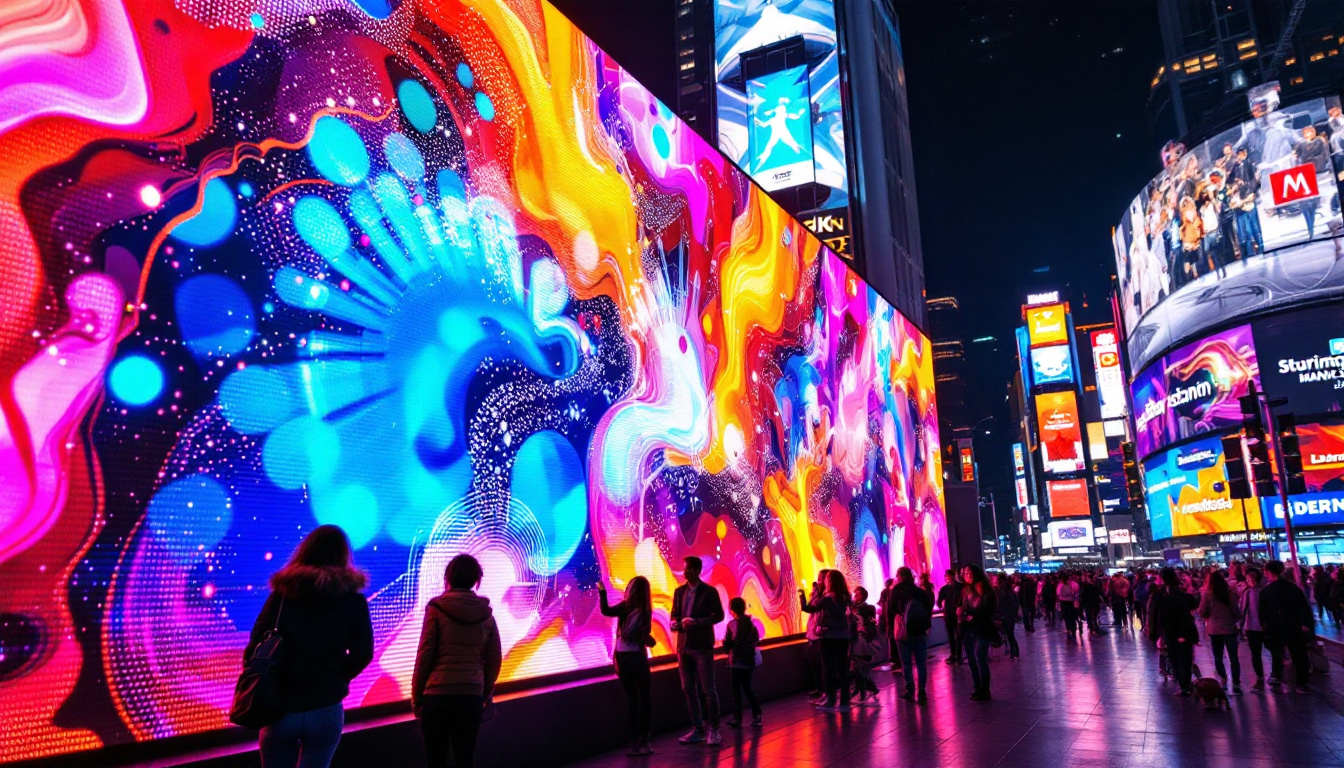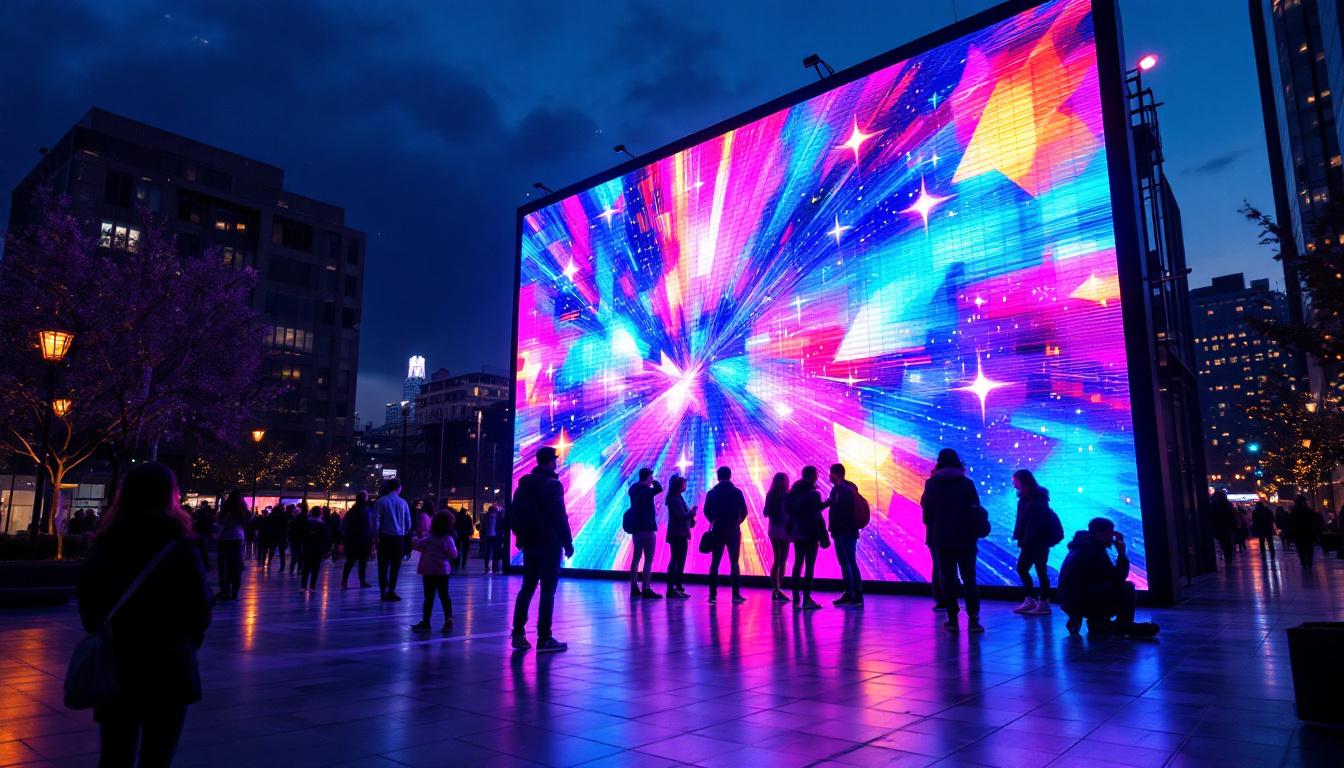
In recent years, LED display technology has revolutionized the way businesses, artists, and advertisers communicate visually. From vibrant billboards in Times Square to immersive art installations in museums, LED displays have become a cornerstone of modern digital expression. This article delves into the world of creative walls—large-scale LED displays—exploring their technology, applications, and future potential.
Understanding LED Display Technology
At its core, an LED display is a flat panel that uses light-emitting diodes (LEDs) to create images and videos. Unlike traditional screens that rely on backlighting, LEDs are self-illuminating, which contributes to their brightness, energy efficiency, and color vibrancy. This self-illuminating property allows for deeper blacks and more vivid colors, making LED displays particularly popular in environments where visual impact is paramount, such as concerts, sports arenas, and advertising billboards.
How LED Displays Work
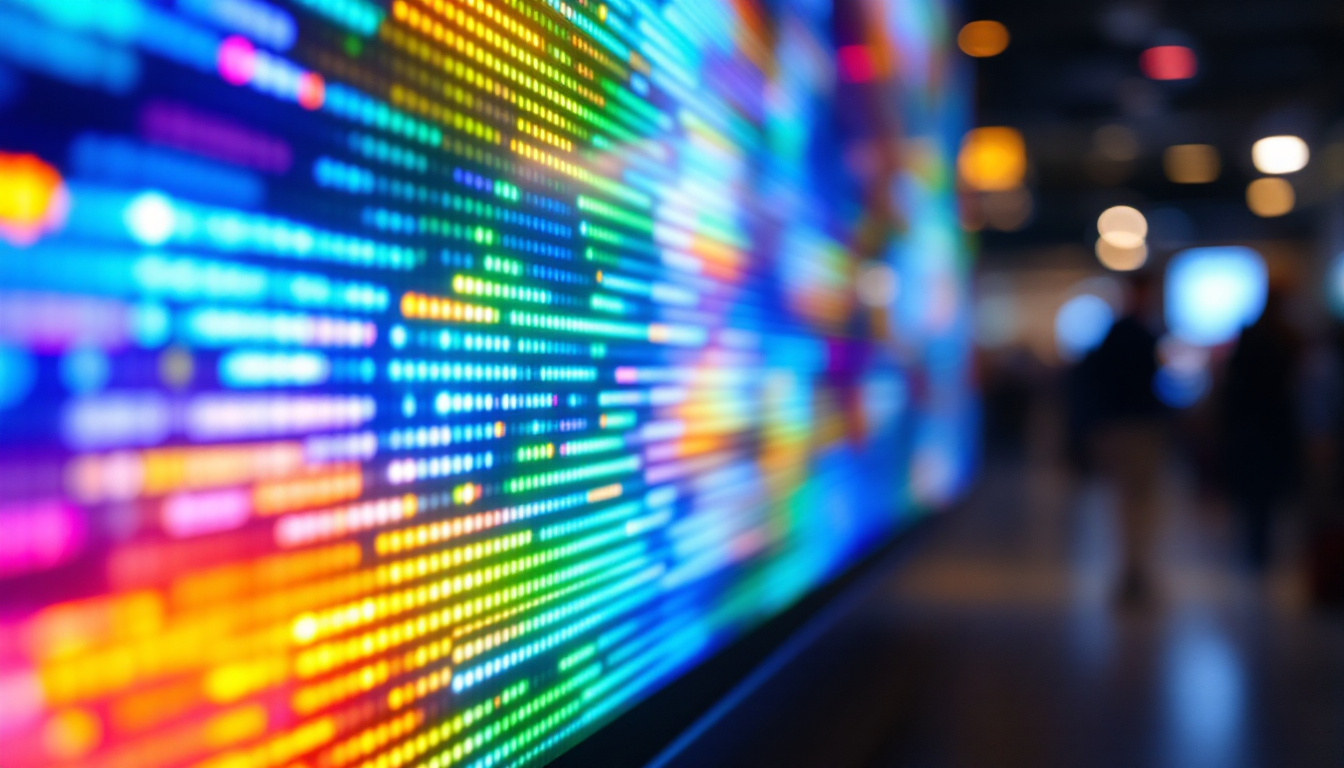
LED displays are composed of thousands, sometimes millions, of tiny LED modules arranged in a grid. Each module contains red, green, and blue diodes that combine to produce a full spectrum of colors through varying light intensities. By controlling these diodes at high speeds, the display can render dynamic images and videos with remarkable clarity. The technology behind LED displays also allows for rapid refresh rates, which is crucial for displaying fast-moving content without blurring or ghosting, making them ideal for video applications.
One key metric in LED displays is pixel pitch—the distance between the centers of two adjacent pixels. A smaller pixel pitch results in higher resolution and sharper images, especially important for close-up viewing. For example, indoor LED walls often have pixel pitches as low as 1.2mm, while outdoor displays might range from 4mm to 10mm or more, balancing visibility with cost and durability. This flexibility in pixel pitch allows designers to tailor displays to specific environments, ensuring optimal viewing experiences for audiences, whether they are sitting in the front row or viewing from a distance.
Types of LED Displays
Creative walls come in various forms depending on their intended use:
- Indoor LED Walls: Designed for close-range viewing, these displays offer high resolution and brightness levels tailored to indoor lighting conditions. They are often used in corporate settings for presentations, in retail for digital signage, and in entertainment venues for immersive experiences.
- Outdoor LED Walls: Built to withstand weather elements, these are brighter and more robust, ensuring visibility even under direct sunlight. They often feature protective coatings and enhanced cooling systems to maintain performance in extreme temperatures.
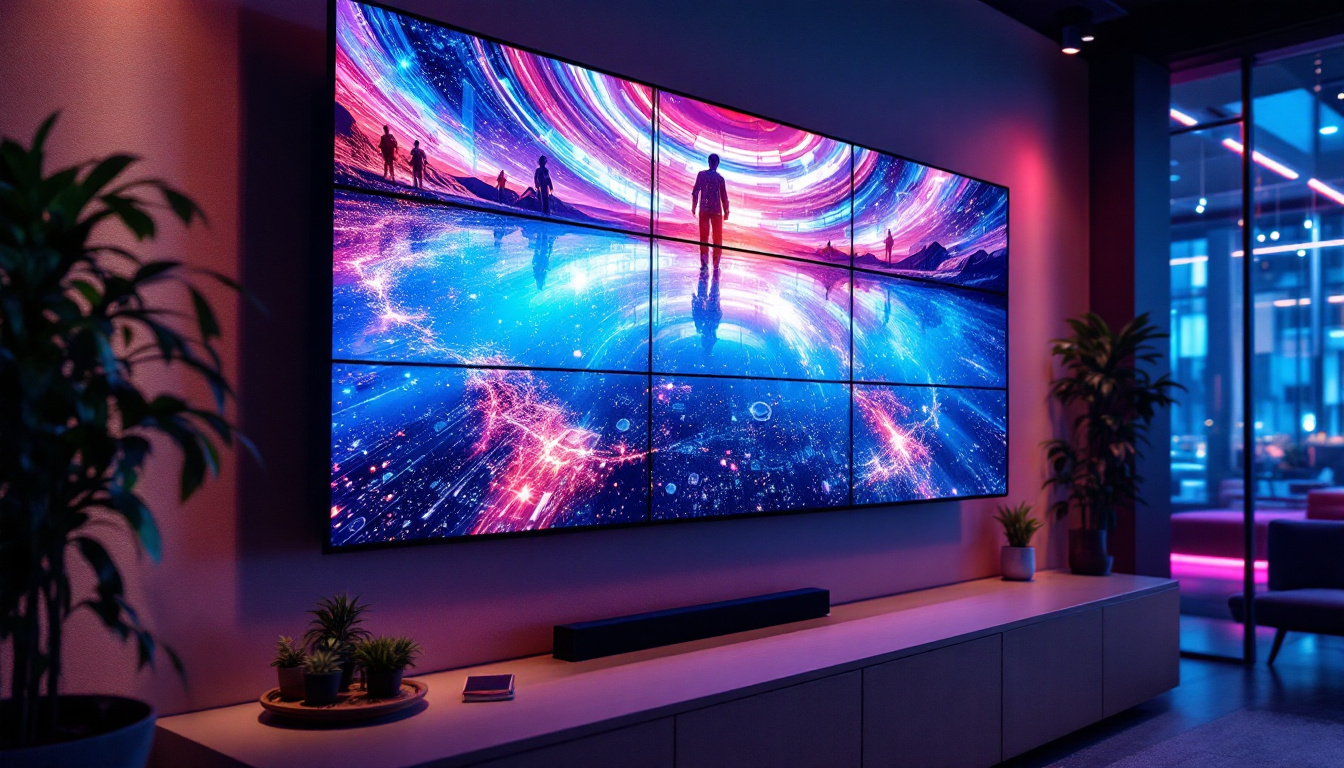
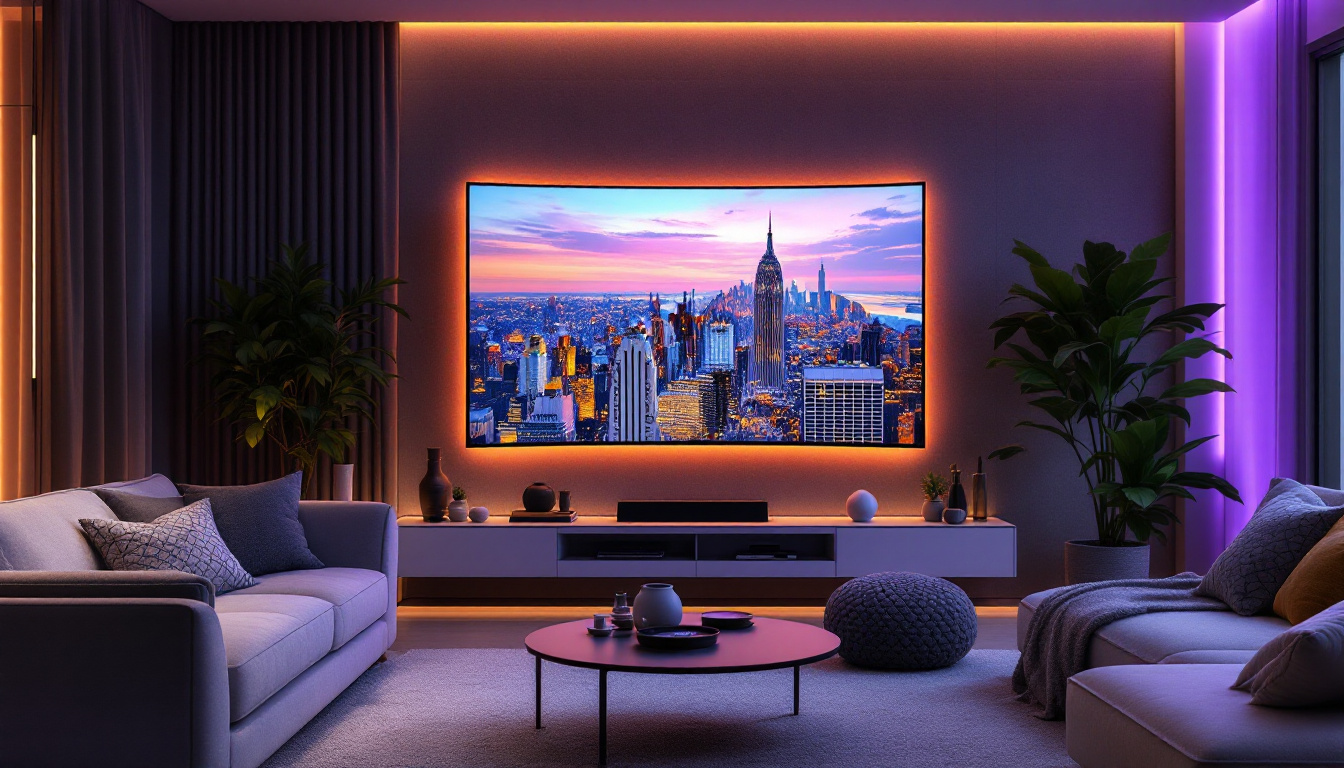
- Flexible and Curved LED Displays: These innovative panels can bend or curve, enabling unique architectural integrations and creative installations. Their adaptability allows for stunning visual effects and can transform ordinary spaces into engaging environments, such as in museums or art galleries.
- Transparent LED Screens: Allowing light to pass through, these displays are perfect for storefronts and glass facades, blending digital content with physical environments. This technology opens up new possibilities for advertising and branding, as it creates a seamless interaction between the digital and physical worlds.
In addition to these types, there is also a growing trend in the use of LED technology for virtual reality (VR) and augmented reality (AR) applications. These displays can offer immersive experiences by providing high-resolution visuals that enhance the user’s perception of reality. As technology advances, we can expect to see even more innovative uses of LED displays across various industries, from entertainment to education, further expanding their impact on how we consume and interact with visual content.
Applications of Creative LED Walls
LED walls have transcended traditional advertising to become versatile tools across industries. Their adaptability and visual impact make them ideal for a wide range of creative and commercial purposes.
Advertising and Marketing
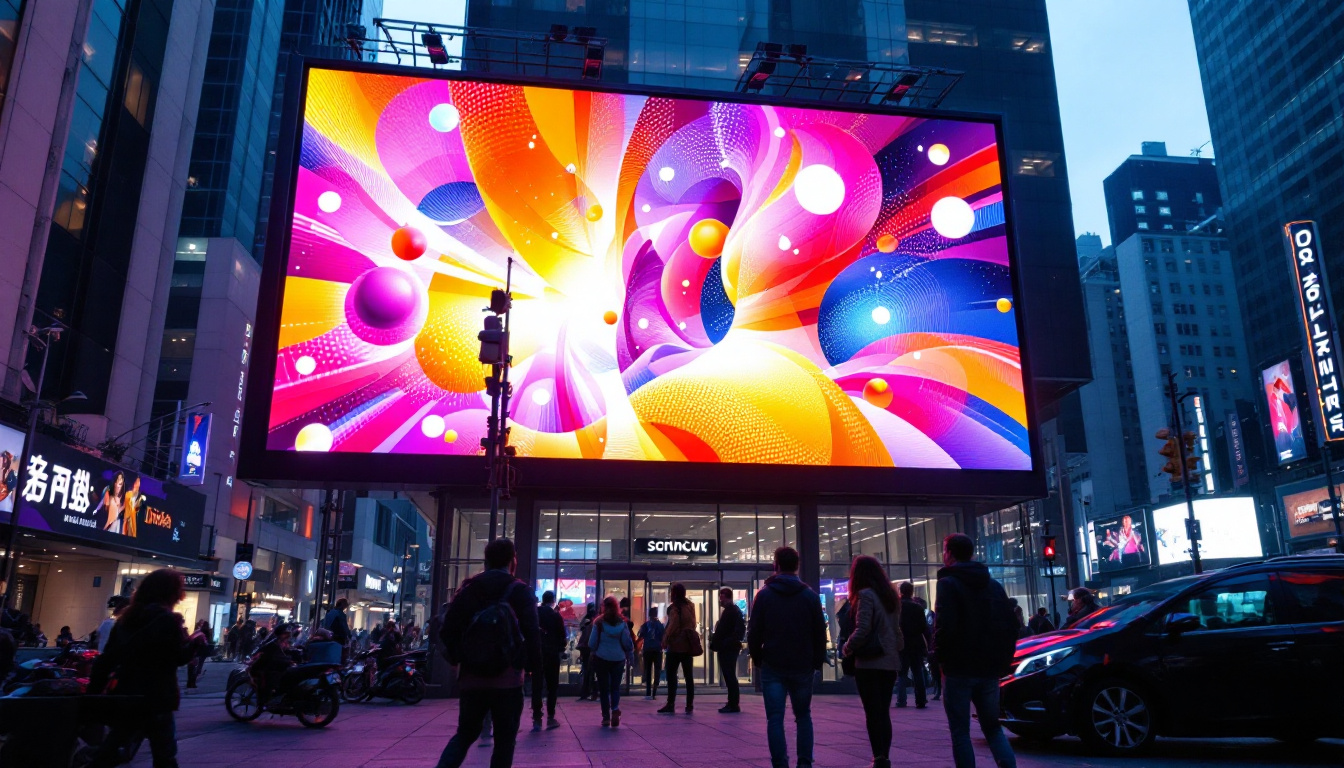
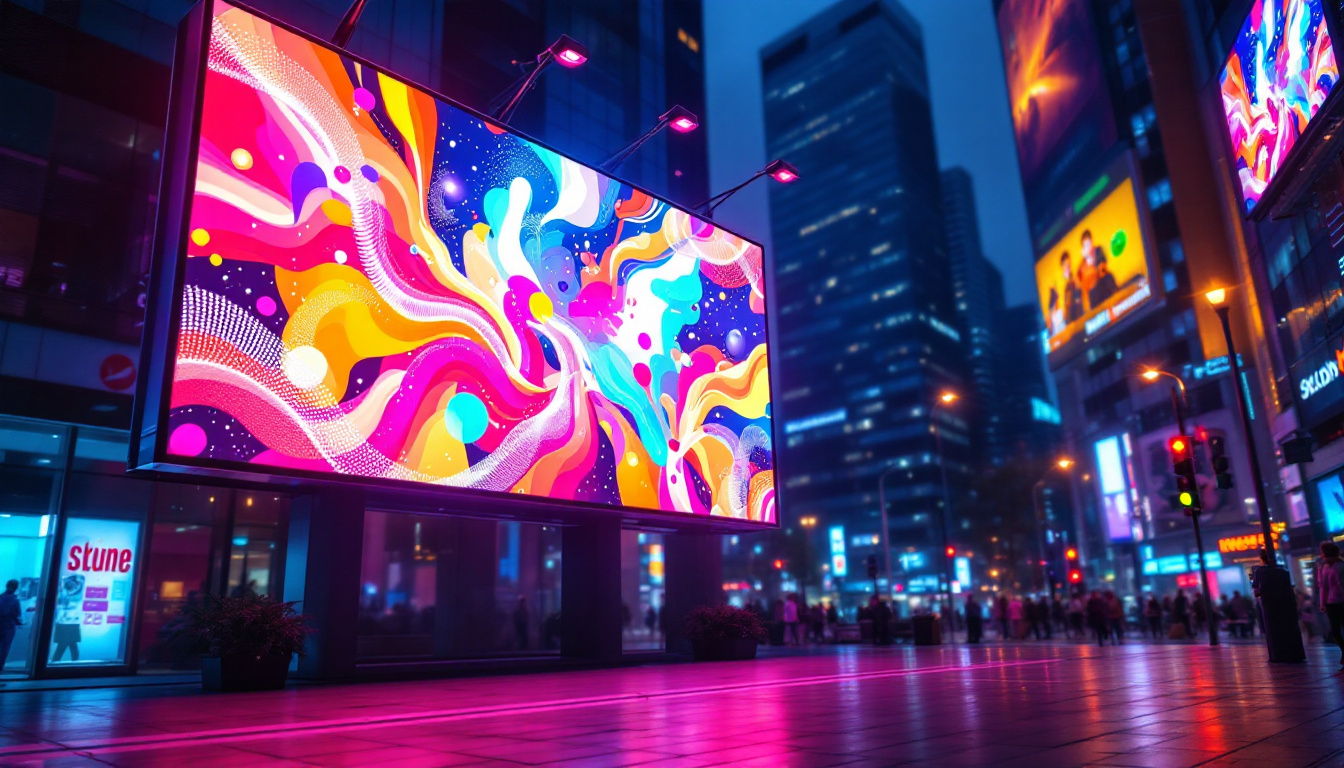
One of the most visible uses of LED walls is in advertising. According to a 2023 report by Grand View Research, the global digital signage market is expected to reach $32.84 billion by 2028, driven largely by LED display adoption. LED walls allow brands to present dynamic, eye-catching content that can be updated in real-time, targeting audiences with tailored messages.
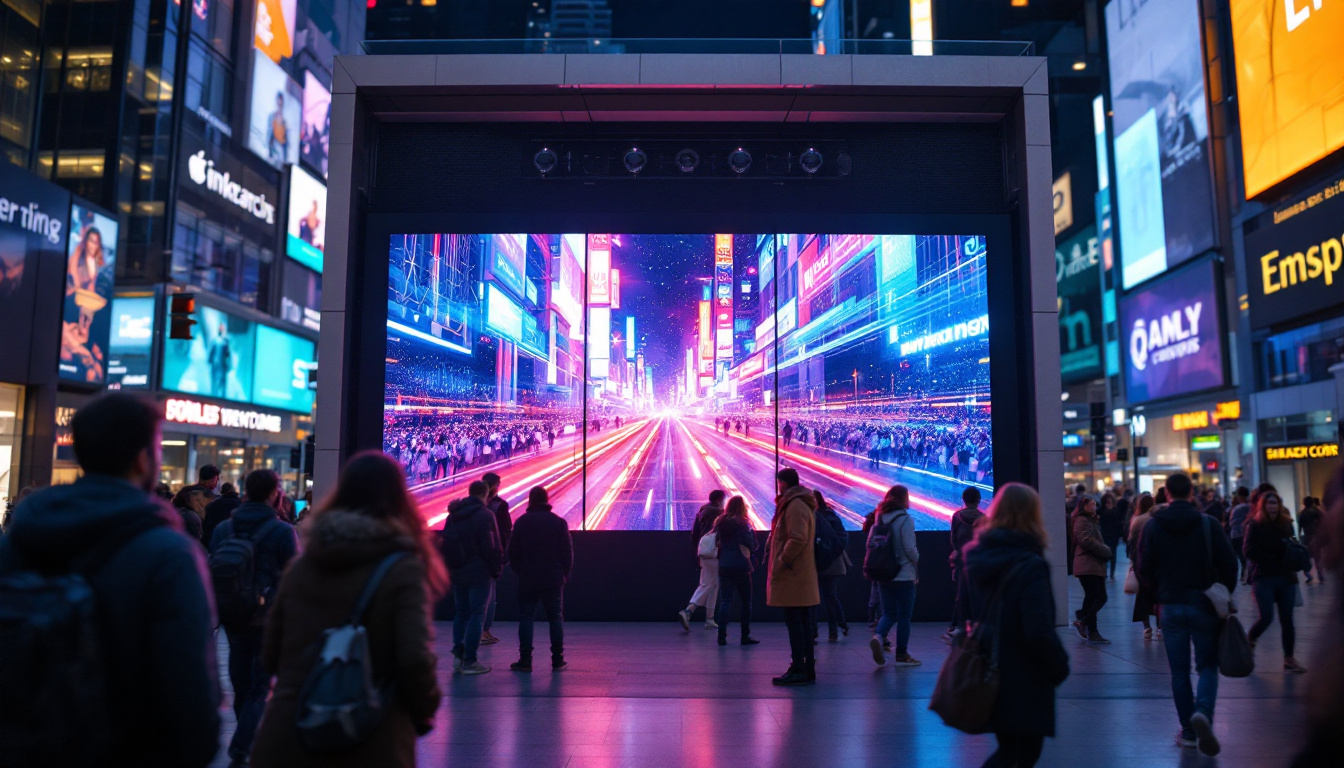
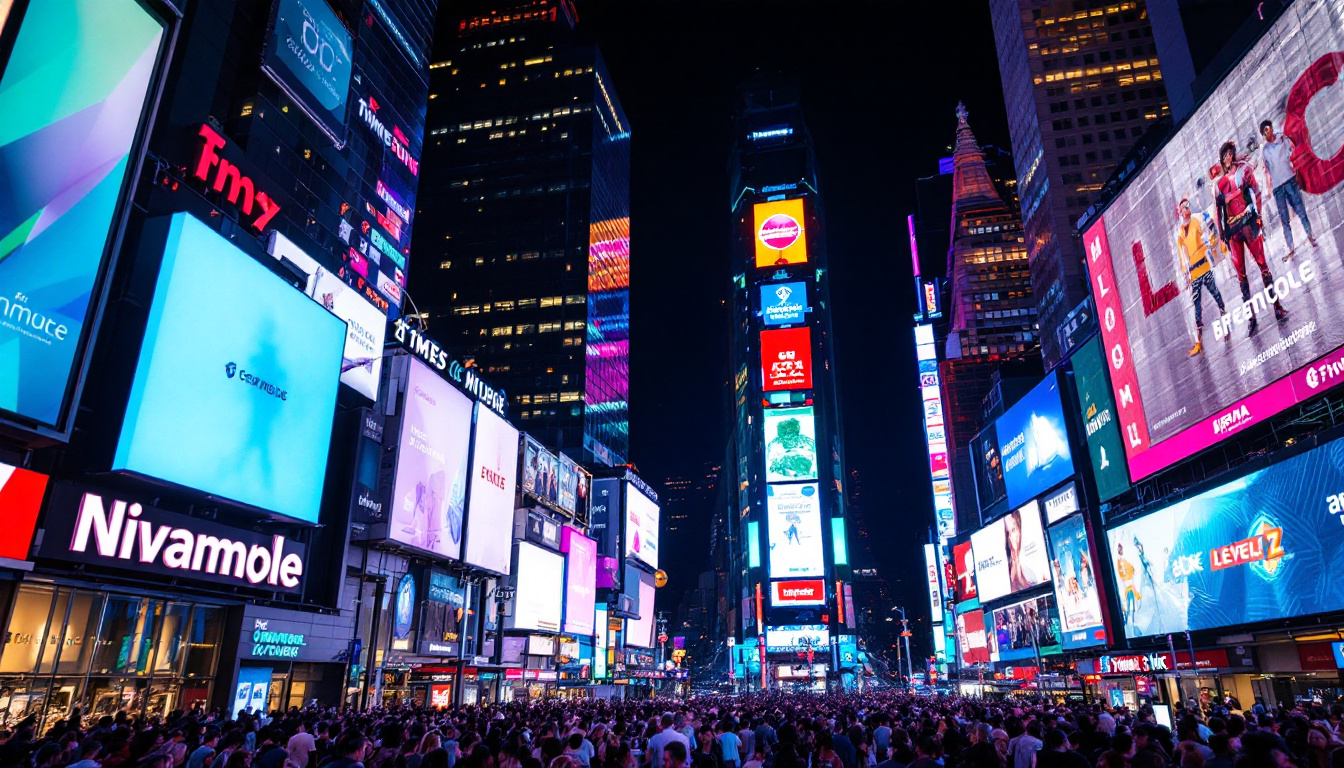
Landmark locations such as London’s Piccadilly Circus and New York’s Times Square showcase how LED walls can dominate urban landscapes, creating immersive brand experiences that captivate millions daily. The ability to integrate motion graphics, video, and interactive elements elevates the impact far beyond static billboards.
Entertainment and Events
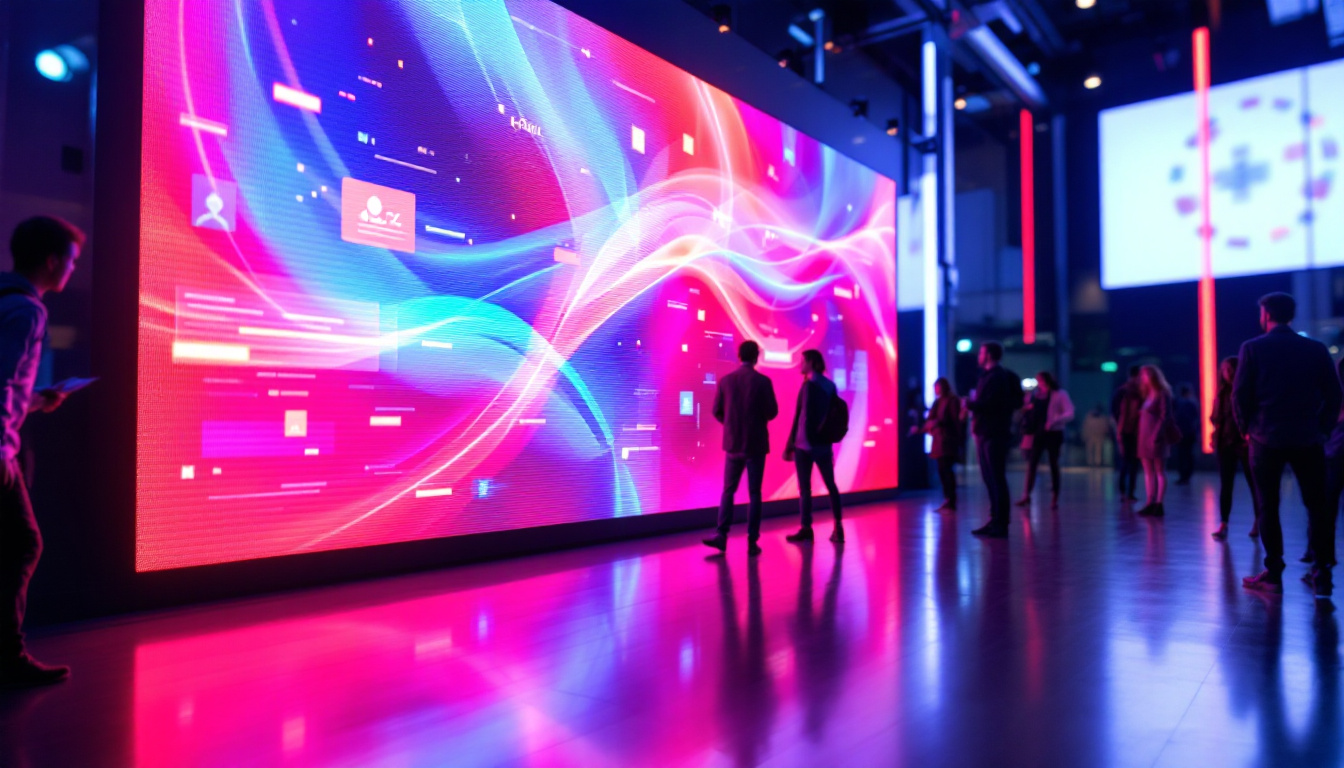
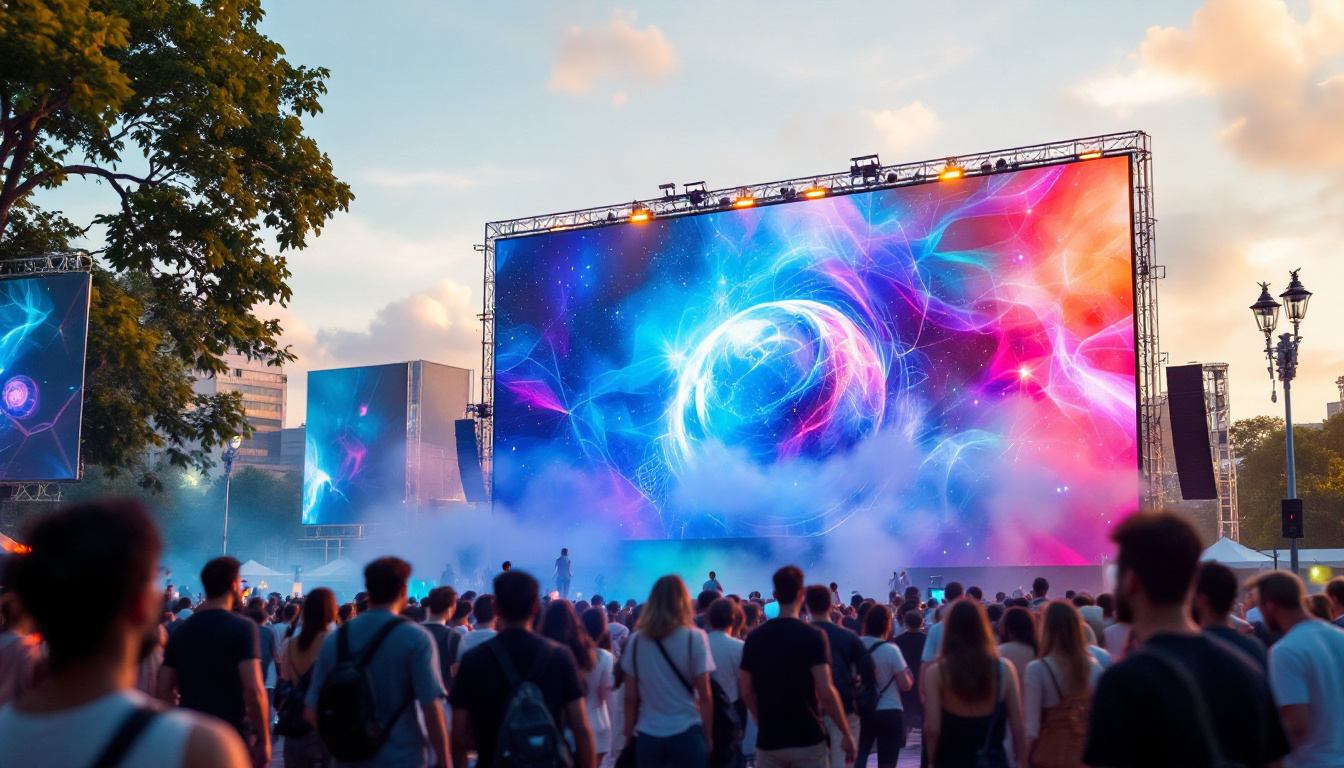
Concerts, festivals, and live events increasingly rely on LED walls to enhance audience engagement. These displays serve as massive backdrops, providing high-resolution visuals that synchronize with performances. For instance, major music festivals like Coachella and Tomorrowland utilize LED walls to create immersive environments that amplify the energy and atmosphere.
In theaters and studios, LED walls are also transforming production techniques. The use of large LED volumes enables real-time virtual sets, reducing the need for physical backdrops and post-production visual effects. This technology was notably employed in the production of the hit series “The Mandalorian,” setting a new standard for immersive filmmaking.
Corporate and Public Spaces
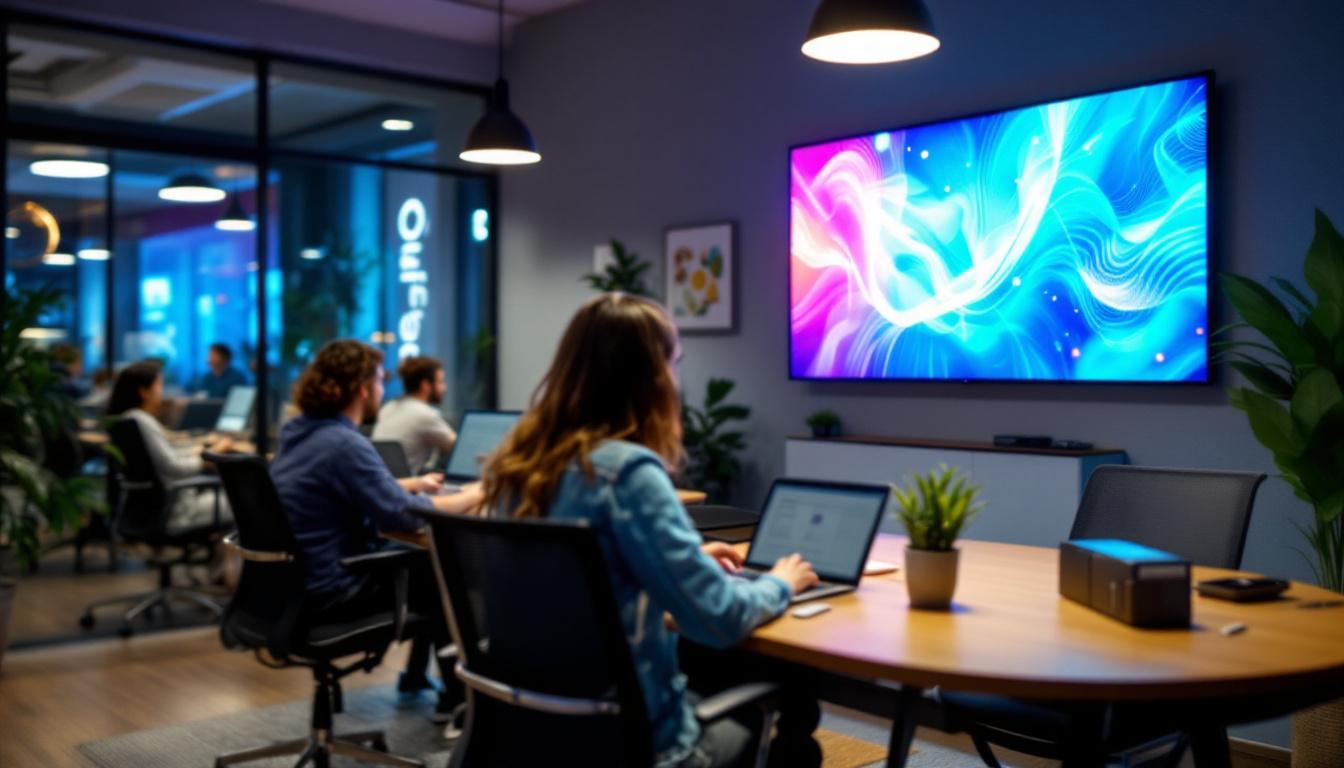
Businesses are integrating LED walls into lobbies, conference rooms, and public areas to communicate brand identity and engage visitors. These installations can display corporate messaging, live data feeds, or interactive content, enhancing the environment’s aesthetics and functionality.
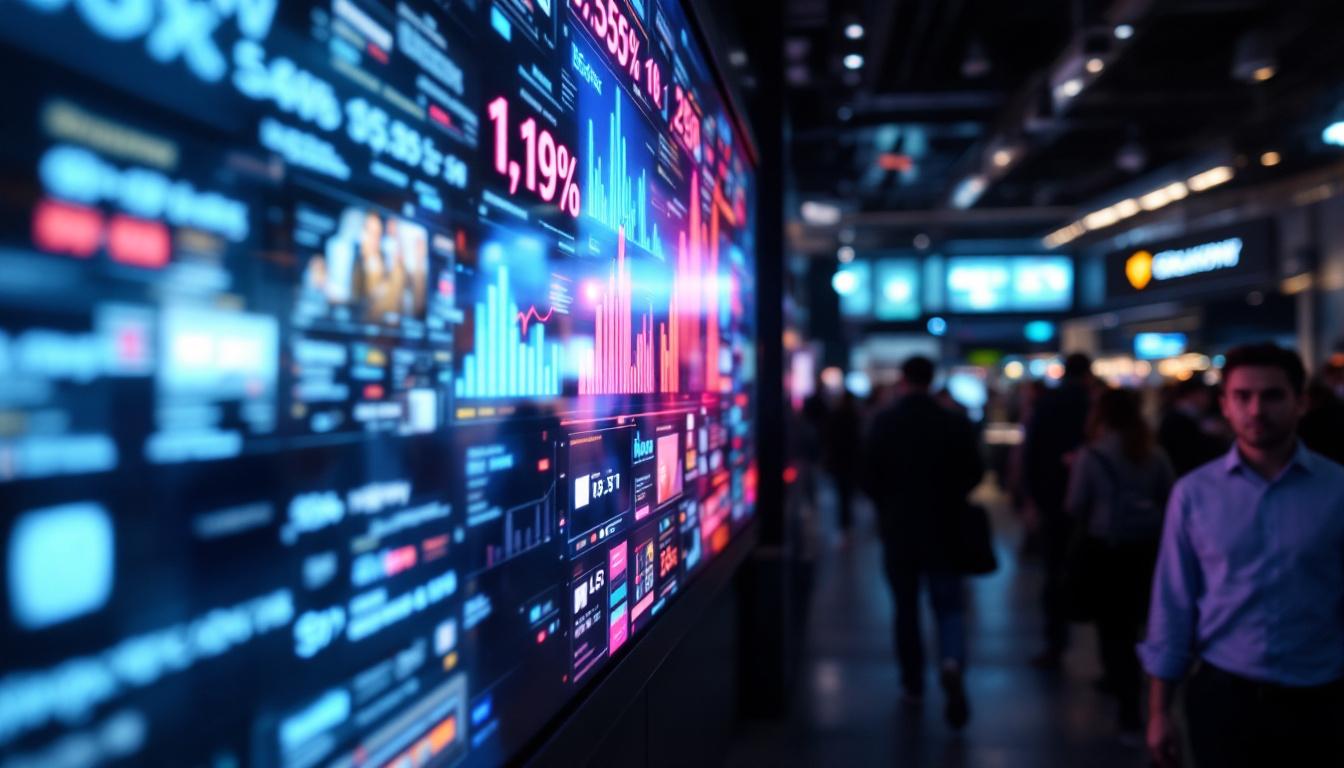
Similarly, public spaces such as airports, shopping malls, and sports arenas use LED walls for wayfinding, information dissemination, and entertainment. The flexibility of LED technology allows for creative designs that can adapt to architectural constraints and audience needs.
Design Considerations for Creative LED Walls
Creating an effective LED wall involves more than just installing panels. Thoughtful design ensures the display meets technical requirements while delivering an impactful visual experience.
Resolution and Viewing Distance
Choosing the right resolution is critical. A high-resolution display with a small pixel pitch is essential for close viewing distances to avoid pixelation. Conversely, larger pixel pitches are acceptable for displays viewed from afar, such as stadium screens or outdoor billboards.
Designers often calculate the optimal pixel pitch based on the average viewing distance. A general rule is that the pixel pitch (in millimeters) should be roughly equal to the viewing distance (in meters) divided by 300. For example, a screen viewed from 15 meters might have a pixel pitch of about 5mm.
Brightness and Contrast
Brightness, measured in nits, determines how well the display performs under various lighting conditions. Outdoor LED walls typically require brightness levels above 5,000 nits to remain visible in direct sunlight, while indoor displays usually operate between 800 and 1,500 nits.
Contrast ratio is equally important for image quality, affecting how well the display renders dark and bright areas. High contrast enhances depth and realism, making content more engaging.
Content Strategy and Interactivity
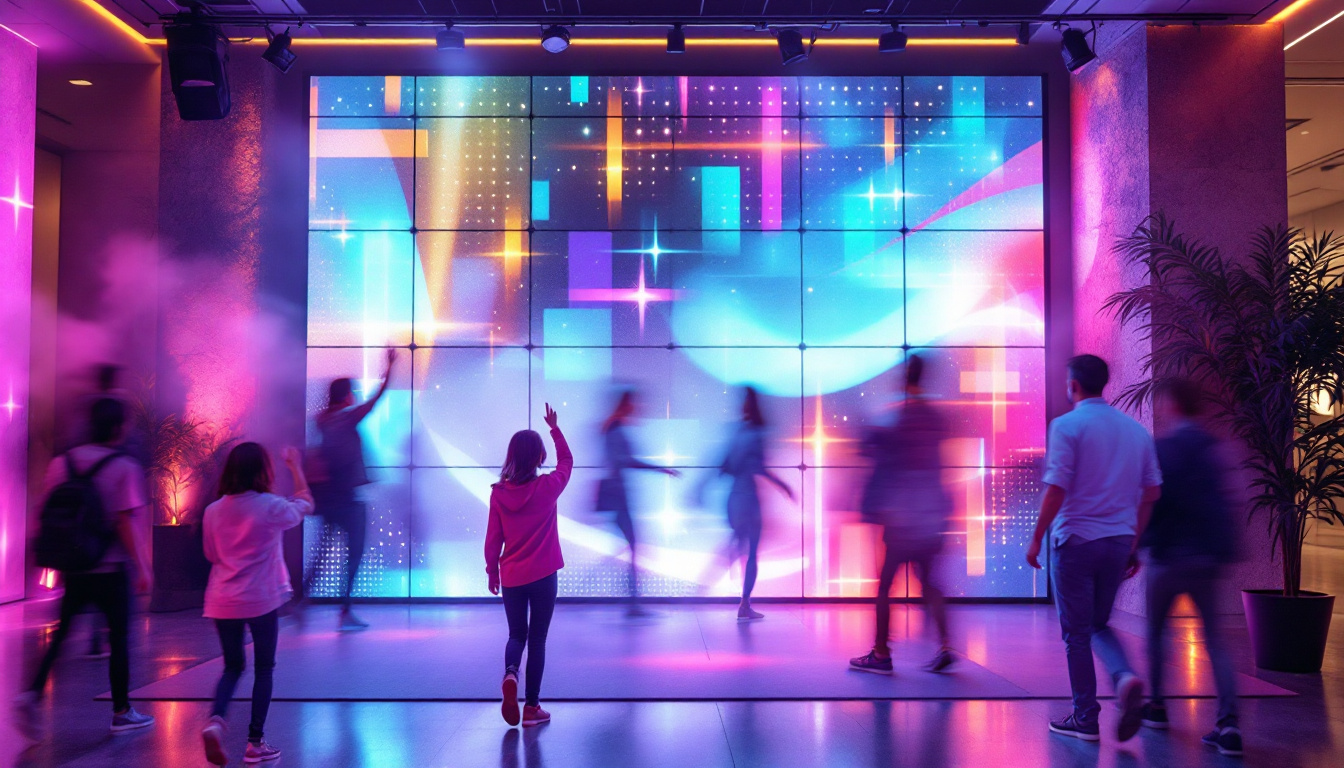
Content is king when it comes to LED walls. Effective messaging leverages motion graphics, video, and interactive elements to capture attention and convey information clearly. Many installations incorporate sensors or cameras to enable audience interaction, creating personalized experiences that foster engagement.
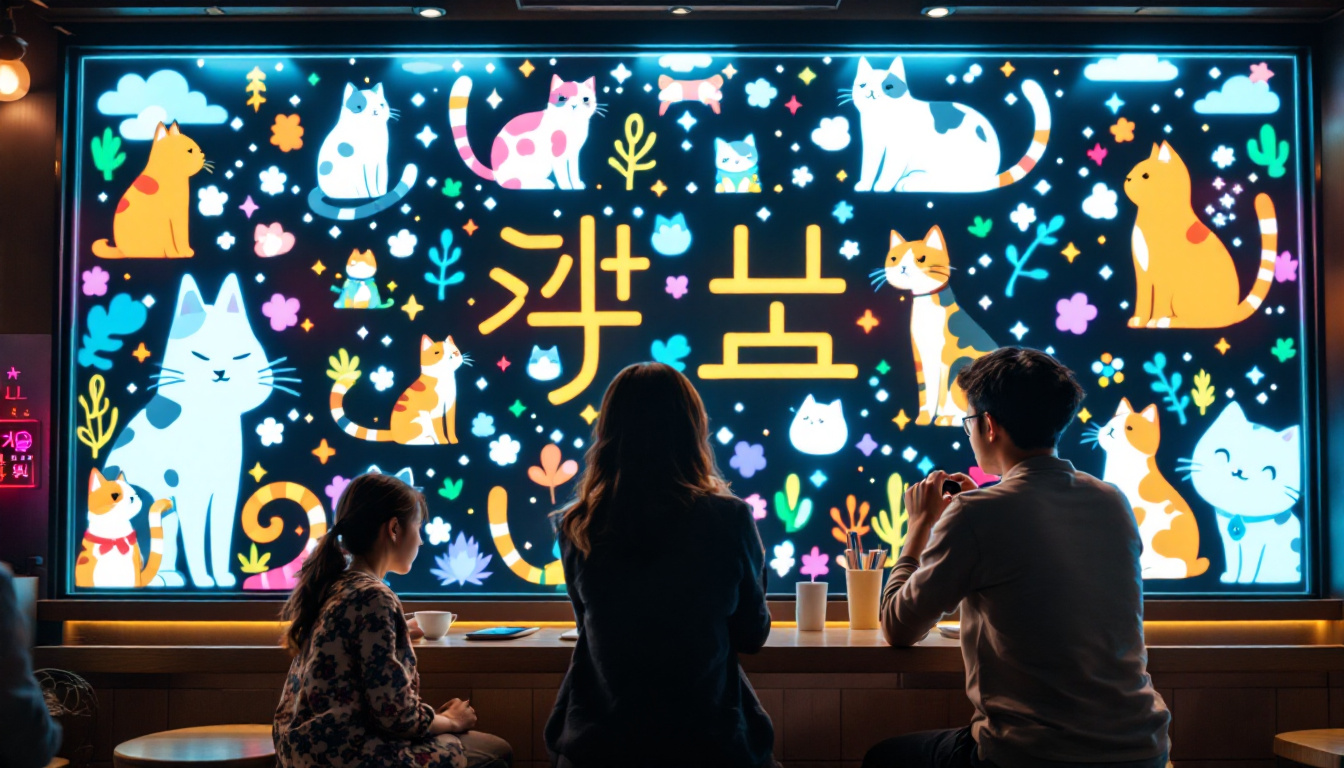
For example, retail stores might use LED walls with touch or gesture controls to allow customers to explore products or promotions dynamically. In public art, interactive LED walls can respond to movement or sound, inviting viewers to become part of the artwork.
Challenges and Maintenance of LED Walls
While LED walls offer remarkable benefits, they also come with challenges that must be addressed to ensure longevity and performance.
Installation Complexity
Large-scale LED walls require precise installation to maintain uniformity and avoid visual artifacts. Factors such as panel alignment, electrical connections, and structural support demand professional expertise. Improper installation can lead to dead pixels, color inconsistencies, or mechanical failures.
Power Consumption and Heat Management
Though LED technology is energy-efficient compared to older display types, large walls still consume significant power, especially at high brightness settings. Efficient power management and cooling systems are essential to prevent overheating, which can degrade performance and lifespan.
Regular Maintenance and Repairs
Maintaining LED walls involves routine cleaning to remove dust and debris, which can affect brightness and color accuracy. Additionally, modules or individual LEDs may fail over time and require replacement. Many modern LED walls are designed with modular components to facilitate quick repairs without dismantling the entire installation.
The Future of Creative LED Walls
As LED technology continues to evolve, creative walls are poised to become even more versatile and integrated into daily life.
Advancements in Mini-LED and Micro-LED
Emerging technologies like mini-LED and micro-LED promise higher resolution, better color accuracy, and improved energy efficiency. Micro-LED, in particular, offers the potential for thinner, brighter, and more flexible displays, which could revolutionize both indoor and outdoor applications.
Integration with Augmented Reality (AR) and Artificial Intelligence (AI)
Future LED walls may incorporate AR elements, blending digital content with the physical world in real-time. AI-powered content management systems can tailor visuals based on audience demographics, weather, or time of day, creating highly personalized and context-aware experiences.
Sustainability and Eco-Friendly Designs
With growing emphasis on environmental responsibility, manufacturers are developing LED displays with recyclable materials and lower energy footprints. Innovations in power-saving modes and solar-powered installations are also gaining traction, aligning creative walls with sustainability goals.
Conclusion
Creative walls powered by LED display technology represent a dynamic fusion of art, technology, and communication. Their ability to deliver vivid, adaptable, and immersive visuals makes them invaluable across advertising, entertainment, corporate environments, and public spaces. As technology advances, these walls will become even more integral to how we experience visual media, transforming spaces and engaging audiences in unprecedented ways.
For businesses and creators alike, understanding the nuances of LED display technology—from resolution and brightness to content strategy and maintenance—is essential for maximizing impact and longevity. The future of creative walls is bright, illuminated by innovation and the endless possibilities of digital expression.
Illuminate Your Space with LumenMatrix
Ready to transform your environment with the vibrant, dynamic capabilities of LED display technology? LumenMatrix is at the forefront of this innovation, offering a comprehensive range of LED display solutions tailored to your needs. Whether you’re looking to captivate shoppers with an Indoor LED Wall Display, make a bold statement with an Outdoor LED Wall Display, or create a unique experience with Custom LED Displays, we have the technology to bring your vision to life. Experience the future of visual communication today and check out LumenMatrix LED Display Solutions to elevate your brand and engage your audience like never before.