In the rapidly evolving world of digital displays, LED technology has become a cornerstone for delivering vibrant, high-resolution visuals across diverse applications. Among the various configurations, the cube screen stands out as a unique and versatile form factor. This article delves into the intricacies of cube screens, exploring their technology, applications, advantages, and future trends.
Understanding Cube Screens and LED Display Technology
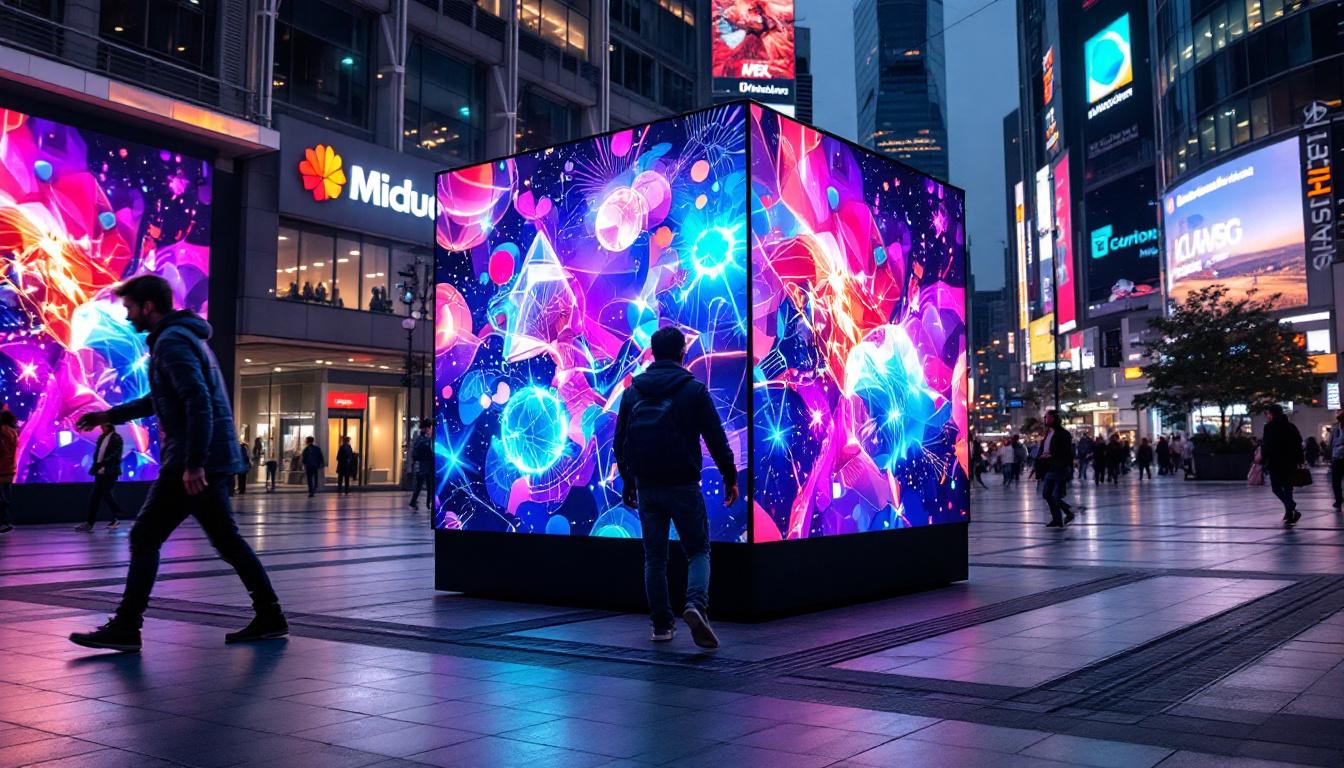
At its core, a cube screen is an LED display arranged in a three-dimensional cube shape, often used for advertising, art installations, and interactive exhibits. Unlike traditional flat LED panels, cube screens provide a 360-degree viewing experience, making them ideal for environments where viewers move around the display. This immersive quality not only captivates audiences but also allows for innovative storytelling, as content can be designed to engage viewers from multiple angles, enhancing the overall impact of the visual message.
LED, or Light Emitting Diode, technology powers these displays. LEDs are semiconductor devices that emit light when an electric current passes through them. The advantages of LED technology include high brightness, energy efficiency, long lifespan, and the ability to produce vivid colors. These characteristics make LED displays suitable for both indoor and outdoor use, even under challenging lighting conditions. Moreover, advancements in LED technology continue to push the boundaries of display capabilities, with features such as dynamic color adjustment and improved refresh rates that enhance the viewing experience further.
How Cube Screens Are Constructed
Cube screens are typically composed of multiple LED panels seamlessly joined together to form the cube’s faces. Each face acts as an independent display surface, capable of showing synchronized or distinct content. The precision in manufacturing ensures minimal gaps between panels, creating a near-seamless visual experience. This meticulous construction is not just about aesthetics; it also plays a vital role in the durability and longevity of the display, as well-engineered joints can withstand the rigors of transportation and installation in various environments.
The pixel pitch—the distance between individual LED pixels—plays a crucial role in determining the display’s resolution and viewing distance. For cube screens, manufacturers often use fine pixel pitches (ranging from 1.2 mm to 4 mm) to ensure crisp images and text, especially when viewers are close to the display. Additionally, the modular design of cube screens allows for easy upgrades and maintenance, enabling operators to replace individual panels without needing to dismantle the entire structure. This flexibility is particularly beneficial in high-traffic areas where downtime must be minimized, ensuring that the display remains a vibrant focal point for audiences.
Applications of Cube Screens in Modern Environments
Cube screens have found their niche in various sectors, leveraging their unique form factor to engage audiences in innovative ways.
Advertising and Marketing
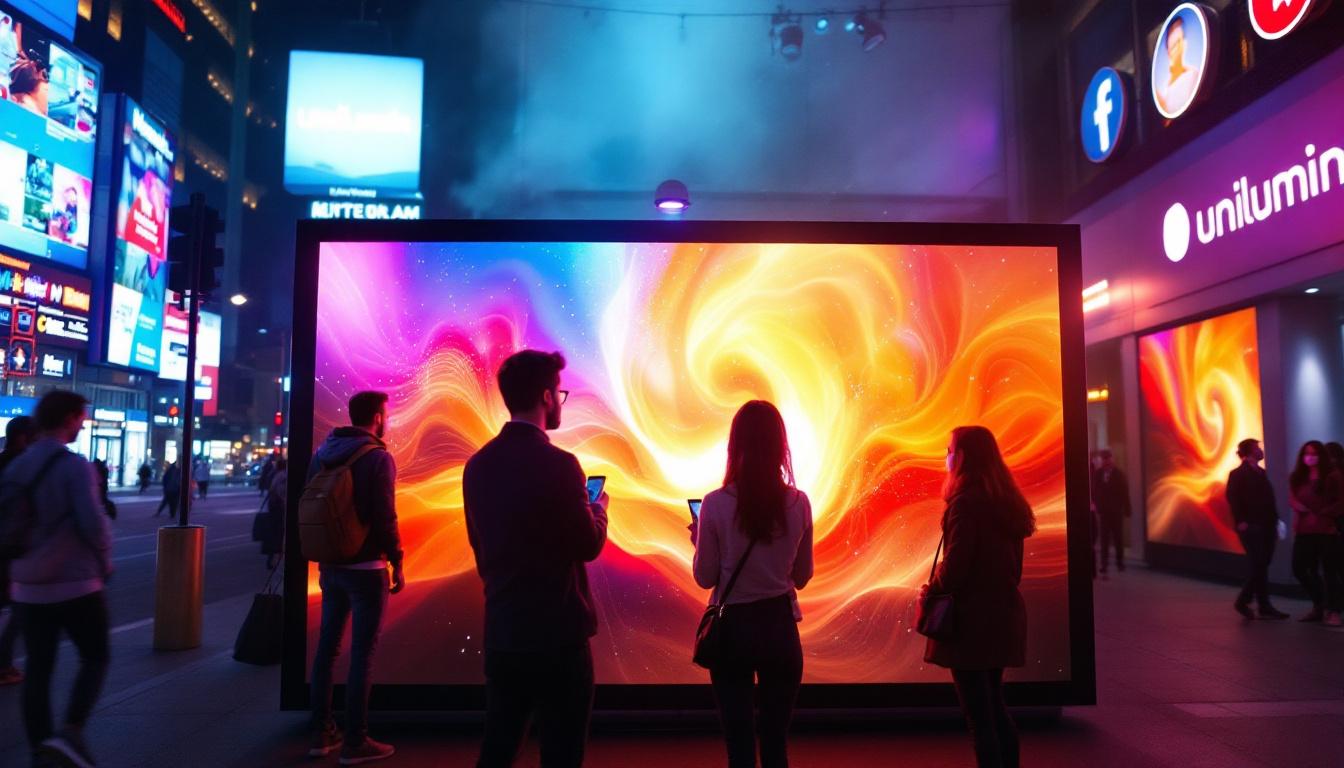
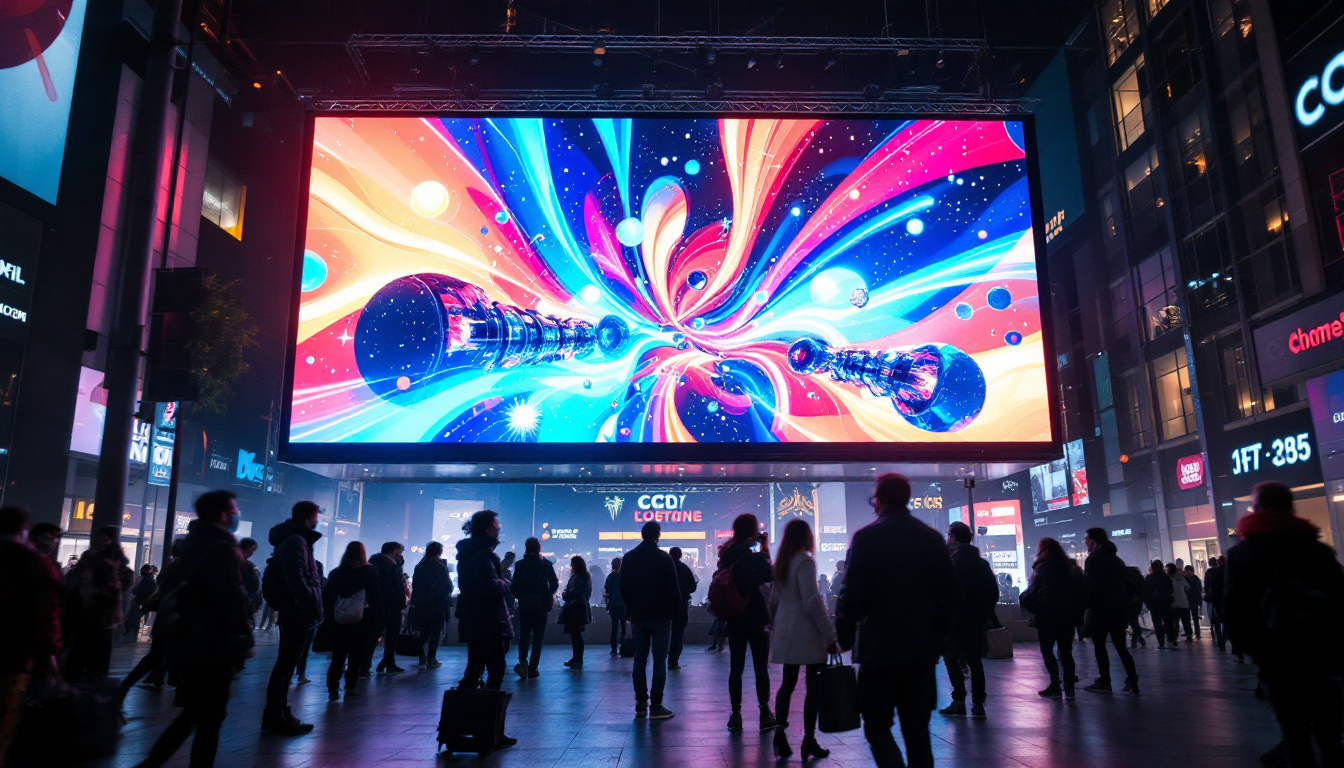
In retail spaces, shopping malls, and public squares, cube screens serve as eye-catching advertising mediums. Their 3D shape allows advertisers to present dynamic content visible from multiple angles, increasing engagement and dwell time. For example, a fashion brand might use a cube screen to showcase different clothing lines on each face, attracting shoppers from all directions.
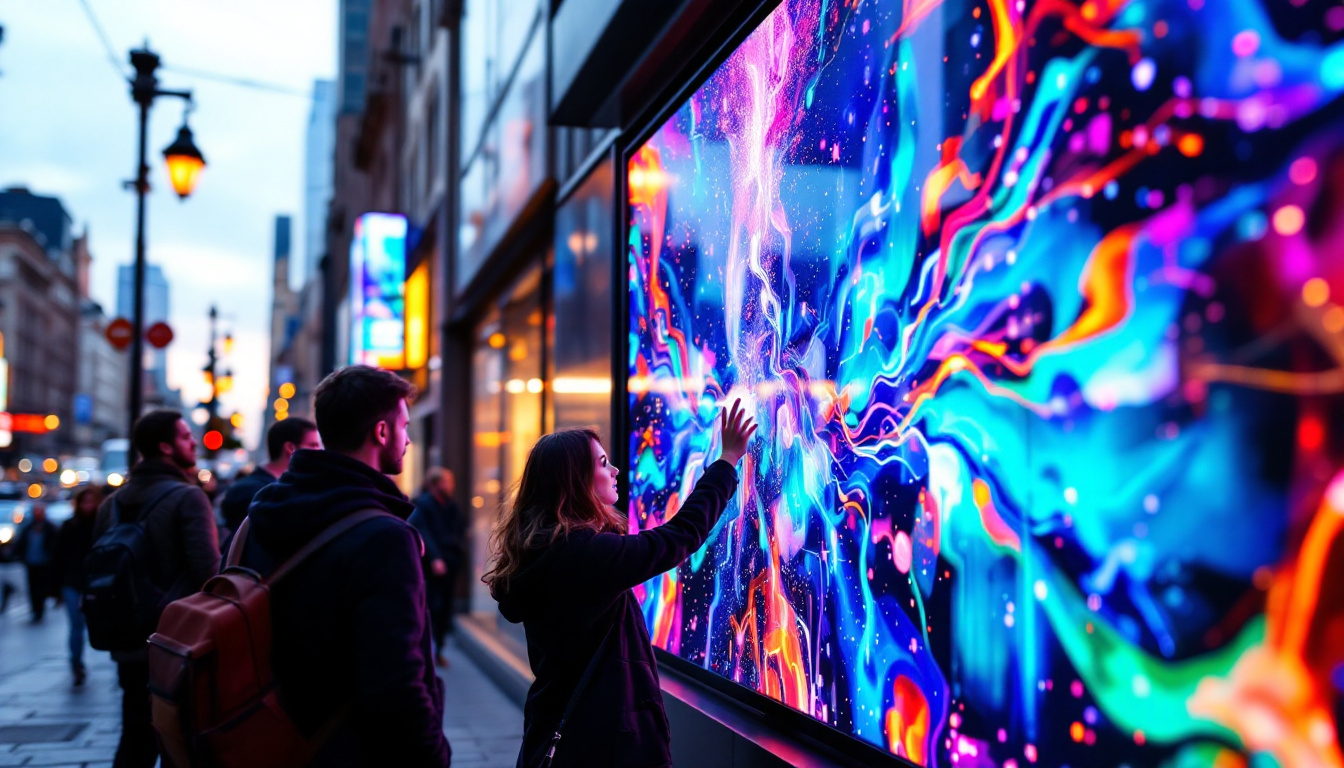
Moreover, cube screens can be integrated with motion sensors or interactive technology, enabling personalized content delivery based on viewer proximity or gestures. This interactivity enhances customer experience and provides valuable data insights for marketers. By analyzing viewer behavior, brands can tailor their campaigns in real-time, ensuring that the most relevant advertisements reach their target audience. This level of engagement not only boosts sales but also fosters brand loyalty as customers feel a deeper connection to the products being showcased.
Entertainment and Events
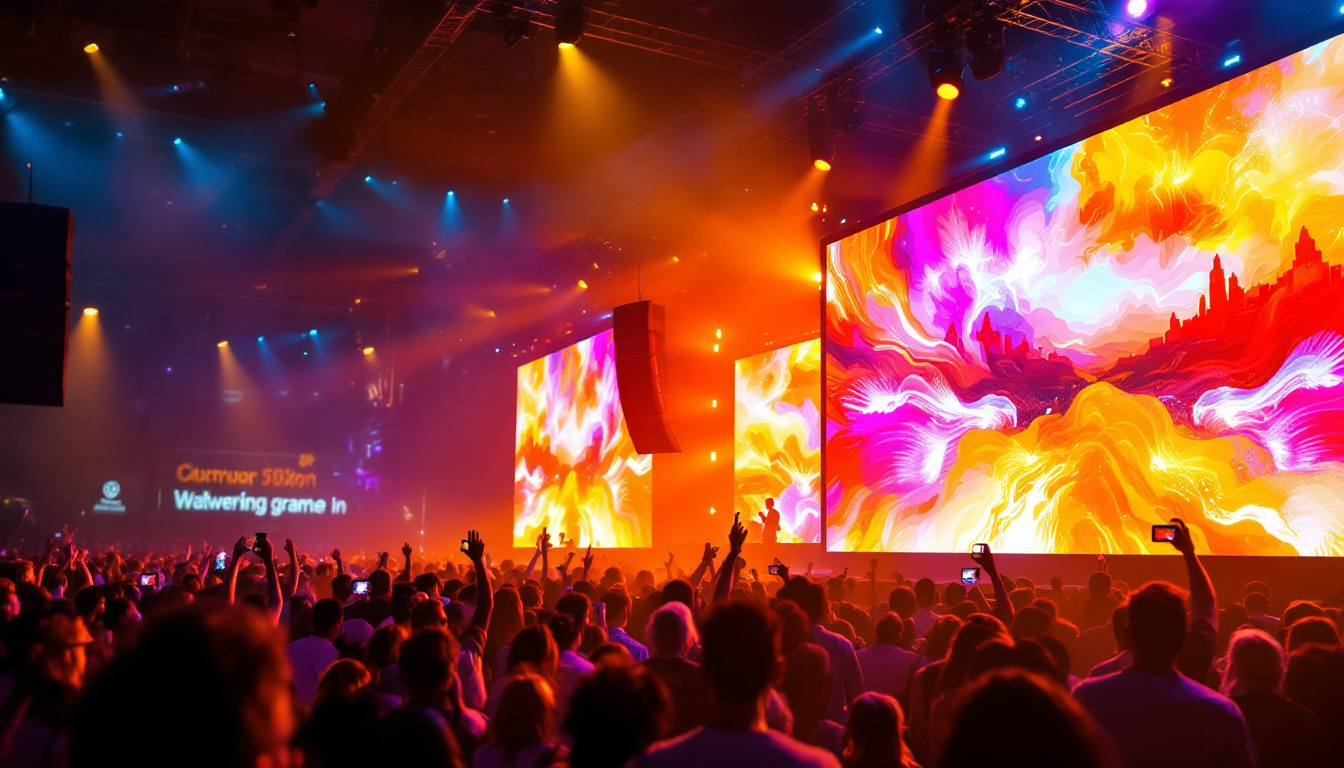
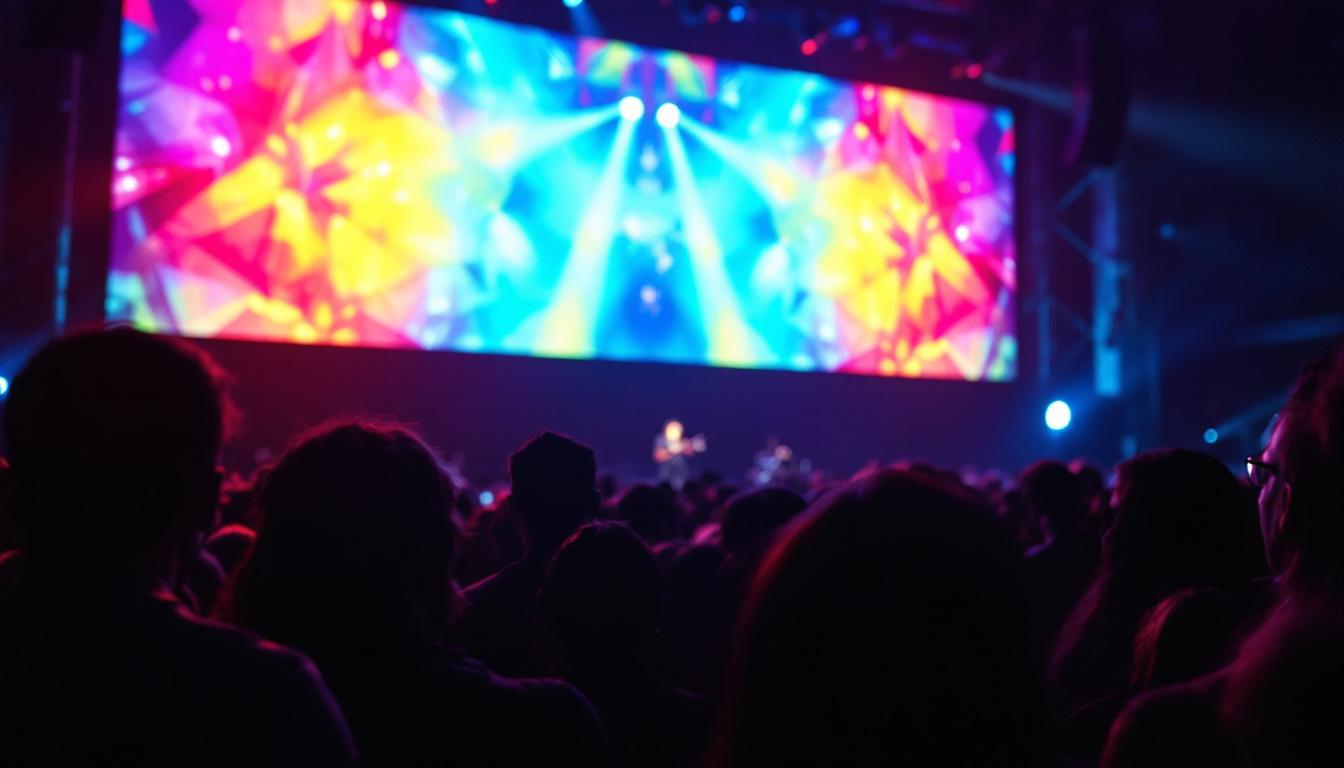
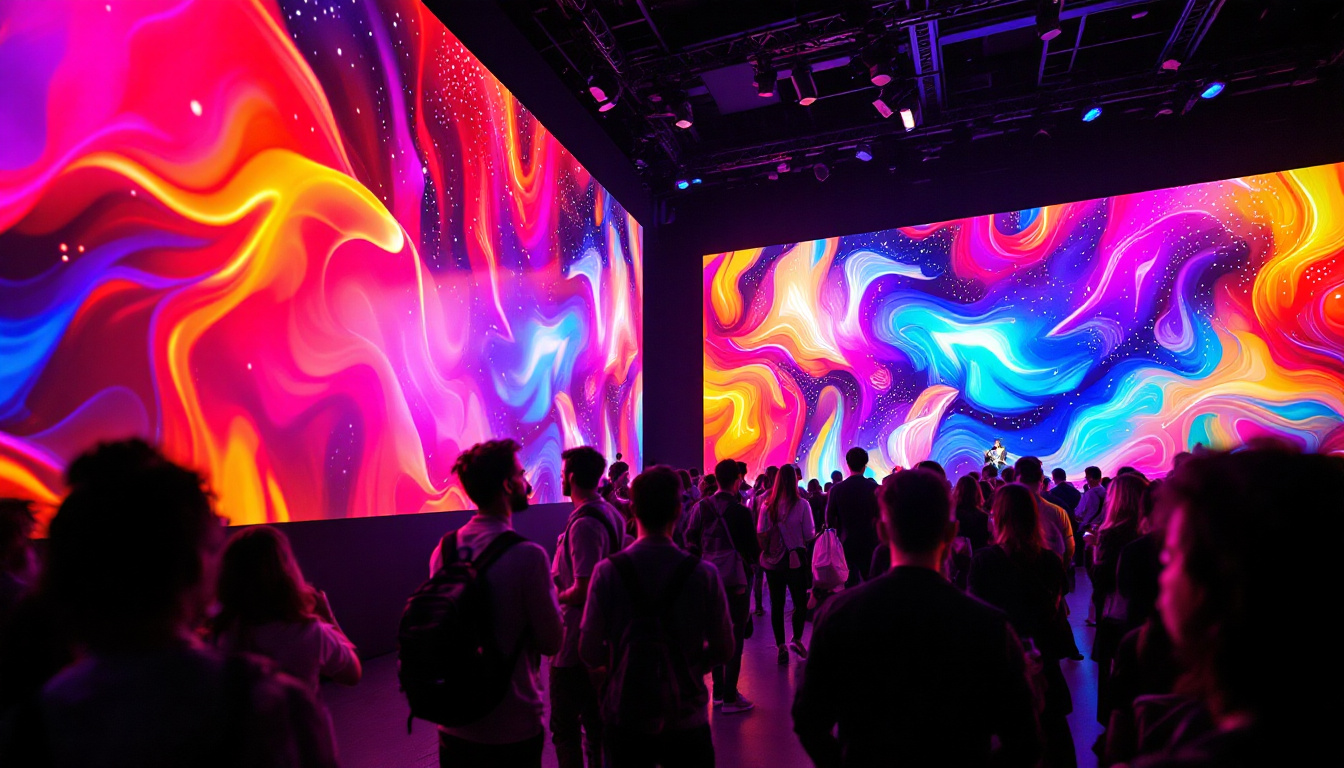
Concerts, exhibitions, and trade shows often utilize cube screens to create immersive environments. Their ability to display synchronized visuals on all sides makes them perfect for stage backdrops or centerpiece installations. For instance, music festivals have adopted cube screens to project live visuals, enhancing the atmosphere and audience engagement. The dynamic nature of these displays can transform a standard performance into a multi-sensory experience, captivating attendees and making the event memorable.
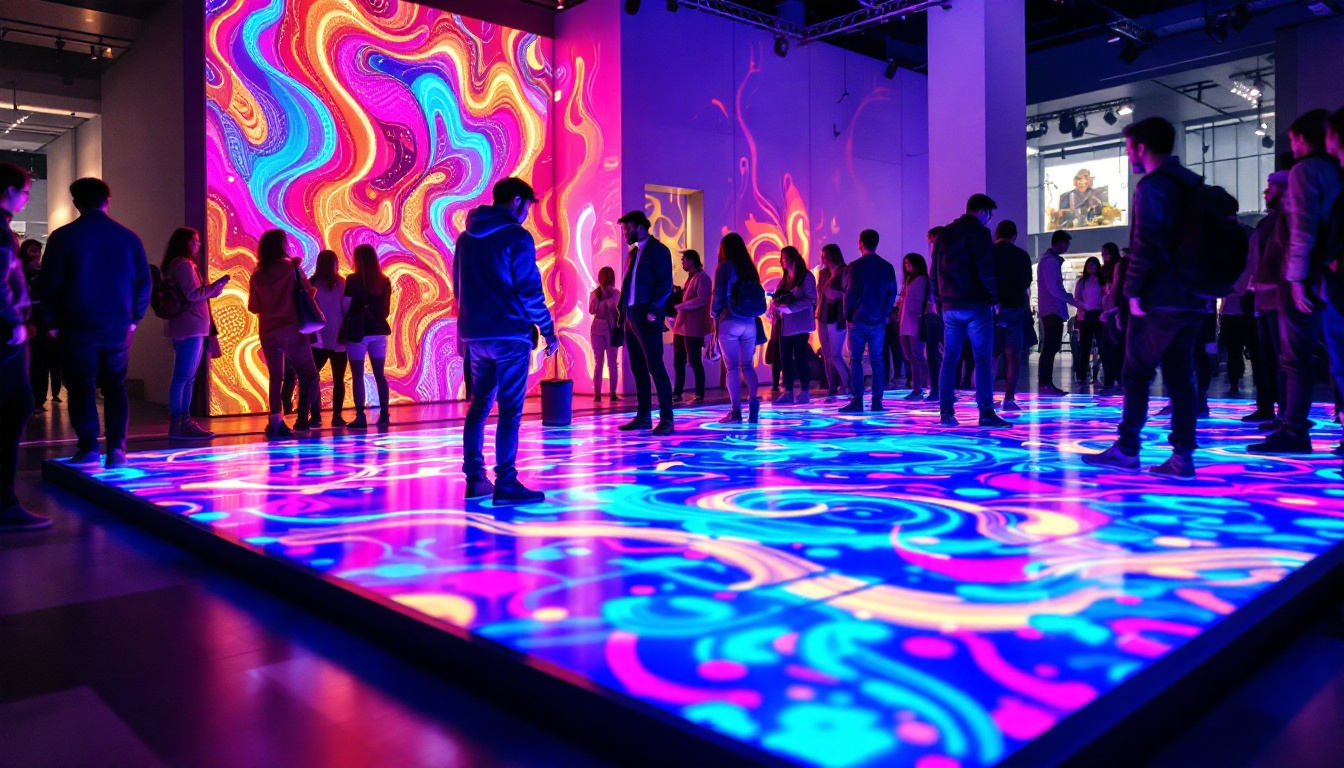
In museums and galleries, cube screens are used to present multimedia art pieces or educational content, allowing viewers to interact with the display from different perspectives. This innovative approach encourages exploration and curiosity, as visitors can walk around the cube to discover various layers of information. Additionally, artists are beginning to experiment with cube screens as a medium for their work, pushing the boundaries of traditional art forms and inviting audiences to engage in a dialogue about the intersection of technology and creativity.
Corporate and Educational Use
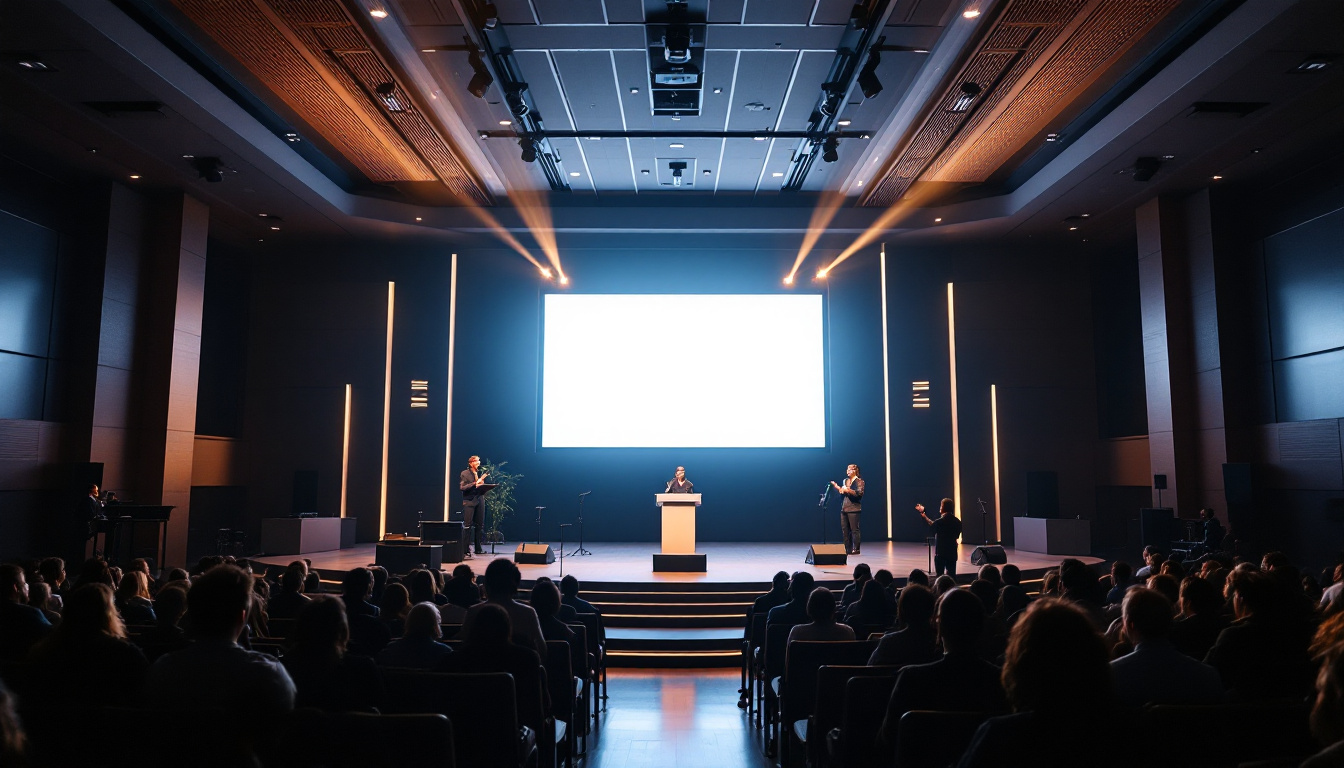
Corporate lobbies and conference rooms have begun incorporating cube screens for presentations, branding, and information dissemination. Their 3D nature can make data visualization more compelling and easier to understand. Companies can utilize these screens to display key performance indicators or project timelines in a way that captures attention and facilitates discussion among stakeholders. The ability to rotate and manipulate the data visually can lead to more insightful conversations and better decision-making.
Educational institutions use cube screens to create interactive learning modules, where students can explore content from multiple angles, fostering a more engaging and hands-on learning experience. For example, in science classes, students can manipulate 3D models of molecules or anatomical structures, enhancing their understanding of complex concepts. Furthermore, educators can incorporate gamification elements into lessons using cube screens, making learning not only informative but also enjoyable. This innovative approach to education has the potential to improve retention rates and inspire a new generation of learners who are adept at navigating and utilizing technology in their studies.
Advantages of Cube Screens Over Traditional Displays
The cube screen format offers several benefits that distinguish it from flat LED displays and other digital signage solutions.
Enhanced Viewing Angles and Visibility
One of the most significant advantages is the 360-degree visibility. Unlike flat screens that require viewers to be positioned directly in front, cube screens allow audiences to engage with the content from virtually any angle. This feature is particularly valuable in crowded or open spaces where foot traffic is unpredictable. For instance, in a bustling shopping mall, a cube screen can capture the attention of shoppers from various directions, ensuring that promotional messages reach a wider audience without the need for multiple displays. This omnidirectional visibility not only enhances engagement but also maximizes the impact of advertising campaigns.
Creative Flexibility
The cubic form enables creative storytelling and content presentation. Different faces can display complementary or contrasting visuals, creating a multi-dimensional narrative. This capability opens new avenues for designers and advertisers to craft unique experiences that stand out in competitive environments. For example, a cube screen can be used to tell a brand story where one side showcases the product in action, another side highlights customer testimonials, and yet another presents dynamic graphics or animations. This layered approach not only captivates viewers but also encourages them to interact with the display, fostering a deeper connection with the brand.
Space Efficiency
Cube screens can serve multiple viewing directions while occupying a relatively small footprint. This efficiency is beneficial in locations where space is limited but high-impact visuals are required. For example, a cube screen suspended from a ceiling can attract attention without obstructing floor space. Additionally, the modular nature of cube screens allows for easy scalability; businesses can configure multiple cubes together to create larger installations or adapt them to fit different environments. This adaptability makes cube screens an ideal choice for trade shows, exhibitions, and other events where versatility and visual impact are paramount.
Interactive Capabilities
Another notable advantage of cube screens is their potential for interactivity. Many modern cube displays are equipped with touch-sensitive technology or can be integrated with motion sensors, allowing viewers to engage directly with the content. This interactivity can transform passive viewers into active participants, enhancing the overall experience. For instance, in a museum setting, a cube screen could allow visitors to select different exhibits or access additional information about the displayed artifacts, making the experience more immersive and educational. This level of engagement not only captivates audiences but also encourages them to spend more time interacting with the display, thereby increasing the likelihood of information retention.
Durability and Maintenance
Cube screens are often designed with durability in mind, making them suitable for high-traffic environments. Unlike traditional displays that may be prone to scratches or damage, many cube screens utilize robust materials that can withstand the rigors of daily use. Furthermore, their modular design simplifies maintenance; if one panel experiences an issue, it can often be replaced without needing to take down the entire display. This ease of maintenance not only reduces downtime but also ensures that the visual experience remains uninterrupted, keeping the audience engaged and informed at all times.
Technical Considerations When Choosing a Cube Screen
While cube screens offer many advantages, selecting the right model involves careful consideration of several technical factors to ensure optimal performance and return on investment.
Resolution and Pixel Pitch
Resolution directly affects image clarity. A finer pixel pitch delivers sharper images but increases cost. The intended viewing distance should guide the choice: closer viewing requires higher resolution to avoid pixelation, while larger venues can accommodate coarser pitches.
Brightness and Contrast Ratio
Brightness is measured in nits and determines how well the display performs under various lighting conditions. Outdoor cube screens must have high brightness levels (typically above 5,000 nits) to remain visible in sunlight. Contrast ratio affects color depth and image quality, crucial for delivering vivid content.
Durability and Weather Resistance
For outdoor installations, cube screens must be weatherproof, with ratings such as IP65 or higher to protect against dust and water. Robust construction ensures longevity and reduces maintenance costs.
Content Management Systems (CMS)
Effective content management is vital for maximizing the cube screen’s potential. Modern CMS platforms allow remote control, scheduling, and real-time updates of content across multiple faces. Integration with analytics tools can provide insights into viewer engagement and campaign effectiveness.
Future Trends in Cube Screen and LED Display Technology
The LED display industry is continuously innovating, with several trends poised to influence the future of cube screens.
Higher Resolution and Mini-LED Integration
Advancements in mini-LED and micro-LED technologies promise even higher resolution and improved energy efficiency. These developments will enable cube screens to deliver cinema-quality visuals, enhancing their appeal for premium applications.
Interactive and AI-Driven Content
Artificial intelligence and machine learning are being integrated into display systems to create adaptive content that responds to audience behavior in real time. Cube screens equipped with sensors and AI can tailor messages, improving engagement and conversion rates.
Augmented Reality (AR) and Mixed Reality (MR) Synergies
Combining cube screens with AR and MR technologies can create immersive environments where digital and physical worlds blend seamlessly. This fusion will expand the possibilities for entertainment, education, and retail experiences.
Conclusion
Cube screens represent a dynamic evolution in LED display technology, offering unparalleled versatility and visual impact. Their unique 3D form factor, combined with the inherent advantages of LED technology, makes them an excellent choice for a wide range of applications—from advertising and entertainment to corporate and educational uses.
As technology advances, cube screens will continue to evolve, integrating higher resolution, interactivity, and intelligent content delivery. For businesses and organizations seeking innovative ways to capture attention and engage audiences, understanding the capabilities and potential of cube screens is essential.
Discover the Future of LED Displays with LumenMatrix
Ready to elevate your visual experience with the latest in LED display technology? Look no further than LumenMatrix, where innovation meets impact. From mesmerizing Indoor and Outdoor LED Wall Displays to versatile Vehicle and Sports LED solutions, our range of products, including the revolutionary Cube Screen, is designed to captivate and engage. Embrace the future of digital storytelling and make your message resonate. Check out LumenMatrix LED Display Solutions today and transform your space into a beacon of creativity and connection.