In the modern era of digital communication and advertising, LED displays have become an indispensable technology. From massive outdoor billboards to sleek indoor signage, LED panels offer vibrant visuals, energy efficiency, and unparalleled versatility. This article delves into the world of Light LED Panels, explaining their technology, applications, benefits, and future trends. Whether you are a business owner considering digital signage or a technology enthusiast curious about LED displays, this comprehensive guide will illuminate the subject with clarity.
Understanding LED Display Technology
What Is an LED Display?
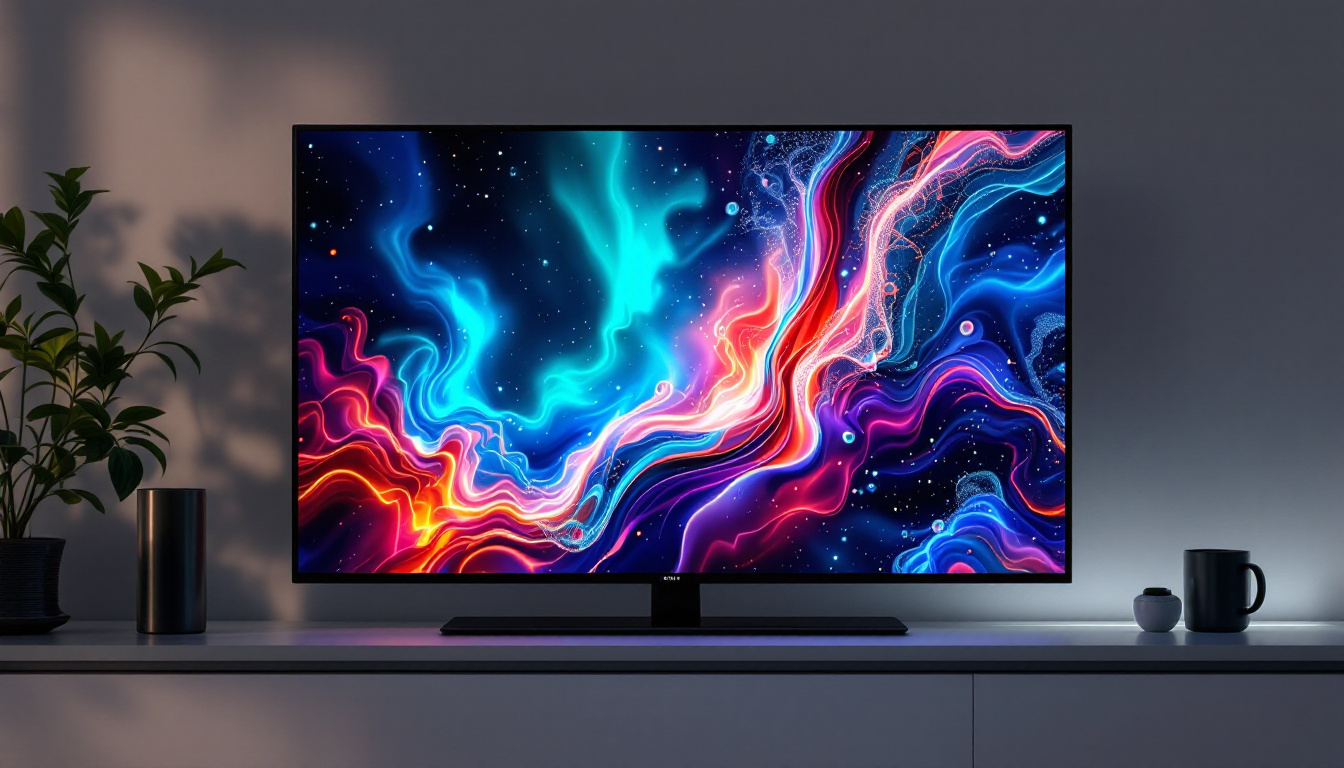
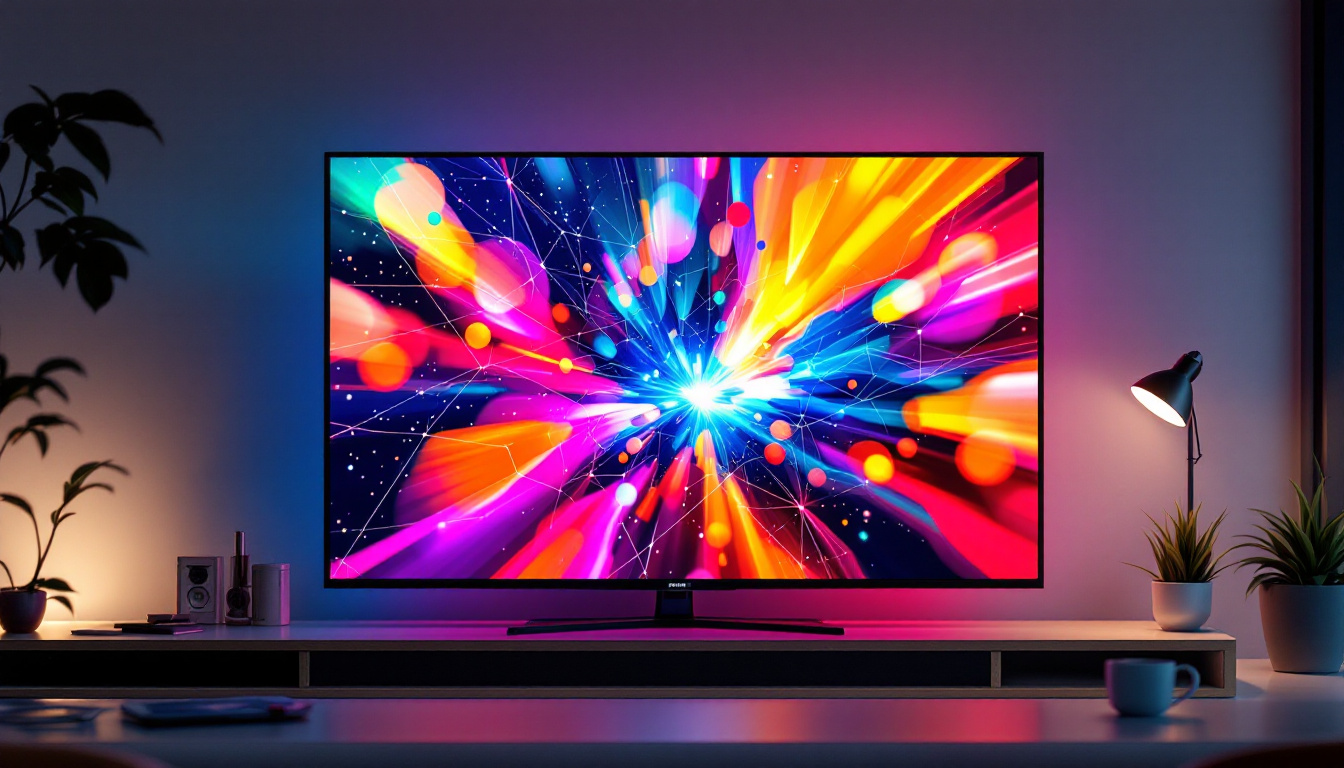
LED stands for Light Emitting Diode, a semiconductor device that emits light when an electric current passes through it. An LED display is a flat panel that uses an array of these tiny LEDs to create images, videos, and text. Unlike traditional LCD or plasma screens, LED displays produce their own light, resulting in brighter and more vivid visuals.
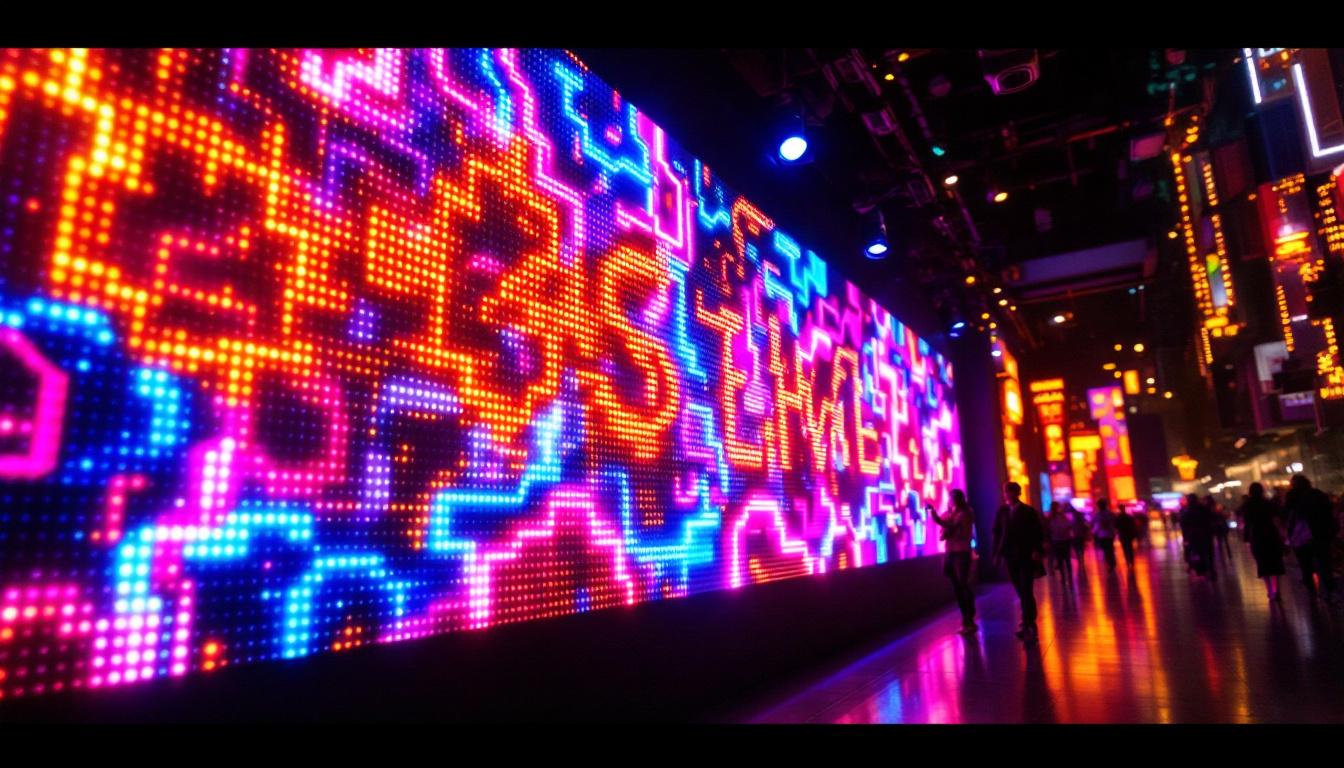
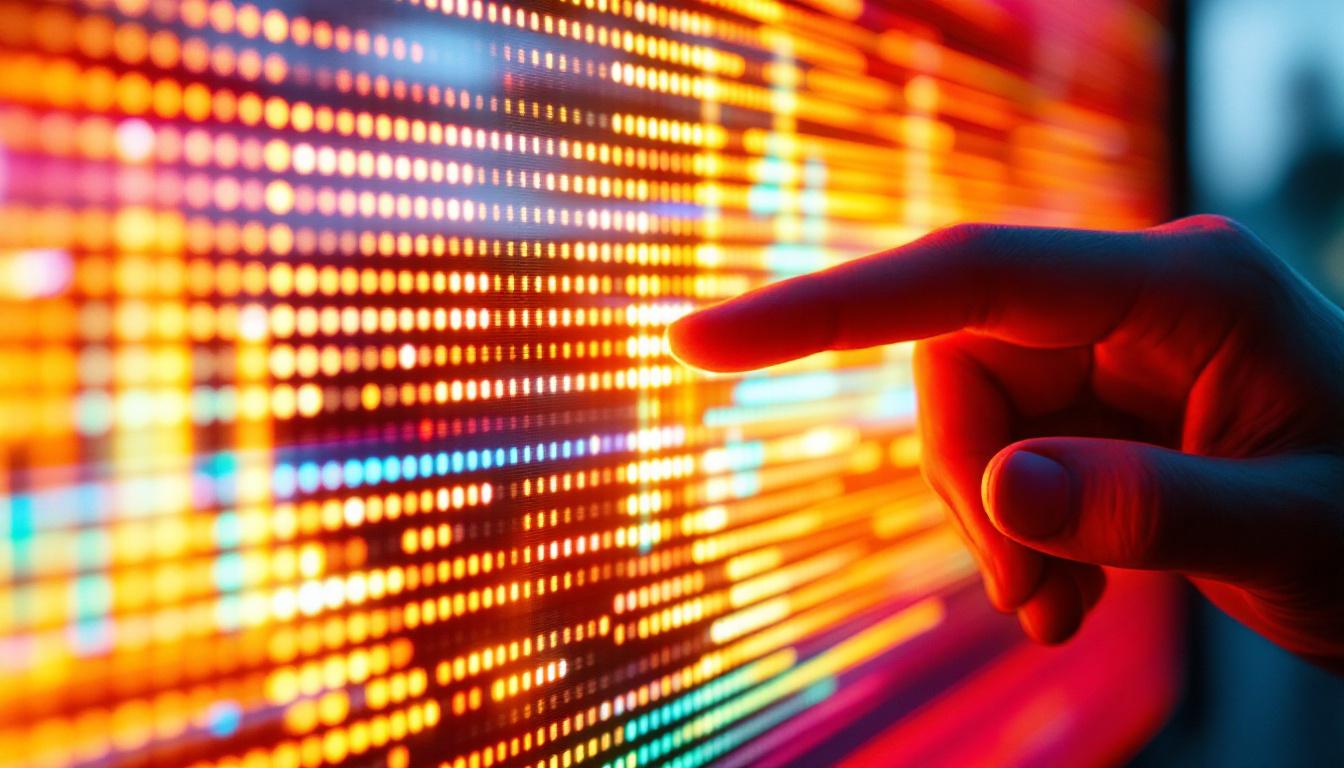
Light LED panels are composed of thousands of individual LEDs arranged in a grid pattern. Each LED acts as a pixel or part of a pixel, and by varying the intensity and color of each LED, the panel can display complex images and animations. The technology behind these panels has evolved significantly over the past decade, leading to higher resolutions, improved color accuracy, and enhanced energy efficiency. This evolution has also made LED displays more accessible for various applications, from consumer electronics to large-scale advertising installations, making them a ubiquitous presence in modern visual communication.
Moreover, the durability and longevity of LED displays are notable advantages. Unlike traditional screens that may suffer from burn-in or color degradation over time, LED technology is designed to maintain its performance even after prolonged use. This resilience makes LED displays particularly appealing for environments where they are in constant operation, such as airports, shopping malls, and sports arenas, where vibrant visuals are essential for capturing audience attention.
Types of LED Panels
LED panels come in various types, primarily categorized by their structure and intended use:
- Direct View LED Panels: These panels use LEDs as the light source and display medium simultaneously. They are commonly used for large-scale outdoor screens and indoor video walls. Their ability to produce bright, high-contrast images makes them ideal for advertising and events where visibility is crucial, even in direct sunlight.
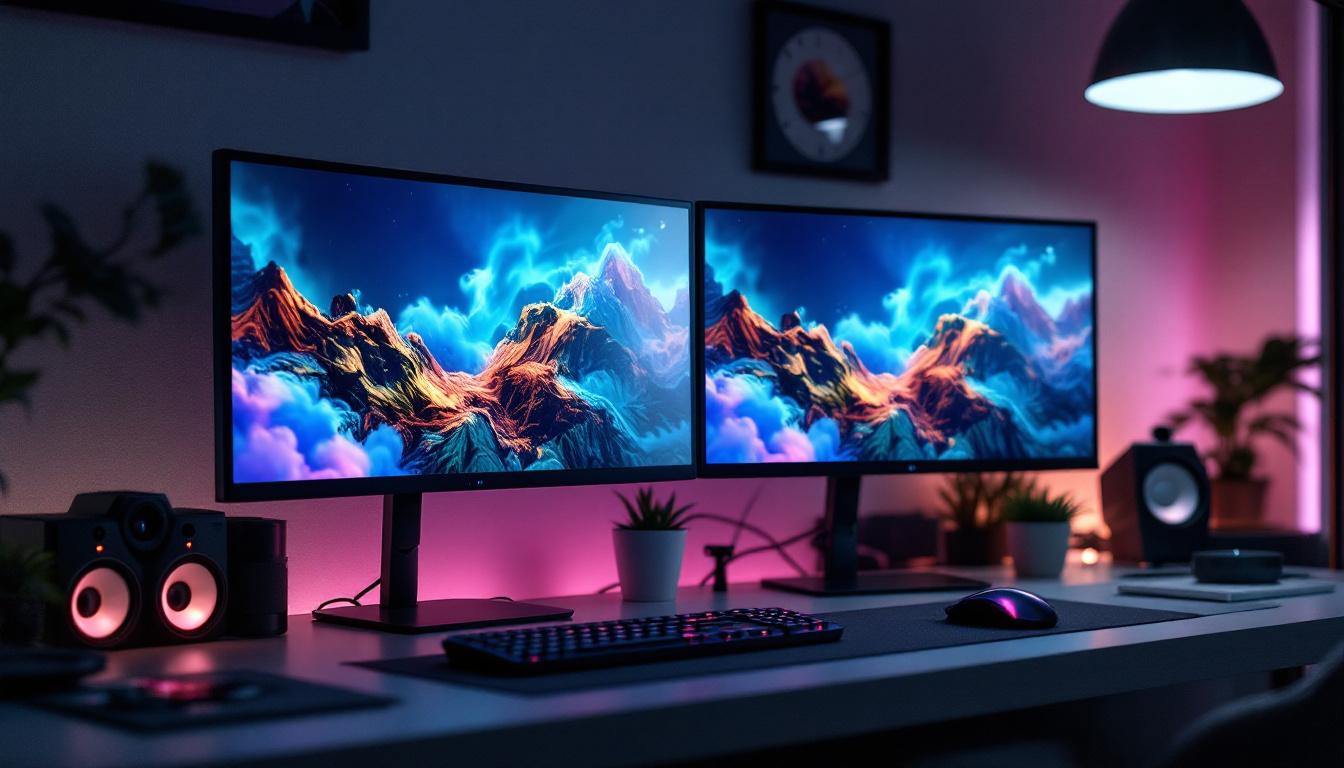
- LED Backlit LCD Panels: These combine LED backlighting with LCD technology. The LEDs illuminate the LCD pixels, which modulate the light to form images. This type is prevalent in televisions and computer monitors, providing a balance of quality and cost-effectiveness. The backlighting can be adjusted to enhance contrast and color accuracy, making these panels suitable for home entertainment and professional applications alike.
- Mini-LED and Micro-LED Panels: These are advanced forms of LED displays with smaller LED sizes, allowing for higher pixel densities and better contrast ratios. Micro-LEDs, in particular, are gaining attention for their potential to revolutionize display technology. With the ability to create self-emissive pixels, Micro-LEDs promise to deliver exceptional color performance and viewing angles, while also being more energy-efficient than their larger counterparts. This innovation opens up new possibilities for flexible displays and ultra-thin screens that can be seamlessly integrated into various environments.
In addition to these types, the integration of smart technology into LED displays is becoming increasingly common. Many modern LED panels come equipped with built-in processors and connectivity options, allowing for real-time content updates and interactive features. This capability is particularly valuable in retail and advertising, where dynamic content can be tailored to engage consumers effectively. As the demand for personalized and immersive experiences grows, the role of LED displays in shaping the future of visual communication continues to expand.
Key Components of Light LED Panels
LED Modules and Pixels
The core of any LED panel is the LED module, which contains a matrix of LEDs grouped together to form pixels. Each pixel typically consists of three LEDs—red, green, and blue (RGB)—that combine to produce a wide color spectrum through additive color mixing. The precision in controlling these RGB LEDs determines the display’s color accuracy and vibrancy.
Driver Circuits and Control Systems
Driver circuits regulate the current flowing through each LED to control brightness and color. Advanced control systems manage the synchronization of thousands of LEDs, ensuring smooth image rendering and video playback. These systems often include software that allows for remote management, content scheduling, and diagnostics.
Protective Housing and Diffusers
LED panels are encased in protective housings designed to withstand environmental factors such as moisture, dust, and temperature fluctuations. Diffusers or lenses are used to evenly distribute light from the LEDs, enhancing viewing angles and reducing glare. Outdoor panels, for example, often feature weatherproof enclosures and anti-glare coatings.
Applications of Light LED Panels
Outdoor Advertising and Digital Billboards
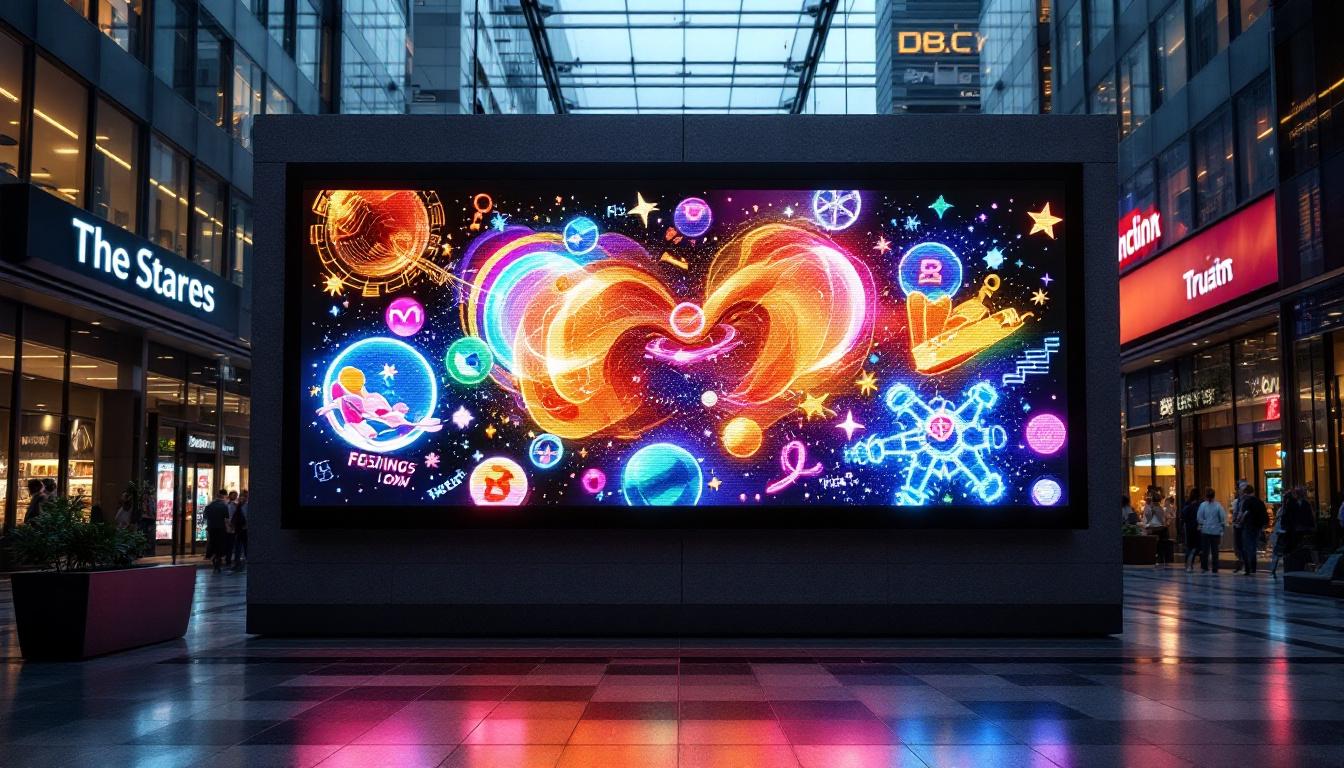
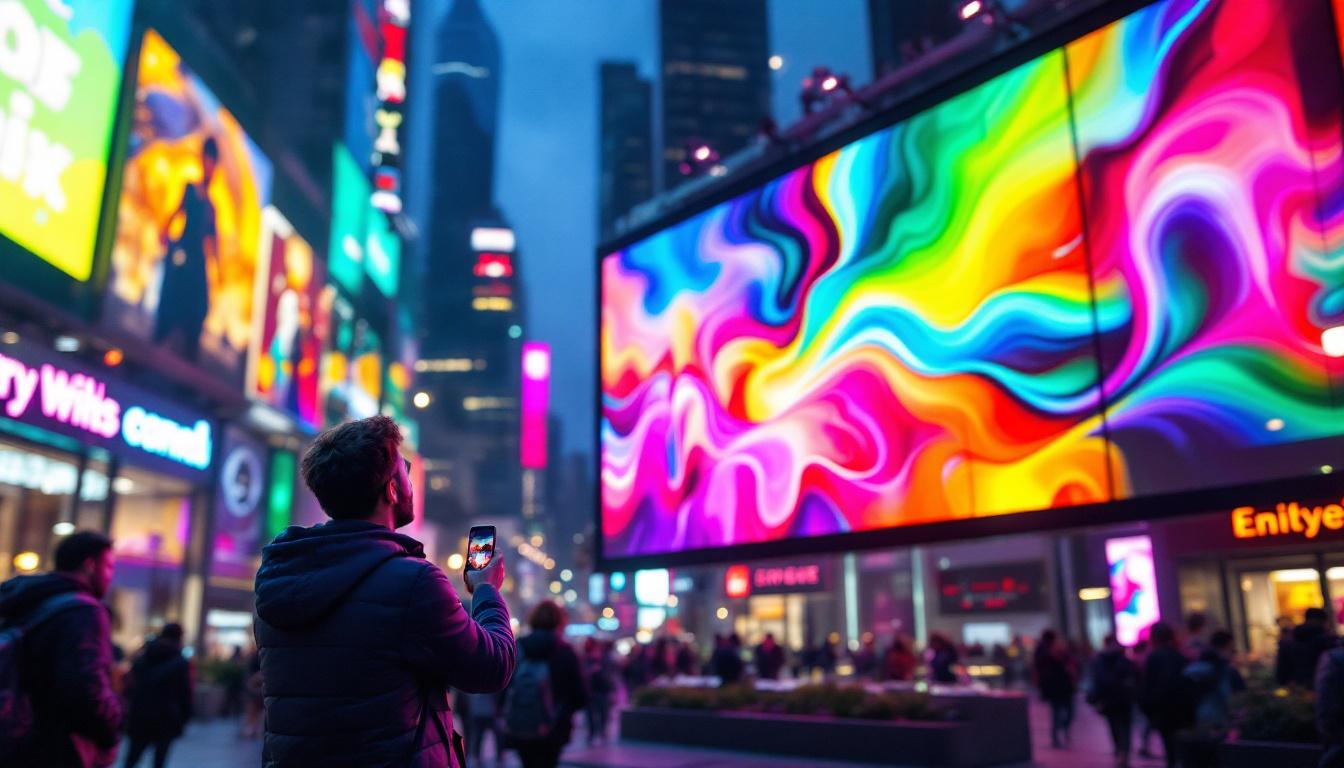
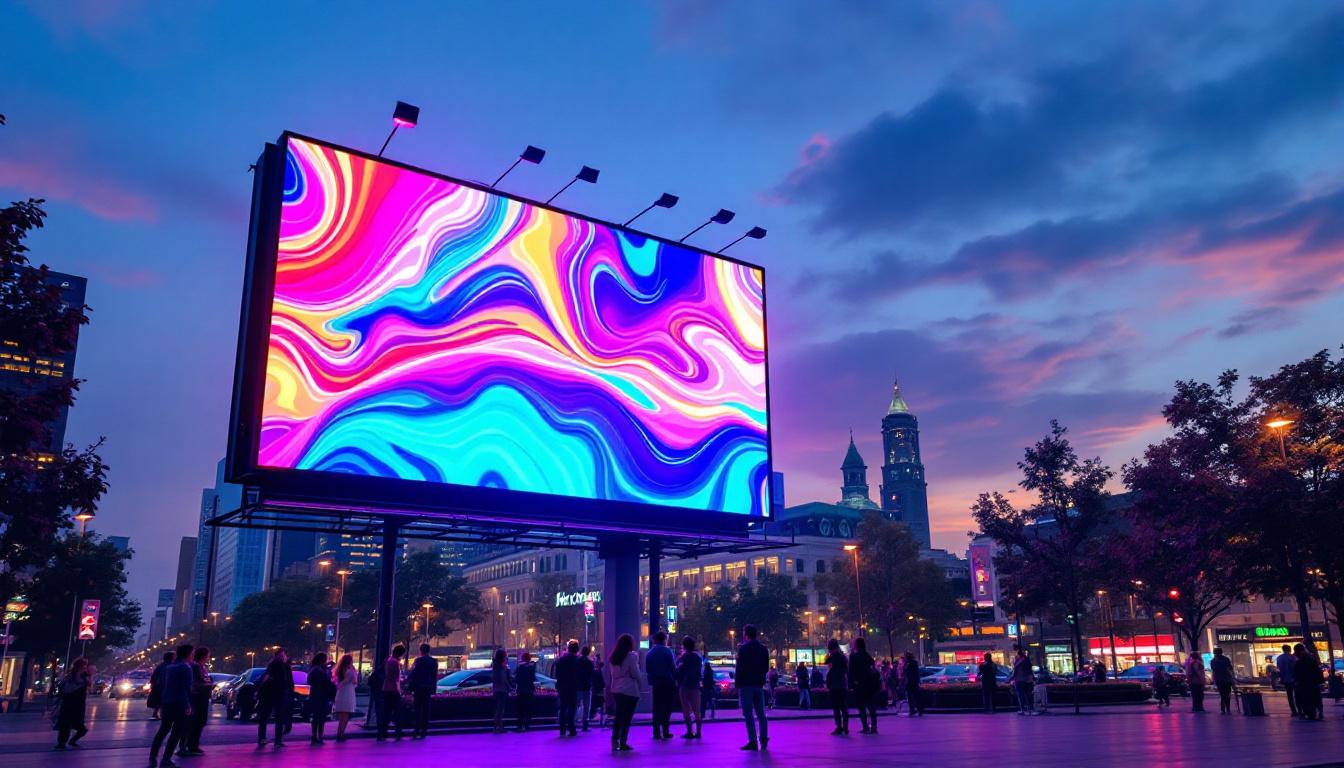
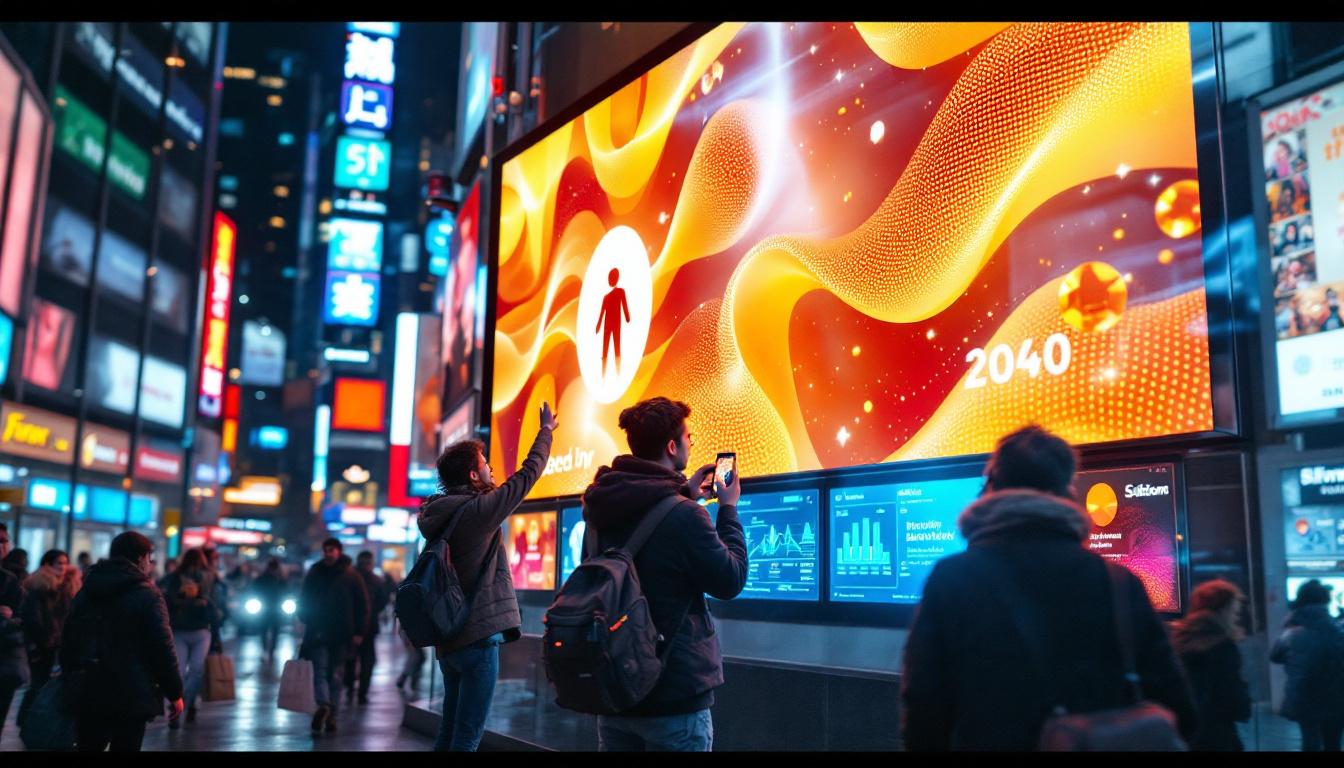
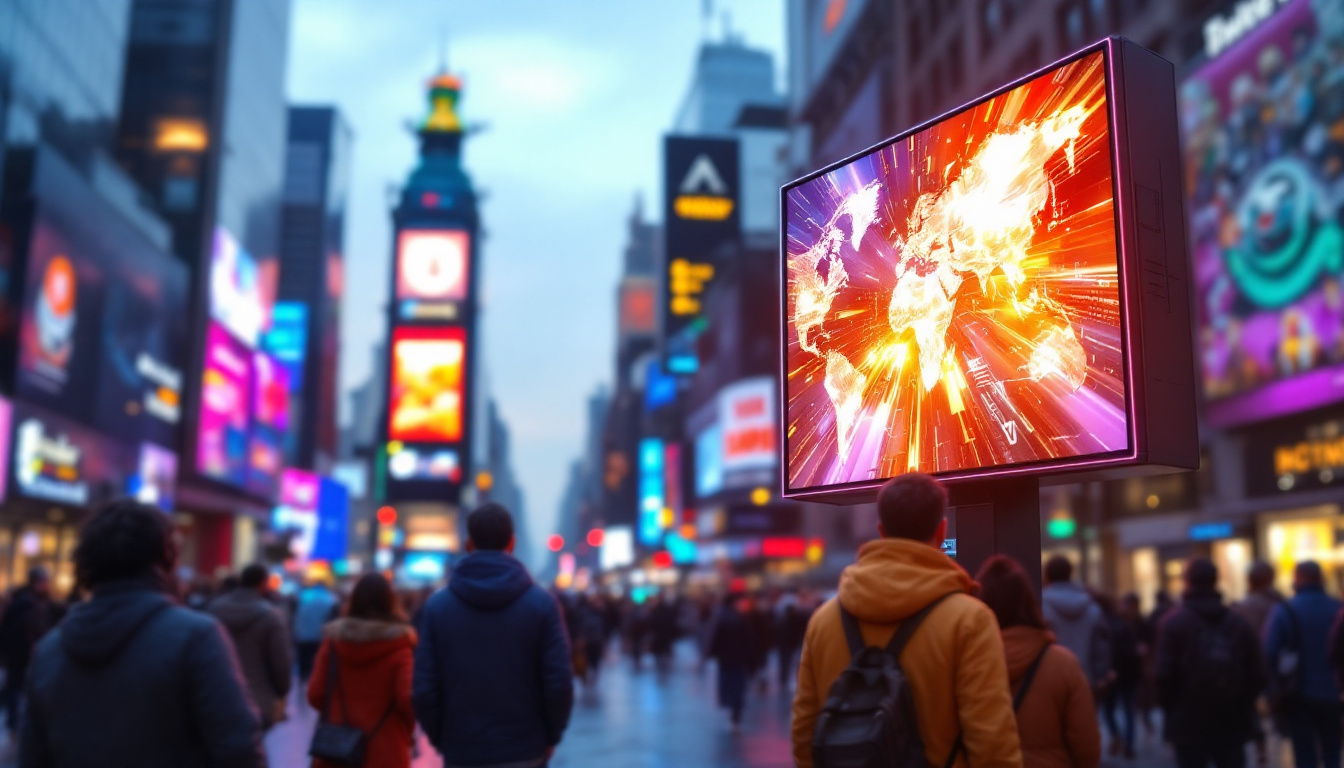
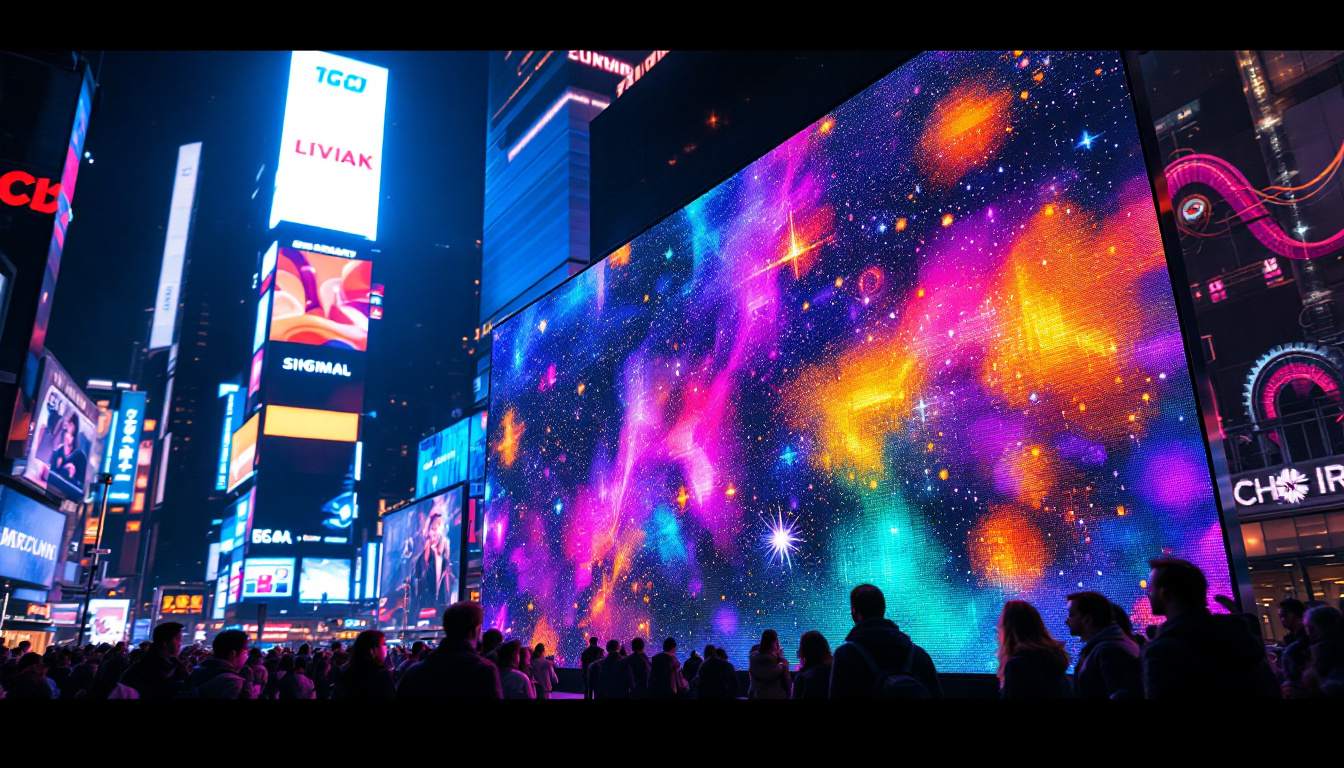
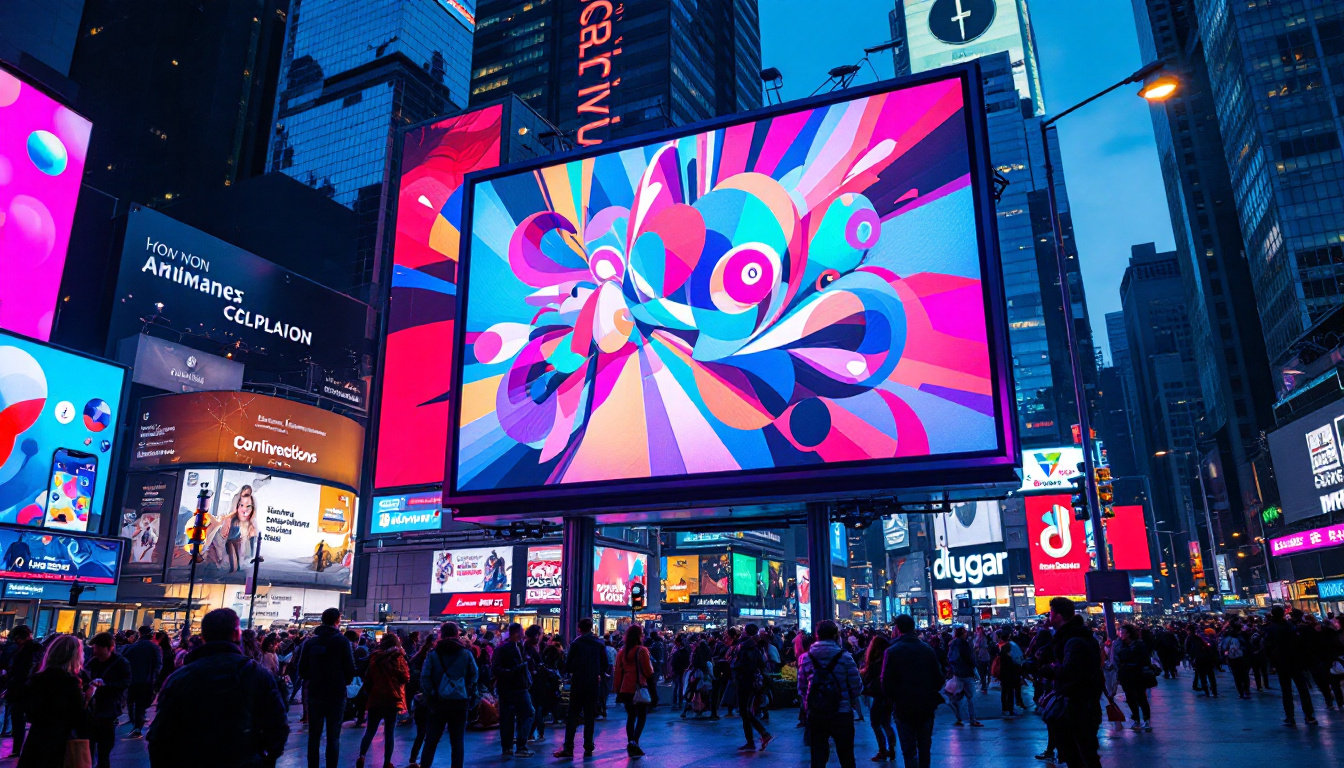
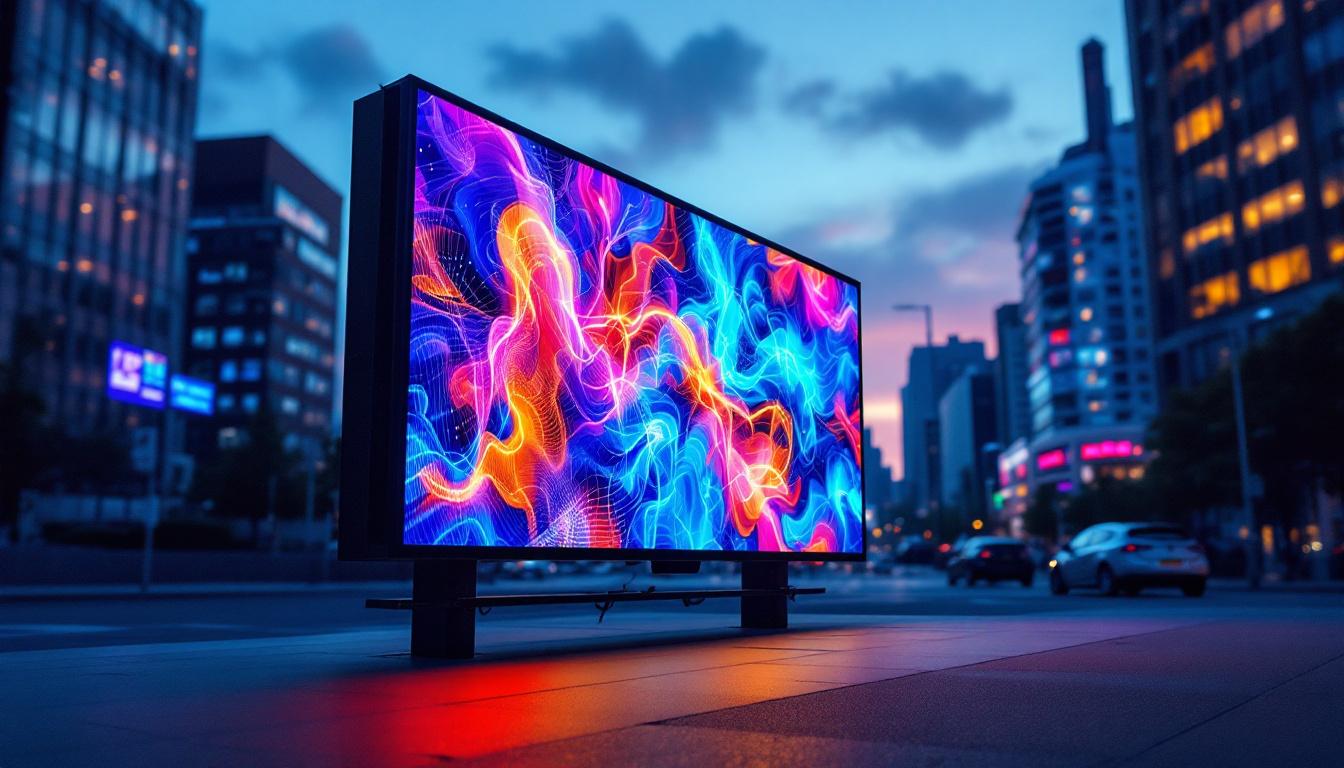
One of the most visible applications of LED panels is in outdoor advertising. Digital billboards powered by LED displays offer dynamic content that can be updated in real-time, providing advertisers with flexibility and immediacy. According to recent market research, the global digital out-of-home advertising market is expected to grow at a CAGR of over 10% through 2027, driven largely by LED technology adoption.
LED billboards are capable of withstanding harsh weather conditions while maintaining high brightness levels that ensure visibility even in direct sunlight. Their ability to display video and interactive content makes them more engaging than traditional static billboards.
Indoor Signage and Video Walls
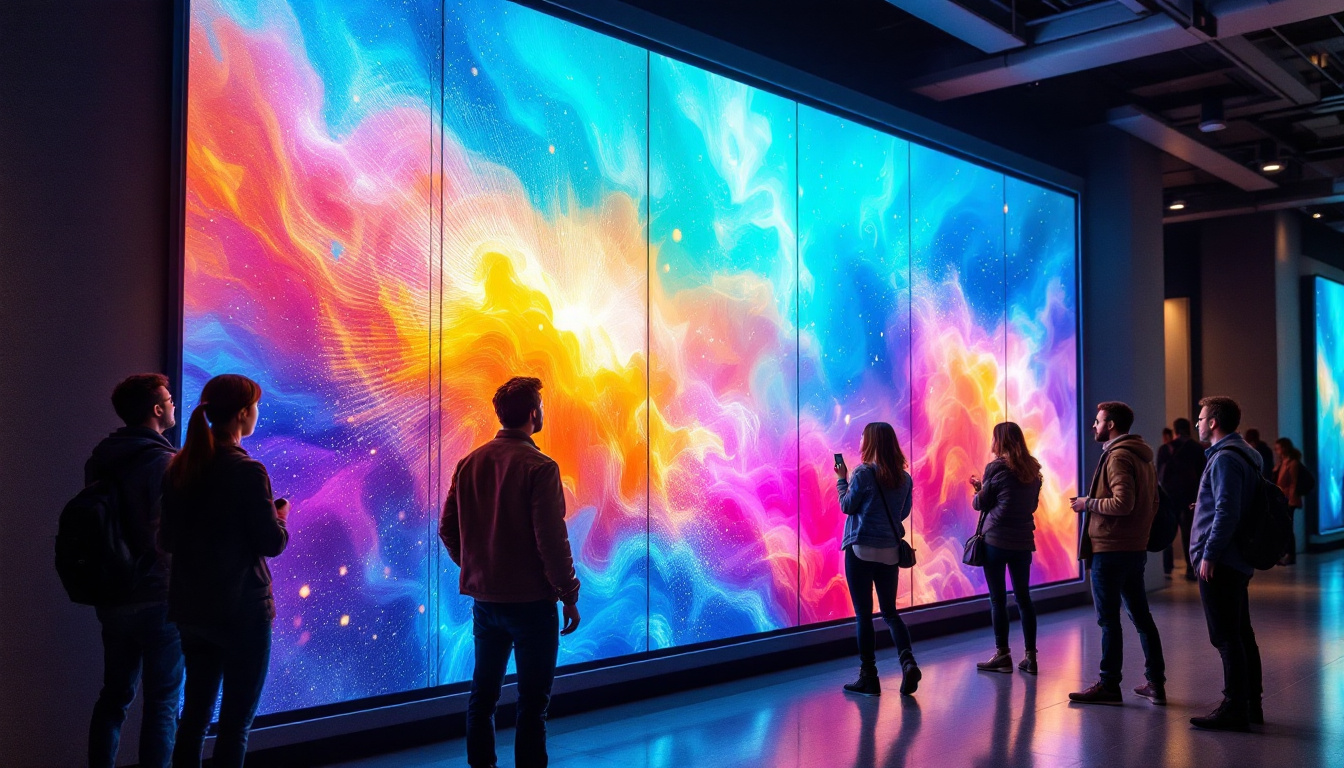
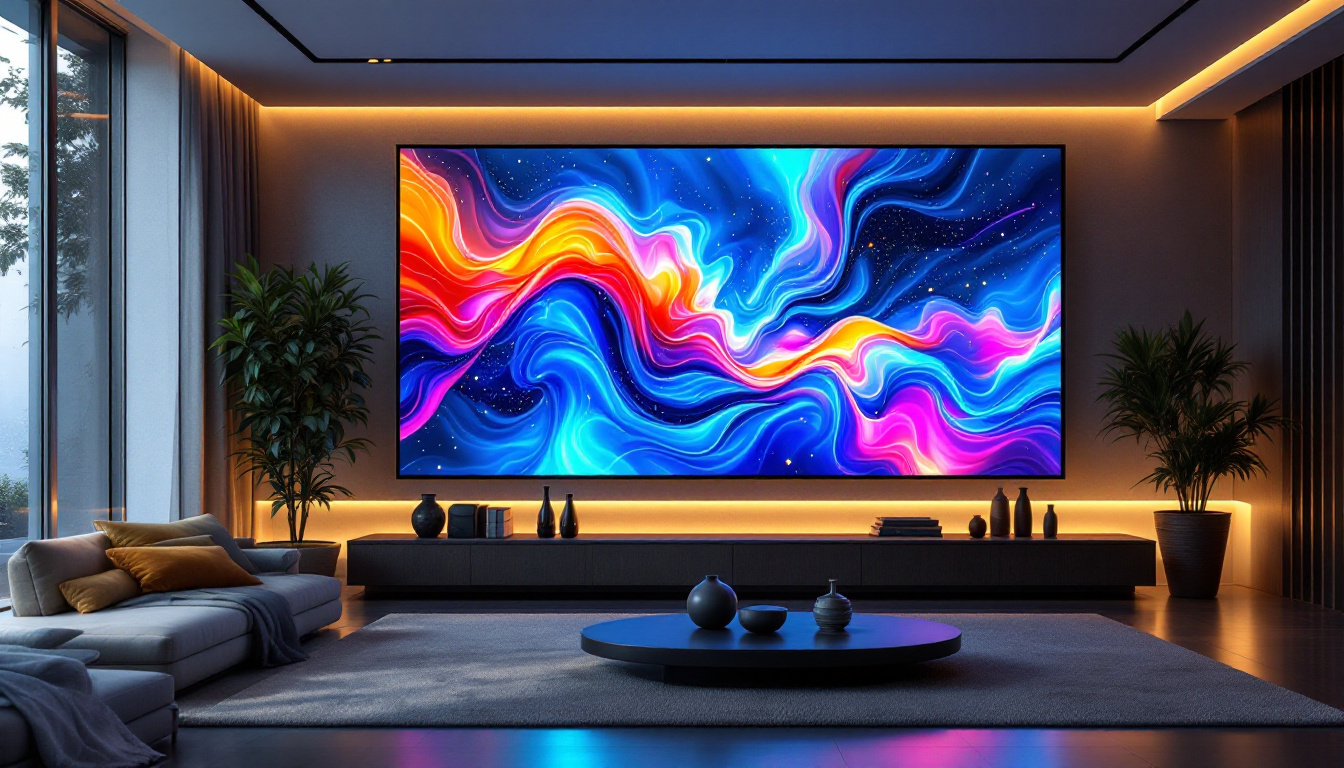
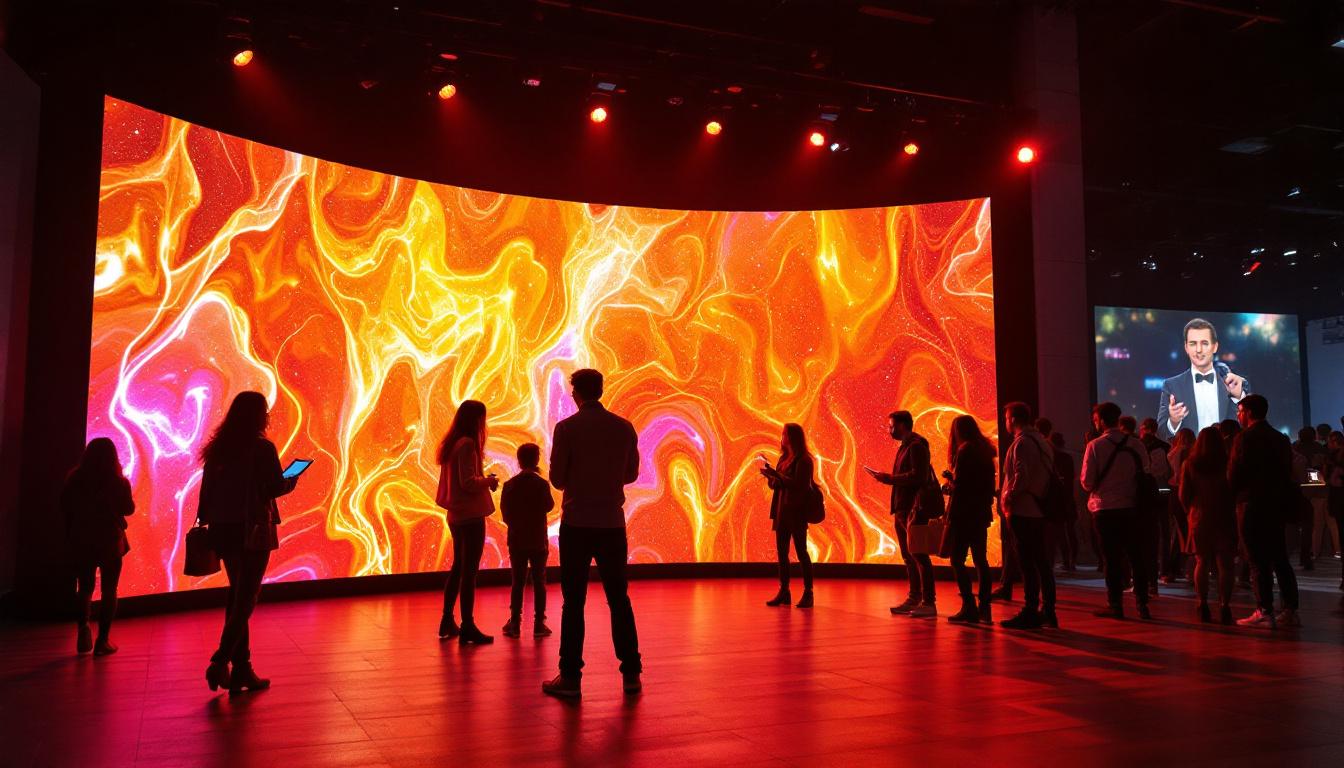
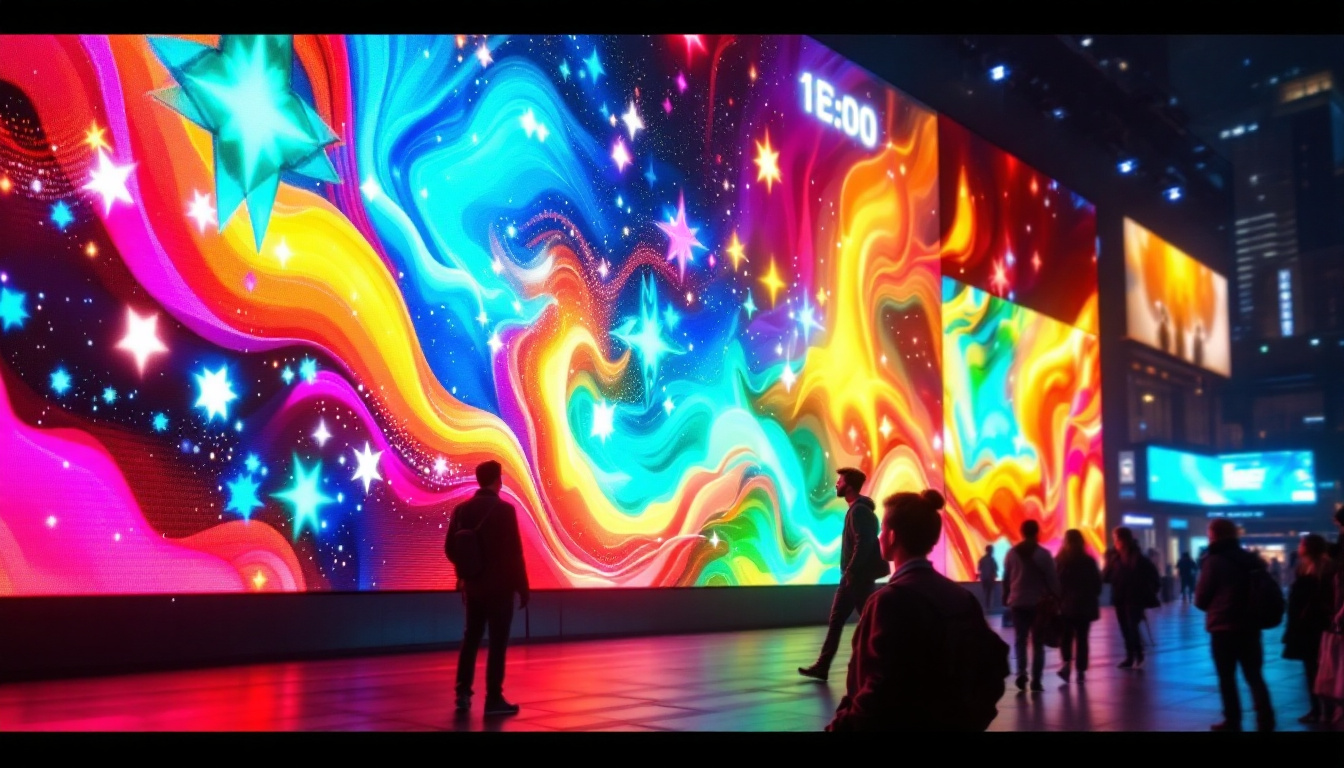
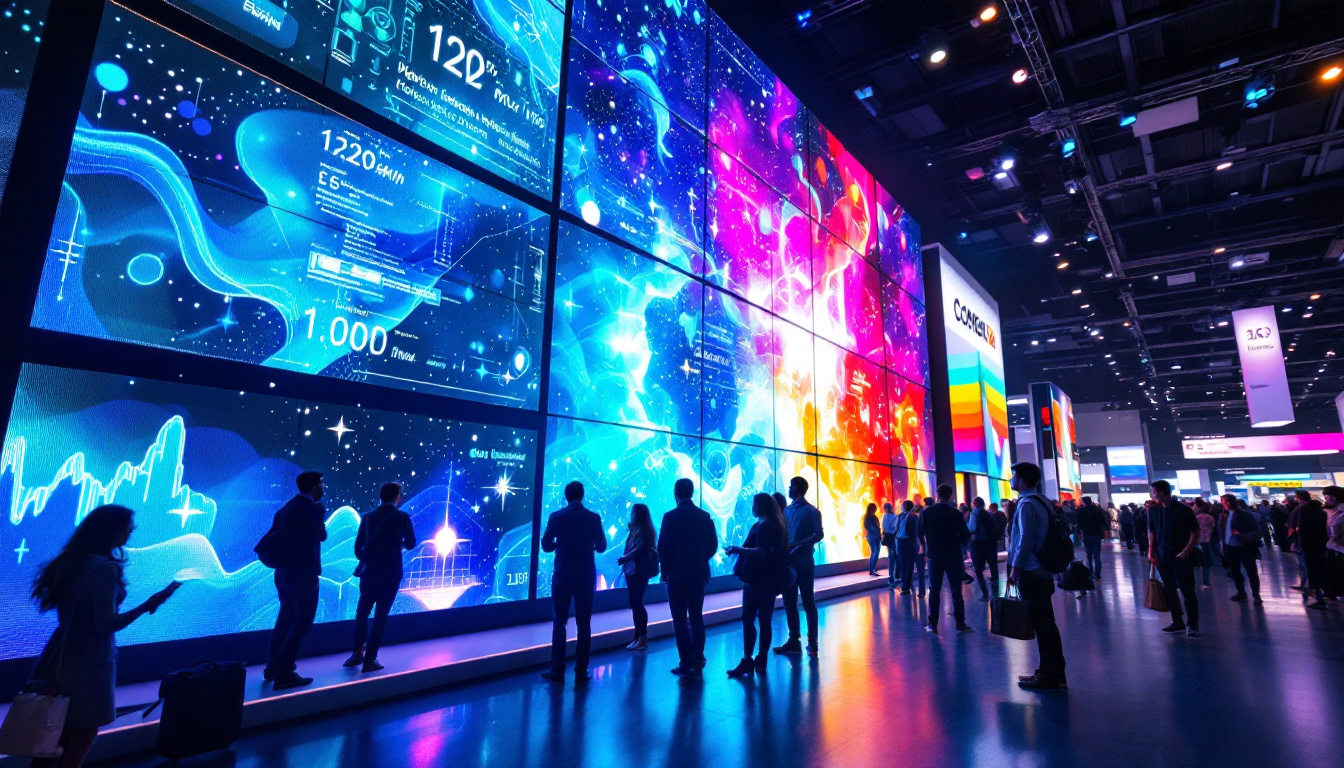
In retail stores, corporate offices, airports, and event venues, LED panels serve as eye-catching indoor signage. Video walls composed of multiple LED panels can create large, seamless displays that captivate audiences. These installations are often used for branding, wayfinding, and entertainment purposes.
Indoor LED panels typically have higher pixel density and lower brightness compared to outdoor models, optimizing them for close-range viewing. They also offer design flexibility, with customizable shapes and sizes to fit various architectural requirements.
Stage and Entertainment Lighting
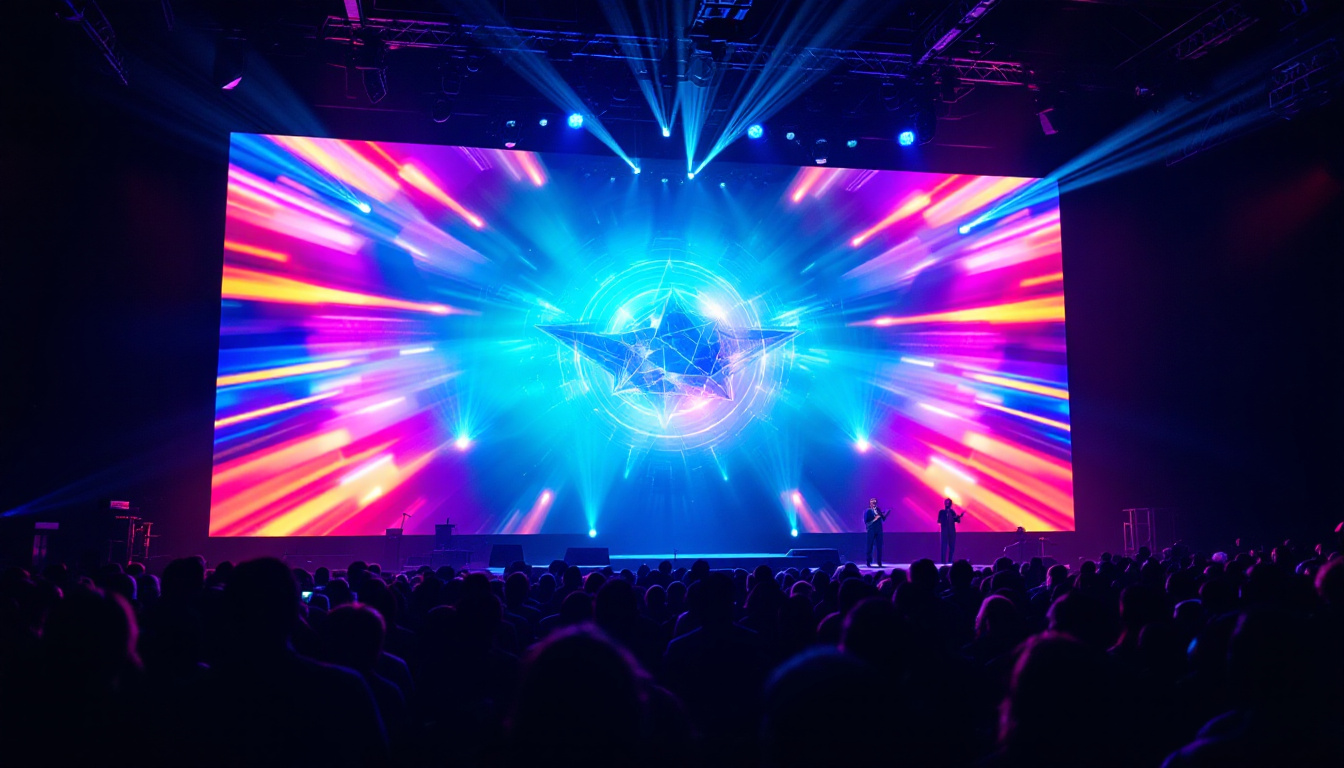
The entertainment industry extensively utilizes LED panels for stage backdrops, concerts, and live events. Their lightweight design and modularity allow for quick assembly and disassembly. Moreover, LED panels can synchronize with lighting and sound systems to create immersive experiences.
Benefits of Using Light LED Panels
Energy Efficiency and Longevity
LED technology is renowned for its energy efficiency. Compared to traditional incandescent or fluorescent lighting, LEDs consume significantly less power while delivering brighter light output. This efficiency translates into lower operating costs for businesses using LED displays.
Additionally, LEDs have a longer lifespan, often exceeding 50,000 hours of operation. This durability reduces maintenance requirements and replacement costs, making LED panels a cost-effective solution over time.
Superior Image Quality and Visibility
LED panels provide high brightness levels, excellent contrast ratios, and vibrant colors. These attributes ensure that content remains clear and legible in various lighting conditions, including direct sunlight. High refresh rates and fast response times also minimize motion blur, enhancing the viewing experience for video content.
Flexibility and Customization
LED panels are highly versatile. They can be manufactured in different sizes, shapes, and resolutions to suit specific needs. Modular designs allow for scalable installations, from small indoor signs to massive outdoor displays. Furthermore, LED technology supports dynamic content, enabling real-time updates and interactive features.
Considerations When Choosing an LED Panel
Pixel Pitch and Resolution
Pixel pitch refers to the distance between the centers of adjacent LEDs. It directly affects the display’s resolution and viewing distance. Smaller pixel pitches result in higher resolution and are ideal for close-up viewing, such as indoor applications. Larger pixel pitches are suitable for outdoor use where viewers are farther away.
Brightness and Contrast
Brightness is measured in nits, with outdoor LED panels typically requiring 5,000 to 10,000 nits to combat sunlight glare. Indoor panels usually operate between 800 and 1,500 nits. Contrast ratio, the difference between the darkest black and brightest white, influences image depth and clarity.
Durability and Environmental Resistance
For outdoor installations, it is crucial to select LED panels with appropriate IP ratings that indicate protection against dust and water ingress. Panels should also be resistant to temperature extremes and UV radiation to ensure longevity.
Installation and Maintenance
The complexity of installation varies depending on the panel size and location. Modular panels simplify assembly and maintenance by allowing individual modules to be replaced without dismantling the entire display. It is advisable to work with experienced professionals to ensure proper setup and ongoing support.
Future Trends in LED Display Technology
Micro-LED and Mini-LED Innovations
Micro-LED technology promises to deliver even higher resolution, better color accuracy, and improved energy efficiency. Unlike OLEDs, Micro-LEDs do not suffer from burn-in issues and offer longer lifespans. As manufacturing processes mature, Micro-LED displays are expected to become more affordable and widely adopted.
Flexible and Transparent LED Panels
Emerging developments include flexible LED panels that can bend and curve, opening new possibilities for creative installations on irregular surfaces. Transparent LED displays, which allow viewers to see through the screen, are gaining traction in retail and architectural applications, blending digital content with physical environments.
Integration with IoT and Smart Technologies
LED displays are increasingly integrated with Internet of Things (IoT) platforms, enabling smarter content management and interactivity. For example, digital signage can respond to environmental sensors, user behavior, or real-time data feeds, creating personalized and context-aware experiences.
Conclusion
Light LED panels represent a transformative technology in the realm of digital displays. Their ability to deliver bright, vibrant, and dynamic content across diverse environments makes them a preferred choice for advertising, information dissemination, and entertainment. Understanding the fundamentals of LED technology, its applications, and the factors influencing panel selection empowers businesses and individuals to make informed decisions.
As LED technology continues to evolve, innovations like Micro-LEDs, flexible displays, and smart integrations will further expand the possibilities. Investing in high-quality LED panels today not only enhances visual communication but also positions users to leverage future advancements in this exciting field.
Discover LumenMatrix’s Innovative LED Solutions
Ready to elevate your visual communication with the latest in LED technology? LumenMatrix is at the forefront of LED display innovation, offering a wide range of solutions tailored to your needs. From vibrant Indoor and Outdoor LED Wall Displays to dynamic Vehicle and Sports LED Displays, our products are designed to captivate and engage. Experience the future of digital signage with our LED Poster Displays, Floor LED Displays, Custom LED Solutions, All-in-One LED Displays, and LED Transparent Displays. Embrace the power of cutting-edge LED displays with LumenMatrix and transform how you share your message. Check out LumenMatrix LED Display Solutions and join the revolution in visual communication.