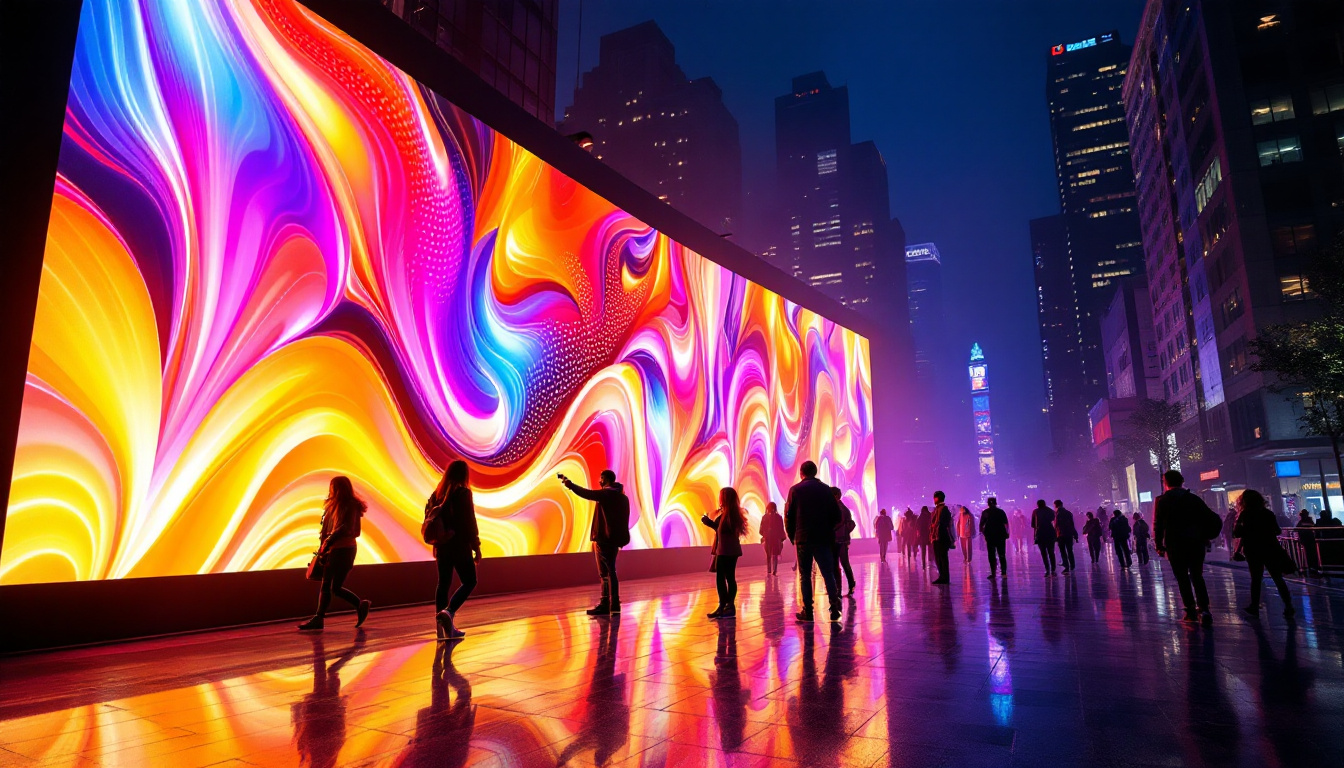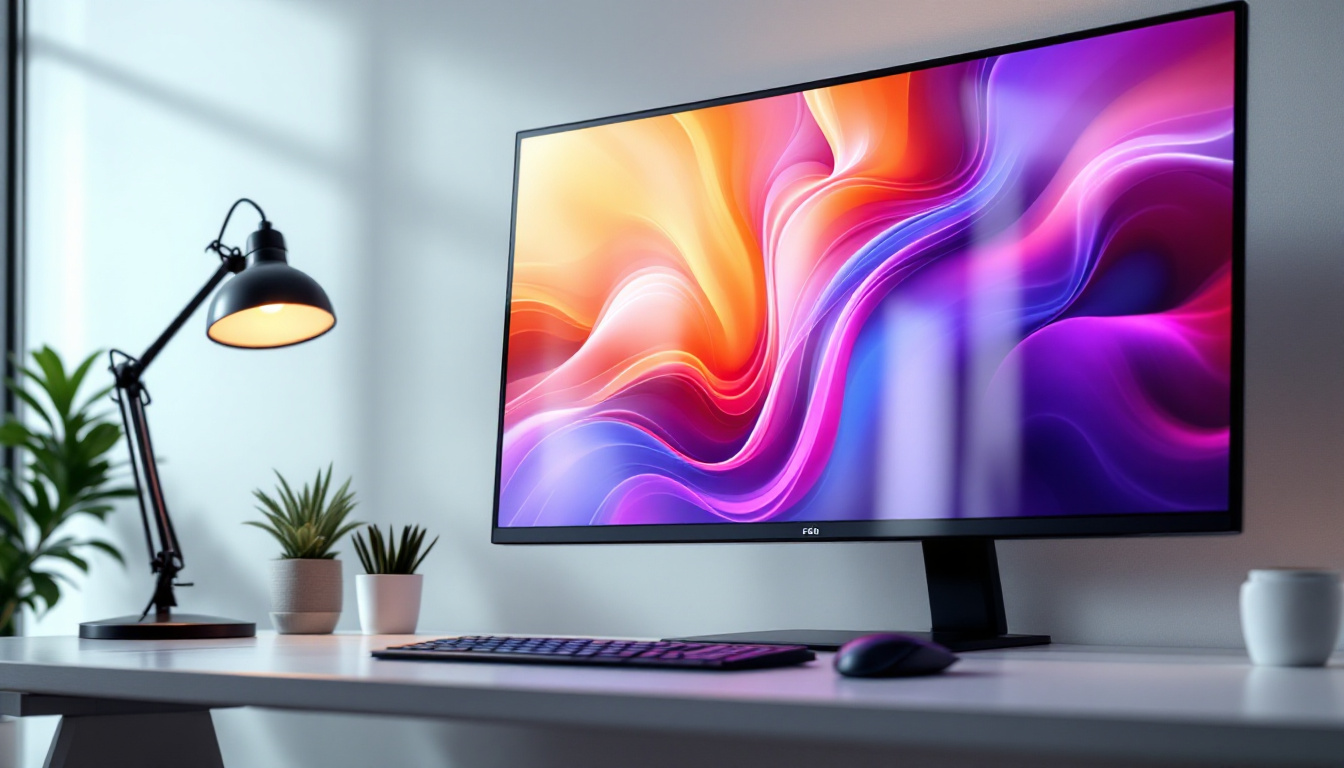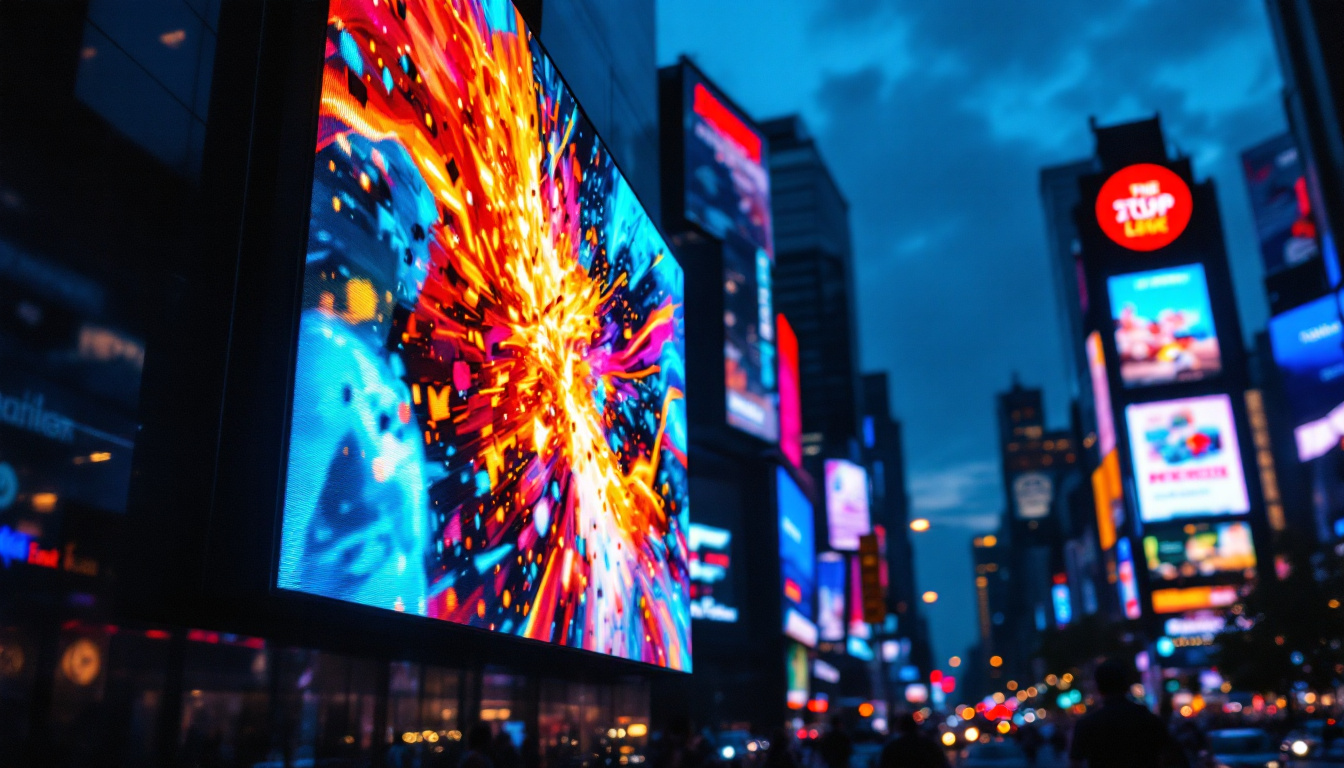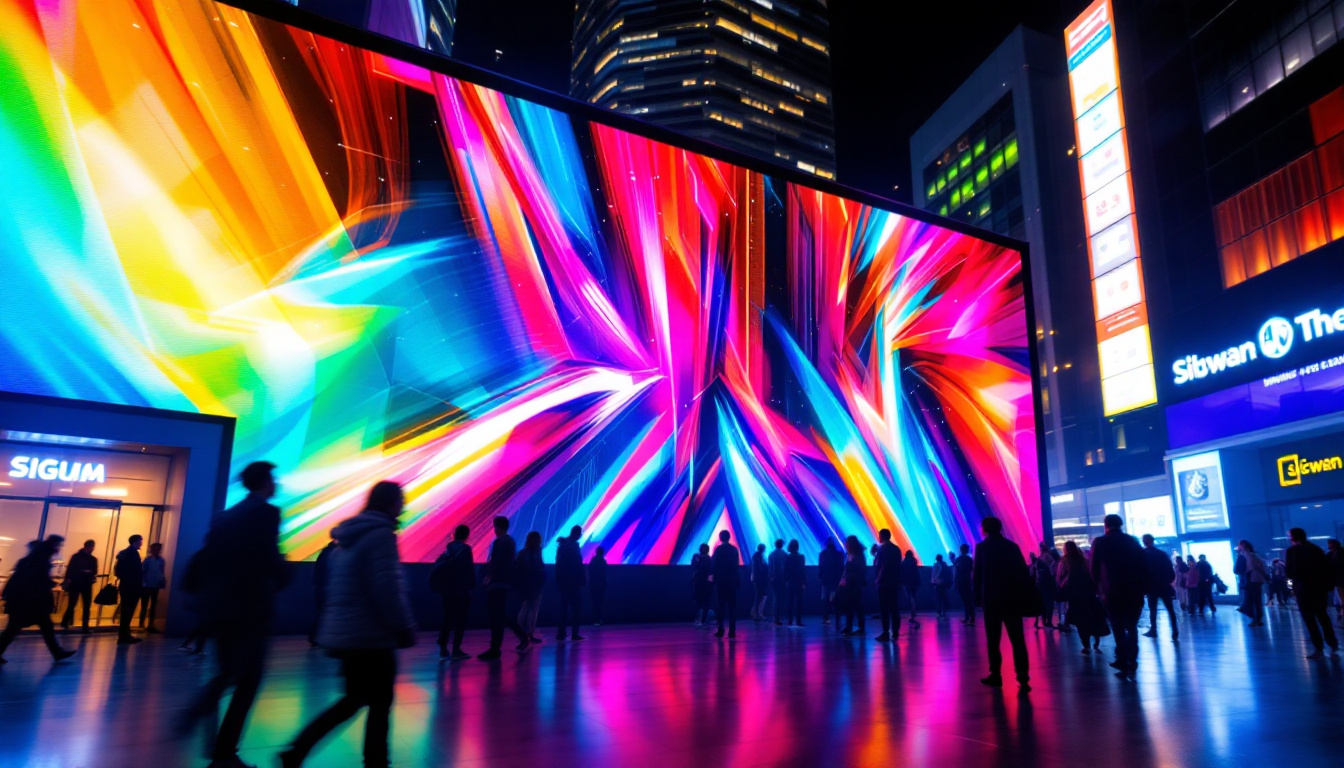
In today’s digital age, LED displays have become an integral part of advertising, information dissemination, and entertainment. From stadium scoreboards to dynamic billboards and interactive retail signage, LED technology offers vibrant, flexible, and energy-efficient solutions that capture attention and communicate effectively. This article dives deep into the world of custom LED boards, explaining what they are, how they work, and why they are revolutionizing visual communication across industries.
Understanding LED Displays: The Basics
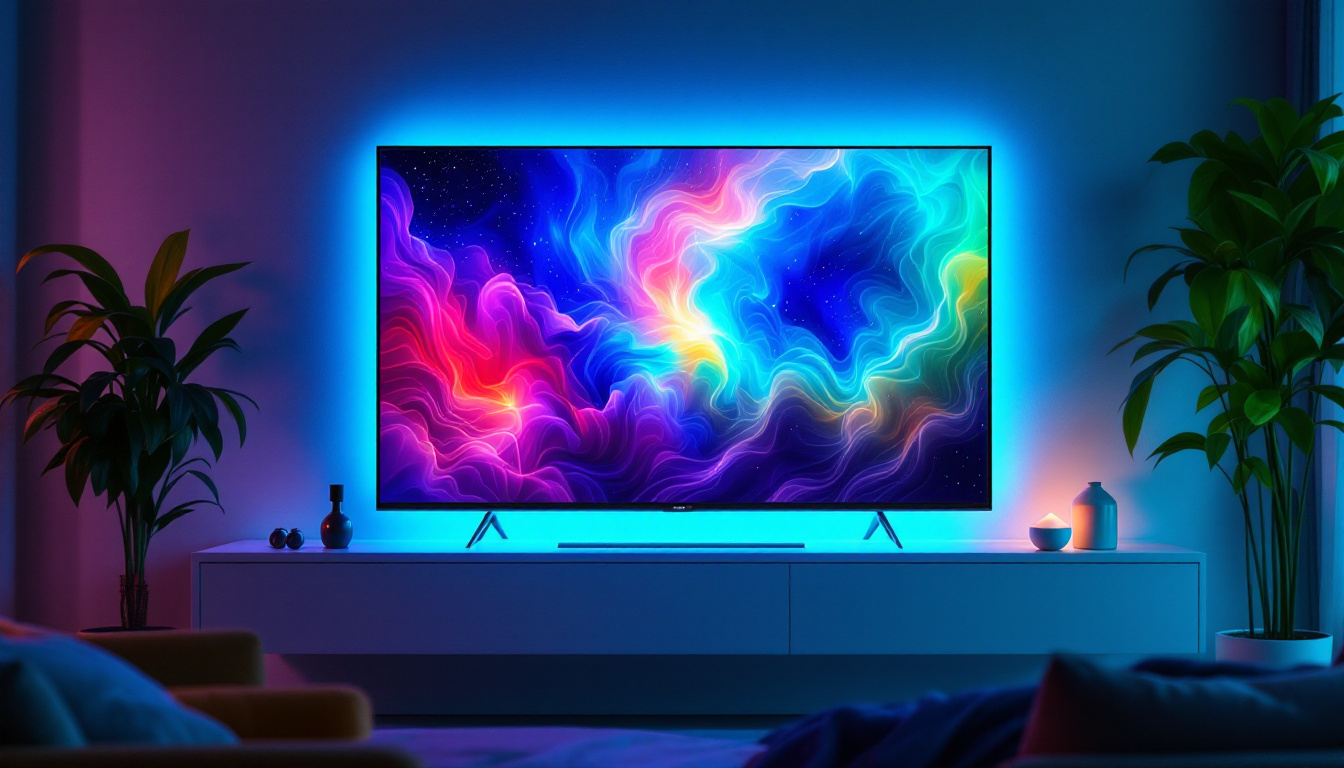
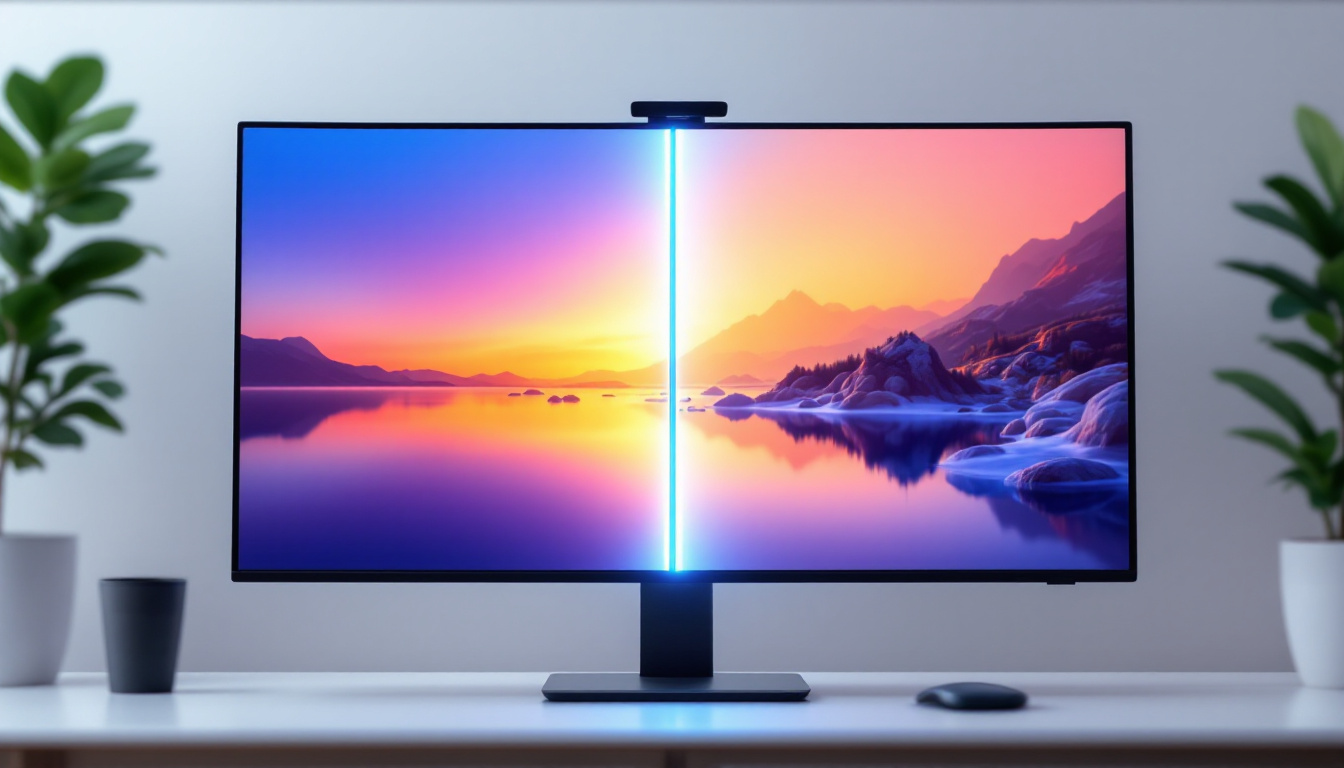
At its core, an LED display is a flat panel that uses light-emitting diodes (LEDs) as pixels to create images, videos, or text. Unlike traditional display technologies such as LCD or plasma, LEDs produce their own light, which results in brighter images and better contrast. This makes LED displays particularly effective in environments with high ambient light, such as outdoor advertising or sports arenas. The energy efficiency of LED technology also contributes to its popularity, as it consumes less power compared to other display types while maintaining high brightness levels.
The term “custom LED board” refers to LED displays that are tailored to specific dimensions, resolutions, and functionalities, designed to meet unique requirements of businesses or events. Whether it’s a curved LED wall for a concert stage or a high-resolution indoor display for a corporate lobby, customization allows for maximum impact and seamless integration. This adaptability not only enhances visual appeal but also enables brands to convey their messages more effectively, ensuring that their content stands out in a crowded marketplace.
How LEDs Work in Displays
Each LED in a display acts as a tiny light source. By controlling the intensity and color of these LEDs, the display can render images and videos with remarkable clarity. Modern LED displays use RGB (red, green, blue) LEDs to produce a full spectrum of colors through color mixing. The combination of these three colors at varying intensities allows for millions of color variations, making the visuals vivid and lifelike. Additionally, advancements in technology have led to the development of features such as high dynamic range (HDR), which further enhances the contrast and color accuracy, providing viewers with an even more immersive experience.
Types of LED Displays
LED displays come in various forms, primarily categorized by their pixel pitch, size, and intended use:
- Indoor LED Displays: Designed for close viewing distances, these displays have a smaller pixel pitch (typically under 2.5mm), delivering high resolution and sharp images ideal for retail, corporate, or broadcast environments. They are often used in environments where detailed visuals are crucial, such as in conference rooms or shopping malls, where customers can engage with content up close.
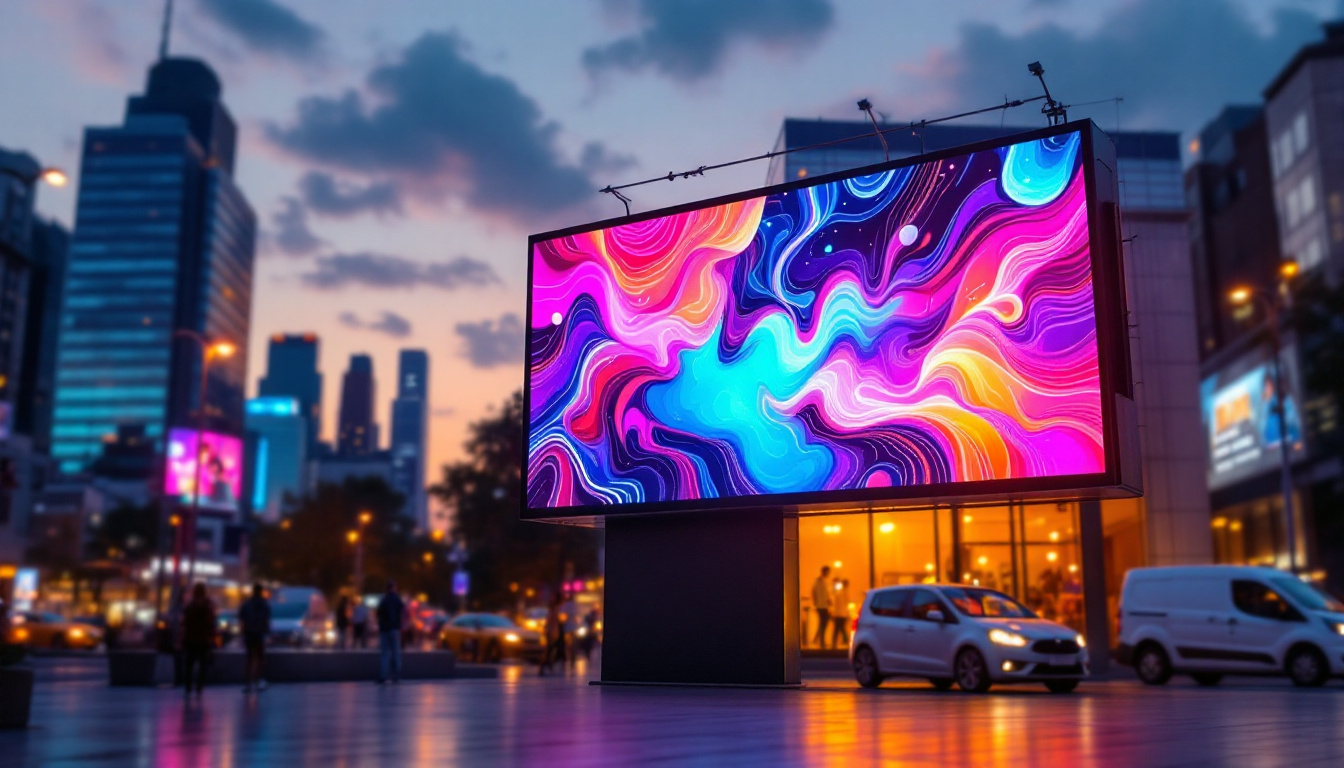
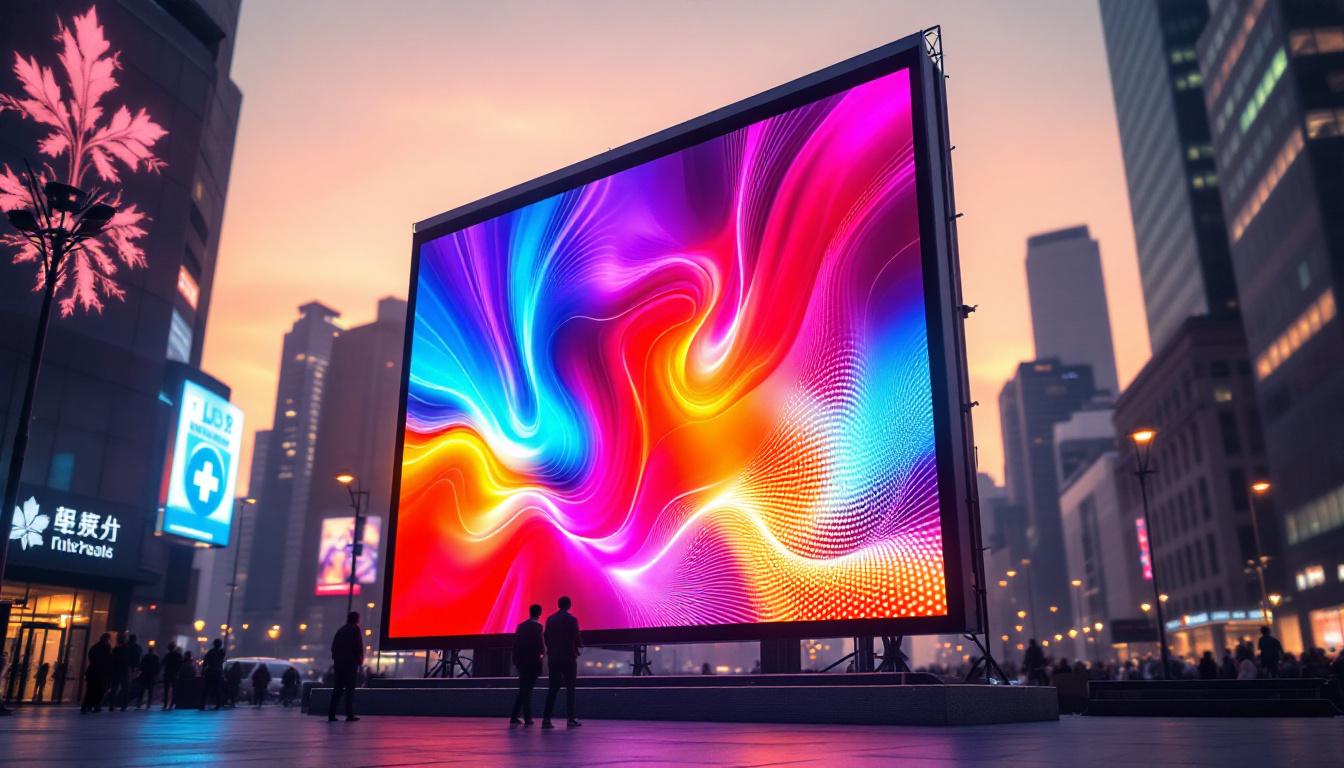
- Outdoor LED Displays: Built to withstand weather conditions, these have larger pixel pitches (usually 4mm and above) to ensure visibility from greater distances, commonly used for billboards, stadium screens, and public information boards. These displays are engineered to be robust, featuring protective coatings and high brightness levels to combat sunlight glare, ensuring that advertisements and announcements remain clear and impactful.
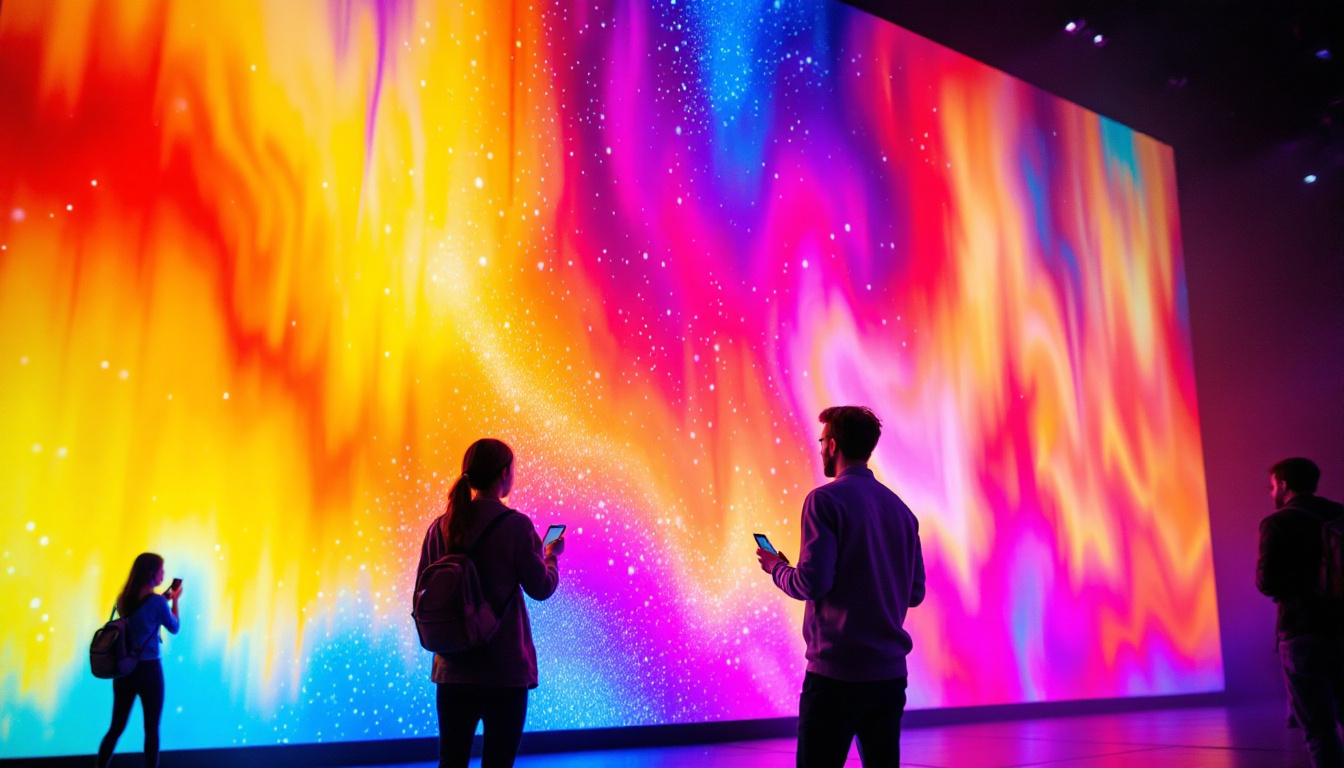
- Flexible and Curved LED Displays: These innovative displays can bend or curve, offering creative design possibilities for immersive experiences in exhibitions, museums, or live events. Their versatility allows for unique installations that can fit into unconventional spaces, enabling designers to push the boundaries of traditional display setups and create stunning visual narratives that captivate audiences.
Advantages of Custom LED Boards
Custom LED boards offer numerous benefits compared to standard displays or traditional signage. Their adaptability and superior performance make them an attractive choice for businesses aiming to engage audiences dynamically.
Unmatched Visual Impact
One of the most compelling advantages of LED displays is their brightness and color accuracy. Custom LED boards can be designed to fit specific spaces and viewing distances, ensuring that content is always clear and eye-catching. This is crucial for outdoor advertising where sunlight can wash out less bright displays.
Energy Efficiency and Longevity
LED technology is renowned for its energy efficiency. Compared to incandescent or fluorescent lighting, LEDs consume significantly less power, reducing operational costs over time. Additionally, high-quality LED boards have a lifespan of up to 100,000 hours, meaning they can operate for years with minimal maintenance.
Flexibility and Scalability
Custom LED boards can be scaled to virtually any size, from small retail displays to massive stadium screens. Their modular design allows for easy expansion or reconfiguration, accommodating changing needs without the expense of replacing the entire system.
Dynamic Content and Interactivity
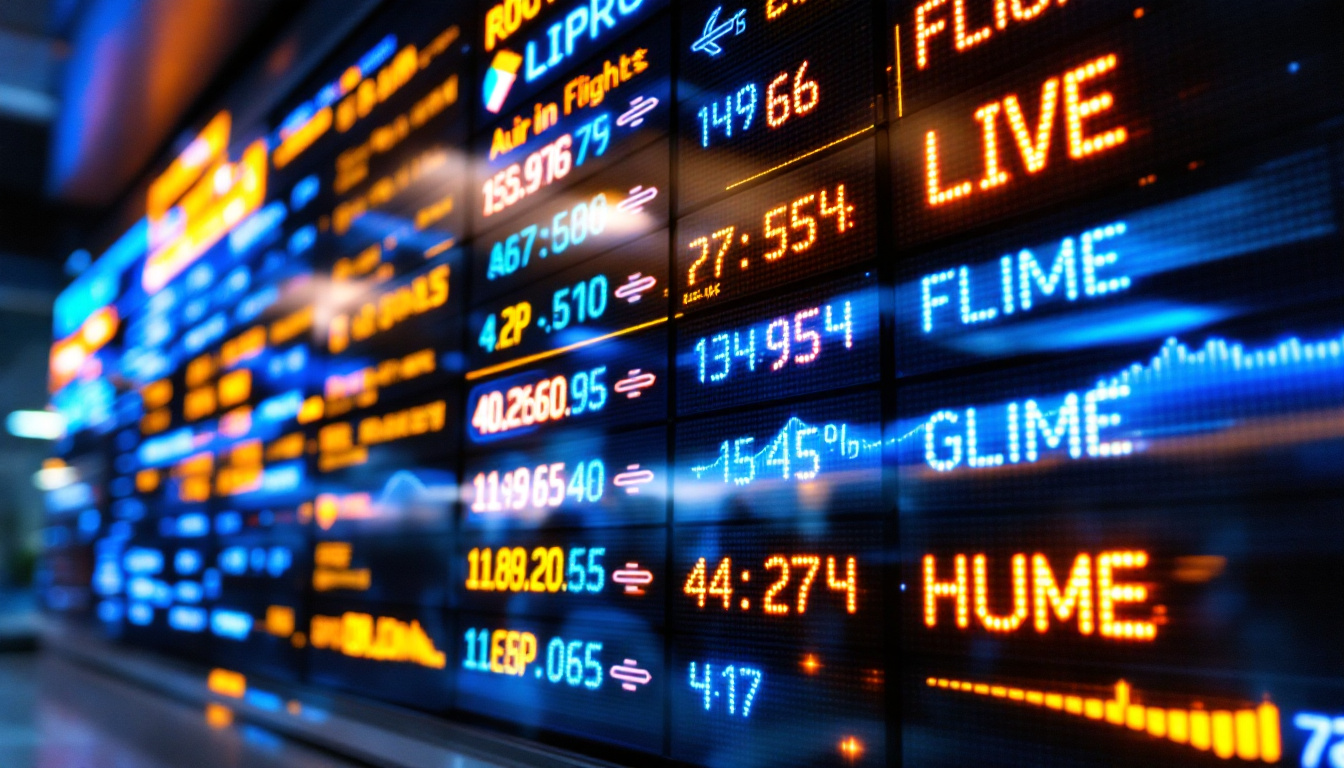
Unlike static signs, LED displays can show videos, animations, live feeds, and real-time data. This dynamic capability enhances audience engagement and allows for timely updates, such as promotional offers or emergency alerts. Some custom LED boards also integrate touch or sensor technology, enabling interactive experiences.
Key Components of a Custom LED Board
Understanding the components that make up a custom LED board helps clarify how these displays achieve their performance and versatility.
LED Modules and Pixels
The fundamental building block of an LED display is the LED module, which contains multiple LEDs arranged in a grid pattern. The density of these LEDs, known as pixel pitch, determines the resolution and clarity of the display. A smaller pixel pitch means more LEDs per square meter, resulting in finer detail.
Control System
The control system manages the content displayed on the LED board. It includes hardware such as processors and controllers, as well as software platforms that allow users to upload, schedule, and manage content remotely. Advanced control systems support high refresh rates and color calibration to ensure smooth and vibrant visuals.
Power Supply and Cooling
LED displays require a stable power supply to maintain consistent brightness and performance. Custom boards often include built-in cooling systems, such as fans or heat sinks, to dissipate heat generated by the LEDs and electronics, extending the lifespan of the display.
Enclosure and Mounting
The enclosure protects the internal components from environmental factors like dust, moisture, and impact. For outdoor displays, enclosures are typically weatherproof and rated for various levels of ingress protection (IP rating). Mounting systems are customized to fit the installation site, whether wall-mounted, freestanding, or suspended.
Applications of Custom LED Boards
The versatility of custom LED boards has led to widespread adoption across multiple sectors. Their ability to deliver high-impact visuals tailored to specific environments makes them invaluable tools for communication and branding.
Advertising and Marketing
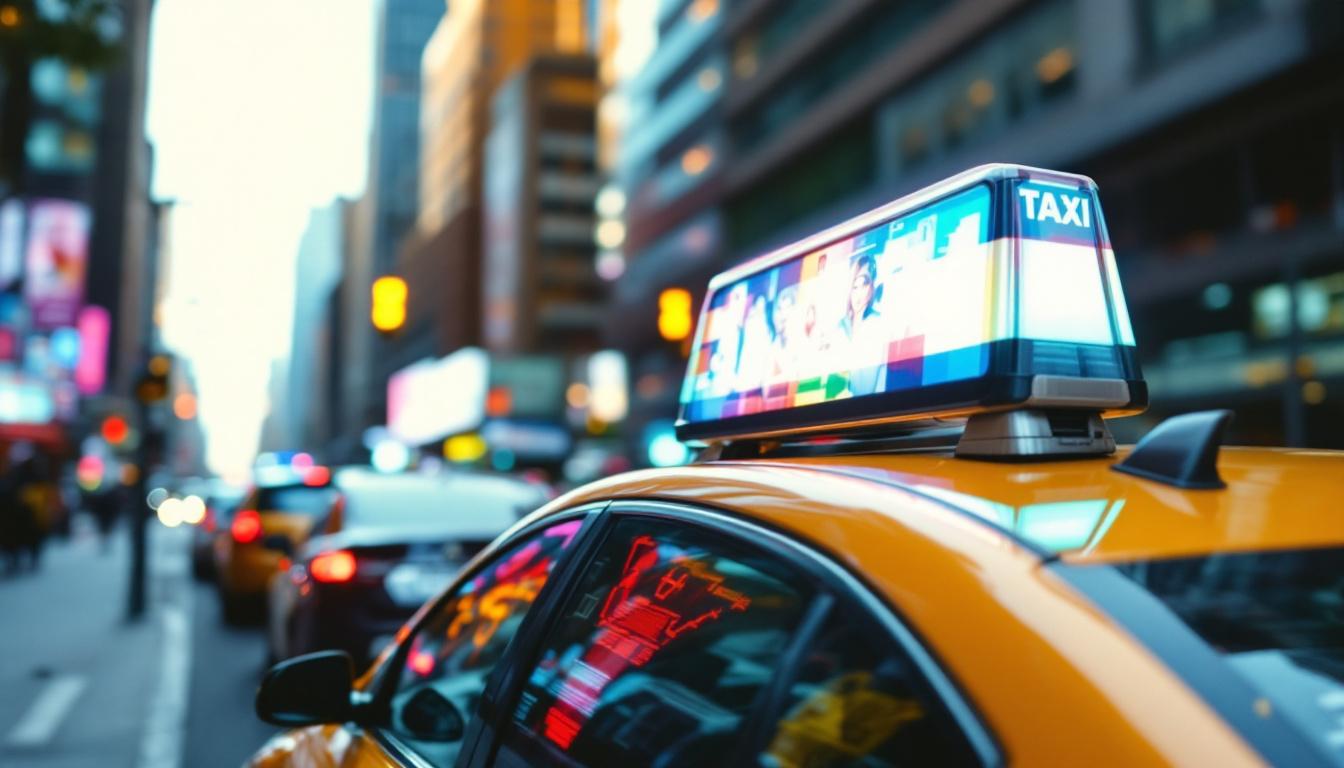
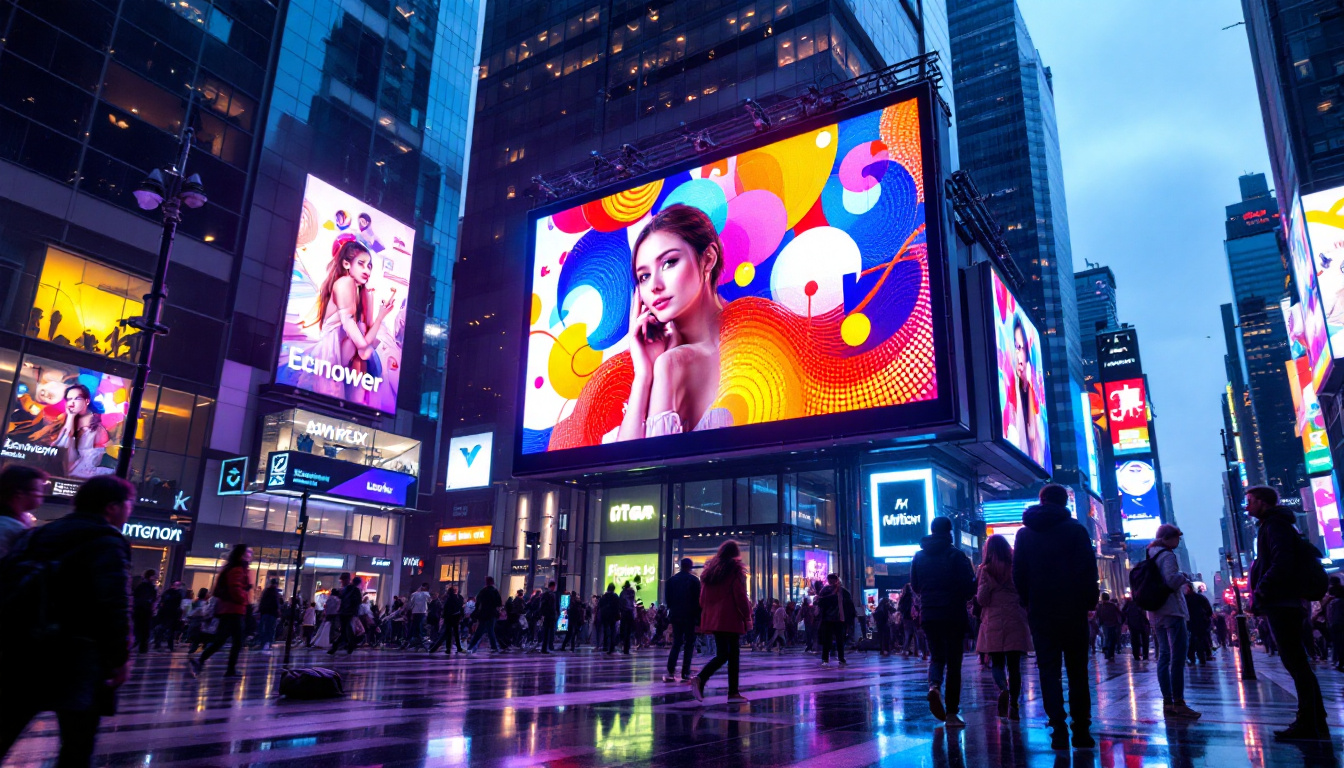
Outdoor and indoor LED displays are transforming advertising by enabling dynamic, eye-catching campaigns that can be updated in real-time. For instance, major cities worldwide have adopted LED billboards in high-traffic areas, significantly increasing ad engagement rates. Studies show that digital billboards can boost recall by up to 47% compared to static signs.
Sports and Entertainment
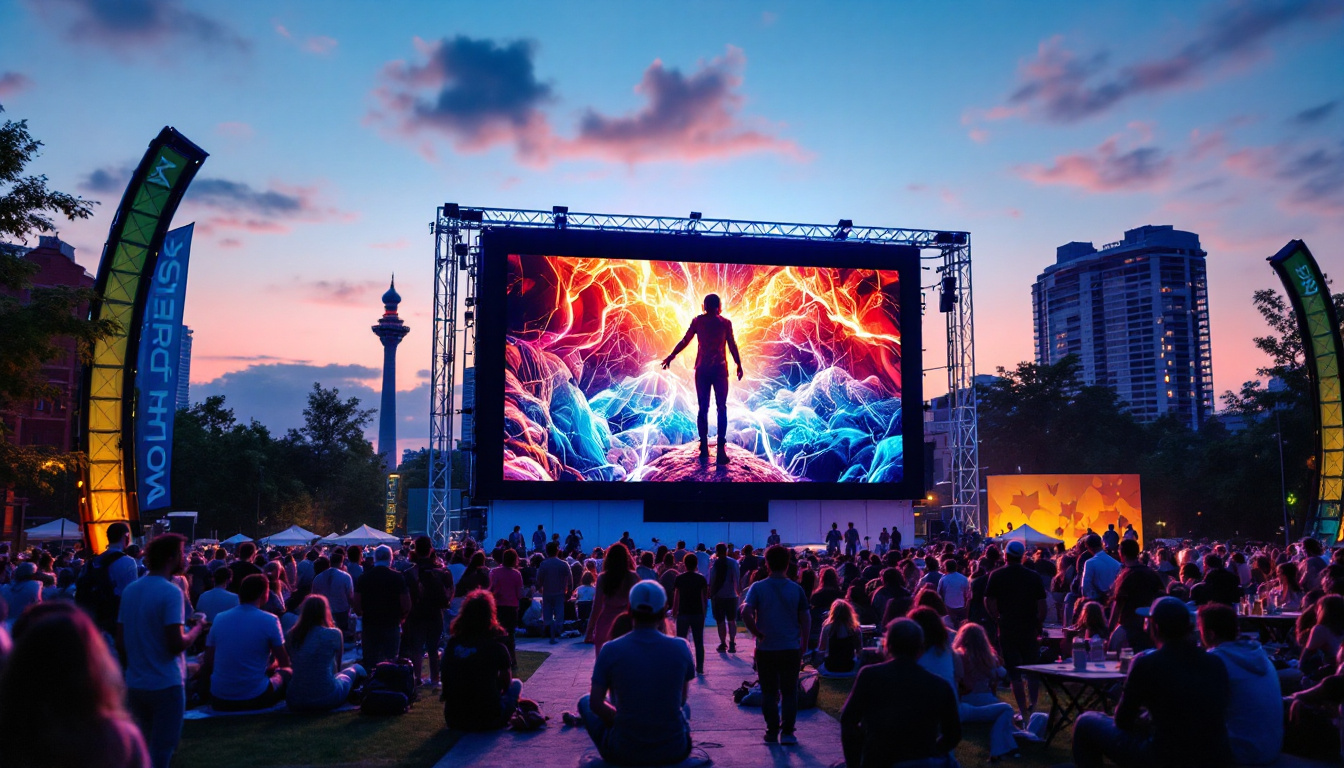
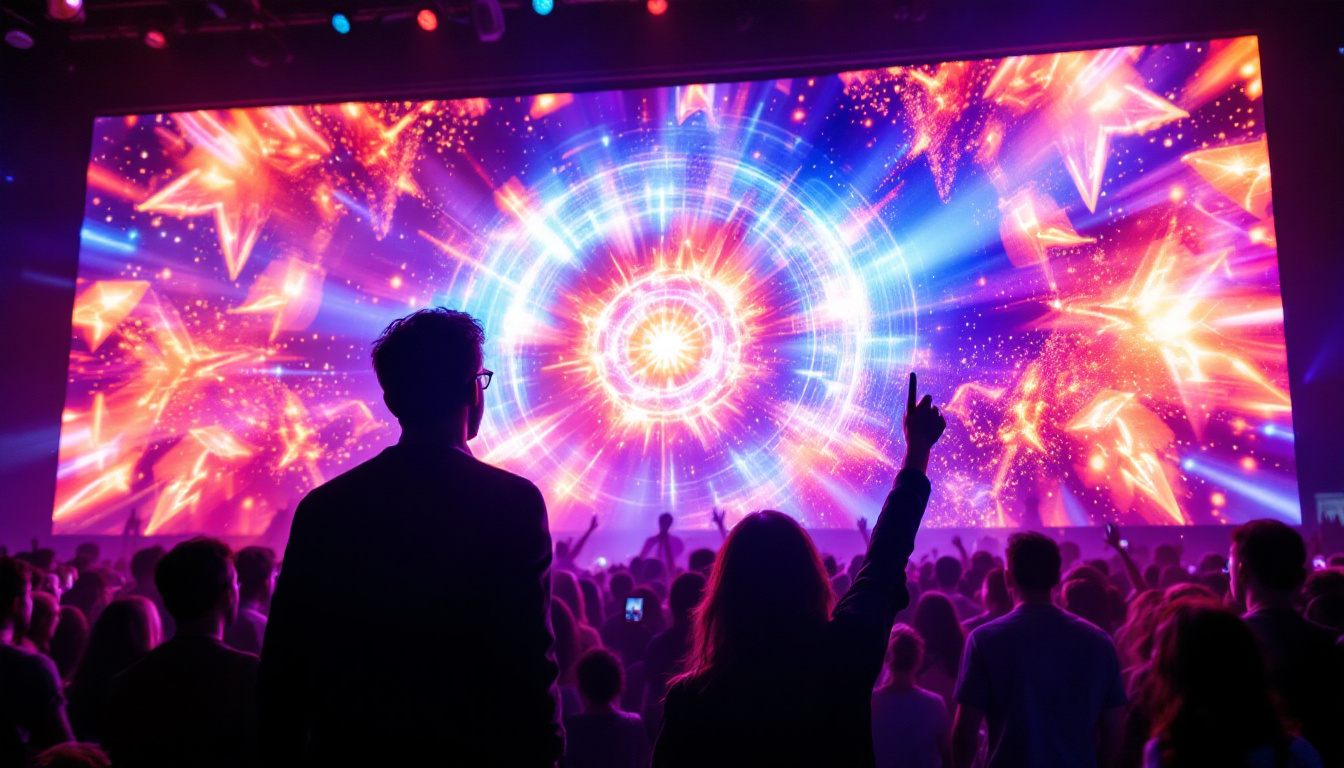
Stadiums and arenas use massive LED screens to enhance the fan experience, displaying live action, replays, and interactive content. Concerts and festivals incorporate flexible LED walls and stages to create immersive environments that captivate audiences.
Retail and Hospitality
Retailers utilize custom LED boards to showcase promotions, product information, and branding in stores, helping to drive sales and improve customer experience. Hotels and restaurants use LED displays for menus, event schedules, and ambient visuals that enhance atmosphere.
Corporate and Public Spaces
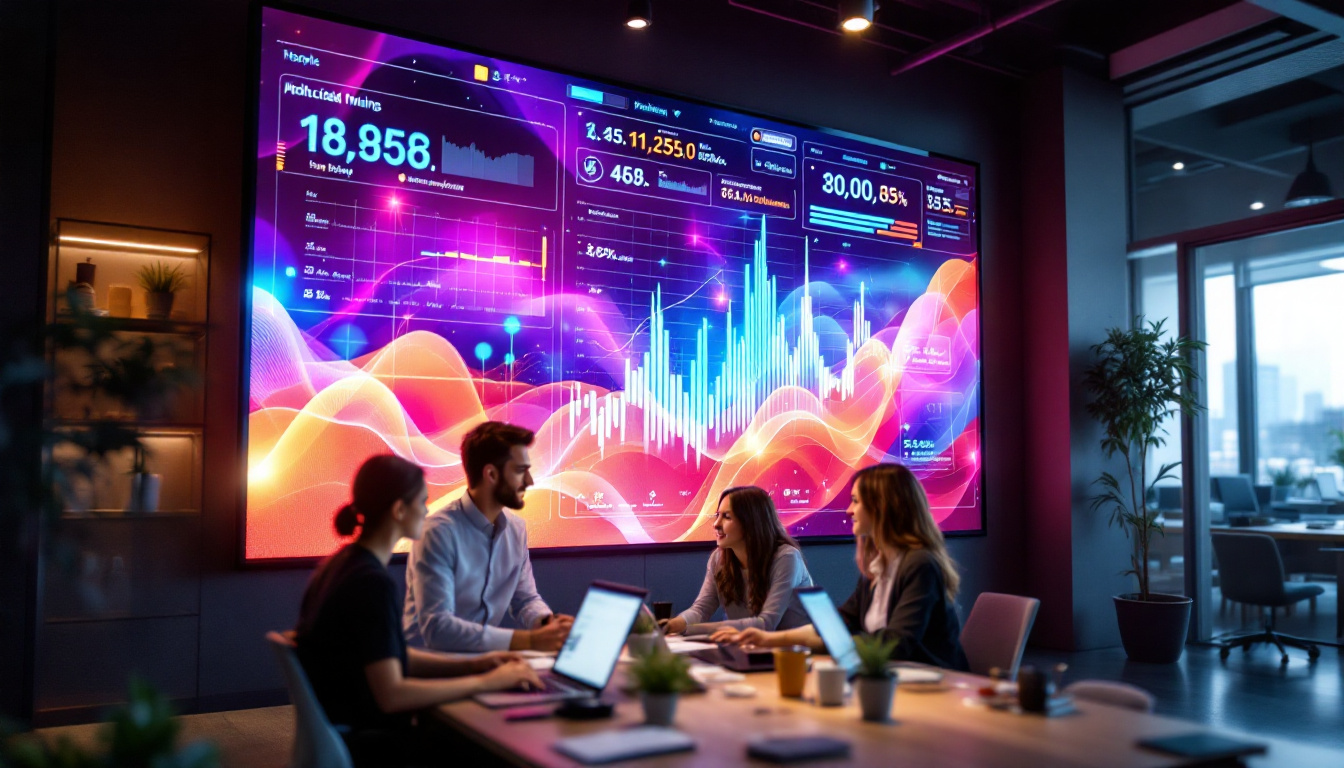
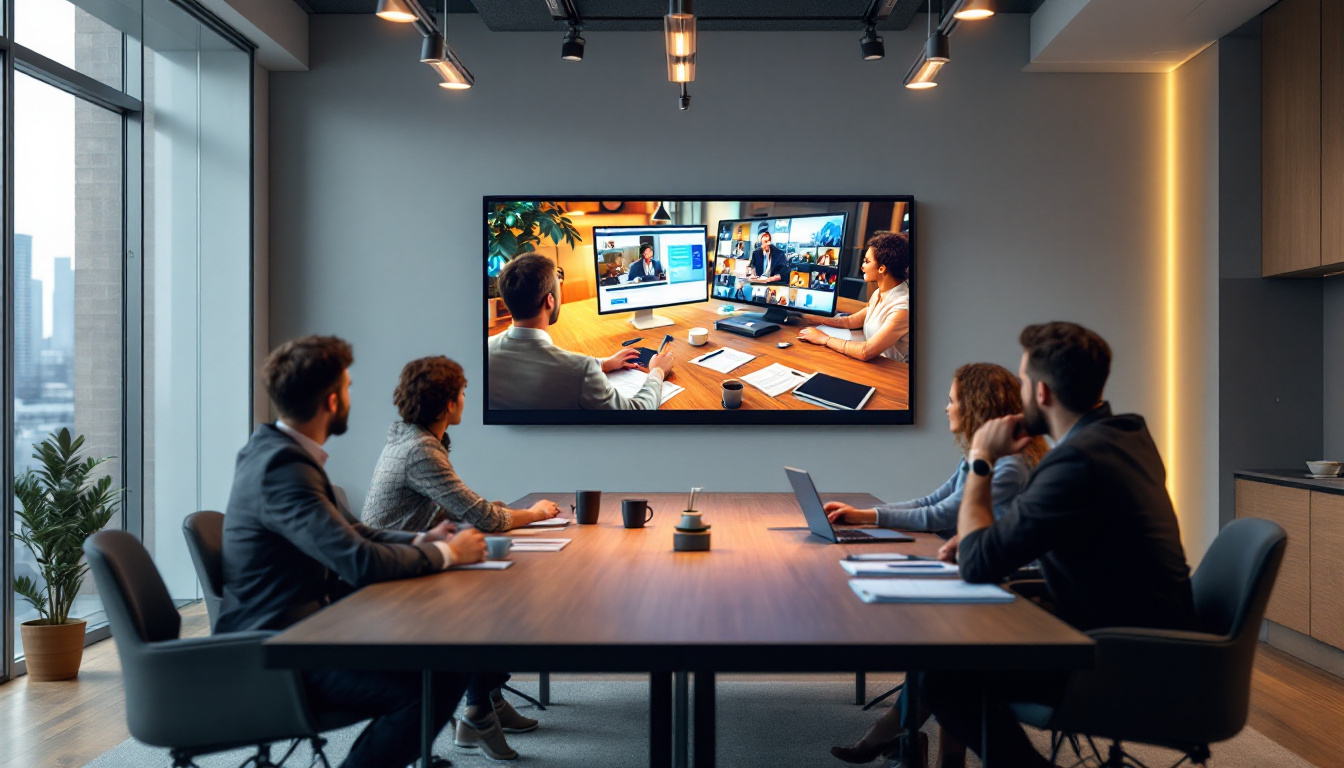
In corporate settings, LED displays serve as digital signage for lobbies, conference rooms, and trade shows. Public spaces such as airports, train stations, and city centers rely on LED boards for real-time information, wayfinding, and emergency alerts.
Choosing the Right Custom LED Board
Selecting the ideal LED display involves careful consideration of several factors to ensure it meets the specific needs of the application.
Assessing Viewing Distance and Resolution
The pixel pitch should be chosen based on the typical viewing distance. For example, a pixel pitch of 1.5mm to 2.5mm is suitable for indoor displays viewed from a few feet away, while outdoor displays visible from hundreds of feet require larger pixel pitches (e.g., 10mm or more). This balance ensures optimal resolution without unnecessary cost.
Environmental Conditions
Outdoor LED boards must be weatherproof and able to operate in a wide temperature range. Considerations include waterproof ratings, UV resistance, and protection against dust and debris. Indoor displays need to blend aesthetically with their surroundings and comply with safety regulations.
Content Management and Software Compatibility
Choose a control system that supports the desired content types and offers user-friendly management tools. Integration with existing digital infrastructure and compatibility with various media formats are also important for seamless operation.
Budget and Maintenance
While custom LED boards can be a significant investment, their long-term benefits often justify the cost. It’s essential to factor in installation, energy consumption, and maintenance expenses. Selecting reputable manufacturers and service providers can minimize downtime and extend the lifespan of the display.
Future Trends in LED Display Technology
The LED display industry continues to evolve rapidly, driven by advances in materials, design, and software capabilities.
MicroLED and MiniLED Innovations
Emerging technologies like MicroLED and MiniLED promise even higher resolution, better color accuracy, and improved energy efficiency. These smaller LEDs enable ultra-fine pixel pitches, making it possible to create displays with near-perfect image quality for both indoor and outdoor use.
Integration with IoT and AI
Smart LED boards are increasingly integrated with Internet of Things (IoT) devices and artificial intelligence (AI), enabling automated content adjustments based on audience behavior, weather, or time of day. This dynamic adaptability enhances engagement and operational efficiency.
Eco-Friendly and Sustainable Solutions
As sustainability becomes a priority, manufacturers are focusing on eco-friendly materials, recyclable components, and energy-saving designs. Solar-powered LED displays and low-power consumption modules are gaining traction, especially in remote or off-grid locations.
Conclusion
Custom LED boards represent a powerful tool for modern communication, offering unparalleled brightness, flexibility, and interactivity. Whether for advertising, entertainment, corporate branding, or public information, these displays deliver compelling visual experiences tailored to specific needs. Understanding the technology, components, and application considerations is essential for making informed decisions that maximize impact and return on investment. As LED technology advances, the possibilities for creative and effective visual communication will only continue to expand.
Illuminate Your Message with LumenMatrix
Ready to elevate your visual communication with unparalleled brightness, flexibility, and interactivity? LumenMatrix is at the forefront of LED display innovation, offering a wide array of solutions including Indoor and Outdoor LED Wall Displays, Vehicle LED Displays, LED Poster Displays, LED Sports Displays, Floor LED Displays, Custom LED Displays, All-in-One LED Displays, and LED Transparent Displays. Embrace the future of digital signage with LumenMatrix and create captivating visual experiences that resonate with your audience. Check out LumenMatrix LED Display Solutions today and transform your brand’s visibility.