In the rapidly evolving world of digital signage and visual communication, LED displays have become a cornerstone technology. From vibrant billboards in bustling city centers to dynamic screens in stadiums and retail stores, LED displays offer unparalleled brightness, versatility, and energy efficiency. But what exactly is a custom LED display, and why is it increasingly favored over traditional display technologies? This article delves deep into the world of LED displays, explaining their technology, advantages, customization options, and practical applications.
Understanding LED Display Technology
What is an LED Display?
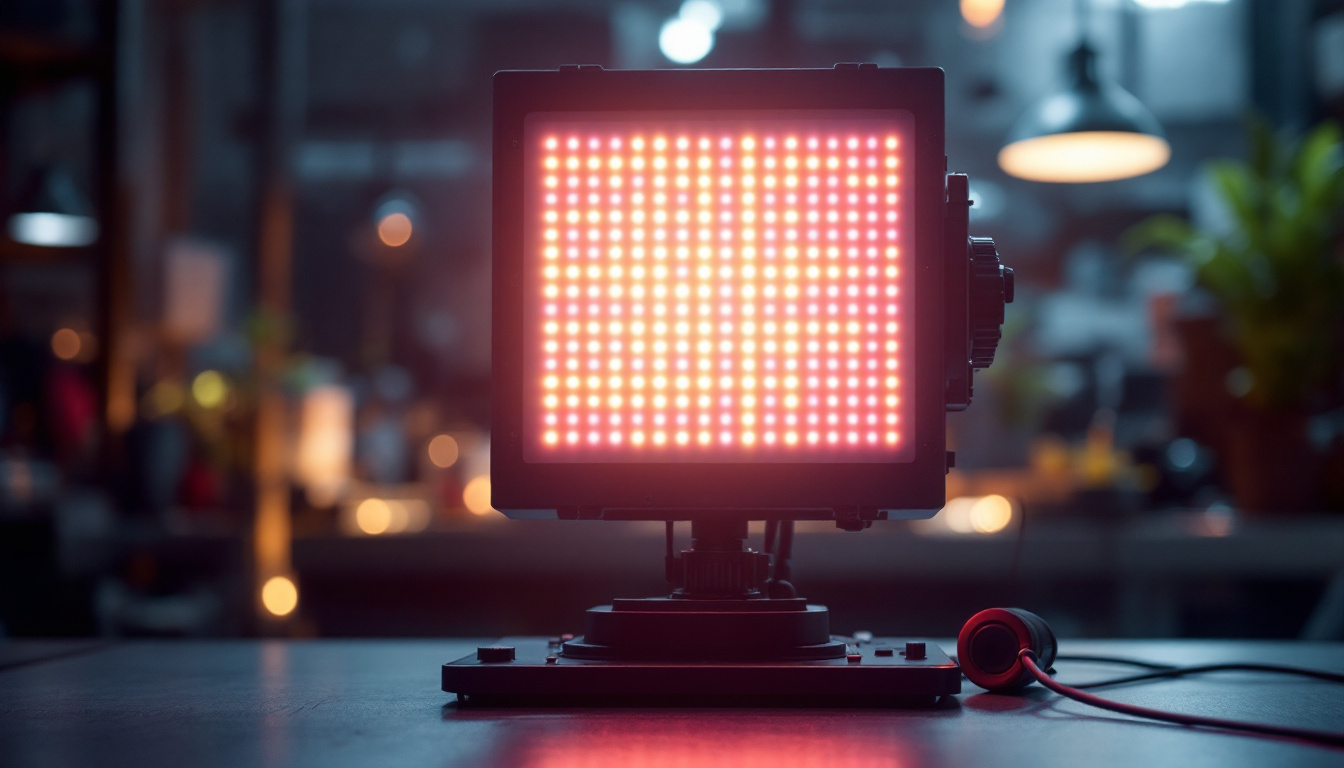
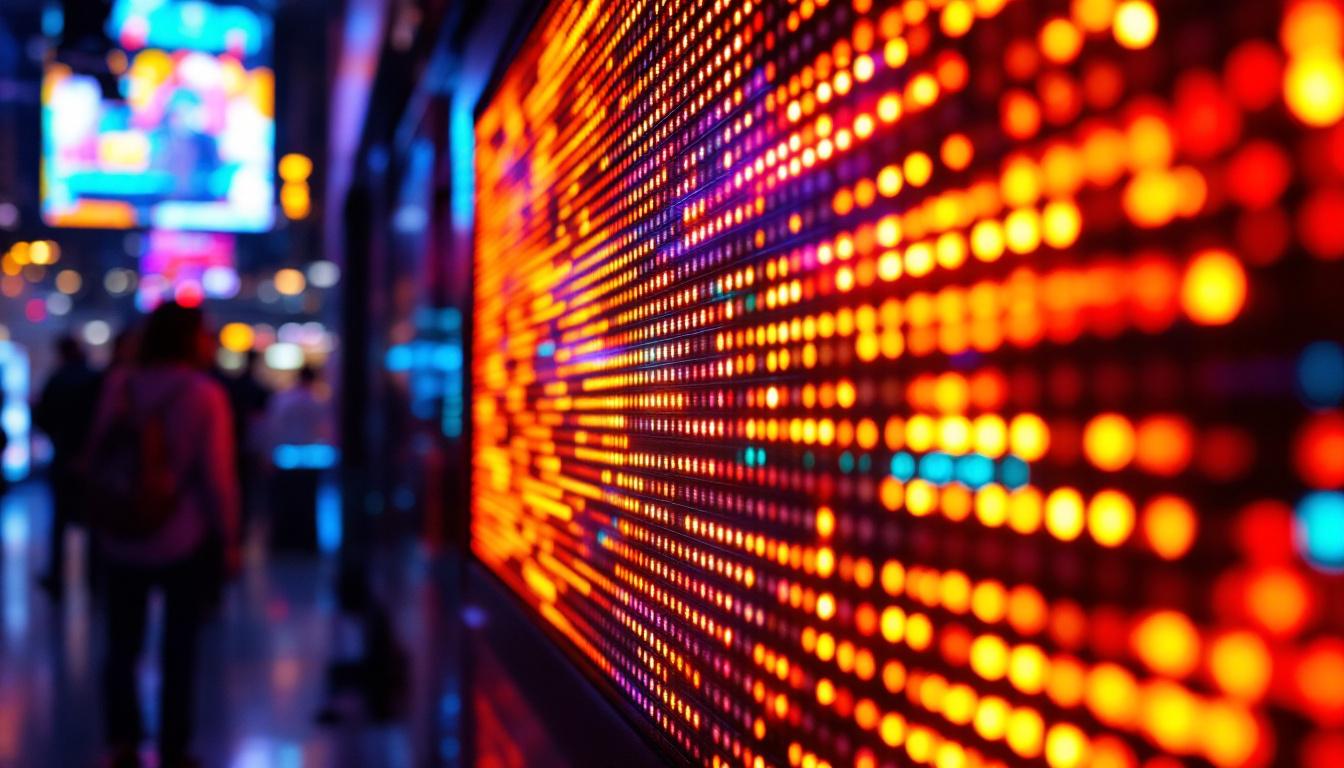
LED stands for Light Emitting Diode, a semiconductor device that emits light when an electric current passes through it. An LED display is essentially a matrix of these tiny light-emitting diodes arranged to form images, text, or videos. Unlike LCD or plasma screens, LED displays generate their own light, which allows for brighter and more vivid visuals, even in direct sunlight.
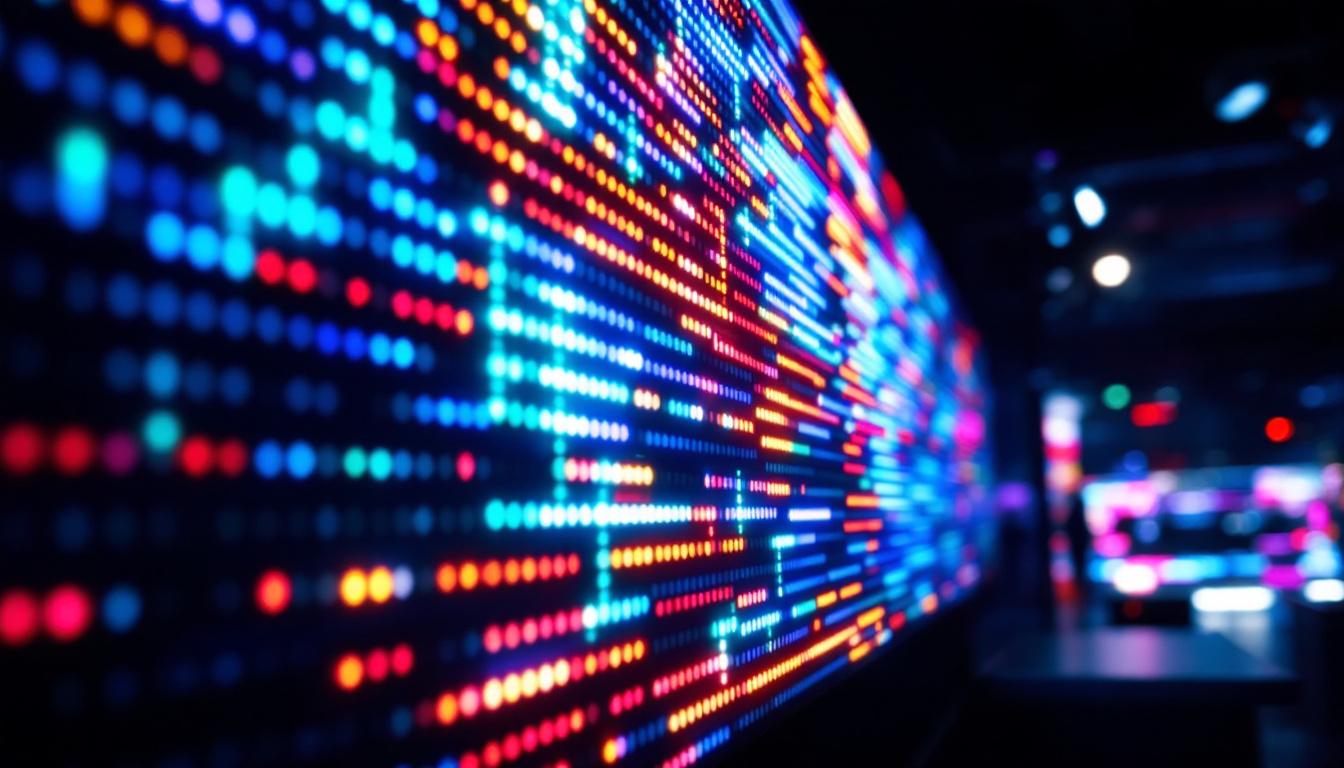
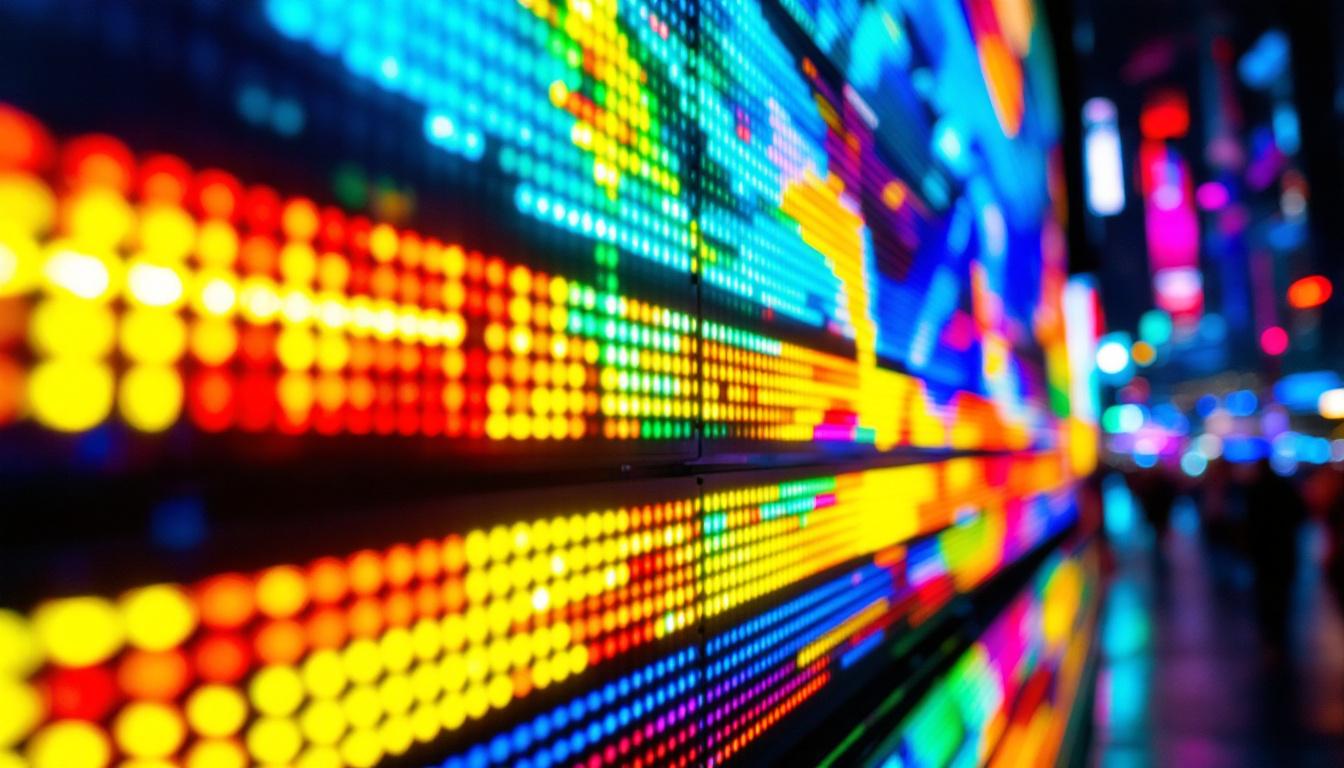
The basic building block of an LED display is the pixel, which typically consists of red, green, and blue LEDs. By varying the intensity of each color, the display can produce a full spectrum of colors, enabling high-resolution and dynamic content presentation. This capability makes LED displays particularly popular in environments where clarity and color accuracy are crucial, such as in digital billboards and high-definition television screens. Furthermore, the longevity of LED technology means that these displays can last significantly longer than traditional display technologies, reducing maintenance costs and the need for frequent replacements.
Types of LED Displays
LED displays come in several forms, each suited for different environments and purposes:
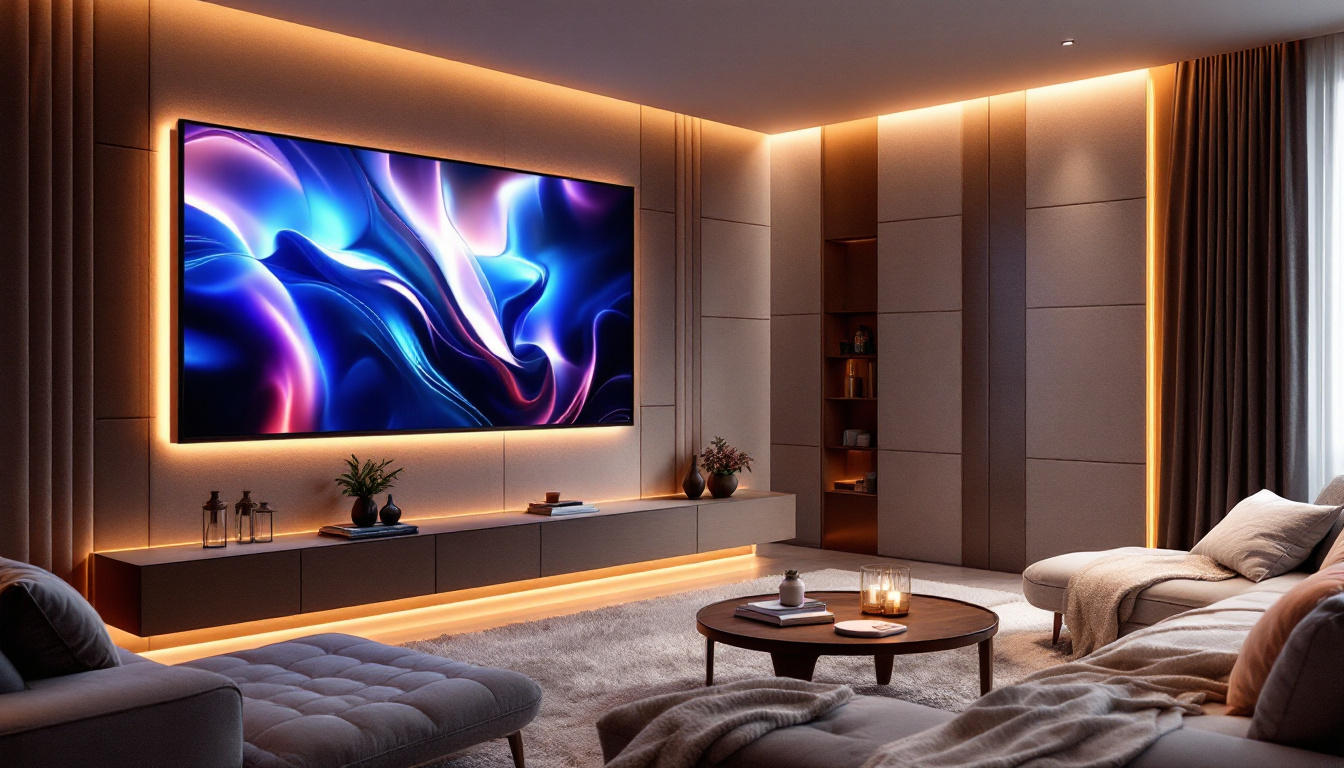
- Indoor LED Displays: Designed for controlled lighting conditions, these displays offer high resolution with smaller pixel pitches, typically ranging from 1mm to 4mm. They are used in conference rooms, retail stores, and indoor advertising. The high pixel density allows for crisp images and text, making them ideal for presentations and promotional displays where detail is paramount.
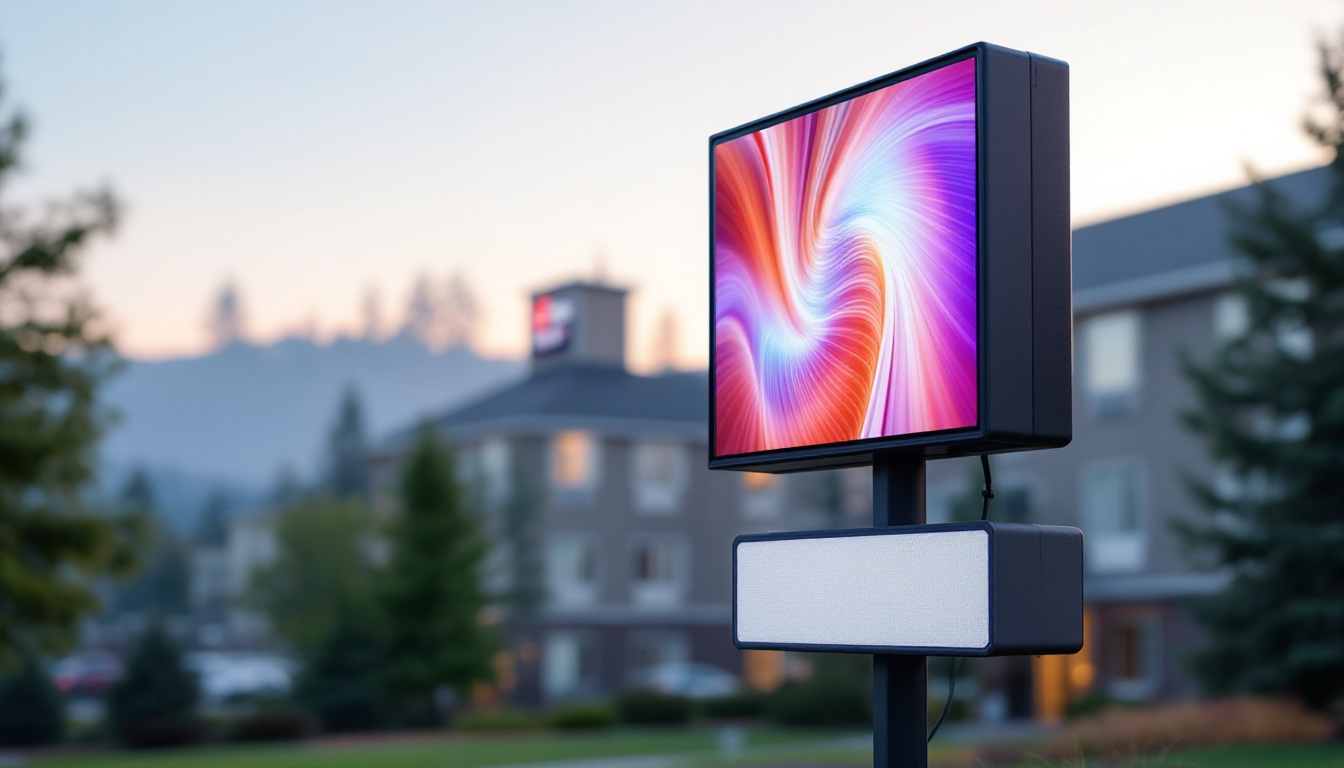
- Outdoor LED Displays: Built to withstand harsh weather conditions, these displays have larger pixel pitches (usually 6mm to 20mm or more) and higher brightness levels, often exceeding 5,000 nits, to ensure visibility under direct sunlight. Outdoor displays are commonly used for large-scale advertising, sports arenas, and public events, where their resilience and brightness can capture the attention of passersby from a distance.
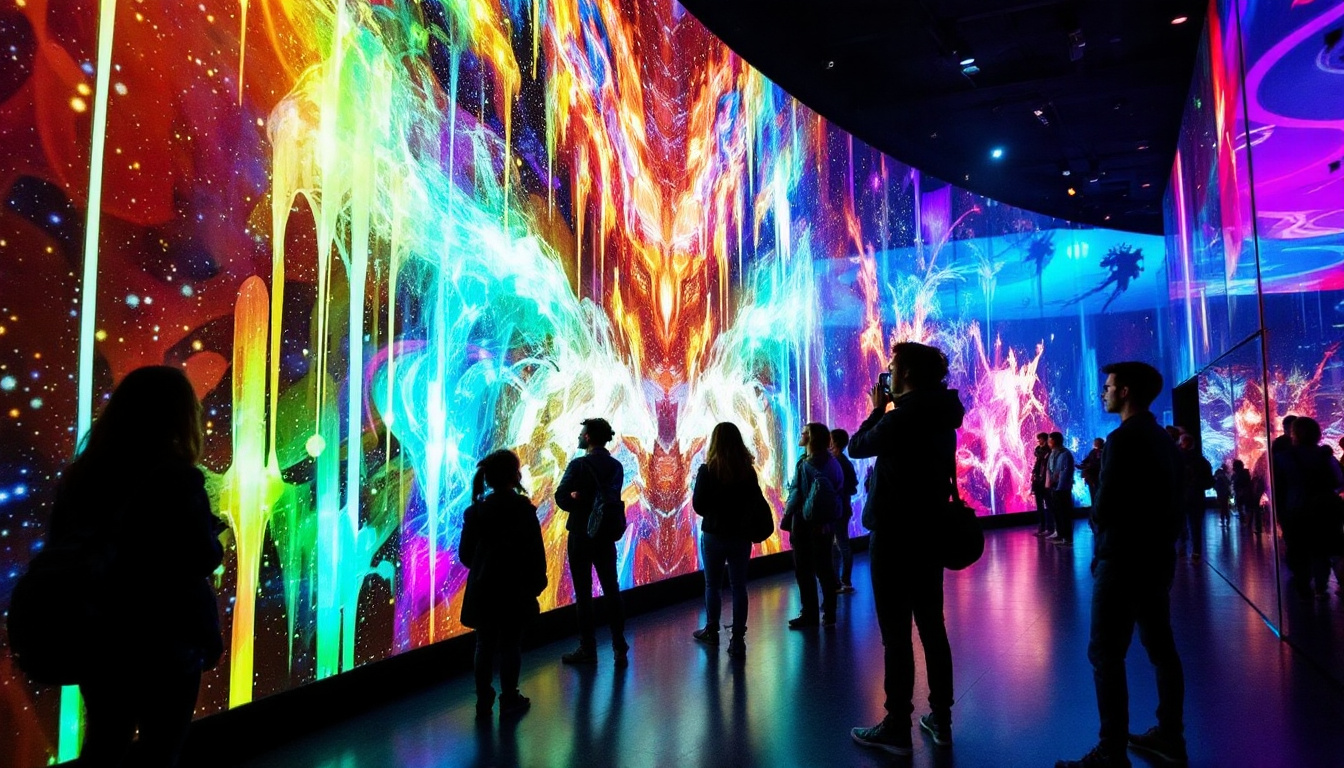
- Flexible and Curved LED Displays: Utilizing flexible circuit boards and innovative mounting techniques, these displays can be shaped to fit unique architectural designs, offering creative freedom for designers and advertisers. This adaptability allows for installations in unconventional spaces, such as curved walls or ceilings, enhancing the immersive experience for viewers.
- Transparent LED Displays: Featuring a see-through design, these displays allow light to pass through, making them ideal for storefront windows and glass walls without obstructing the view. This technology not only provides an opportunity for advertising but also maintains the aesthetic appeal of the space, blending functionality with design.
In addition to these types, LED technology continues to evolve, with advancements such as microLED displays gaining traction. MicroLEDs consist of microscopic LEDs that can create even finer pixel pitches, resulting in unprecedented resolution and color accuracy. This technology promises to revolutionize display applications, from consumer electronics to large-scale installations, by offering enhanced performance and energy efficiency. As the demand for high-quality visual experiences grows, the versatility and innovation within LED display technology will likely lead to even more exciting developments in the near future.
Advantages of Custom LED Displays
Tailored to Specific Needs
One of the most significant benefits of custom LED displays is their adaptability. Unlike off-the-shelf solutions, custom displays can be designed to fit precise dimensions, resolutions, and shapes. This flexibility is crucial for businesses and venues that require unique installations, such as irregularly shaped walls, curved surfaces, or multi-screen video walls.
Customization also extends to the pixel pitch, brightness, and color calibration, allowing the display to be optimized for its intended environment and viewing distance. For example, a museum might require a high-resolution indoor display with subtle color accuracy, while a sports stadium needs a massive, ultra-bright screen visible from hundreds of meters.
Enhanced Brand Impact
Custom LED displays enable businesses to create visually stunning and memorable experiences that align with their brand identity. By integrating logos, brand colors, and dynamic content tailored to specific audiences, companies can engage customers more effectively and differentiate themselves in competitive markets.
Moreover, the ability to update content in real time allows for targeted advertising, event promotions, and interactive campaigns, increasing customer engagement and driving sales.
Energy Efficiency and Longevity
Compared to traditional lighting and display technologies, LED displays consume significantly less power. Advances in LED technology have further improved energy efficiency, reducing operational costs and environmental impact.
Additionally, LEDs have a longer lifespan, often exceeding 100,000 hours of operation, which translates to lower maintenance and replacement expenses. This durability is particularly important for large-scale outdoor installations exposed to varying weather conditions.
Customization Options and Considerations
Pixel Pitch and Resolution
Pixel pitch, the distance between the centers of two adjacent pixels, is a critical factor in determining the display’s resolution and viewing distance. Smaller pixel pitches yield higher resolutions and sharper images but increase the cost and complexity of the display.
For custom LED displays, selecting the appropriate pixel pitch depends on the typical viewing distance. For instance, a retail store display viewed from a few meters might use a 2mm pixel pitch, while a roadside billboard visible from hundreds of meters may use a 16mm pitch.
Brightness and Contrast
Brightness is measured in nits (candelas per square meter) and is essential for ensuring visibility under different lighting conditions. Outdoor displays require higher brightness levels, often between 5,000 and 10,000 nits, to combat sunlight glare. Indoor displays typically operate between 800 and 1,500 nits for comfortable viewing.
Contrast ratio, the difference between the brightest white and the darkest black, affects image depth and clarity. High contrast ratios improve readability and visual impact, especially in environments with ambient light.
Shape and Size Flexibility
Custom LED displays can be manufactured to fit virtually any shape or size. This capability is particularly valuable for architectural integration, such as wrapping columns, creating curved walls, or designing artistic installations.
Modular LED panels facilitate this customization by allowing individual modules to be combined seamlessly. This modularity also simplifies maintenance and future upgrades.
Control Systems and Software
The control system is the brain of the LED display, managing content playback, scheduling, and synchronization. Custom LED displays often come with advanced software solutions that support various media formats, remote management, and real-time content updates.
Integration with sensors, cameras, and interactive technologies can further enhance user engagement, enabling features like touch interactivity, motion-triggered content, or audience analytics.
Applications of Custom LED Displays
Advertising and Marketing
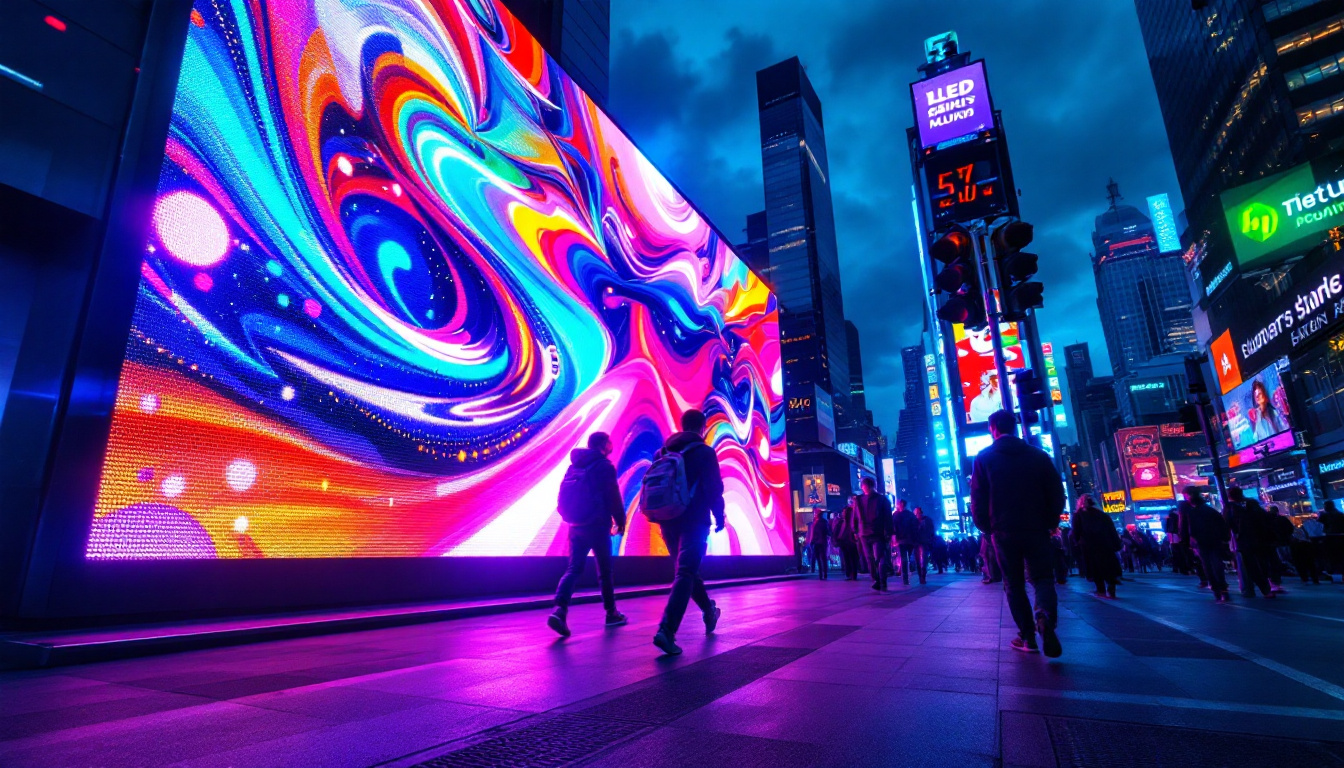
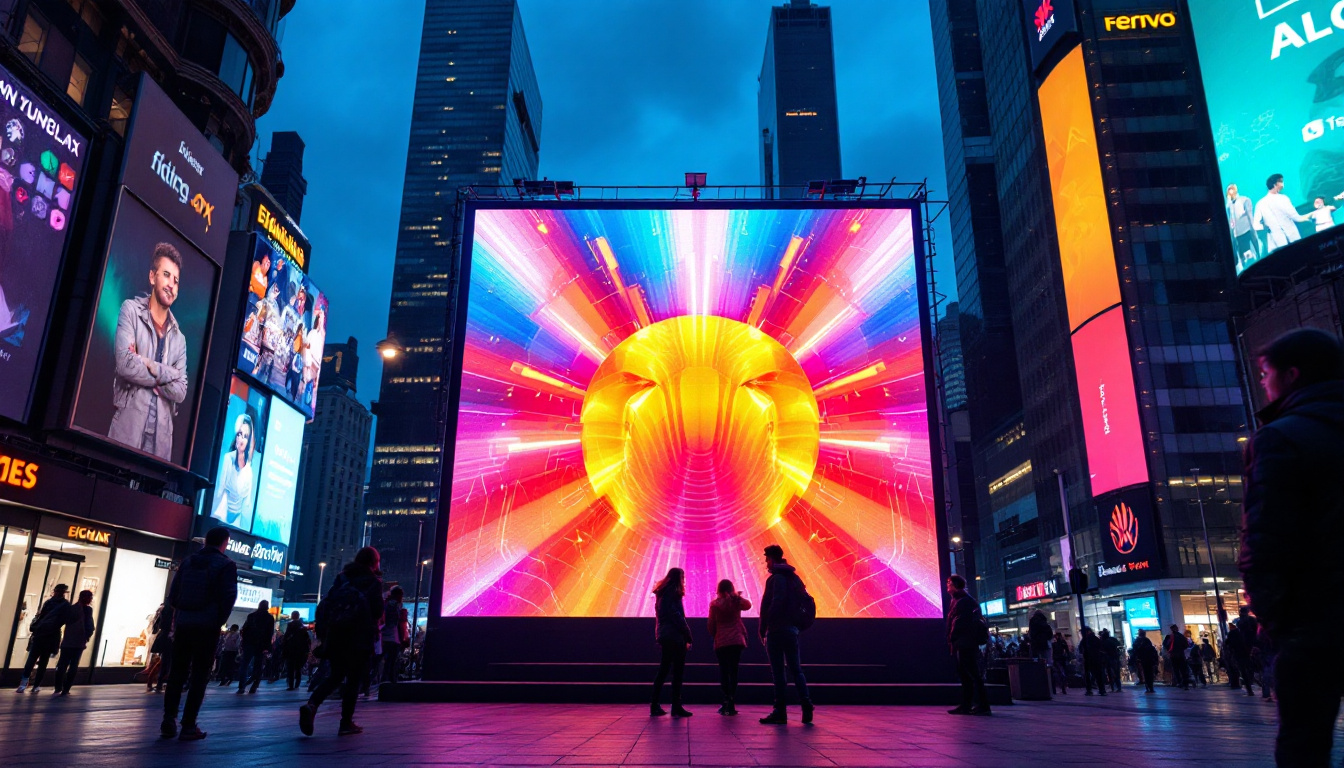
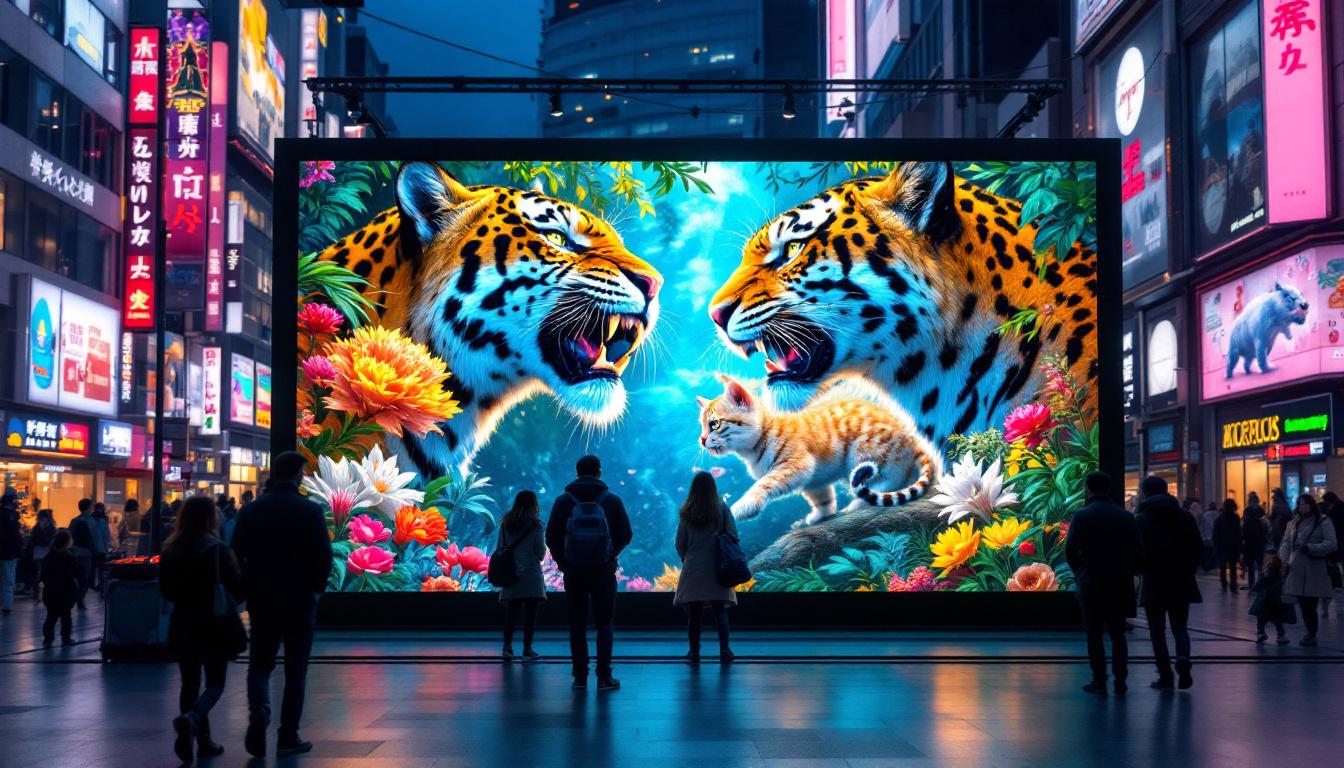
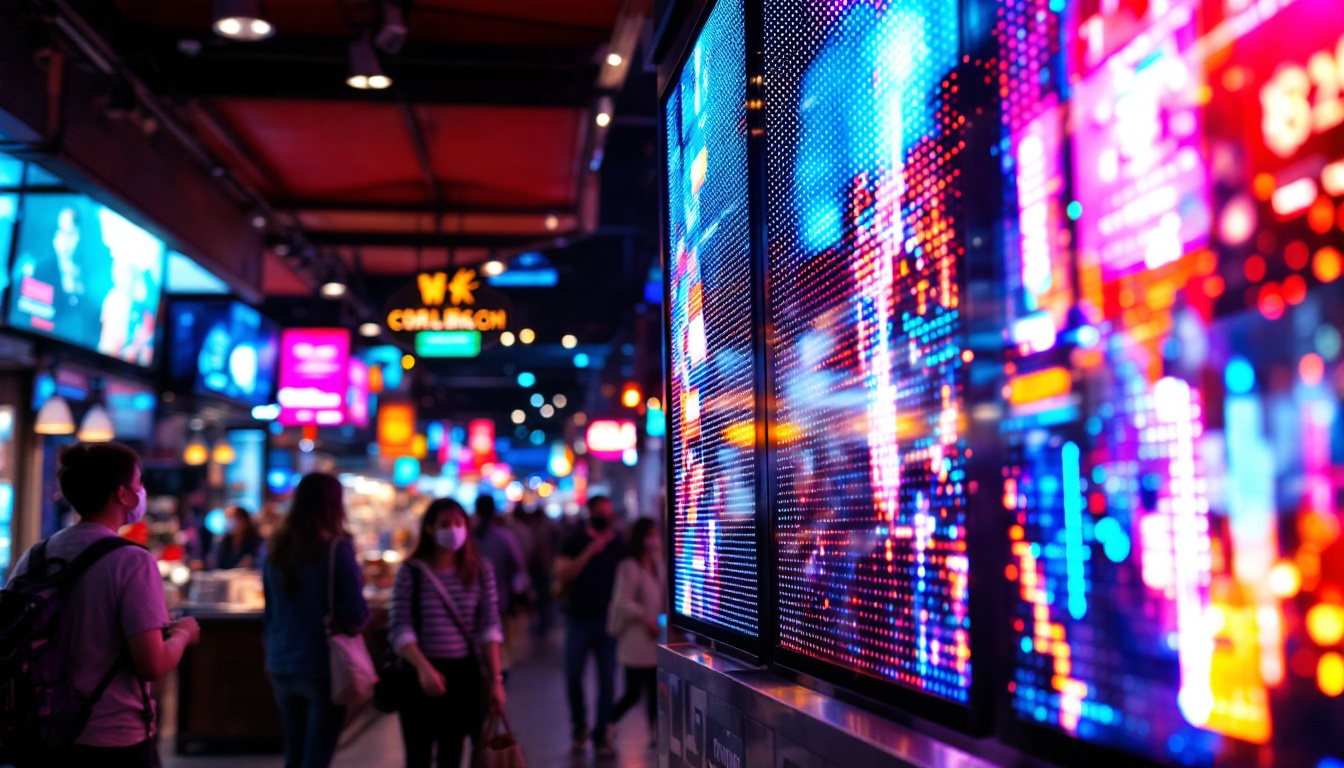
Custom LED displays have revolutionized outdoor and indoor advertising. Their brightness, dynamic capabilities, and adaptability make them ideal for billboards, retail window displays, and event promotions. Brands can deliver high-impact messages that capture attention and adapt quickly to changing campaigns or market trends.
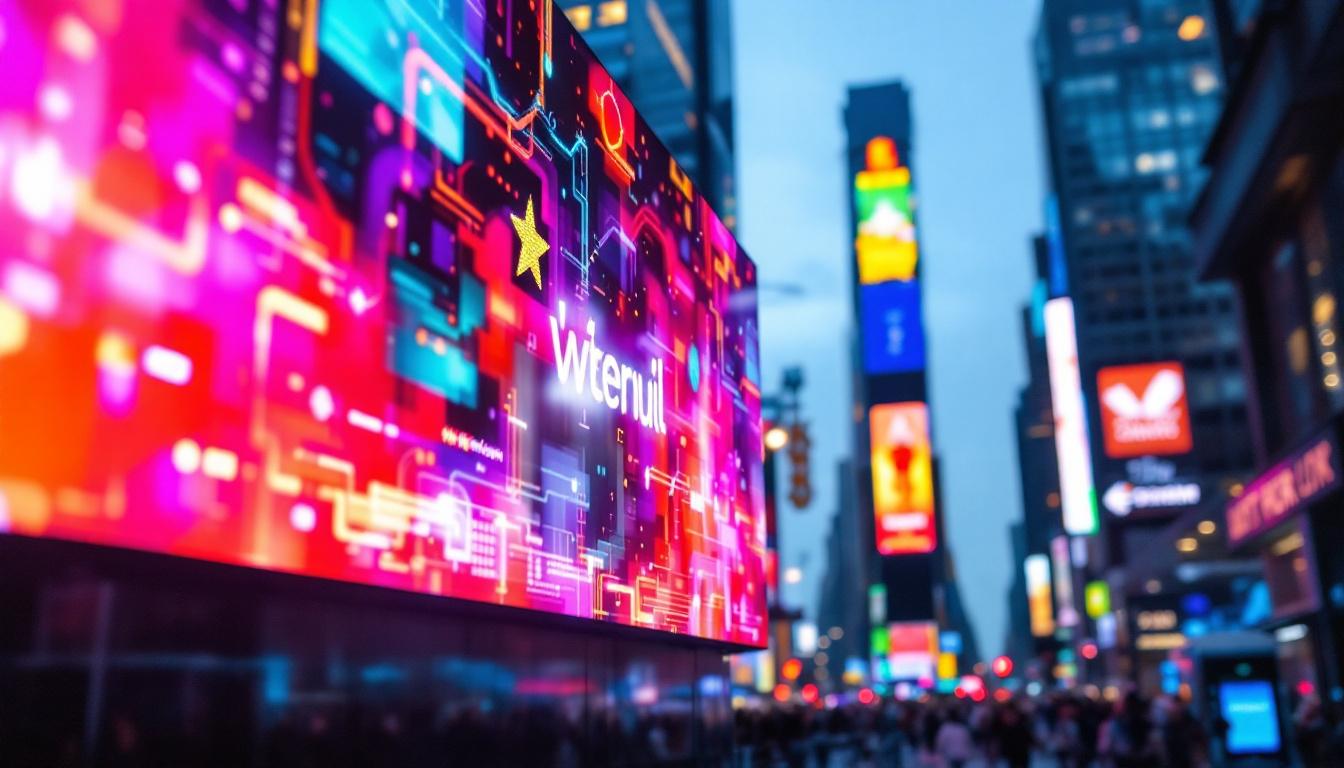
For example, Times Square in New York City is renowned for its massive LED billboards, which showcase advertisements from global brands with vivid colors and motion graphics, attracting millions of viewers annually.
Sports and Entertainment Venues
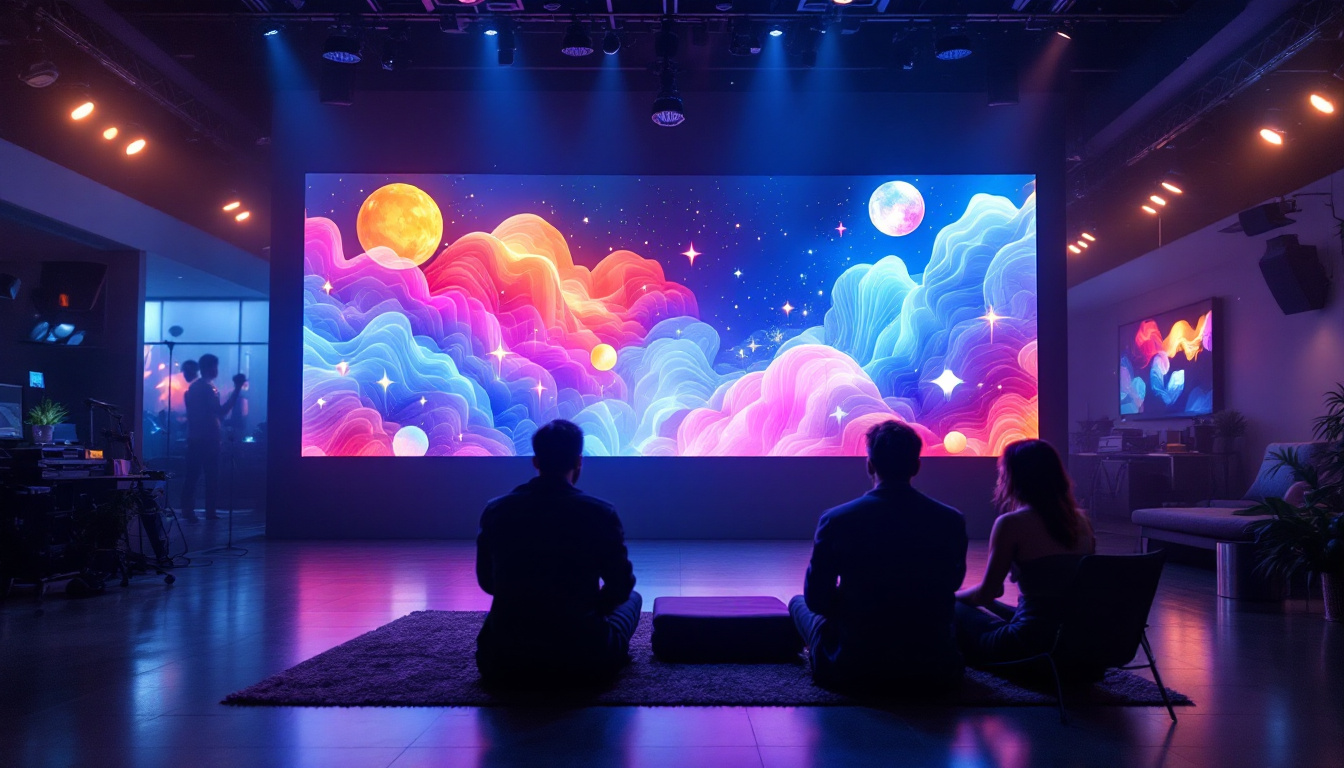
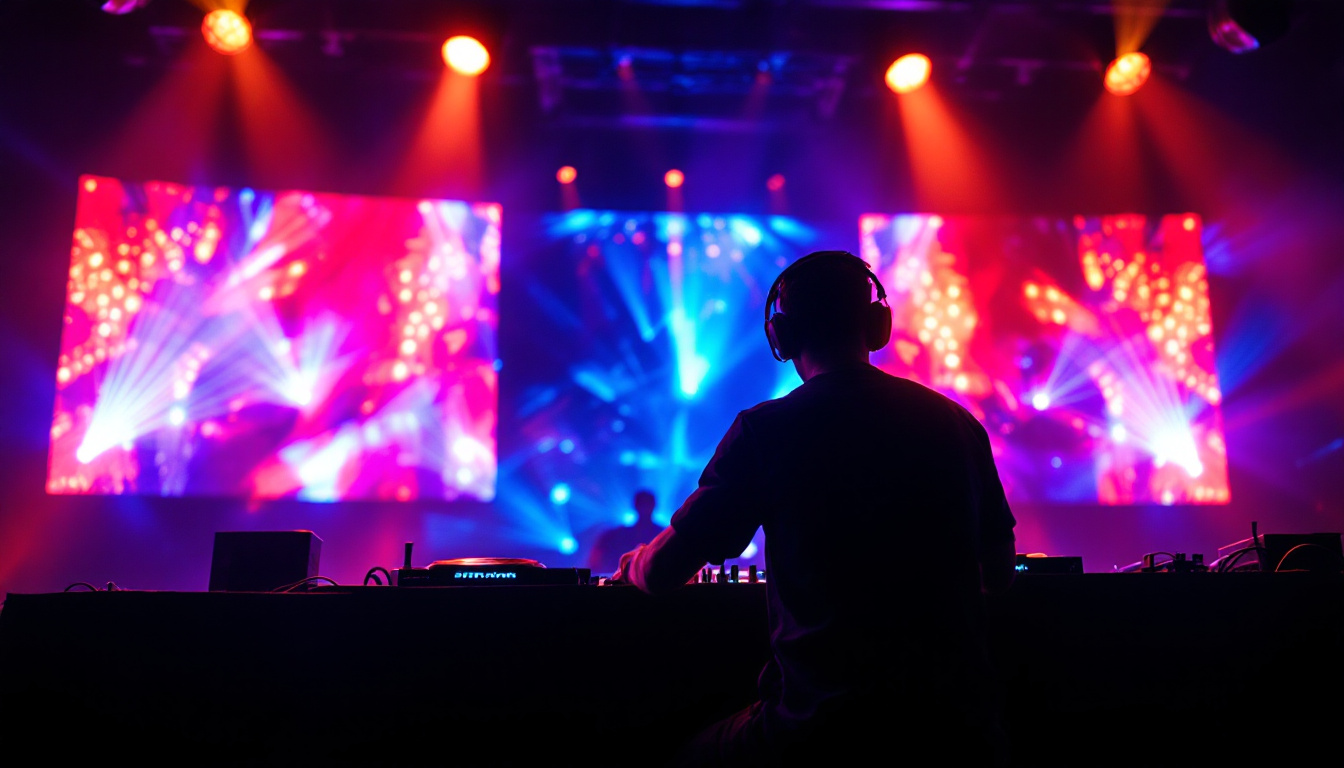
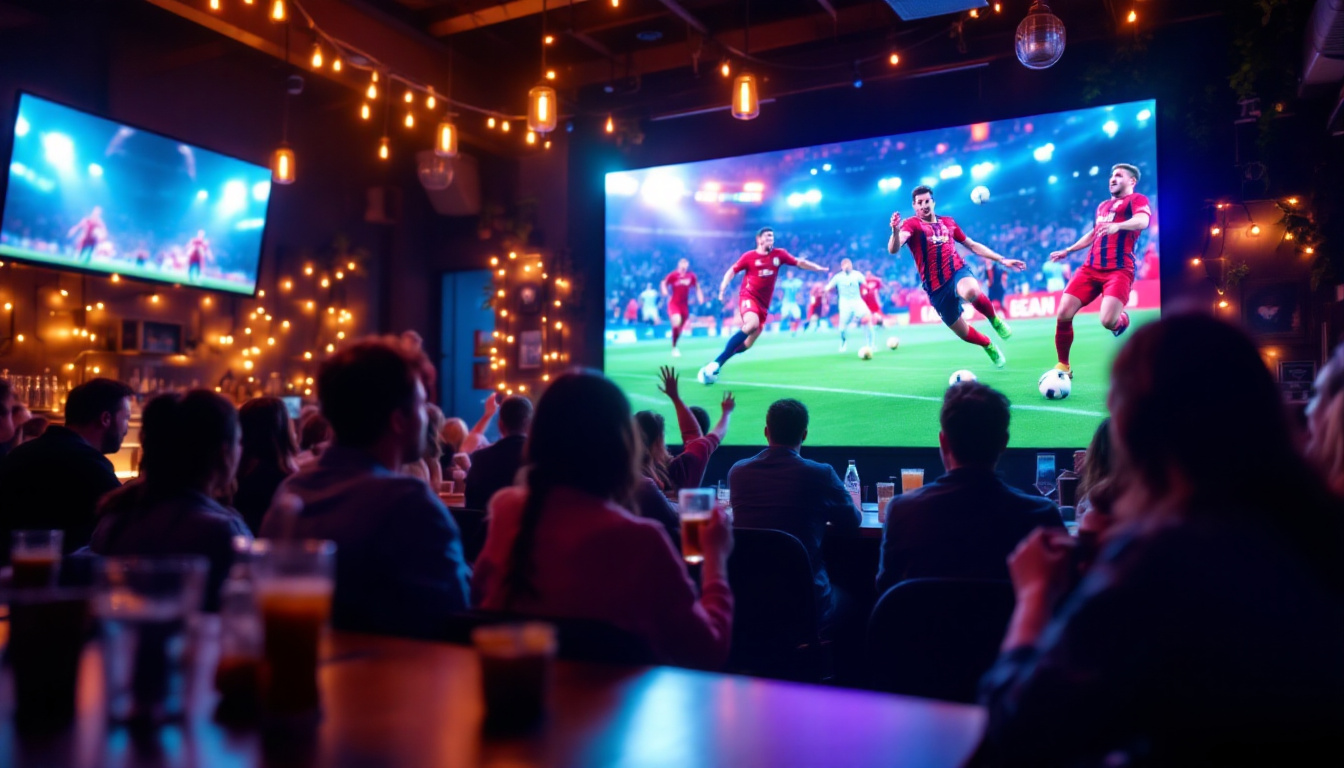
Stadiums and arenas utilize custom LED displays for scoreboards, video walls, and immersive fan experiences. These displays provide real-time information, instant replays, and engaging content that enhance the atmosphere and keep spectators informed and entertained.
Modern stadiums often incorporate curved or wrap-around LED screens to maximize visibility and create a sense of immersion, contributing to the venue’s reputation and revenue generation.
Corporate and Conference Settings
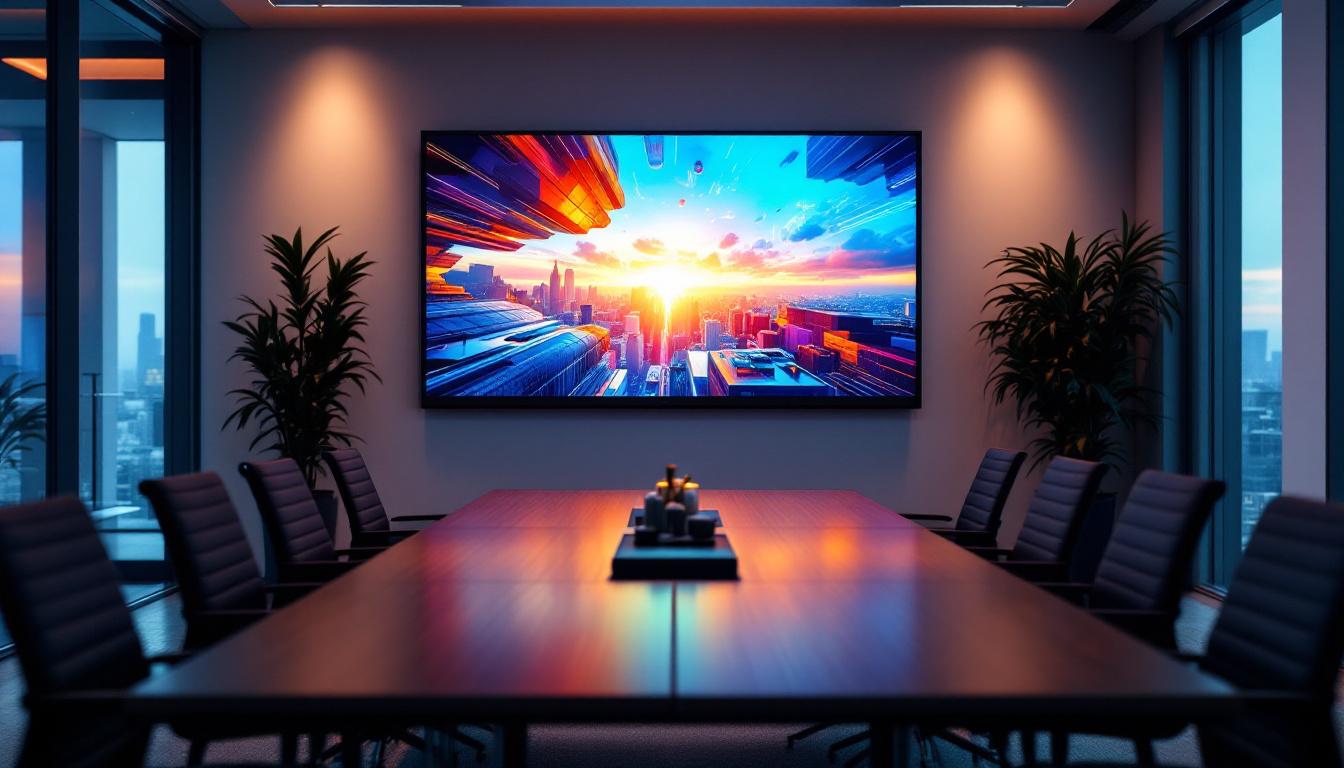
In corporate environments, custom LED displays facilitate presentations, video conferencing, and digital signage. Their high resolution and clarity ensure that information is conveyed effectively to audiences of all sizes.
Custom solutions can be integrated into boardrooms, lobbies, and auditoriums, enhancing communication and reinforcing corporate branding.
Transportation and Public Spaces
Airports, train stations, and public transit hubs rely on LED displays for real-time information dissemination, including schedules, announcements, and emergency alerts. Custom LED displays can be designed to fit architectural constraints while ensuring high visibility and reliability.
Additionally, urban centers use LED displays for public art installations, community information, and interactive kiosks, contributing to smarter and more connected cities.
Future Trends in Custom LED Displays
Miniaturization and Higher Resolutions
Technological advancements continue to push the boundaries of pixel pitch, enabling ultra-high-definition LED displays with pixel pitches below 1mm. These micro-LED displays promise unprecedented image quality, rivaling traditional LCD and OLED screens, and opening new possibilities for close-up viewing applications.
Integration with AI and IoT
Artificial intelligence and the Internet of Things (IoT) are transforming LED displays into smart devices capable of adapting content based on audience behavior, environmental conditions, and real-time data. This integration enhances personalization and operational efficiency.
Sustainability and Energy Efficiency
As environmental concerns grow, manufacturers are focusing on developing LED displays with lower power consumption, recyclable materials, and longer lifespans. Innovations in heat dissipation and power management contribute to greener digital signage solutions.
Conclusion
Custom LED displays represent a versatile and powerful medium for visual communication across diverse industries. Their ability to be tailored to specific requirements, combined with superior brightness, energy efficiency, and longevity, makes them an attractive choice for businesses and organizations seeking impactful and reliable display solutions.
As technology advances, the potential for even more innovative and immersive LED display experiences continues to expand, promising exciting opportunities for marketers, architects, event organizers, and public space planners alike.
Understanding the fundamentals of LED technology, customization options, and practical applications is essential for making informed decisions when investing in custom LED displays. With the right approach, these displays can transform spaces and captivate audiences like never before.
Illuminate Your Space with LumenMatrix
Ready to elevate your visual communication with a custom LED display that embodies innovation, clarity, and engagement? Discover LumenMatrix’s comprehensive range of LED display solutions, from vibrant Indoor and Outdoor LED Wall Displays to dynamic Vehicle and Sports Displays, and even captivating LED Transparent Displays. Embrace the future of digital signage with LumenMatrix and let your brand shine in a whole new light. Check out LumenMatrix LED Display Solutions today and transform your space into a mesmerizing visual experience.