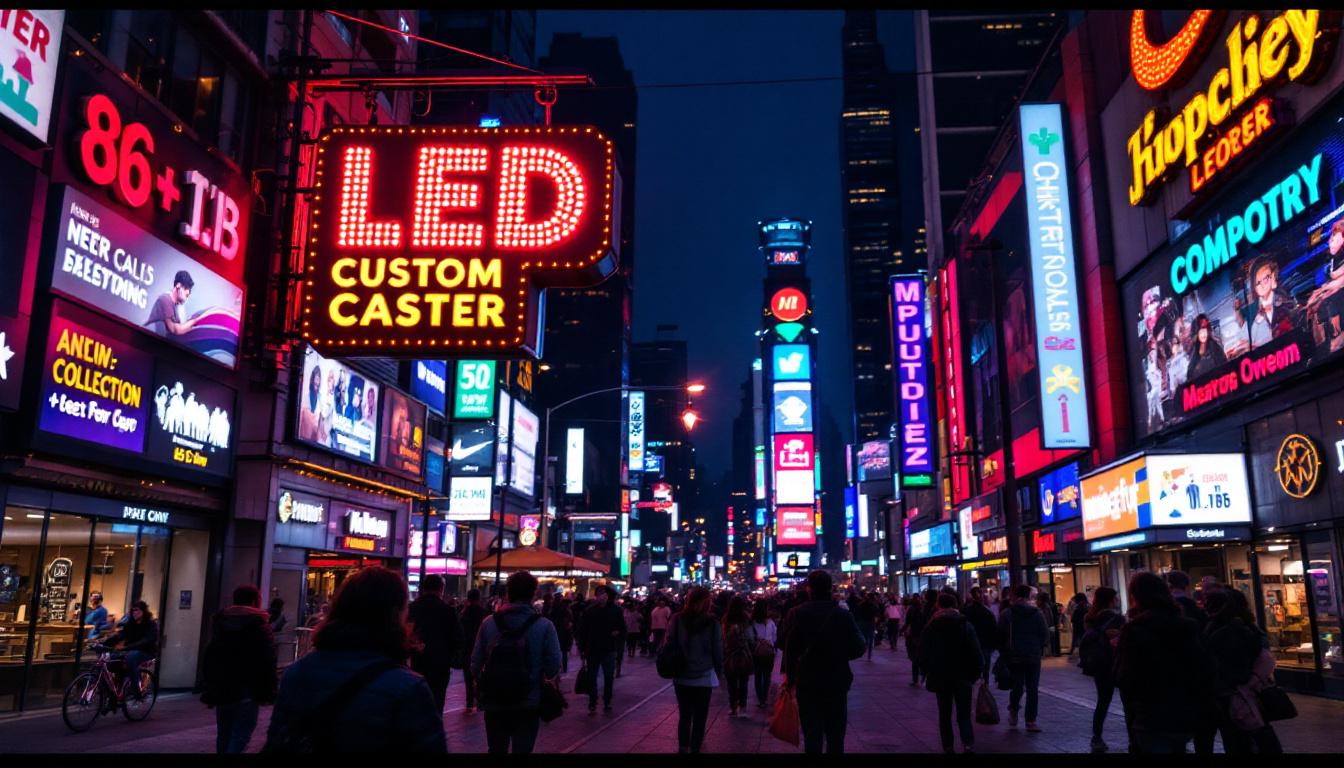
In today’s fast-paced world, grabbing attention quickly and effectively is crucial for businesses, events, and public information dissemination. One of the most dynamic ways to achieve this is through custom LED signs. If you’ve ever searched for “custom LED signs near me,” you’ve likely encountered a variety of options and technologies, each promising to enhance your visibility. This article dives deep into what LED displays are, how they work, their benefits, and how to choose the best custom LED sign for your needs.
Understanding LED Displays: What Are They?
LED stands for Light Emitting Diode, a semiconductor device that emits light when an electric current passes through it. Unlike traditional lighting, LEDs are highly energy-efficient, durable, and capable of producing bright, vibrant colors. LED displays are composed of many tiny LEDs arranged in a matrix to form images, text, or videos.
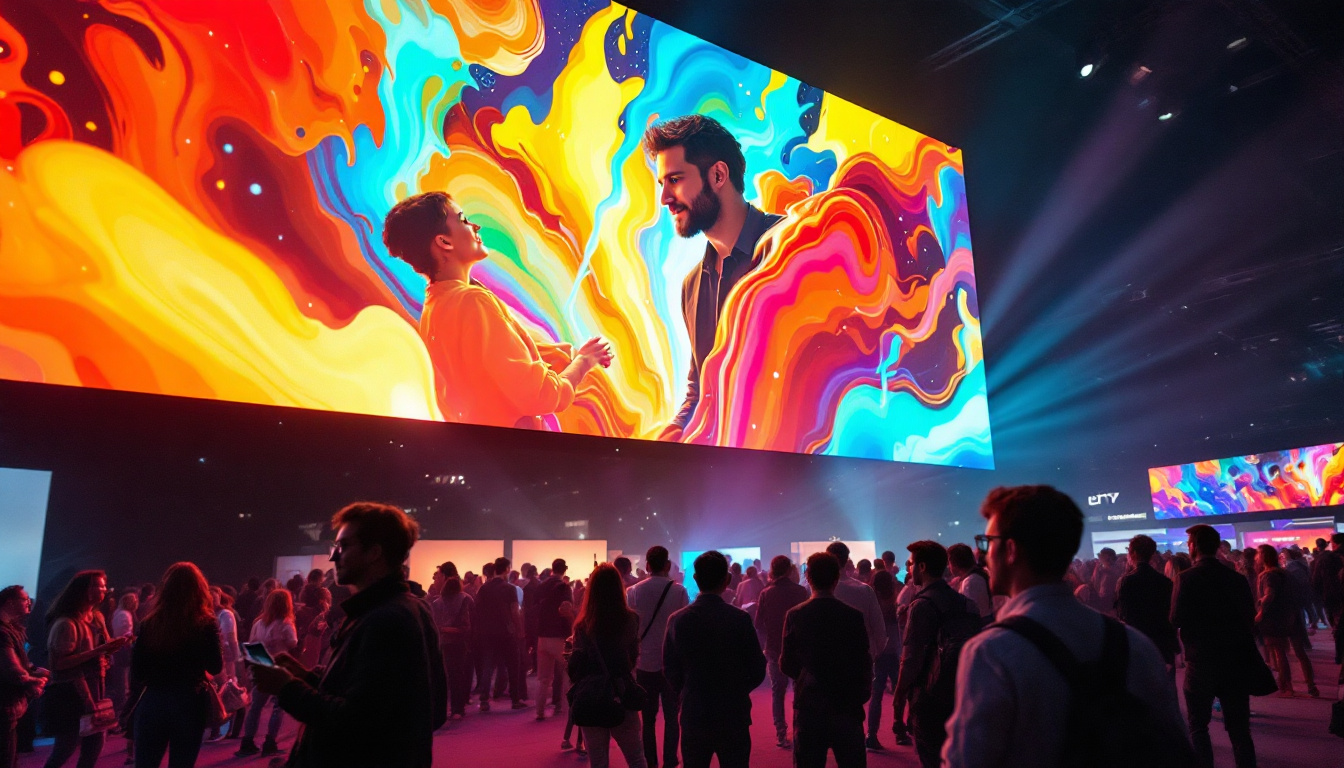
These displays can range from small indoor screens used in retail stores to massive outdoor billboards visible from miles away. The flexibility in size and resolution makes LED displays a versatile choice for various applications. Additionally, the lifespan of an LED display can exceed 100,000 hours, significantly reducing maintenance costs and the need for frequent replacements, which is a crucial factor for businesses looking to maximize their investment.
Types of LED Displays
There are several types of LED displays, each suited for different environments and purposes:
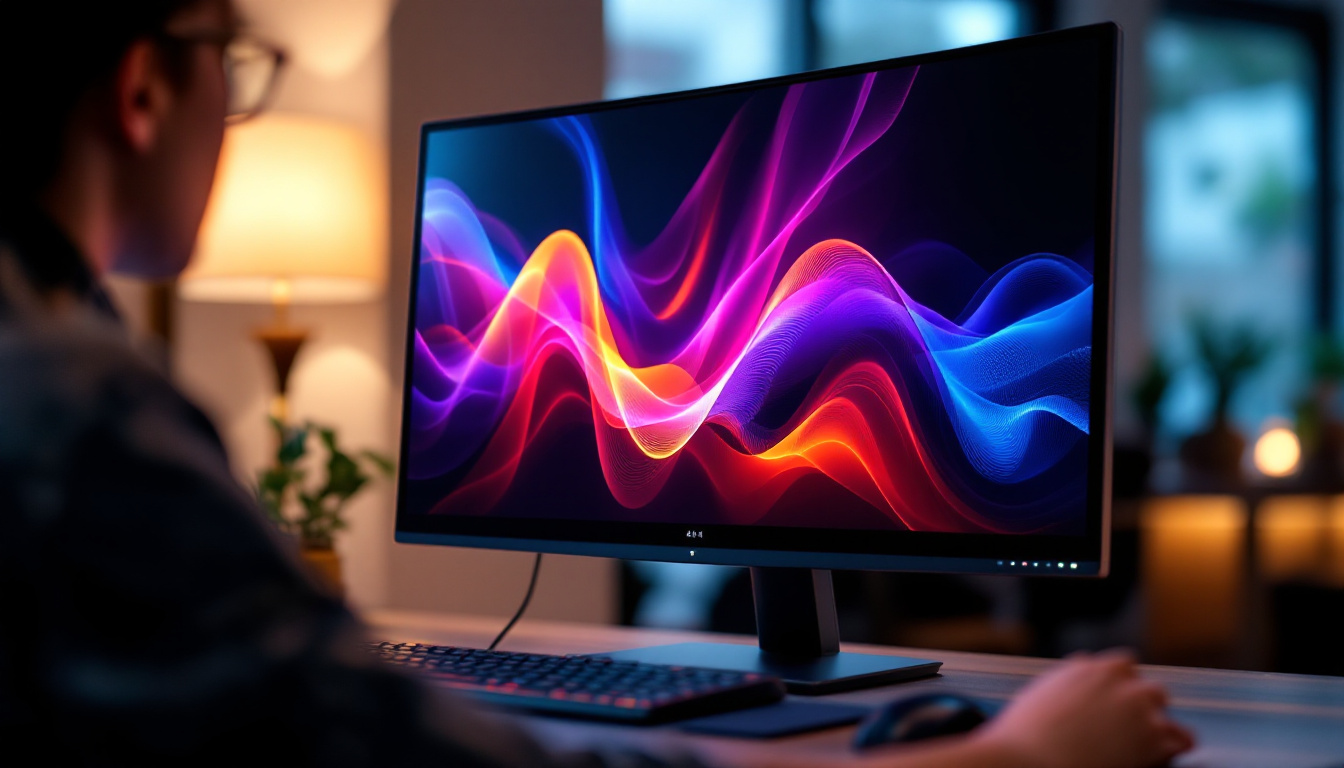
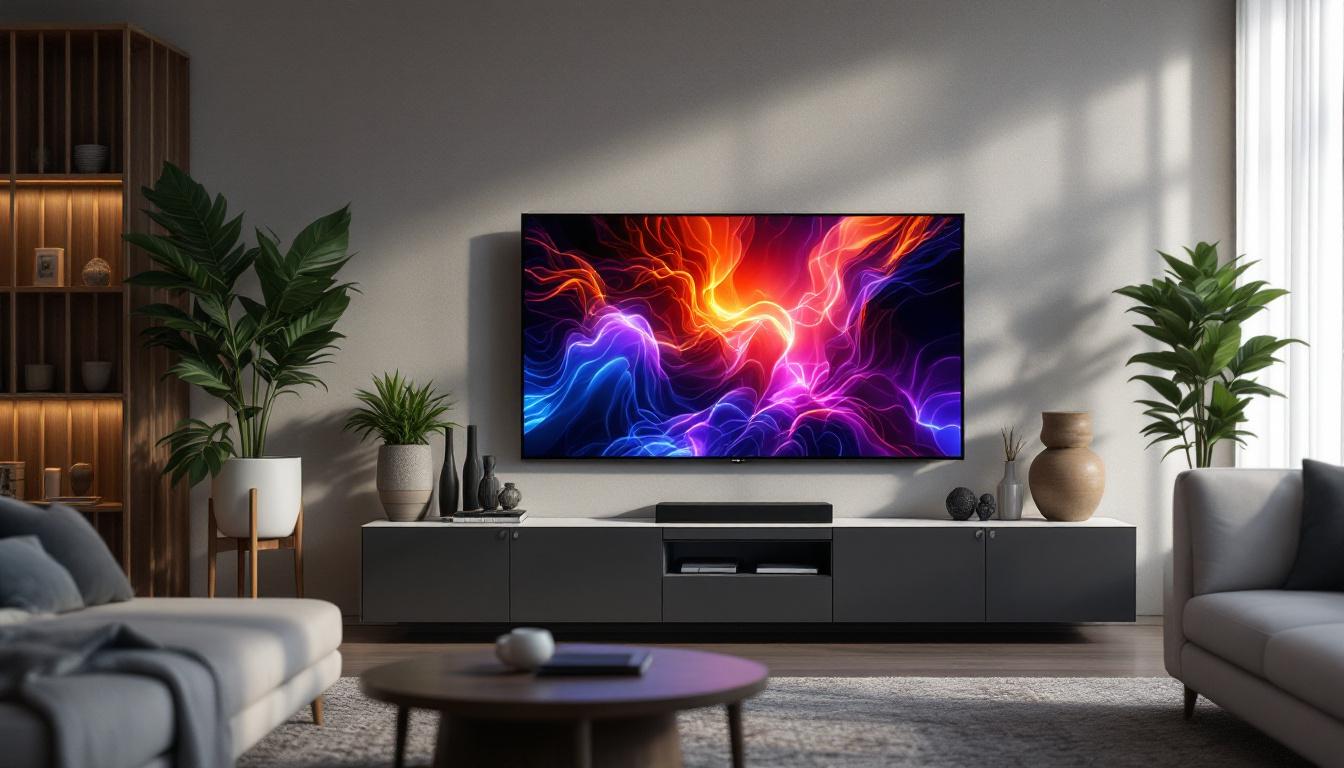
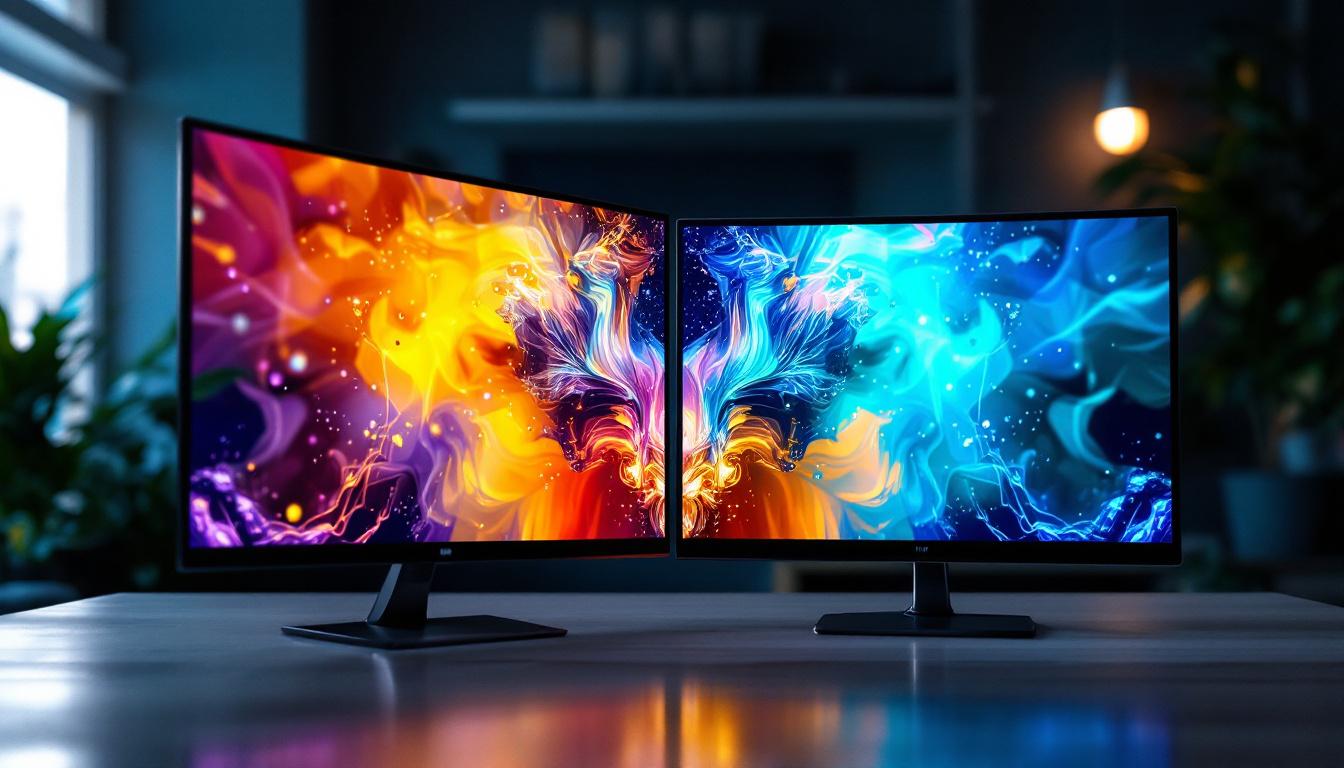
- Indoor LED Displays: Designed for close viewing distances, these displays have a higher pixel density, providing sharp and clear images. They are commonly used in retail stores, conference rooms, and entertainment venues. The ability to adjust brightness and color temperature makes them ideal for creating engaging environments that enhance customer experiences.
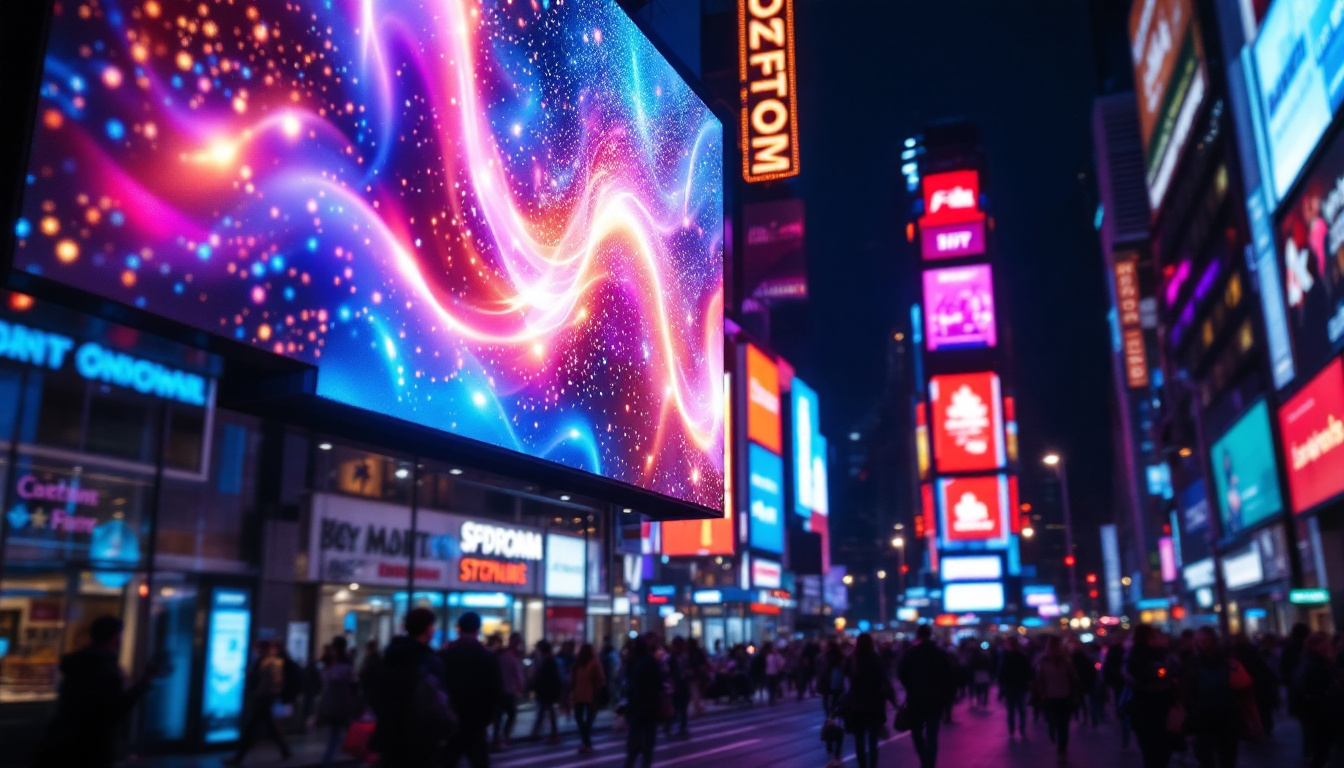
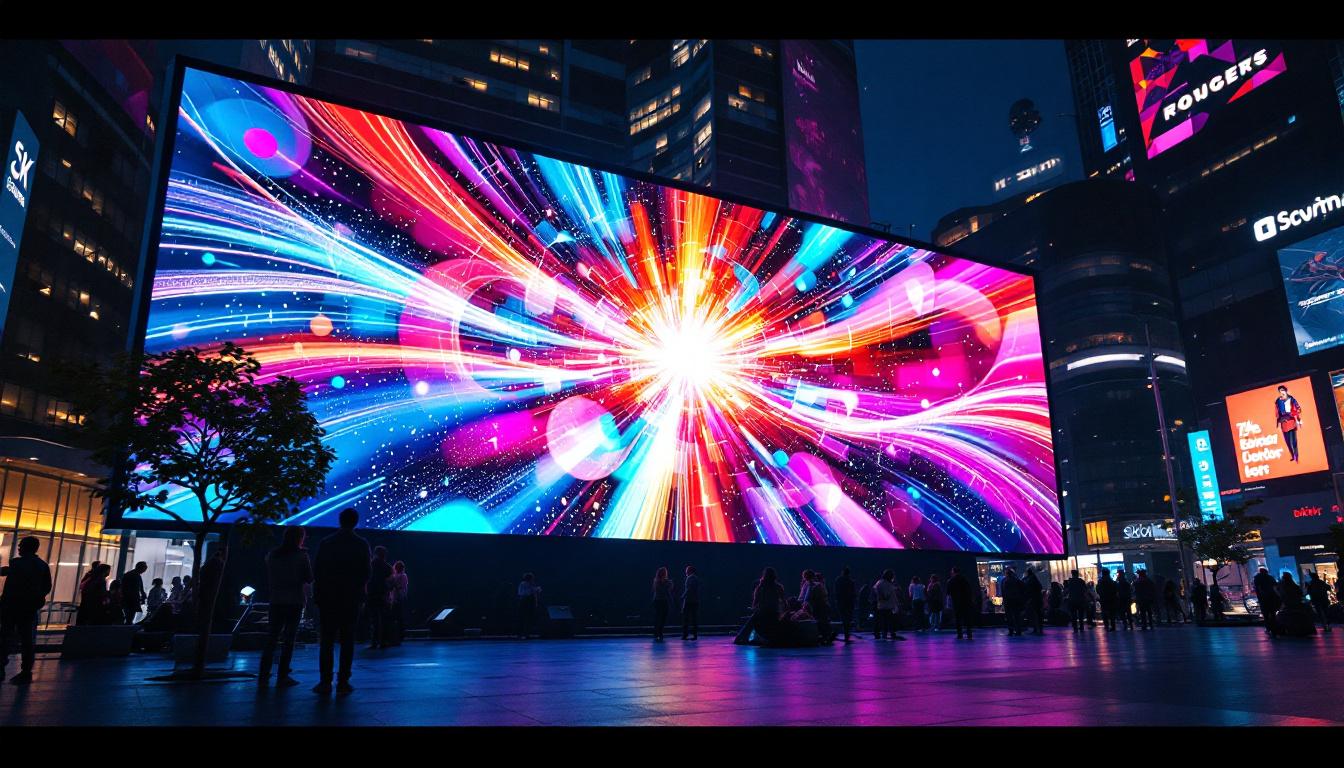
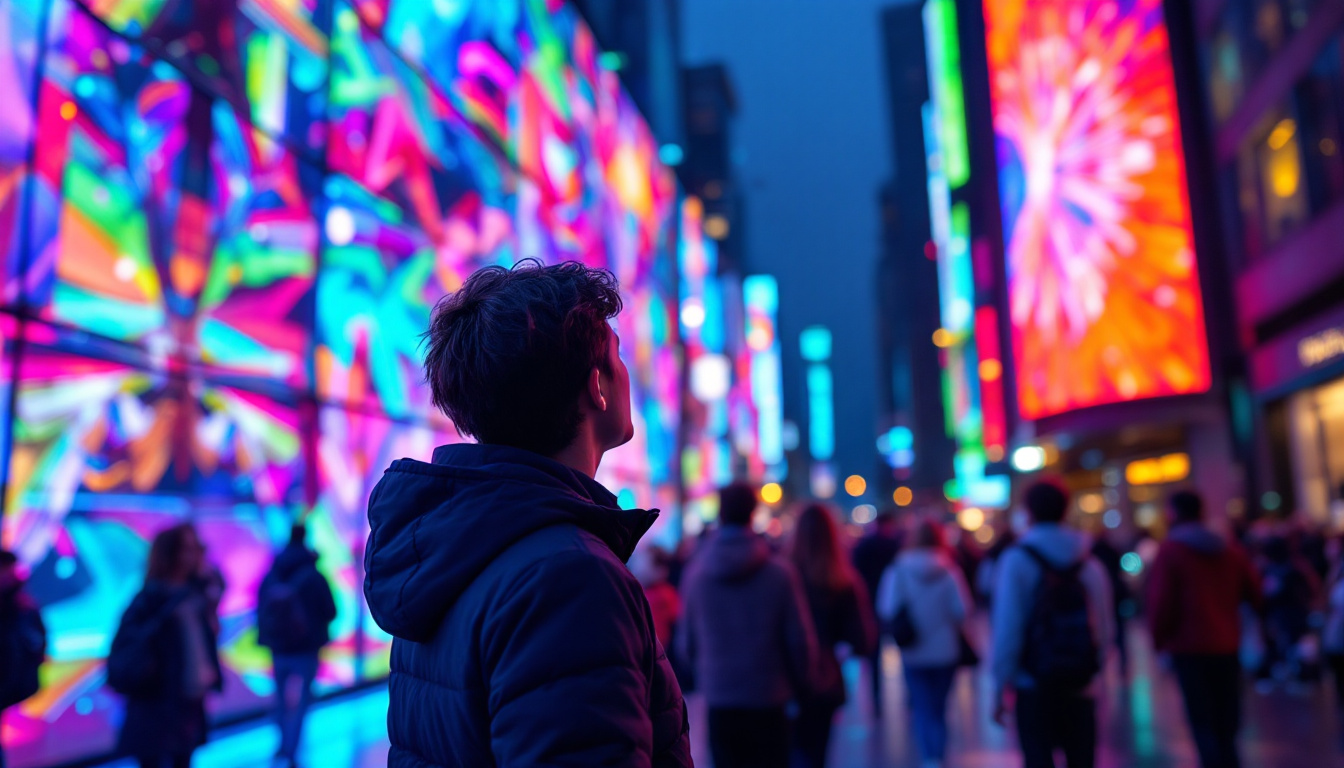
- Outdoor LED Displays: Built to withstand weather conditions, these displays are brighter to combat sunlight glare and have a larger pixel pitch, making them visible from greater distances. Examples include billboards, stadium screens, and public information boards. Outdoor displays often incorporate advanced technologies like automatic brightness adjustment, ensuring optimal visibility at all times, day or night.
- Transparent LED Displays: These innovative screens allow light to pass through and are often used on glass surfaces, providing advertising without blocking natural light. This feature not only enhances aesthetic appeal but also allows for creative advertising solutions in retail spaces, where visibility is key.
- Flexible LED Displays: Utilizing bendable materials, these displays can conform to curved surfaces, opening new creative possibilities for signage. Their adaptability allows designers to create unique installations that can fit into unconventional spaces, making them a favorite choice for artistic displays and innovative marketing strategies.
Moreover, the technology behind LED displays continues to evolve, with advancements such as microLED and OLED paving the way for even higher resolutions and better color accuracy. MicroLED technology, for instance, offers the potential for displays that are thinner, lighter, and more energy-efficient than traditional LED screens. As these technologies develop, we can expect to see even more applications for LED displays across various industries, from healthcare to automotive, where real-time data visualization is becoming increasingly important.
In addition to their visual appeal, LED displays are also becoming integral to smart city initiatives, where they serve as dynamic information hubs that can relay important messages to the public, such as traffic updates, emergency alerts, and community events. This capability not only enhances communication but also fosters a sense of community engagement, as residents can stay informed and connected through these vibrant digital platforms.
How Do Custom LED Signs Work?
Custom LED signs are tailored to meet specific requirements, whether it’s size, color scheme, content, or functionality. The core components of an LED sign include the LEDs themselves, a control system, power supply, and the housing or frame.
Key Components Explained
1. LED Modules: These are the building blocks of the display, consisting of multiple LEDs arranged in a grid. The density of these modules determines the resolution of the display.
2. Control System: This includes the hardware and software that manage the content shown on the display. Modern systems allow remote updates, scheduling, and integration with other digital platforms.
3. Power Supply: LED displays require a stable power source to maintain consistent brightness and performance. Efficient power management is crucial to reduce energy consumption and prolong the lifespan of the sign.
4. Enclosure: The frame or housing protects the internal components from environmental factors like moisture, dust, and physical impact, especially important for outdoor signs.
The Role of Pixel Pitch in LED Displays
Pixel pitch refers to the distance between the centers of two adjacent pixels (LED clusters) on the display. It’s a critical factor in determining the clarity and viewing distance of the sign. A smaller pixel pitch means higher resolution and better image quality, ideal for close-up viewing. Conversely, larger pixel pitch displays are suitable for long-distance viewing but have lower resolution.
For example, an indoor LED sign might have a pixel pitch of 1.5mm to 3mm, offering crisp visuals for viewers standing a few feet away. Outdoor signs often have pixel pitches ranging from 10mm to 20mm, optimized for visibility from several hundred feet.
Benefits of Using Custom LED Signs
Custom LED signs offer numerous advantages over traditional signage options, making them an increasingly popular choice for businesses and organizations.
High Visibility and Brightness
LED signs are exceptionally bright, making them visible in various lighting conditions, including direct sunlight. This ensures that your message is seen clearly at all times, boosting brand awareness and communication effectiveness.
Energy Efficiency and Longevity
Compared to incandescent or fluorescent lighting, LEDs consume significantly less energy, reducing operational costs. Additionally, LEDs have an average lifespan of 50,000 to 100,000 hours, meaning your investment will last for years with minimal maintenance.
Dynamic and Flexible Content
Unlike static signs, LED displays can show dynamic content such as videos, animations, and real-time updates. This flexibility allows businesses to tailor messages based on time of day, promotions, or events, increasing engagement with customers.
Customization to Fit Any Need
From size and shape to color and content, custom LED signs can be designed to match your brand identity and specific requirements. Whether it’s a small menu board or a large-scale advertising billboard, customization ensures maximum impact.
Durability and Weather Resistance
Outdoor LED signs are built to withstand harsh weather conditions, including rain, snow, and extreme temperatures. This durability ensures consistent performance and reduces replacement costs.
Choosing the Right Custom LED Sign Near You
Finding the perfect custom LED sign involves several considerations to ensure it meets your goals and budget.
Assess Your Needs and Objectives
Start by defining the purpose of your LED sign. Are you looking to attract foot traffic, display promotional content, provide information, or enhance brand visibility? Knowing your objectives will guide decisions on size, resolution, and content capabilities.
Consider Location and Viewing Distance
The placement of your LED sign significantly influences the type of display you need. For instance, a sign intended for a busy street corner should have a larger pixel pitch and higher brightness to be visible from a distance. Conversely, indoor signs require higher resolution for close viewing.
Evaluate Budget and Long-Term Costs
While LED signs can be a significant upfront investment, their energy efficiency and durability often result in lower total cost of ownership. Request detailed quotes that include installation, maintenance, and potential software fees to avoid surprises.
Check for Local Regulations and Permits
Many municipalities have specific regulations regarding digital signage, including size limits, brightness levels, and operating hours. Before purchasing, verify local laws to ensure compliance and avoid fines or forced removal.
Work with Experienced Providers
Choosing a reputable company specializing in custom LED signs ensures quality products and professional installation. Look for providers with positive reviews, a strong portfolio, and responsive customer service.
Popular Applications of Custom LED Signs
Custom LED signs are used across various industries and settings, demonstrating their versatility and effectiveness.
Retail and Hospitality
Stores, restaurants, and hotels use LED signs to promote sales, display menus, and enhance ambiance. Dynamic content helps attract customers and improve the overall experience.
Transportation and Public Information
Airports, train stations, and bus terminals utilize LED displays for real-time updates, directions, and safety messages, improving passenger communication and operational efficiency.
Sports and Entertainment Venues
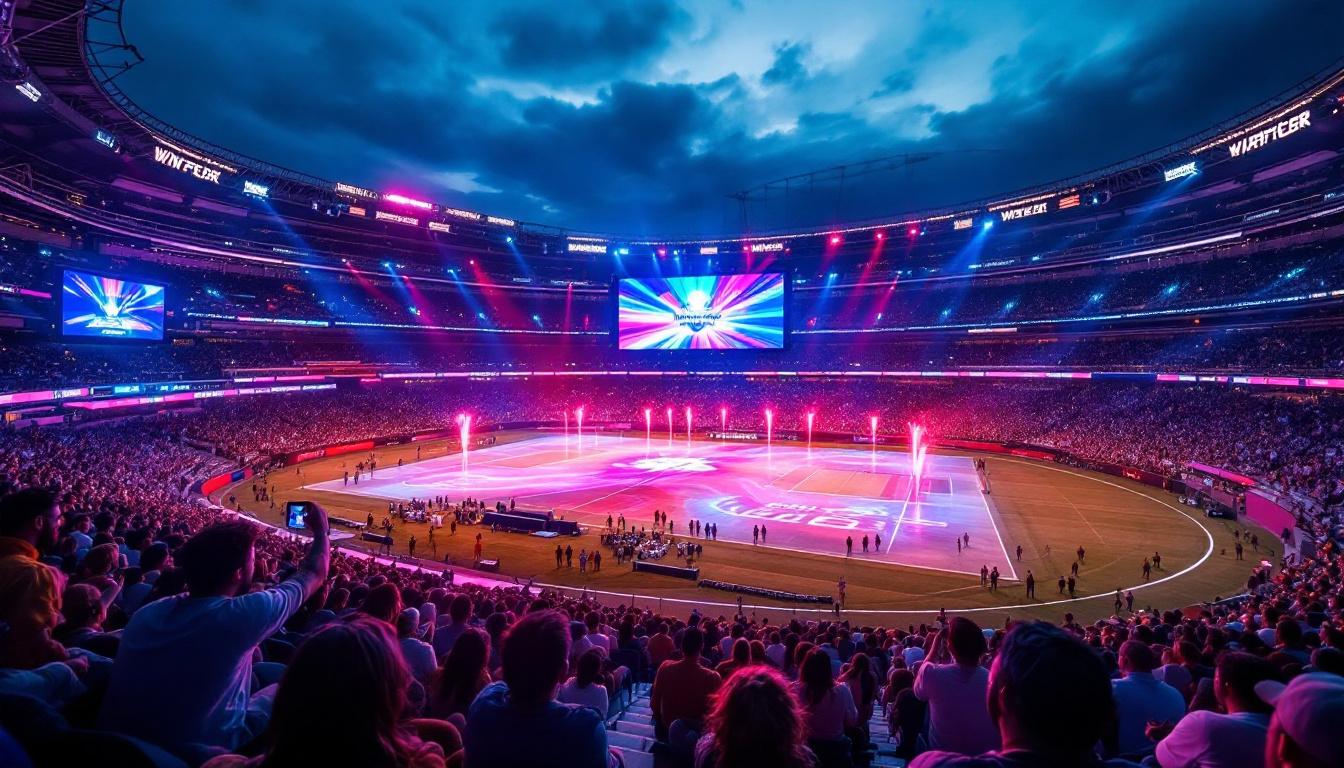
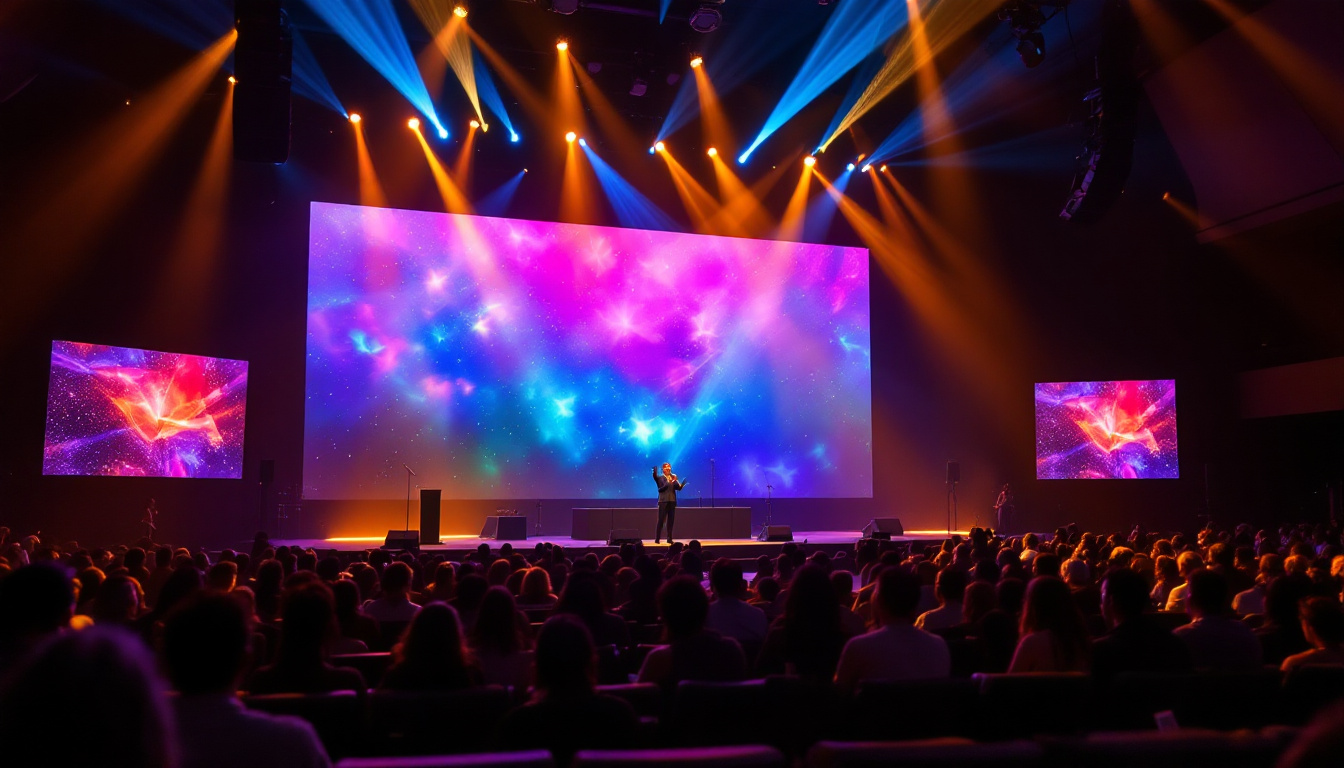
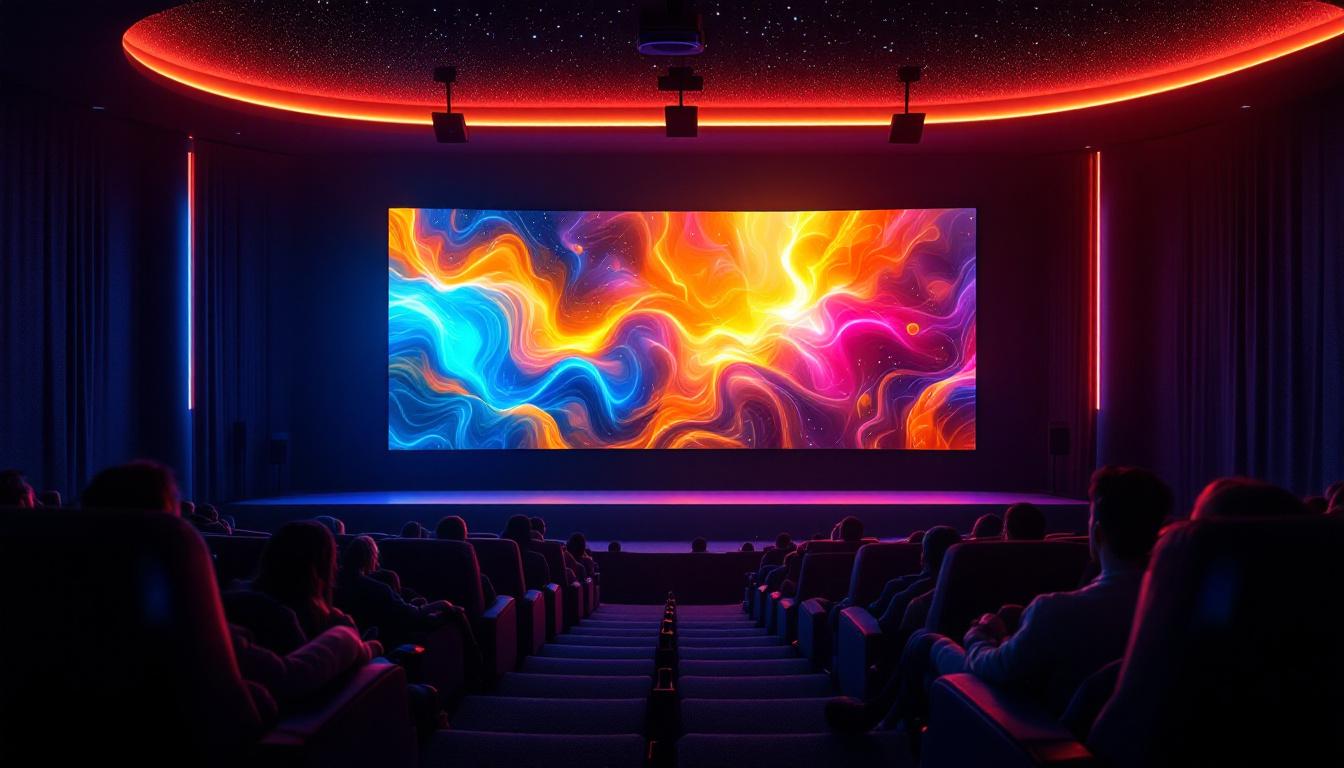
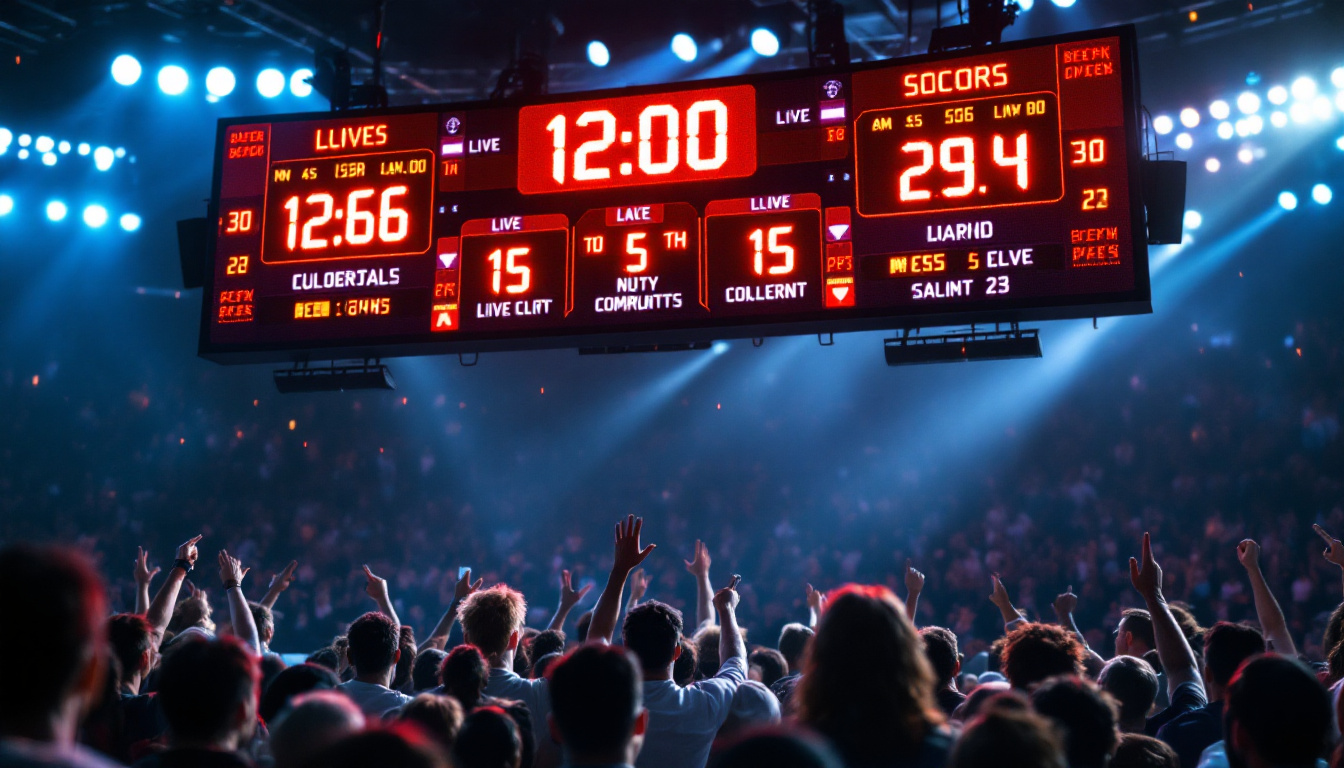
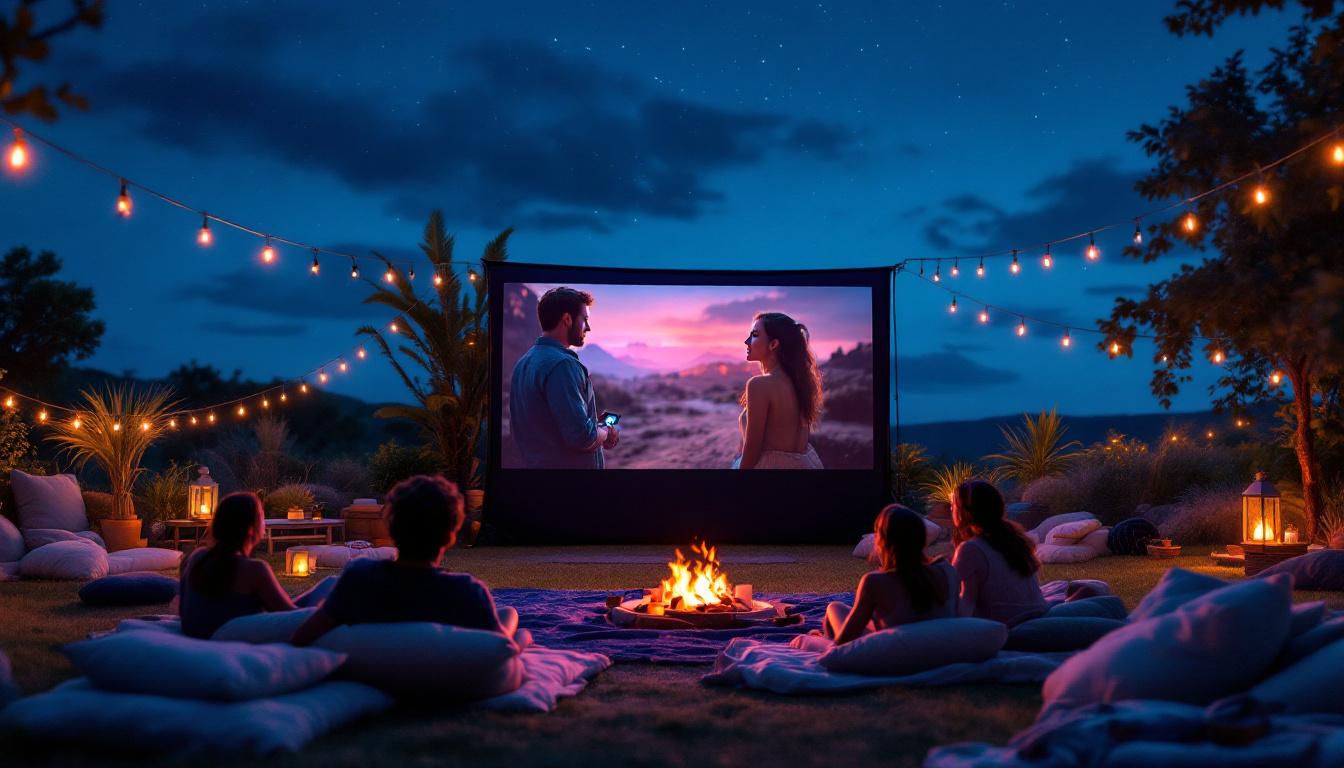
Stadiums and theaters employ large LED screens to engage audiences with live action, advertisements, and interactive content, creating immersive experiences.
Corporate and Educational Institutions
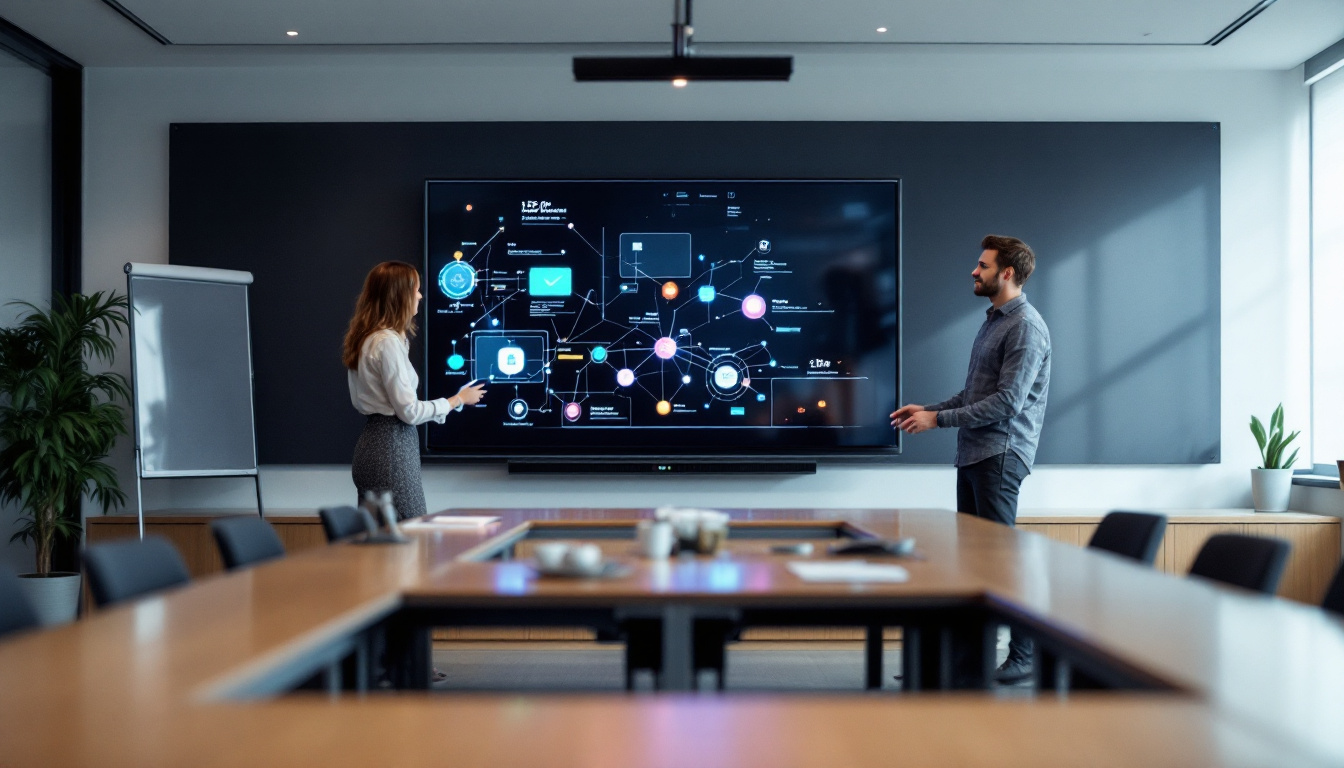
Businesses and schools use LED signs for announcements, event promotions, and branding, facilitating effective internal and external communication.
Maintaining Your Custom LED Sign
Proper maintenance ensures your LED sign remains vibrant and functional over time.
Regular Cleaning
Dust, dirt, and debris can accumulate on the surface, diminishing brightness. Use soft cloths and appropriate cleaning solutions to keep the display clear without damaging components.
Software Updates
Keep the control software up to date to benefit from new features, security patches, and improved performance.
Professional Inspections
Schedule periodic inspections with your provider to check for any hardware issues, loose connections, or weather-related damage.
Conclusion
Custom LED signs represent a powerful tool for businesses and organizations looking to enhance visibility, communicate effectively, and engage audiences. Understanding the technology behind LED displays, their benefits, and how to choose the right sign can help you make an informed decision that maximizes your investment.
Whether you’re searching for “custom LED signs near me” to boost your storefront, promote an event, or provide public information, the versatility and impact of LED displays make them an excellent choice in today’s competitive environment.
Discover LumenMatrix LED Display Solutions
Ready to elevate your brand’s presence and captivate your audience with cutting-edge LED technology? Look no further than LumenMatrix, where innovation meets visual excellence. From Indoor and Outdoor LED Wall Displays to specialized solutions like Vehicle LED Displays and LED Sports Displays, LumenMatrix offers a comprehensive range of products designed to transform your visual communication. Embrace the future of digital signage with our Custom LED Displays, All-in-One LED Displays, and LED Transparent Displays, all tailored to create unforgettable visual experiences. Don’t miss out on the opportunity to make a lasting impression. Check out LumenMatrix LED Display Solutions today and see your message come to life with unparalleled clarity and impact.