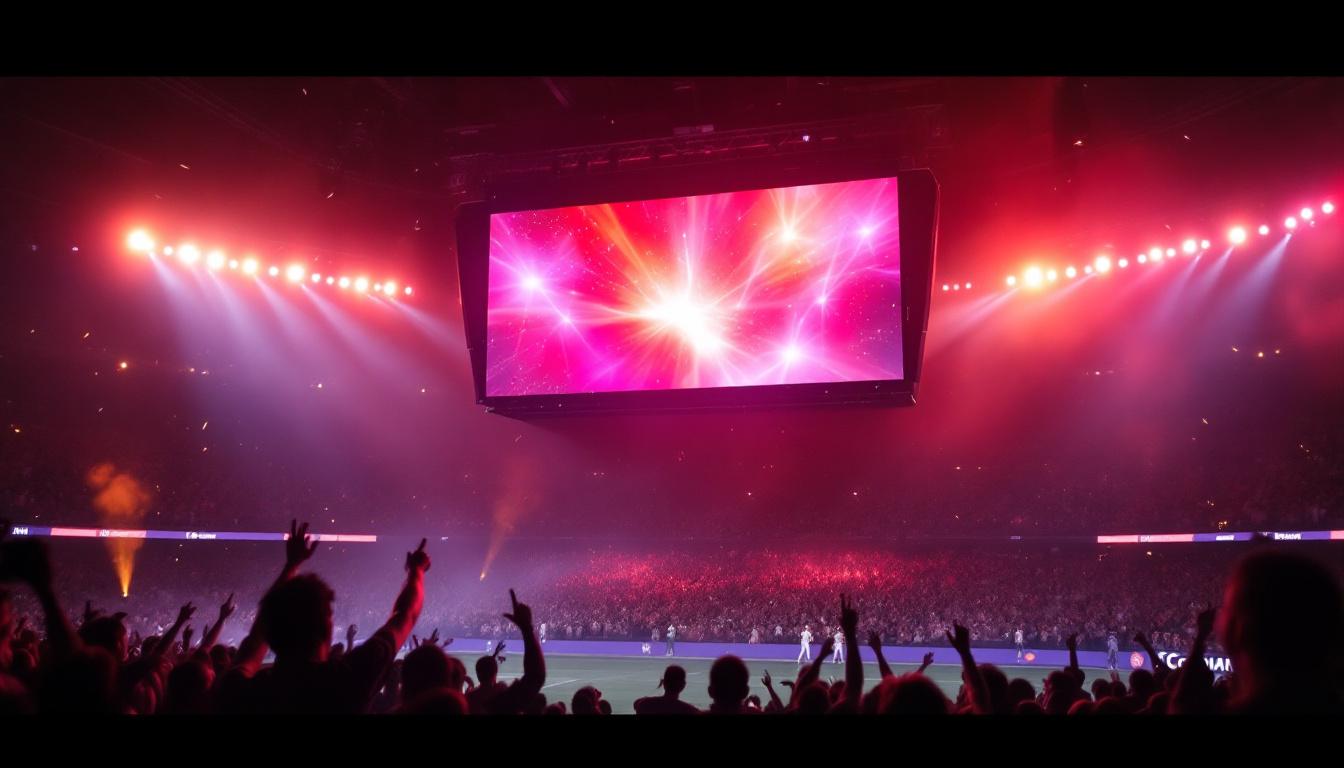
In the fast-paced world of sports marketing, capturing the attention of fans and enhancing the live event experience is paramount. One of the most powerful tools in this arsenal is the LED display. From stadium scoreboards to dynamic advertising panels, LED technology has transformed how sports organizations engage audiences both in-person and through broadcasts.
This article delves into the role of LED displays in sports marketing, explaining the technology, benefits, and best practices for leveraging these vibrant screens to dazzle fans and maximize marketing impact.
Understanding LED Display Technology
What is an LED Display?
LED stands for Light Emitting Diode, a semiconductor device that emits light when an electric current passes through it. LED displays are composed of thousands to millions of these tiny diodes arranged in a grid to form images, videos, and text. Unlike traditional display technologies such as LCD or projection, LEDs produce their own light, resulting in brighter, more vivid visuals. This self-illuminating property allows for better visibility in various lighting conditions, making LED displays particularly effective for outdoor use where sunlight can wash out other types of screens.
In sports venues, LED displays come in various forms—from massive outdoor scoreboards to ribbon boards circling the stadium, and even wearable LED panels for interactive fan experiences. The scalability and flexibility of LED technology make it ideal for diverse marketing applications. Furthermore, advancements in LED technology have led to the development of flexible and transparent displays, which can be integrated into various surfaces, providing even more innovative advertising solutions. These advancements not only enhance the visual appeal but also allow for creative storytelling and branding opportunities that resonate with fans.
Types of LED Displays Used in Sports Marketing
Several types of LED displays are commonly used in sports marketing:
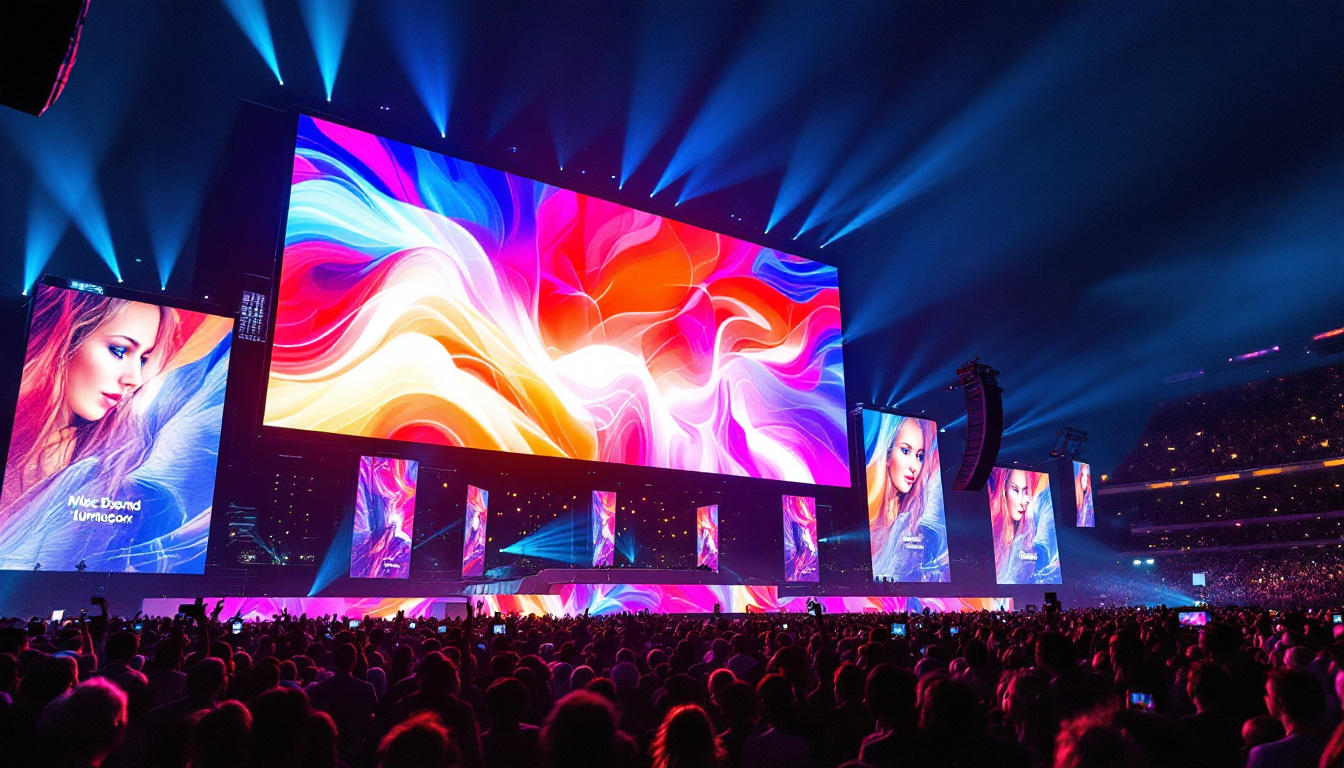
- Jumbotron and Scoreboards: Large, high-resolution LED screens that display live game footage, scores, and instant replays. These are often the centerpiece of a stadium’s visual experience, captivating the audience with dynamic content that enhances the excitement of the game.
- Ribbon Boards: Long, narrow LED strips that wrap around stadium tiers, providing continuous advertising space and game updates. These boards not only keep fans informed about the game but also serve as a platform for sponsors to reach the audience in a non-intrusive manner.
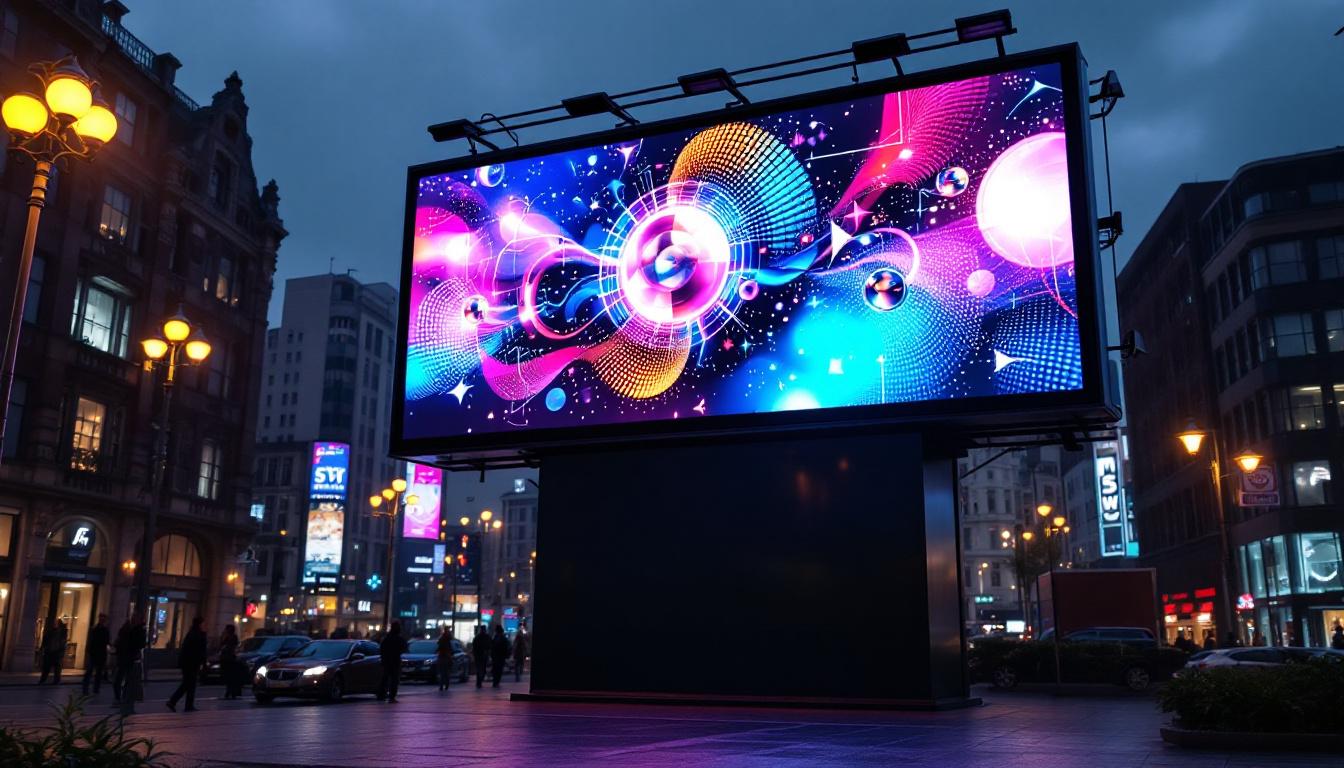
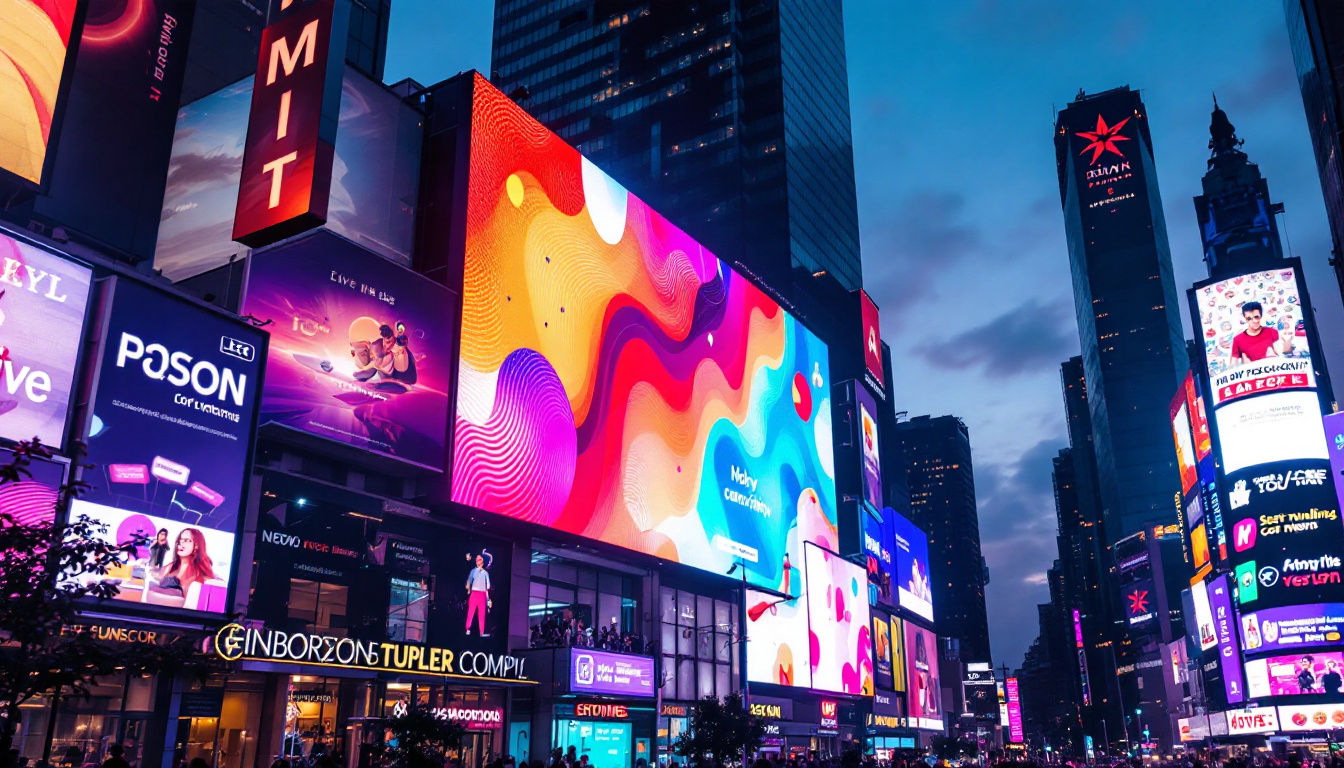
- Advertising Panels: Strategically placed LED boards around the field or arena perimeter that showcase sponsor messages and promotions. These panels can be programmed to change content in real-time, allowing for timely promotions that coincide with game events or special moments.
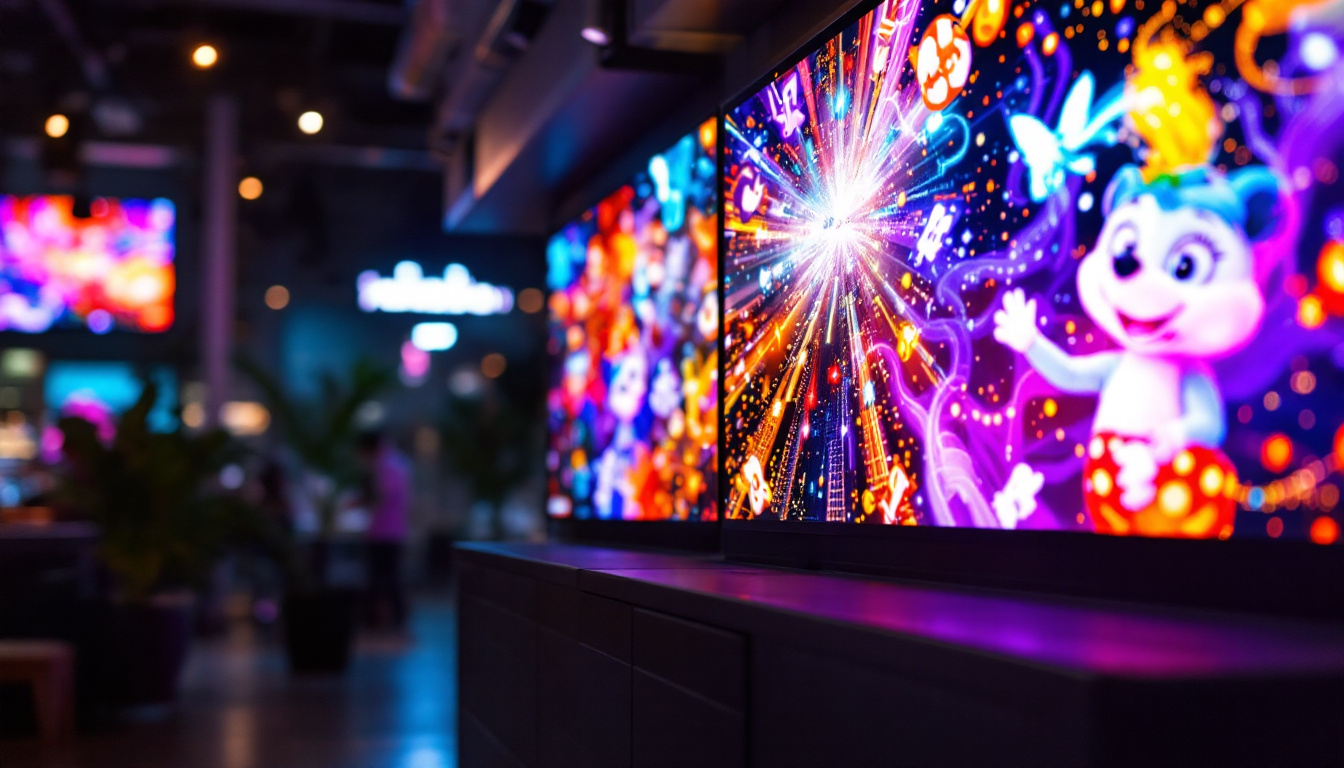
- Interactive LED Walls: Used in fan zones or concourses to engage attendees with interactive content, social media feeds, or branded experiences. These walls often feature touch-sensitive technology, enabling fans to participate in games, polls, or contests, thereby deepening their connection to the event and the brand.
Each type serves a unique purpose but collectively contributes to a cohesive, immersive environment that enhances fan engagement and marketing opportunities. The integration of LED displays into sports marketing strategies not only amplifies the visual experience but also provides valuable data analytics for teams and sponsors. By tracking viewer engagement and interaction with the displays, organizations can tailor their marketing efforts to better meet the preferences and interests of their audience. This data-driven approach allows for more effective advertising campaigns that resonate with fans, ultimately driving revenue and enhancing the overall sporting experience.
The Impact of LED Displays on Sports Marketing
Enhancing Fan Engagement
LED displays captivate audiences by delivering dynamic, high-quality visuals that capture the excitement of live sports. According to a 2023 report by Sports Business Journal, venues equipped with advanced LED technology saw a 25% increase in fan engagement metrics, including social media interactions and in-stadium dwell time.
By showing instant replays, player stats, and interactive content, LED screens keep fans connected to the game and create memorable experiences. This emotional connection is crucial for building long-term loyalty and encouraging repeat attendance.
Maximizing Sponsorship Value
For sponsors, LED displays offer unparalleled visibility and creative freedom. Unlike static banners, LED ads can be animated, targeted, and scheduled to appear at optimal moments during the event. This flexibility increases the effectiveness of advertising campaigns and justifies premium sponsorship fees.
Research from Nielsen Sports indicates that LED advertising in stadiums can boost brand recall by up to 40% compared to traditional signage. Brands like Nike, Coca-Cola, and Verizon have leveraged LED displays to launch immersive campaigns that resonate deeply with sports fans.
Driving Revenue Growth
The integration of LED displays directly contributes to revenue growth for sports organizations. Enhanced fan experiences lead to higher ticket sales and merchandise purchases, while premium advertising slots command higher prices. Additionally, LED technology enables innovative revenue streams such as in-game promotions and real-time offers.
For example, the Dallas Cowboys’ AT&T Stadium features one of the world’s largest LED displays, which has been instrumental in attracting top-tier sponsors and increasing overall venue profitability.
Technical Considerations for Sports LED Displays
Resolution and Pixel Pitch
Resolution refers to the number of pixels on the display, while pixel pitch is the distance between the centers of two adjacent pixels. In sports marketing, these factors determine the clarity and sharpness of the image, especially from different viewing distances.
For large stadium screens, a pixel pitch of 10mm to 20mm is common, balancing cost and visibility. Closer viewing areas, such as ribbon boards or interactive walls, require finer pixel pitches (4mm to 10mm) to ensure crisp visuals.
Brightness and Weather Resistance
Outdoor sports venues demand LED displays with high brightness levels—often exceeding 5,000 nits—to remain visible under direct sunlight. Additionally, these displays must be weatherproof, capable of withstanding rain, wind, and temperature extremes without performance degradation.
Manufacturers typically design sports LED panels with IP65 or higher ratings, ensuring durability and longevity in challenging environments.
Content Management Systems (CMS)
Behind every dazzling LED display is a robust content management system that controls what appears on the screen and when. Modern CMS platforms allow marketing teams to schedule ads, update live scores, and integrate social media feeds seamlessly.
Advanced CMS solutions also support real-time data integration, enabling dynamic content such as live betting odds or fan polls, which can significantly boost engagement.
Best Practices for Leveraging LED Displays in Sports Marketing
Strategic Placement and Visibility
Maximizing the impact of LED displays starts with strategic placement. Understanding sightlines, crowd flow, and focal points within the venue ensures that screens are positioned where they will be most effective.
For example, placing ribbon boards at eye level around the stadium perimeter guarantees that fans see sponsor messages without distraction. Similarly, large center-hung scoreboards should be visible from all seating areas to enhance the viewing experience.
Content Diversity and Creativity
Static ads are no longer enough. Successful sports marketing campaigns leverage the versatility of LED displays by mixing video highlights, animations, interactive polls, and social media shoutouts.
Creative storytelling through LED content can transform ordinary advertisements into memorable brand experiences. For instance, during halftime shows, LED walls can display fan-generated content or augmented reality effects that deepen engagement.
Real-Time Interaction and Personalization
Integrating real-time data and fan interaction elevates the value of LED displays. Personalized messages, live social media feeds, and interactive games encourage fans to participate actively rather than passively consuming content.
Some venues have introduced mobile apps that sync with LED displays, allowing fans to vote on music choices or participate in contests displayed on the big screen. These innovations foster a sense of community and make the event more immersive.
Case Studies: LED Display Success in Sports Marketing
AT&T Stadium – Dallas Cowboys
AT&T Stadium is renowned for its massive center-hung LED display, measuring 160 feet wide by 72 feet tall. This display revolutionized the fan experience by delivering crystal-clear visuals and dynamic advertising opportunities.
The Cowboys’ marketing team uses the screen to showcase sponsor content, live game stats, and fan engagement features. The stadium’s LED technology has been credited with increasing sponsorship revenue by over 30% since its installation.
Wembley Stadium – London
Wembley Stadium employs a combination of ribbon boards and large LED screens to create an immersive environment for fans. The venue’s LED displays support multi-language content, catering to its diverse international audience during events like the UEFA Champions League.
Wembley’s LED strategy emphasizes real-time interaction, with social media walls and fan-generated content displayed throughout matches, enhancing global fan participation.
Madison Square Garden – New York Knicks
Madison Square Garden integrates LED displays throughout the arena, including courtside panels and concourse walls. The venue’s marketing team leverages these screens for targeted advertising and fan engagement campaigns.
A notable campaign involved interactive LED walls where fans could submit messages and photos, which were then featured live during games, boosting social media buzz and in-arena excitement.
The Future of LED Displays in Sports Marketing
Emerging Technologies and Trends
As LED technology continues to evolve, sports marketers can expect even more innovative applications. MicroLED and OLED displays promise higher resolutions and energy efficiency, while flexible LED panels enable creative installations on curved or irregular surfaces.
Integration with augmented reality (AR) and virtual reality (VR) is also on the horizon, allowing fans to experience immersive content that blends physical and digital worlds. For example, AR-enhanced LED displays could overlay player stats or game analytics directly onto the field of view.
Sustainability and Energy Efficiency
With growing environmental concerns, sustainable LED solutions are becoming a priority. Newer LED panels consume less power and have longer lifespans, reducing the carbon footprint of sports venues.
Sports organizations are increasingly adopting green initiatives, and LED technology plays a crucial role by enabling energy-efficient lighting and reducing waste associated with traditional signage.
Personalized Fan Experiences
Advancements in data analytics and AI will allow LED displays to deliver hyper-personalized content tailored to individual fans’ preferences and behaviors. This could include customized advertisements, exclusive offers, or interactive storytelling that adapts in real-time.
Such personalization will deepen fan loyalty and open new avenues for targeted marketing, making LED displays an even more indispensable tool in the sports marketing playbook.
Conclusion
LED displays have become a cornerstone of modern sports marketing, offering vibrant, flexible, and engaging platforms to connect with fans and sponsors alike. Their ability to enhance the live event experience, maximize advertising value, and generate new revenue streams makes them an essential investment for sports organizations.
By understanding the technology, strategically deploying LED displays, and embracing emerging trends, sports marketers can continue to dazzle audiences and drive success in an increasingly competitive landscape.
As the technology advances, the potential for LED displays to transform sports marketing will only grow, promising exciting opportunities to create unforgettable fan experiences and powerful brand connections.
Illuminate Your Brand with LumenMatrix
Ready to elevate your sports marketing to the next level? Discover how LumenMatrix’s advanced LED display technology can transform your venue into a dynamic and immersive environment. With a wide array of solutions from Indoor and Outdoor LED Wall Displays to innovative LED Sports Displays and more, LumenMatrix is committed to revolutionizing visual communication. Enhance engagement, captivate your audience, and broadcast your message with unparalleled clarity. Check out LumenMatrix LED Display Solutions today and light up your brand’s future.