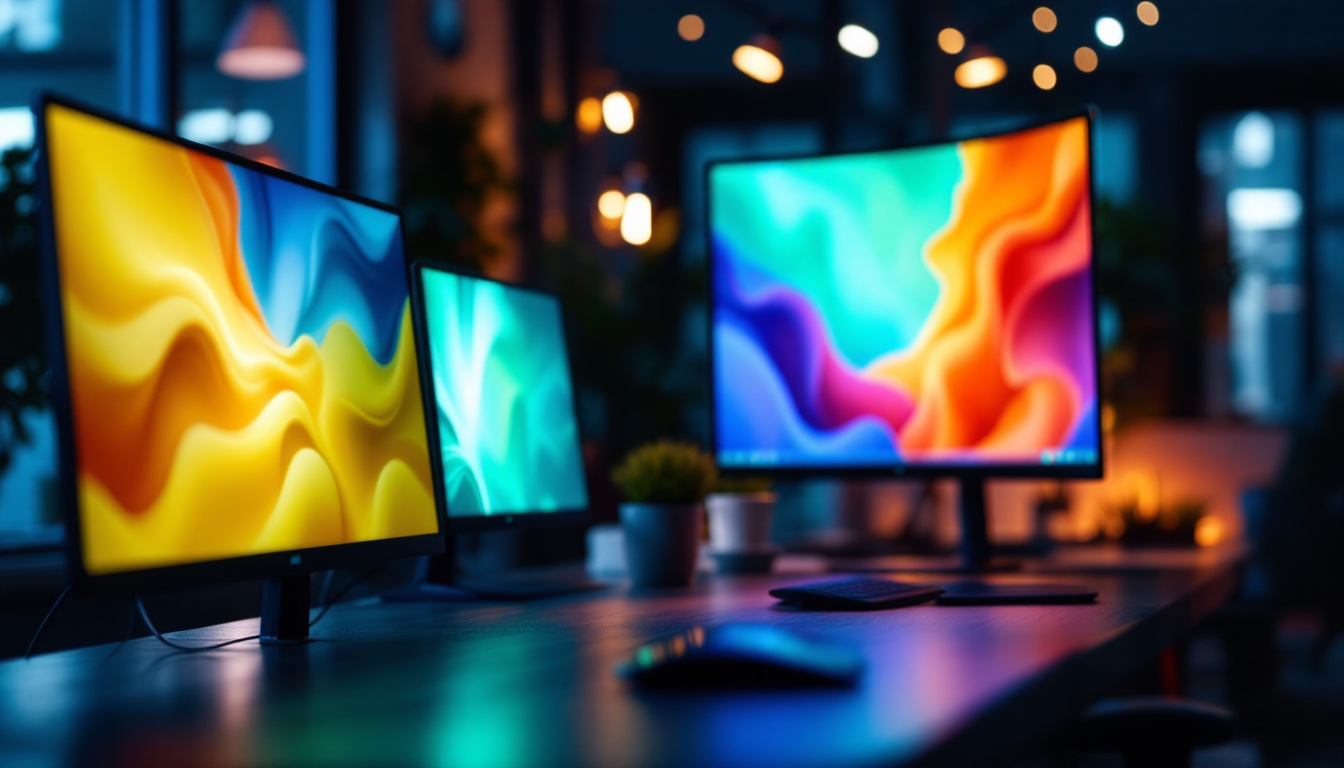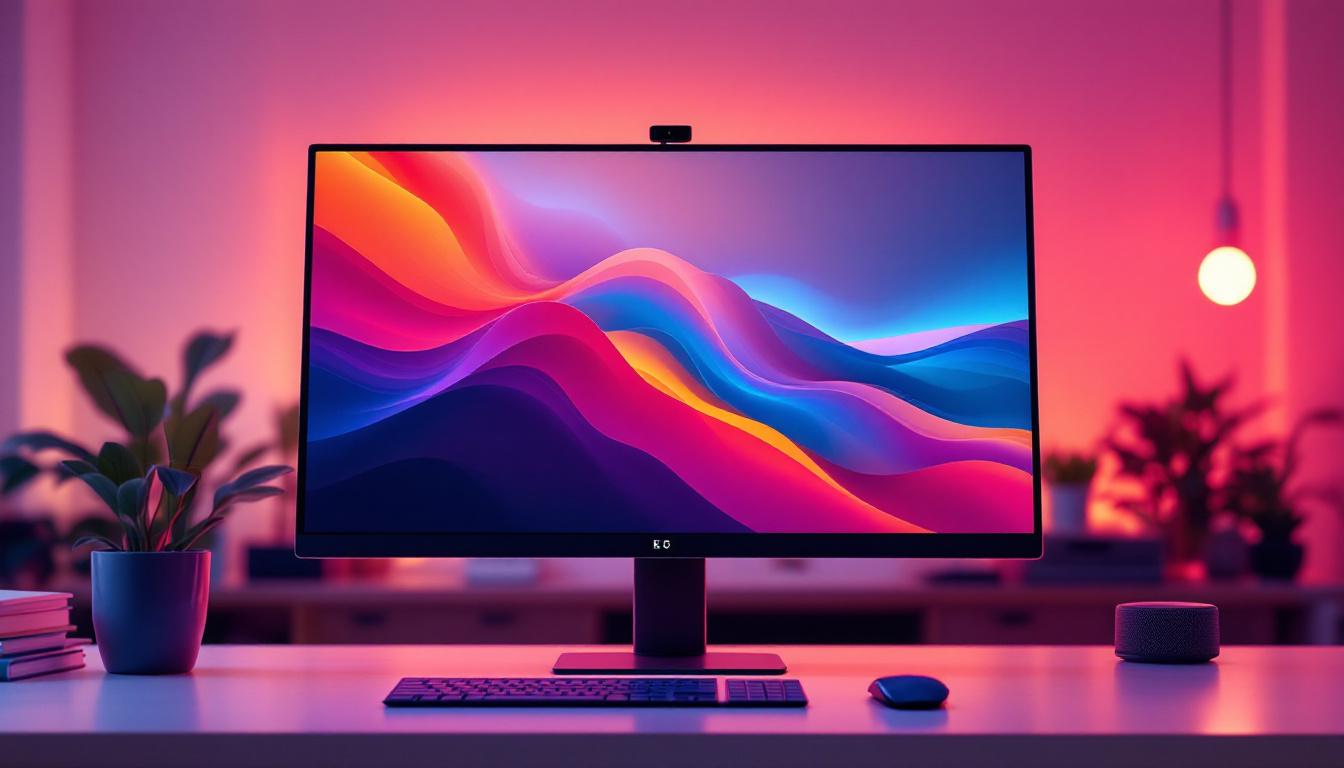
In today’s digital workspace, the integration of cameras into desktop monitors has become a pivotal feature, especially as remote work and virtual communication continue to dominate professional environments. Alongside this, LED display technology plays a crucial role in delivering crisp visuals and enhancing user experience. This article delves into the relationship between desktop monitor cameras and LED displays, exploring how these technologies work together, their benefits, and what to consider when choosing a monitor with an integrated camera and LED display.
The Evolution of Desktop Monitor Cameras
Desktop monitor cameras have evolved significantly over the past decade. Initially, webcams were external devices that users had to attach to their monitors or laptops. However, as video conferencing became a staple of everyday work life, manufacturers began embedding cameras directly into monitor bezels. This integration offers a cleaner setup, reduces cable clutter, and improves the overall aesthetic of the workspace. The shift towards integrated solutions reflects a broader trend in technology, where convenience and minimalism are prioritized to enhance user experience.
Modern desktop monitor cameras are designed to provide high-definition video quality, often supporting resolutions of 1080p or higher. Many also include features such as autofocus, low-light correction, and wide-angle lenses to capture more of the user’s environment. These enhancements are particularly important for professionals who rely on video calls for client meetings, team collaborations, and presentations. Furthermore, the rise of remote work has prompted manufacturers to innovate continuously, incorporating advanced technologies like AI-driven background blurring and noise cancellation to improve the overall quality of virtual interactions.
Why Integrated Cameras Matter
Integrated cameras eliminate the need for additional peripherals, making desktop setups more streamlined and user-friendly. This is especially beneficial in corporate environments where IT departments manage large fleets of devices and seek to minimize setup time and technical issues. Additionally, integrated cameras often come with built-in privacy shutters, addressing growing concerns about webcam hacking and unauthorized surveillance. These privacy features not only provide peace of mind but also reflect a growing awareness of cybersecurity issues among users, prompting manufacturers to prioritize security in their designs.
Statistics on Usage Trends
According to a 2023 report by Statista, over 70% of professionals working remotely use video conferencing tools daily, a significant increase from just 30% in 2019. This surge has driven demand for monitors with built-in cameras, with market research firm IDC noting a 40% year-over-year growth in shipments of such monitors in 2023. These figures highlight the importance of integrated cameras as a standard feature in modern desktop monitors. Additionally, as companies continue to adopt hybrid work models, the need for reliable video communication tools is expected to persist, further solidifying the role of integrated cameras in the future of work. The demand for high-quality video feeds has also led to the development of software solutions that complement hardware advancements, ensuring that users can maximize their video conferencing experience.
Understanding LED Display Technology in Monitors
LED (Light Emitting Diode) display technology is the foundation of most modern desktop monitors. Unlike older LCD screens that use cold cathode fluorescent lamps (CCFL) for backlighting, LED displays utilize light-emitting diodes, which offer several advantages in terms of brightness, energy efficiency, and color accuracy.
How LED Displays Work
At its core, an LED display consists of a liquid crystal display (LCD) panel illuminated by an array of LEDs. These LEDs can be positioned either behind the screen (direct LED) or along the edges (edge-lit LED). The light produced by the LEDs passes through the LCD layer, which modulates the light to create images on the screen.
Direct LED backlighting typically provides better contrast and uniform brightness, while edge-lit LED displays allow for thinner and lighter monitors. Both types benefit from the long lifespan and low power consumption of LEDs compared to traditional backlighting methods.
Benefits of LED Displays for Desktop Monitors
LED technology enhances desktop monitors in several ways:
- Improved Brightness and Contrast: LED backlighting can achieve higher brightness levels, making screens easier to view in well-lit environments.
- Energy Efficiency: LEDs consume less power, which helps reduce electricity costs and environmental impact.
- Better Color Accuracy: Advanced LED displays support wider color gamuts, essential for graphic design, video editing, and other color-sensitive tasks.
- Thinner Form Factors: Edge-lit LED technology enables manufacturers to produce sleek, lightweight monitors that save desk space.
Integrating Desktop Monitor Cameras with LED Displays
The integration of cameras into LED desktop monitors is more than a simple hardware addition; it requires careful design to maintain display quality and user experience. Manufacturers must balance camera placement, screen aesthetics, and display performance to deliver a cohesive product.
Camera Placement and Display Impact
Most integrated cameras are positioned in the top bezel of the monitor, centered above the screen. This placement mimics the natural eye line during video calls, creating a more engaging and natural interaction. However, embedding a camera requires space in the bezel, which can affect the monitor’s overall design.
Some manufacturers have innovated by creating pop-up cameras that remain hidden when not in use, preserving the monitor’s sleek appearance and enhancing privacy. These mechanisms are particularly popular in high-end monitors aimed at professionals who prioritize both aesthetics and security.
Ensuring Display Quality Remains Uncompromised
Integrating a camera should not compromise the LED display’s visual performance. High-quality monitors maintain consistent brightness, contrast, and color accuracy despite the additional hardware. This is achieved through precision engineering and the use of premium materials that do not interfere with the display’s backlighting or pixel arrangement.
Key Features to Look for in Desktop Monitors with Cameras and LED Displays
When selecting a desktop monitor with an integrated camera and LED display, several factors should be considered to ensure the device meets both visual and functional needs.
Resolution and Screen Size
Higher resolution monitors (such as 1440p or 4K) provide sharper images and more workspace, which can enhance productivity. Screen size preferences vary, but 24 to 27 inches is a common range for desktop use, balancing screen real estate with desk space constraints.
Camera Specifications
Look for cameras offering at least 1080p resolution for clear video quality. Features like autofocus, HDR (High Dynamic Range), and low-light enhancement improve video clarity across different lighting conditions. Privacy shutters or electronic kill switches are highly recommended for security-conscious users.
Color Accuracy and Refresh Rate
For professionals in creative fields, color accuracy is paramount. Monitors with factory-calibrated color profiles and wide color gamut support (such as Adobe RGB or DCI-P3) ensure that colors are represented faithfully. Additionally, a higher refresh rate (75Hz or above) can provide smoother motion, which benefits video playback and general desktop navigation.
Connectivity and Compatibility
Modern monitors should offer a variety of input options, including HDMI, DisplayPort, and USB-C, to accommodate different devices. USB hubs integrated into the monitor can simplify peripheral connections. Compatibility with popular video conferencing software and operating systems ensures seamless camera functionality.
Practical Applications and Benefits in Various Settings
Desktop monitors with integrated cameras and LED displays are versatile tools that enhance communication and productivity across multiple environments.
Remote Work and Virtual Collaboration
As remote work becomes the norm, having a reliable, high-quality camera integrated into the monitor facilitates professional video conferencing without the hassle of external webcams. The LED display’s clarity ensures that shared content and participants appear crisp and vibrant, improving communication effectiveness.
Education and Online Learning
Students and educators benefit from monitors that support clear video interaction and detailed visual content. The combination of a good camera and LED display aids in maintaining engagement during virtual classes and presentations.
Healthcare and Telemedicine
Telemedicine relies heavily on video consultations. Monitors with integrated cameras and high-quality LED displays enable healthcare providers to conduct remote examinations and consultations with clarity and precision, improving patient outcomes.
Creative and Professional Workflows
For graphic designers, video editors, and other creatives, the color accuracy and resolution of LED displays are critical. The integrated camera adds convenience for client meetings and collaborative sessions, streamlining the workflow.
Future Trends in Desktop Monitor Cameras and LED Displays
Technology continues to advance rapidly, and the integration of cameras with LED displays is no exception. Emerging trends promise even more sophisticated features and improved user experiences.
AI-Powered Camera Enhancements
Artificial intelligence is being incorporated into monitor cameras to provide features such as background blurring, facial recognition for security, and automatic lighting adjustments. These enhancements make video calls more professional and secure without requiring manual intervention.
Mini-LED and Micro-LED Displays
Next-generation LED technologies like Mini-LED and Micro-LED offer superior brightness, contrast, and color fidelity compared to traditional LED displays. Monitors adopting these technologies will deliver even more immersive visual experiences, benefiting both work and entertainment.
Seamless Integration with Smart Devices
Future monitors are expected to integrate more deeply with smart home and office ecosystems, allowing users to control camera settings, display profiles, and connectivity options through voice commands or centralized apps.
Conclusion
Desktop monitors with integrated cameras and LED displays represent a convergence of essential technologies that cater to the evolving demands of modern work and communication. Understanding the capabilities and benefits of LED display technology alongside camera features helps users make informed decisions when selecting a monitor. Whether for remote work, education, healthcare, or creative pursuits, these monitors enhance productivity, security, and visual experience.
As technology progresses, the synergy between cameras and LED displays will continue to improve, offering users smarter, more efficient, and visually stunning tools for their desktop environments.
Discover LumenMatrix’s Advanced LED Display Solutions
Ready to elevate your desktop environment with the latest in LED display technology? Look no further than LumenMatrix, a pioneer in crafting visually stunning and technologically advanced LED displays. From enhancing your workspace with integrated camera monitors to creating immersive experiences with our wide range of LED solutions, LumenMatrix is committed to revolutionizing the way you communicate and display content. Check out LumenMatrix LED Display Solutions today and experience the future of visual engagement.