The evolution of stage design has been remarkable over the past few decades, with technology playing a pivotal role in transforming live performances. One of the most significant advancements is the use of digital backdrops, particularly LED displays, which have revolutionized how visual storytelling is integrated into stage productions. This article explores the intricacies of LED digital backdrops, their benefits, applications, and what makes them a preferred choice for modern stage design.
Understanding LED Displays as Digital Backdrops
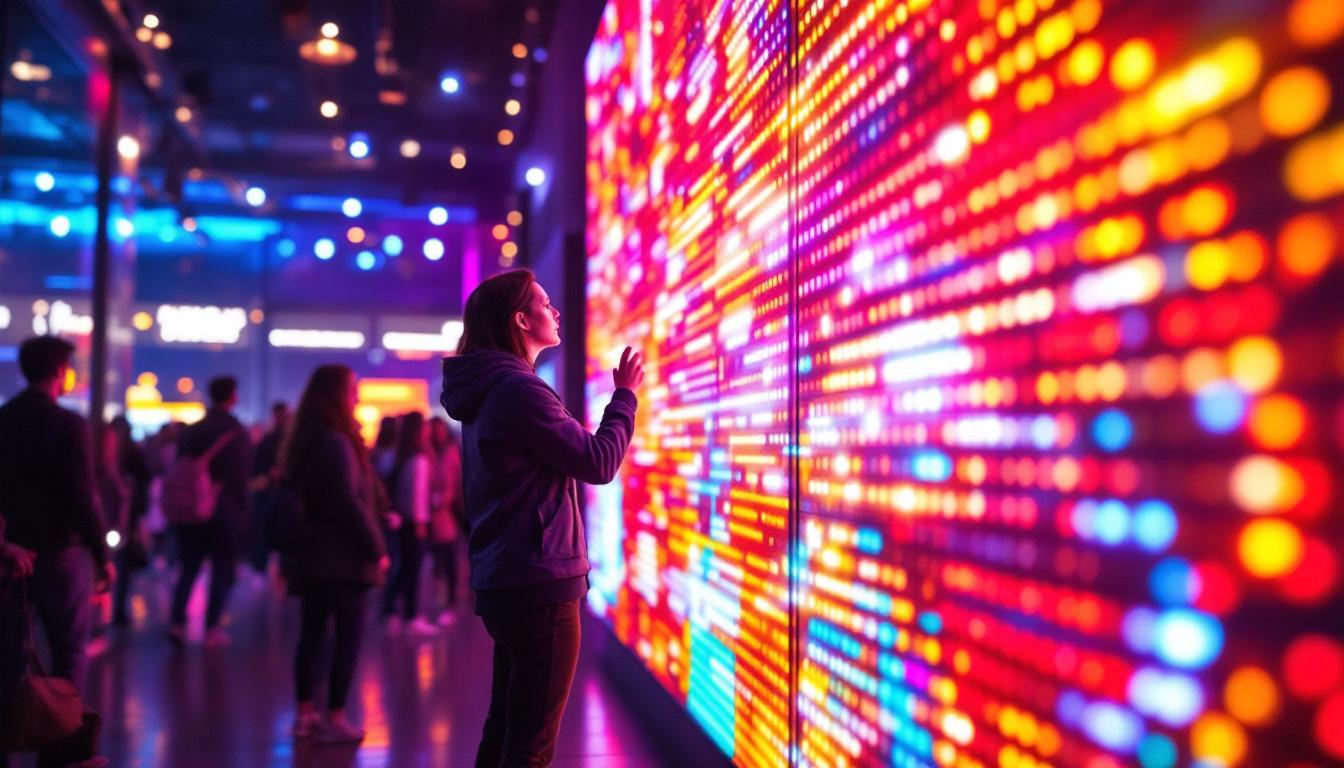
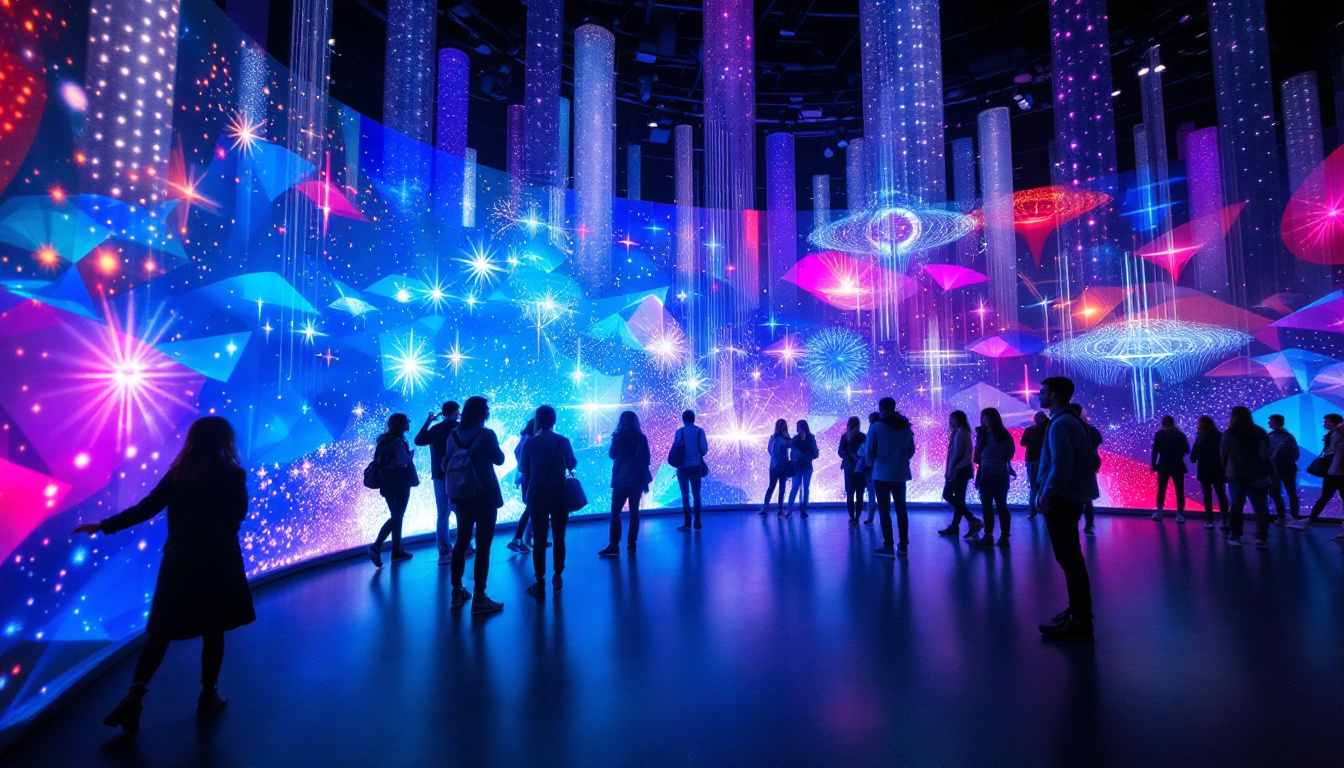
LED (Light Emitting Diode) displays have become the cornerstone of dynamic stage backdrops due to their versatility and visual impact. Unlike traditional static backdrops, LED screens can display high-resolution images, videos, and animations that can change in real-time, offering limitless creative possibilities. This adaptability allows event organizers and performers to create immersive environments that can be tailored to fit the mood and theme of their presentations, whether it’s a concert, theater production, or corporate event.
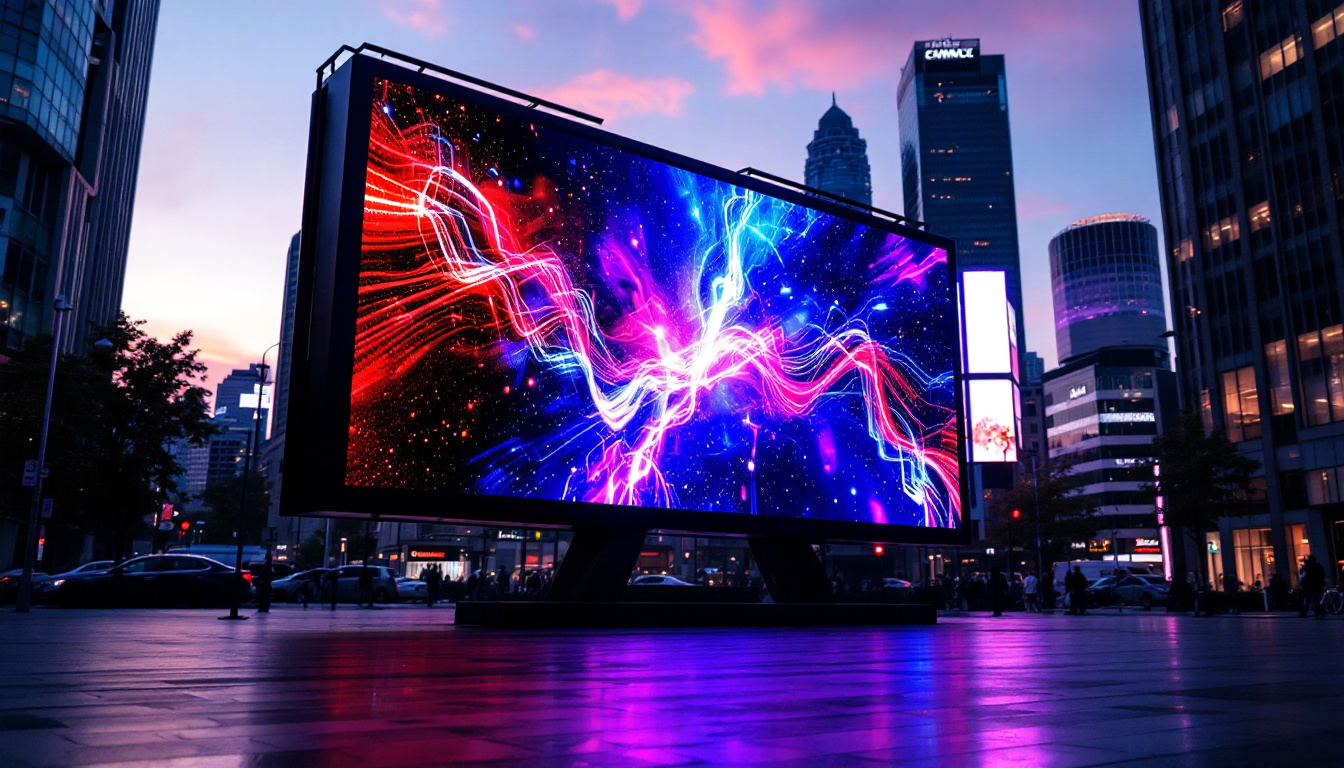
At their core, LED displays consist of thousands of tiny diodes that emit light when an electric current passes through them. These diodes are arranged in panels that can be combined to form large-scale screens of virtually any size or shape. The brightness and contrast levels achievable with LED technology make these displays highly visible even in brightly lit environments, such as outdoor concerts or large theaters. Moreover, advancements in LED technology have led to the development of flexible and curved displays, allowing for even more innovative designs that can wrap around stages or create unique visual effects.
Key Features of LED Backdrops
One of the primary advantages of LED backdrops is their pixel pitch, which refers to the distance between individual LEDs. A smaller pixel pitch means higher resolution and sharper images, crucial for close-up viewing in smaller venues. Conversely, larger pixel pitches are suitable for massive outdoor stages where audiences are farther away. This flexibility in pixel pitch allows event planners to choose the right display for their specific needs, ensuring that every audience member has an optimal viewing experience.
Another important feature is the refresh rate, which determines how often the image updates per second. High refresh rates prevent flickering and ensure smooth motion for video content, essential for live broadcasts and recordings. Additionally, LED displays offer excellent color accuracy and brightness, enhancing the overall visual experience. The ability to adjust brightness levels dynamically means that these displays can maintain their vibrancy even as lighting conditions change throughout an event. Furthermore, many modern LED systems are equipped with advanced software that allows for real-time content management, enabling seamless integration of live feeds, graphics, and pre-recorded materials, thereby elevating the production quality to new heights.
Benefits of Using LED Digital Backdrops on Stage
The integration of LED digital backdrops in stage productions offers numerous benefits that extend beyond mere aesthetics. These advantages have made LED technology a staple in concerts, theater, corporate events, and more.
Enhanced Visual Storytelling
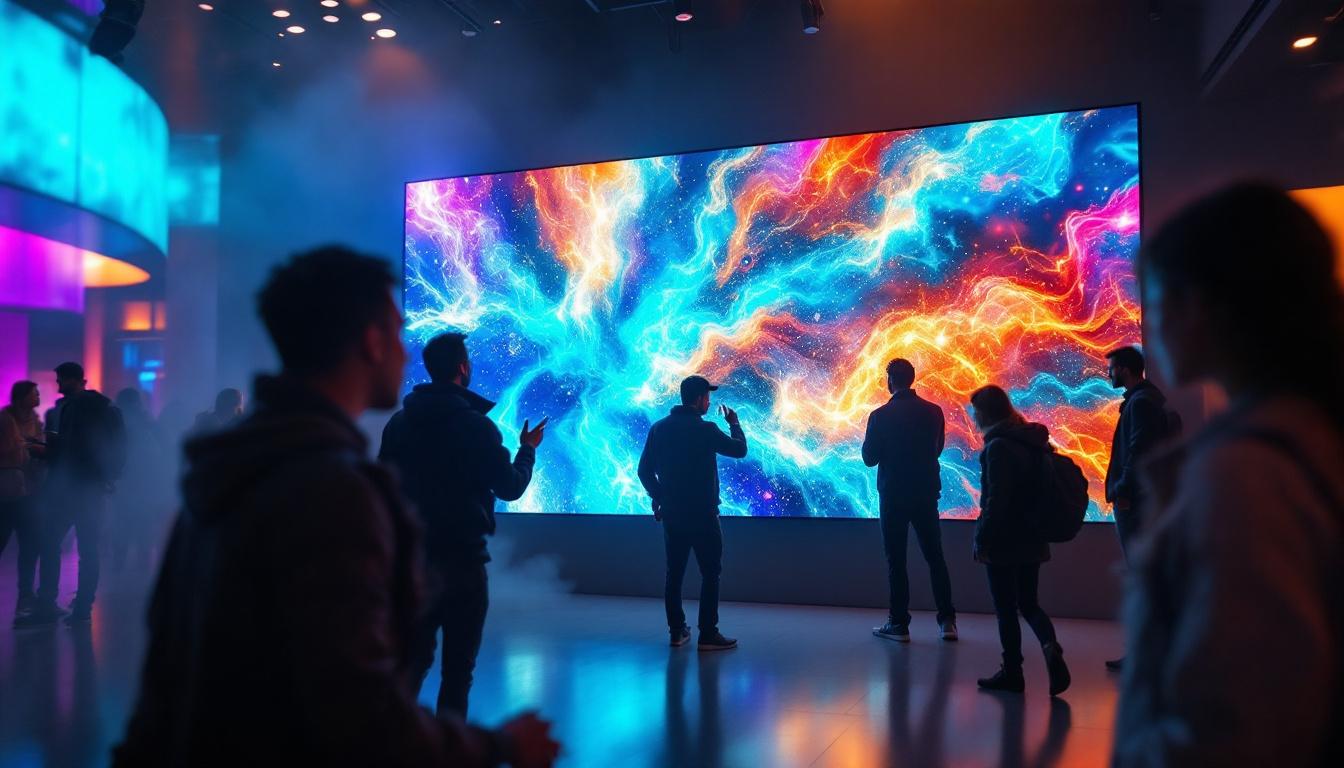
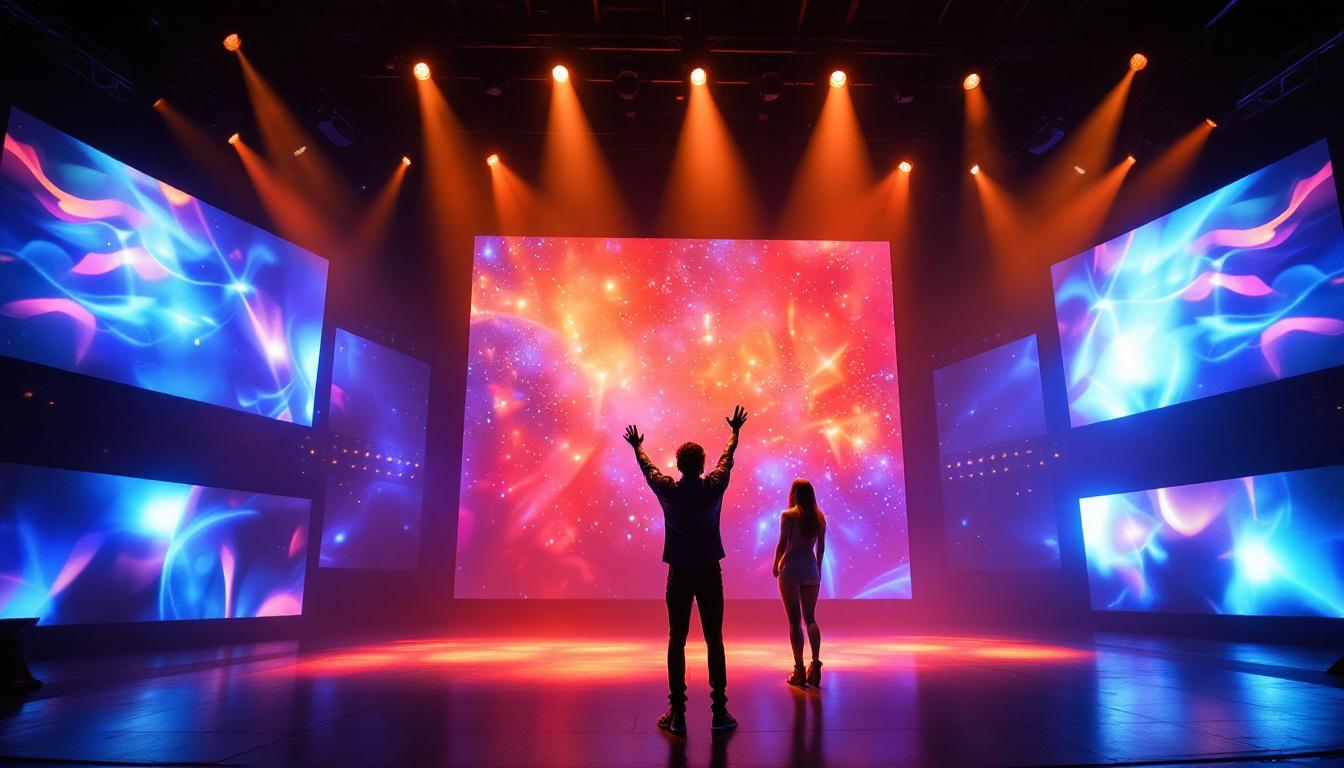
LED backdrops enable seamless integration of multimedia elements, allowing directors and designers to create immersive environments that complement the narrative. Whether it’s a sweeping landscape, abstract visuals, or interactive graphics, LED screens provide a canvas that can adapt instantly to the performance’s needs.
This flexibility helps engage audiences more deeply, making performances memorable and emotionally impactful. For example, during a theatrical production, an LED backdrop can simulate changing weather conditions or time of day, adding layers of realism without the need for physical set changes.
Cost and Time Efficiency
Traditional stage backdrops often require extensive labor for painting, installation, and storage. In contrast, LED displays can be programmed and reused across multiple shows, significantly reducing production costs over time. The ability to switch scenes digitally also cuts down on setup and teardown times, streamlining event logistics.
Moreover, LED backdrops eliminate the need for bulky physical props and scenery, which can be expensive to transport and maintain. This efficiency is particularly beneficial for touring productions and events that require quick venue changes.
Versatility and Customization
LED digital backdrops are highly customizable, allowing for creative freedom in stage design. The screens can be curved, shaped, or suspended in various configurations to suit the artistic vision. Additionally, content can be tailored to specific themes, branding, or interactive elements, making each performance unique.
This adaptability also extends to lighting integration. LED backdrops can synchronize with stage lighting and sound systems, creating cohesive multimedia experiences that captivate audiences from start to finish.
Applications of LED Digital Backdrops in Various Industries
LED backdrops have found widespread adoption across multiple sectors, each leveraging the technology’s strengths to enhance their events and productions.
Concerts and Music Festivals
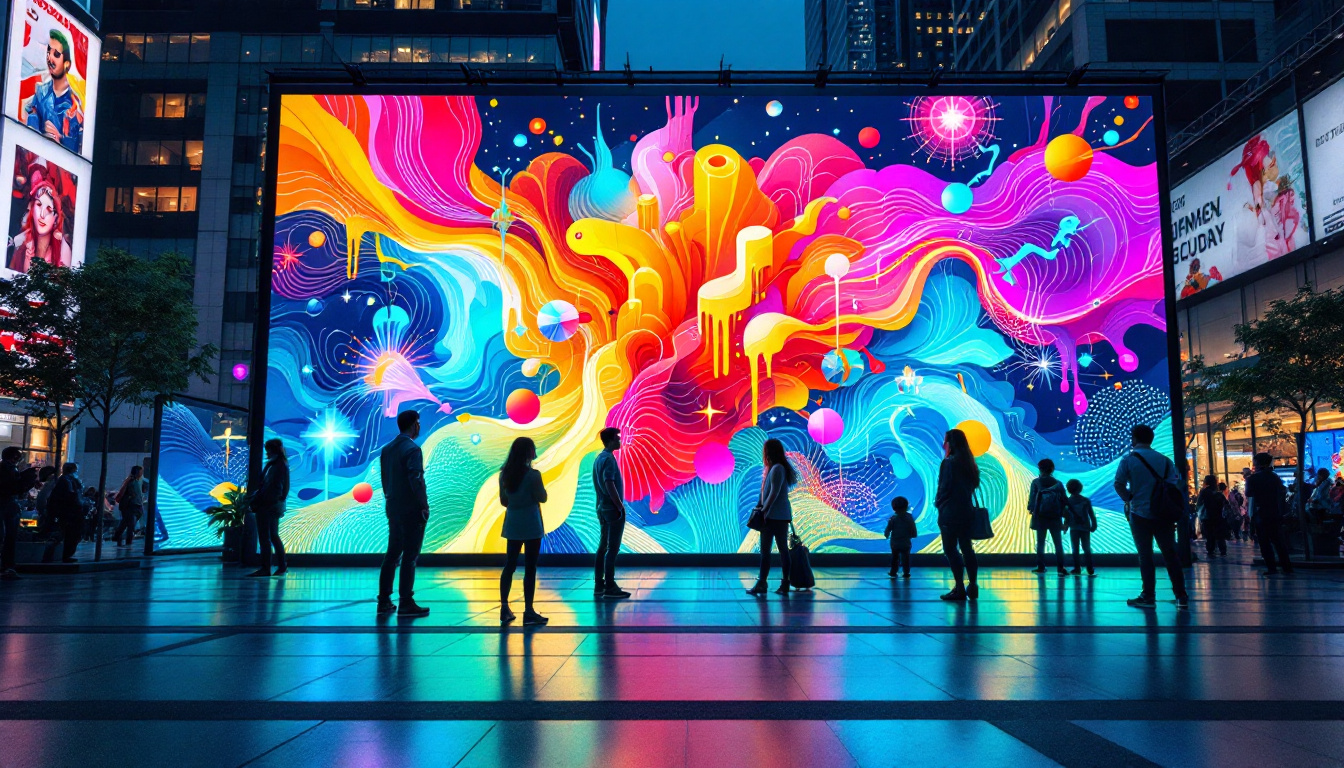
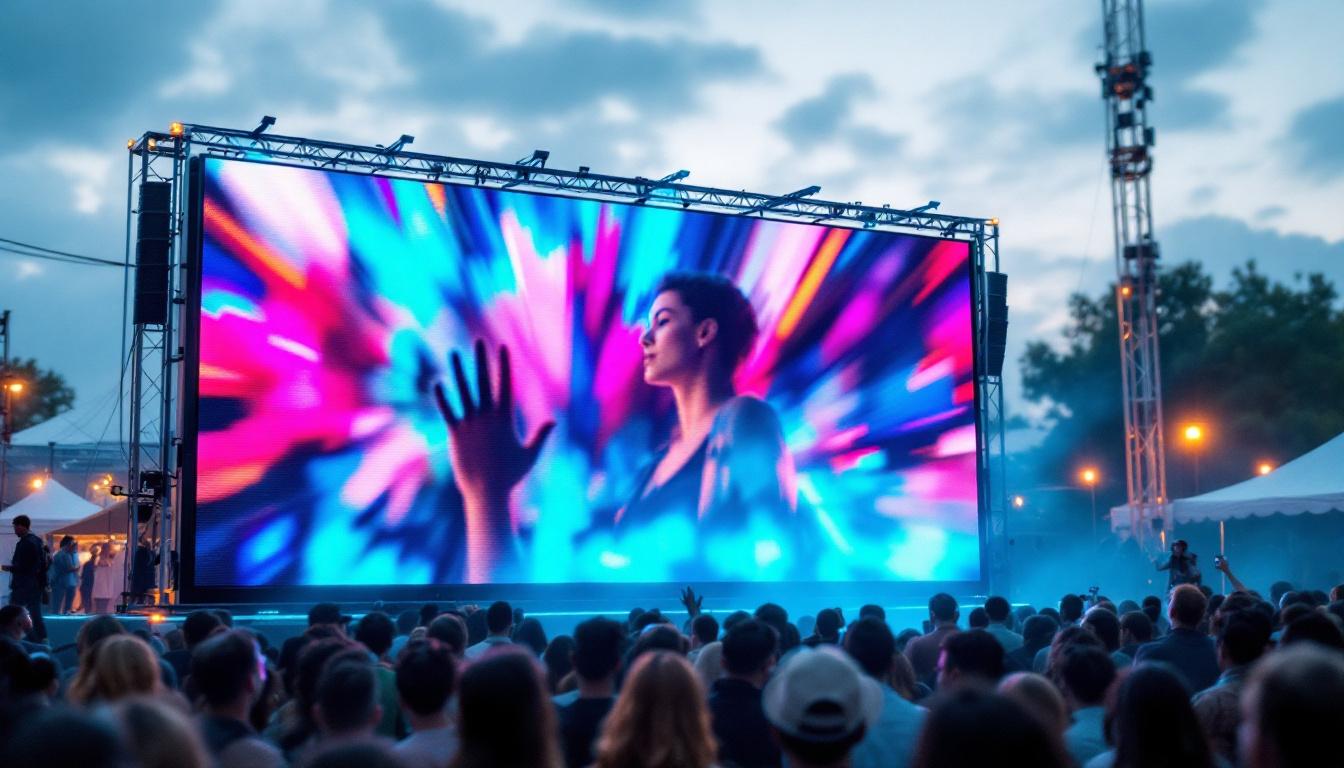
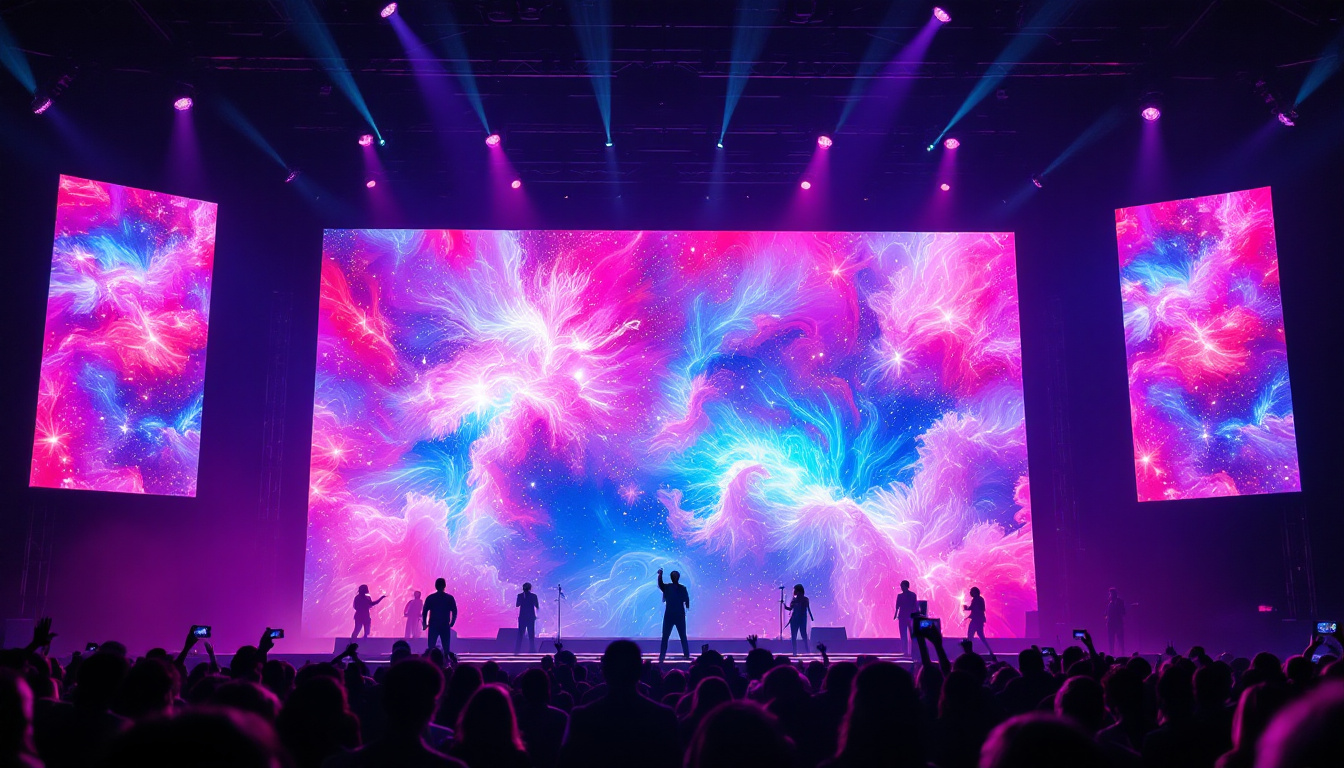
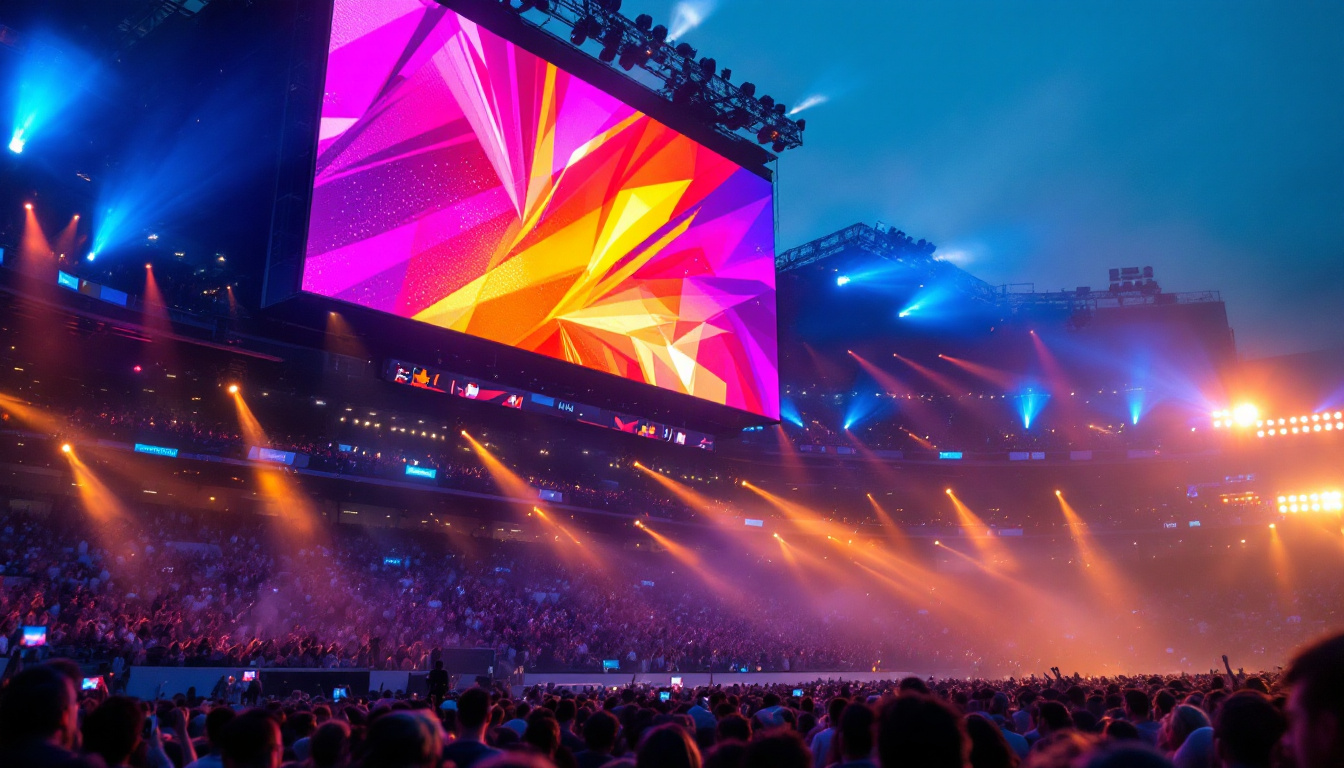
Live music events are among the most prominent users of LED digital backdrops. Artists and production teams use massive LED walls to display vibrant visuals that complement the music, energize crowds, and create spectacular stage environments. For instance, major festivals like Coachella and Glastonbury employ LED screens to deliver immersive experiences that engage tens of thousands of attendees.
These displays also facilitate live video feeds of performers, ensuring that even audience members far from the stage can enjoy close-up views, thereby enhancing the overall concert experience.
Theater and Performing Arts
Theater productions benefit from LED backdrops by incorporating dynamic scenery changes without interrupting the flow of the performance. This technology supports creative storytelling by enabling quick transitions between scenes and the inclusion of special effects that were previously difficult or impossible to achieve.
For example, the Broadway production of “The Lion King” has utilized LED screens to create vibrant, animated backgrounds that bring the African savannah to life, adding depth and texture to the stage environment.
Corporate Events and Conferences
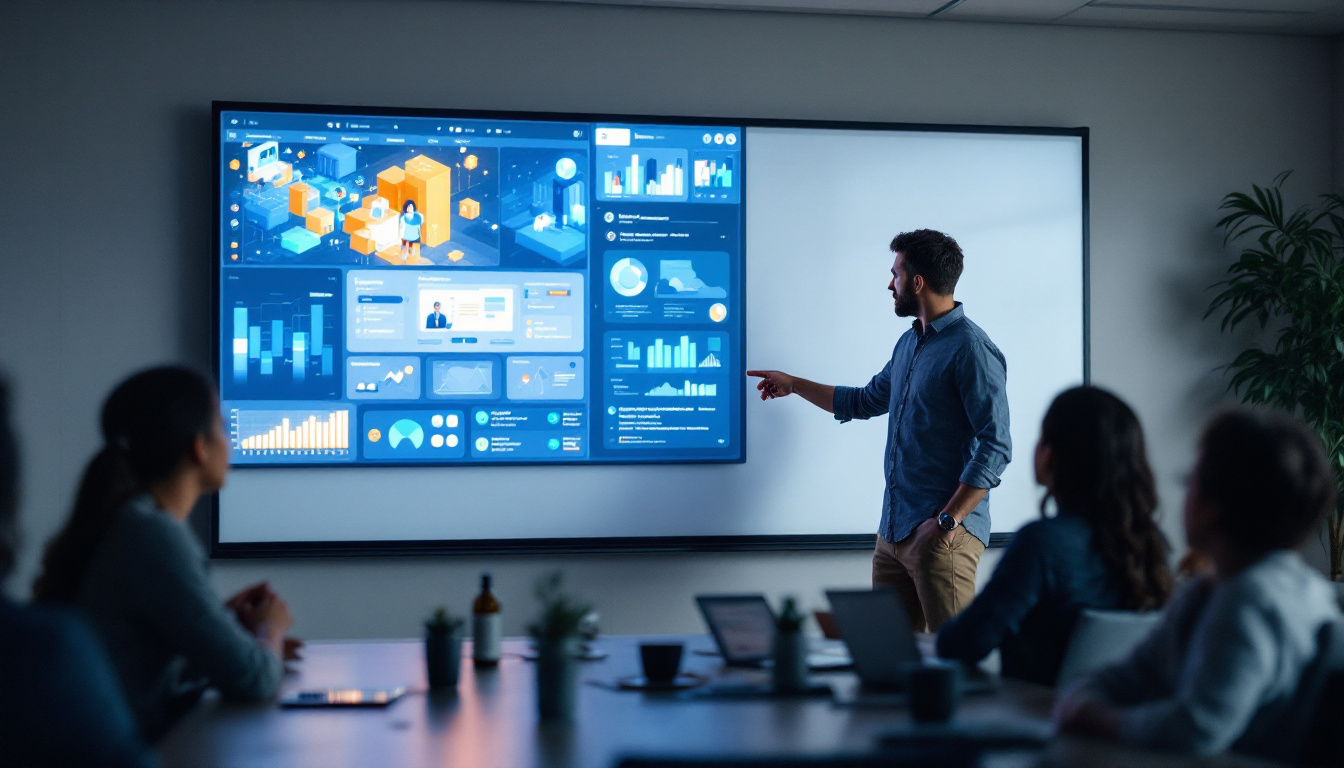
In the corporate world, LED displays serve as powerful tools for presentations, product launches, and branding. The ability to showcase high-definition videos, infographics, and live data feeds makes these backdrops ideal for engaging audiences and conveying complex information effectively.
Companies often use LED backdrops to create visually impressive stages that reinforce brand identity and leave a lasting impression on clients, investors, and employees.
Broadcast and Television Studios
Television studios increasingly rely on LED walls to create versatile sets that can be changed instantly to suit different shows or segments. This reduces the need for physical set construction and allows for more creative freedom in designing backgrounds that enhance the visual appeal of broadcasts.
News programs, talk shows, and game shows benefit from the dynamic capabilities of LED backdrops, which can display real-time data, graphics, and thematic visuals tailored to each broadcast.
Technical Considerations When Choosing LED Backdrops
Selecting the right LED digital backdrop for a stage production involves several technical factors that impact performance, cost, and audience experience.
Resolution and Pixel Pitch
The resolution of an LED backdrop determines the clarity of images and videos displayed. A higher resolution is critical for venues where the audience is close to the stage, as it prevents pixelation and ensures crisp visuals. Pixel pitch, measured in millimeters, is a key specification to consider; smaller pitches mean higher resolution but typically come at a higher cost.
Brightness and Viewing Angle
Brightness levels are crucial, especially for outdoor events or stages with intense lighting. LED displays can achieve brightness levels upwards of 5,000 nits, ensuring visibility even in direct sunlight. Additionally, wide viewing angles are important so that the image quality remains consistent regardless of where audience members are seated.
Refresh Rate and Color Accuracy
High refresh rates (above 1,000 Hz) prevent flickering and provide smooth motion, which is essential for video playback and live feeds. Color accuracy ensures that visuals appear vibrant and true to life, enhancing the overall impact of the backdrop.
Durability and Maintenance
Stage environments can be demanding, with frequent setup and teardown, exposure to weather, and potential physical impacts. Therefore, LED panels must be durable and easy to maintain. Many modern LED modules are designed for quick replacement and have protective coatings to withstand harsh conditions.
Future Trends in LED Digital Backdrops
The technology behind LED digital backdrops continues to evolve, promising even more innovative applications and improved performance in the near future.
MicroLED and MiniLED Technologies
Emerging technologies like MicroLED and MiniLED offer higher resolution, better energy efficiency, and improved brightness compared to traditional LEDs. These advances will enable even more detailed and vibrant stage visuals, pushing the boundaries of immersive storytelling.
Interactive and Augmented Reality Integration
Integration of interactive elements and augmented reality (AR) with LED backdrops is becoming increasingly popular. This allows performers and audiences to engage with digital content in real-time, creating unique and personalized experiences. For example, dancers can trigger visual effects with their movements, or audiences can influence the backdrop through mobile apps.
AI-Driven Content and Automation
Artificial intelligence is beginning to play a role in content creation and display management. AI algorithms can generate dynamic visuals that respond to music, audience reactions, or environmental factors, automating aspects of stage design and enhancing creative possibilities.
Conclusion
LED digital backdrops have transformed stage design by offering unparalleled flexibility, visual impact, and efficiency. Their ability to deliver high-resolution, dynamic imagery makes them indispensable for modern live events, from concerts and theater to corporate presentations and television production. As technology advances, LED backdrops will continue to evolve, enabling even more immersive and interactive experiences that captivate audiences worldwide.
For event organizers, designers, and performers, understanding the capabilities and technical aspects of LED digital backdrops is essential to harness their full potential and create unforgettable stage productions.
Illuminate Your Stage with LumenMatrix
Ready to elevate your live events with the most advanced LED display technology? LumenMatrix is at the forefront of creating immersive visual experiences that will leave your audience in awe. From versatile Indoor and Outdoor LED Wall Displays to innovative solutions like Vehicle LED Displays, LED Posters, and even Custom LED Designs, we have everything you need to make your stage production unforgettable. Don’t miss the opportunity to transform your visual storytelling with our cutting-edge LED display modules. Check out LumenMatrix LED Display Solutions today and step into the future of stage design.