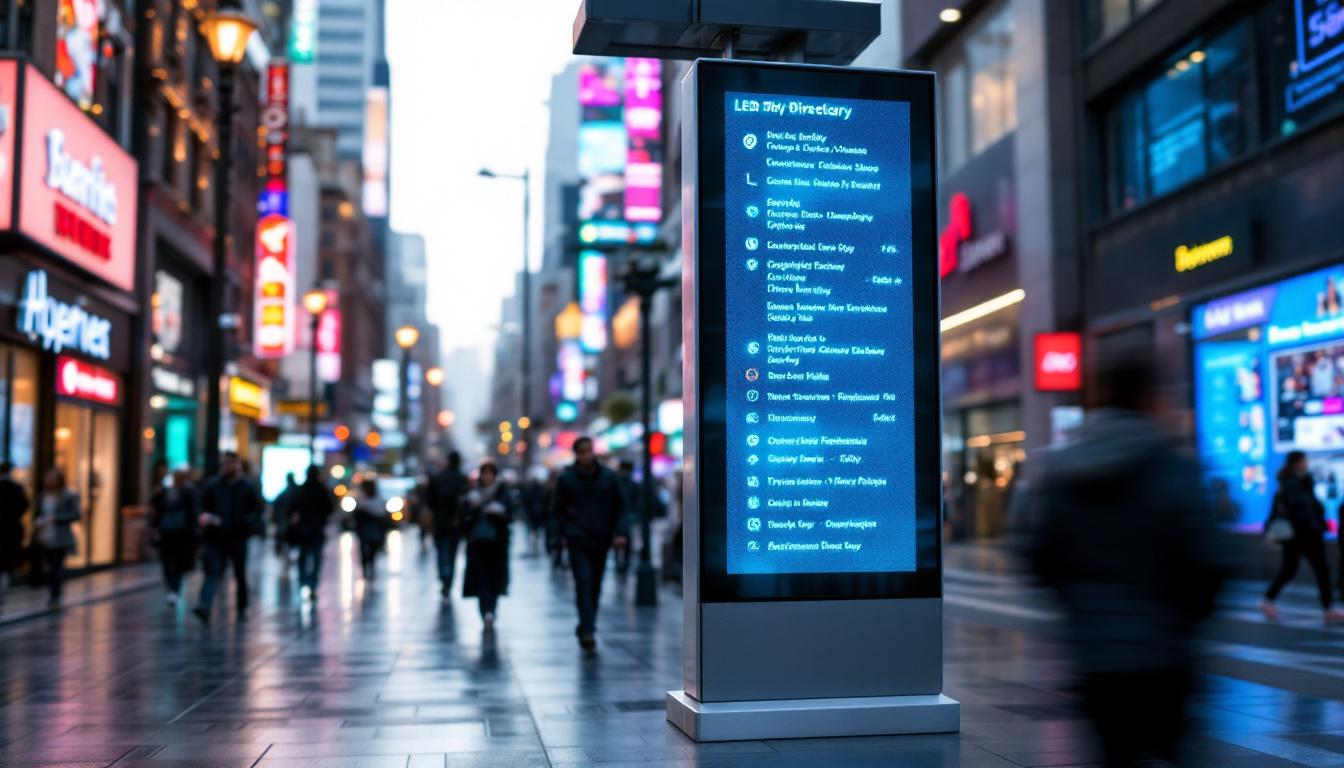
In today’s fast-paced world, information needs to be accessible, clear, and visually engaging. Digital directory displays powered by LED technology have become a cornerstone in delivering dynamic content across various environments—from corporate lobbies and shopping malls to transportation hubs and educational institutions. This article delves into the mechanics, benefits, and applications of LED digital directory displays, providing a comprehensive understanding of why they are rapidly replacing traditional static signage.
Understanding LED Technology in Digital Directory Displays
What is an LED Display?
LED, or Light Emitting Diode, displays consist of tiny semiconductor devices that emit light when an electric current passes through them. Unlike older display technologies such as LCD or plasma, LEDs produce their own light, which results in brighter images and higher contrast ratios. This intrinsic brightness makes LED displays highly visible even in well-lit environments, a key advantage for directory signage that must capture attention quickly.
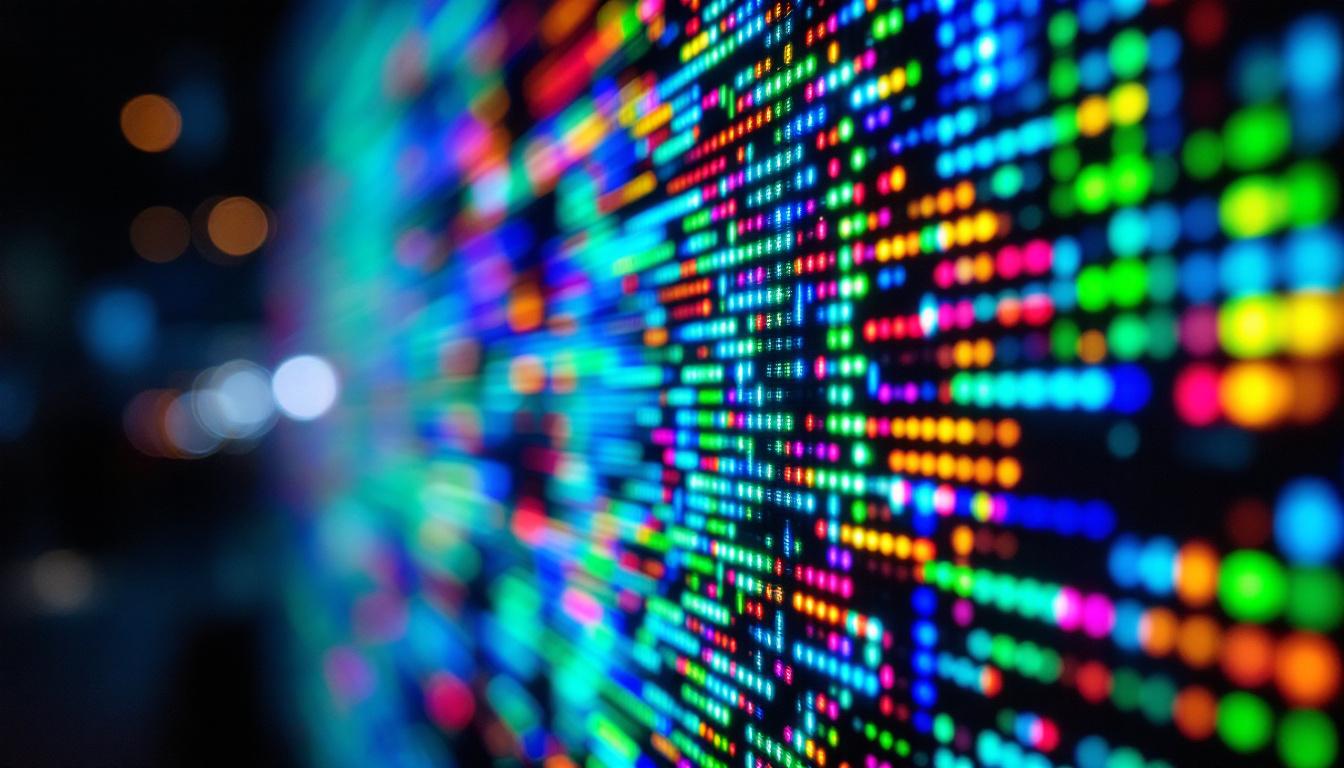
LED displays are composed of numerous pixels, each made up of red, green, and blue diodes. By varying the intensity of these diodes, the display can render millions of colors, enabling vibrant and sharp images or text. This capability is essential for digital directories that often need to present complex information, including maps, directories, and real-time updates. Additionally, the rapid response time of LED technology allows for smooth transitions and animations, enhancing user engagement and making information easier to digest at a glance.
Types of LED Displays Used in Digital Directories
There are several types of LED displays tailored for directory applications:
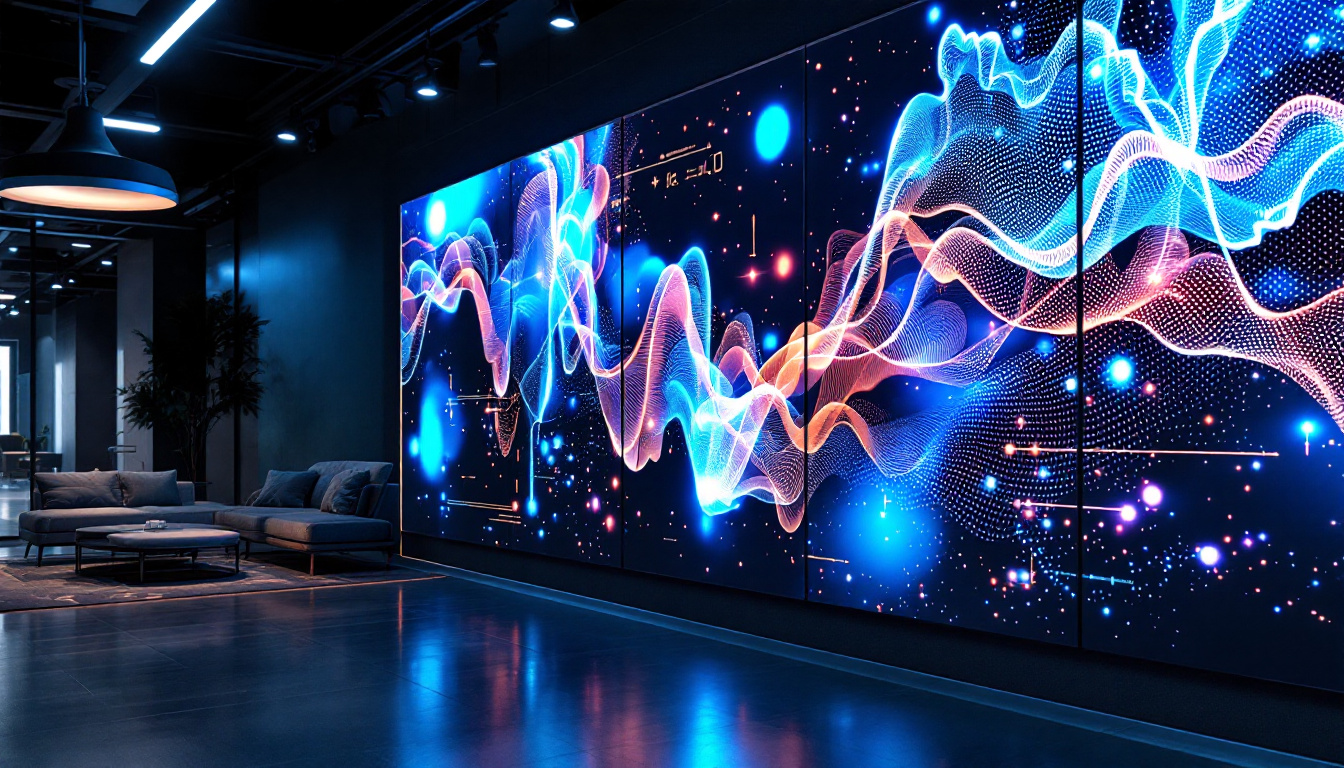
- Indoor LED Displays: Designed for controlled lighting environments, these displays prioritize high resolution and color accuracy. They are commonly used in office buildings, hotels, and retail centers.
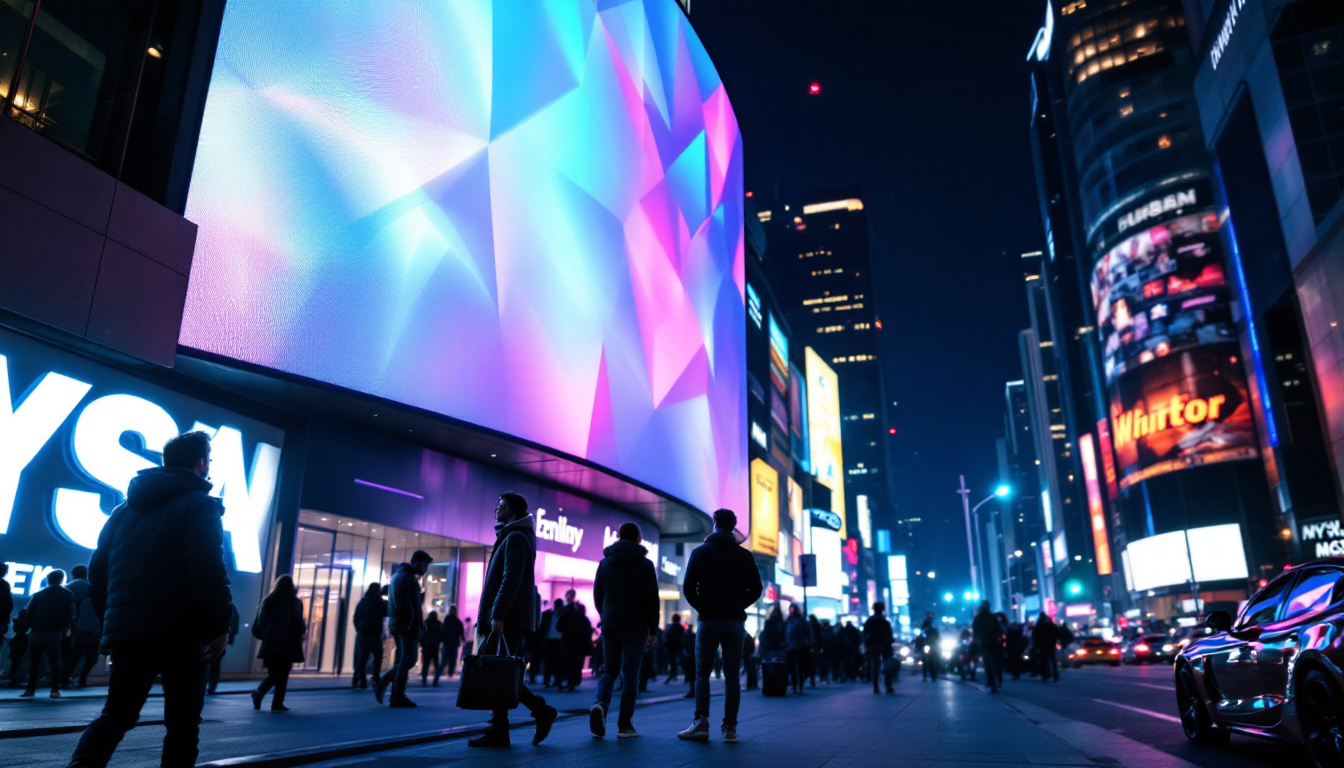
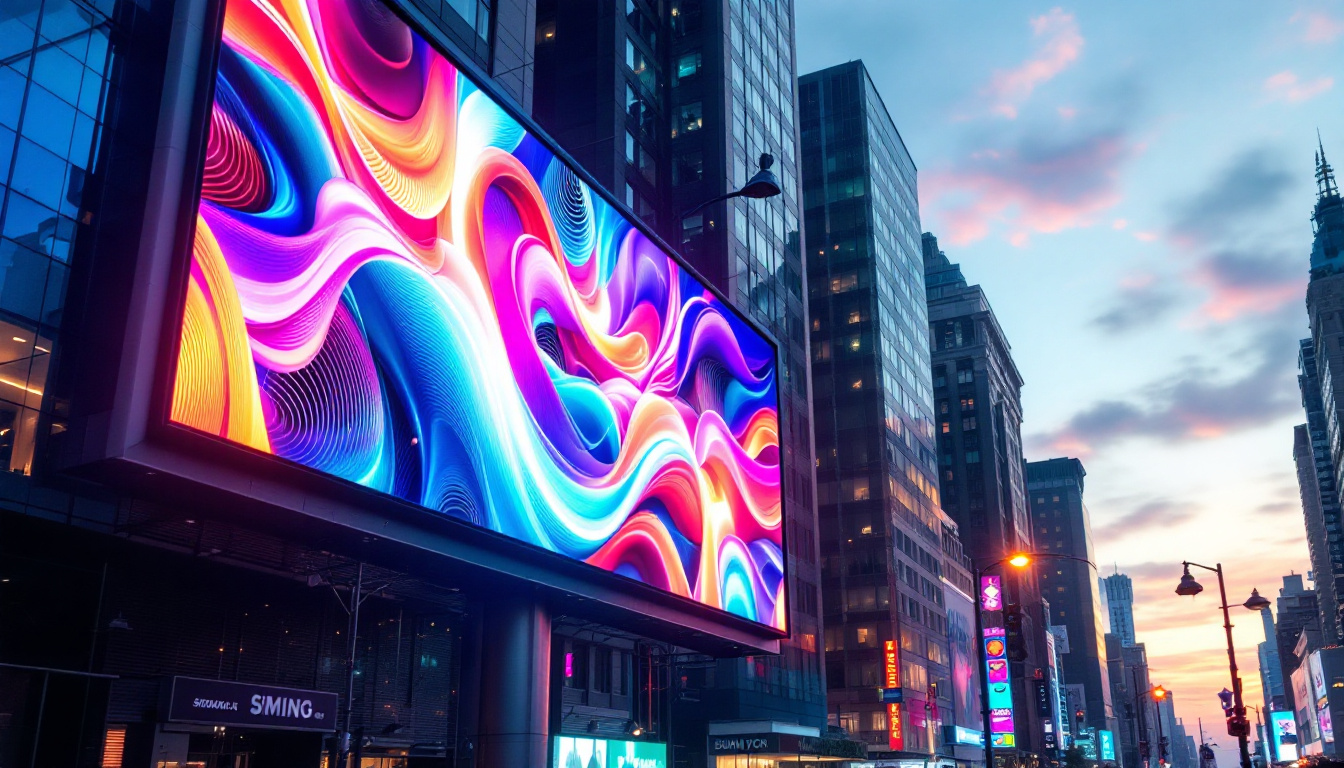
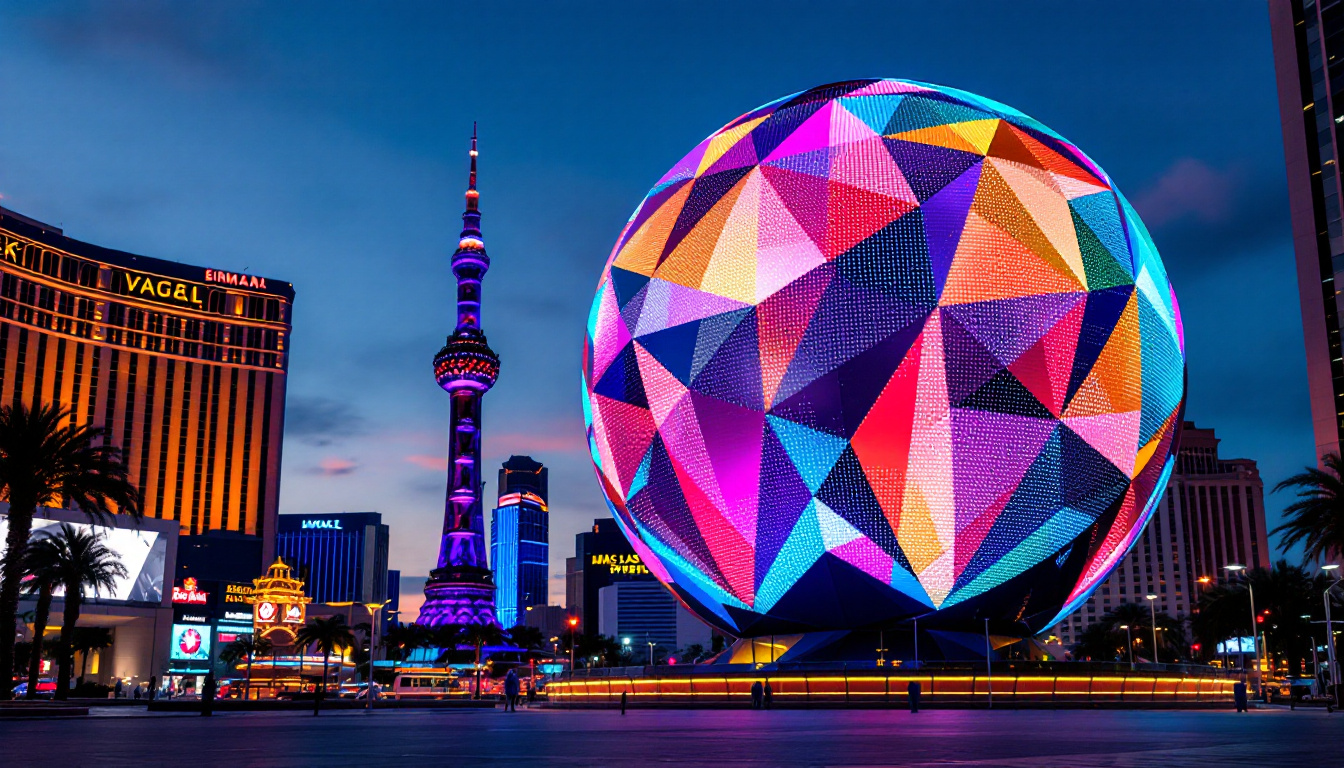
- Outdoor LED Displays: Built to withstand weather elements, these displays offer higher brightness levels—sometimes exceeding 5,000 nits—to remain visible under direct sunlight. They are ideal for wayfinding in parking lots or exterior building directories.
- Transparent LED Displays: These innovative displays allow light to pass through, enabling them to be installed on glass surfaces without obstructing views. This is particularly useful for modern architectural designs where maintaining natural light is important.
Choosing the right type depends on the installation environment and the specific needs of the directory system. For instance, indoor displays may incorporate advanced features like touch interactivity, allowing users to engage directly with the content, while outdoor models might integrate sensors to adjust brightness based on ambient light conditions. Furthermore, the modular design of many LED displays allows for flexible configurations, enabling businesses to create custom sizes and shapes that fit their unique spaces.
Another aspect to consider is the longevity and energy efficiency of LED technology. Compared to traditional lighting solutions, LEDs consume significantly less power and have a longer lifespan, often exceeding 50,000 hours. This not only reduces operational costs but also aligns with sustainability goals, making LED displays an eco-friendly choice for modern businesses. As technology continues to evolve, we can expect even more innovative features, such as integration with smart building systems and enhanced connectivity options, further enhancing the functionality of digital directories.
Advantages of LED Digital Directory Displays
Enhanced Visibility and Readability
One of the most significant benefits of LED directory displays is their superior visibility. Thanks to their self-illuminating nature, LED screens maintain clarity and brightness regardless of ambient lighting conditions. This ensures that visitors can easily locate their destinations without confusion or delay.
Moreover, LED displays support high refresh rates, eliminating flicker and providing smooth transitions for animated content. This feature is particularly useful when displaying dynamic directories that include moving maps or scrolling text.
Dynamic Content Management
Traditional static directories are limited by their physical design; updating information requires printing new materials and manual replacement. LED digital directory displays revolutionize this process by enabling remote content management. Facility managers can update directories in real-time via software platforms, ensuring that information is always current.
For example, in a multi-tenant office building, tenant information can be updated instantly when companies move or change floors. Similarly, shopping centers can promote sales or events dynamically, enhancing customer engagement and driving foot traffic.
Energy Efficiency and Longevity
Modern LED technology is highly energy-efficient compared to older lighting and display methods. LEDs consume less power while delivering brighter output, which translates into lower operational costs for businesses. According to the U.S. Department of Energy, LED lighting can reduce energy consumption by up to 75% compared to incandescent lighting.
Additionally, LED displays boast a long lifespan, often exceeding 50,000 hours of continuous use. This durability reduces maintenance expenses and downtime, making LED digital directories a cost-effective investment over time.
Applications of LED Digital Directory Displays
Corporate and Commercial Buildings
In corporate environments, digital directory displays serve as the first point of contact for visitors. They provide essential information such as company names, office locations, meeting room availability, and event schedules. The ability to integrate with building management systems or calendar software enhances the utility of these displays, contributing to a seamless visitor experience.
Moreover, digital directories can be customized to reflect corporate branding, reinforcing a professional image and improving wayfinding efficiency within complex office layouts.
Retail and Shopping Centers
Shopping malls and retail complexes benefit significantly from LED digital directories by offering interactive maps, store directories, and promotional content. Many modern systems incorporate touchscreens, allowing customers to search for stores, view special offers, or even receive personalized recommendations based on their preferences.
This interactivity not only improves customer satisfaction but also increases dwell time and sales opportunities. Retailers have reported up to a 30% increase in customer engagement when using digital signage compared to static signs.
Transportation Hubs
Airports, train stations, and bus terminals rely heavily on clear and timely information dissemination. LED digital directory displays provide real-time updates on schedules, gate changes, and emergency announcements. Their high visibility ensures that travelers can quickly find their way, reducing congestion and improving overall operational efficiency.
Furthermore, the ability to display multilingual content caters to international travelers, enhancing accessibility and convenience.
Healthcare Facilities
Hospitals and medical centers use LED digital directories to guide patients and visitors through often complex layouts. These displays can show department locations, doctor schedules, and important notices such as health advisories or emergency procedures.
By reducing confusion and wait times, digital directories contribute to a more positive healthcare experience, which is critical in sensitive environments.
Key Considerations When Choosing an LED Digital Directory Display
Resolution and Pixel Pitch
The resolution of an LED display is determined by its pixel pitch—the distance between individual LED pixels. A smaller pixel pitch means higher resolution and sharper images, which is crucial for indoor directories viewed up close.
For example, a pixel pitch of 1.5mm to 2.5mm is ideal for indoor directory displays, providing clear text and detailed graphics. Outdoor displays, viewed from greater distances, can utilize larger pixel pitches (e.g., 4mm to 10mm) without compromising readability.
Size and Viewing Distance
The physical size of the display should correspond to the typical viewing distance. Larger displays are necessary for spacious areas or outdoor settings where viewers are farther away. Conversely, smaller displays suffice for tight indoor spaces.
Designers often use the formula that the ideal viewing distance is approximately 10 times the pixel pitch in millimeters. This ensures optimal clarity and legibility.
Brightness and Contrast Ratio
Brightness, measured in nits, is a critical factor for visibility. Indoor LED directory displays typically operate at 800 to 1,500 nits, while outdoor displays require 3,000 to 6,000 nits to overcome sunlight glare.
High contrast ratios enhance readability by making text and images stand out against the background. LED displays naturally offer excellent contrast due to their self-emissive nature, but additional calibration can optimize performance for specific environments.
Durability and Maintenance
When selecting an LED digital directory display, consider environmental factors such as temperature fluctuations, humidity, and potential physical impacts. Outdoor displays should have an IP65 or higher rating for water and dust resistance.
Maintenance accessibility is also important. Modular LED panels that can be easily replaced or repaired minimize downtime and reduce service costs.
Future Trends in LED Digital Directory Displays
Integration with Artificial Intelligence and IoT
Emerging technologies are transforming digital directory displays into intelligent systems. Integration with artificial intelligence (AI) enables personalized content delivery based on visitor behavior, preferences, or real-time data inputs.
For instance, AI-powered directories in shopping malls can suggest stores or promotions tailored to individual shoppers, enhancing the customer experience. The Internet of Things (IoT) connectivity allows these displays to interact with other smart building systems, optimizing energy use and improving operational efficiency.
Interactive and Touchless Interfaces
While touchscreen directories are already popular, the rise of touchless interaction methods—such as gesture control and voice recognition—is gaining momentum. These technologies improve hygiene, particularly in healthcare and public spaces, while providing intuitive navigation options.
Touchless interfaces also enable accessibility for users with disabilities, ensuring digital directories serve a broader audience.
Higher Resolution and Flexible Displays
Advancements in LED manufacturing are pushing the boundaries of resolution and form factor. Ultra-fine pixel pitch displays are becoming more affordable, allowing for near-retina quality images even at close distances.
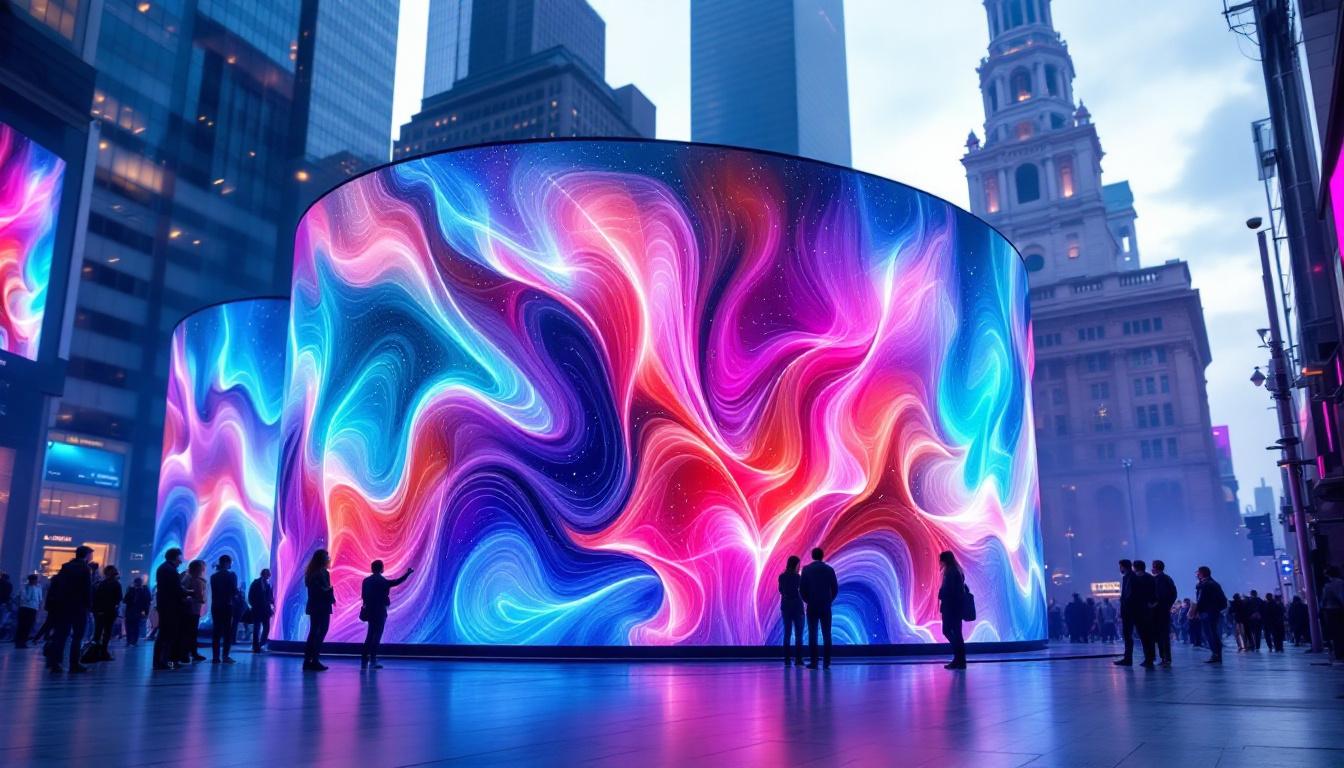
Flexible and curved LED panels are also entering the market, enabling creative directory designs that conform to architectural features and enhance aesthetic appeal.
Conclusion
LED digital directory displays represent a significant leap forward in how information is communicated in public and private spaces. Their brightness, versatility, and dynamic content capabilities make them indispensable tools for wayfinding, promotion, and communication.
As technology continues to evolve, these displays will become even more intelligent, interactive, and visually stunning, further enriching user experiences across industries. For organizations looking to enhance their signage solutions, investing in LED digital directory displays offers a future-proof, cost-effective, and impactful approach.
Discover LumenMatrix’s Innovative LED Display Solutions
Ready to elevate your space with the latest in LED display technology? LumenMatrix is at the forefront of creating immersive visual experiences with a wide range of LED display solutions. From vibrant indoor and outdoor displays to specialized options like vehicle and sports displays, our products are designed to captivate and engage your audience. Embrace the future of visual communication with LumenMatrix and transform your brand’s presence. Check out LumenMatrix LED Display Solutions today and see the difference innovation can make.