In today’s fast-paced and visually-driven marketplace, capturing consumer attention is more challenging than ever. Traditional advertising methods are no longer sufficient to engage audiences who are constantly bombarded with information. This is where digital display screens, particularly LED displays, have revolutionized the advertising landscape. These vibrant, dynamic screens offer brands an innovative way to communicate messages, promote products, and enhance customer experiences in real-time.
This article delves into the world of LED digital display screens for advertising, exploring their technology, benefits, applications, and future trends. Whether you are a marketer, business owner, or technology enthusiast, understanding LED displays will equip you with the knowledge to leverage this powerful advertising medium effectively.
Understanding LED Digital Display Technology
What is an LED Display?
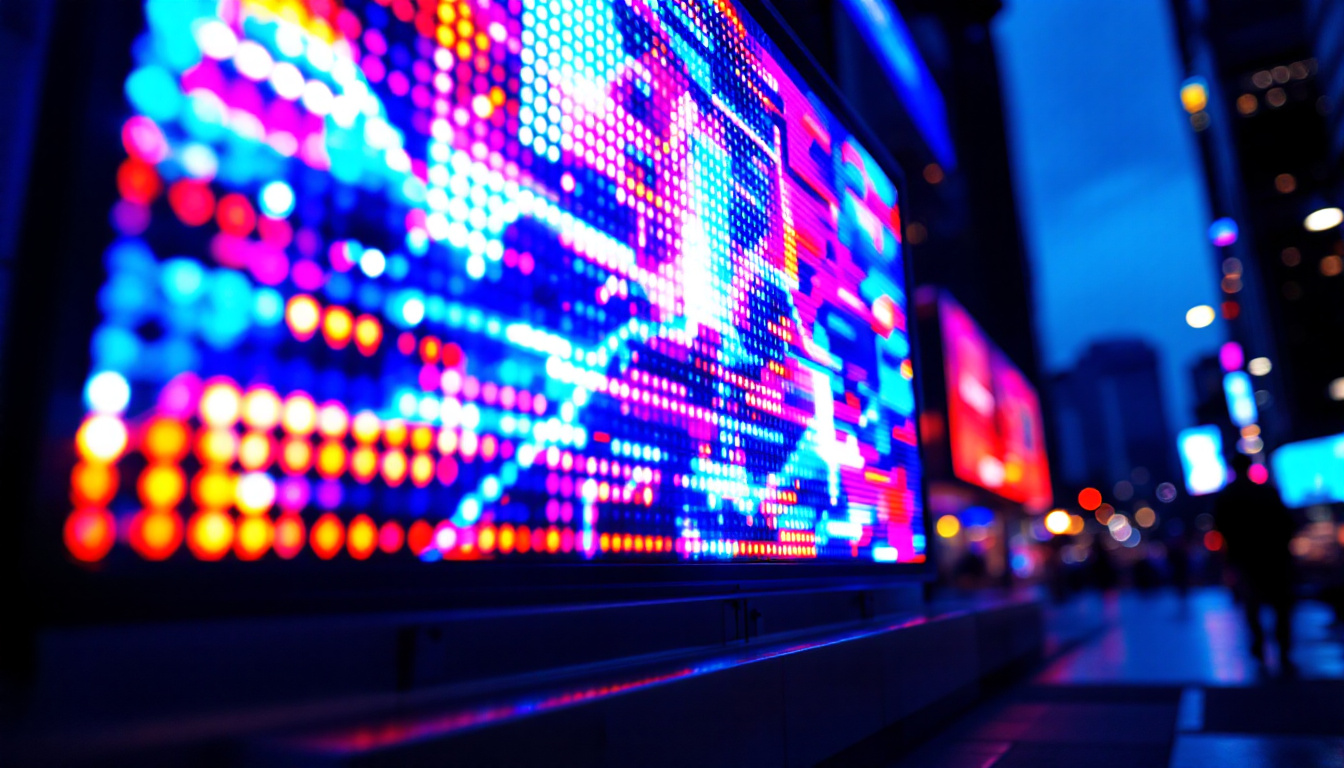
LED stands for Light Emitting Diode, a semiconductor device that emits light when an electric current passes through it. LED displays are composed of thousands to millions of these tiny diodes arranged in a matrix to form images, videos, or text. Unlike traditional LCD or plasma screens, LED displays use these diodes as individual pixels, which can be turned on or off independently to create bright, high-contrast visuals.
These displays can vary in size from small indoor screens to massive outdoor billboards. The core technology behind LED displays has evolved significantly, enabling higher resolution, better color accuracy, and improved energy efficiency. The advancements in LED technology have also led to the development of flexible displays, which can be bent or shaped to fit unconventional spaces, opening up new possibilities for creative advertising and artistic installations. Additionally, with the integration of smart technology, many LED displays now feature connectivity options that allow for real-time content updates and remote management, enhancing their versatility and functionality.
Types of LED Displays
LED displays generally fall into two categories: Direct View LED and LED-backlit LCD. Direct View LEDs are the traditional LED screens where the diodes themselves form the image. These are commonly used for large-scale outdoor advertising. LED-backlit LCD screens, on the other hand, use LEDs as a backlight source for LCD panels and are more common in smaller indoor displays. This distinction is crucial, as it influences the display’s brightness, color range, and overall performance in various lighting conditions.
Direct View LED displays are further classified based on pixel pitch—the distance between the centers of adjacent LEDs. A smaller pixel pitch means higher resolution and clearer images, which is critical for close viewing distances. For example, a pixel pitch of 1.2mm is ideal for indoor retail screens, while 10mm or more suits large outdoor billboards. Furthermore, the choice of pixel pitch also impacts the cost and installation process, as finer pitches require more sophisticated technology and careful calibration. As a result, businesses must consider their specific needs, such as viewing distance and environmental factors, when selecting the appropriate type of LED display for their applications.
Why LED Displays Are Ideal for Advertising
High Visibility and Brightness
One of the most significant advantages of LED displays is their exceptional brightness. Outdoor LED billboards can reach brightness levels of up to 5,000 nits or more, making them visible even in direct sunlight. This ensures that advertisements remain clear and eye-catching regardless of weather or lighting conditions.
Indoor LED screens also benefit from high brightness and contrast ratios, which help content stand out in busy retail environments or events. This visibility advantage is crucial for advertisers aiming to capture attention quickly and effectively. Furthermore, the ability to adjust brightness levels based on ambient light conditions means that LED displays can maintain optimal visibility without causing glare or discomfort to viewers, making them suitable for various settings, from bustling city streets to intimate indoor venues.
Dynamic and Flexible Content
Unlike static billboards or posters, LED displays allow advertisers to showcase dynamic content—videos, animations, real-time updates, and interactive elements. This flexibility enables brands to deliver more engaging and personalized messages.
For example, a restaurant can display daily specials that update automatically, or a retail store can promote flash sales with countdown timers. This adaptability increases the relevance of advertisements and can drive higher consumer engagement. Moreover, the capability to rotate multiple advertisements on a single display means that businesses can maximize their advertising real estate, reaching different demographics at various times of the day. This not only enhances the effectiveness of marketing campaigns but also allows for creative storytelling, where brands can weave narratives that resonate with their audience over time.
Energy Efficiency and Longevity
Modern LED technology is highly energy-efficient compared to older display types like neon or incandescent lighting. LEDs consume less power while providing brighter illumination, which reduces operational costs for advertisers and businesses.
Additionally, LED displays have a long lifespan, often rated for 50,000 to 100,000 hours of use. This durability makes them a cost-effective investment over time, minimizing maintenance and replacement expenses. The robust nature of LED technology also means that these displays are less prone to breakage and can withstand harsh environmental conditions, further extending their usability. As sustainability becomes increasingly important to consumers and businesses alike, the reduced energy consumption and longer lifespan of LED displays align perfectly with eco-friendly initiatives, making them a responsible choice for modern advertising strategies.
Applications of LED Displays in Advertising
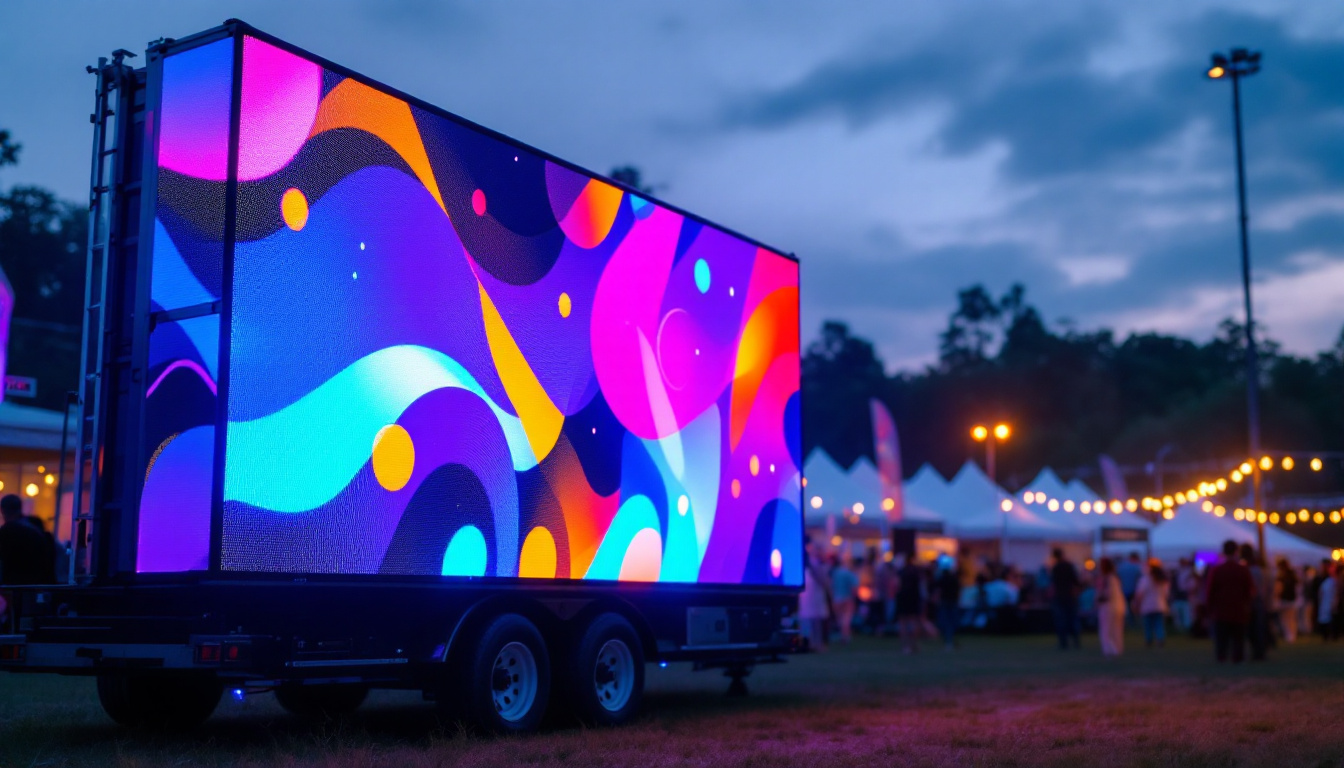
Outdoor Advertising: Billboards and Signage
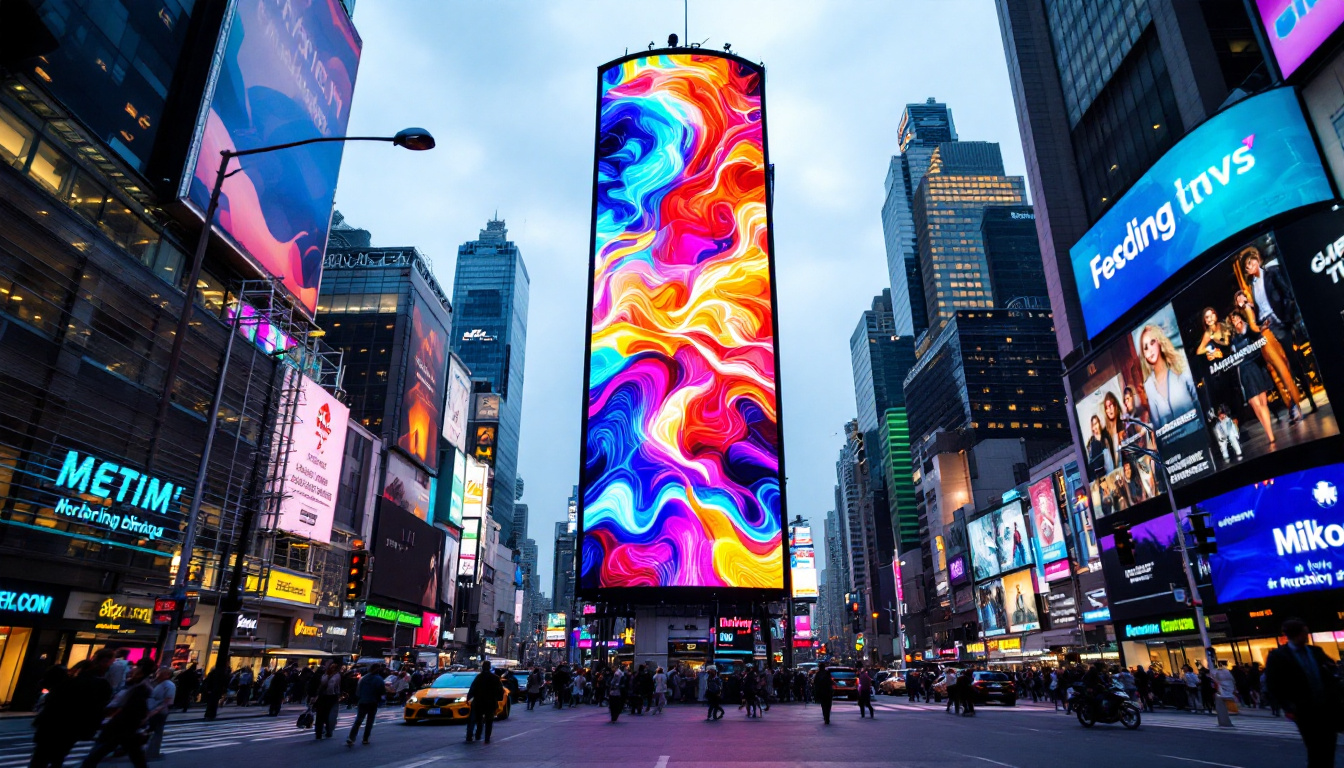
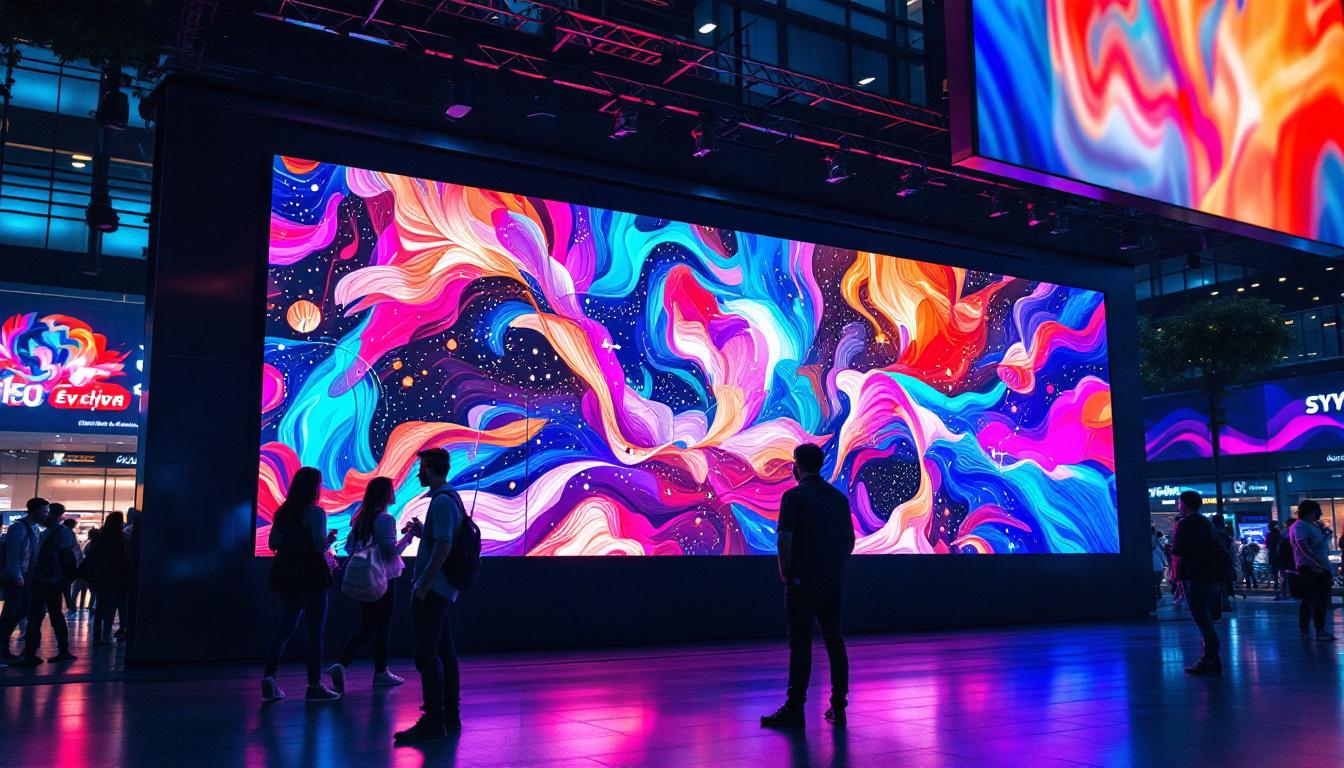
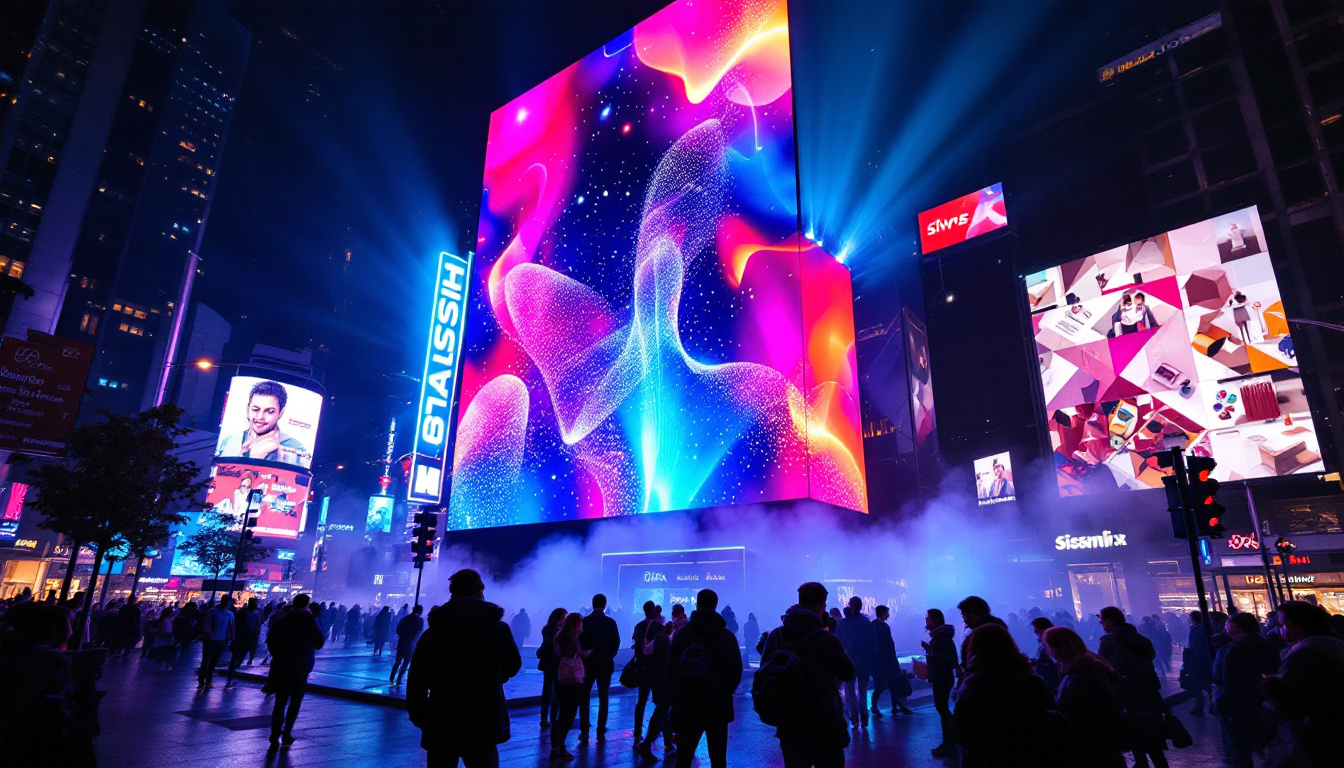
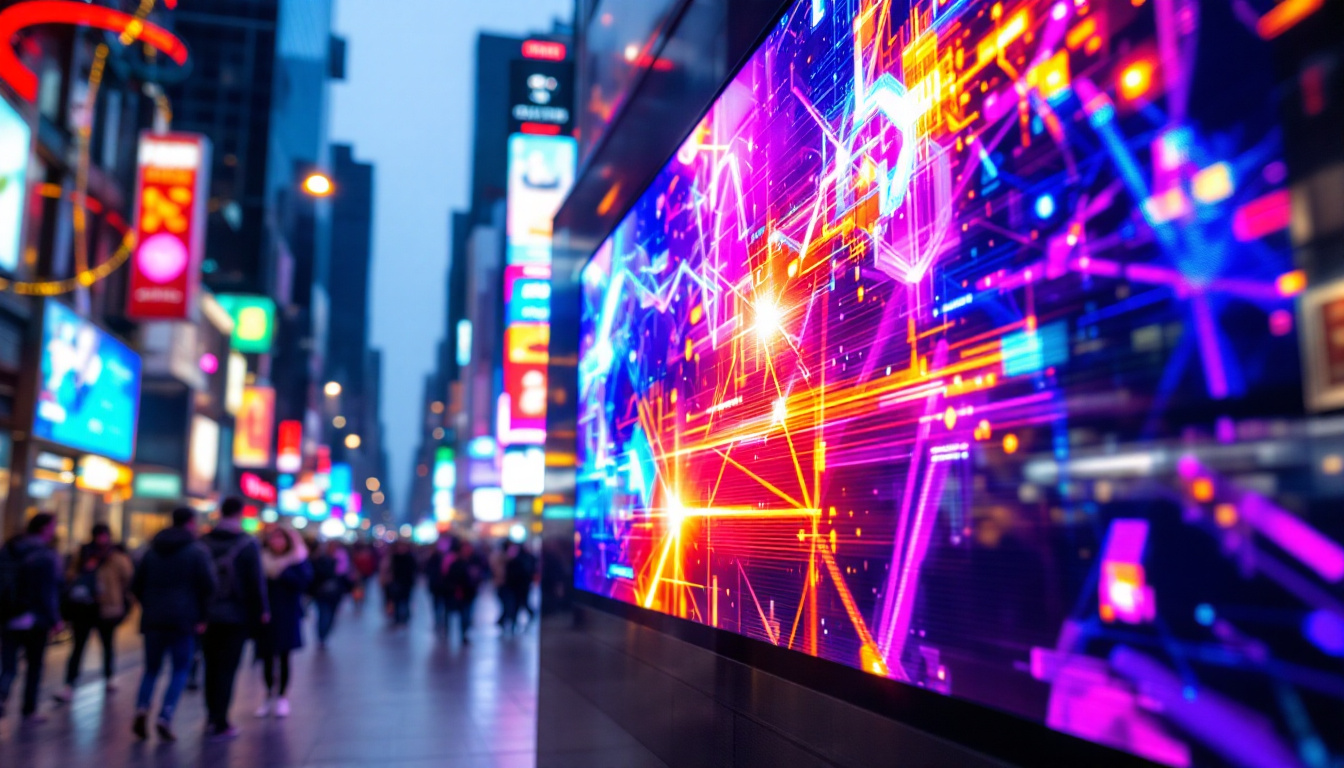
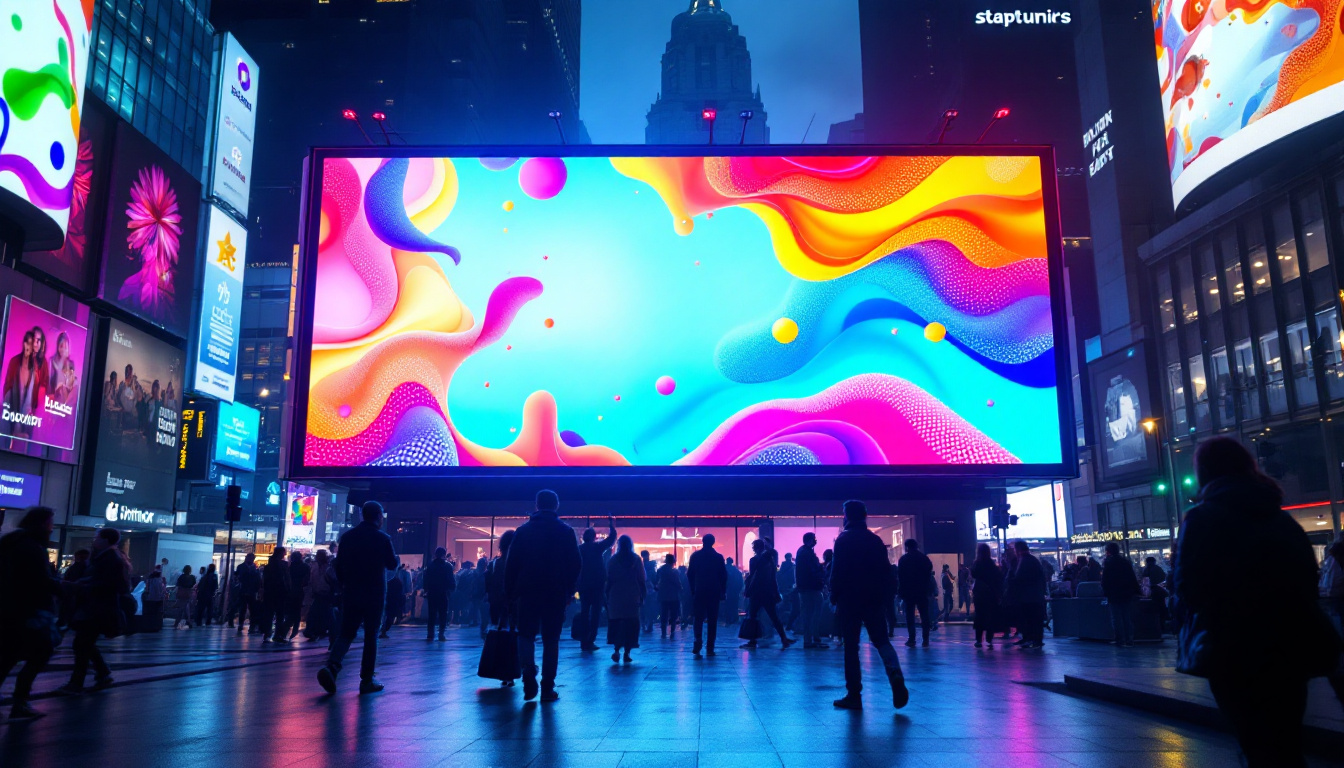
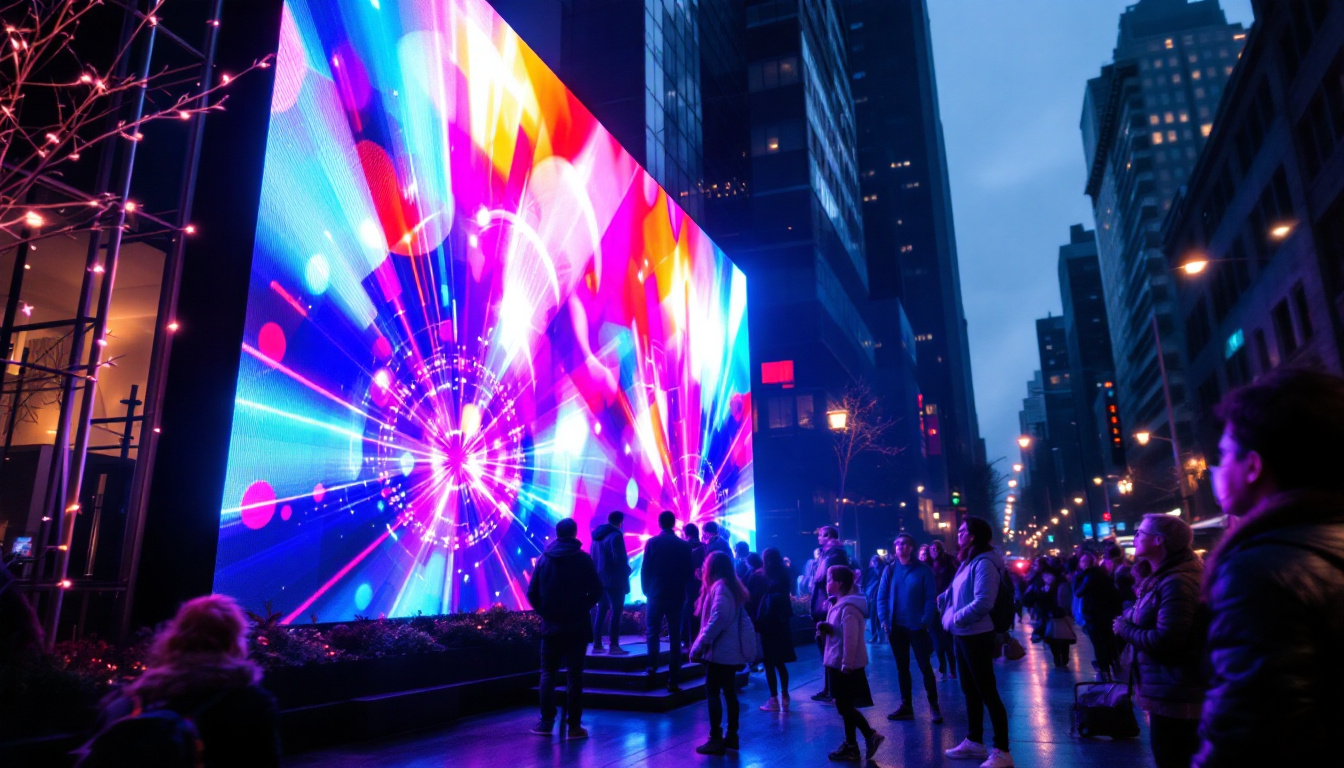
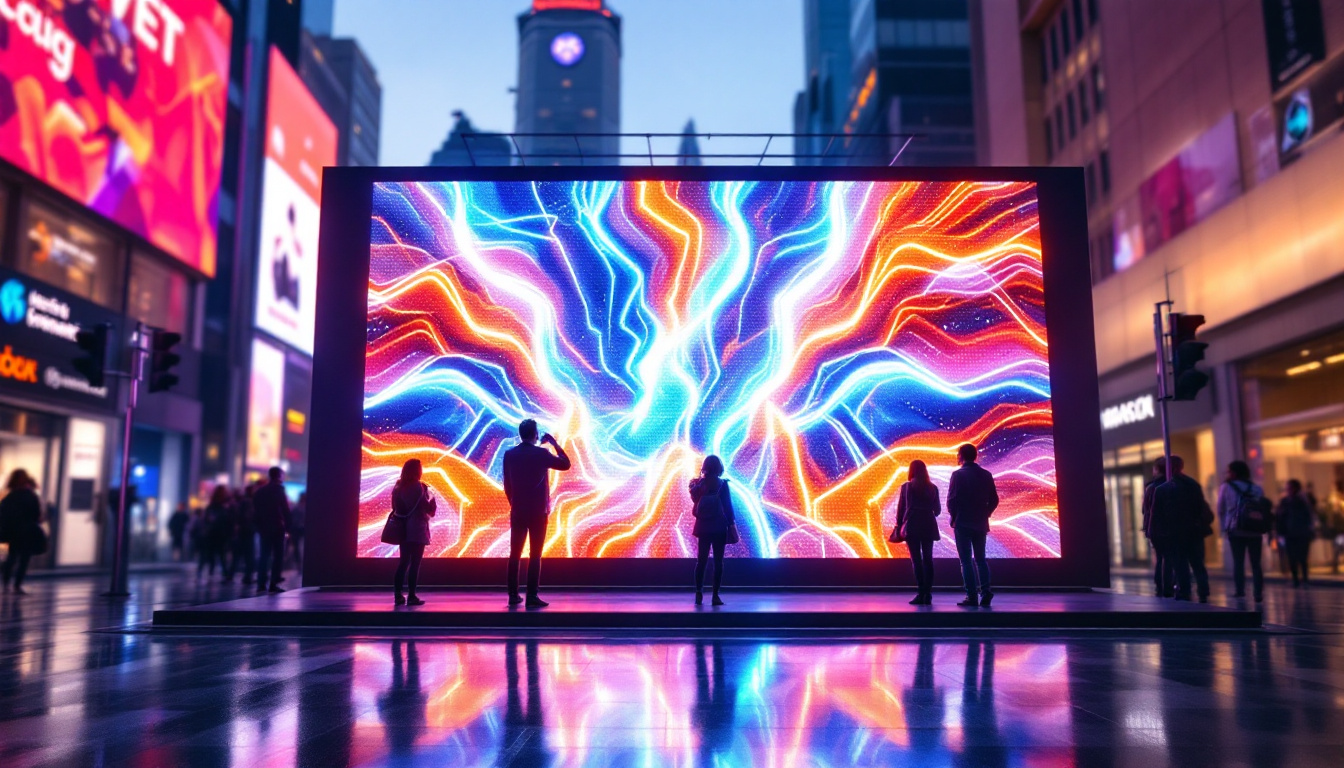
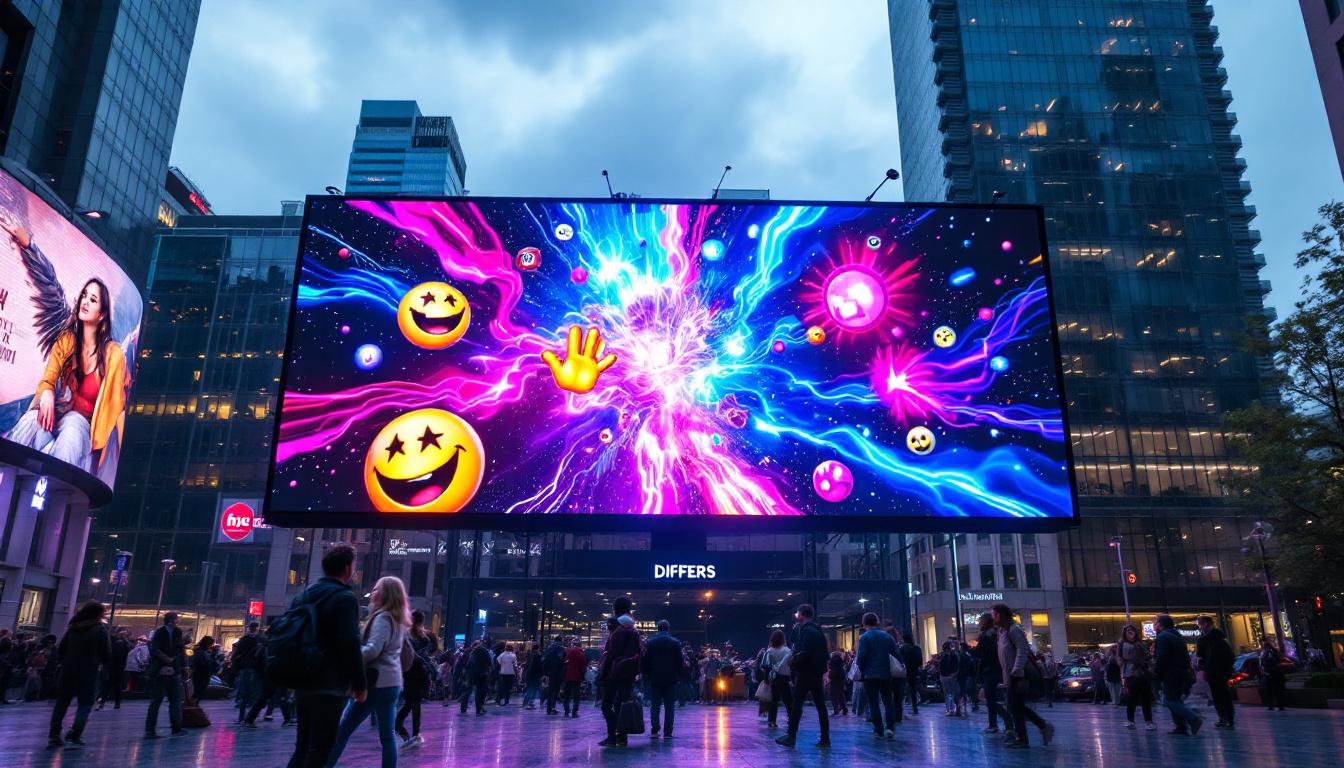
Outdoor LED billboards are among the most visible and impactful forms of digital advertising. Located along highways, city centers, and shopping districts, these large-scale displays attract thousands of impressions daily. According to the Outdoor Advertising Association of America (OAAA), digital out-of-home advertising, including LED billboards, saw a revenue increase of over 15% year-over-year in 2023, reflecting growing advertiser demand.
These billboards can rotate multiple ads throughout the day, allowing multiple advertisers to share the same space efficiently. The ability to update content remotely and instantly also means advertisers can react to market trends or events in real-time.
Indoor Advertising: Retail and Events
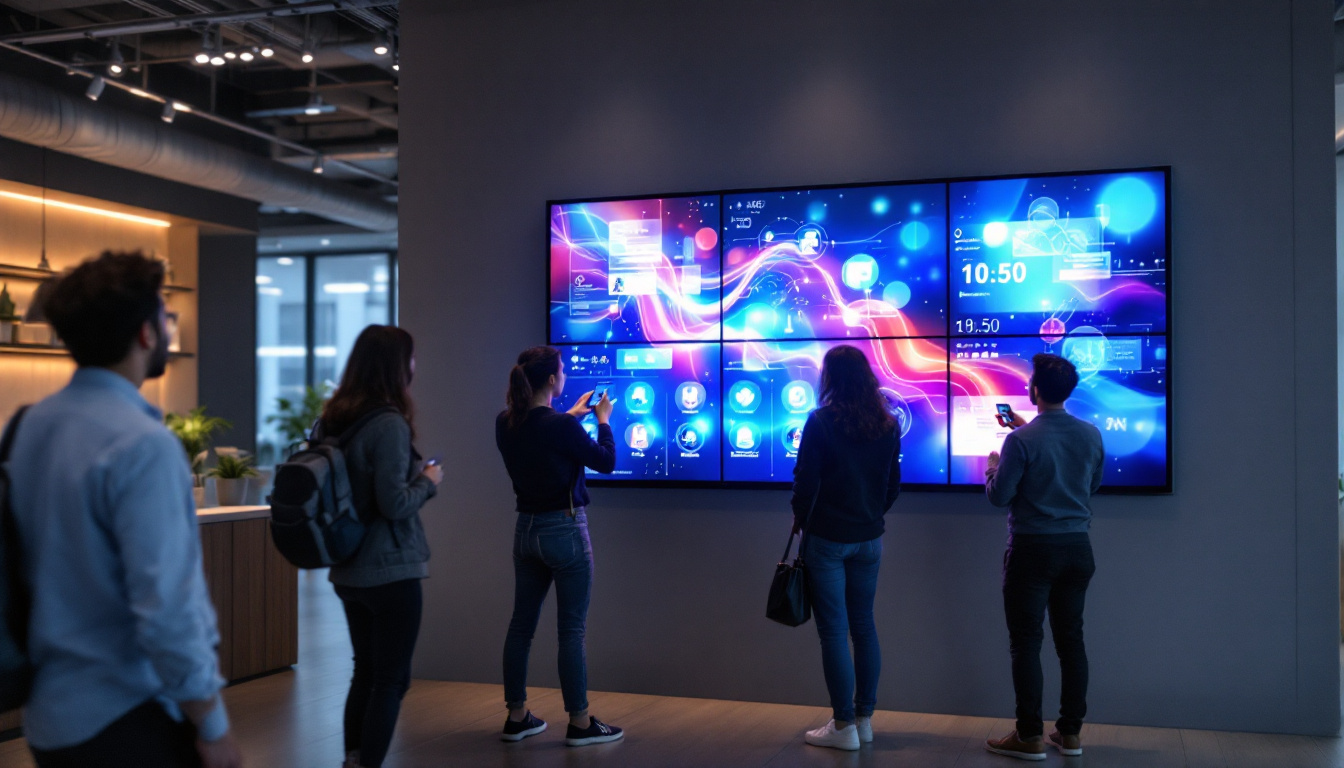
Inside malls, airports, and stadiums, LED displays are used to enhance customer experience and promote products. Retailers use LED screens to create immersive brand environments, display product demos, or guide shoppers through stores.
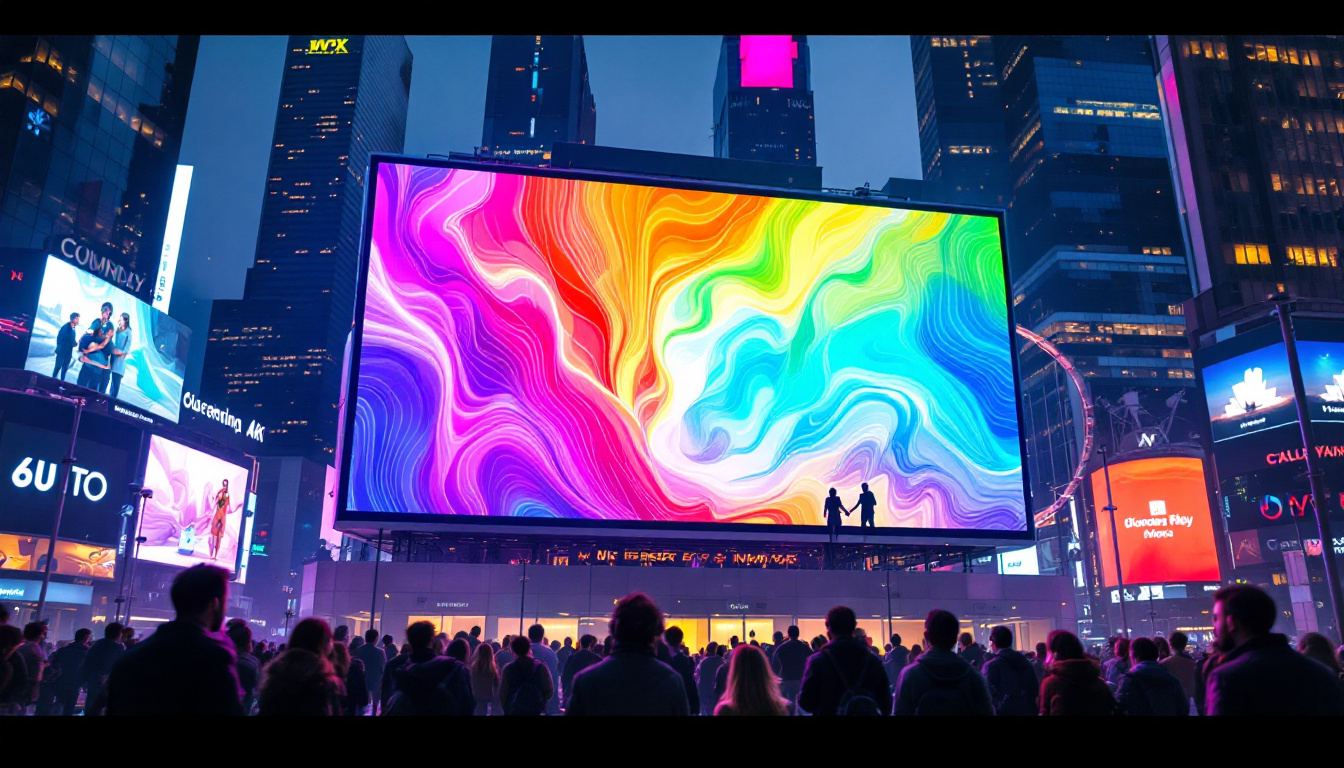
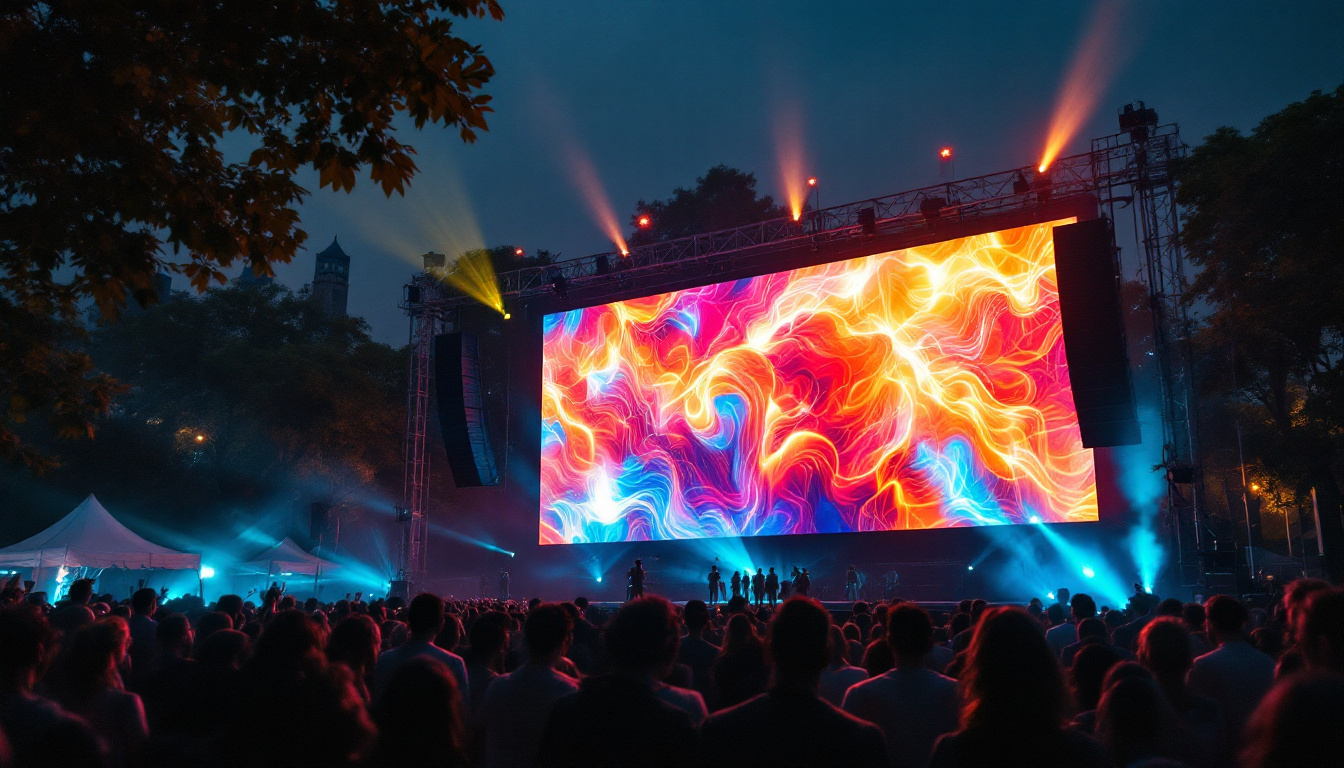
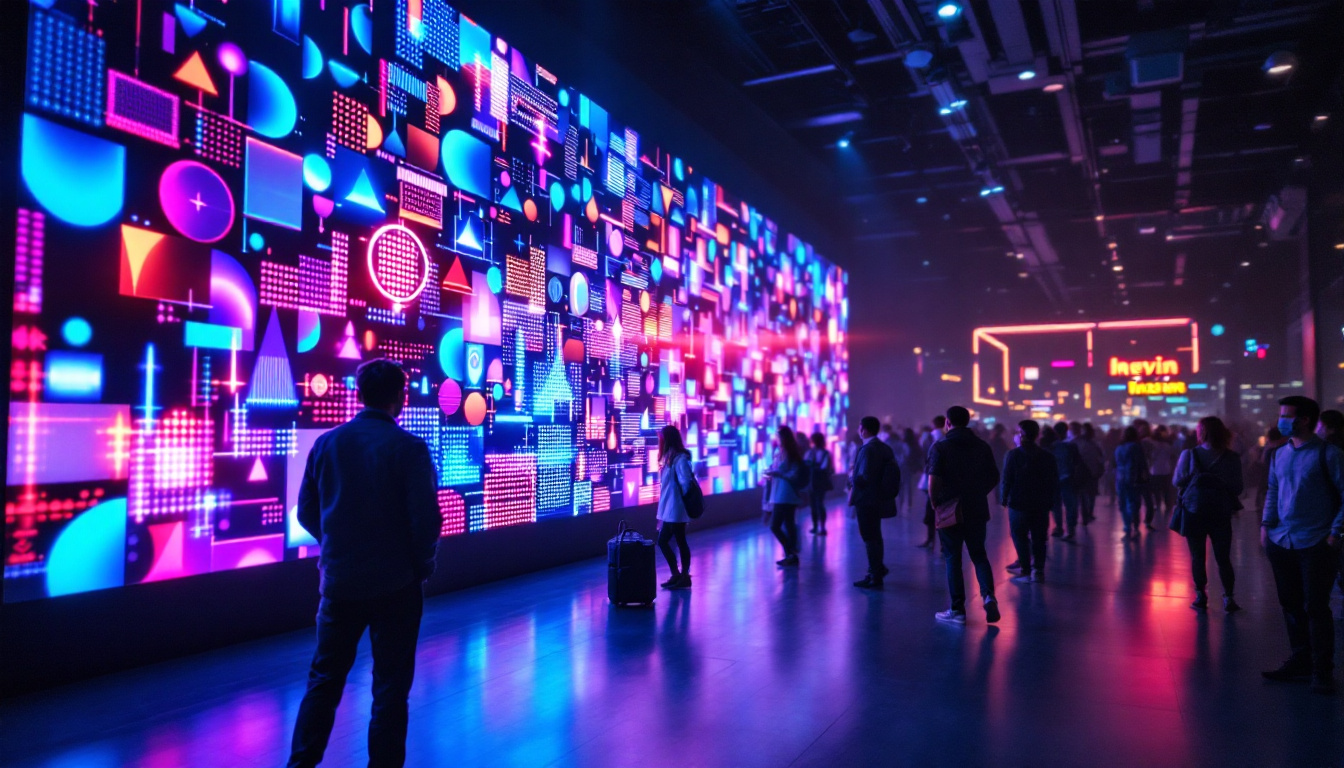
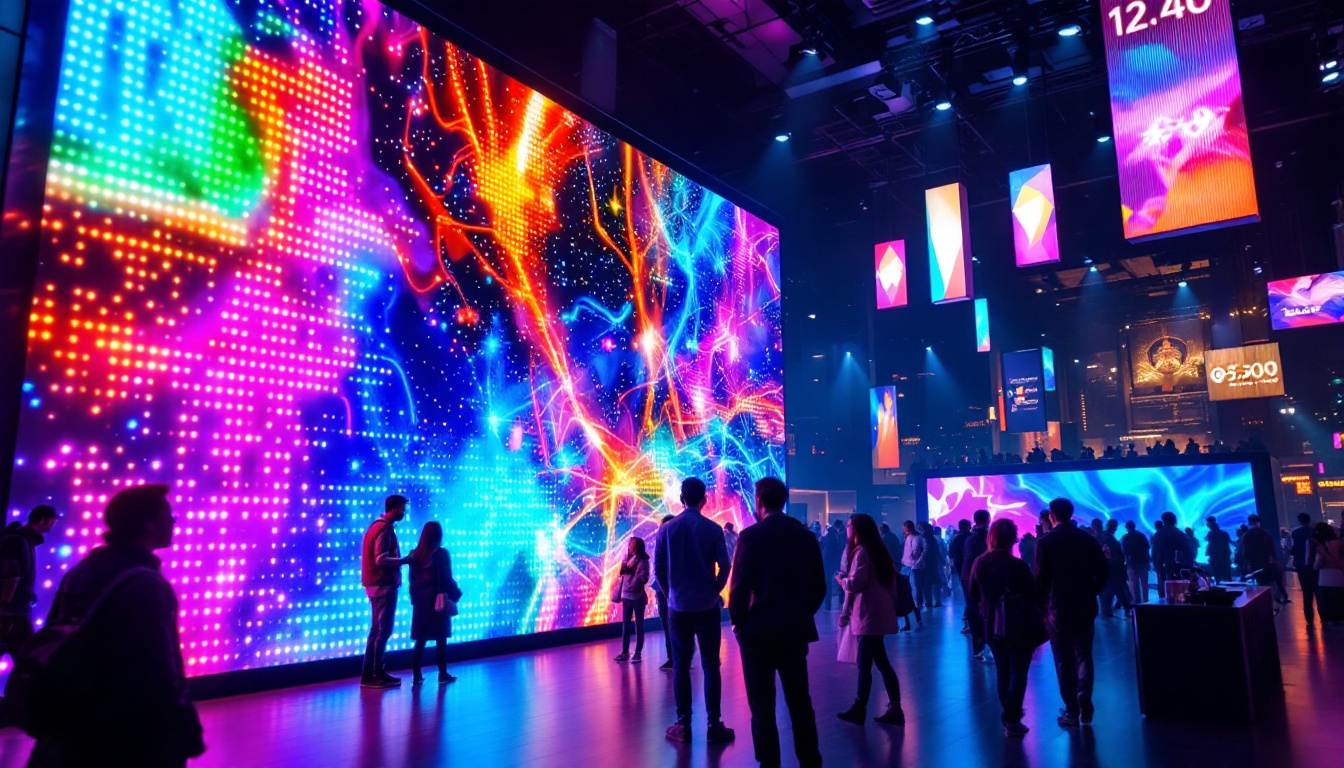
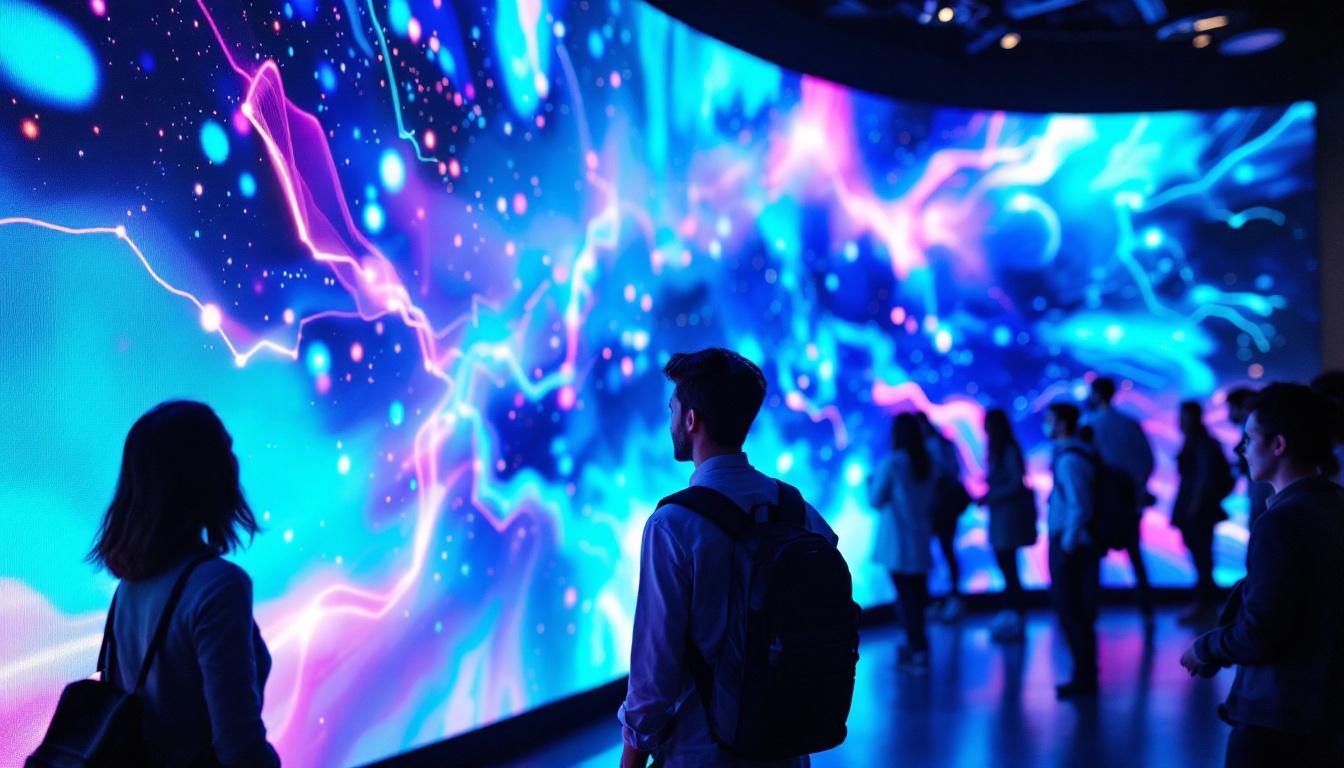
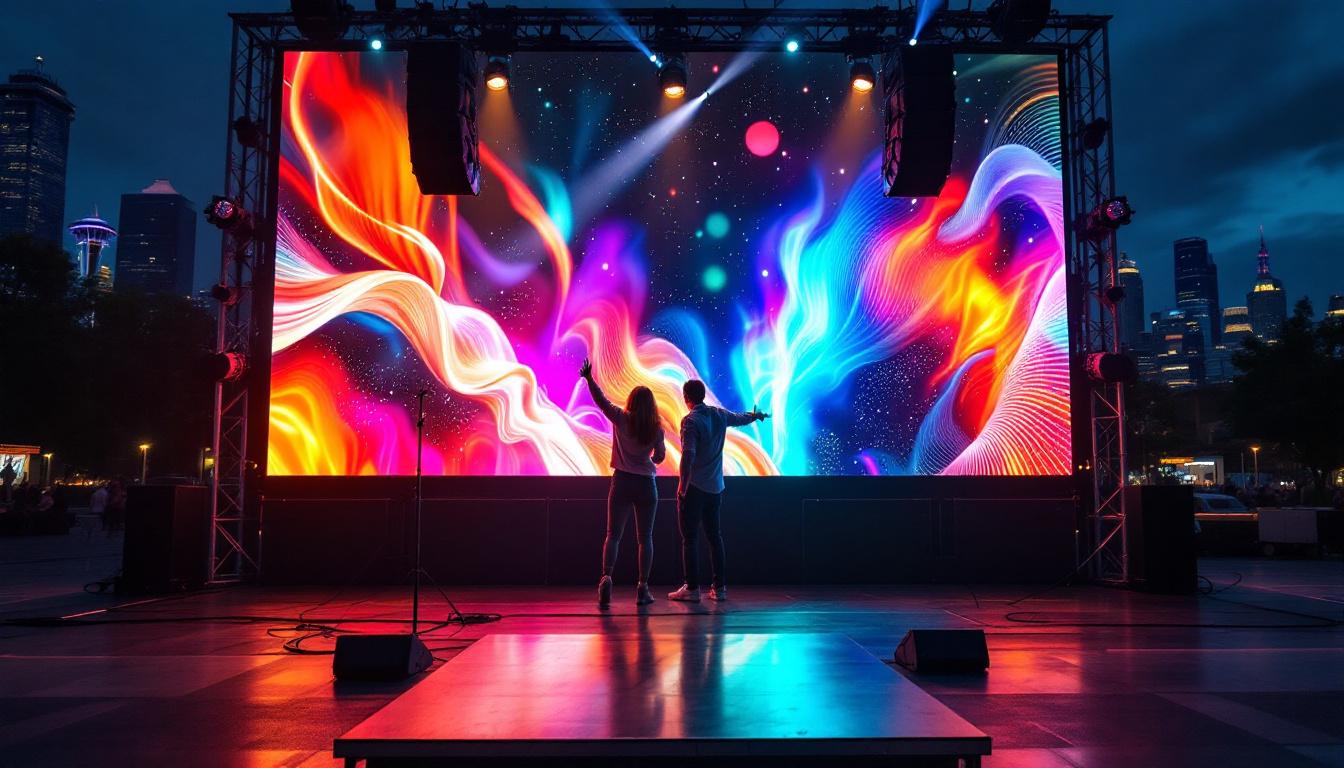
At events and exhibitions, LED walls serve as captivating backdrops that can display sponsors’ logos, live social media feeds, or interactive content. Their flexibility in size and shape allows for creative installations that draw audience attention and encourage interaction.
Transportation Hubs and Public Spaces
LED displays are increasingly common in transportation hubs such as train stations, bus terminals, and airports. These screens serve dual purposes: providing essential information like schedules and alerts, while also delivering targeted advertisements.
In public spaces, LED displays can promote community events, public service announcements, or commercial advertising, blending utility with marketing. This multi-functionality maximizes the value of the display and enhances public engagement.
Key Considerations When Choosing an LED Display for Advertising
Resolution and Pixel Pitch
Choosing the right resolution and pixel pitch is critical for ensuring your advertisement looks sharp and professional. For close-range viewing, such as indoor retail displays, a pixel pitch below 2mm is recommended. For outdoor billboards viewed from a distance, pixel pitches between 8mm and 20mm are common.
Higher resolution screens can display more detailed content, but they also come with increased costs. Balancing budget with viewing distance and content complexity is essential for optimal results.
Brightness and Contrast
Brightness levels should be tailored to the display environment. Outdoor screens require higher brightness to combat sunlight, while indoor screens can operate at lower levels to prevent glare and eye strain.
Contrast ratio also affects image quality, particularly in darker environments. High contrast ensures that colors appear vivid and text remains legible.
Durability and Weather Resistance
For outdoor installations, durability is paramount. LED displays must be weatherproof, resistant to dust, moisture, and temperature fluctuations. Many outdoor LED modules come with IP65 or higher ratings, indicating strong protection against environmental factors.
Indoor displays, while less exposed, still benefit from robust construction to withstand frequent use and potential impacts.
Control Systems and Software
Modern LED displays are managed via sophisticated control systems that allow for remote content updates, scheduling, and monitoring. Choosing a display with user-friendly software and reliable connectivity ensures smooth operation and quick content changes.
Some advanced systems also support data integration, enabling advertisements to change based on real-time data such as weather, traffic, or social media trends.
Future Trends in LED Advertising Displays
MicroLED and MiniLED Technologies
Emerging technologies like MicroLED and MiniLED promise to push the boundaries of LED display performance. MicroLEDs are significantly smaller diodes that offer even higher resolution, improved brightness, and better color accuracy than conventional LEDs. While still in early adoption stages, MicroLED displays are expected to become mainstream in the next few years, especially for premium advertising applications.
Interactive and AI-Driven Displays
Interactivity is becoming a key feature in digital advertising. Touch-enabled LED screens, gesture recognition, and integration with mobile devices allow consumers to engage directly with advertisements. This two-way communication enhances brand recall and provides valuable data for marketers.
Artificial intelligence (AI) is also being integrated into advertising displays to optimize content delivery. AI algorithms can analyze audience demographics, behaviors, and environmental factors to tailor advertisements dynamically, maximizing impact and ROI.
Sustainability and Energy Efficiency
As sustainability becomes a priority, LED display manufacturers are focusing on reducing energy consumption and using eco-friendly materials. Advances in LED efficiency, combined with smart power management systems, help lower the carbon footprint of digital advertising.
Brands are increasingly drawn to sustainable advertising solutions that align with their corporate social responsibility goals, making energy-efficient LED displays a preferred choice.
Conclusion
LED digital display screens have transformed advertising by providing a versatile, high-impact medium that engages audiences in ways static ads cannot. Their brightness, flexibility, and durability make them suitable for a wide range of environments—from bustling city streets to intimate retail spaces.
Understanding the technology behind LED displays, their benefits, and key considerations ensures that advertisers and businesses can make informed decisions to maximize their marketing efforts. Looking ahead, innovations like MicroLED, AI-driven interactivity, and sustainability initiatives will continue to enhance the effectiveness and appeal of LED advertising displays.
For any brand aiming to stand out in a crowded marketplace, investing in LED digital display advertising is not just an option—it’s becoming a necessity.
Illuminate Your Brand with LumenMatrix
Ready to elevate your advertising strategy and captivate your audience with unparalleled clarity? Discover LumenMatrix’s comprehensive range of LED display solutions, from vibrant Indoor and Outdoor LED Wall Displays to innovative options like Vehicle LED Displays, LED Posters, and even Custom LED Displays tailored to your unique needs. Embrace the future of visual communication with our All-in-One and Transparent LED Displays, designed to make your brand shine in any environment. Don’t miss out on the opportunity to transform your message into a visual spectacle. Check out LumenMatrix LED Display Solutions today and join the revolution in digital advertising.