In recent years, the integration of technology into places of worship has transformed how congregations engage with services. Among the most impactful innovations is the use of LED displays in churches. These vibrant, versatile screens have become essential tools for communication, worship, and community connection. This article explores the role of LED displays in church settings, explaining their benefits, types, installation considerations, and best practices for maximizing their potential.
The Rise of LED Displays in Churches
Technology adoption within religious institutions has steadily increased, with LED displays emerging as a popular choice for enhancing worship experiences. According to a 2023 survey by the Pew Research Center, nearly 60% of U.S. churches reported using some form of digital display technology, with LED screens leading the way due to their brightness, clarity, and flexibility.
Historically, churches relied on printed bulletins, overhead projectors, or simple LCD screens to share lyrics, announcements, and sermon notes. However, LED displays offer a dynamic and engaging alternative that can serve multiple purposes simultaneously, from displaying song lyrics and scripture verses to broadcasting live video and community messages. This shift not only modernizes the worship experience but also aligns with the expectations of a tech-savvy congregation, particularly younger members who are accustomed to high-quality visual content in their daily lives.
Why Churches Choose LED Displays
LED displays provide several advantages that make them particularly well-suited for church environments:
- Visibility: LED screens are bright and clear, ensuring content is visible even in well-lit sanctuaries or large auditoriums.
- Flexibility: Content can be updated instantly, allowing churches to adapt messaging for different services, events, or audiences.
- Engagement: Dynamic visuals and multimedia capabilities help capture attention and foster deeper participation.
- Durability: LED technology is designed for long-term use, often with low maintenance requirements.
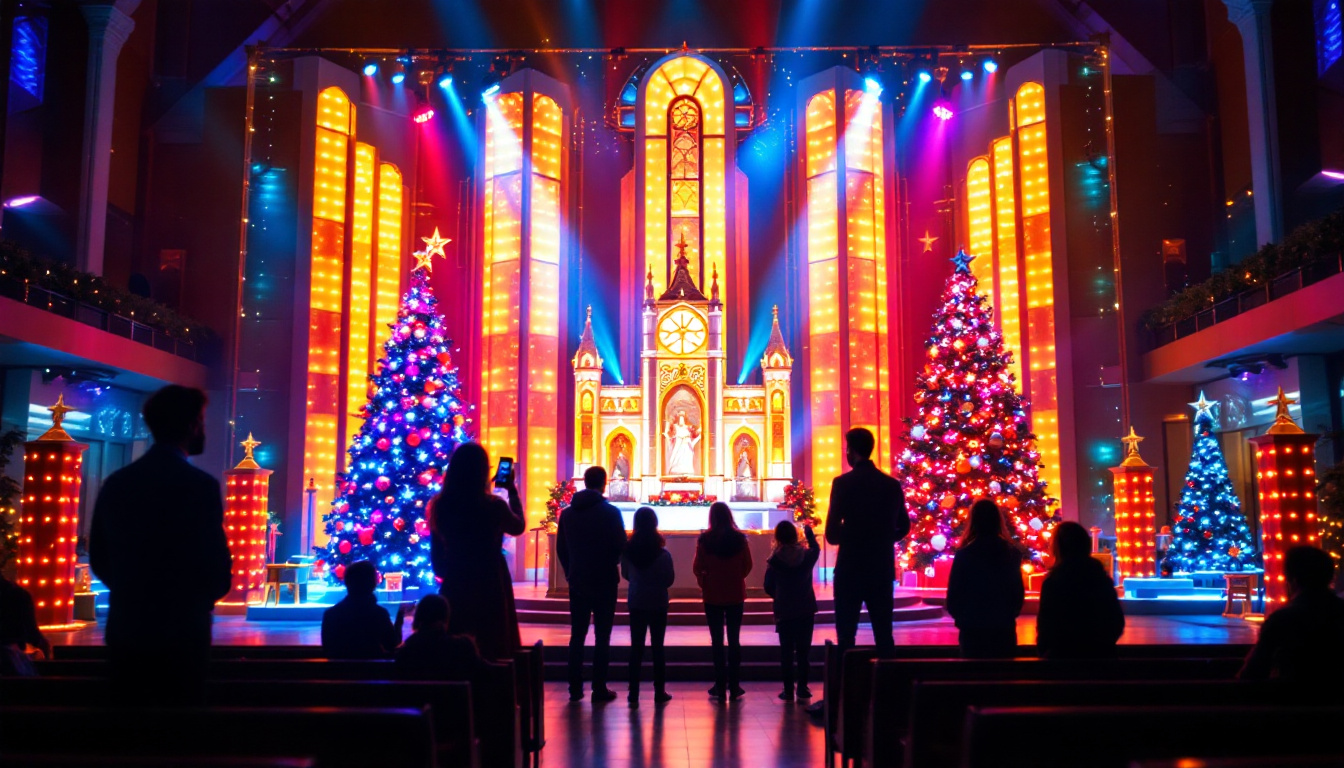
Moreover, the integration of LED displays can significantly enhance the overall atmosphere of a worship service. Churches can utilize vibrant colors and animations to complement the themes of their services, creating a more immersive environment that resonates with congregants. For example, during a Christmas service, a church might display a serene winter landscape, while a youth service could feature energetic graphics that align with contemporary worship music. This adaptability not only enriches the worship experience but also allows churches to express their unique identity and mission through visual storytelling.
In addition to enhancing worship services, LED displays are also valuable tools for community outreach and engagement. Many churches use these screens to promote upcoming events, share testimonials, or highlight community service projects, fostering a sense of connection among members and encouraging participation. By showcasing the church’s activities and initiatives, LED displays can help bridge the gap between the church and the wider community, inviting more individuals to engage with the church’s mission and values.
Understanding LED Display Technology
LED stands for Light Emitting Diode, a semiconductor device that emits light when an electric current passes through it. LED displays are composed of thousands of these tiny diodes arranged in a grid to form images and text. The technology behind these displays has evolved rapidly, making them more affordable and versatile than ever before.
Types of LED Displays Used in Churches
Churches typically select from several types of LED displays depending on their specific needs and budgets:
- Indoor LED Displays: Designed for use inside sanctuaries or fellowship halls, these screens offer high resolution and brightness suitable for viewing at close range.
- Outdoor LED Displays: Used for signage or announcements outside the church building, these displays are weatherproof and extremely bright to overcome sunlight glare.
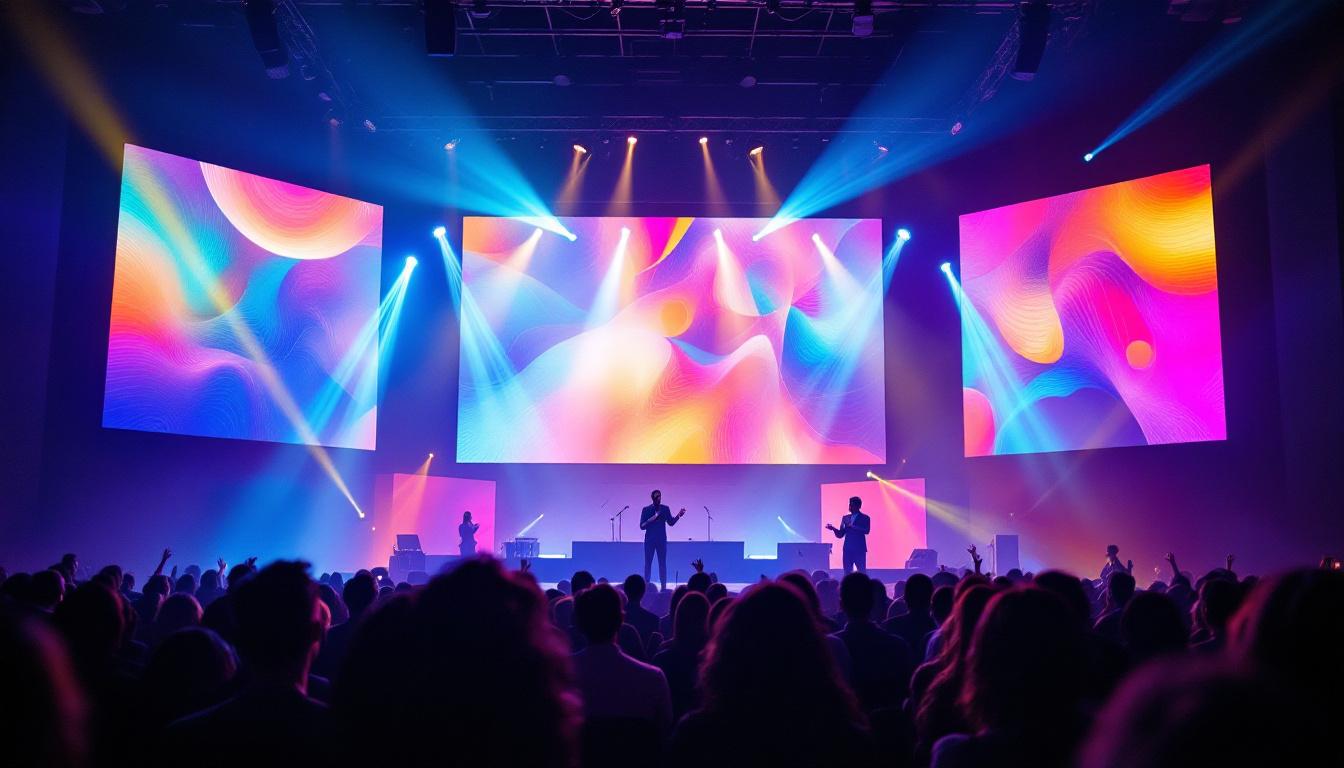
- Video Walls: Large-scale LED installations composed of multiple panels seamlessly tiled together to create one expansive screen, ideal for large auditoriums.
Each type varies in pixel pitch—the distance between individual LEDs—which affects image clarity and viewing distance. For example, a pixel pitch of 2-3 mm is common for indoor displays where viewers are close, while outdoor displays may use a larger pitch, such as 10 mm or more.
Resolution and Brightness Considerations
Resolution determines how sharp and detailed the image appears. Churches with large auditoriums benefit from higher resolution screens to ensure text and visuals remain crisp from all seating areas. Brightness is equally important; LED displays typically range from 800 to over 5,000 nits, with indoor screens usually around 1,000 to 1,500 nits to balance visibility and comfort.
Benefits of LED Displays for Worship and Community
The integration of LED displays in churches has transformed how congregations experience worship and community life. Beyond simply replacing traditional projection methods, these screens offer unique benefits that enhance communication and participation.
Enhancing Worship Experience
LED displays allow worship leaders to project song lyrics, scripture passages, and sermon points in real-time, enabling congregants to follow along without distraction. This fosters a more inclusive environment, especially for visitors or those with hearing impairments. Additionally, the ability to integrate multimedia such as videos, animations, and live camera feeds adds a rich, immersive dimension to services.
Improving Communication and Engagement
Churches often serve as community hubs, hosting events, classes, and outreach programs. LED displays can be programmed to cycle through announcements, event schedules, and inspirational messages, keeping the congregation informed and connected. Interactive features, such as QR codes displayed on screen, can direct attendees to online resources or donation platforms, streamlining engagement.
Supporting Accessibility
Accessibility is a growing priority for many churches. LED displays can be paired with assistive technologies such as captioning for the hearing impaired or visual aids for those with limited vision. By providing clear, large-format text and visuals, these screens help ensure that worship services are welcoming to all members of the community.
Installation and Integration Considerations
Selecting and installing an LED display in a church requires careful planning to ensure it meets the congregation’s needs while complementing the worship space’s aesthetics and acoustics.
Assessing Space and Viewing Angles
The size and layout of the sanctuary or meeting area heavily influence the type and placement of the LED display. Factors to consider include:
- Distance between the screen and the furthest viewer
- Line of sight from various seating areas
- Ambient lighting conditions
- Architectural features that may obstruct views
Proper positioning ensures that content is visible and legible to everyone without causing glare or distraction.
Integration with Existing Audio-Visual Systems
Most churches already have sound systems, projectors, or video cameras in place. Integrating LED displays with these systems can create a seamless multimedia experience. For example, live video feeds from cameras can be broadcast on the LED screen during services, enhancing visibility for large crowds. Compatibility with presentation software and streaming platforms also enables smooth content management.
Budget and Maintenance
While LED displays offer long-term value, initial costs can vary widely depending on size, resolution, and features. Churches should consider total cost of ownership, including installation, software, and ongoing maintenance. Many providers offer service plans that cover repairs and software updates, ensuring the display remains reliable over time.
Best Practices for Using LED Displays in Churches
Maximizing the effectiveness of LED displays involves more than just installation. Thoughtful content design and operational strategies can greatly enhance the congregation’s experience.
Content Design and Readability
Clear, concise content is key. Use large fonts and high-contrast colors to ensure readability from all seating areas. Avoid overcrowding the screen with too much text or overly complex graphics. Consistent branding, such as church logos and color schemes, helps maintain a professional and cohesive look.
Training and Support
Staff or volunteers responsible for operating the LED display should receive proper training on the software and hardware. This ensures smooth transitions during services and quick troubleshooting if issues arise. Having a knowledgeable support team or vendor contact is also beneficial for ongoing assistance.
Engaging the Congregation
Encourage interaction by incorporating multimedia elements such as video testimonies, live polls, or social media feeds. Highlighting community stories or prayer requests on the screen can foster a sense of connection and participation. Additionally, updating content regularly keeps the display fresh and relevant.
Case Studies: LED Displays Transforming Church Experiences
Many churches have successfully integrated LED displays to revitalize their worship and community engagement. For instance, a mid-sized church in Texas installed a 12-foot-wide indoor LED video wall to replace traditional projection screens. The new display allowed for vibrant, high-definition visuals that enhanced sermon delivery and worship music, resulting in a 25% increase in first-time visitor retention according to church leadership.
Another example is a large urban church in California that implemented outdoor LED signage to promote upcoming events and community outreach programs. The bright, weather-resistant display attracted attention from passersby and increased event attendance by 30% within six months.
Future Trends in Church LED Displays
As LED technology continues to advance, churches can expect even more innovative applications. Emerging trends include:
- Interactive LED Walls: Touch-sensitive displays that allow congregants to engage directly with content during events or educational sessions.
- Augmented Reality Integration: Combining LED displays with AR technology to create immersive worship experiences.
- Energy-Efficient Solutions: New LED models with lower power consumption and sustainable materials, aligning with environmental stewardship values.
These developments promise to further enhance the role of technology in fostering vibrant, connected faith communities.
Conclusion
LED displays have become indispensable tools for modern churches seeking to enhance worship, communication, and community engagement. Their brightness, versatility, and dynamic capabilities make them ideal for a wide range of applications, from projecting lyrics and sermons to broadcasting live video and announcements. Thoughtful selection, installation, and content management ensure these displays serve as powerful assets that enrich the spiritual experience and foster deeper connections within the congregation.
As technology evolves, churches that embrace LED displays will continue to find new and meaningful ways to inspire and engage their members, ensuring that their message resonates clearly in an increasingly digital world.
Illuminate Your Worship with LumenMatrix
Ready to elevate your church’s worship experience and community engagement to new heights? Discover the transformative power of LumenMatrix’s LED display technology. With our extensive range of solutions, including Indoor and Outdoor LED Wall Displays, Vehicle LED Displays, and more, LumenMatrix is committed to revolutionizing your visual communication. Engage your congregation with vibrant, clear, and impactful messages that resonate. Check out LumenMatrix LED Display Solutions today and witness the difference in clarity and engagement.