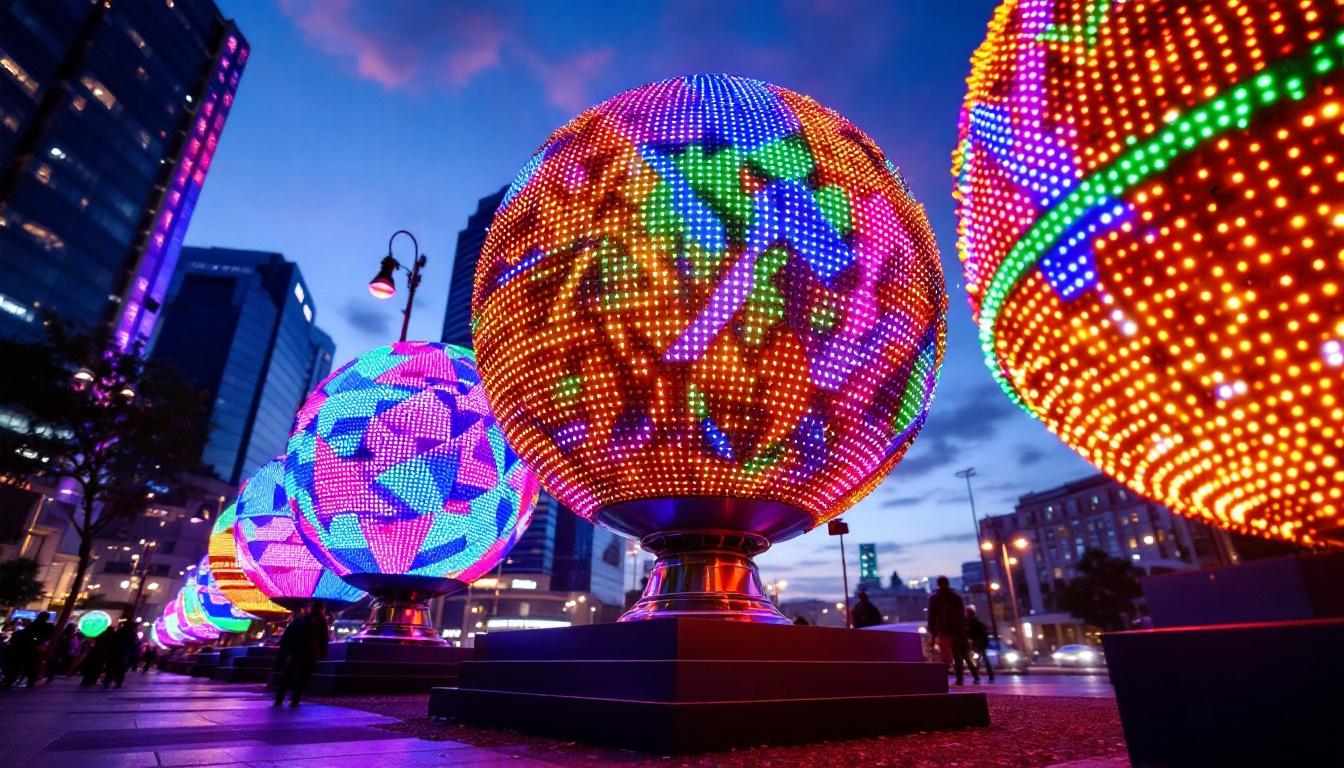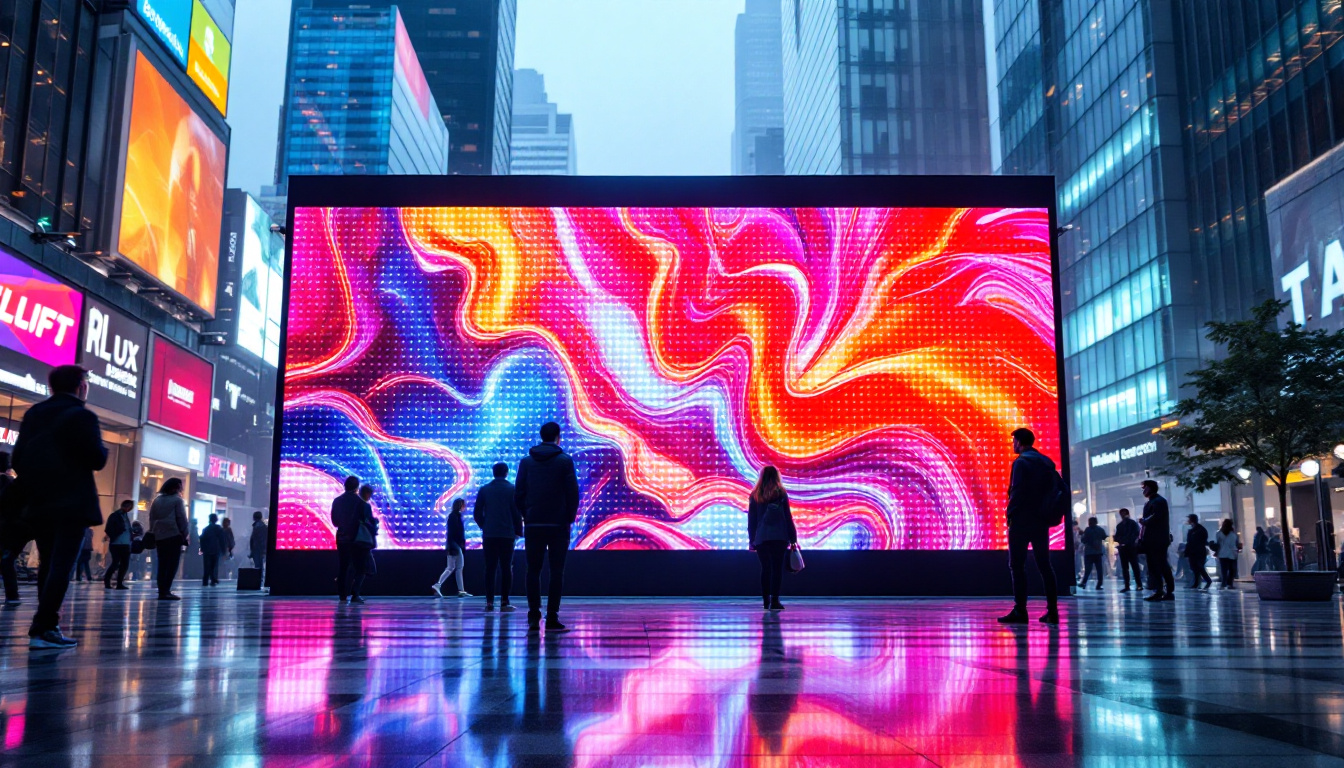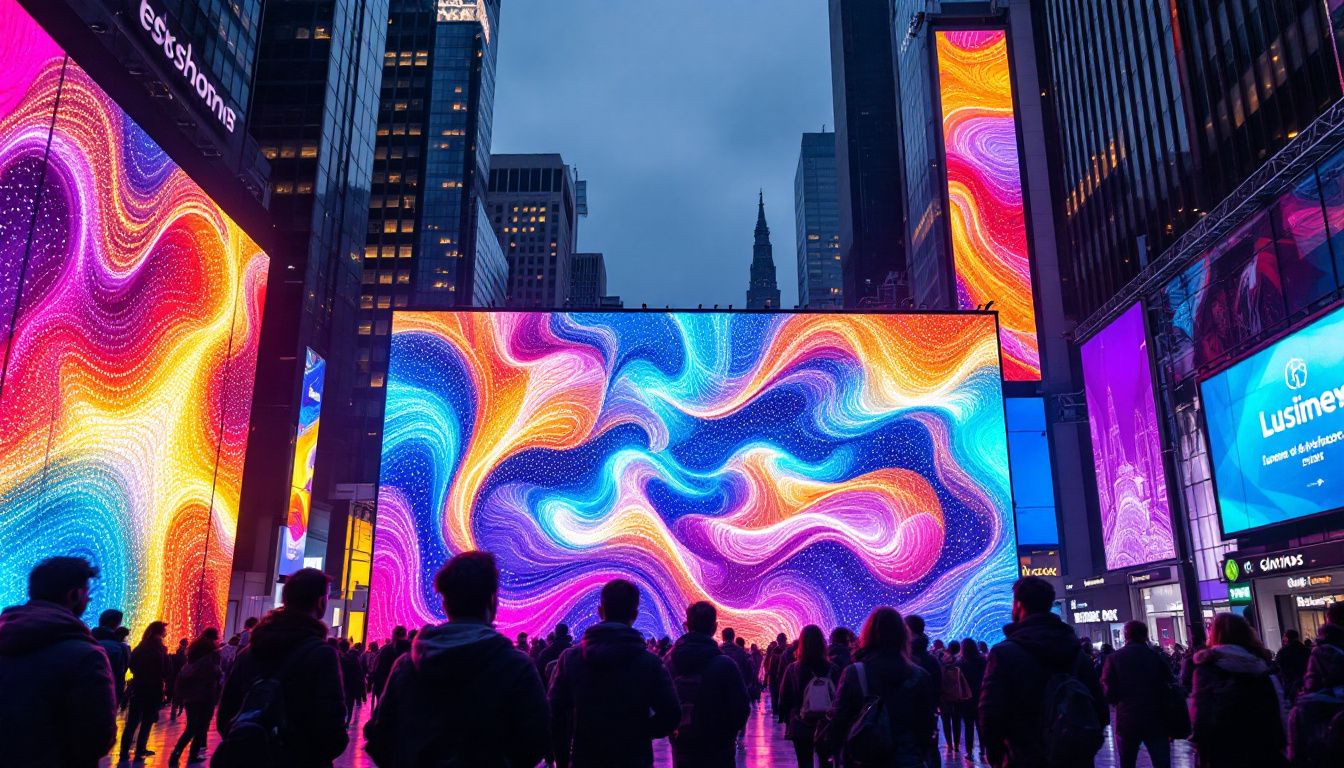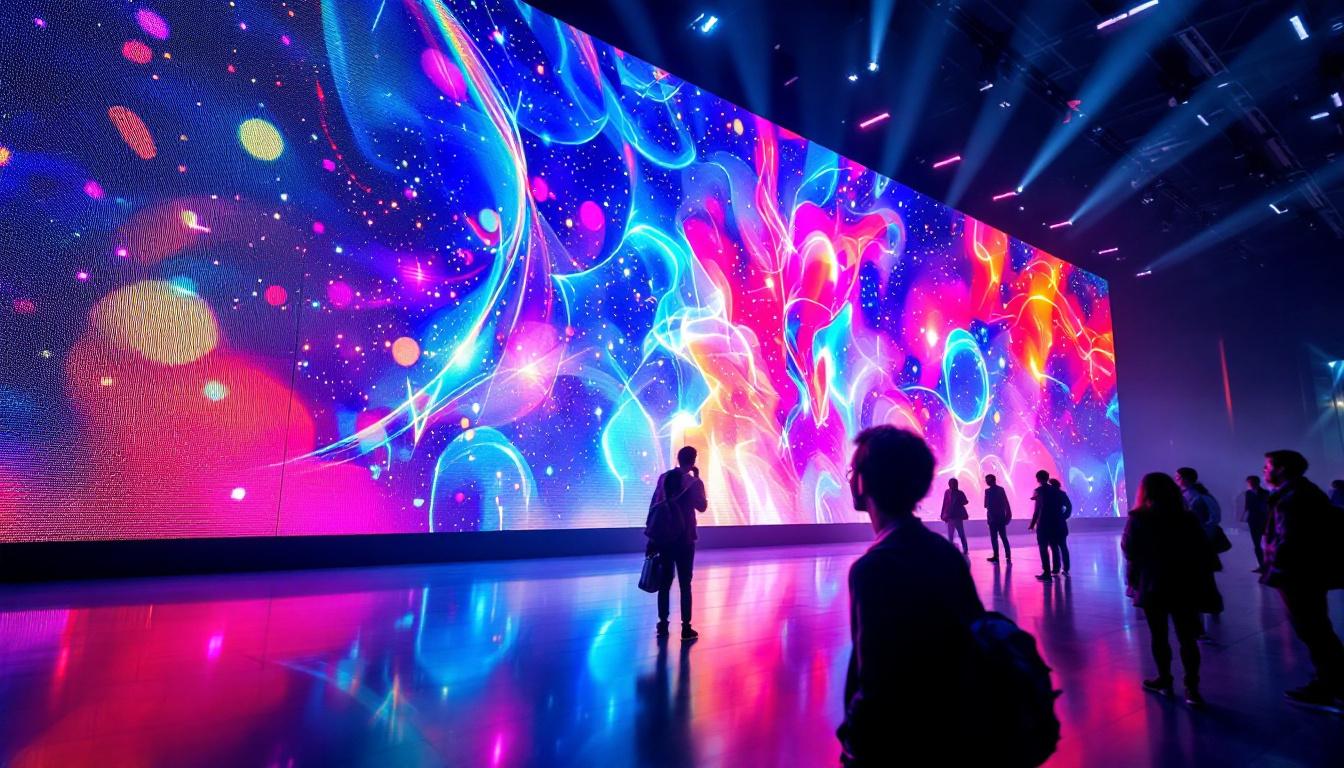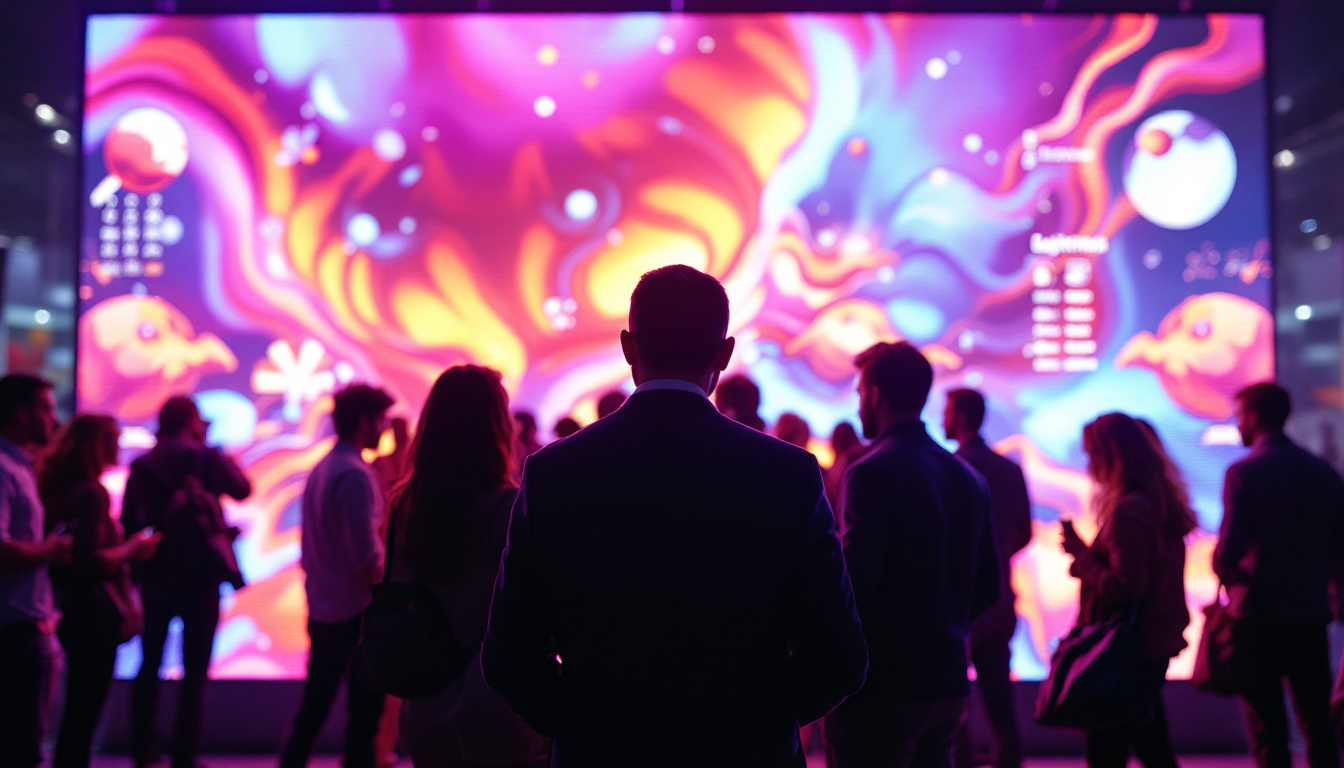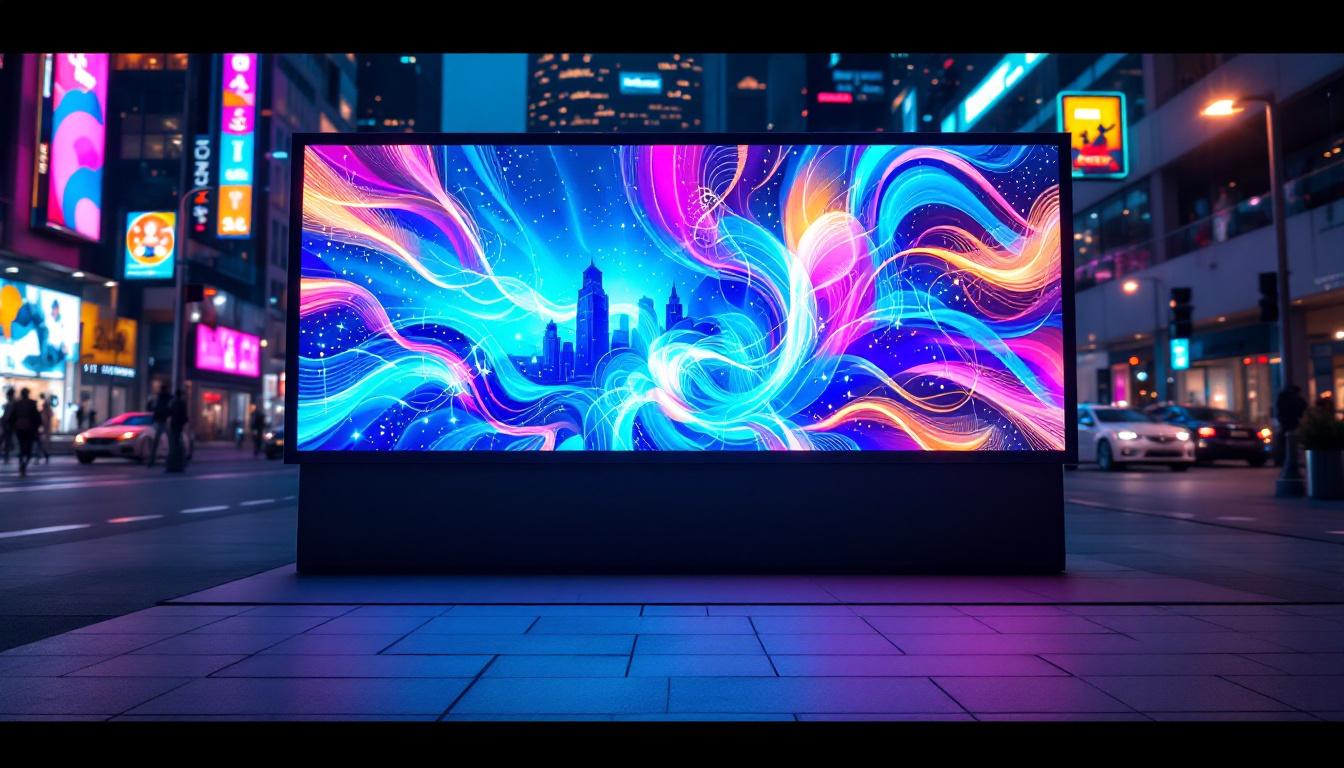
In today’s fast-paced world, capturing attention quickly and effectively is more important than ever. Digital outdoor signs, particularly LED displays, have revolutionized the way businesses, municipalities, and event organizers communicate with the public. This article explores the technology behind LED displays, their advantages, applications, and considerations for selecting the right digital outdoor sign for your needs.
Understanding LED Technology in Outdoor Signage
What is an LED Display?
LED stands for Light Emitting Diode, a semiconductor device that emits light when an electric current passes through it. LED displays are composed of thousands of these tiny diodes arranged in a matrix, capable of producing vibrant images and text visible from great distances. Unlike traditional neon or incandescent bulbs, LEDs are energy-efficient, durable, and capable of displaying dynamic content. This adaptability makes them a popular choice for businesses looking to engage customers with eye-catching visuals.
Outdoor LED displays are designed to withstand harsh weather conditions, including rain, snow, and extreme temperatures. Their brightness levels can be adjusted automatically to ensure visibility during the day without causing glare at night. Furthermore, many modern LED displays come equipped with advanced sensors that can detect ambient light levels, allowing for optimal performance in varying lighting conditions. This technology not only enhances the viewing experience but also extends the lifespan of the display by reducing unnecessary energy consumption.
Types of LED Displays Used Outdoors
There are several types of LED displays tailored for outdoor use, including:
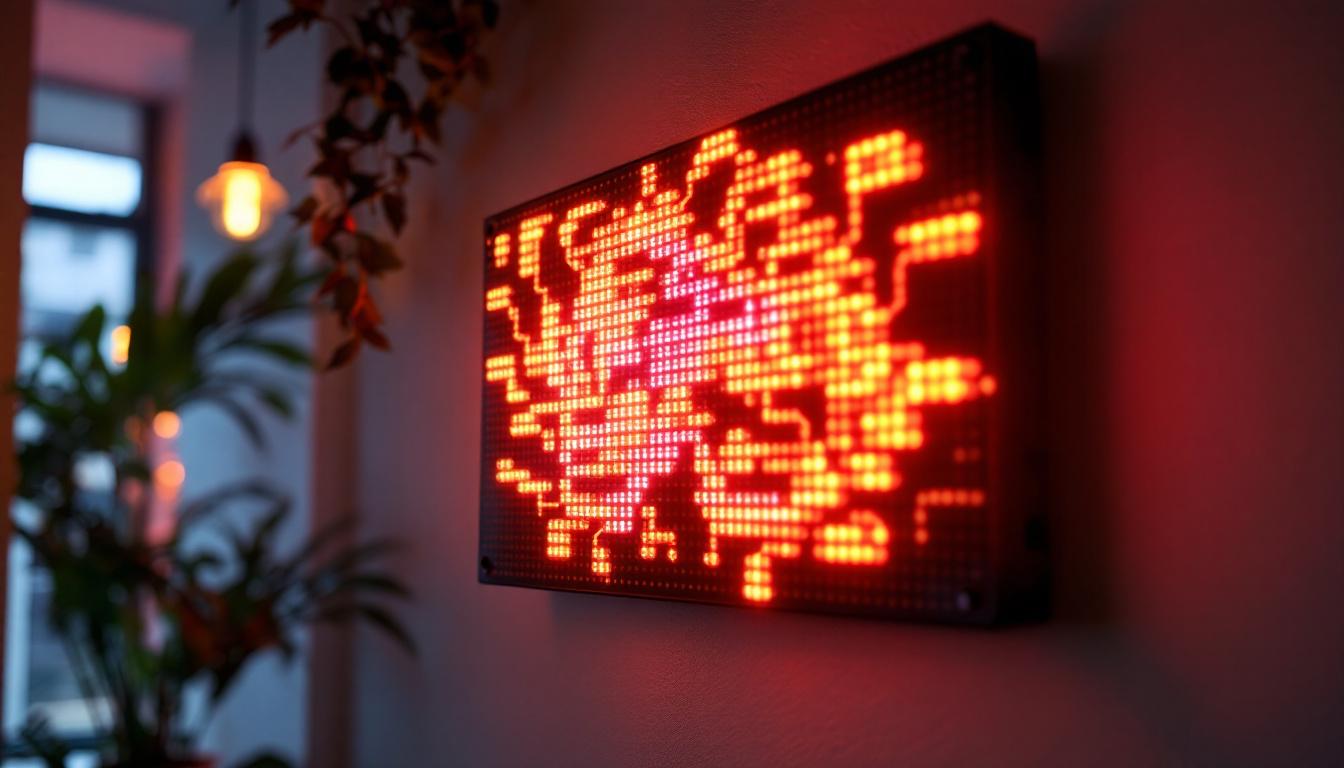
- Single-color LED Displays: Typically red or amber, these are used for simple text messages like time, temperature, or alerts.
- Full-color LED Displays: Capable of displaying millions of colors, these are used for advertisements, videos, and complex graphics.
- Transparent LED Displays: These allow light to pass through, making them ideal for storefront windows without obstructing the view.
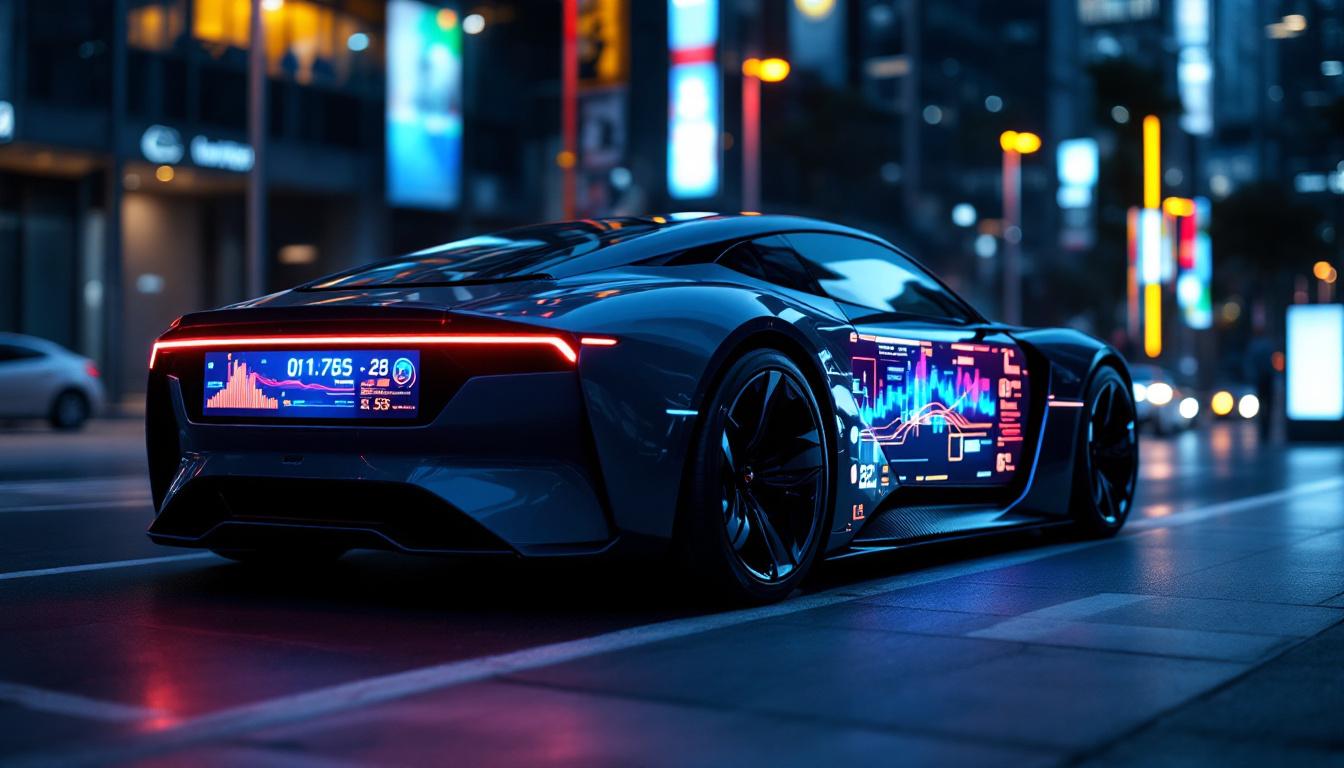
- Flexible LED Displays: Designed to curve around surfaces, offering creative installation options for unique architectural designs.
Each type serves different purposes and budgets, but all share the core benefits of LED technology. For instance, full-color displays are particularly effective in high-traffic areas, where vibrant visuals can capture the attention of passersby. These displays can showcase everything from promotional videos to real-time social media feeds, providing businesses with a dynamic platform for communication. Additionally, transparent LED displays are gaining popularity in retail environments, as they allow for creative advertising while maintaining a clear view of the products behind them, effectively merging marketing and merchandising.
Moreover, the advent of flexible LED displays has opened up new avenues for creative installations. These displays can be integrated into unconventional surfaces, such as curved walls or even furniture, allowing businesses to think outside the box when it comes to advertising. With the ability to create immersive environments, flexible LEDs can enhance customer experiences and draw in crowds, making them a valuable asset for event organizers and venue owners. As technology continues to evolve, the possibilities for outdoor LED displays are expanding, paving the way for innovative applications that were once thought to be impossible.
Advantages of Digital Outdoor LED Signs
High Visibility and Brightness
One of the most significant advantages of LED displays is their exceptional brightness. Outdoor LED signs can reach brightness levels of up to 7,000 nits, making them easily visible even in direct sunlight. This ensures that messages are clear and legible at all times, a crucial factor for roadside advertising and public safety announcements.
Energy Efficiency and Longevity
Compared to traditional lighting methods, LEDs consume significantly less power. For example, an LED display can use up to 80% less energy than neon signs. This energy efficiency translates into lower operating costs and a reduced environmental footprint.
Additionally, LEDs have a long lifespan, often exceeding 100,000 hours of use. This durability reduces maintenance requirements and replacement costs, making LED signs a smart long-term investment.
Dynamic and Flexible Content
Unlike static signs, digital LED displays allow for real-time content updates. Businesses can schedule promotions, display live social media feeds, or broadcast emergency alerts instantly. This flexibility enhances engagement and allows for targeted messaging based on time of day, audience, or events.
Moreover, LED signs support animations and video playback, which are proven to attract more attention than still images. Studies have shown that digital signs can increase customer engagement by up to 400%, highlighting their effectiveness in marketing and communication.
Weather Resistance and Durability
Outdoor LED displays are engineered to endure various weather conditions. They are typically rated with an IP65 or higher ingress protection rating, meaning they are dust-tight and protected against water jets. This ensures reliable operation through rainstorms, dust, and even snow.
The robust construction of LED modules and protective coatings also guard against physical impacts and UV degradation, maintaining image quality over time.
Applications of Digital Outdoor LED Displays
Retail and Advertising
Retailers use LED displays to showcase promotions, new products, and brand messaging. The ability to update content instantly allows stores to react to market trends and customer preferences quickly. For example, a clothing store can change its display to highlight seasonal sales or flash special discounts during peak hours.
Billboards equipped with LED technology have also transformed the advertising landscape. According to the Outdoor Advertising Association of America, digital billboards accounted for over 30% of all billboard revenue in 2023, reflecting their growing popularity and effectiveness.
Transportation and Public Information
LED signs are widely used in transportation hubs such as airports, train stations, and bus stops. They provide travelers with real-time updates on schedules, delays, and safety information. The clarity and brightness of LED displays ensure that critical information is accessible to all, including those with visual impairments.
Municipalities also deploy LED signs for traffic management and public safety announcements. For example, variable message signs on highways can warn drivers about accidents, roadwork, or changing weather conditions, helping to reduce accidents and improve traffic flow.
Sports and Entertainment Venues
Stadiums and arenas utilize massive LED screens to enhance the spectator experience. These displays show live game footage, replays, advertisements, and interactive content. Their high resolution and brightness ensure visibility even in daylight events.
Concerts and festivals also benefit from LED screens, providing dynamic backdrops and real-time visuals that complement performances and engage audiences.
Corporate and Educational Campuses
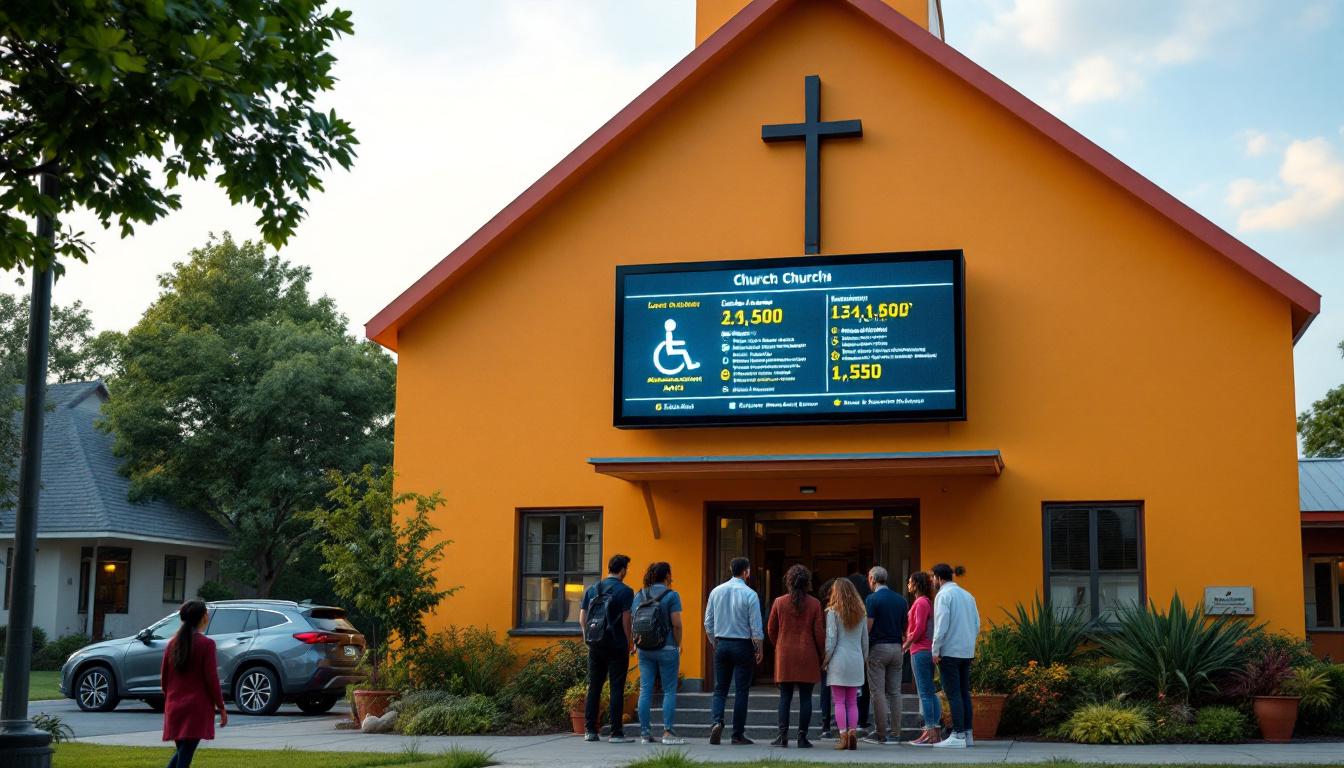
Many businesses and universities use LED signs for internal communication and branding. Digital signage can display event schedules, announcements, and motivational messages, fostering a connected community environment.
In corporate settings, LED displays can also serve as wayfinding tools, helping visitors navigate large campuses efficiently.
Key Considerations When Choosing an Outdoor LED Display
Resolution and Pixel Pitch
The resolution of an LED display is determined by its pixel pitch—the distance between the centers of adjacent pixels. A smaller pixel pitch means higher resolution and sharper images, which is crucial for displays viewed from close distances.
For roadside billboards, a pixel pitch of 10mm to 20mm is common, as viewers are typically far away. For pedestrian-facing signs, a pixel pitch of 2mm to 6mm ensures crisp visuals. Selecting the right pixel pitch balances image quality with cost.
Brightness and Ambient Light Adaptation
Brightness requirements vary depending on the installation environment. Signs exposed to direct sunlight need higher brightness levels, whereas those in shaded or nighttime settings require less to avoid glare.
Modern LED displays often include ambient light sensors that automatically adjust brightness, optimizing visibility while conserving energy.
Size and Viewing Distance
The physical size of the LED display should correspond to the typical viewing distance. Larger signs are necessary for highway advertising, while smaller, more detailed displays suit pedestrian areas.
As a rule of thumb, the minimum viewing distance (in meters) should be roughly equal to the pixel pitch (in millimeters) multiplied by 100. For example, a 10mm pixel pitch display is best viewed from 10 meters or more.
Installation and Maintenance
Consider the installation environment, including mounting options, power availability, and accessibility for maintenance. Outdoor LED signs require periodic cleaning and inspection to maintain optimal performance.
Choosing a modular LED display system allows for easier repairs and upgrades, minimizing downtime and service costs.
Regulatory Compliance and Permits
Local regulations often govern the placement, brightness, and content of outdoor digital signs. It is essential to consult municipal guidelines and obtain necessary permits before installation. Compliance ensures legal operation and avoids fines or forced removal.
The Future of Digital Outdoor LED Displays
Advancements in Technology
Emerging technologies promise to enhance LED displays further. MicroLED technology, for instance, offers even higher brightness and energy efficiency with improved color accuracy. Transparent and flexible LED panels are expanding creative possibilities for architects and designers.
Integration with artificial intelligence and IoT enables smarter content management, audience analytics, and interactive experiences. For example, facial recognition and demographic analysis can tailor advertisements to the viewer’s profile in real time.
Sustainability and Environmental Impact
As sustainability becomes a priority, LED manufacturers are focusing on eco-friendly materials and energy-saving features. Solar-powered LED signs and low-power consumption designs reduce environmental footprints, aligning with corporate social responsibility goals.
Expanding Applications
The versatility of LED displays is driving adoption in new sectors such as healthcare, where outdoor signs can provide health alerts and vaccination information, and smart cities, where integrated displays contribute to urban management and citizen engagement.
Conclusion
Digital outdoor LED displays have transformed public communication by combining high visibility, dynamic content, and durability. Their applications span advertising, transportation, entertainment, and more, offering unparalleled flexibility and impact.
Understanding the technology, benefits, and key considerations is essential for selecting the right LED display tailored to specific needs and environments. As innovations continue to emerge, LED signage will remain a vital tool for effective outdoor communication well into the future.
Illuminate Your Message with LumenMatrix
Ready to elevate your outdoor communication with vibrant, energy-efficient, and dynamic LED displays? Discover the full range of innovative solutions from LumenMatrix, where cutting-edge technology meets creative design. Whether you need an Indoor LED Wall Display for your retail space, a robust Outdoor LED Wall Display for high-impact advertising, or any of our specialized LED solutions, LumenMatrix is committed to revolutionizing your visual storytelling. Check out LumenMatrix LED Display Solutions today and transform how you connect with your audience.