In the evolving landscape of advertising and public communication, digital outdoor signs have become a vital tool for businesses, municipalities, and event organizers. Among these, LED displays stand out due to their brightness, versatility, and dynamic content capabilities. However, understanding the cost structure of LED digital signs can be complex, influenced by various technical and practical factors.
This article delves into the components that determine the cost of digital outdoor LED signs, explores the benefits they offer, and provides insights to help decision-makers invest wisely in this impactful form of communication.
Understanding LED Digital Outdoor Signs
What Are LED Outdoor Signs?
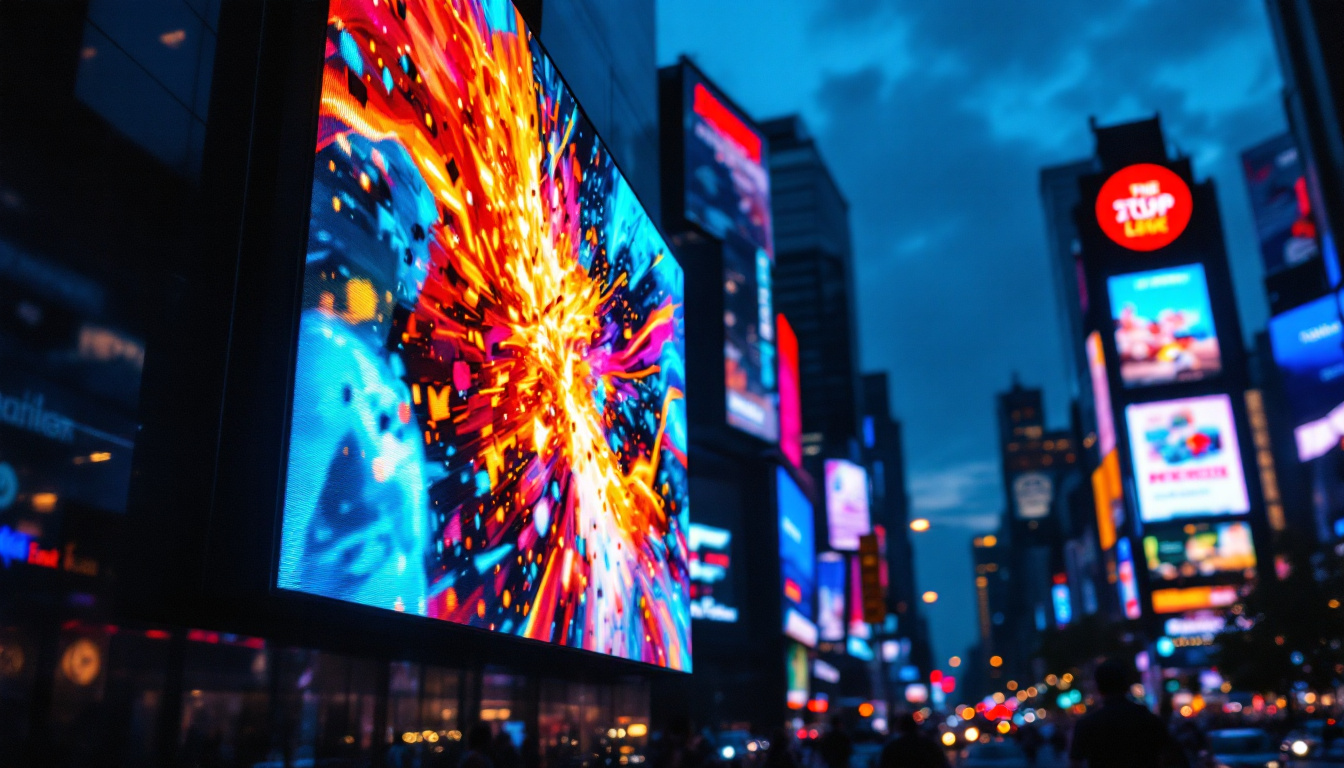
LED (Light Emitting Diode) outdoor signs are electronic displays that use LED technology to present text, images, and videos. Unlike traditional static signs, LED signs can be programmed to change content frequently, making them ideal for advertising promotions, public announcements, and event information. This dynamic capability allows businesses and organizations to keep their messaging fresh and relevant, engaging passersby with timely updates and eye-catching visuals.
These signs are designed to withstand outdoor conditions, including weather elements such as rain, wind, and sunlight, while maintaining visibility and brightness. The modular nature of LED panels allows for a wide range of sizes and resolutions, tailored to specific needs. For instance, a large stadium may utilize a massive LED screen to display live events and scores, while a small retail store might opt for a compact sign to promote daily specials. This versatility makes LED signs a popular choice across various industries, from retail and hospitality to education and transportation.
Key Features of LED Displays
Several features distinguish LED outdoor signs from other digital signage technologies:
- Brightness and Visibility: LED signs offer high brightness levels, often exceeding 5,000 nits, ensuring readability even in direct sunlight. This feature is particularly important for businesses located in sunny climates or areas with high foot traffic, where visibility can significantly impact customer engagement.
- Energy Efficiency: LEDs consume less power compared to other light sources, reducing operational costs. This energy efficiency not only benefits the environment but also allows businesses to allocate resources more effectively, potentially increasing their return on investment over time.
- Durability: Designed for outdoor use, these signs typically have IP65 or higher ratings, protecting against dust and water ingress. This durability ensures that the signs remain functional and visually appealing for years, even in harsh weather conditions.
- Dynamic Content: Ability to display videos, animations, and real-time updates. This feature enables businesses to engage their audience with compelling storytelling, making advertisements more memorable and effective.
- Customization: Flexible sizes, pixel pitches, and resolutions to suit different viewing distances and applications. This customization allows businesses to create tailored experiences that resonate with their target audience, whether it’s a high-resolution display for close-up viewing or a larger sign meant for long-distance visibility.
Moreover, the integration of smart technology into LED outdoor signs is revolutionizing the way businesses communicate with their audiences. Many modern displays can be connected to the internet, enabling real-time content updates and remote management. This connectivity allows for the scheduling of content changes, ensuring that the right message is delivered at the right time without the need for physical intervention. Additionally, advanced analytics can be employed to track viewer engagement, providing valuable insights into the effectiveness of various campaigns and helping businesses refine their marketing strategies.
In addition to their commercial applications, LED outdoor signs are increasingly being used in public spaces for informational and directional purposes. Cities and municipalities are adopting these displays to provide real-time updates on traffic conditions, weather alerts, and community events, enhancing public safety and awareness. The ability to quickly disseminate important information can be crucial during emergencies, making LED signs an invaluable tool for urban management and communication.
Factors Influencing the Cost of LED Outdoor Signs
Size and Resolution
One of the most significant cost drivers is the physical size of the LED display. Larger signs require more LED modules, increasing material and assembly costs. For example, a 10-foot by 5-foot sign will generally cost substantially more than a 5-foot by 3-foot sign. The size not only affects the initial investment but also the visibility and impact of the message being conveyed. Larger displays can capture the attention of passersby from a greater distance, making them particularly effective for businesses in high-traffic areas.
Resolution, determined by pixel pitch (the distance between individual LEDs), also impacts cost. A smaller pixel pitch means higher resolution and sharper images but requires more LEDs per square foot, raising the price. Outdoor signs typically range from 4mm to 20mm pixel pitch, with finer pitches used for closer viewing distances. This means that for venues like stadiums or concert halls, where viewers are often nearer to the display, investing in a higher resolution can significantly enhance the viewer experience, making it worth the extra expenditure.
Type of LEDs and Panel Quality
The quality and type of LEDs used influence both the initial cost and the longevity of the sign. Premium LEDs offer better color accuracy, brightness, and energy efficiency but come at a higher price. Additionally, the quality of the LED panels—such as the frame material, waterproofing, and heat dissipation features—affects durability and maintenance costs. Investing in high-quality panels can result in fewer replacements and repairs over time, ultimately saving money in the long run. Furthermore, the choice of LED technology, such as SMD (Surface-Mounted Device) versus DIP (Dual In-line Package), can also impact the visual performance and suitability for various weather conditions.
Moreover, the environmental factors in which the sign will operate should be considered. For instance, signs exposed to extreme temperatures or heavy rainfall will benefit from robust materials and superior sealing techniques, which may increase upfront costs but ensure longevity and reliability, reducing the likelihood of failure during critical advertising periods.
Control Systems and Software
LED signs require control systems to manage content display. Basic models might use simple USB or Wi-Fi controllers, while advanced signs integrate cloud-based software allowing remote updates, scheduling, and analytics. The complexity and licensing fees of these control systems add to the overall cost. Advanced systems not only facilitate real-time content changes but also provide valuable data analytics, enabling businesses to track viewer engagement and optimize their advertising strategies. This capability can be particularly beneficial for businesses looking to tailor their messages based on time of day or audience demographics.
Additionally, the integration of smart technology, such as sensors that adjust brightness based on ambient light, can further enhance the effectiveness of the display while also contributing to energy savings. These sophisticated features, while adding to initial costs, can lead to lower operational expenses and a higher return on investment over time.
Installation and Infrastructure
Installation costs can vary widely depending on location, mounting requirements, and electrical infrastructure. For instance, signs mounted on building facades might need custom brackets, scaffolding, or permits, increasing labor expenses. Additionally, power supply setup and data connectivity must be considered. The complexity of installation can also be influenced by local regulations and zoning laws, which may require specific permits or inspections before a sign can be erected. Understanding these requirements upfront can help businesses avoid unexpected costs and delays.
Furthermore, the choice of installation location can impact visibility and effectiveness. A well-placed sign that is easily seen from a distance can drive more foot traffic, while a poorly positioned sign may not justify its cost. Therefore, businesses should conduct thorough site assessments and possibly consult with professionals to ensure optimal placement and installation practices.
Maintenance and Operating Costs
While LED signs are generally low-maintenance, periodic servicing is necessary to ensure optimal performance. Maintenance costs include cleaning, software updates, and potential repairs. Energy consumption, although efficient, contributes to ongoing operational expenses, particularly for large, high-brightness displays. Regular maintenance not only prolongs the lifespan of the sign but also ensures that the displayed content remains vibrant and engaging, which is crucial for attracting customers.
Additionally, some manufacturers offer warranties and service packages that can help mitigate long-term maintenance costs. These packages may include routine check-ups, software support, and priority repairs, providing peace of mind for business owners. Investing in such services can ultimately lead to a more reliable display that consistently performs at its best, enhancing the overall effectiveness of the advertising strategy.
Typical Cost Ranges for LED Outdoor Signs
Small to Medium-Sized Signs
For businesses seeking to enhance storefront visibility or advertise promotions, small to medium LED signs (around 3 to 10 square feet) are common. Prices for these units typically range from $5,000 to $20,000 depending on resolution and features.
For example, a 4-foot by 2-foot sign with a 10mm pixel pitch might cost approximately $7,000, including basic installation and control software. This size suits retail shops, restaurants, and service providers aiming for local foot traffic engagement.
Large Format Displays
Large outdoor LED displays, often used by shopping centers, stadiums, or along highways, can cover hundreds of square feet. Costs for these signs can start at $50,000 and exceed $500,000 for ultra-high resolution, large-scale installations.
A 20-foot by 10-foot sign with a 6mm pixel pitch designed for visibility at a distance could cost around $150,000, including installation and advanced control systems. These displays are ideal for high-impact advertising and public messaging in busy urban environments.
Additional Cost Considerations
Besides the initial purchase and installation, budgeting for permits, insurance, and potential structural modifications is essential. Some municipalities require permits for digital signage, which can add several hundred to thousands of dollars to the project cost.
Benefits of Investing in LED Digital Outdoor Signs
Enhanced Visibility and Engagement
LED signs attract attention more effectively than static signs due to their brightness and dynamic content capabilities. Studies show that digital signs can increase customer engagement by up to 400%, significantly boosting brand awareness and sales.
Flexibility and Real-Time Updates
Unlike traditional signage, LED displays allow instant content changes. Businesses can promote flash sales, update hours, or display emergency messages without additional printing or installation costs. This flexibility is invaluable in fast-paced retail and event environments.
Long-Term Cost Efficiency
Although the upfront investment may be higher than traditional signs, LED displays offer lower maintenance and replacement costs over time. Their energy efficiency and durability contribute to reduced operational expenses, making them cost-effective in the long run.
Environmental Advantages
LED technology is more environmentally friendly compared to neon or fluorescent lighting, consuming less power and containing no hazardous materials. For organizations committed to sustainability, digital LED signs support green initiatives.
Tips for Choosing the Right LED Outdoor Sign
Assess Your Viewing Distance and Location
The pixel pitch and size of the LED sign should correspond to the typical viewing distance. For example, a sign viewed primarily by pedestrians requires higher resolution (smaller pixel pitch) than one seen from a highway.
Consider Content Needs and Control Features
Determine whether you need simple text updates or complex video and animation capabilities. Choose control software that matches your technical comfort level and content scheduling requirements.
Evaluate Total Cost of Ownership
Look beyond the initial price to consider installation, maintenance, energy consumption, and potential permit fees. Request detailed quotes and warranties from reputable suppliers to avoid hidden costs.
Check Local Regulations
Digital signage is subject to local zoning laws and ordinances. Verify restrictions on brightness, size, and content to ensure compliance and avoid fines or forced removal.
Conclusion
Digital outdoor LED signs represent a powerful medium for communication and advertising, combining visibility, flexibility, and efficiency. Understanding the factors that influence their cost is crucial for making an informed investment that aligns with business goals and budget constraints.
From small storefront displays to large-scale digital billboards, LED technology offers scalable solutions adaptable to diverse needs. By carefully evaluating size, resolution, installation, and operational considerations, organizations can maximize the return on their digital signage investment and create impactful visual experiences that resonate with their audiences.
Discover LumenMatrix LED Display Solutions
Ready to elevate your advertising and communication strategy with high-impact LED displays? LumenMatrix offers a comprehensive range of innovative LED display solutions tailored to your unique needs. From vibrant outdoor billboards to interactive floor displays, our technology is designed to captivate your audience and amplify your message. Experience the future of visual engagement with LumenMatrix and transform the way you connect with your community. Check out LumenMatrix LED Display Solutions today and take the first step towards a brighter, more dynamic display presence.