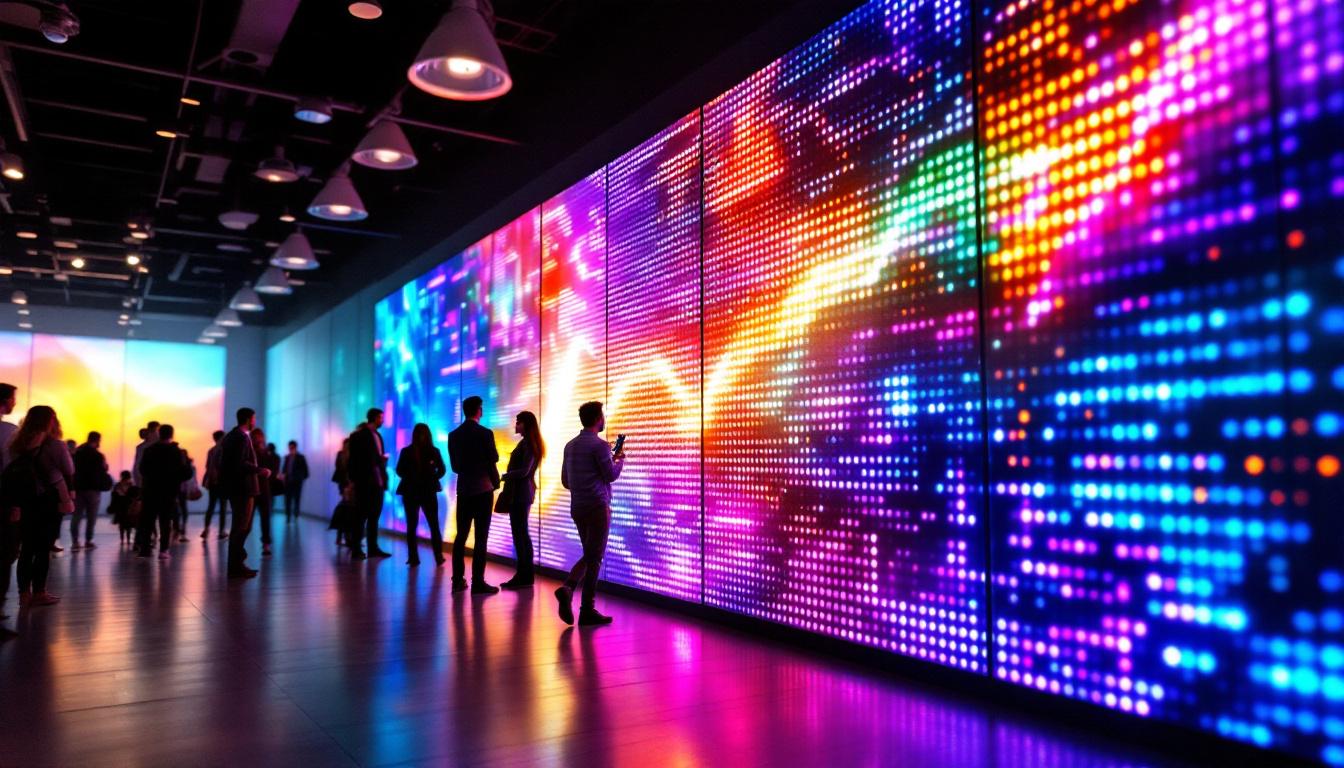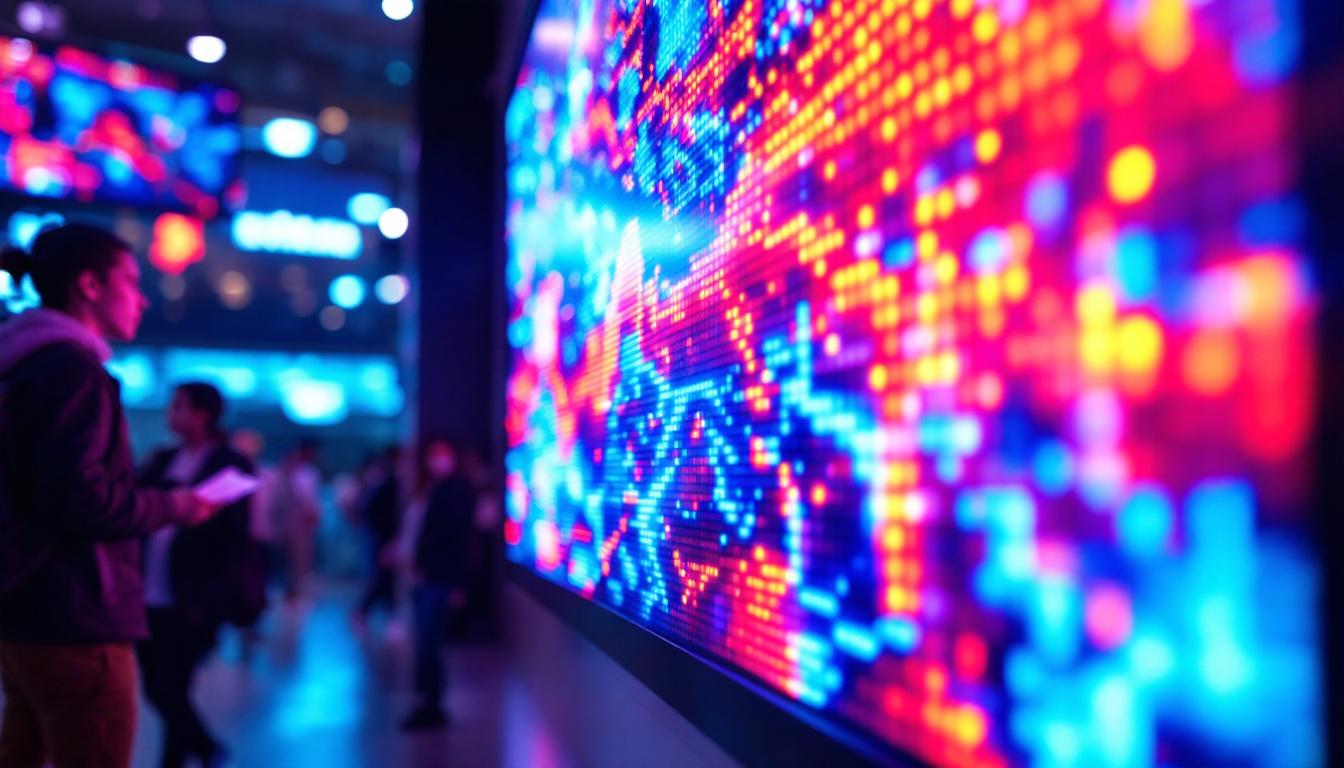
In today’s fast-paced digital world, LED displays have become an integral part of how businesses, advertisers, and event organizers communicate visually. Among the various types of LED technologies, Direct View LED Displays, often abbreviated as D.V.S (Direct View Screens), stand out for their vibrant colors, high brightness, and flexibility in size and shape. This article delves deep into what D.V.S LED displays are, how they work, their advantages, and their applications across different industries.
Understanding Direct View LED Displays
What is a Direct View LED Display?
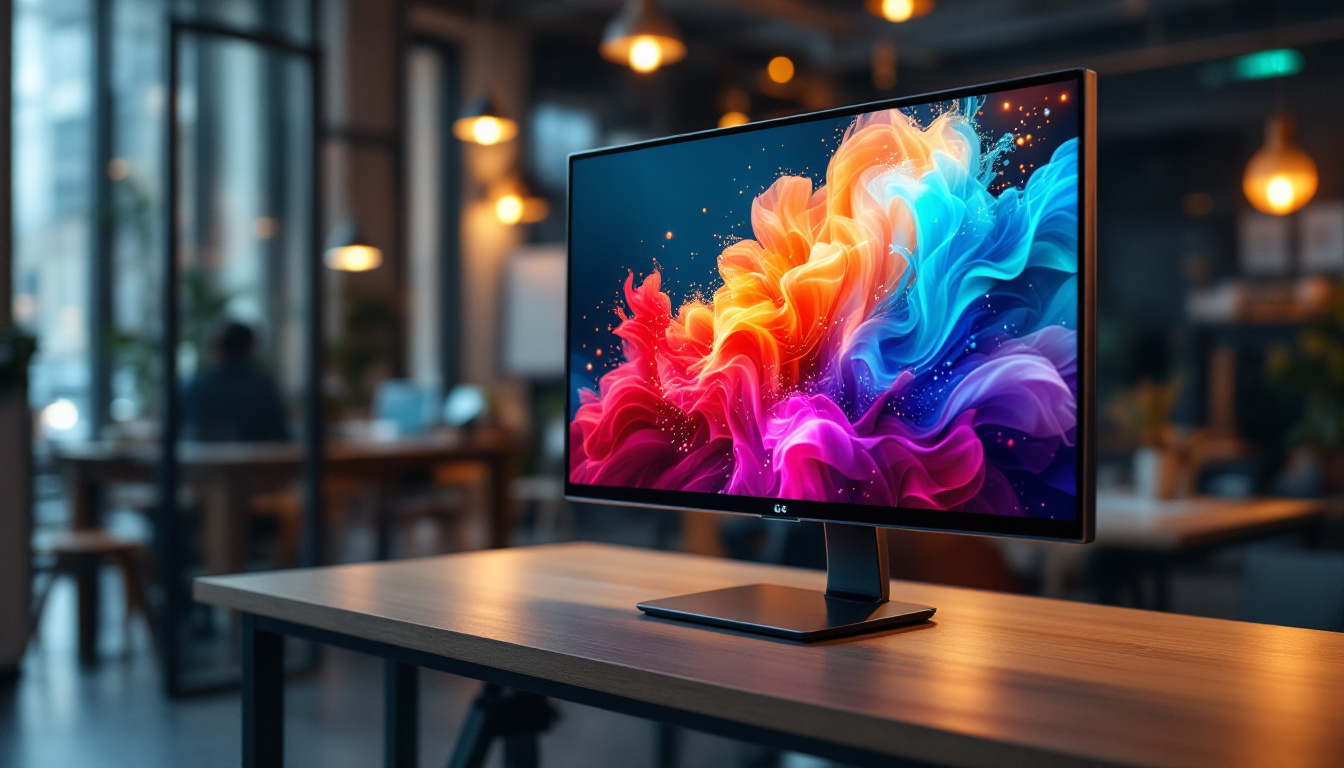
A Direct View LED (D.V.S) display is a type of screen that uses individual light-emitting diodes (LEDs) as pixels to create images. Unlike traditional LCD or projection screens that rely on backlights or external light sources, D.V.S displays emit their own light directly from each pixel. This fundamental difference results in superior brightness, contrast, and color accuracy.
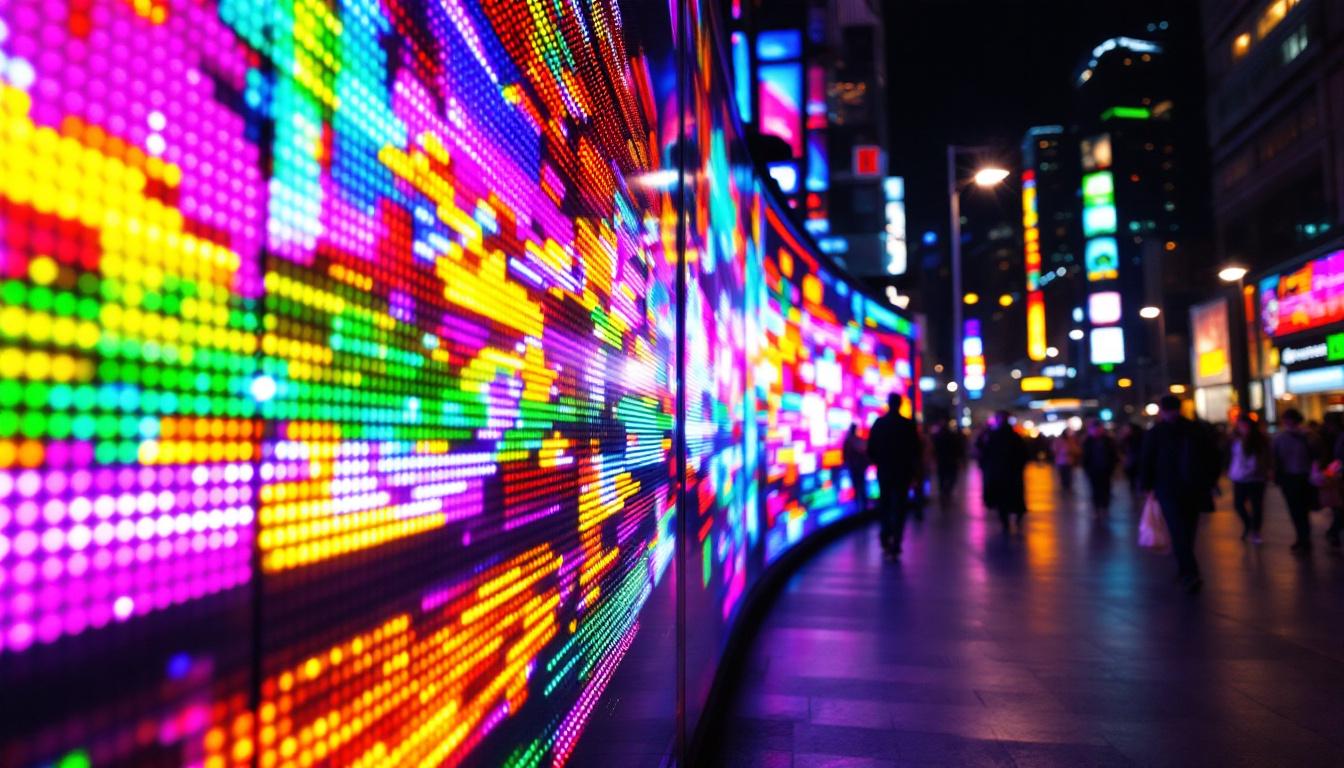
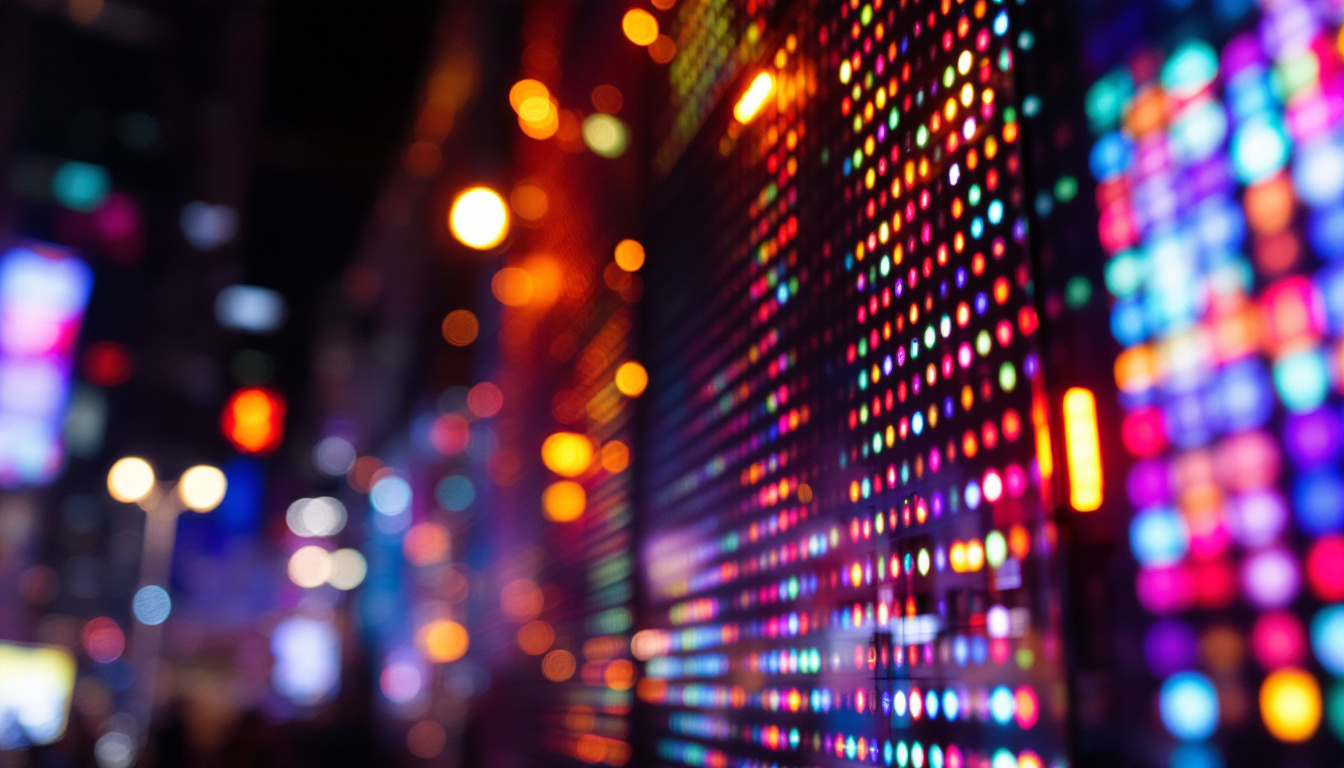
Each pixel in a D.V.S display is composed of one or more tiny LEDs, often red, green, and blue, which combine to produce a full spectrum of colors. Because the light is generated directly from the screen surface, these displays can be viewed clearly even in bright outdoor environments. This makes D.V.S displays particularly popular for outdoor advertising, concerts, and sporting events where visibility is crucial. Additionally, their thin profile and lightweight design allow for versatile installation options, enabling creative configurations that can enhance the visual experience in any setting.
How Does D.V.S Technology Work?
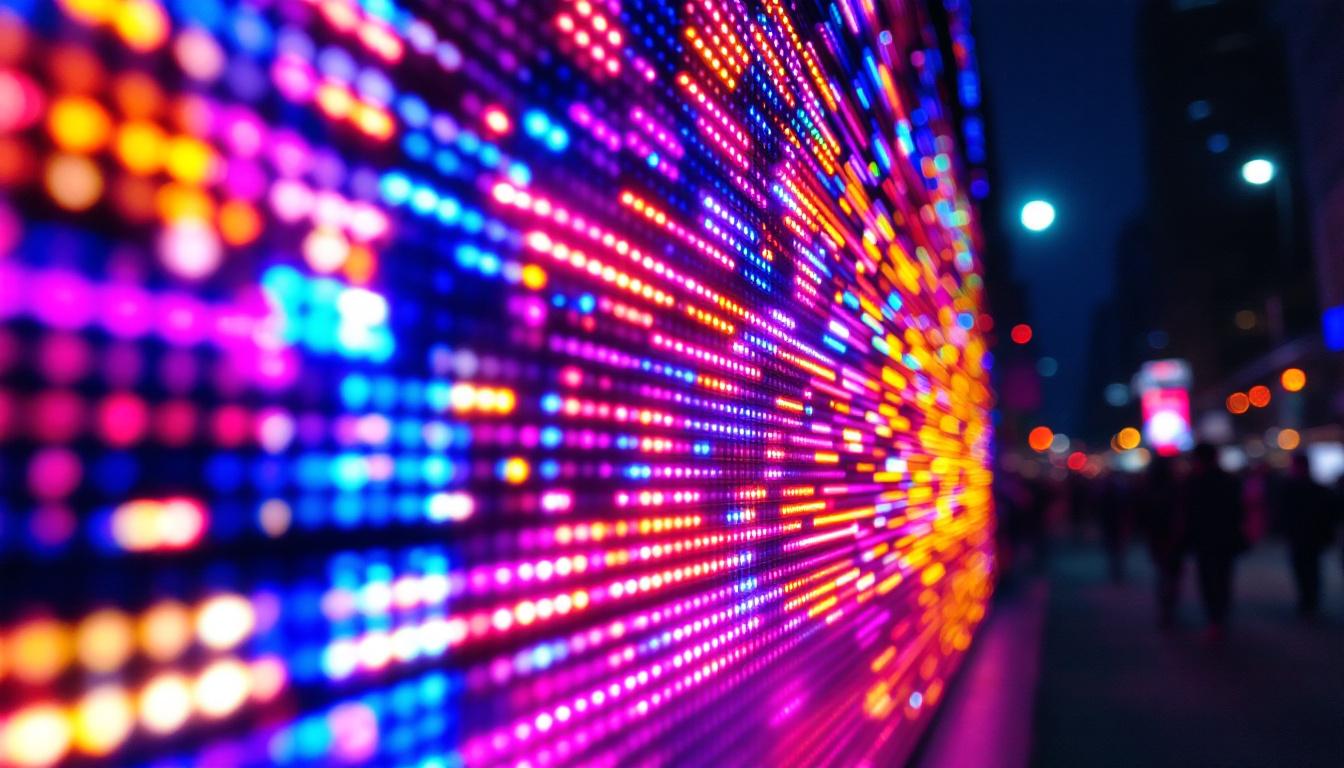
At the core of D.V.S technology is the LED module, which contains an array of LEDs arranged in a grid pattern. These modules are connected to a control system that manages the color and intensity of each LED to form images and videos.
The control system processes digital signals and translates them into electrical impulses that power the LEDs. By adjusting the brightness of the red, green, and blue LEDs in each pixel, the system can create millions of colors. The refresh rate, pixel pitch, and resolution of the display determine the clarity and smoothness of the image. Furthermore, advancements in D.V.S technology have led to the development of features such as high dynamic range (HDR), which enhances the depth and detail of images by allowing for a greater range of brightness levels. This capability is particularly beneficial in applications such as digital signage, where capturing the audience’s attention is paramount. The modular design of D.V.S displays also allows for easy maintenance and upgrades, ensuring that they can adapt to evolving technological standards and user needs.
Key Features and Benefits of D.V.S LED Displays
High Brightness and Visibility
One of the most significant advantages of D.V.S LED displays is their exceptional brightness, often reaching up to 5,000 nits or more. This makes them highly visible even in direct sunlight, which is why they are commonly used for outdoor advertising billboards, stadium screens, and public information displays.
Unlike LCD screens, which can suffer from glare and reflection issues, D.V.S displays maintain consistent visibility regardless of ambient lighting conditions. This ensures that messages are conveyed clearly to audiences at any time of day.
Superior Color Accuracy and Contrast
Because each LED emits light independently, D.V.S displays offer excellent color accuracy and deep blacks. The ability to turn off individual LEDs completely allows for true black levels, resulting in high contrast ratios that enhance image depth and realism.
This feature is particularly important for applications requiring vibrant and lifelike visuals, such as digital art installations, concert backdrops, and high-end retail signage.
Flexible Size and Shape
D.V.S LED displays are modular, meaning they can be assembled from multiple panels to create virtually any size or shape. This flexibility enables designers and engineers to customize displays for unique architectural spaces, curved surfaces, or irregularly shaped installations.
From massive outdoor screens spanning hundreds of square meters to compact indoor displays integrated into store interiors, D.V.S technology adapts seamlessly to diverse environments.
Energy Efficiency and Longevity
Modern LEDs are highly energy-efficient compared to traditional lighting and display technologies. D.V.S displays consume less power while delivering brighter images, reducing operational costs and environmental impact.
Additionally, LEDs have a long lifespan, often exceeding 100,000 hours of operation before significant degradation occurs. This durability makes D.V.S displays a cost-effective investment over time, requiring less frequent maintenance or replacement.
Applications of D.V.S LED Displays Across Industries
Advertising and Outdoor Signage
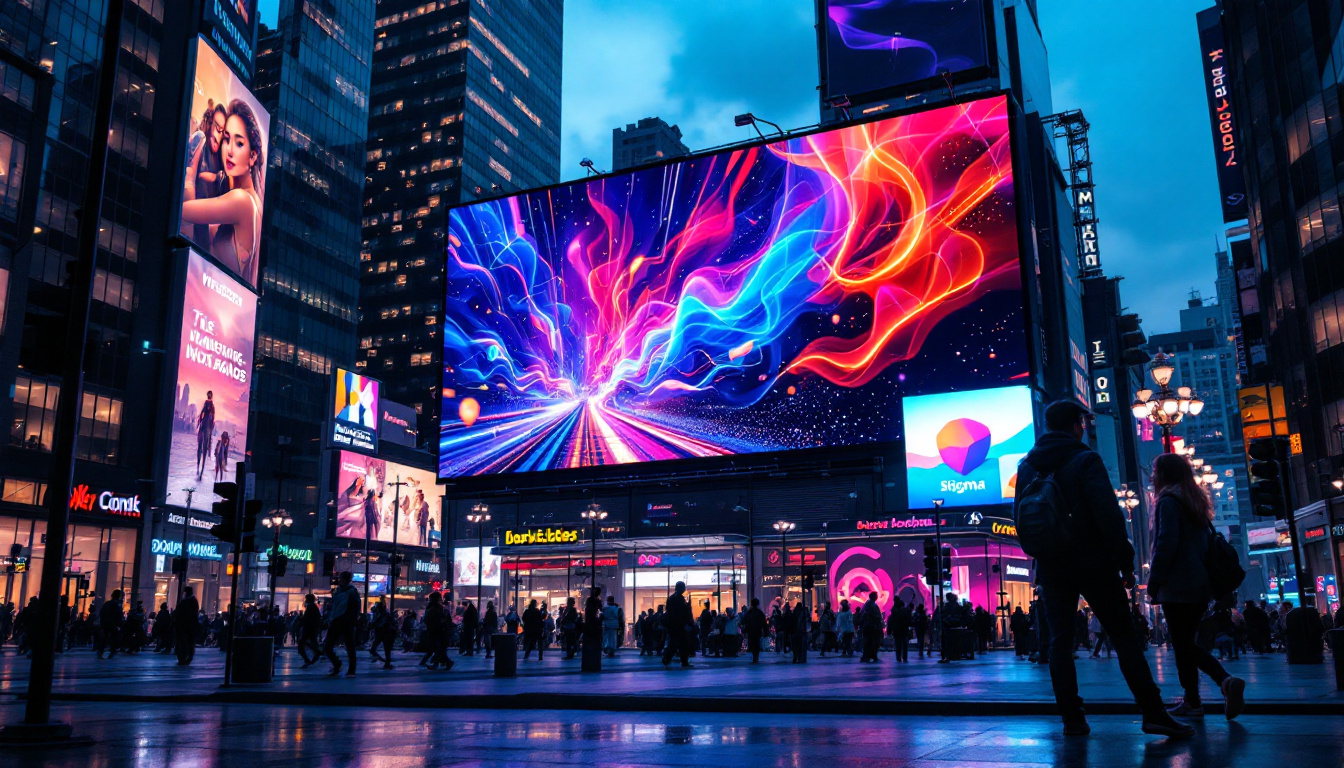
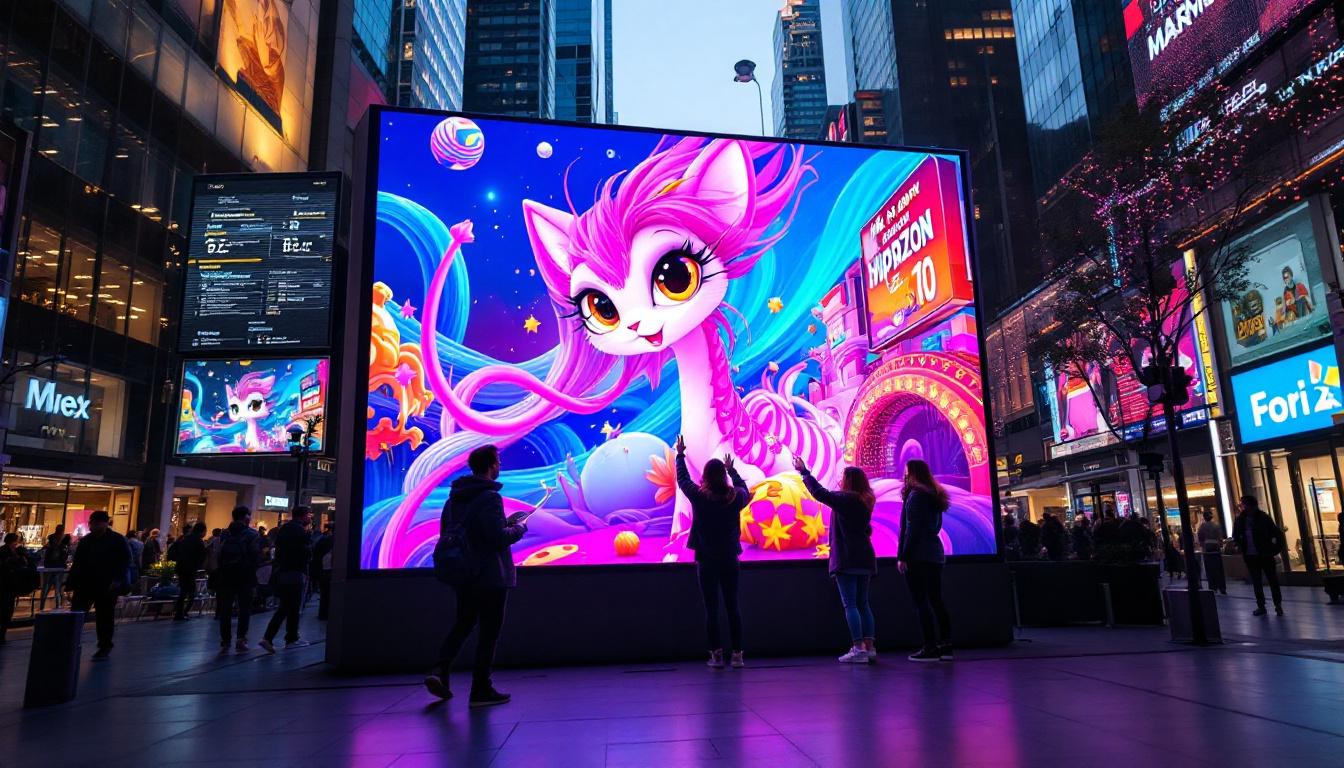
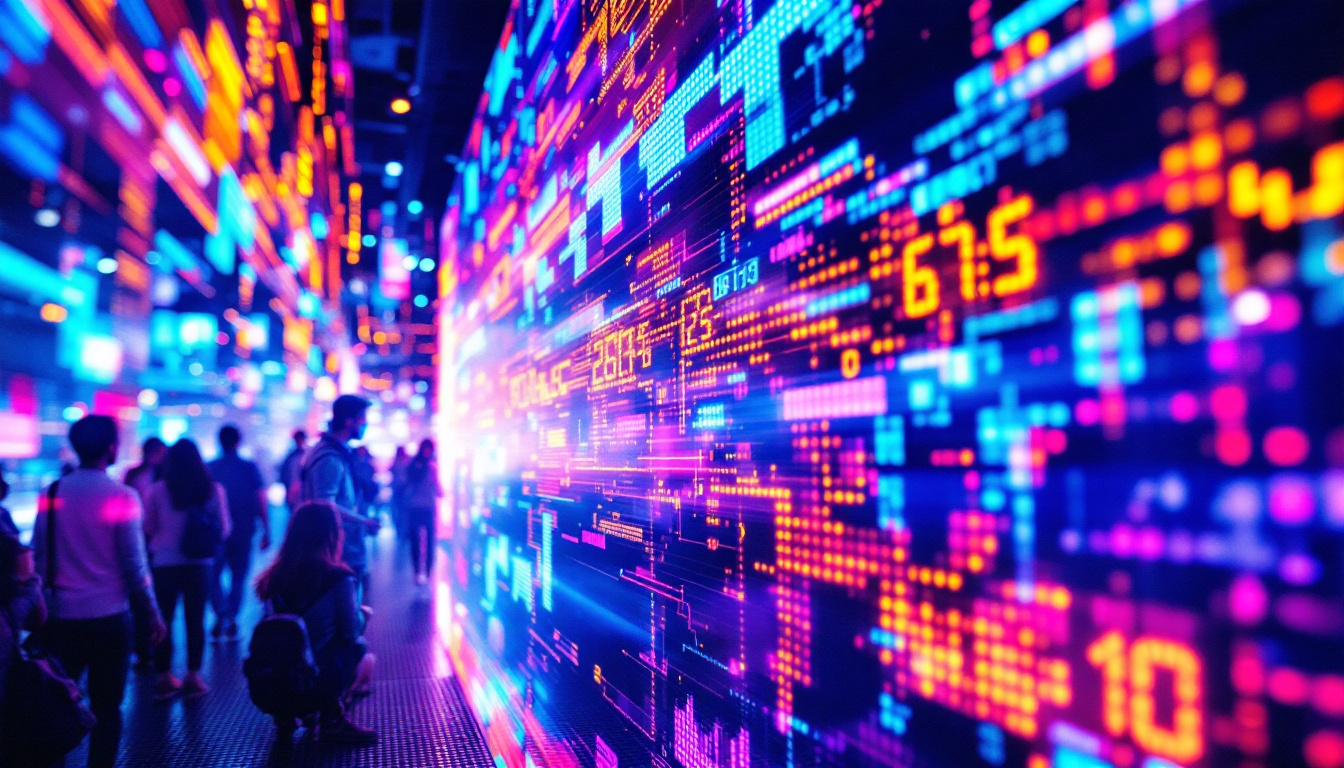
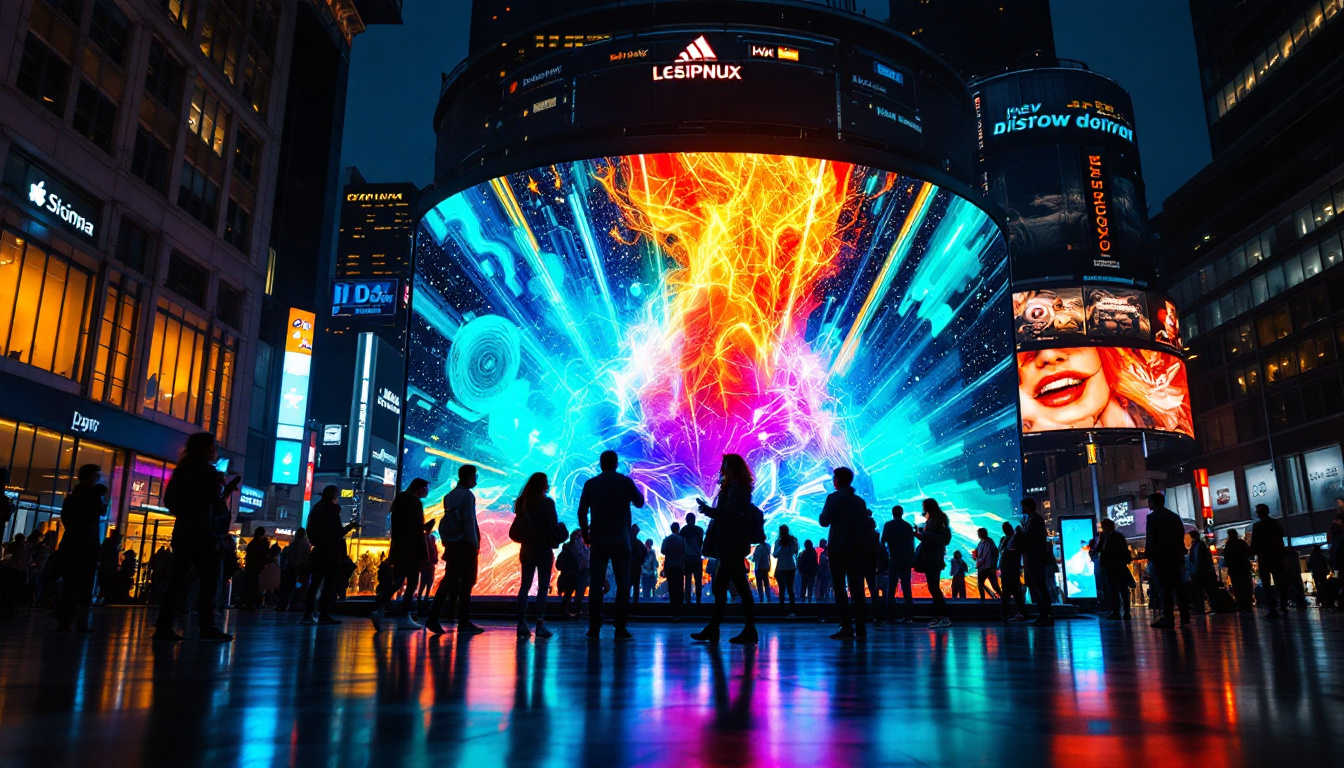
Advertising is one of the most prominent sectors utilizing D.V.S LED displays. Digital billboards equipped with D.V.S technology have revolutionized outdoor advertising by enabling dynamic, eye-catching content that can be updated remotely and in real-time.
According to recent market research, the global digital out-of-home advertising market is expected to grow at a CAGR of over 10% through 2027, driven largely by the adoption of LED display technology. Brands benefit from the ability to target specific audiences with tailored messages, enhancing engagement and return on investment.
Sports and Entertainment Venues
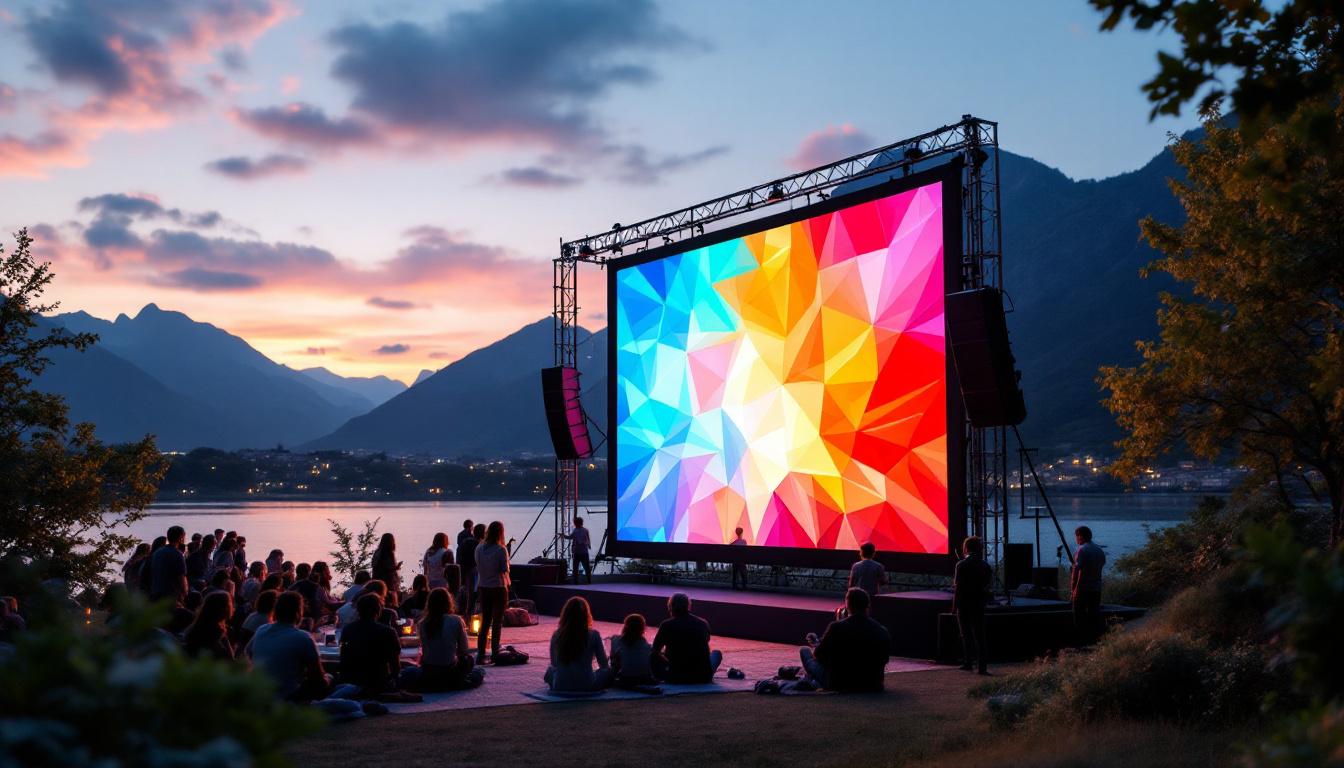
Stadiums, arenas, and concert venues rely heavily on D.V.S LED displays to provide fans with immersive viewing experiences. Large-scale screens display live action, replays, scores, and interactive content, contributing to the overall atmosphere and excitement.
The flexibility of D.V.S technology allows for creative installations such as curved screens wrapping around stadium interiors or massive video walls behind performers. These displays must withstand harsh environmental conditions while maintaining high performance, a challenge that D.V.S technology meets effectively.
Corporate and Retail Environments
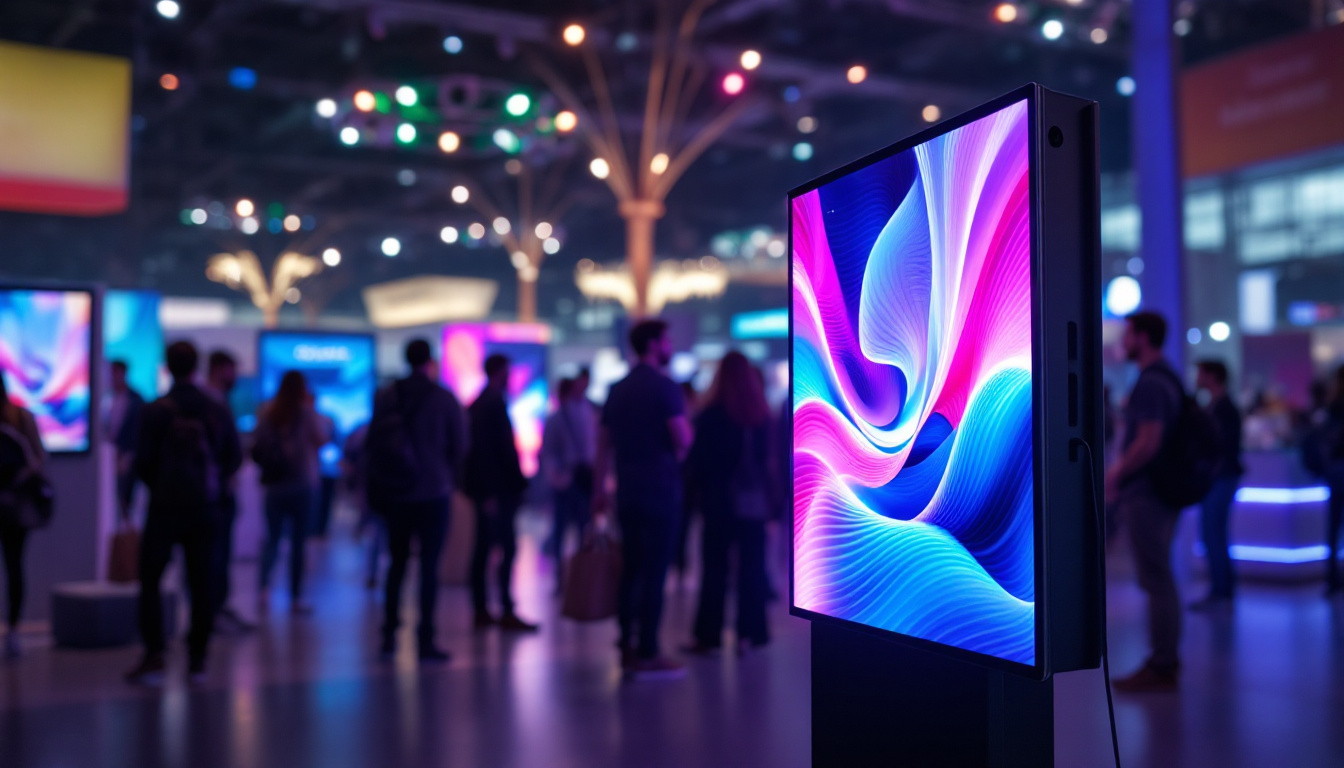
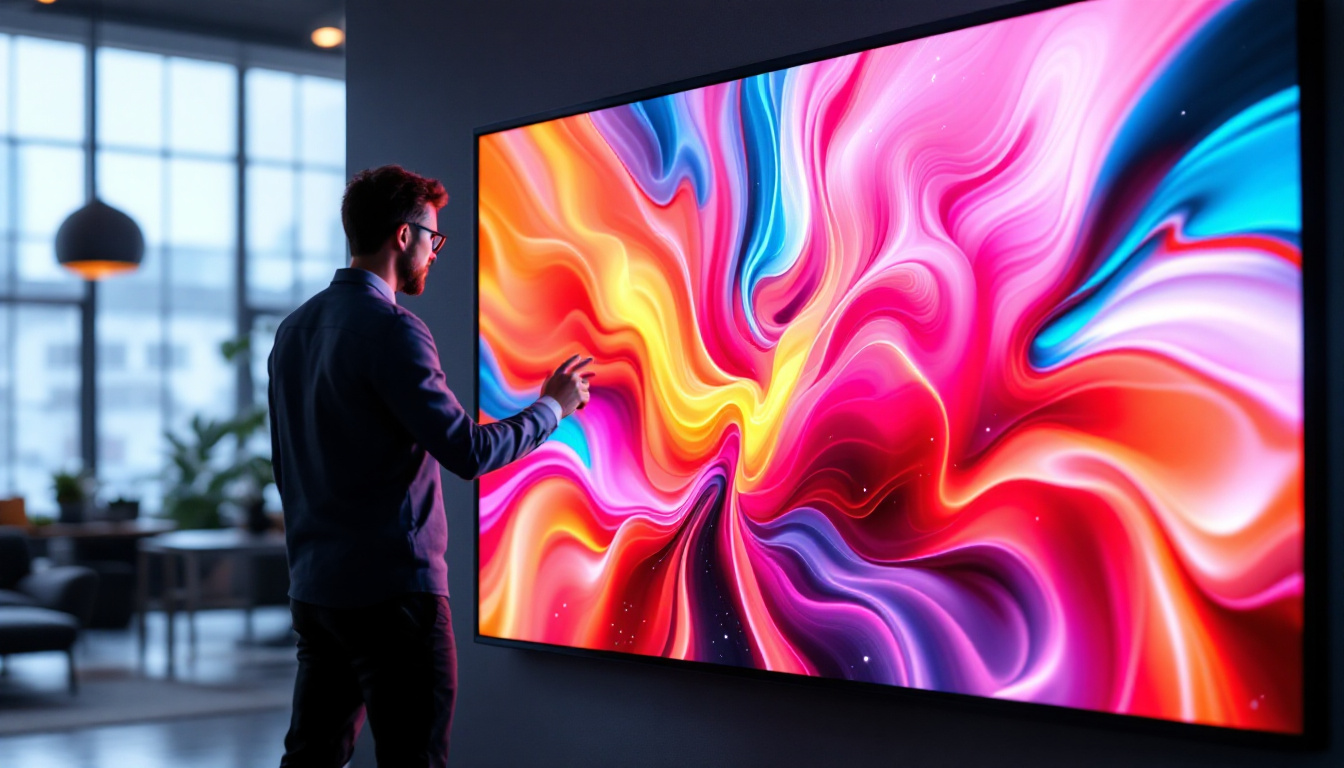
In corporate settings, D.V.S displays are used for presentations, digital signage, and branding. Their high resolution and brightness make them ideal for conference rooms, lobbies, and trade show booths.
Retailers leverage D.V.S displays to create engaging window displays, product promotions, and interactive experiences that attract customers and boost sales. The ability to update content quickly and remotely is a significant advantage in fast-moving retail environments.
Transportation and Public Information
Airports, train stations, and bus terminals use D.V.S LED displays to provide real-time information, directions, and safety messages. The clarity and visibility of these displays are critical for ensuring smooth passenger flow and effective communication.
Moreover, the durability and weather resistance of D.V.S screens make them suitable for outdoor transit stops and highway message boards, where reliable performance is essential.
Technical Considerations When Choosing a D.V.S LED Display
Pixel Pitch and Resolution
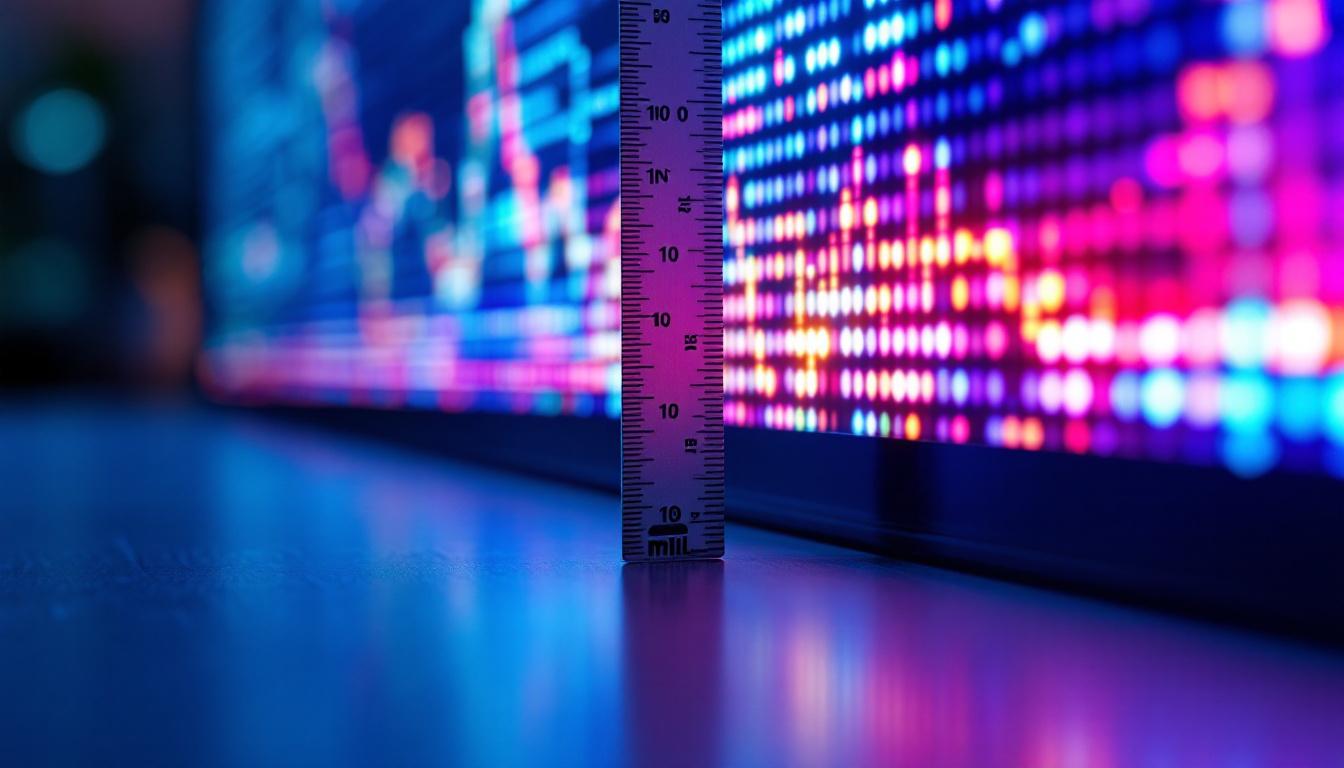
Pixel pitch refers to the distance between the centers of adjacent pixels, typically measured in millimeters. A smaller pixel pitch means higher pixel density, resulting in sharper images and finer detail. For indoor applications where viewers are close to the screen, pixel pitches as low as 1.2mm are common.
Outdoor displays usually have larger pixel pitches (e.g., 6mm to 20mm) because viewers are farther away, and higher brightness is prioritized over ultra-high resolution. Selecting the appropriate pixel pitch is crucial to balancing cost, image quality, and viewing distance.
Brightness and Contrast Ratio
Brightness is measured in nits, with higher values indicating a brighter screen. Outdoor D.V.S displays often require brightness levels above 4,000 nits to remain visible in daylight, while indoor displays typically operate at 800 to 1,200 nits.
The contrast ratio, which compares the luminance of the brightest white to the darkest black, affects image depth. A high contrast ratio ensures vivid visuals and is especially important for video content and detailed graphics.
Refresh Rate and Viewing Angle
The refresh rate, measured in Hertz (Hz), indicates how many times per second the image is updated. Higher refresh rates reduce flicker and motion blur, enhancing the viewing experience, particularly for video playback and live broadcasts.
Viewing angle determines how well the display can be seen from different positions. D.V.S LED displays typically offer wide viewing angles (up to 160 degrees or more), ensuring consistent image quality for viewers across a broad area.
Installation and Maintenance
Because D.V.S displays are modular, installation can be customized to the site’s requirements. However, considerations such as structural support, power supply, and ventilation are critical to ensure optimal performance and longevity.
Maintenance involves cleaning, calibration, and occasional replacement of faulty modules. Many modern D.V.S systems feature front-access designs, making maintenance easier without dismantling the entire display.
Future Trends in D.V.S LED Display Technology
MicroLED and MiniLED Innovations
Emerging technologies like MicroLED and MiniLED are pushing the boundaries of direct view displays. MicroLEDs are significantly smaller than traditional LEDs, allowing for even higher resolution and thinner panels. This technology promises improved energy efficiency, brightness, and lifespan.
While still in the early stages of commercial adoption, MicroLED displays are expected to revolutionize sectors such as consumer electronics, automotive displays, and premium digital signage within the next decade.
Integration with Smart Technologies
Integration of D.V.S displays with IoT (Internet of Things) and AI (Artificial Intelligence) is enabling smarter, more interactive screens. For example, facial recognition and audience analytics can tailor content dynamically based on viewer demographics or behavior.
Such advancements enhance user engagement and provide valuable data insights for advertisers and operators, driving more effective communication strategies.
Sustainability and Eco-Friendly Design
As environmental concerns grow, manufacturers are focusing on sustainable materials, energy-saving features, and recyclability in D.V.S LED display production. Innovations in low-power LEDs and smart brightness controls help reduce carbon footprints without compromising performance.
These efforts align with global trends toward greener technology and corporate social responsibility, appealing to environmentally conscious consumers and businesses alike.
Conclusion
Direct View LED displays represent a powerful and versatile technology that continues to transform visual communication across multiple industries. Their unmatched brightness, color fidelity, and adaptability make them ideal for everything from massive outdoor billboards to intricate indoor installations.
Understanding the technical aspects and potential applications of D.V.S LED displays enables businesses and organizations to make informed decisions when investing in digital signage solutions. As technology advances, these displays will become even more integrated, intelligent, and sustainable, shaping the future of how information and entertainment are delivered visually.
Illuminate Your Vision with LumenMatrix
Ready to elevate your visual communication with unparalleled brightness, color fidelity, and versatility? LumenMatrix is at the forefront of LED display innovation, offering a comprehensive range of solutions tailored to your needs. From Indoor and Outdoor LED Wall Displays to specialized options like Vehicle, Sports, and Floor LED Displays, our technology is designed to captivate and engage your audience. Discover the transformative power of our LED display modules and take the first step towards a more vibrant and dynamic visual experience. Check out LumenMatrix LED Display Solutions today and see your brand in a new light.