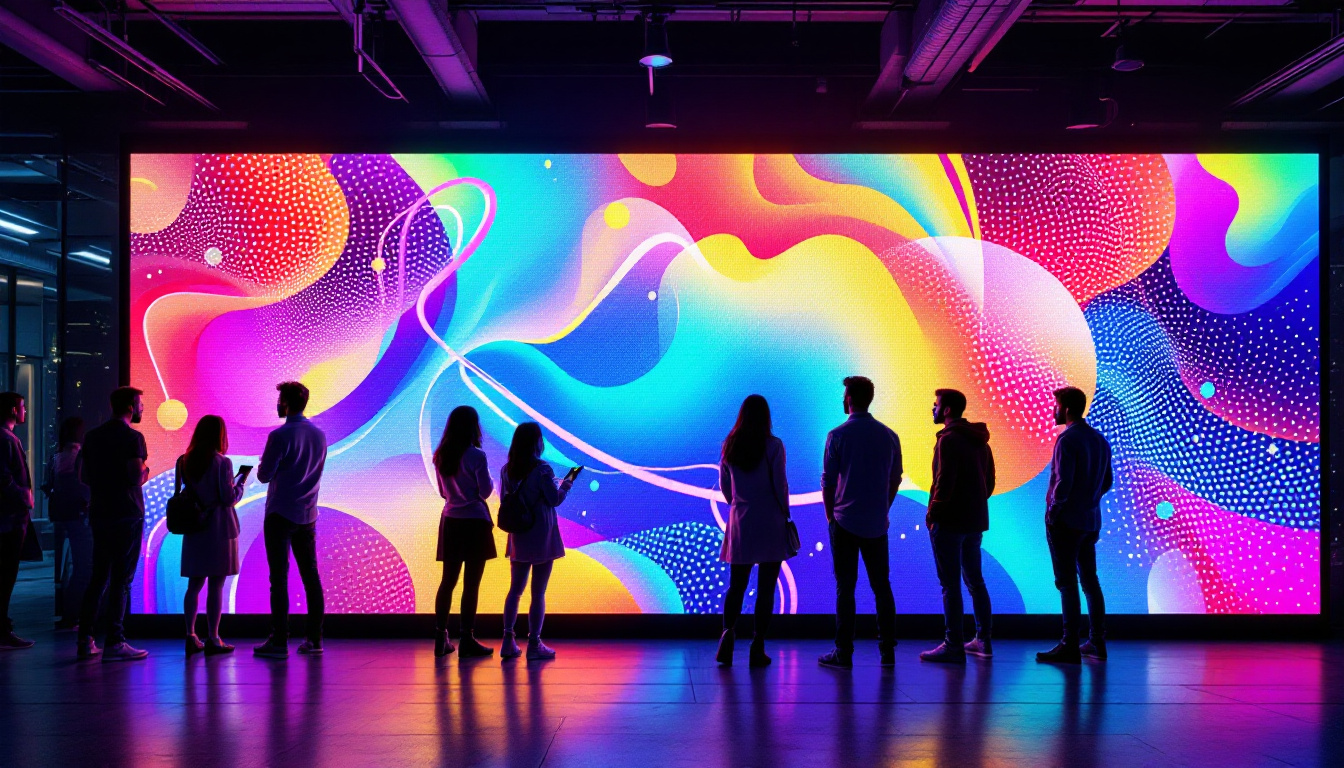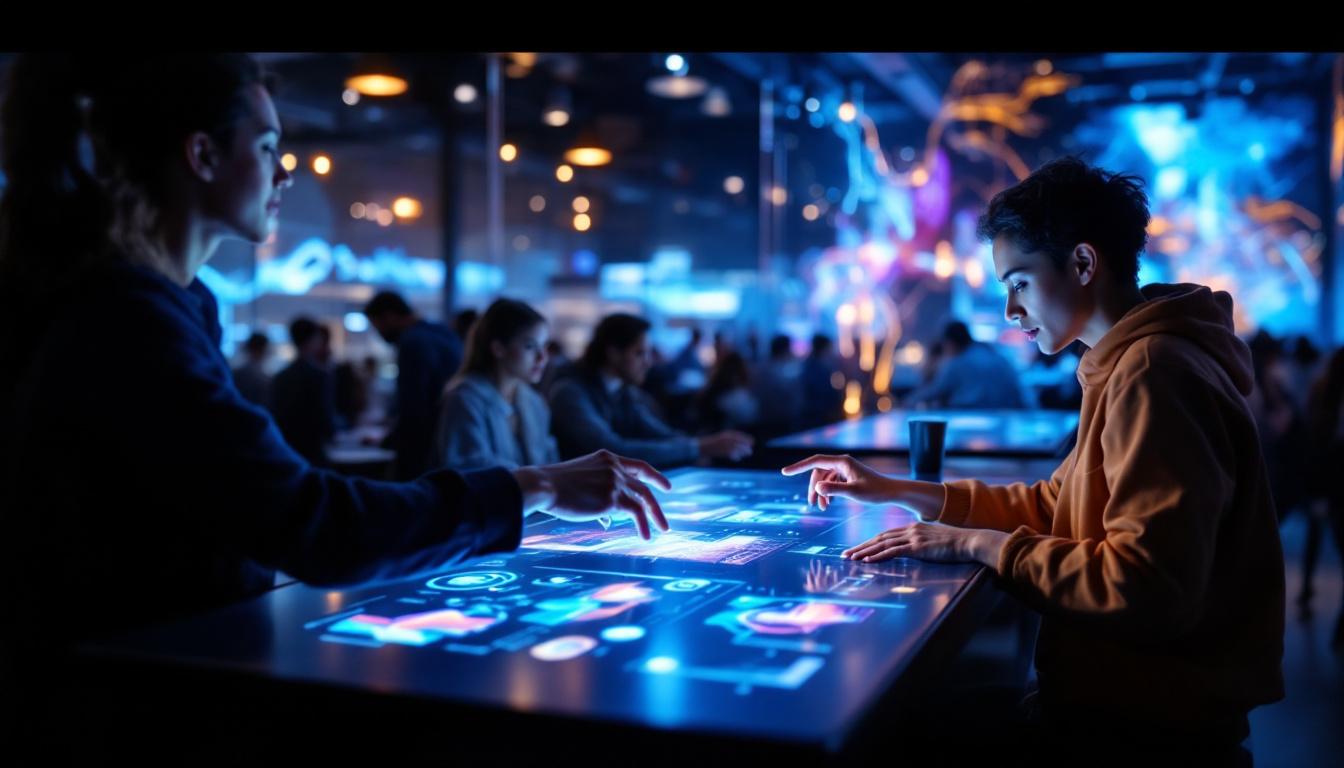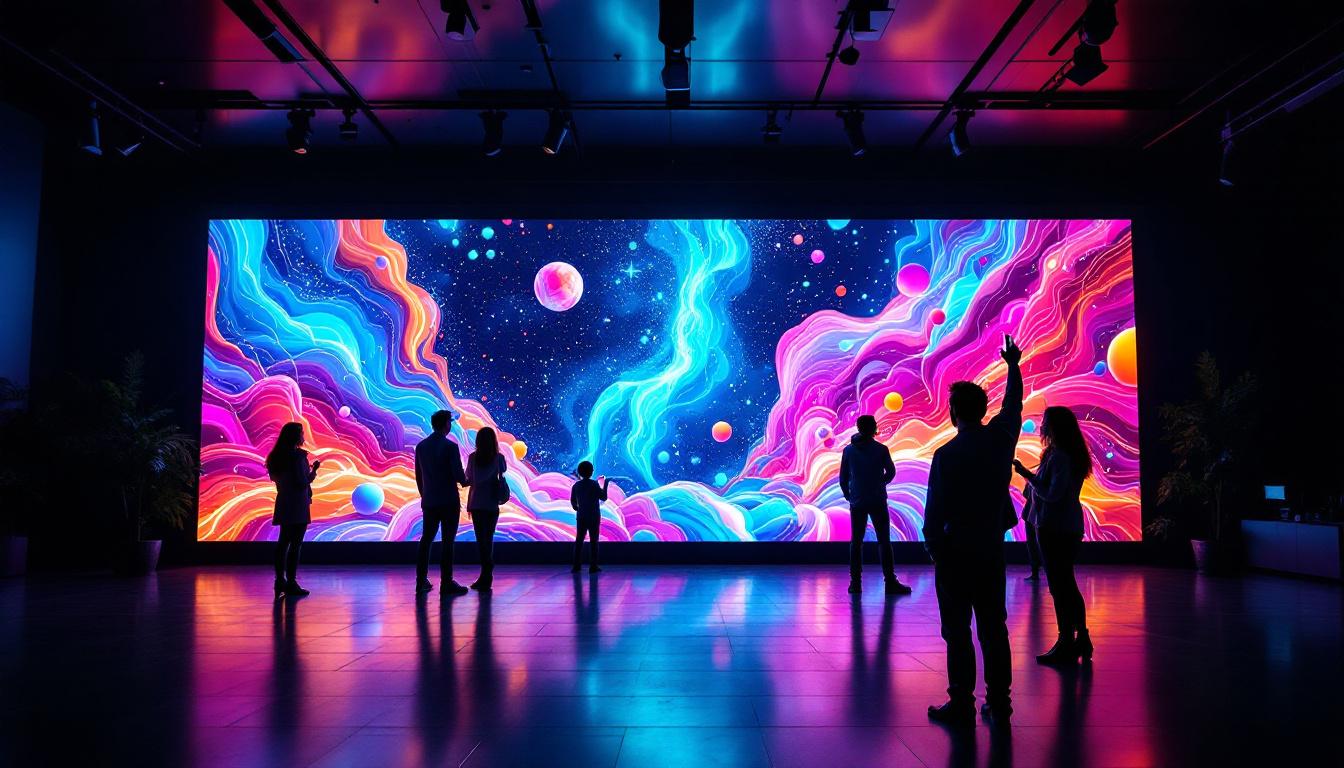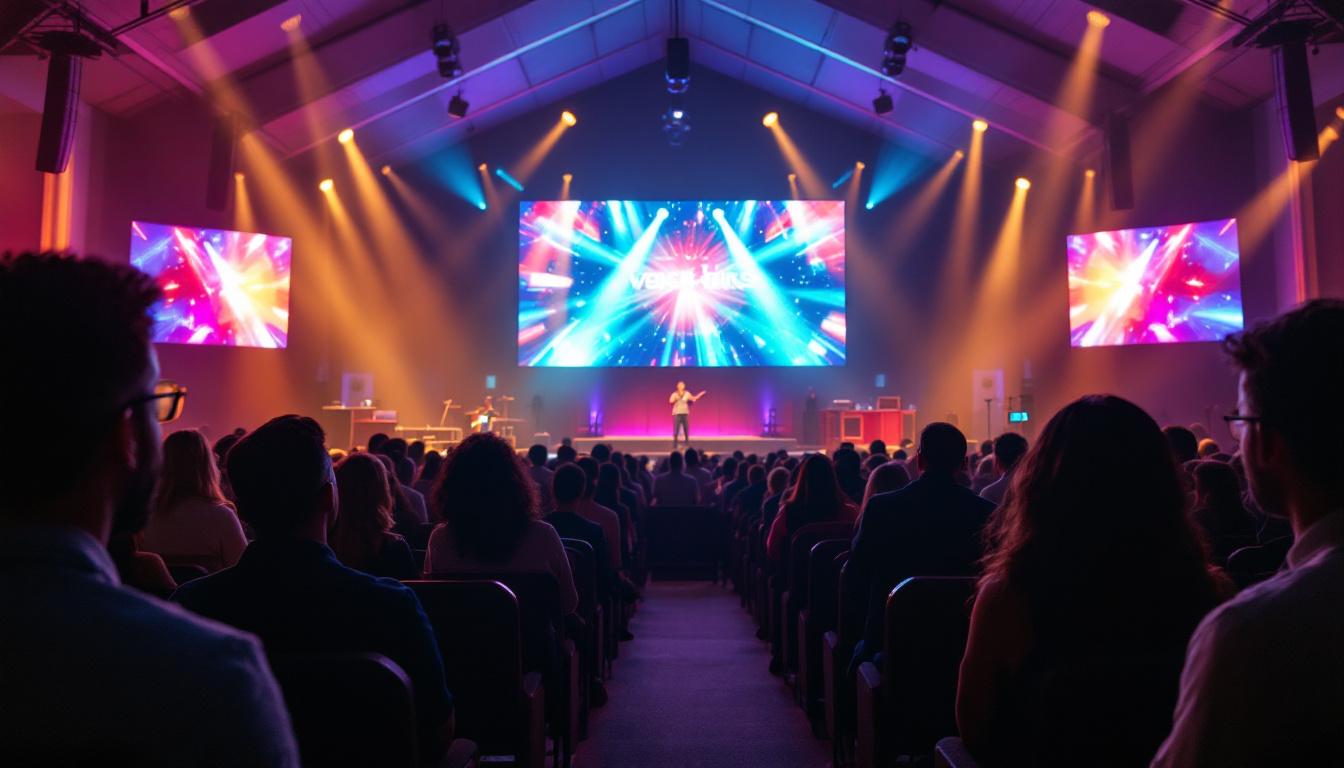
In today’s digital era, interactive displays have become an integral part of various industries, from retail and education to corporate environments and public spaces. Among these technologies, touchable LED screens stand out for their vibrant visuals and responsive touch capabilities. This article delves into the fundamentals of LED displays, explores how touch technology integrates with LED screens, and examines their applications, advantages, and future trends.
Understanding LED Display Technology
What is an LED Display?
LED stands for Light Emitting Diode, a semiconductor device that emits light when an electric current passes through it. An LED display is a flat panel display that uses an array of LEDs as pixels to produce images, videos, and other visual content. Unlike traditional LCDs that rely on backlighting, LED displays generate their own light, resulting in higher brightness, better contrast, and improved energy efficiency.
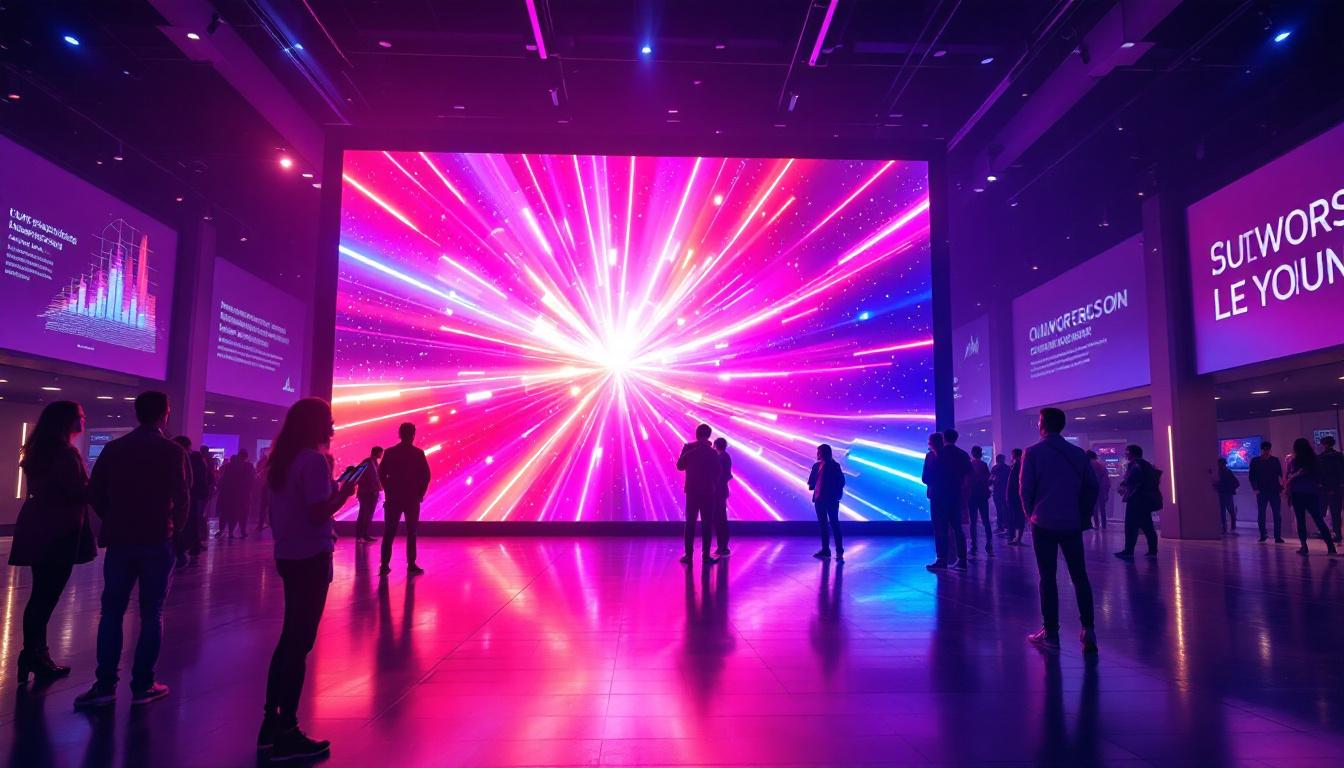
LED displays come in various forms, including direct-view LED panels and LED-backlit LCDs. Direct-view LED panels are composed of thousands of tiny LEDs arranged in a grid, each acting as an individual pixel. This configuration allows for ultra-bright images that are visible even in broad daylight, making them ideal for outdoor advertising and large-scale events. Furthermore, the modular nature of these panels means they can be easily scaled to fit different sizes and resolutions, accommodating a wide range of applications from small retail displays to massive stadium screens.
Types of LED Displays
There are primarily three types of LED displays: indoor, outdoor, and transparent LED screens. Indoor LED displays are designed for environments with controlled lighting and are commonly used in conference rooms, retail stores, and entertainment venues. These displays often feature higher pixel densities, resulting in sharper images and finer details, which is particularly beneficial for close viewing distances.
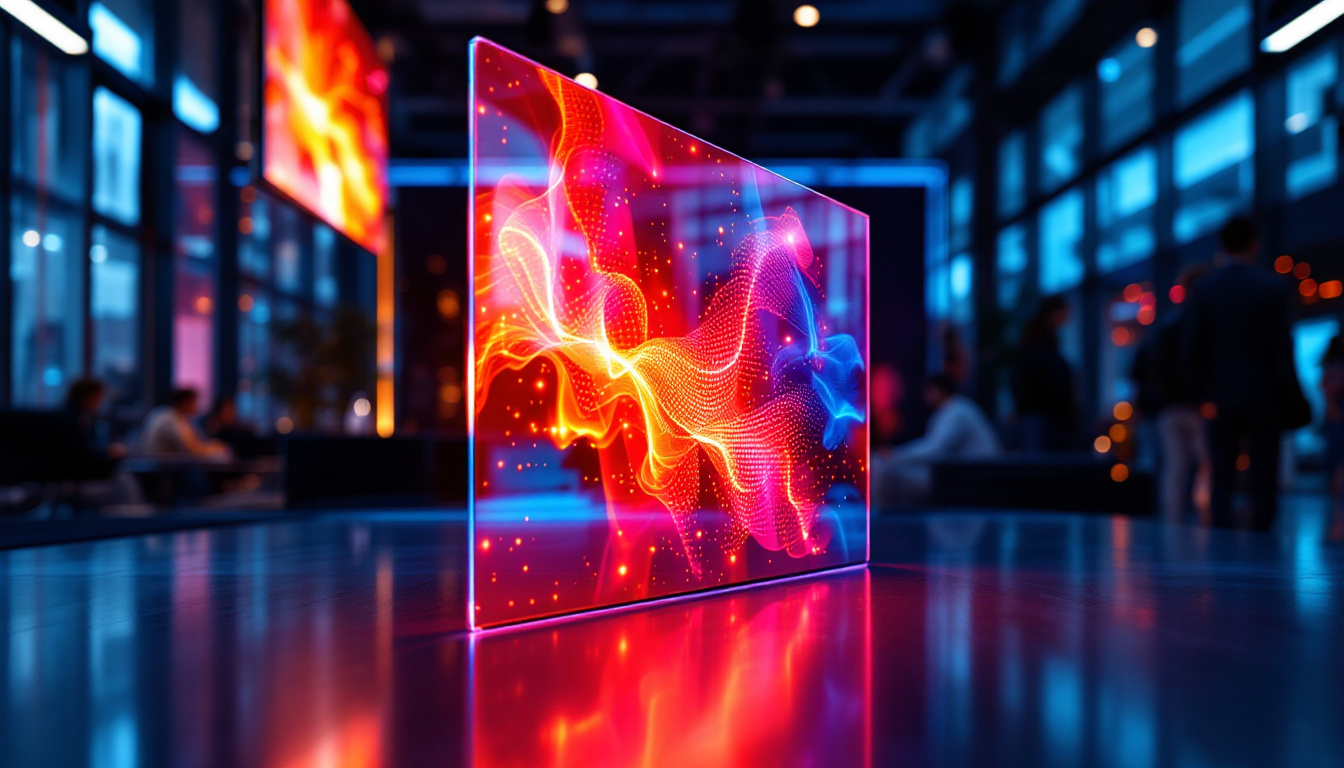
Outdoor LED displays are built to withstand harsh weather conditions and provide high brightness to combat sunlight glare. These displays utilize robust materials and advanced protective coatings to ensure durability against rain, wind, and extreme temperatures. Additionally, outdoor LED technology often incorporates advanced thermal management systems to prevent overheating, ensuring consistent performance even in challenging environments. Transparent LED displays are a newer innovation that allows light to pass through the screen, enabling installations on glass surfaces without obstructing the view. This technology is gaining popularity in retail storefronts and architectural applications, where maintaining visibility while displaying dynamic content is crucial. As businesses seek to create immersive experiences, transparent displays offer a unique solution that blends digital advertising with the physical environment, allowing for creative storytelling and enhanced customer engagement.
The Integration of Touch Technology with LED Displays
How Touch Screens Work
Touch screens detect and respond to user input through physical contact. The most common touch technologies include resistive, capacitive, infrared, and surface acoustic wave (SAW). Capacitive touch technology, which detects changes in the electrical field caused by a finger or conductive stylus, is the most widely used in modern touchscreens due to its accuracy, multi-touch capabilities, and durability.
When combined with LED displays, touch technology transforms a passive screen into an interactive interface. This integration enables users to manipulate content directly on the display, enhancing engagement and usability. The ability to swipe, pinch, and zoom has revolutionized how we interact with digital content, making it more intuitive and user-friendly. Whether in smartphones, tablets, or large interactive kiosks, the synergy between touch technology and LED displays has paved the way for a more immersive experience.
Capacitive Touch and LED Displays
Capacitive touchscreens are particularly well-suited for LED displays because they maintain the screen’s clarity and brightness while providing precise touch sensitivity. These touchscreens consist of a transparent conductive layer placed over the LED panel. When a user touches the screen, the system registers the change in capacitance and processes the input accordingly. This technology not only allows for accurate touch detection but also supports gestures that can enhance functionality, such as swiping through images or scrolling through long documents.
Advancements in touch sensor technology have led to the development of in-cell and on-cell touchscreens, where the touch sensor is integrated within or on top of the display panel itself. This integration reduces the thickness of the display assembly and improves optical performance, making the touch experience more seamless and responsive. Additionally, manufacturers are exploring the use of advanced materials and coatings that enhance durability and reduce glare, ensuring that users can interact with the display in various lighting conditions. The combination of these innovations not only improves user experience but also opens up new possibilities for applications in fields such as retail, education, and healthcare, where interactive displays can facilitate learning, enhance customer engagement, and streamline workflows.
Applications of Touchable LED Displays
Retail and Advertising
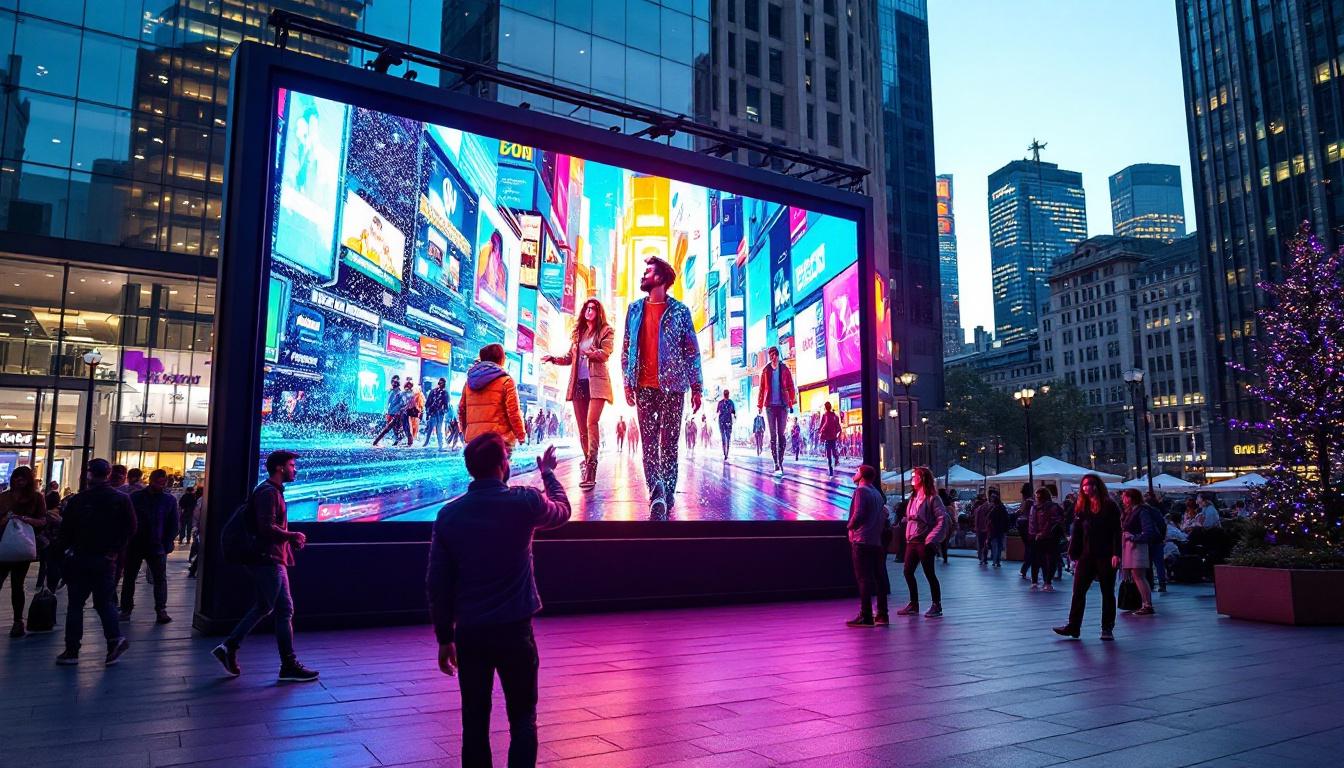
Touchable LED displays have revolutionized the retail sector by enabling interactive advertising and customer engagement. Digital signage equipped with touch capabilities allows shoppers to browse product catalogs, access promotions, and even place orders directly from the screen. According to a 2023 report by Grand View Research, the global digital signage market is expected to reach $31.71 billion by 2028, driven largely by interactive display technologies.
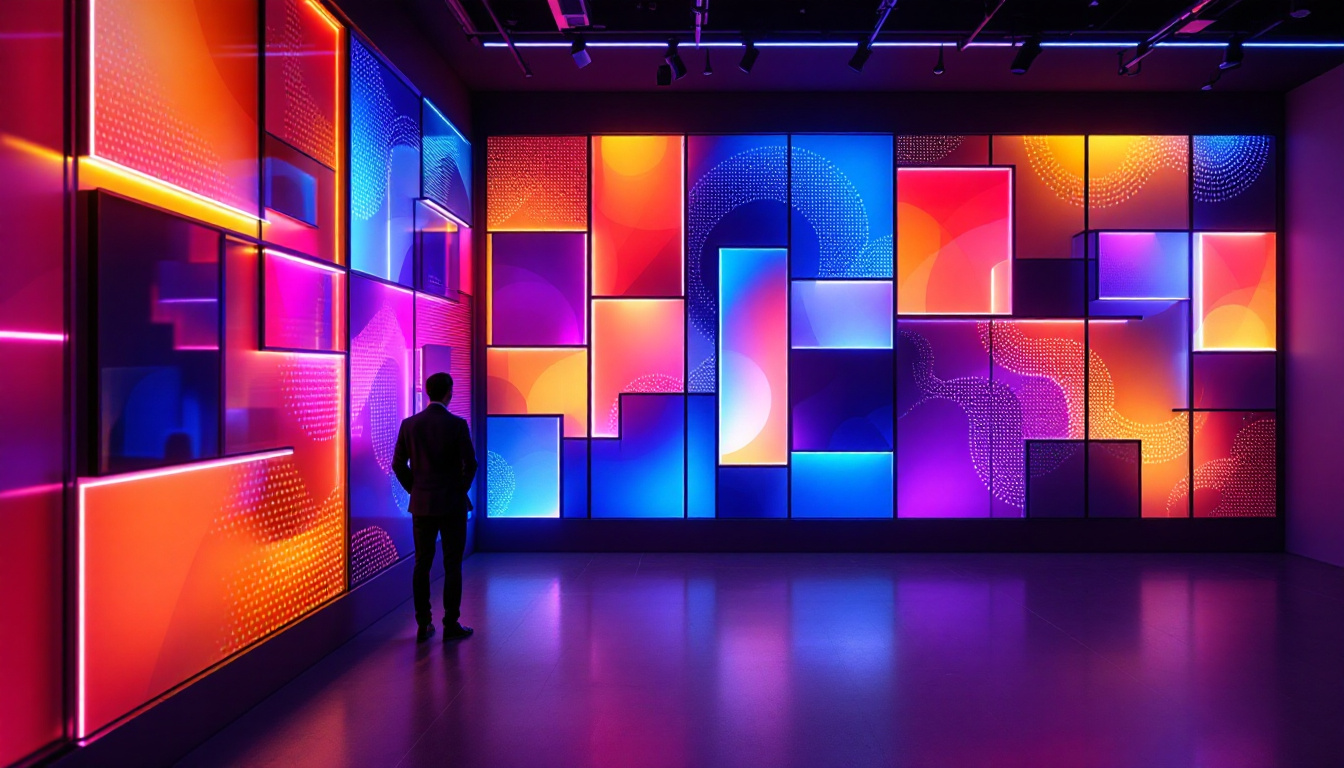
For example, major retail chains use large-format touchable LED walls to create immersive brand experiences that attract foot traffic and increase dwell time. These displays can also collect valuable data on customer preferences and behavior, helping businesses tailor their marketing strategies.
Education and Training
In educational settings, touchable LED displays serve as interactive whiteboards and collaborative tools. Their large size and high resolution make them ideal for classrooms, lecture halls, and training centers. Students can engage with multimedia content, annotate directly on the screen, and participate in interactive lessons.
Research published by the Journal of Educational Technology & Society in 2022 highlights that interactive displays improve student engagement and knowledge retention by fostering active learning environments. Additionally, the durability and brightness of LED technology ensure visibility even in well-lit rooms.
Corporate and Public Spaces
Corporate offices utilize touchable LED displays for presentations, video conferencing, and collaborative workspaces. The ability to interact directly with content streamlines meetings and enhances productivity. Public spaces such as airports, museums, and transportation hubs also benefit from these displays by providing wayfinding, ticketing, and information services with intuitive touch interfaces.
For instance, airports worldwide have adopted large touchable LED kiosks to assist travelers with flight information and navigation, reducing the need for staff intervention and improving passenger experience.
Advantages of Touchable LED Displays
Enhanced User Engagement
Touchable LED displays foster a more interactive and immersive experience compared to traditional static screens. By allowing users to control content directly, these displays increase engagement and satisfaction. This interactivity is particularly valuable in marketing, education, and customer service contexts, where user involvement can drive better outcomes.
Superior Visual Quality
LED technology offers exceptional brightness, contrast, and color accuracy, which are critical for clear visibility and impactful visuals. When combined with touch functionality, the display maintains its visual integrity without compromising responsiveness. This balance is essential for applications where both image quality and user interaction are priorities.
Durability and Energy Efficiency
LED displays are known for their long lifespan and energy-efficient operation. They consume less power than traditional display technologies, reducing operational costs and environmental impact. Additionally, LED panels are robust and resistant to damage from environmental factors, making them suitable for both indoor and outdoor use.
Challenges and Considerations
Cost and Installation Complexity
While the benefits of touchable LED displays are significant, the initial investment and installation can be costly. High-resolution LED panels with integrated touch sensors require precise calibration and professional setup to ensure optimal performance. Businesses must weigh these costs against the potential return on investment.
Maintenance and Calibration
Touchable LED displays require regular maintenance to preserve touch accuracy and display quality. Calibration may be necessary over time to adjust for environmental changes or wear. Additionally, the touch layer can be susceptible to damage from heavy use or vandalism, necessitating protective measures in public installations.
Technical Limitations
Despite advances, touch technology on large LED displays can sometimes experience latency or reduced sensitivity, especially in multi-touch scenarios. Developers and manufacturers continuously work to minimize these issues, but users should be aware of potential limitations when selecting a system for critical applications.
The Future of Touchable LED Displays
Emerging Technologies
Innovations such as microLED and miniLED promise to further enhance the brightness, resolution, and energy efficiency of LED displays. These technologies, combined with advancements in touch sensors like optical and ultrasonic touch, will enable thinner, more responsive, and more versatile touchable screens.
Moreover, the integration of artificial intelligence (AI) and machine learning is expected to personalize user interactions and improve gesture recognition, creating more intuitive interfaces.
Expanding Applications
As touchable LED displays become more affordable and versatile, their adoption will expand into new sectors such as healthcare, automotive, and smart cities. For example, hospitals may use interactive LED walls for patient education and wayfinding, while smart city initiatives could deploy touchable LED kiosks for public services and information dissemination.
Sustainability and Environmental Impact
With growing emphasis on sustainability, manufacturers are focusing on eco-friendly materials and energy-saving features. Touchable LED displays that consume less power and use recyclable components will align with corporate social responsibility goals and regulatory requirements, making them more attractive to environmentally conscious organizations.
Conclusion
Touchable LED displays represent a convergence of cutting-edge visual and interactive technologies, offering dynamic solutions across multiple industries. Their superior brightness, responsiveness, and versatility make them ideal for engaging audiences in retail, education, corporate, and public environments. While challenges such as cost and maintenance exist, ongoing innovations promise to enhance their performance and accessibility.
Understanding the technology behind LED displays and touch integration is essential for businesses and institutions looking to leverage these tools effectively. As the market evolves, touchable LED screens will continue to transform how people interact with digital content, creating more immersive and user-friendly experiences.
Discover LumenMatrix’s Interactive LED Solutions
Ready to elevate your space with the latest in touchable LED display technology? Look no further than LumenMatrix, a pioneer in crafting immersive visual experiences. From vibrant indoor and outdoor displays to innovative transparent and custom solutions, LumenMatrix offers a wide array of LED display modules tailored to your needs. Embrace the future of digital signage and let LumenMatrix help you captivate your audience, enhance your brand’s visibility, and communicate your message with unparalleled clarity. Check out LumenMatrix LED Display Solutions today and see the difference for yourself.