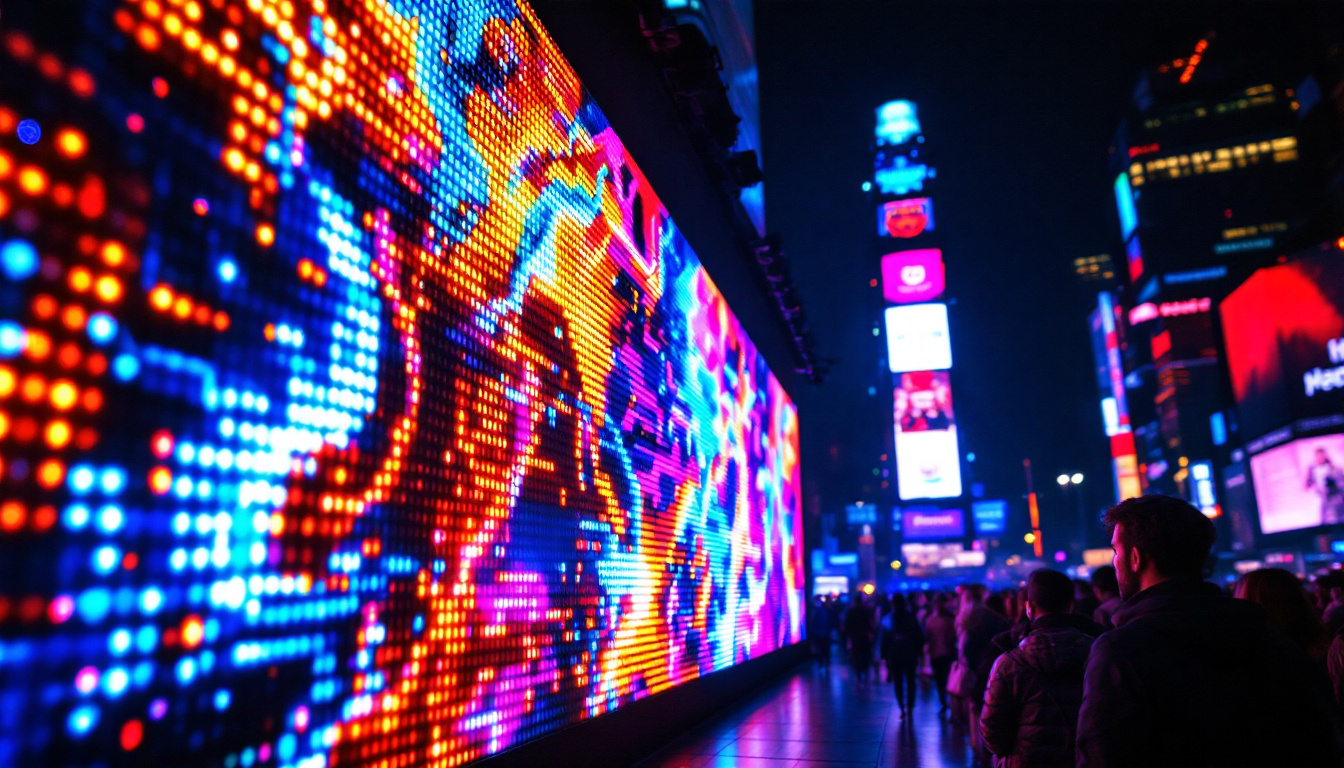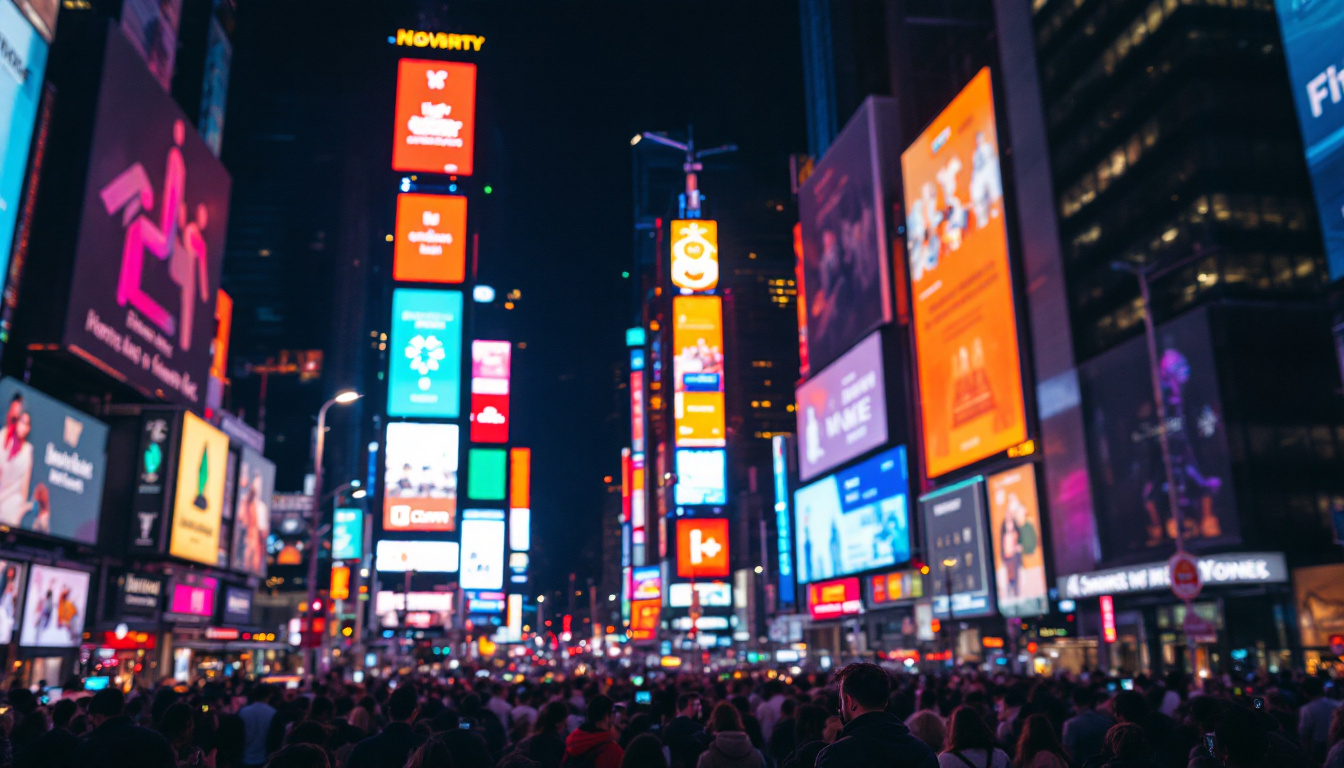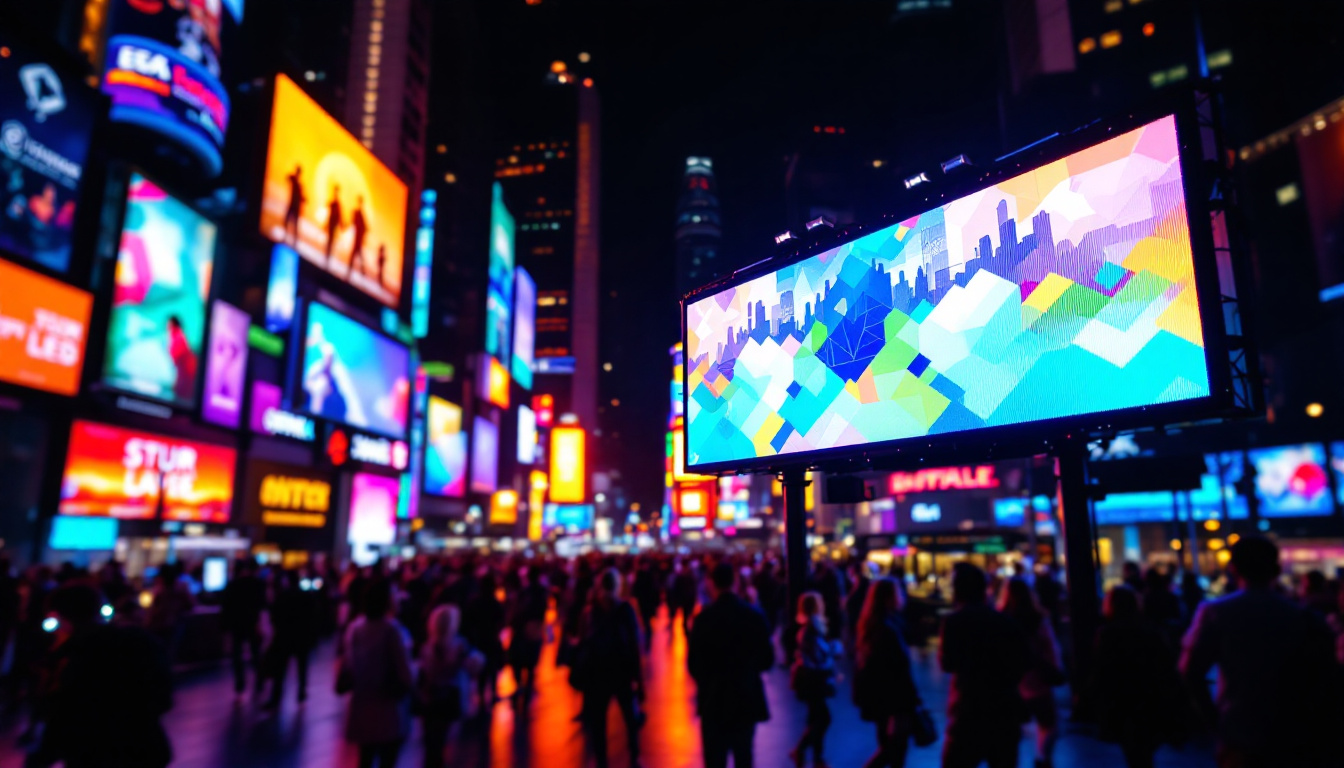
In the rapidly evolving world of digital signage, LED displays have emerged as a cornerstone technology, transforming how businesses and public spaces communicate visually. As we move through 2024, understanding the nuances of LED display technology is crucial for marketers, retailers, event organizers, and urban planners alike. This article delves into the latest advancements, benefits, and practical applications of LED displays in digital signage, providing a comprehensive overview to help stakeholders make informed decisions.
The Rise of LED Displays in Digital Signage
Digital signage has become an essential tool for engaging audiences in a dynamic and interactive way. Among various display technologies, LED (Light Emitting Diode) displays stand out due to their brightness, durability, and versatility. According to a recent market analysis by Grand View Research, the global LED display market is projected to reach $37.5 billion by 2028, growing at a compound annual growth rate (CAGR) of over 16% from 2022 to 2028. This growth underscores the increasing adoption of LED technology across multiple sectors.
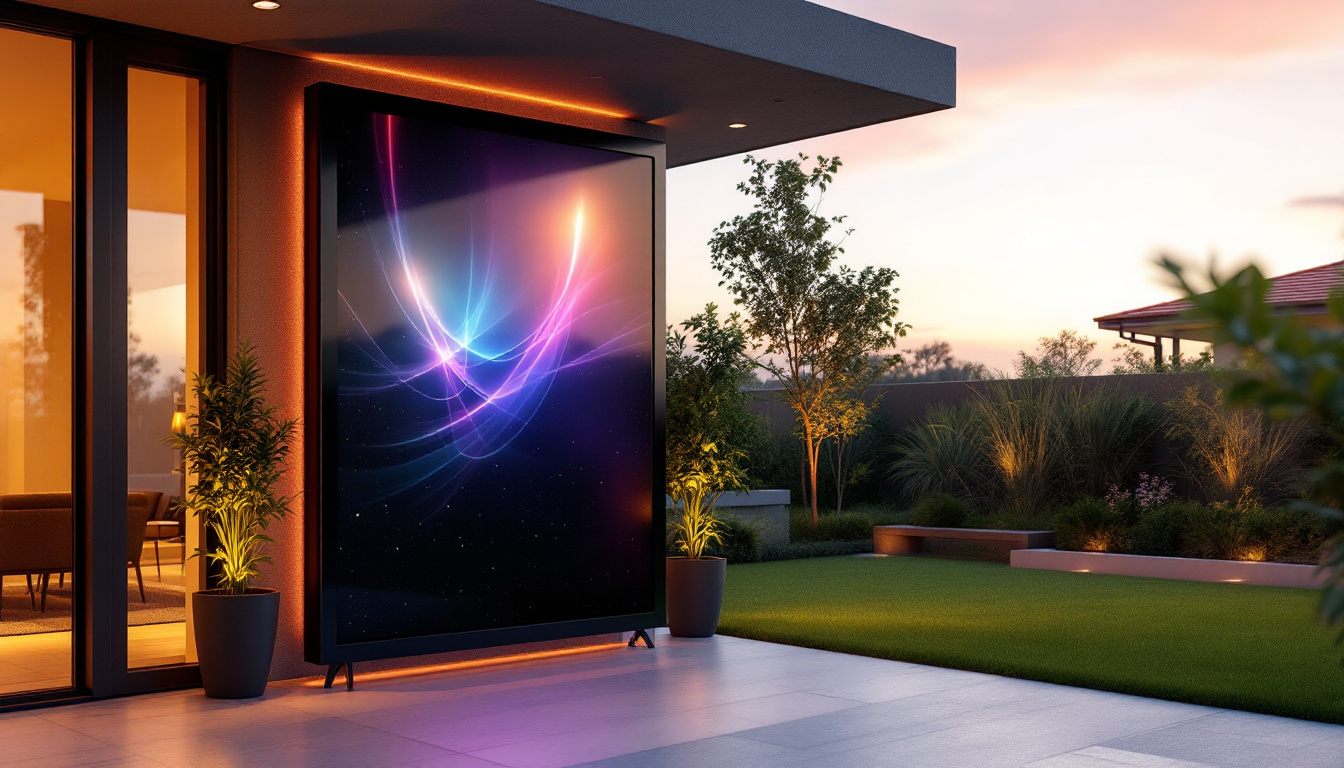
LED displays offer several advantages over traditional LCD and projection-based signage. Their ability to deliver vibrant colors and high contrast ratios ensures visibility even in direct sunlight, making them ideal for outdoor environments. Furthermore, LEDs consume less power and have longer lifespans, reducing operational costs and maintenance efforts. This efficiency not only benefits businesses but also contributes to a smaller carbon footprint, aligning with the growing emphasis on sustainable practices in various industries.
Key Drivers Behind LED Adoption
Several factors contribute to the widespread adoption of LED displays in digital signage:
- Enhanced Visibility: LED displays provide superior brightness levels, often exceeding 5,000 nits, which is crucial for outdoor and high-ambient-light conditions.
- Energy Efficiency: Advances in LED technology have significantly lowered energy consumption, aligning with sustainability goals and reducing total cost of ownership.
- Scalability and Flexibility: Modular LED panels allow for custom sizes and shapes, enabling creative and large-format installations that capture audience attention.
- Improved Durability: LEDs are less susceptible to damage from environmental factors such as moisture, dust, and temperature fluctuations, ensuring reliable performance.
In addition to these advantages, the rapid advancements in LED technology have led to the development of features such as high-definition displays and 3D capabilities, further enhancing the viewer’s experience. Businesses are increasingly leveraging these innovations to create immersive environments that not only convey information but also evoke emotions and drive engagement. For instance, retail stores are utilizing LED displays to showcase vibrant product visuals and dynamic advertisements that change in real-time, capturing the attention of passersby and encouraging foot traffic.
The integration of smart technology into LED displays is another significant trend that is reshaping the digital signage landscape. With the rise of the Internet of Things (IoT), LED displays can now be connected to data sources, allowing for real-time updates and personalized content delivery. This capability empowers businesses to tailor their messaging based on audience demographics, weather conditions, or even social media trends, creating a more relevant and impactful communication strategy. As a result, LED displays are not just passive information sources; they are becoming interactive platforms that foster deeper connections between brands and consumers.
Understanding LED Display Technology
To appreciate the impact of LED displays in digital signage, it’s essential to understand how the technology works and the variations available in the market.
How LED Displays Work
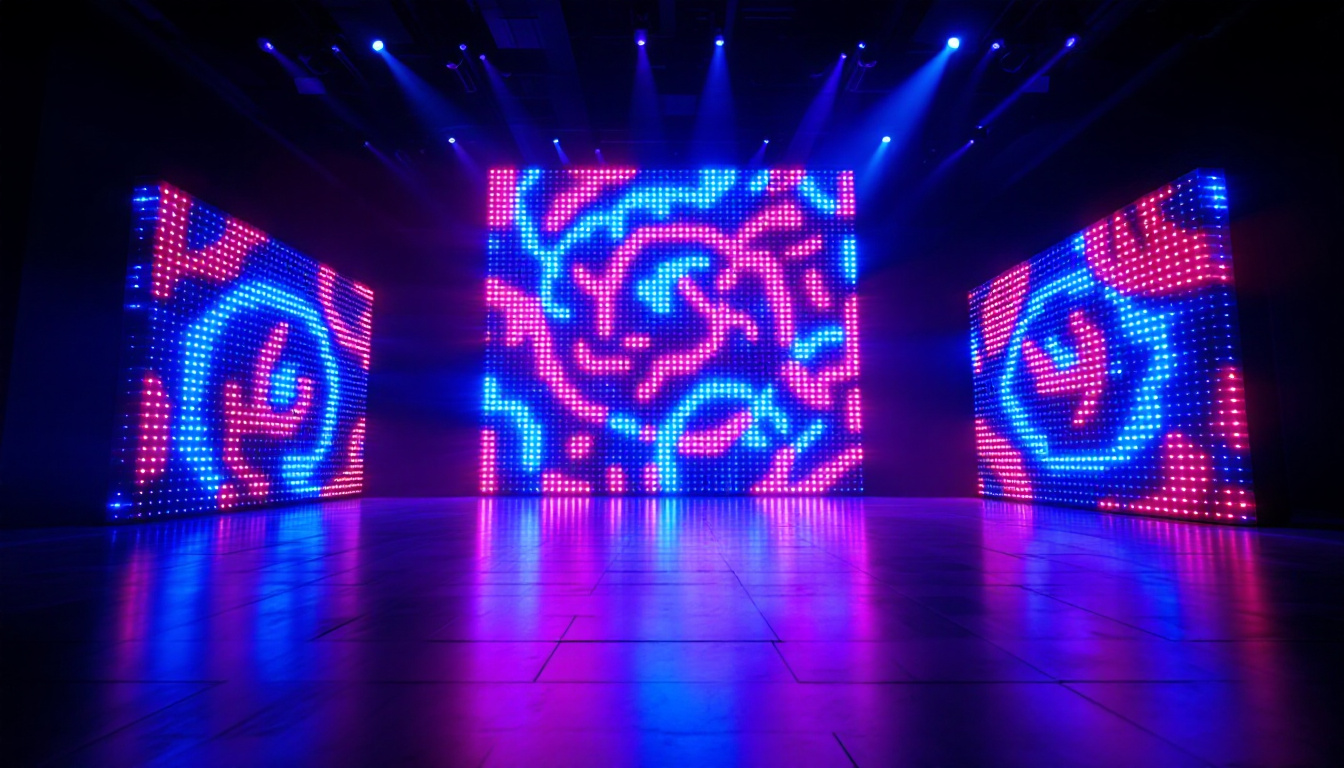
LED displays consist of numerous tiny light-emitting diodes arranged in a matrix. Each diode emits light when an electric current passes through it, and by controlling the intensity of red, green, and blue LEDs, the display can produce a wide spectrum of colors. This pixel-level control allows for sharp, vivid images and videos.
Unlike LCDs, which rely on backlighting, LEDs are self-illuminating. This fundamental difference results in higher contrast ratios and deeper blacks, enhancing image quality. Additionally, the direct emission of light from LEDs contributes to their superior brightness and energy efficiency.
Types of LED Displays in Digital Signage
LED displays come in various forms, each suited to specific applications:
- Indoor LED Displays: Designed for controlled lighting environments, these displays have higher pixel density (smaller pixel pitch) to provide crisp images at close viewing distances. They are commonly used in retail stores, corporate lobbies, and event venues.
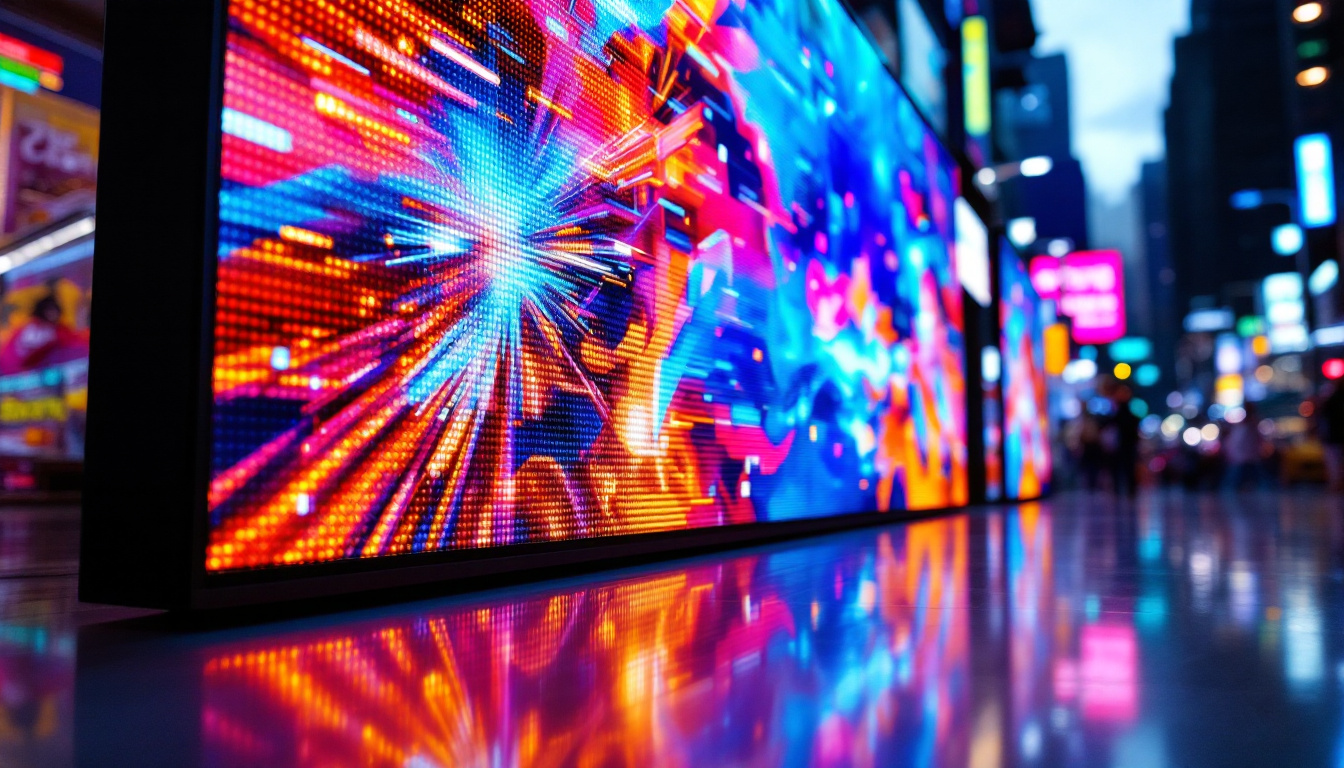
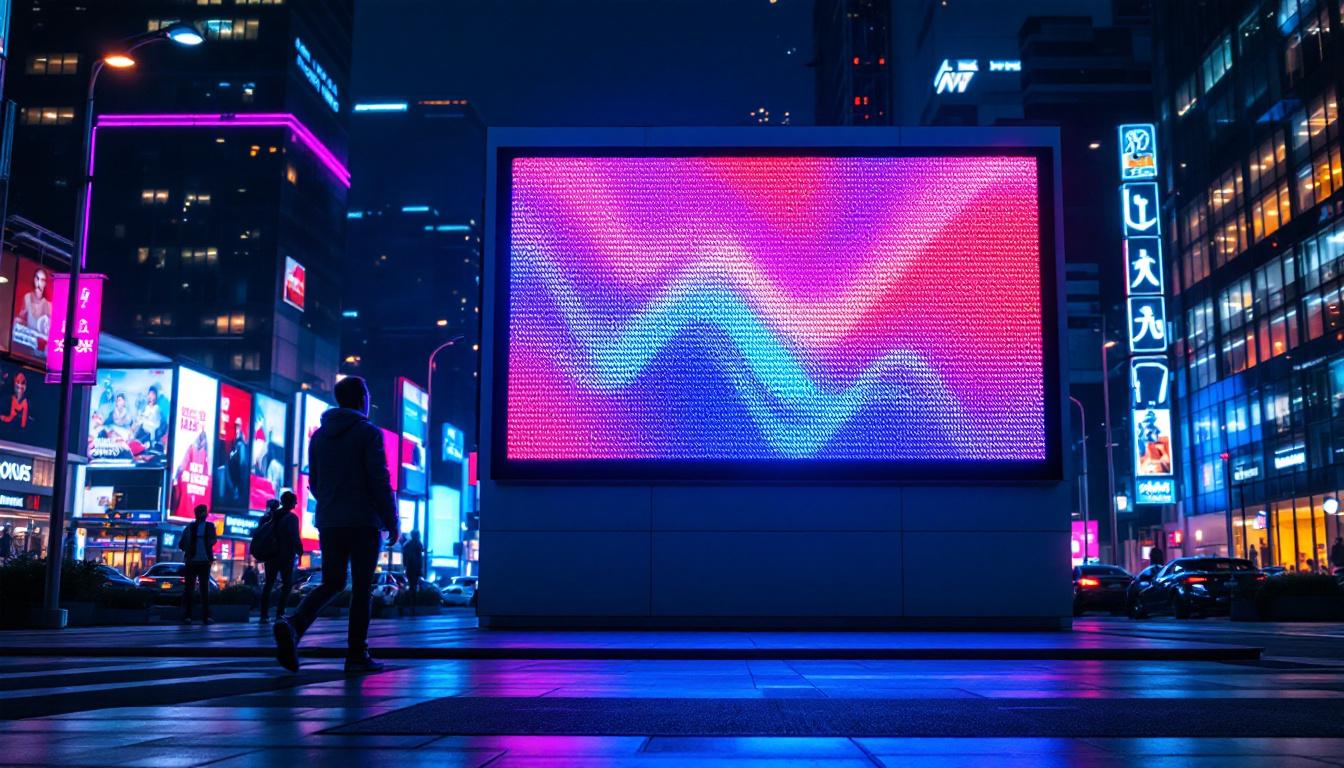
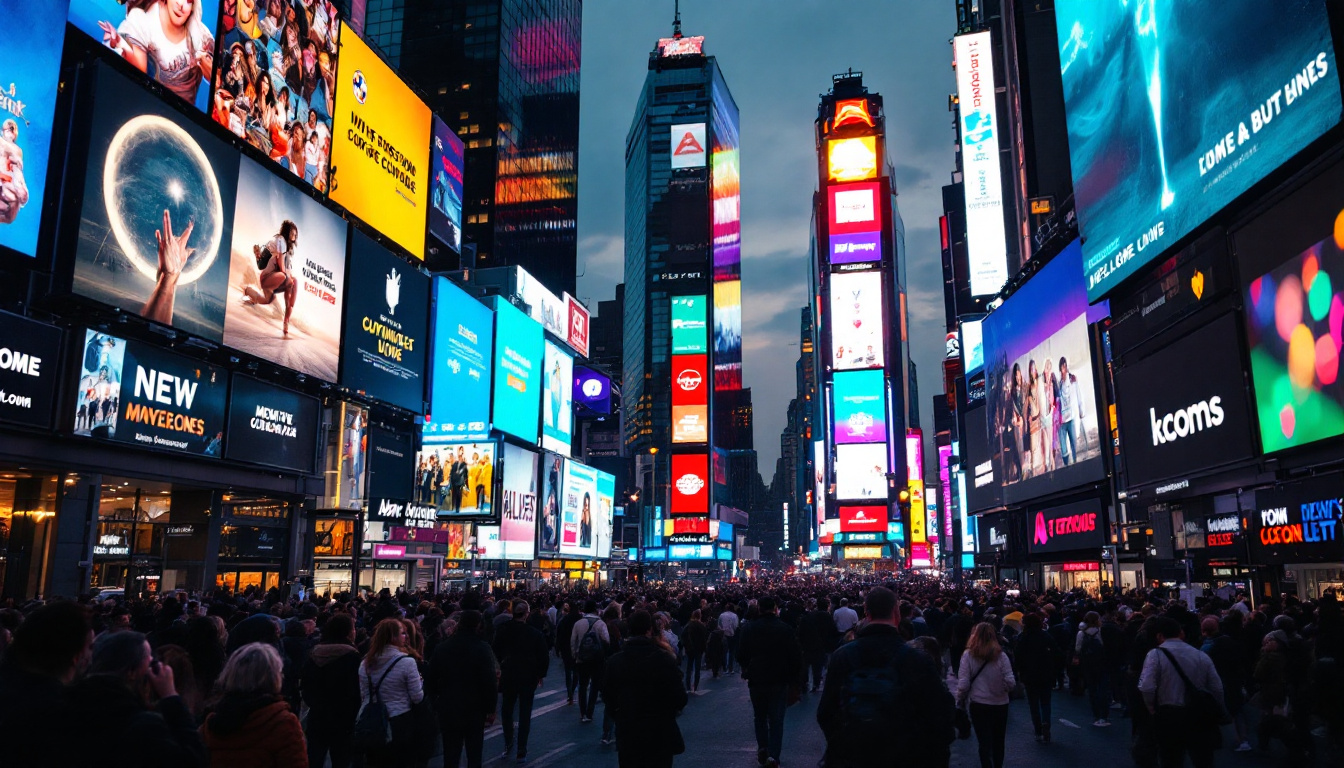
- Outdoor LED Displays: Built to withstand weather conditions, these displays feature rugged enclosures and higher brightness levels to combat sunlight glare. They are widely used for billboards, stadium screens, and transportation hubs.
- Transparent LED Displays: These innovative displays integrate LEDs into glass panels, allowing light to pass through. They are ideal for storefront windows, combining advertising with natural light and visibility.
- Flexible and Curved LED Displays: Utilizing bendable substrates, these displays enable creative installations on curved surfaces or irregular shapes, enhancing architectural integration.
Pixel Pitch and Resolution
Pixel pitch—the distance between individual LEDs—is a critical factor influencing image clarity. Smaller pixel pitches yield higher resolution and finer detail, which is especially important for indoor signage where viewers are closer to the screen. For example, a 1.2mm pixel pitch display will deliver sharper images than a 10mm pitch display but at a higher cost.
Choosing the right pixel pitch depends on the viewing distance and content type. Outdoor signage typically uses larger pixel pitches (6mm to 20mm) since viewers are farther away, while indoor displays require pitches below 4mm for optimal clarity.
Applications of LED Displays in 2024
LED displays have become ubiquitous across various industries, each leveraging the technology’s unique strengths to enhance communication and engagement.
Retail and Advertising
Retailers increasingly rely on LED digital signage to create immersive shopping experiences and influence purchasing decisions. Dynamic content such as promotions, product demonstrations, and interactive elements can be displayed with vibrant visuals that attract foot traffic.
For example, major brands like Nike and Samsung have deployed large-scale LED walls in flagship stores to showcase high-definition videos and real-time social media feeds. According to a report by Nielsen, digital signage in retail environments can boost sales by up to 30%, highlighting the effectiveness of LED displays in driving consumer behavior.
Transportation and Public Spaces
Airports, train stations, and bus terminals utilize LED displays for real-time information dissemination, wayfinding, and advertising. The durability and brightness of LED technology ensure that critical updates remain visible under various lighting conditions.
In urban environments, LED displays also play a role in smart city initiatives by providing interactive kiosks, emergency alerts, and environmental data. Cities like London and Singapore have integrated LED signage into their infrastructure to enhance public safety and engagement.
Events and Entertainment
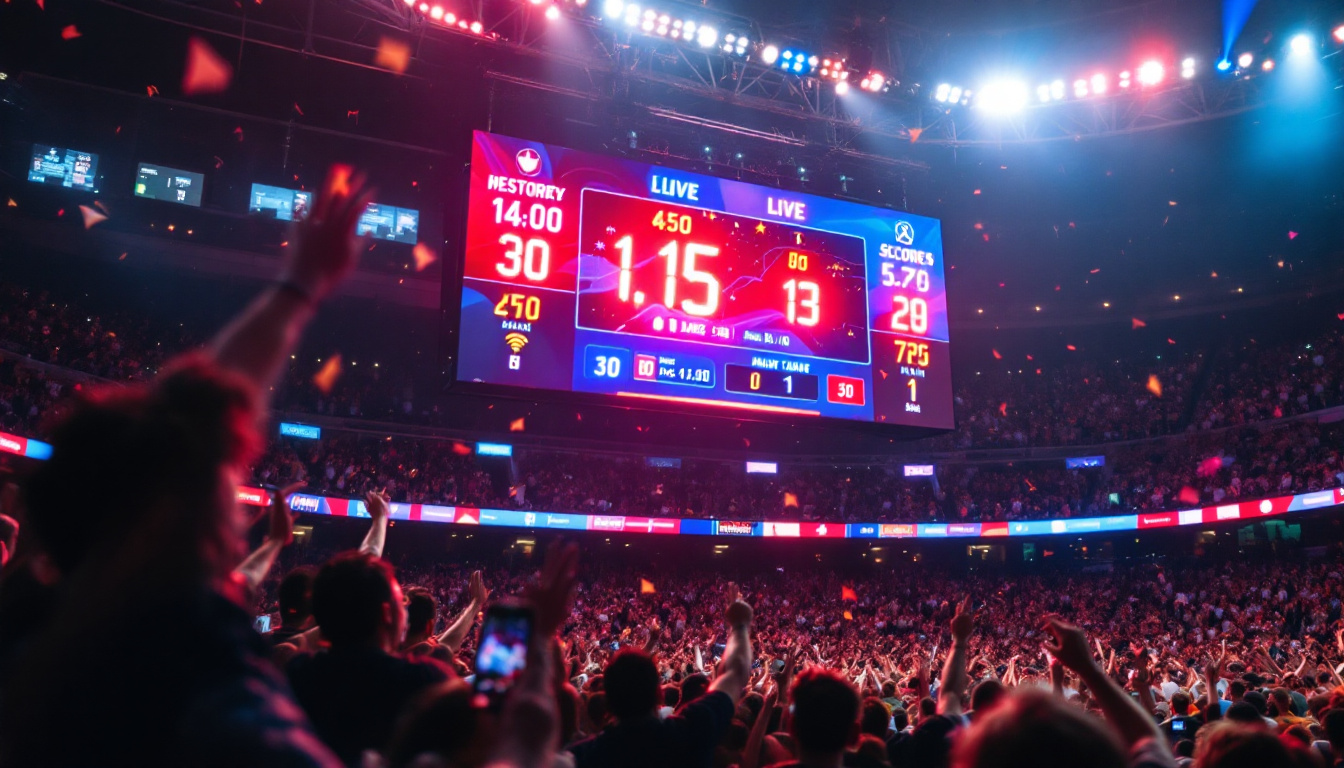
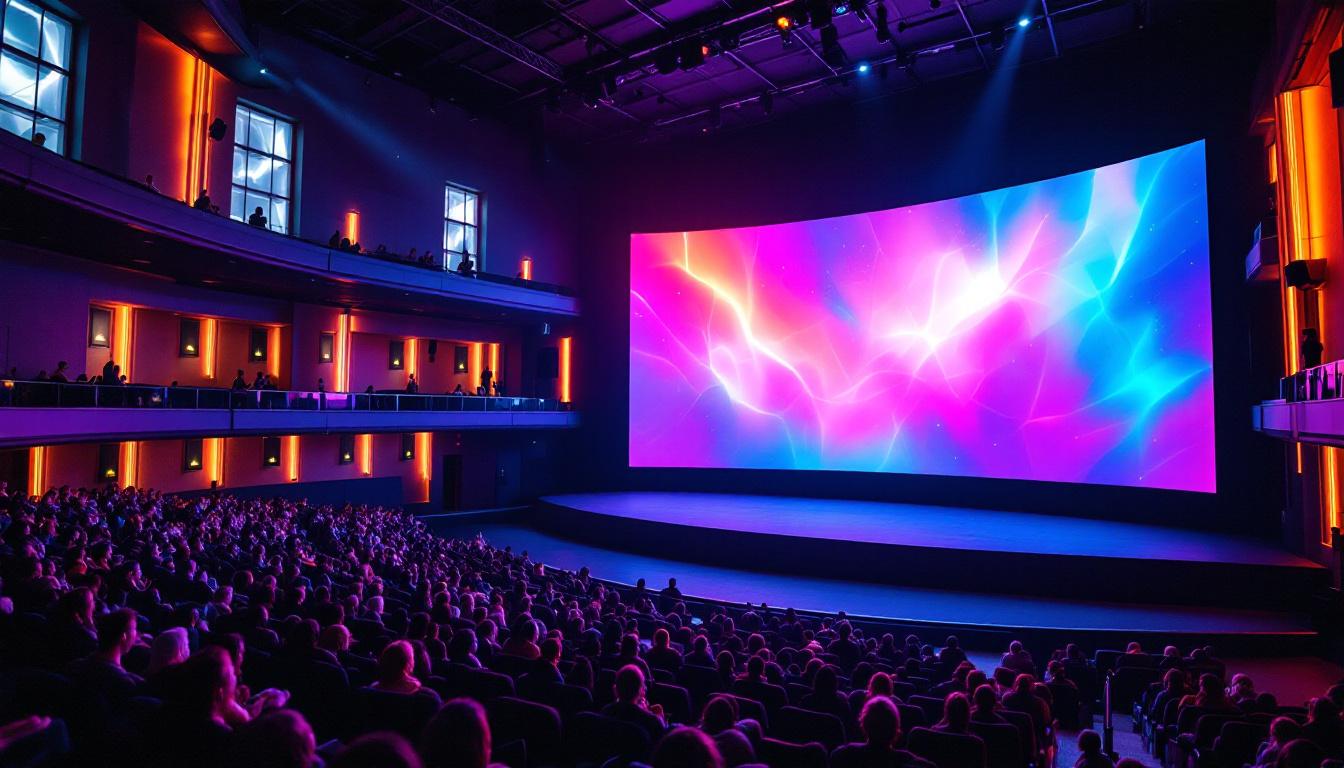
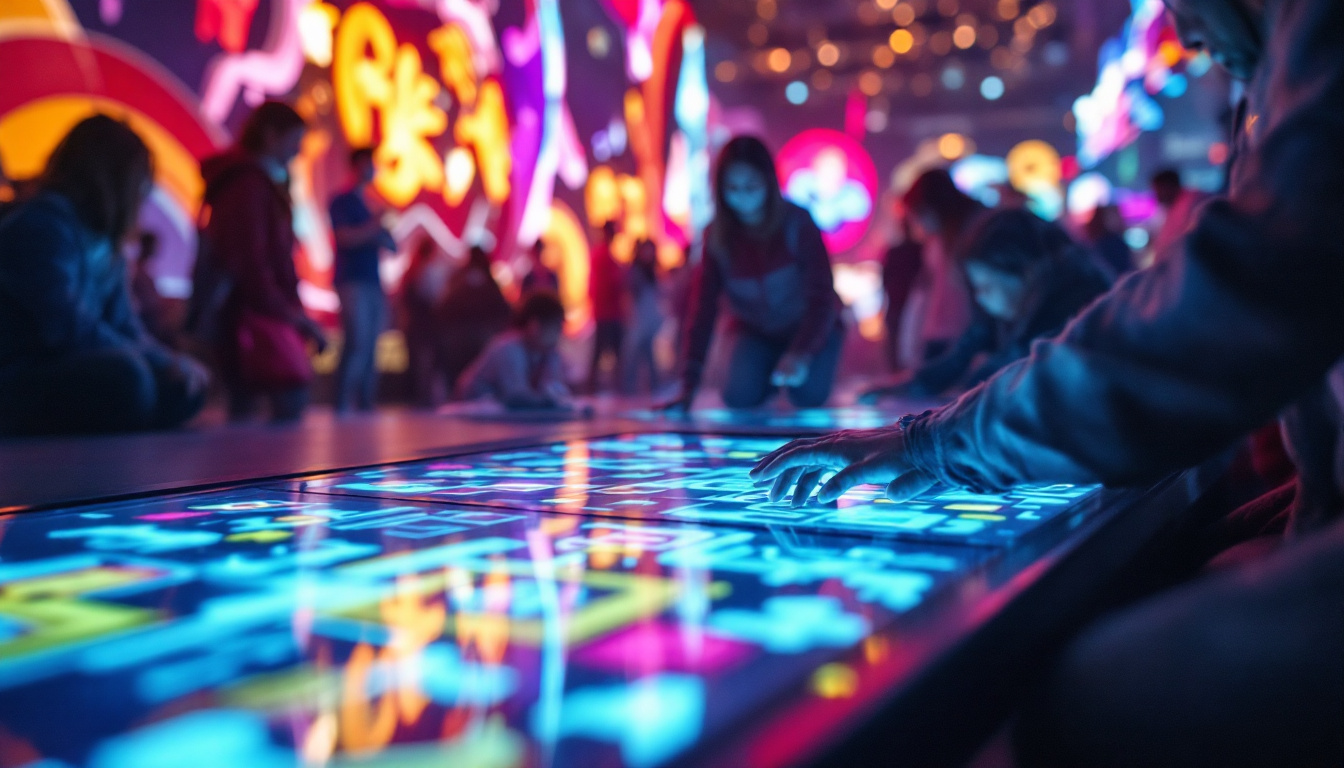
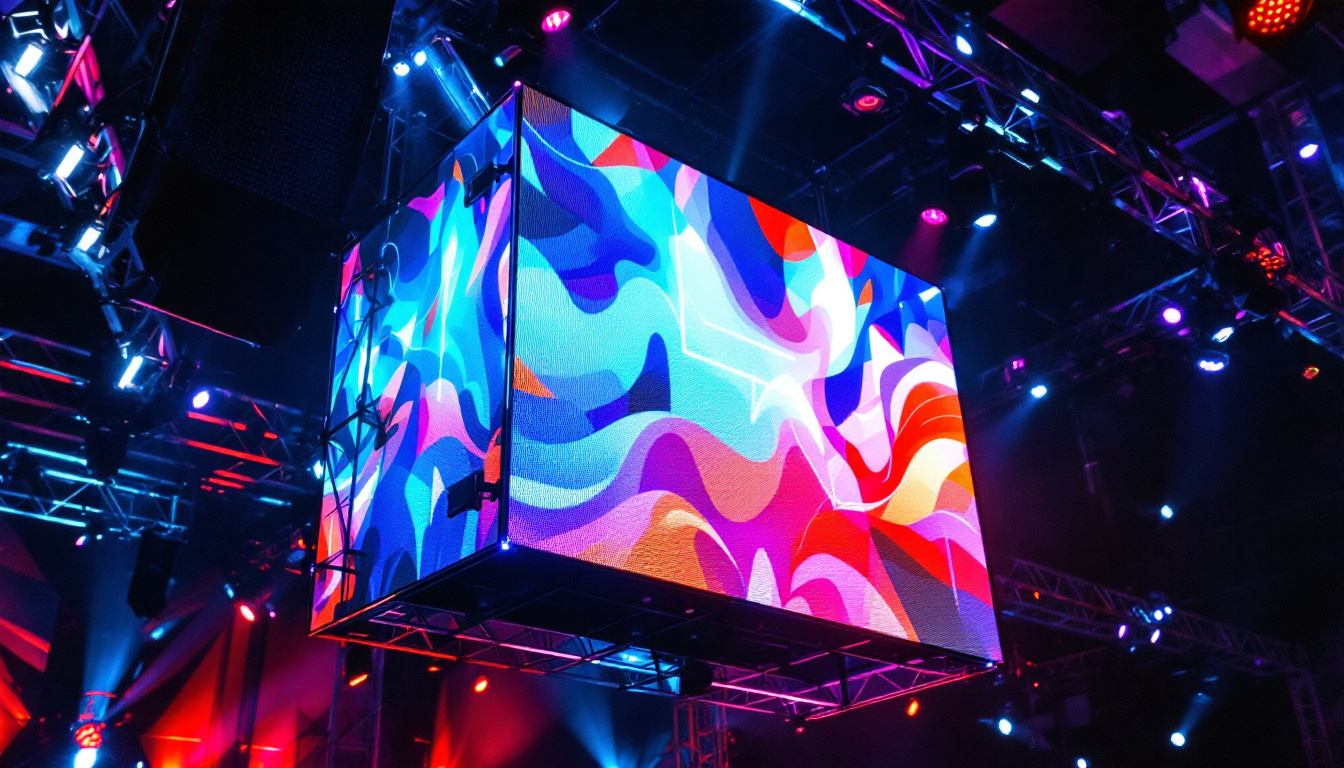
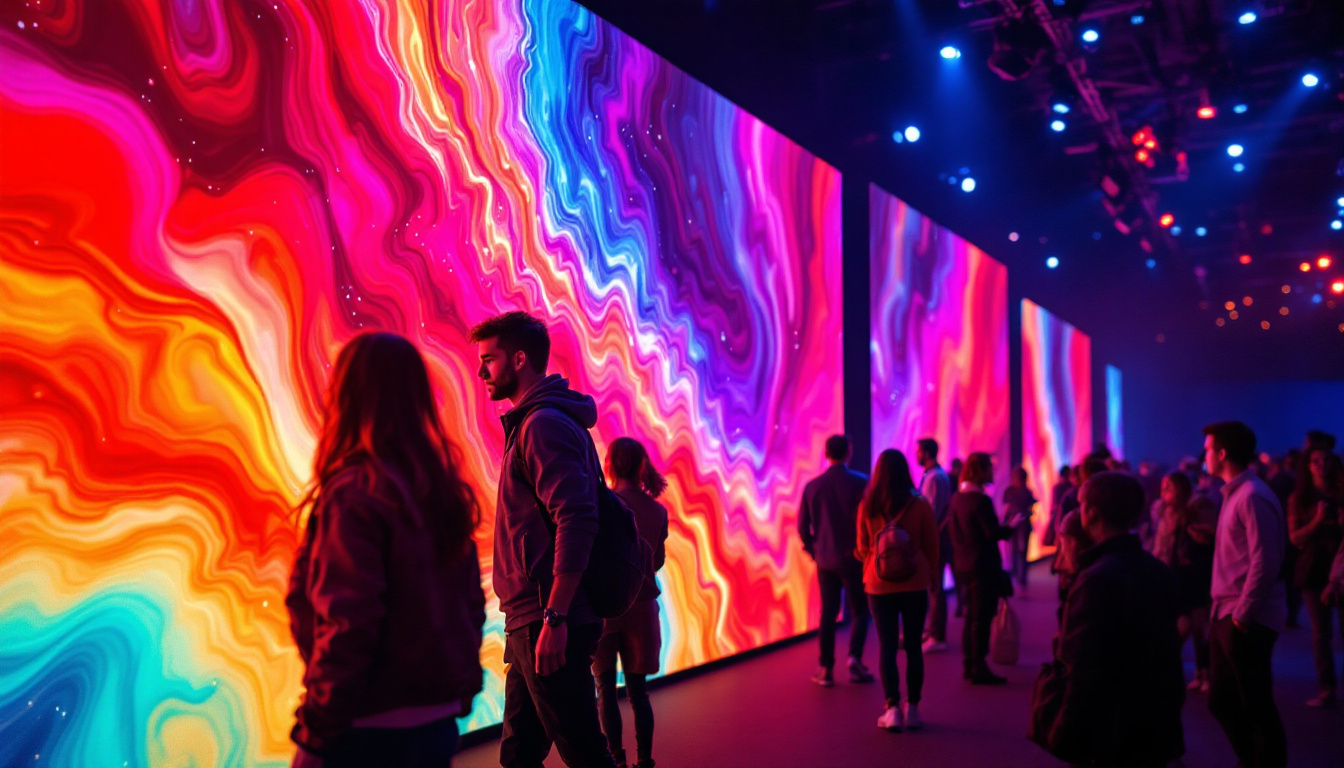
Concerts, sports arenas, and exhibitions benefit from LED displays’ ability to deliver large, high-impact visuals to audiences. The modular nature of LED panels allows event organizers to customize screen sizes and shapes to fit venue requirements.
For instance, the 2024 Summer Olympics incorporated advanced LED technology for immersive spectator experiences, including 360-degree LED rings and interactive fan zones. These installations not only enhance entertainment but also provide valuable advertising opportunities.
Emerging Trends Shaping LED Digital Signage
As LED technology continues to advance, several trends are shaping the future of digital signage in 2024 and beyond.
Integration with Artificial Intelligence and IoT
Artificial intelligence (AI) and the Internet of Things (IoT) are revolutionizing how LED displays operate. AI-powered analytics enable content personalization based on real-time data such as audience demographics, weather conditions, and traffic patterns. This dynamic content adaptation increases relevance and engagement.
IoT connectivity allows LED signage to interact with other smart devices, creating synchronized campaigns and responsive environments. For example, a retail display might adjust lighting and promotional content based on foot traffic detected by sensors.
Higher Resolution and Mini-LED Technology
Mini-LED technology, which uses smaller LEDs than traditional models, is pushing the boundaries of resolution and color accuracy. This advancement enables ultra-high-definition displays with better contrast and energy efficiency, making LED signage even more compelling.
Manufacturers are also exploring micro-LED technology, which promises even greater pixel density and flexibility, potentially revolutionizing digital signage within the next few years.
Sustainability and Eco-Friendly Design
Environmental concerns are driving innovation in LED display manufacturing and operation. New materials and production methods aim to reduce the carbon footprint of LED panels. Additionally, energy-saving features such as automatic brightness adjustment and power management systems help minimize electricity consumption.
Many companies now prioritize sustainability certifications and lifecycle assessments when selecting digital signage solutions, reflecting a broader commitment to corporate social responsibility.
Choosing the Right LED Display for Your Needs
Selecting the appropriate LED display involves balancing technical specifications, budget, and intended use cases. Here are key considerations to guide the decision-making process:
Assess Viewing Environment and Distance
Understanding where and how the display will be viewed is fundamental. Indoor environments with controlled lighting require higher resolution and smaller pixel pitch, while outdoor settings demand higher brightness and weatherproofing.
Determine Content Type and Frequency
The nature of the content—whether static images, videos, or interactive elements—affects hardware requirements. High-motion video and frequent content updates necessitate displays with faster refresh rates and robust processing capabilities.
Evaluate Installation and Maintenance Factors
Consider the ease of installation, modularity for future expansion, and maintenance accessibility. LED displays with front-service capabilities reduce downtime and simplify repairs, which is critical for high-traffic locations.
Budget and Total Cost of Ownership
While upfront costs can be significant, factoring in energy savings, longevity, and potential revenue impact provides a clearer picture of return on investment (ROI). Leasing options and flexible financing plans are increasingly available to accommodate diverse budgets.
Conclusion: The Future of Digital Signage with LED Displays
LED displays are at the forefront of digital signage innovation in 2024, offering unparalleled brightness, flexibility, and durability. Their ability to deliver engaging, high-quality visuals across diverse environments makes them indispensable for modern communication strategies.
As technology advances, integrating AI, IoT, and eco-friendly designs will further enhance the effectiveness and sustainability of LED signage solutions. For businesses and organizations aiming to captivate audiences and convey messages powerfully, investing in LED digital signage represents a forward-thinking choice that aligns with both current demands and future possibilities.
In a world increasingly driven by visual content, LED displays are not just screens—they are dynamic platforms that shape experiences, influence behaviors, and connect communities.
Explore Cutting-Edge LED Solutions with LumenMatrix
Ready to elevate your digital signage and create unforgettable visual experiences? Discover the innovative world of LumenMatrix, where our advanced LED display modules bring your brand to life. From vibrant Indoor and Outdoor LED Wall Displays to dynamic Vehicle and Sports LED Displays, our extensive range of solutions, including Floor, Custom, All-in-One, and Transparent LED Displays, is designed to captivate your audience and communicate your message with unparalleled clarity. Check out LumenMatrix LED Display Solutions today and join the revolution in visual communication.